
Quick Take
- Some of these 'extinct' animals were rediscovered completely by accident, with no specific conservation missions involved in their finding. An accidental rediscovery →
- One bird managed to hide from the entire scientific community for over 350 years, and the place where it was finally found is stranger than you'd expect. The cahow's comeback →
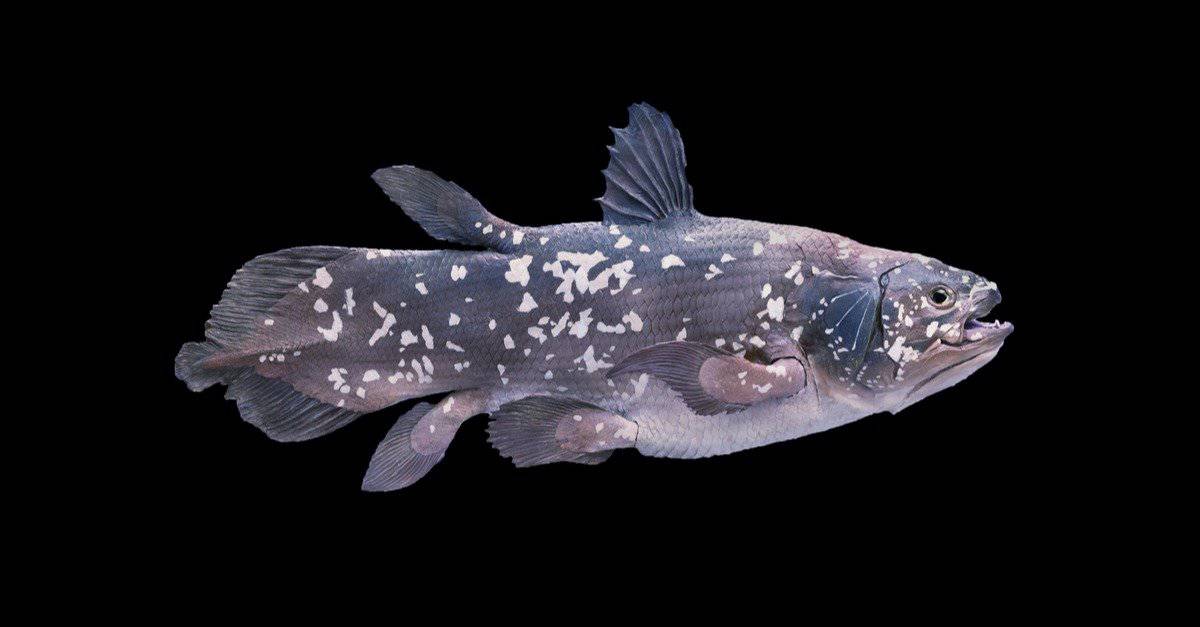
- A fish scientists thought went extinct 66 million years ago turned up alive, and its hiding spot explains everything. The coelacanth's return →
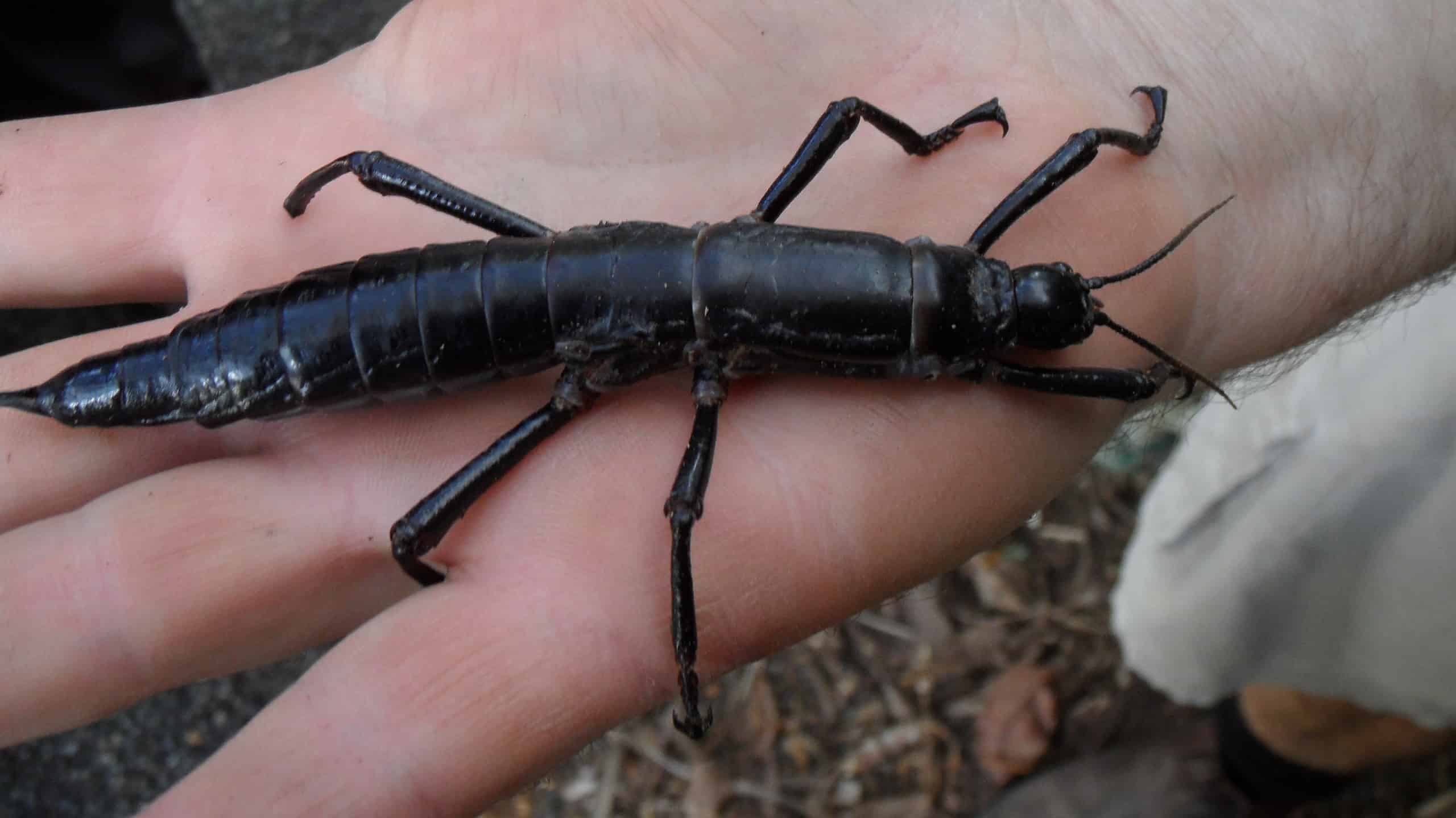
- The insect nicknamed 'the world's rarest' was clinging to survival in a remote, overlooked area. Survival on Ball's Pyramid →
True extinction is final, a point of no return where a species disappears forever. And sadly, species go extinct all the time. But in some rare cases, animals believed to be lost for good have unexpectedly reappeared, decades or even centuries later. These animals, often called “Lazarus species,” were never actually extinct; they were simply able to evade detection. This has occurred due to a species’ elusive nature, extremely small population, or remote habitat. Their rediscovery can happen by chance or through dedicated scientific exploration.
Though these comebacks highlight nature’s resilience, they also serve to remind us of species’ fragility. Many of these animals remain critically endangered, surviving in small populations and vulnerable environments. Their rediscovery often inspires urgent conservation efforts to protect them before they die out for good. At the same time, their ability to successfully remain hidden for long period of time reveals how much of the planet remains unexplored or misunderstood. Most importantly, in a world where species are swiftly going extinct, these rediscoveries give us necessary hope.
The Coelacanth
©AlessandroZocc/Shutterstock.com
The coelacanth is a lobe-finned fish once believed to have gone extinct around 66 million years ago, at the end of the age of dinosaurs. Scientists were shocked when a living specimen was discovered off the coast of South Africa in 1938, leading the scientific community to refer to the fish as a “living fossil.” These fish live in deep ocean waters, which likely explains why they went undetected for so long. Today, they are still extremely rare and considered endangered. Their survival offers researchers a peek into ancient evolution.
The Lord Howe Island stick insect
©Granitethighs, CC BY-SA 3.0, via Wikimedia Commons - Original / License
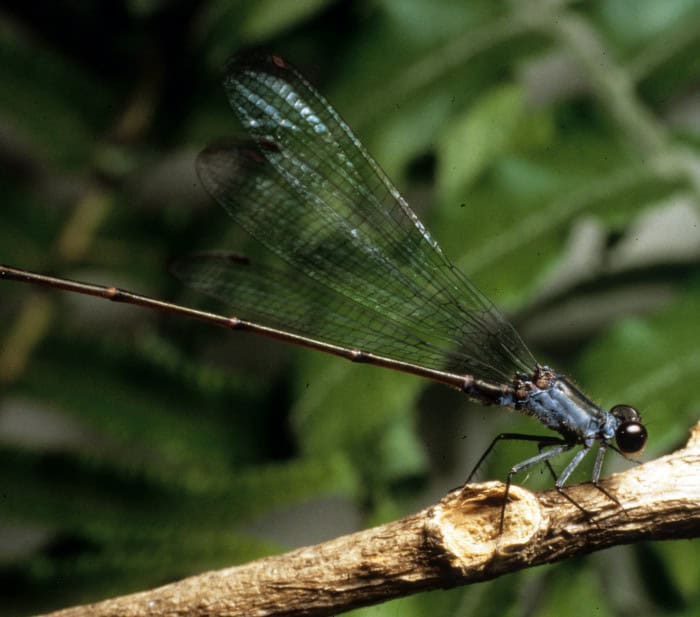
The Lord Howe Island stick insect, also known as Dryococelus australis, was thought to be extinct after invasive rats devastated its population. For decades, no individuals were seen, and the species was presumed gone. Then, in 2001, a small population was discovered clinging to life on Ball’s Pyramid, a remote rocky outcrop. This unexpected rediscovery earned the long, black bugs the nickname “the world’s rarest insect.” Conservationists have since been working to breed and fully reintroduce the species.
The Pygmy Tarsier
©iStock.com/nikpal
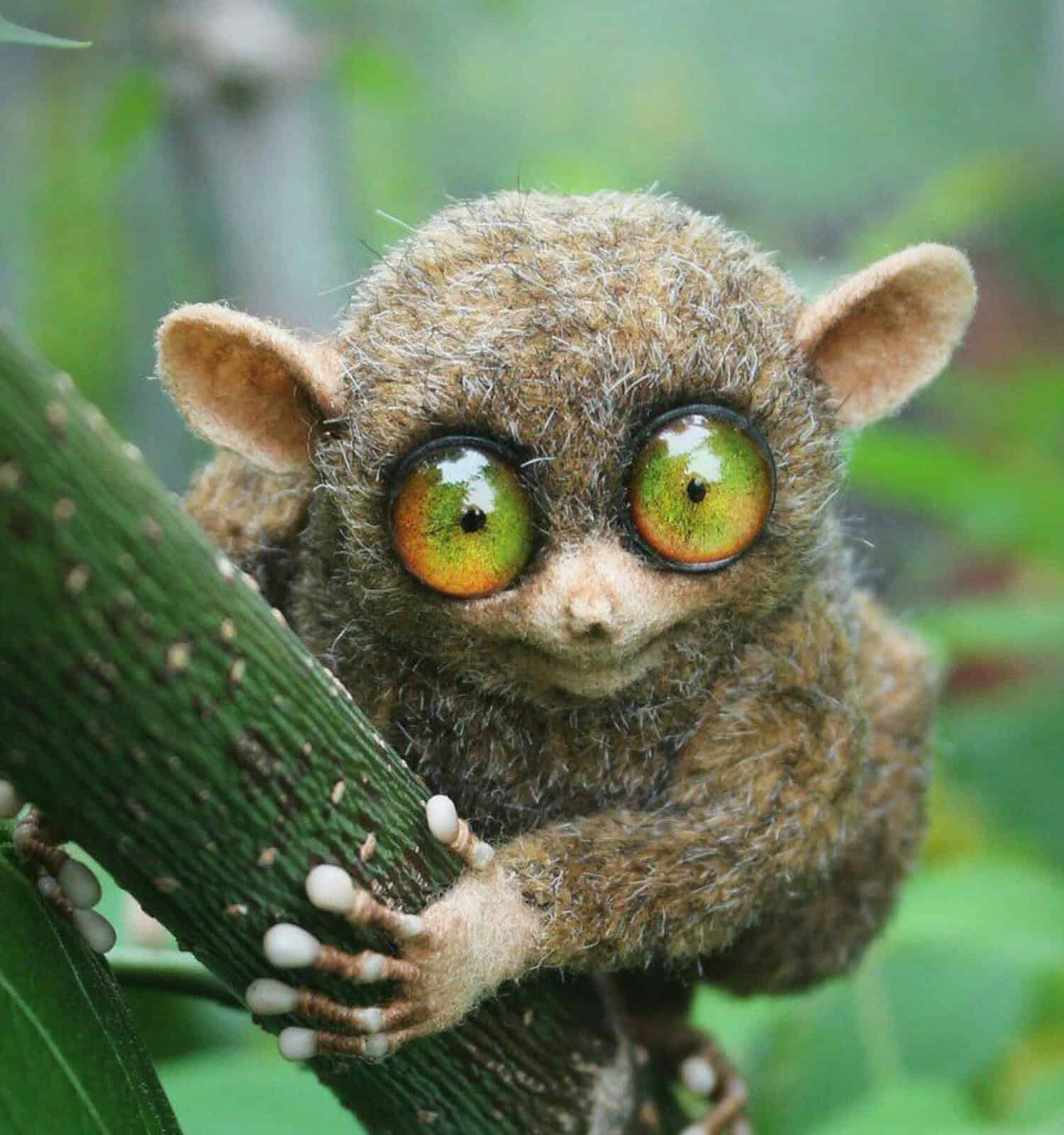
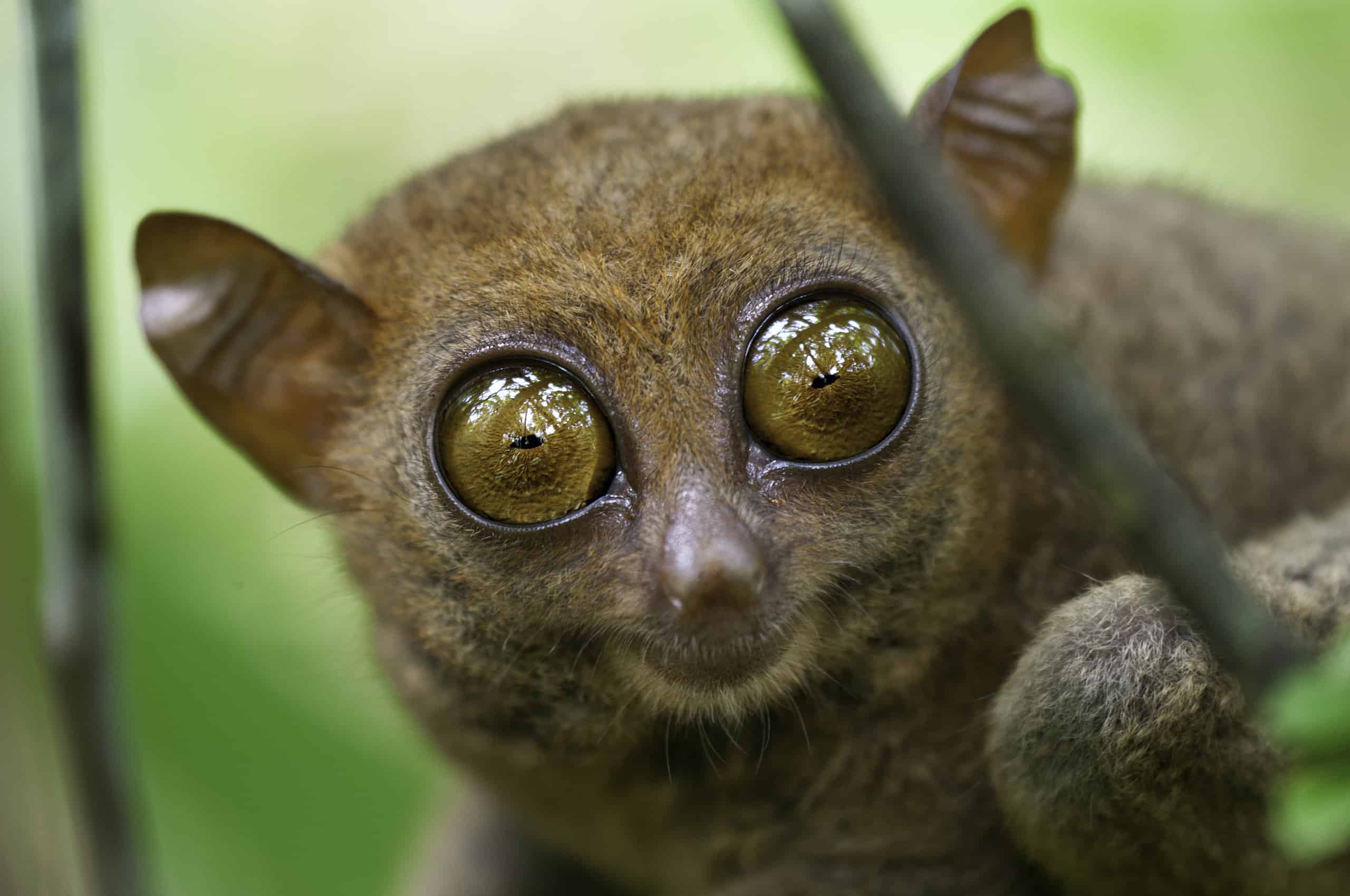
The pygmy tarsier is a tiny primate native to Indonesia that was long believed to be extinct. This adorable, large-eyed critter was last recorded in the early 20th century before disappearing from scientific observation. In 2008, researchers accidentally found living individuals during unrelated field studies in remote forests. Sadly, these nocturnal animals are extremely sensitive to environmental changes, and habitat loss continues to threaten their survival.
The Bermuda Petrel
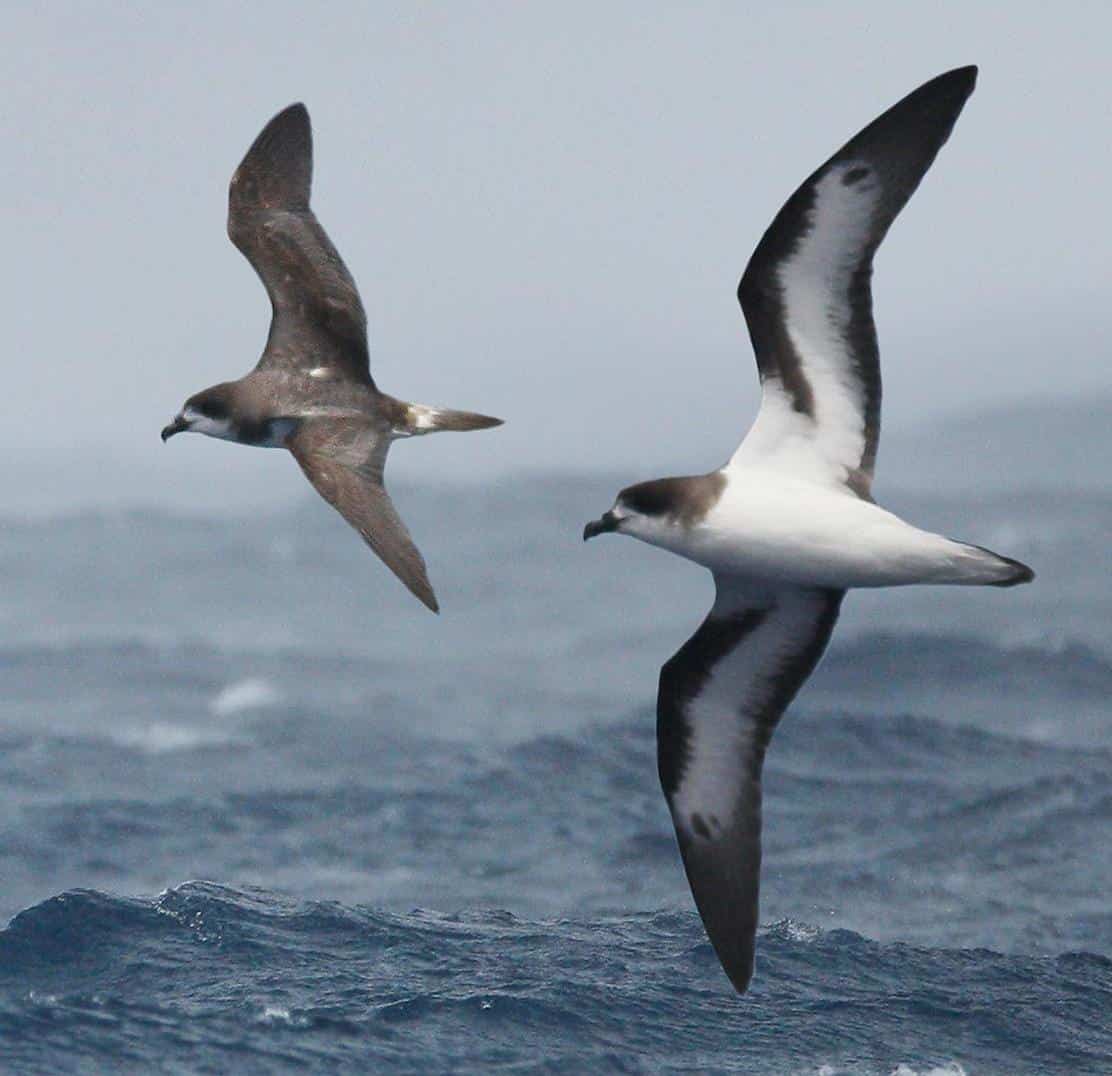
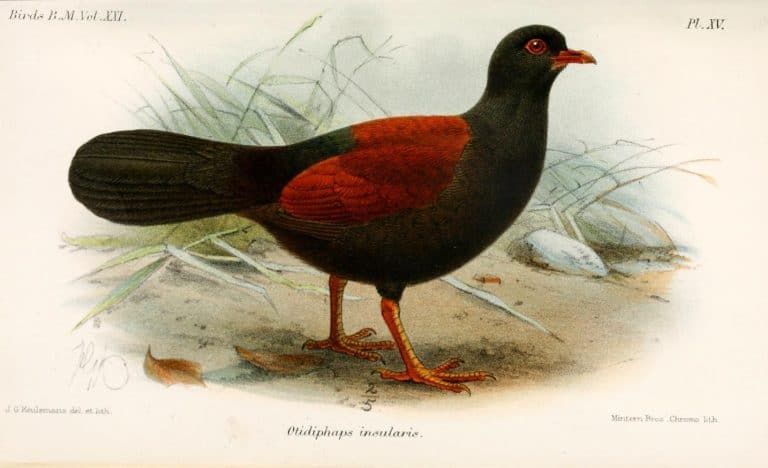
The Bermuda petrel, also known as the cahow, was thought to be extinct for over 350 years after disappearing in the 1600s. In 1951, a small population was rediscovered nesting on remote islets near Bermuda. Somehow, these birds had managed to evade detection for more than three centuries! This finding marked one of the most celebrated rediscoveries in conservation history. Intensive efforts have helped slowly increase their numbers. Despite progress, the species remains endangered.
The Hula Painted Frog
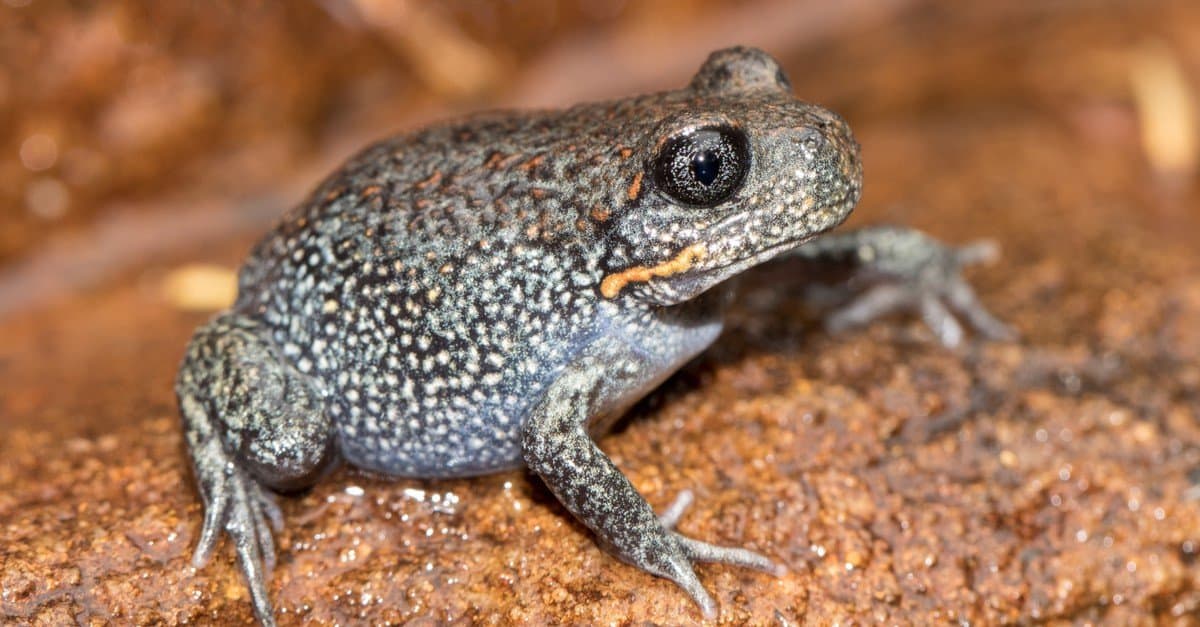
©Ken Griffiths/Shutterstock.com
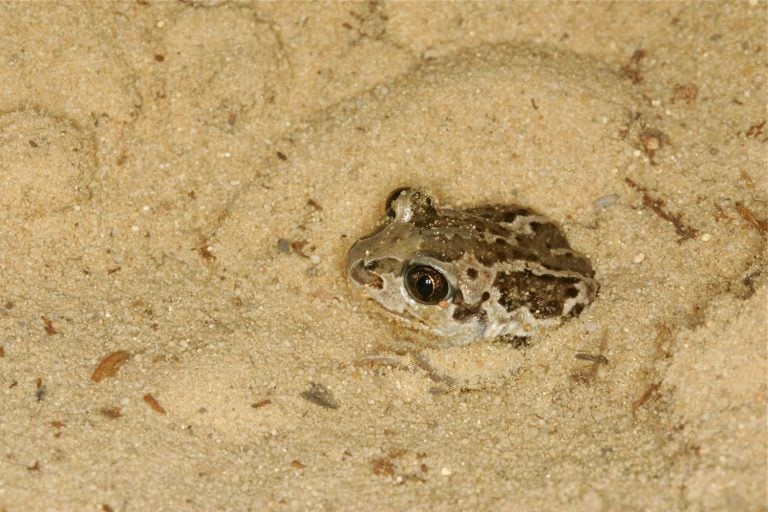
The Hula painted frog, native to Israel, was thought to be extinct after its wetland habitat was drained in the mid-20th century. For decades, it was known only from preserved specimens. In 2011, a live individual was unexpectedly discovered hopping about in the wild. This rediscovery provided hope for the species’ survival. However, its population is still incredibly small and vulnerable.
The Terror Skink
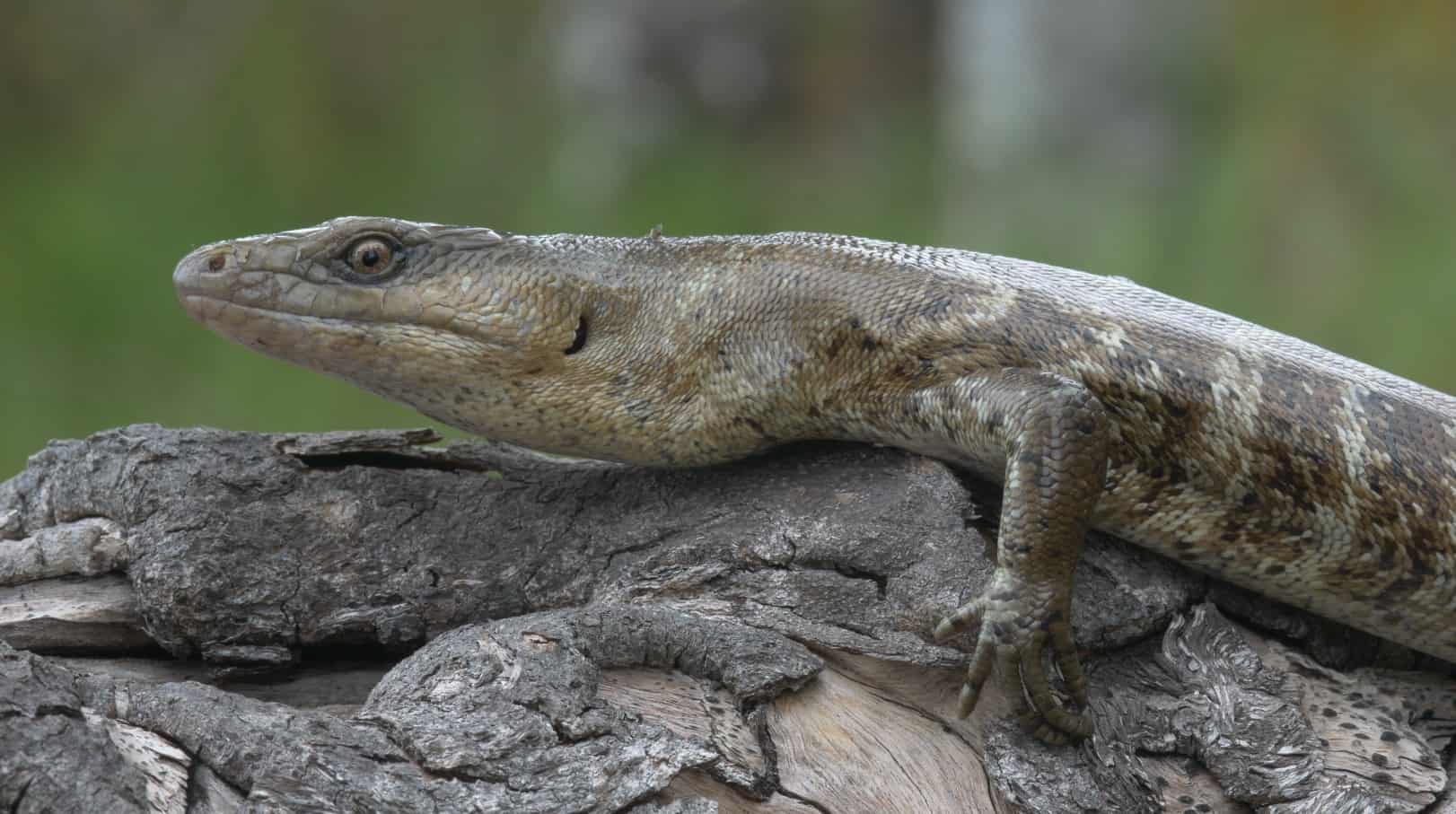
The terror skink, a large and elusive lizard from New Caledonia, was thought extinct due to its rarity. It was rediscovered in 2003 after not being seen for many years. Known for its strong jaws and distinctive teeth, it is a unique member of its ecosystem. Very little is known about its behavior due to its elusive nature. Its limited population makes it vulnerable to environmental threats.
The Takahe
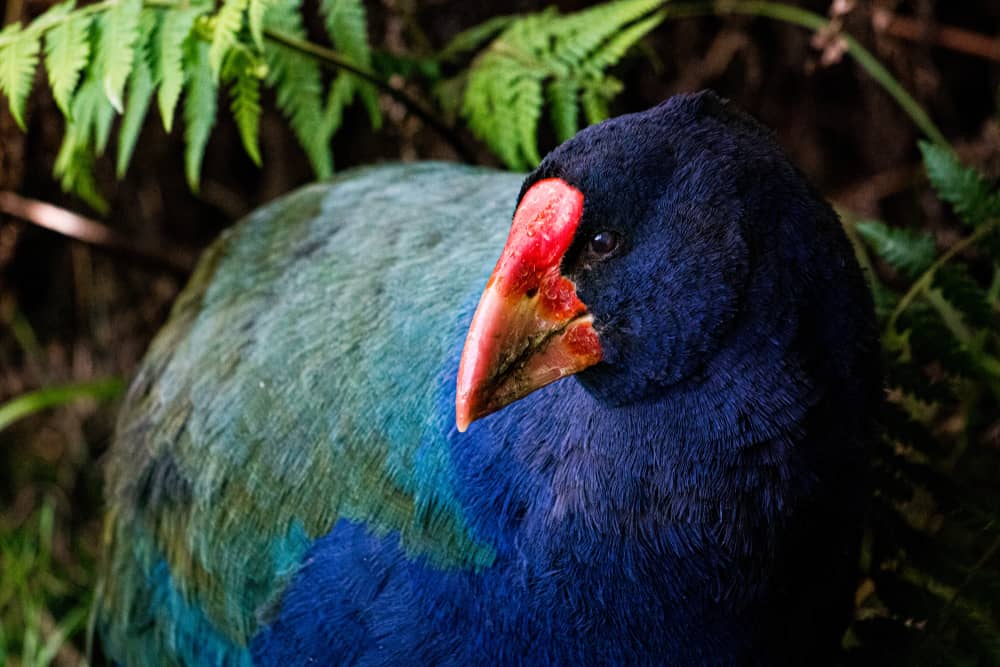
©Richie White/Shutterstock.com
New Zealand’s takahe is a large, flightless, multi-colored bird that was thought to be extinct by the late 19th century. It was rediscovered in 1948 in a remote mountainous region. This unexpected finding spawned major conservation efforts to save the beautiful ground bird. Today, managed breeding programs have helped increase its population, though the species is still protected and carefully monitored.
The New Guinea Singing Dog

©Tara Lynn and Co/Shutterstock.com
As this species’ name might lead you to suspect, the New Guinea singing dog is known for its unique, melodic vocalizations. While this musically inclined canine was once thought to be extinct in the wild, related populations were rediscovered in the highlands of New Guinea in recent years. These wild dogs are genetically important and closely linked to the original population. Only a small number exist, both in captivity and in the wild, and conservation efforts are ongoing to preserve this rare and vocally talented dog.