
Quick Take
- Fans guessed disease, genetic mutation, even steroids, but the real reason Juggernaut's antlers dwarfed his own body turns out to be far more ordinary than anyone expected. See the public speculation →
- The current world-record rack weighed just 11 pounds, which makes you wonder how much Juggernaut's might tip the scale at. Explore the weight estimates →
- White-tailed bucks only hit their antler peak during a surprisingly narrow window of their lives, and Juggernaut hit it perfectly. Discover his winning conditions →
The largest deer antlers ever recorded came from an Irish elk, measuring 12 to 13 feet across and weighing 90 pounds. But the biggest white-tailed deer antler is an honor bestowed upon North America’s Crockett Club. A deer hunted in Saskatchewan, Canada, had a 14-point rack. This deer came in with a total of 213 5/8 points for its impressive antler growth, which has yet to be challenged–until now.
The Crockett Club also holds the record for the largest nontypical deer rack, which clocked in at 333 7/8 points. But one recent deer may have beaten one or both of these records. The white-tailed deer was named “Juggernaut” before it was hunted and harvested by the Quest Haven Lodge in Typrone, Pennsylvania.
Now, Quest Haven is rewarding whoever can guess Juggernaut’s SCI score with a whopping $10k. But how do a buck’s antlers become this monstrous in the first place?
A Deer with Antlers Bigger Than His Body
Juggernaut was first observed early this past summer by members of Quest Haven. When photos of the giant began filtering in, many surmised that the buck’s antlers were longer than his body. In June, Quest Haven estimated he could end up being a 600-point buck. These SCI points are obtained by measuring each point on the rack, including those at odd angles, along curves, and at the base. When these are tallied up, the deer is given a score based on the total length of its antlers.

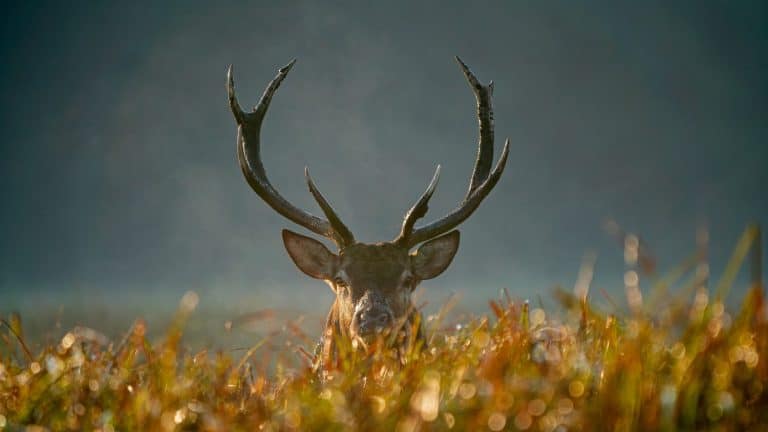
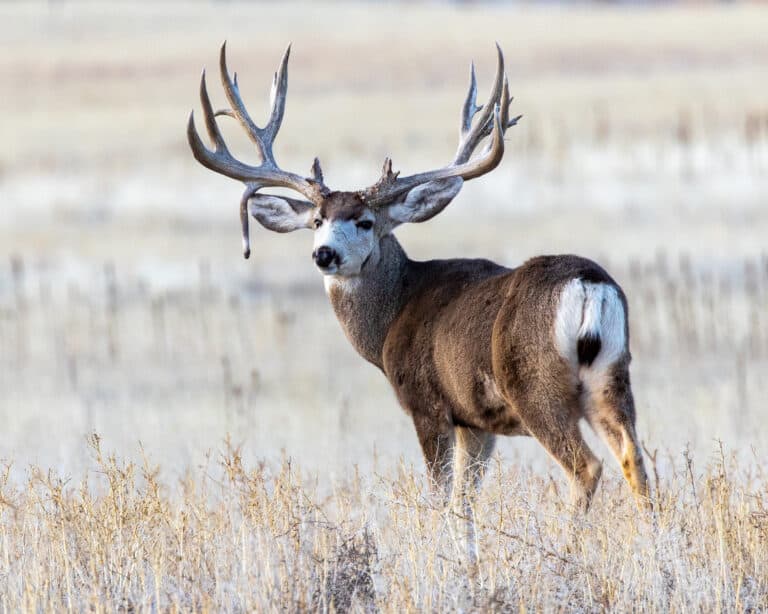
The average deer buck has an eight-point antler rack.
©John Boland/Shutterstock.com
As time crept into July, Quest Haven posted more photos of Juggernaut, along with a video to prove his existence. “Are we looking at a 700-inch buck? What’s your guess on score?” they wrote on their Instagram page. Those who followed Juggernaut’s journey were in awe of his sheer size and how his rack was slowly growing in every direction.
Fans of Juggernaut speculated about what could have caused his antlers to grow so massive. They considered everything from disease to a genetic mutation. Some asked that hunters steer clear of him, while others wondered if he deserved another year in the wild to continue growing. While it’s still unknown what the total weight of Juggernaut’s antlers is, some were concerned over whether the buck could carry them all season long. As it turns out, there are several reasons Juggernaut’s antlers grew so quickly, and none of them have to do with disease or mutation.
Breeding, Diet, and Dumb Luck
White-tailed deer bucks such as Juggernaut tend to grow their antlers primarily between ages 5 and 7. This is when they’ve hit full maturity and begin using their antlers during mating season. However, age is only part of the equation. Another factor that plays a part in rack size is genetics. If Juggernaut’s father and grandfather had large antlers, that would increase his chances of growing big antlers himself. Judging by their sheer size, it’s almost guaranteed that he was genetically predisposed to certain traits.
Nutrition is the other part of antler growth. Poor diet and nutrient deficiencies lead to smaller, often weak antlers. Juggernaut’s are strong enough to hold multiple beams. This is a good indication that his summertime diet included plenty of calcium, protein, and phosphorus.

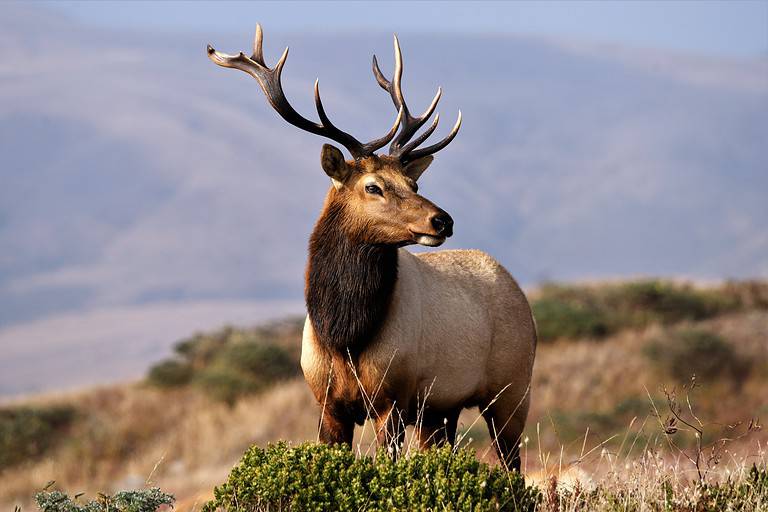
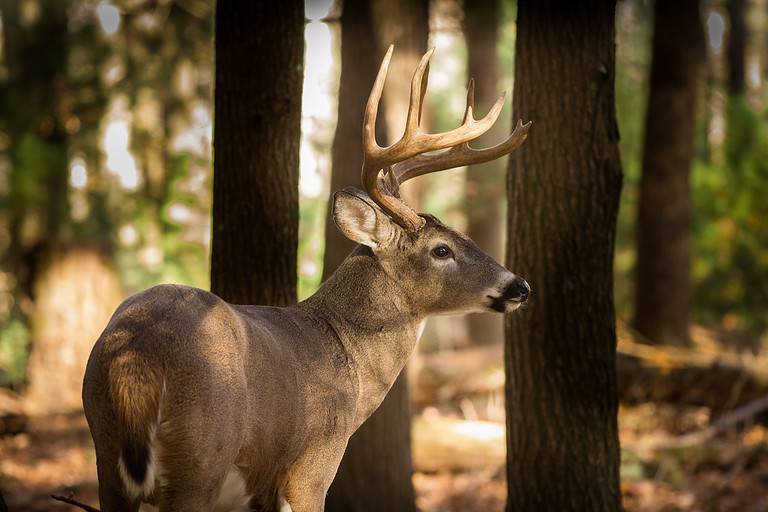
After shedding velvet, deer can lose some of the mass from their antlers, making them slightly smaller.
©JW.photography31/Shutterstock.com
Even if none of these were a factor in Juggernaut’s excessive antler growth, plain dumb luck could be at play. White-tailed deer that live in low-stress areas with few predators and good food sources tend to be healthy. This boost gives their bodies the chance to thrive in a low-stress environment. In all likelihood, given how large Juggernaut is even without his headpiece, this is at least part of the reason for his rack.
So, How Much Do Juggernaut’s Antlers Weigh?
Most deer antlers grow between 1/4 and a full inch per day. Juggernaut’s would lean heavily on the one-inch-per-day growth rule, given their size. The buck was shot during an archery hunt with Quest Haven, and his antlers are currently being dried in anticipation of the weigh-in. But even without the velvet covering these enormous antlers, many still believe they’re record-breaking.
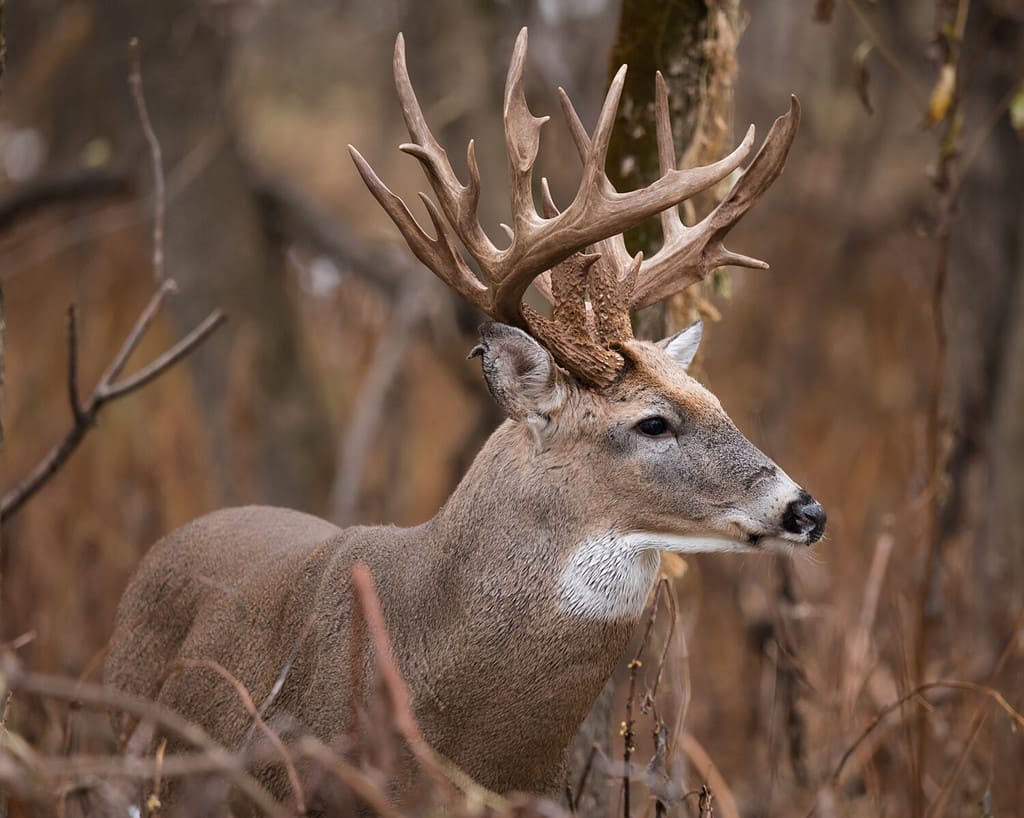
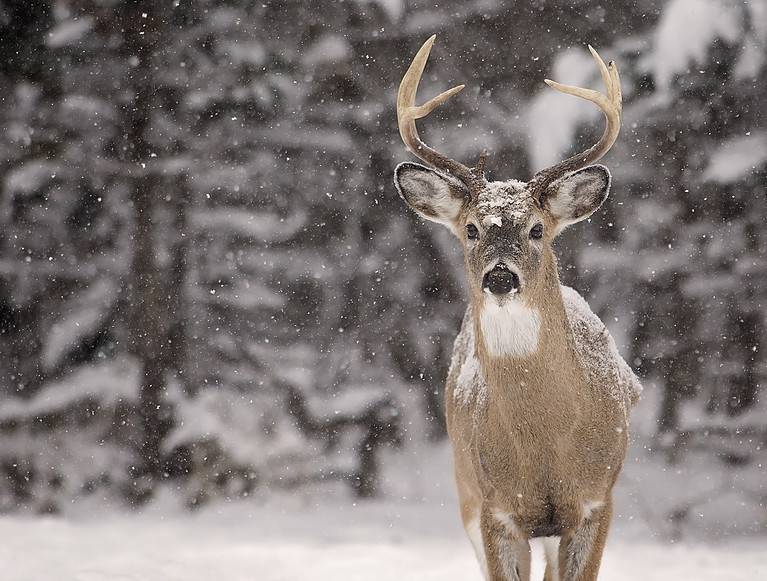
When deer reach full maturity, their antlers grow faster.
©David Brickner/Shutterstock.com
In Quest Haven’s Instagram post, some are guessing the antlers are up to 1,000 inches in total. This would mean an SCI score above 900. From there, guesses range from just over 400 to around 700, with most averages falling in that range.
The antler rack responsible for the 333 7/8 Crockett Club deer score clocked in at around 11 pounds. By comparison, that would mean Juggernaut’s rack weighs at least 22 pounds, if the guesses are accurate. At the end of 60 days, we’ll finally have the answer, and it may set a new antler record.