
Quick Take
- A heron's tongue looks nothing like you'd expect, a surprising fact that comes down to a hunting strategy most birds don't use. See the tongue's shape →
- Herons have no sweat glands, yet they rarely overheat, and their tongue turns out to be the unexpected reason why. Discover how herons cool down →
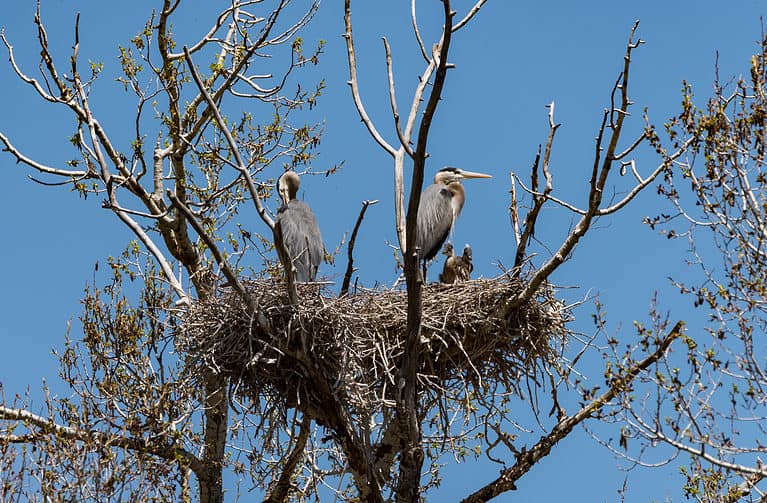
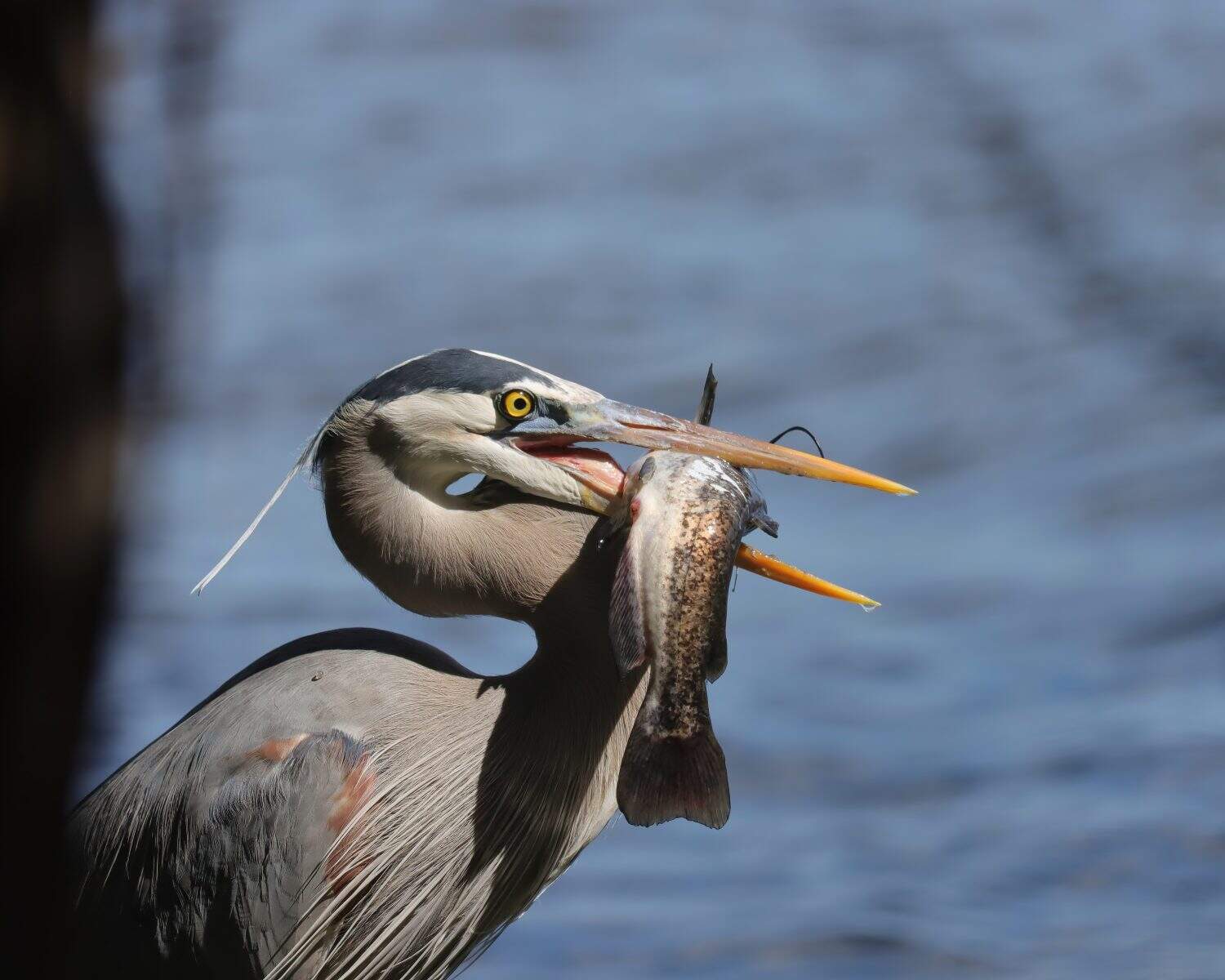
If you spend enough time around lakes, rivers, or wetlands, you are bound to eventually spot a heron. These large birds stand out thanks to their reedy-thin legs and long, thin necks. They spend a lot of time wading in water, patiently waiting for prey to give up their position. At this point, herons strike, and you might get a brief look inside their elongated beaks. You might even spot their tongue, one of the stranger-looking tongues in the animal kingdom, with odd dimensions that serve a very real purpose.
Truth be told, many strange tongues exist in the animal world. Giraffes have long, purple tongues. Anteaters have long cylindrical tongues that look like a piece of spaghetti. Herons, however, have uniquely shaped tongues designed for the types of food they eat. Not only are they different from, say, human tongues, but they are quite different from the tongues of other birds. Let’s learn more about the heron’s tongue and why it looks so odd.
Adapted Shapes
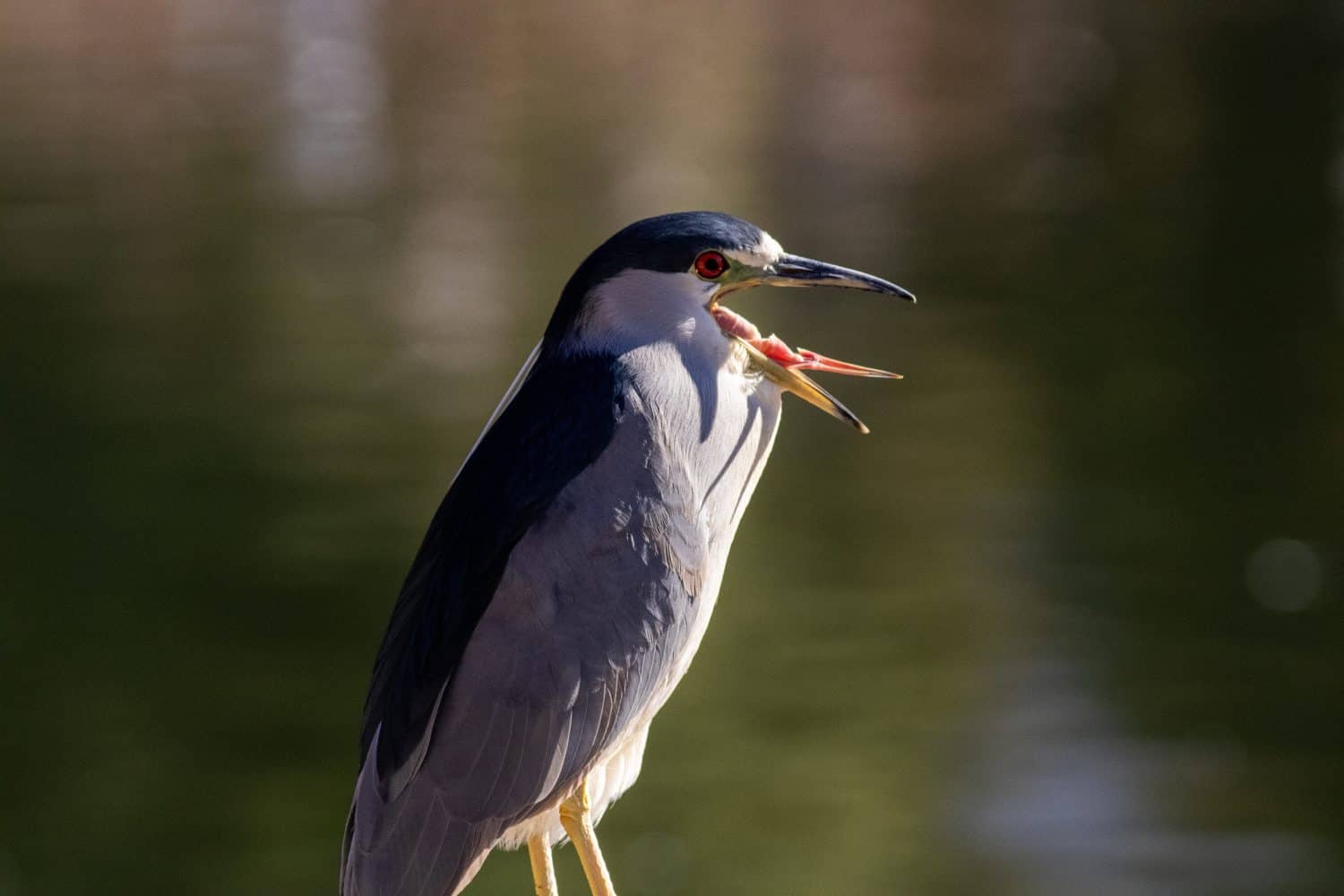
Herons have thinly tipped tongues that feature barb-like features near the entrance to their throats to ensure prey animals like fish don’t escape easily.
©Jeremiah Peplow/Shutterstock.com
A heron’s tongue is a rare sight, but if you’re lucky enough to spot one, you’ll notice several key features that set it apart from the tongues of other animals or even birds. Its tongue is long and thin at the tip, but farther back into its mouth, approaching the throat, the tongue looks more grooved and angular. There are also sections to the tongue with various curves and borders facing different directions.
Animals’ tongues have designs that complement their eating habits. Herons are no different. These large birds have tongues attached below their mandible bones. While this limits the tongue’s movement, it keeps it out of the way during large meals, as herons typically swallow fish and other prey items whole. The shape of their tongues not only allows them to gulp down large creatures easily, but it also allows them to turn fish in their mouths so they can be eaten headfirst.
As seen briefly in this Instagram reel, those curvatures and angular sections at the back of a heron’s tongue are tooth-like barbs that facilitate swallowing large objects. Facing backward, these barbs ensure a slippery fish will slide down the heron’s esophagus and not out of its mouth.
Gular Fluttering
Another fascinating feature of the heron’s tongue is its ability to regulate temperature. Since herons lack sweat glands but still need to beat the heat, they use their tongue’s strange shape to help cool themselves off. Scientists call this process gular fluttering. Put simply, herons open their mouth and rapidly vibrate the skin and muscles of their upper throat. This moves air across the surface of their mouths and throat to balance their temperature.
Herons may have pretty strange-looking tongues, but that strange shape and its unexpected features serve very important purposes. Whether it’s ensuring a fish goes down in one gulp and stays down, or simply cooling off, heron tongues accomplish the task with ease.