
Quick Take
- Even the apex predators of the savanna know when to back down. So what made an entire pride of lions scatter without a fight? Watch the lions scatter →
- Hippos can hit a speed on land that most people would never guess, and knowing it will completely change how you see that lion scramble. See the hippo's land speed →
- Being herbivorous doesn't make a hippo safe. Its bite force puts it in a category of damage most predators can't match. Discover the bite force →
- A medical study on hippo attacks documents outcomes that go far beyond what 'dangerous' even begins to describe. See the attack outcomes →
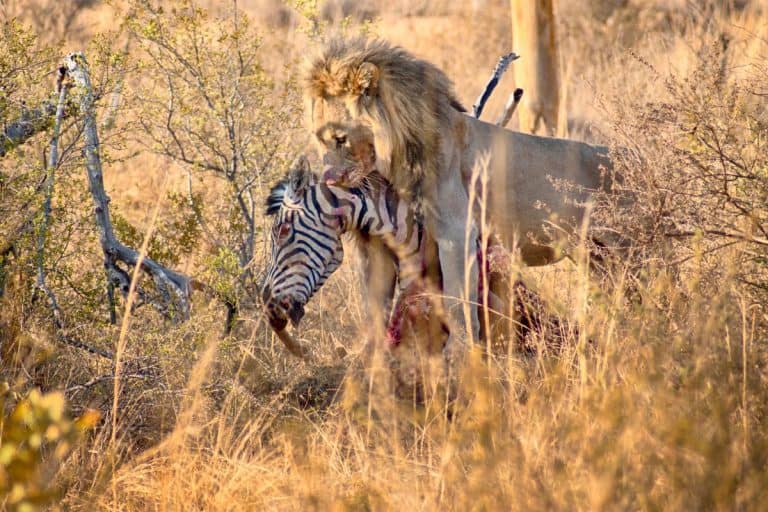
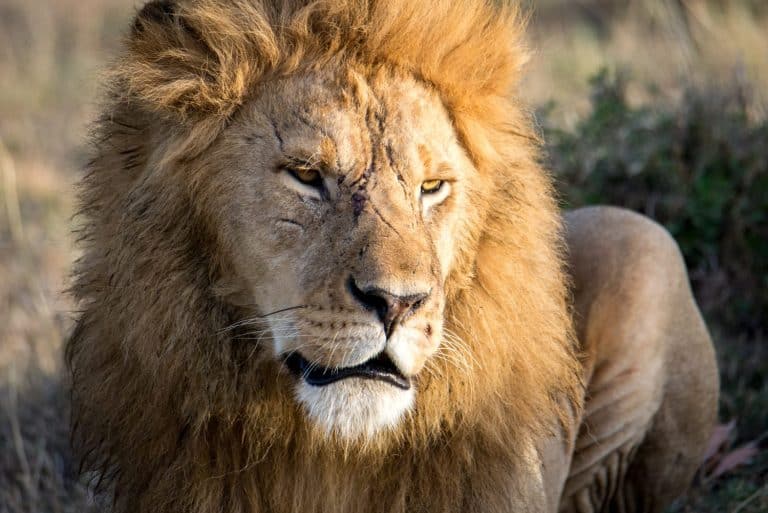
Even a pride of lions knows when it may be better to move. In the video above, several lions are gathered near the water when a hippopotamus suddenly comes their way. The lions do not stick around long enough to see what it has in mind.
Lions Gather Near the River
Lions and common hippos both live across parts of sub-Saharan Africa, sharing landscapes with animals such as lions, buffalo, Nile crocodiles, antelope, wildebeest, hyenas, African wild dogs, and cheetahs. Latest Sightings shared this particular encounter, which begins with a pride gathered beside the water.
Hippo Sends the Lions Scrambling
From the footage alone, we cannot know exactly why the lions gathered near the water. They may have been drinking, resting, or looking for relief from the heat. Africa certainly has no shortage of extreme temperatures. The World Meteorological Organization’s records, also documented by Arizona State University, list a temperature of 131°F recorded in Kebili, Tunisia, in 1931 as Africa’s continental record, although the accuracy of some historic temperature records has been questioned.
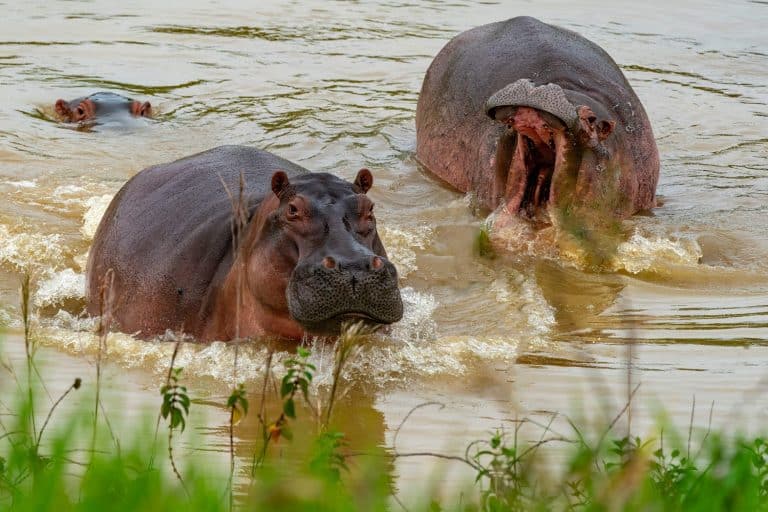
Whatever brought the lions to the water, they suddenly have company. A large hippo emerges and heads toward the pride. There is no way to tell from the video exactly what motivated the animal, so calling it angry or claiming the lions deliberately invaded its territory would be guesswork.
What we do know is that hippos can be highly territorial, particularly around the water. The International Fund for Animal Welfare notes that hippos will aggressively defend their space, while dominant males are especially territorial in aquatic habitats. The animal in this video moves quickly toward the pride, and the lions take the hint. For something this large, a hippopotamus can move surprisingly fast on land, with estimates around 22 miles per hour. Several lions immediately get up and move out of its path.
How Dangerous Is a Hippo Bite?
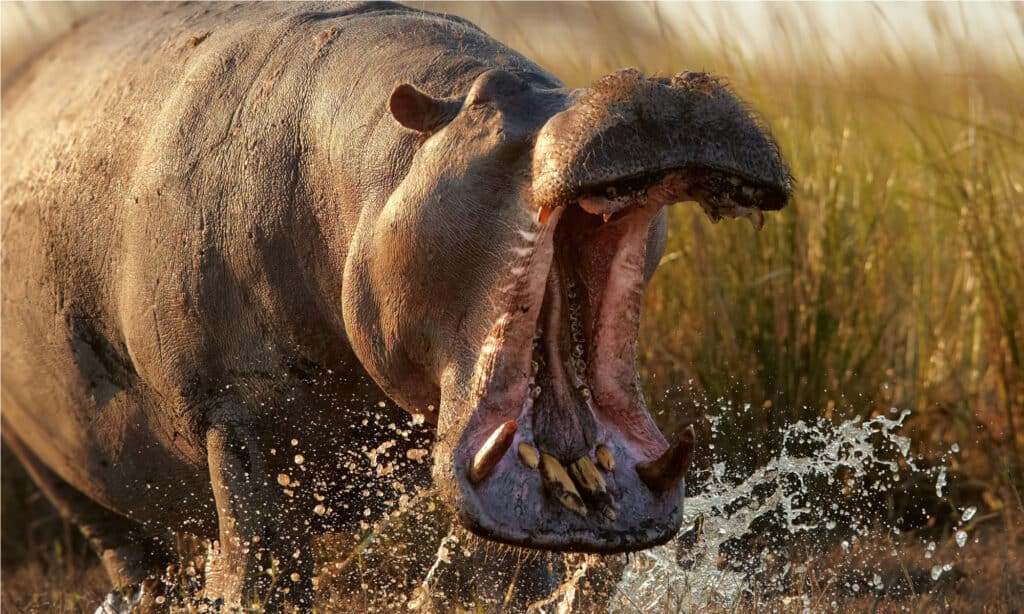
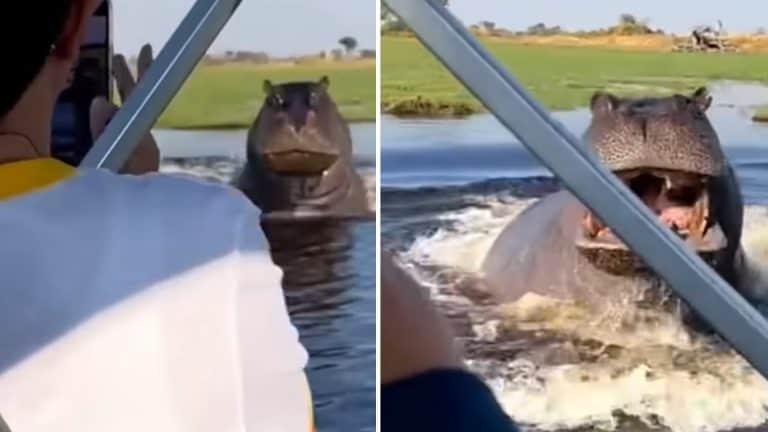
Hippos have been known to charge after humans!
©Martin Mecnarowski/Shutterstock.com
The hippopotamus (Hippopotamus amphibius) is primarily an herbivore, not a predator, but that does not make it harmless. These massive semi-aquatic mammals can weigh several thousand pounds and carry long canine teeth used for fighting and defense. Anyone who encounters a wild hippo should give it plenty of room, particularly around waterways and anywhere an animal could feel cornered or threatened.
A medical study indexed by the National Library of Medicine describes just how formidable those jaws are. Researchers reported that a hippo’s mouth can open about 150 degrees, with lower canine teeth measuring roughly 30 to 50 centimeters long. The study lists a bite force of about 12,600 kilopascals, equivalent to roughly 1,830 pounds per square inch.
That combination of size, powerful jaws, and enormous teeth can cause devastating injuries. The medical case series documented deep wounds, infections, amputations, and permanent disability among people bitten by hippos. So “painful” does not really cover it. A serious hippo attack can cause major trauma and can be fatal, which gives the lions’ decision to move a little more context.