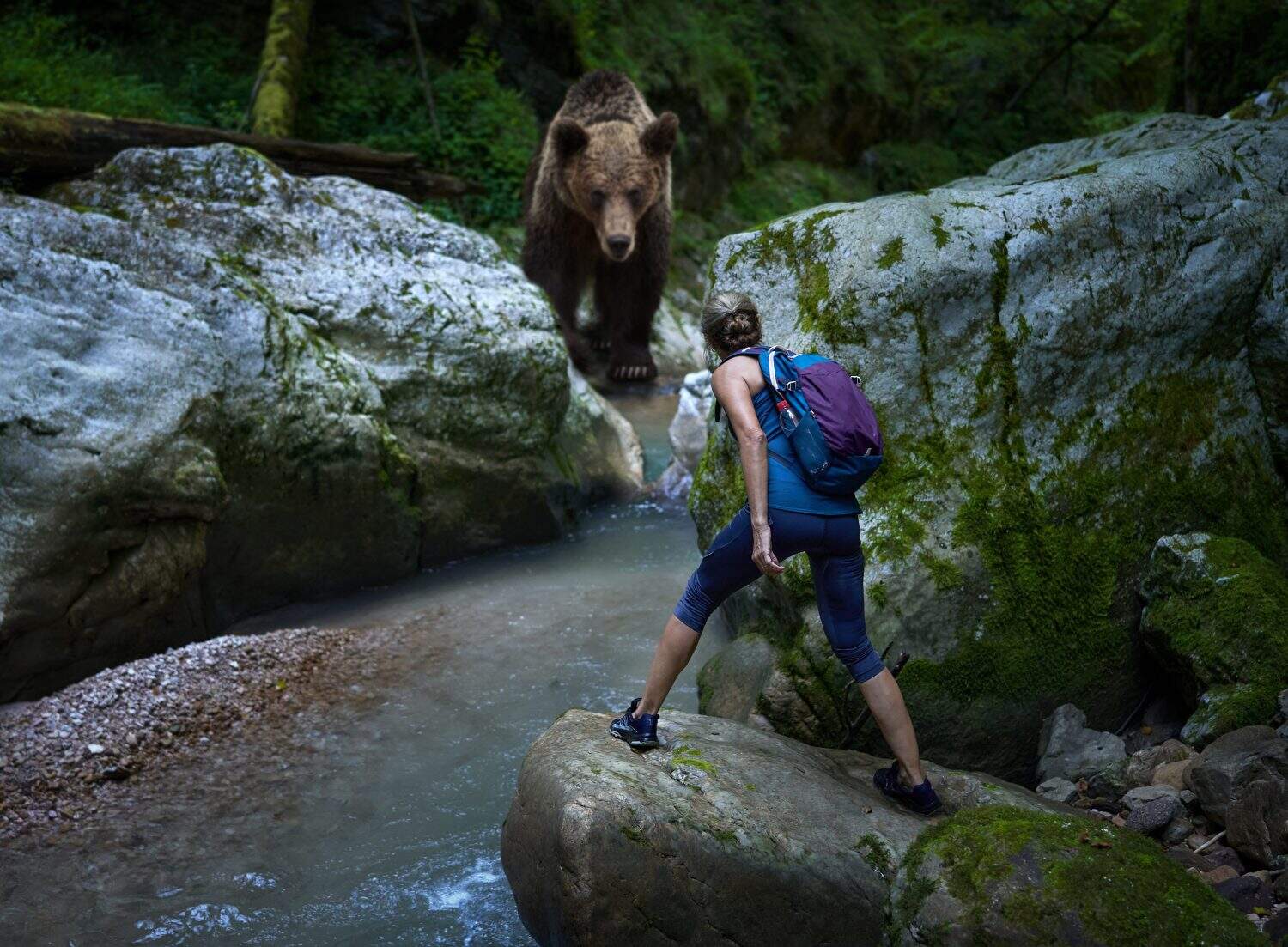

Quick Take
- Experts agree that you should not run from a bear.
- Grizzly bears and black bears are found within Glacier National Park
- Rangers emphasize looking for the signs of bear behavior before confrontation begins.
Many of us learn a lot about bears when we’re in school, but still, there are hikers out there who forget everything they’ve learned as soon as they see a bear in the wild. Case in point, the hikers in this unreal video who encountered a bear and made the wrong move.
In the YouTube clip, spectators at Glacier National Park watch as hikers run in fear from a grizzly bear that’s simply enjoying its natural habitat. Instead of running in fright at the sight of humans, the bear charges towards them, but why? This guide will explain what the hikers did wrong and outline the correct actions to take if you come face-to-face with a bear in the wild.
Where the Hikers Encountered a Bear
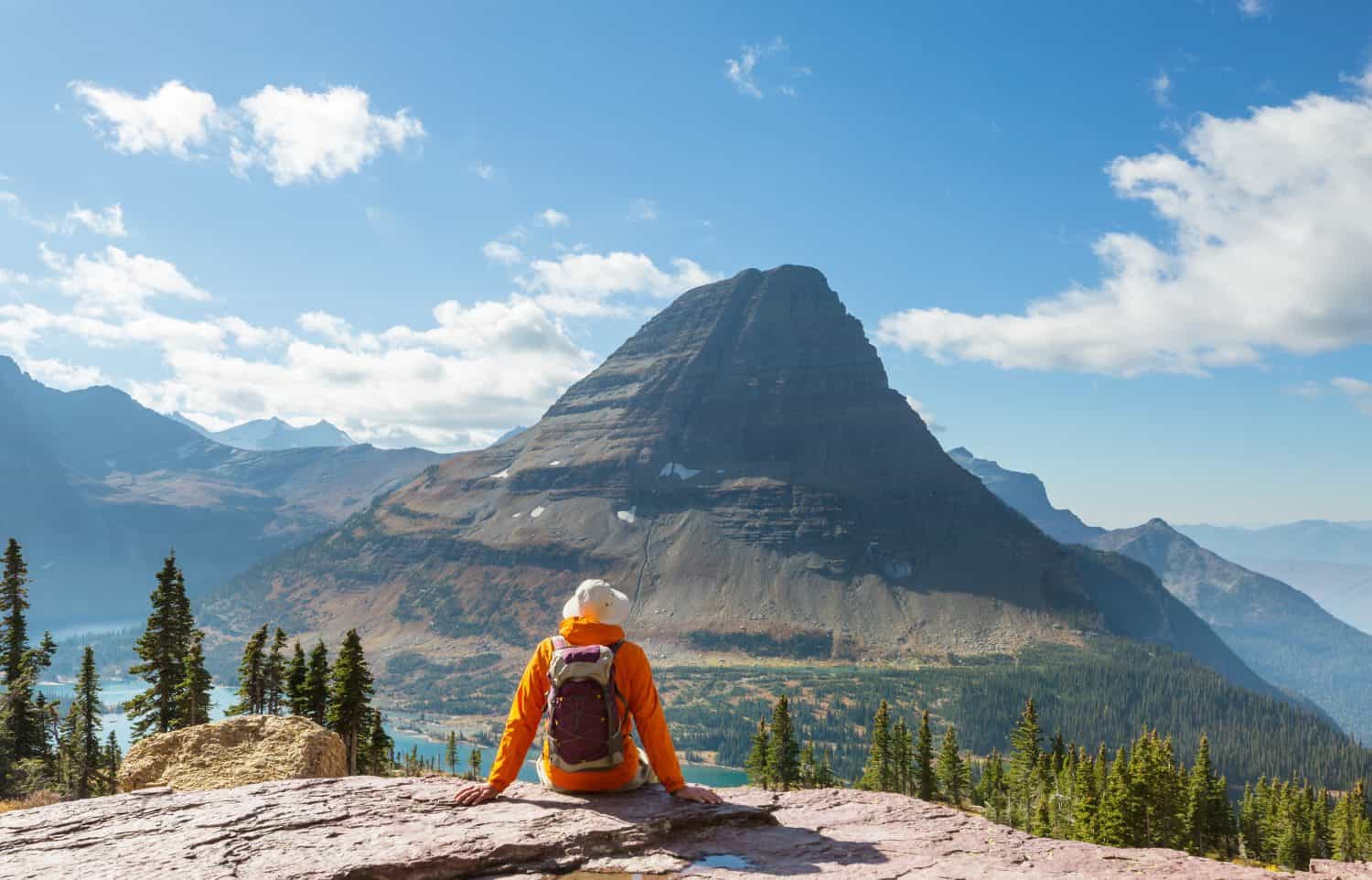
Glacier State Park is a lovely location with a lot of wildlife to discover.
©Galyna Andrushko/Shutterstock.com
The incident in this video occurred at Glacier National Park in Montana. As the name suggests, the park was named for the many glaciers discovered in the area in the early 1900s. There are still 26 glaciers in the area today. The fantastic park is also known for its large animal population, including over 70 species of mammals, countless bird species, and over 1,000 plant species. Hikers will also find over 700 miles of hiking trails.
When you add all of that together, you’re increasing the chances of encountering wildlife during your nature walks. If you encountered a bear, you wouldn’t be the first, and you’re unlikely to be the last person to do so. But do you really need to be afraid of bears? While you should be cautious, they’re not an overwhelming threat.
Bears in the Park
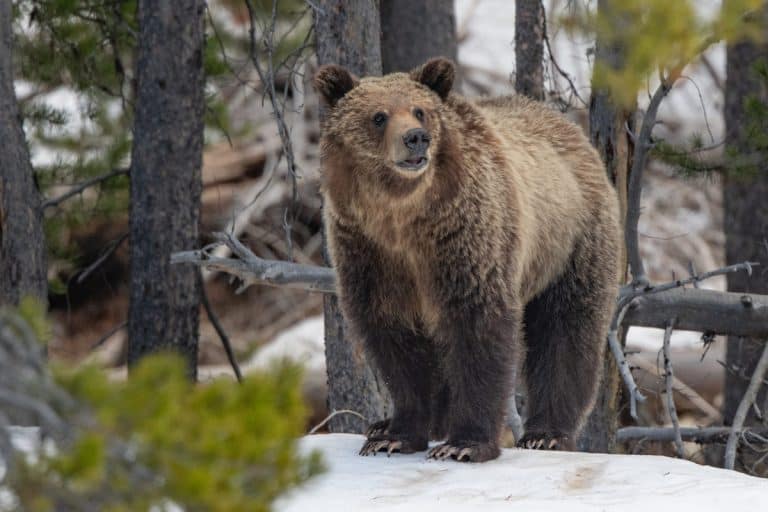
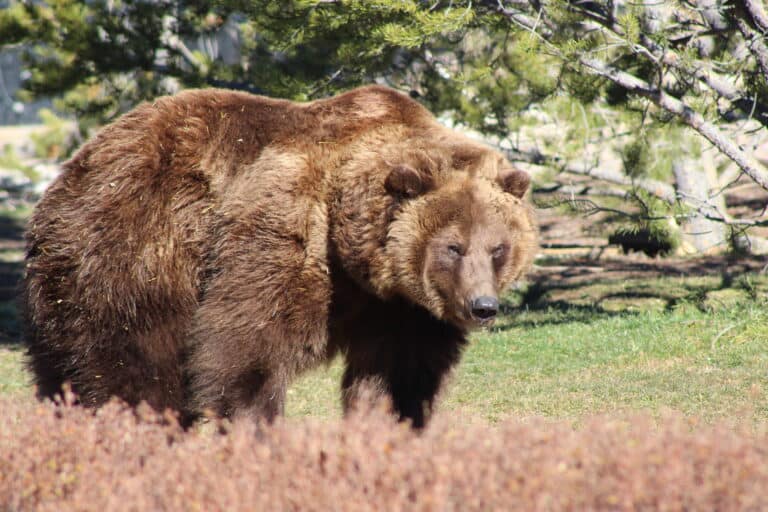
The park is home to black bears and grizzly bears. Grizzly bears can weigh more than 400 pounds and run at a top speed of 35 miles per hour. Still, they’re not out looking to attack humans. Their diet consists primarily of grass, rodents, carrion, and the occasional mammal when it’s in the area. Your best chance of coming across a grizzly in Glacier National Park would be in the Many Glacier Valley, where they’re often found along Going-to-the-Sun Road. However, they can also be found along the Grinnell Glacier Trail, Two Medicine Valley, and other places throughout the area.
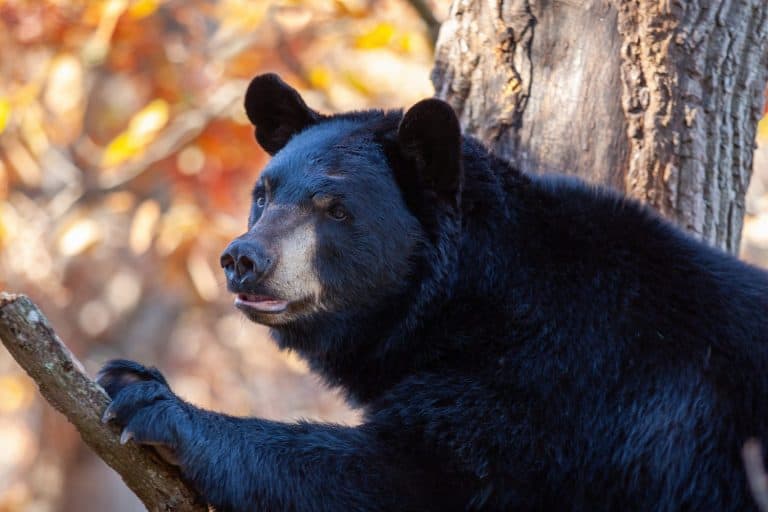
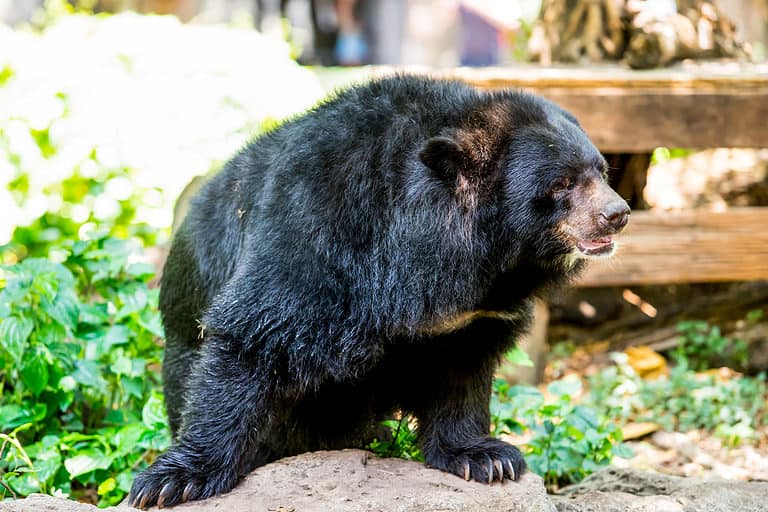
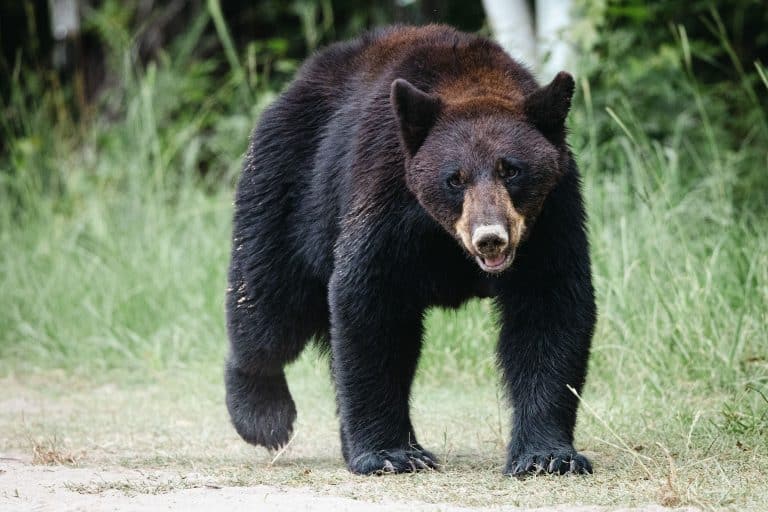
There are also black bears in the park. They can weigh up to 250 pounds and also run up to 35 miles per hour. Their diet mimics most of what the grizzly bears eat. Black bears are typically darker, but some are blond, brown, or cinnamon. You may see black bears in the North Fork and Two Medicine areas of the park, especially between July and September when berry season is in full swing.
However, in the chance that you encounter a bear in the park, don’t worry about which species it is; instead, take the correct actions to avoid an attack. That’s not to say that your life will necessarily be in danger if you see one. It’s estimated that there are only one or two non-lethal bear incidents in the park per year. Since 1967, there have been only 10 bear fatalities, and only a handful involved hikers.
What the Hikers Did Wrong
When the hikers in that video encountered a bear, they did the last thing you should ever do: run. Experts across the board say that the worst possible thing you could do when you accidentally get close to a bear is to run.
When you run, you’ll often trigger the bear’s instinct to chase. That’s its predatory nature. You’re unintentionally challenging it, and it’s unlikely to back down. There has also been a long-standing myth that you can escape by running downhill. The belief is that since their front legs can be shorter than the back legs, they cannot move downhill, but that’s false.
Bears can run up to 35 miles per hour regardless of where they’re running. The average human can run 4 to 7 miles per hour. Needless to say, the bear will catch up. It’s also not advisable to try to climb a tree. Bears are great climbers, and once they catch up to the tree you’re in, they’re likely to climb up and continue the chase.
What to Do When You See a Bear
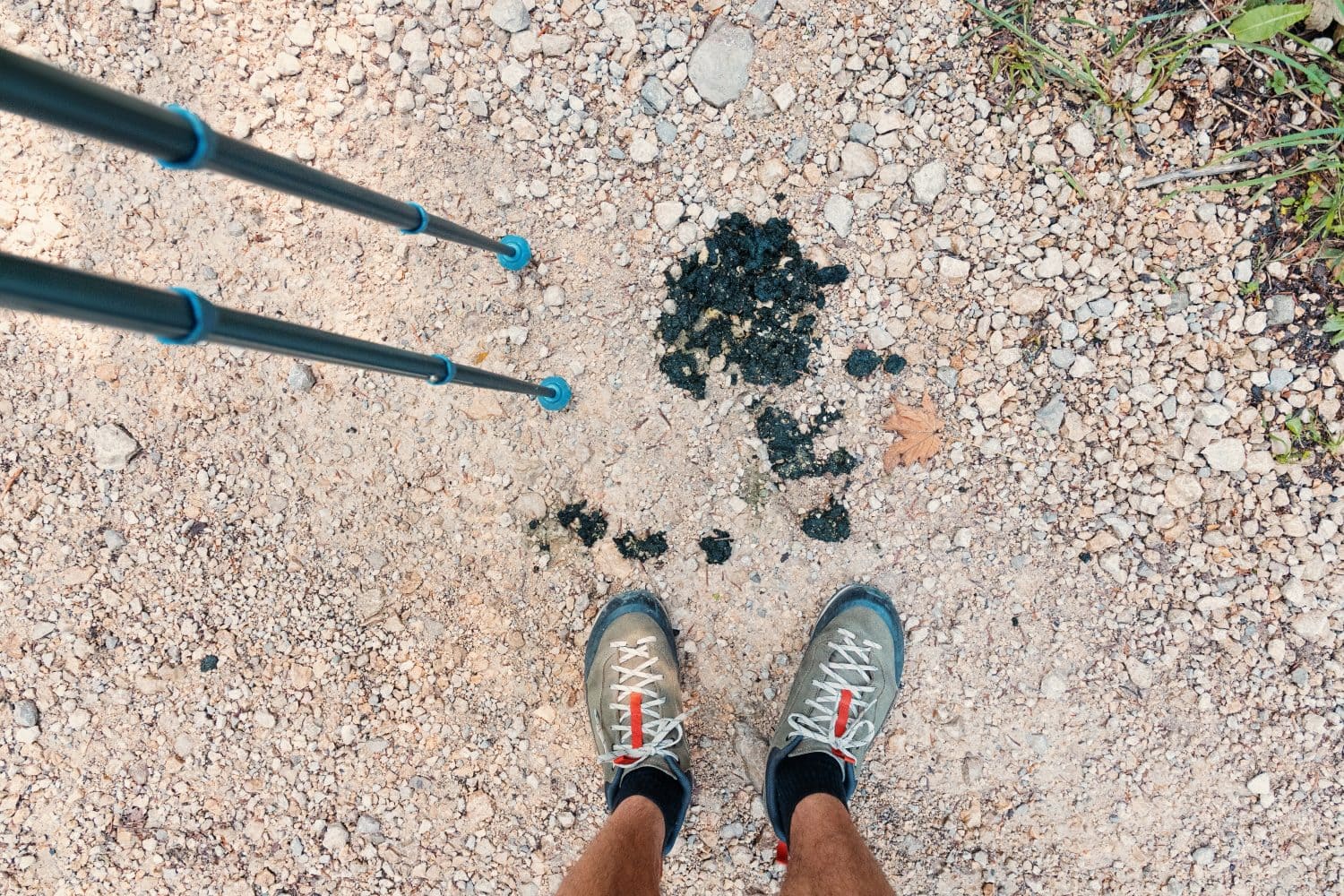
When you’re hiking in the wild, look for signs of nearby bears, including scat and tracks.
©frantic00/Shutterstock.com
What would you do if you encountered a bear? If you happen to accidentally come across a bear while you’re hiking, the first thing you should do is try to stay calm. Do the exact opposite of what the hikers in the video did. Bears generally want to be left alone.
Stand your ground without being threatening and identify yourself. You can do that by slowly waving your arms in the air so the bear can see you’re a human. If the bear stands on its hind legs, it’s typically not a challenge, but just the bear trying to get a better look. Resist the urge to run. Then, slowly back away from the bear. Once you’re a safe distance away, continue on your way; the bear is unlikely to bother you again.
Really, the best defense against a bear encounter is to avoid one in the first place. When you’re hiking, try to travel in groups of three or more. That allows more people to keep watch for wildlife, and the bear is unlikely to approach a group. While you hike, look for signs of a bear, which may include scat, tracks, torn-up logs, bark stripped from trees, and potentially carcasses left behind. You can occasionally raise your voice or clap your hands so any bears in the vicinity know you’re around.
Bottom line: if you see a bear, keep your distance and go about your business. Avoid running and causing a panic. If everyone learns from the video, humans and bears can coexist in peace.