
Quick Take
- Their most destructive feature has nothing to do with food or territory. See the electrical damage →
- Getting rid of them may be literally impossible, but pest experts say that is not actually the goal. Understand their behavior →
- If you spot a colony, what you do can make a big difference. Report a colony now →
Tawny crazy ants get their name from their tendency to run around like crazy. The quirky name almost makes the insects sound cute, but they are far from it. These invasive pests form giant super colonies that threaten crops and even domestic animals. Now, seven Mississippi counties have recorded colonies of these ants. We share why they are such a threat and what you should do if you think you have found some.
Timeline of Tawny Ants in the US
The tawny crazy ant (Nylanderia fulva) has also been called the hairy crazy ant and even the Rasberry crazy ant, which has caused some confusion in the past. The tawny crazy ant is actually a South American (especially Brazilian) species. It was introduced into Colombia during the 1930s and 1940s as a biological control agent for leaf-cutting ants. The first record of their arrival in the US was from 1938, and by the late 1930s they had also reached Florida and Texas. They remained under the radar until the early 2000s when they experienced population explosions! In 2002, a significant infestation of tawny crazy ants was found in Texas. By 2012, it was found in 24 counties in Florida.
The first Mississippi county to record sightings was Hancock County, but that was quickly followed by Harrison, Jackson, and Pearl River counties. And here they largely stayed until 2026, when they spread to three more counties, bringing the total to seven.
There is no official explanation for this sudden increase in ant activity, but Mississippi is not alone. The ants have been observed in significant numbers in coastal Alabama, Georgia, and Florida. This year, they have been much more active in Louisiana and Texas.
Why Are Tawny Ants Such a Problem?
Tawny ants are classed as a significant pest species. They are termed a ‘tramp’ creature, which means that they are spread by human activities. These ants can invade buildings and greenhouses and attack several crops. They also attack domestic animals, honeybee hives, and displace native ant species. Bizarrely, they are attracted to electricity! They invade electrical switch boxes, shorting out wiring and causing equipment failures.

Tawny crazy ants can cause shorts in electrical boxes.
©OMfotovideocontent/Shutterstock.com
So, what is the superpower that allows these ants to be such a nuisance? To discover that we need to know more about them.
What Do We Know About Tawny Crazy Ants?
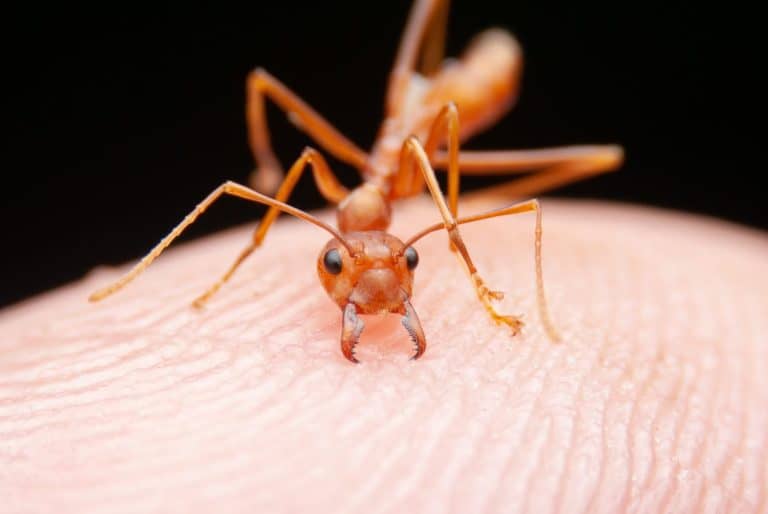
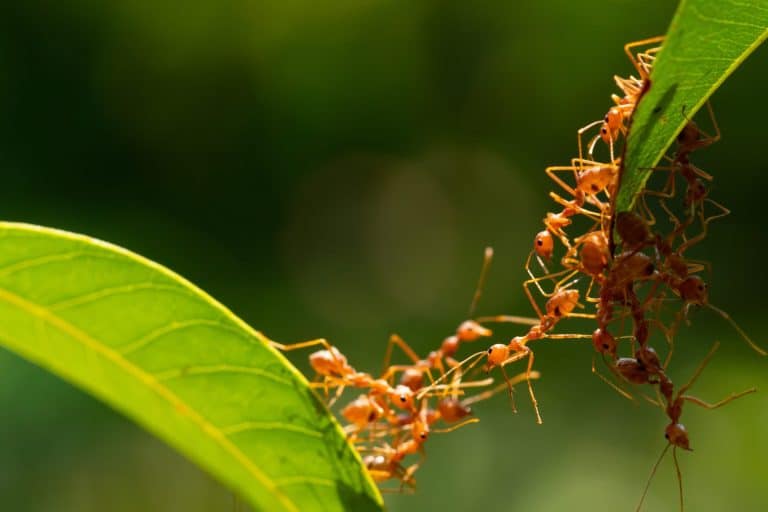
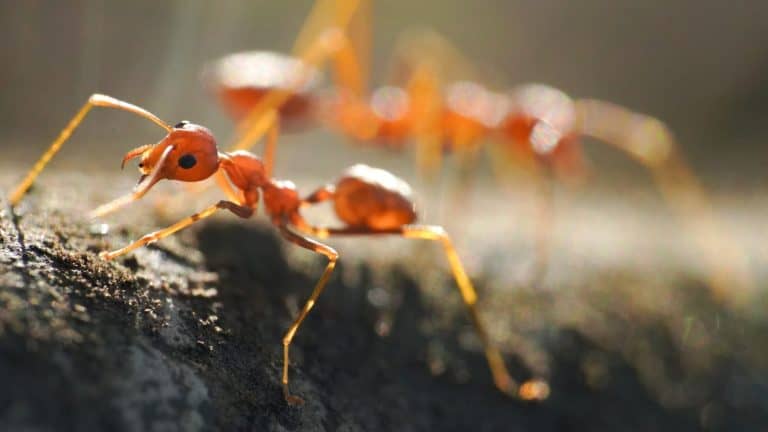
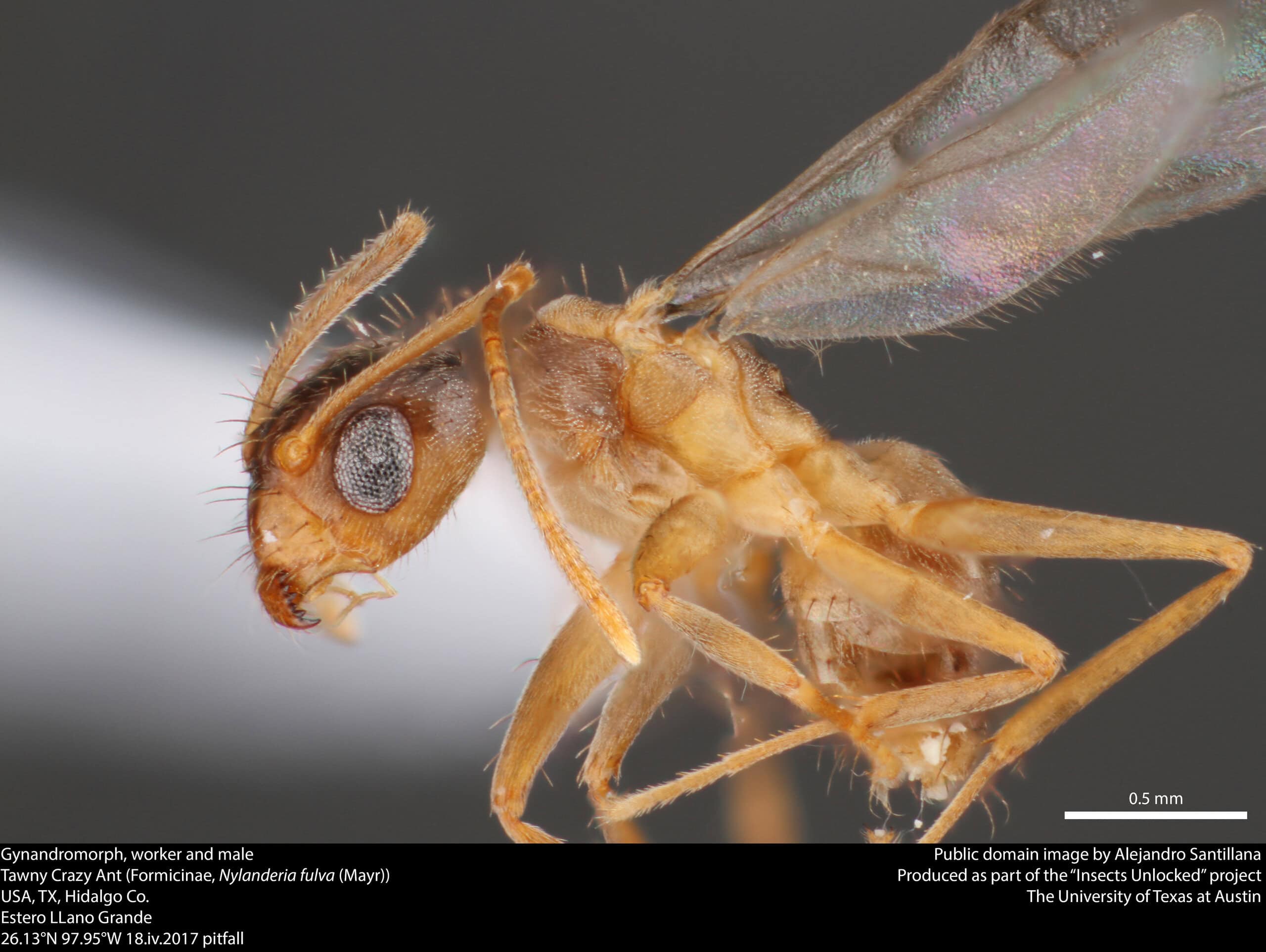
Tawny crazy ants are a reddish-brown color. The workers are around 0.08 to 0.10 inches long, but the males can be 0.10 inches long, and the queens can be up to 0.15 inches. It’s hard to recognize them without a microscope, but with magnification you can see that they are very hairy. Except their heads, that is, which are hairless, darker and shiny. Tawny ants have long antennae (which are 12-segmented with no club) and have long legs.
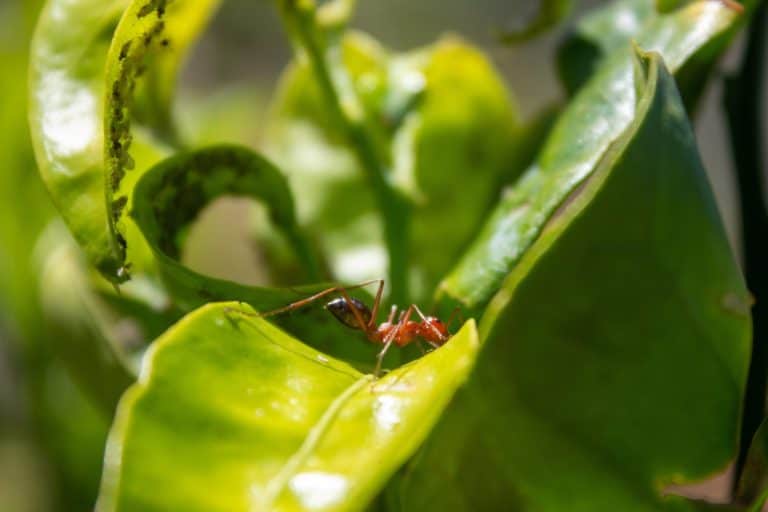
When it comes to feeding, they are opportunistic generalists! These ants ‘farm’ aphids, feeding on the honeydew. They also prey on live animals and scavenge on dead ones! Their prey includes caterpillars, beetles, termites, wasps, and spiders. However, they will attack larger animals, overpowering them with their sheer numbers. This can include rabbits, birds, and lizards, which usually die of asphyxiation. Worryingly, this also makes them a threat to domestic animals.
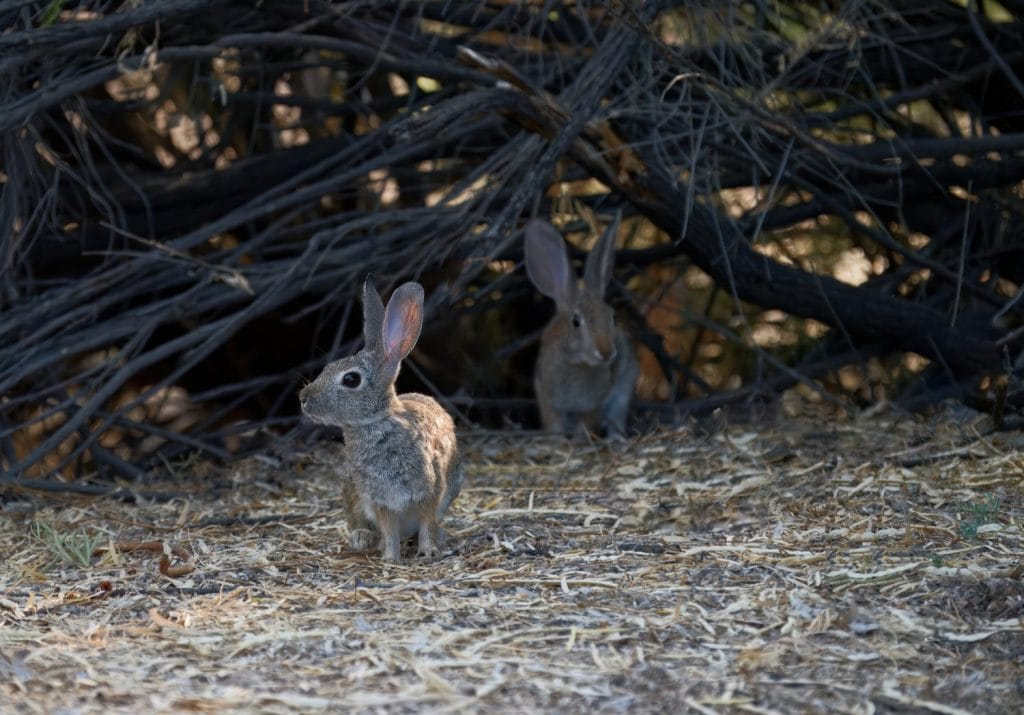
Even rabbits can be preyed on by swarming ants.
©Leonard Provoid/Shutterstock.com
This is the superpower that makes them both so destructive and so hard to get rid of. There are so many of them! Tawny crazy ants are polygyne, which means that they can form super colonies comprising several queens. These ants nest under rocks, fallen branches, and leaf litter. However, a colony can occupy several nests, covering large areas, spilling into manmade structures.
While these ants may not hurt people, they are a significant pest that is not easy to get rid of. Homeowners are unlikely to be able to manage the ants themselves, and a reputable pest management professional is the best option. Success is measured by keeping them out of your house rather than getting rid of them completely, which may be impossible!
You Can Help to Control Tawny Ants
Mississippi State University Extension explains that once this ant species is confirmed in a county, pest management professionals can treat it more extensively. They also advise that the best way to identify this ant is from their sheer numbers, which can reach hundreds of thousands or even millions.
The instructions on what to do if you suspect that you have found a tawny crazy ant colony are provided by the Mississippi State University Extension Insect Identification web page. Their services include identification of insect specimens mailed to the lab (which is the preferred method) and identification of digitally submitted insect images. There is no charge for individual samples submitted by Mississippi citizens, but there is strict guidance for how to package and send specimens so that they arrive at the lab in a fit state to be examined. The guidance states that “Small insects and soft-bodied insects like caterpillars, as well as spiders, must be placed in alcohol (preferably ethyl alcohol, but isopropyl will work) or vinegar in a small leak-proof container.” There is also an insect identification form you must complete. It’s important to provide accurate information regarding where the sample was collected.
The alternative is to send in digital images, but these are not always sufficient for identification purposes. There is further guidance on placement and lighting when photographing the ants. If it turns out that you have come across a colony of tawny crazy ants, the university can provide management recommendations.