
Quick Take
- Gizmo doesn't snap or retreat when called. What's behind that calm?
- A snapping turtle's fearsome reputation may not be what you think.
- One thing about Gizmo's chin scratch shouldn't be copied. The article explains why.
- Thinking of one as a pet? A few hidden costs and risks might change your mind.
Snapping turtles aren’t exactly known for welcoming a friendly scratch under the chin. With their powerful jaws and reputation for biting when threatened, most people understandably keep their distance. But a common snapping turtle named Gizmo seems remarkably comfortable during an encounter with a familiar human.
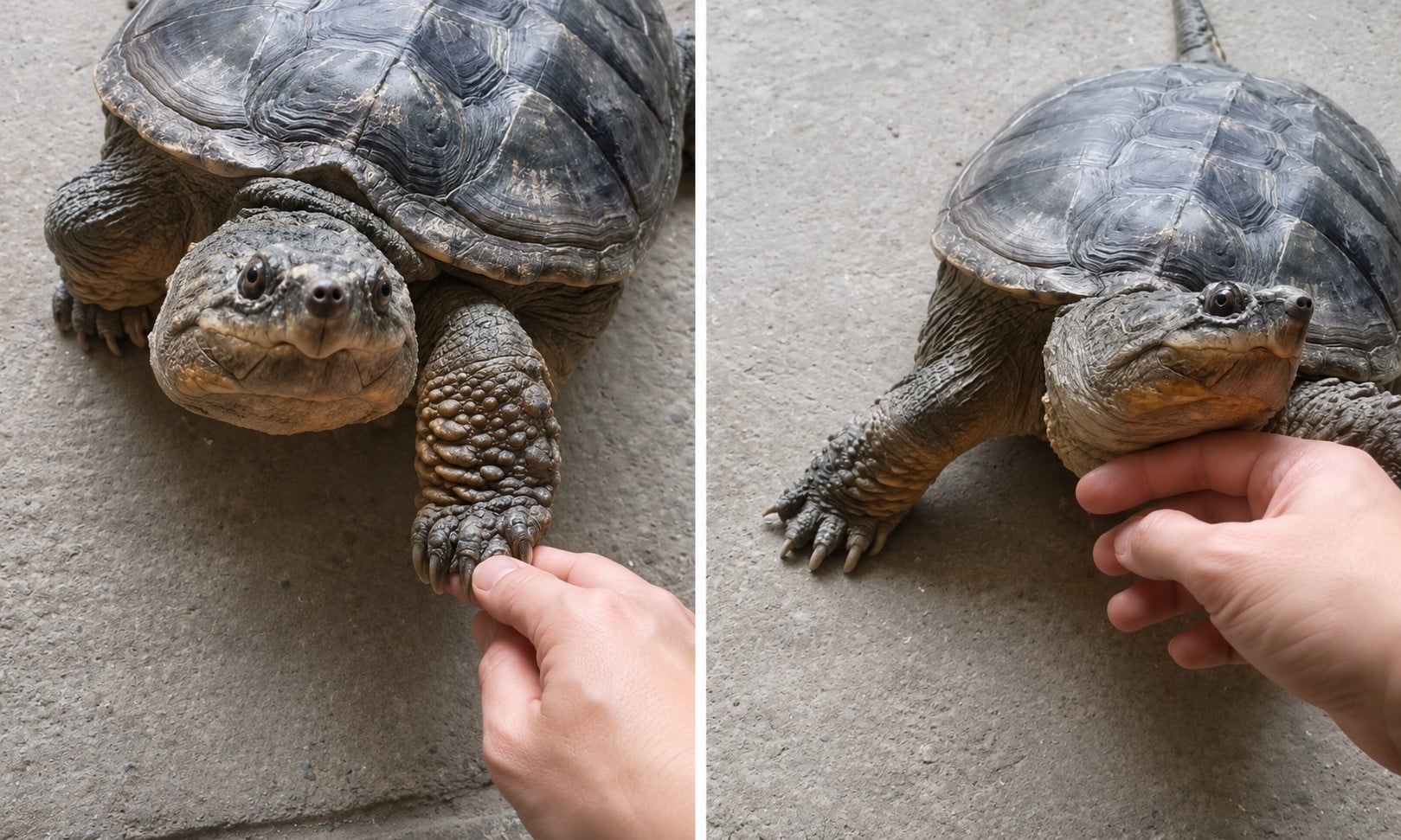
In the video, Gizmo walks toward a person calling its name, raises its head, and calmly accepts a gentle chin rub. The turtle even lifts one of its front feet during the interaction. It’s an entertaining look at a reptile behaving differently from what many people expect. But does this mean snapping turtles can become friendly? Watch the clip now and see what makes this encounter so unusual.
Watch Gizmo the Snapping Turtle Get a Chin Scratch
What Happens When Gizmo Is Called?
The video begins with Gizmo making its way across the floor. When the person filming calls out the turtle’s name, Gizmo approaches with its head raised. Rather than snapping or retreating, the large reptile continues moving toward the familiar voice. The person reaches down and gently scratches underneath Gizmo’s chin.
Gizmo remains calm during the interaction and even raises a front foot toward the person’s hand. It’s tempting to describe the moment as a turtle asking for attention, although we can’t know exactly what Gizmo is thinking. The behavior could reflect familiarity with the person, previous interactions, or simply a lack of fear in that particular moment. Either way, it’s not the reaction most people associate with a snapping turtle.
Are Snapping Turtles Really Aggressive?
Snapping turtles have a fearsome reputation, but they’re not constantly looking for a fight. Common snapping turtles spend much of their lives in freshwater ponds, lakes, rivers, and wetlands. In the water, they generally prefer to avoid confrontation. On land, however, a turtle that feels cornered or threatened may open its mouth, lunge, and deliver a powerful defensive bite.
Their strong jaws and sharp, beak-like mouths can cause serious injuries, so approaching or attempting to pet a wild snapping turtle is never a good idea. Their defensive behavior isn’t a sign that they’re unusually mean. It’s simply one of the ways these reptiles protect themselves when they cannot easily escape.

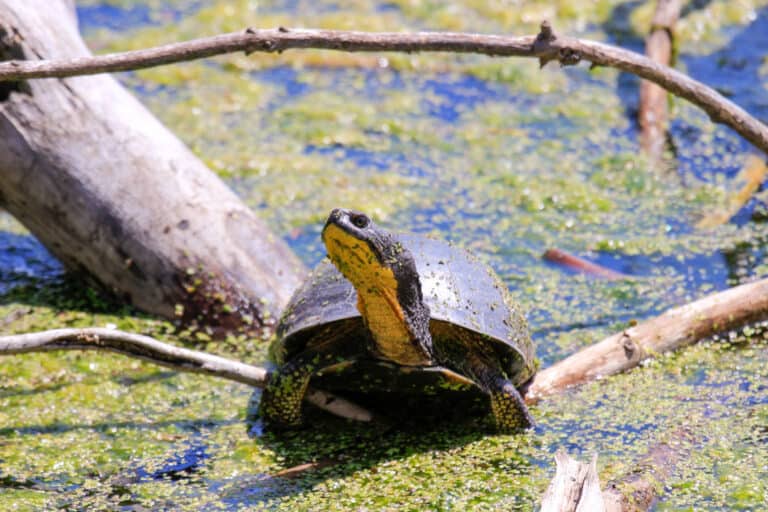
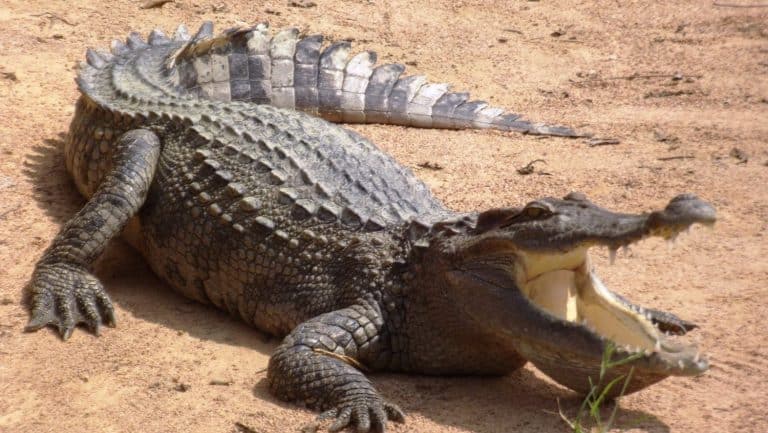
Snapping turtles have powerful jaws and may bite defensively when they feel threatened.
©Carol Hamilton/Shutterstock.com
Can Snapping Turtles Become Comfortable Around People?
Like many animals, captive turtles can become accustomed to regular routines and repeated human contact. An animal that frequently encounters the same caretaker may respond differently from a wild turtle meeting a stranger. That doesn’t necessarily mean it experiences affection the way a dog or cat might, and a calm response during one interaction isn’t proof that the turtle always welcomes being touched.
Gizmo’s behavior offers an interesting example of how an individual reptile may respond to a familiar environment and person. Still, snapping turtles remain powerful wild animals, even when raised in captivity. Familiarity doesn’t eliminate their natural defenses or the possibility of an unexpected bite.
Do Snapping Turtles Make Good Pets?
Snapping turtles can be kept in captivity where local laws permit, but they’re not suitable pets for most households. They can grow quite large, live for decades, and require substantial aquatic enclosures with proper filtration, temperature control, and species-appropriate care. Their powerful jaws also make routine handling considerably riskier than it is with many other commonly kept turtles.
There are health considerations, too. Like other reptiles, snapping turtles can carry Salmonella bacteria even when they appear perfectly healthy. Anyone caring for a captive turtle should practice careful hygiene and consult a veterinarian experienced with reptiles. Wild snapping turtles should be left in their natural habitats rather than collected as pets.
As for Gizmo, the video is a reminder that animal behavior can be more varied than stereotypes suggest. This particular snapping turtle appears calm around its caretaker, but that’s a reason to appreciate the encounter on camera, not an invitation to try the same thing with a turtle in the wild.