
Quick Take
- Magnus stayed with Brian Benson not just out of loyalty. There is a specific reason the hospital allowed it that changes the whole story. Watch the hospital visit →
- Benson ran marathons, ate well, and trained in boxing. So what landed him in the hospital anyway?
- Magnus's calm hospital behavior looks like pure breed instinct, but the real explanation is more nuanced than that. See the real explanation →
- Labs and Golden Retrievers seem nearly identical on paper, but that changes when you look at the one difference that actually sets them apart. Spot the key difference →
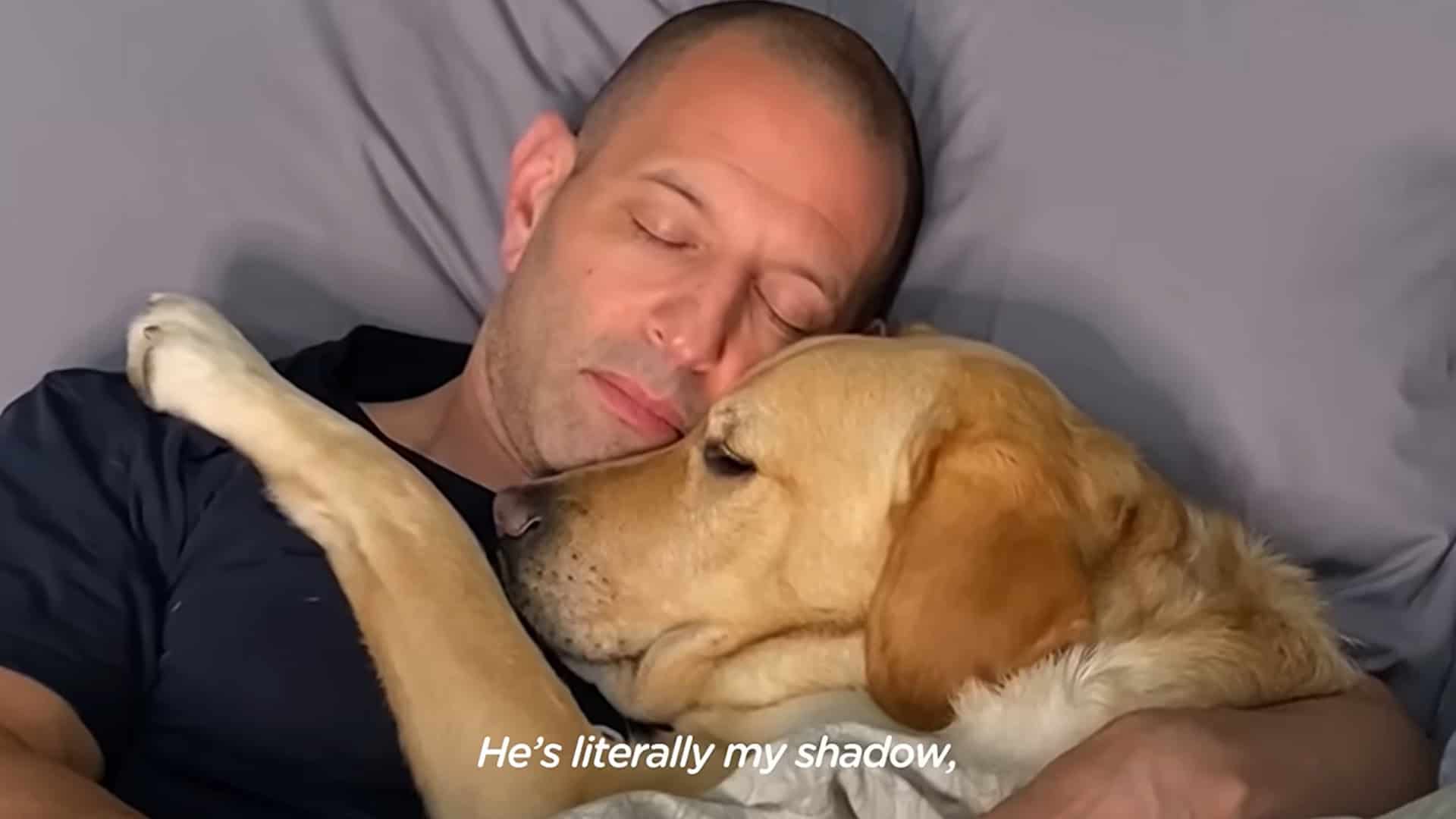
Dogs have an incredible ability to make a difficult situation feel a little more manageable, and one Labrador Retriever named Magnus showed just how powerful that companionship can be. When his owner, Brian Benson, was hospitalized with a serious heart condition, Magnus didn’t just stop by for a visit. He remained at Benson’s side throughout a three-day hospital stay, curling up beside him in bed, keeping him company during medical procedures, and offering comfort when his family couldn’t be there.
The heartwarming footage quickly captured attention online, but there’s more to this story than an affectionate dog refusing to leave his favorite person. Magnus had an important reason for being there, and his remarkable behavior offers a glimpse into how closely dogs can bond with people and how specially trained animals can help during some of life’s most frightening moments.
Watch Magnus Comfort His Owner in the Hospital
Why Was Brian Benson in the Hospital?
In January 2023, Brian Benson experienced chest pain and difficulty breathing that prompted him to visit the emergency room. What initially seemed like a precautionary trip turned into a three-day hospital stay as doctors performed tests and monitored his heart. The diagnosis was cardiomyopathy, a disease affecting the heart muscle that can interfere with the heart’s ability to pump blood effectively.
The diagnosis came as an unwelcome surprise. Benson described himself as someone who had spent more than 35 years exercising regularly, eating well, and staying physically active. He had completed the New York City Marathon, participated in Spartan races, and trained in boxing and Krav Maga. Despite those healthy habits, he had developed a serious heart condition. Benson said doctors found no blocked arteries and that his family history of heart disease might have contributed to the diagnosis.
Cardiomyopathy can have several causes, including inherited conditions, and it isn’t necessarily the result of poor lifestyle choices. For Benson, the experience was frightening, particularly with his two daughters worried about their father. Fortunately, he had a familiar companion who could offer comfort throughout the ordeal.

Labrador Retrievers are known for developing close bonds with their owners.
©Chalabala/iStock via Getty Images
Why Was Magnus Allowed to Stay at the Hospital?
Here’s what makes Magnus’s story particularly interesting. He wasn’t simply a beloved family pet receiving special permission to visit. Magnus was also Benson’s task-trained service dog, which meant he had an important role beyond providing companionship. Benson had previously explained that Magnus was trained to assist him with a seizure disorder. The Labrador also worked alongside Benson as a therapy dog, visiting hospitals and bringing comfort to patients, families, and medical workers.
That distinction matters. Under the Americans with Disabilities Act, service dogs are individually trained to perform tasks related to a person’s disability. Hospitals generally must allow these animals to accompany their handlers in patient rooms and other areas where patients are permitted, although certain restricted medical environments may have additional limitations. Therapy dogs, meanwhile, typically visit facilities to provide comfort to other people and do not automatically receive the same public-access protections.
Because Magnus was Benson’s service dog, he could remain with him after regular visiting hours ended. While family members had to leave, Magnus stayed close, resting beside the hospital bed and keeping his owner company. Benson later explained that Magnus helped him relax, distracted him from the stress of his diagnosis, and even helped calm his daughters. The gentle Labrador also managed to bring smiles to the hospital staff during an otherwise difficult experience.
Can Dogs Tell When Their Owners Are Stressed?
Anyone who has ever had a dog curl up beside them during a difficult day might wonder whether their pet somehow knows something is wrong. While scientists are still exploring exactly how dogs interpret human emotions, research suggests they can detect certain physical changes associated with stress. Dogs pay close attention to human behavior, movement, vocal tone, and other signals that may communicate how a person is feeling.
One particularly interesting study, published in the journal PLOS ONE in 2022, found that trained dogs could distinguish between human breath and sweat samples collected before and after a stressful task. The researchers tested four dogs and found that changes associated with acute psychological stress produced odors the animals could detect. Although the study was relatively small, it offered compelling evidence that dogs can recognize physiological changes associated with human stress through their sense of smell.
That doesn’t mean Magnus necessarily understood Benson’s medical diagnosis or detected his heart condition. However, it does help explain why dogs may respond differently when their owners are frightened, anxious, or uncomfortable. Combined with Magnus’s specialized training and years of experience working closely with people, his calm behavior in the hospital becomes even more impressive.
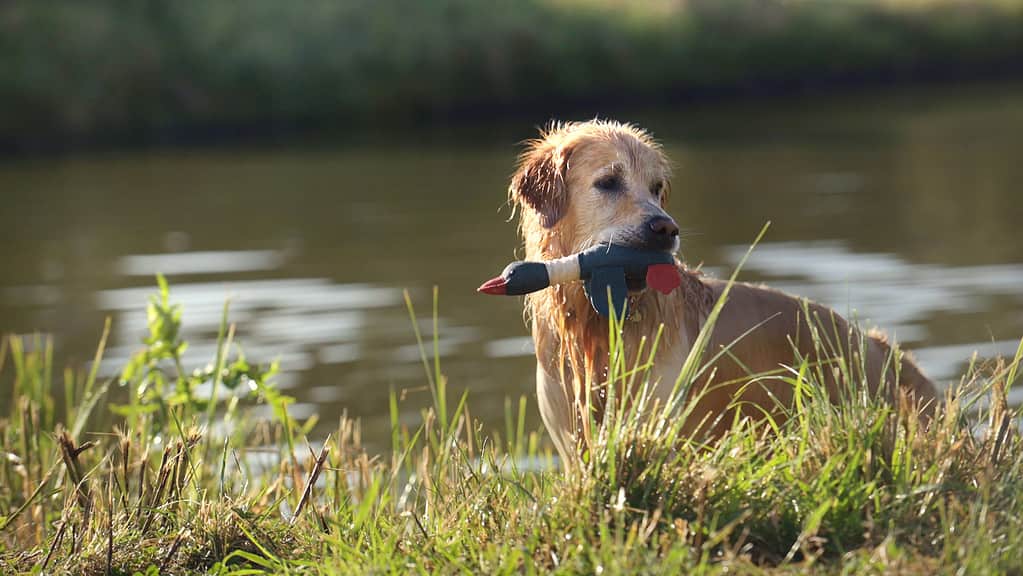
Labrador Retrievers are known for being friendly, outgoing companions.
©Zheka-Boss/iStock via Getty Images
Why Do Labrador Retrievers Make Such Loyal Companions?
Labrador Retrievers have earned a reputation as some of the friendliest and most people-oriented dogs around, but their popularity goes well beyond an affectionate personality. Labs are intelligent, energetic, and generally eager to work with people. Those characteristics make them popular family pets, hunting companions, guide dogs, detection dogs, and service animals. Their trainability and willingness to cooperate help explain why the breed is so frequently associated with jobs requiring close relationships with humans.
Of course, being a Labrador doesn’t automatically make a dog an excellent service animal. Individual temperament, health, socialization, and specialized training all play important roles. A successful service dog must be able to remain composed around unfamiliar people, distracting noises, and unpredictable situations. Magnus demonstrated those qualities while accompanying Benson through hospital examinations, unfamiliar surroundings, and long periods of waiting.
For many dogs, an environment filled with medical equipment, strange smells, and constantly changing activity could be overwhelming. Magnus, however, had years of experience interacting with people in healthcare settings. His background as both a therapy dog and a service dog helped prepare him for the unusual situation, allowing him to focus on Benson instead of becoming distracted by everything happening around them.
Where Do Labrador Retrievers Come From?
Despite their name, Labrador Retrievers trace their roots primarily to Newfoundland, Canada. Their ancestors included the St. John’s water dog, a working dog that helped fishermen retrieve fish, haul lines, and perform other tasks in and around the cold Atlantic waters. These dogs were valued for their swimming ability, willingness to work, and close cooperation with humans.
During the 1800s, British sportsmen imported dogs from Newfoundland and helped develop the modern Labrador Retriever. The breed’s short, dense, water-resistant coat and powerful tail made it especially well suited to retrieving game from water. Over time, Labradors became popular beyond hunting and fishing, eventually finding roles in homes, search-and-rescue work, assistance programs, and other settings where dependable, trainable dogs are needed.
That working history helps explain some of the breed’s modern characteristics. Labradors were developed to cooperate closely with people, respond to instructions, and carry out physically demanding tasks. Today, those same qualities can make properly trained individuals excellent partners for people who rely on service animals.
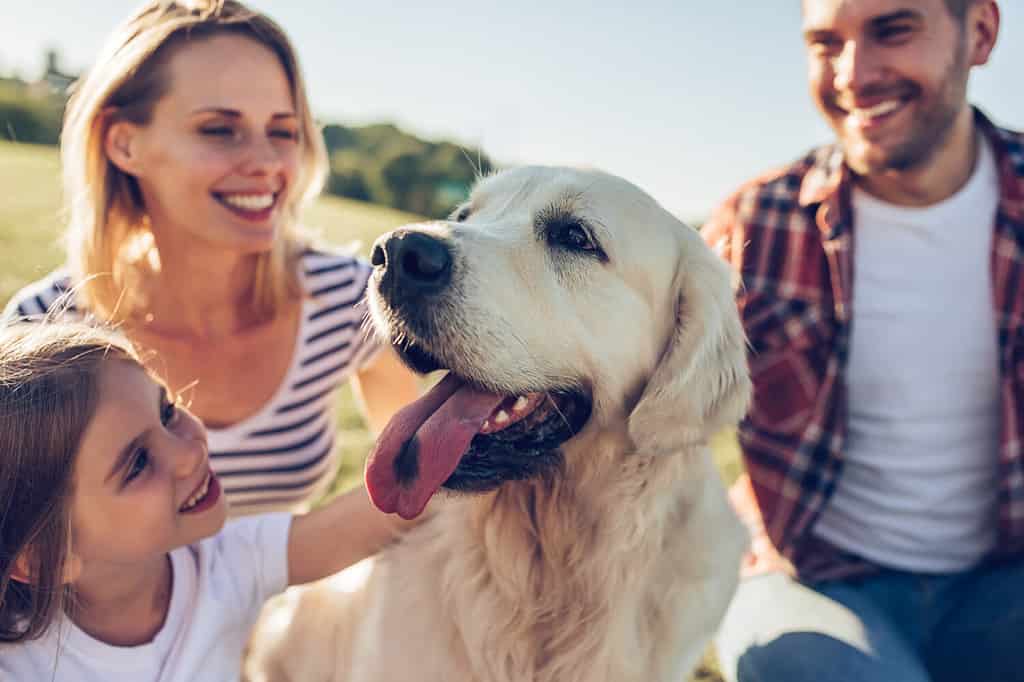
Labrador Retrievers are famously social dogs that often enjoy plenty of attention from people.
©4 PM production/Shutterstock.com
How Big Do Labrador Retrievers Get?
Labradors are medium-to-large dogs with sturdy, athletic builds. According to the American Kennel Club, adult males generally weigh between 65 and 80 pounds and stand 22.5 to 24.5 inches at the shoulder. Females typically weigh between 55 and 70 pounds and stand 21.5 to 23.5 inches tall. Individual dogs can fall outside these ranges, particularly when mixed with other breeds.
People sometimes confuse Labrador Retrievers with Golden Retrievers because both breeds are friendly, athletic, and frequently trained for service work. One obvious difference is their coats. Labs have short, dense fur, while Golden Retrievers have longer coats with distinctive feathering around the legs, chest, and tail. Both breeds require regular exercise, mental stimulation, grooming, and a nutritionally balanced diet appropriate for their age and health.

A 7-week-old fox-red Labrador Retriever puppy.
©Caroline Anderson/iStock via Getty Images
What Magnus’s Story Reveals About the Human-Dog Bond
Perhaps the most meaningful part of Magnus’s story isn’t simply that he stayed close to Benson. It’s that his presence made a frightening medical experience a little easier for an entire family. He provided familiar companionship when Benson was facing an unexpected diagnosis, helped his daughters feel more comfortable, and brought a welcome sense of normalcy into an unfamiliar hospital environment.
Stories like this also highlight the importance of respecting working service dogs. Although many are affectionate and approachable, they have responsibilities that should come before attention from strangers. People should avoid distracting, touching, or feeding a working service dog without permission from its handler. These animals perform important tasks, and their ability to remain focused can directly affect the people who depend on them.
For Benson, Magnus was far more than a friendly Labrador waiting beside a hospital bed. He was a trained partner, a trusted companion, and a reassuring presence during an extraordinarily stressful experience. While not every dog has the training to handle that kind of situation, the bond between Magnus and his owner offers a touching example of just how meaningful the relationship between humans and dogs can become.