
Quick Take
- One turtle can satisfy the vast majority of its oxygen needs without ever surfacing, and the body part responsible for this is not what you would expect. Meet the 70% cloacal breather →
- Some of these turtles go months without taking a single breath of air, and they are doing it right now beneath frozen ponds. Surviving months under ice →
- Not every turtle on this list uses the adaptation to survive winter. One uses it for a completely different reason that has nothing to do with hibernation. Cloacal breathing for foraging →
- One species on this list looks nothing like a survival machine, yet it sports a bizarre feature on its head that hints at just how extreme its underwater life really is. The algae-haired oddity →
Everyone is familiar with turtles, but few know about the strange manner of breathing used by certain species. While most turtles take in oxygen through their lungs, as we’d expect, a handful of species have evolved an additional method of breathing that sounds almost unbelievable. During long winters or long dives underwater, these turtles can absorb oxygen through specialized tissues near their cloaca. And yes, this is the opening used for waste elimination, among other things. The process, known as cloacal respiration, doesn’t replace traditional lung breathing, but it aids certain turtles. This unusual adaptation helps them survive for weeks or months underwater when conditions make surfacing impossible. Here are some fascinating turtles that can breathe via their backside.
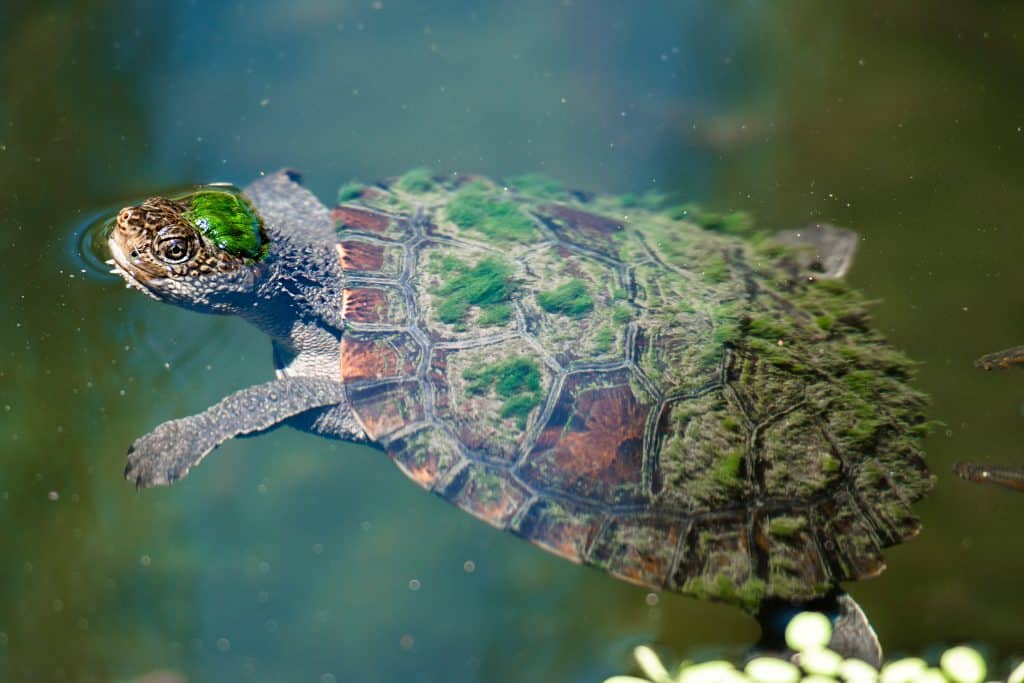
Mary River Turtle
©Rob D Wildlife/Shutterstock.com
These turtles are best known for the algae that grows on their head like cute little green hairdos. The Mary River turtle is another Australian species that turns to cloacal respiration for survival. It features specialized bursae that are efficient at pulling oxygen from moving freshwater. This means the turtle can spend much of its time underwater without coming up for air. The adaptation is especially useful in rivers with strong currents and high levels of dissolved oxygen.
Eastern Painted Turtle

©Jay Ondreicka/Shutterstock.com
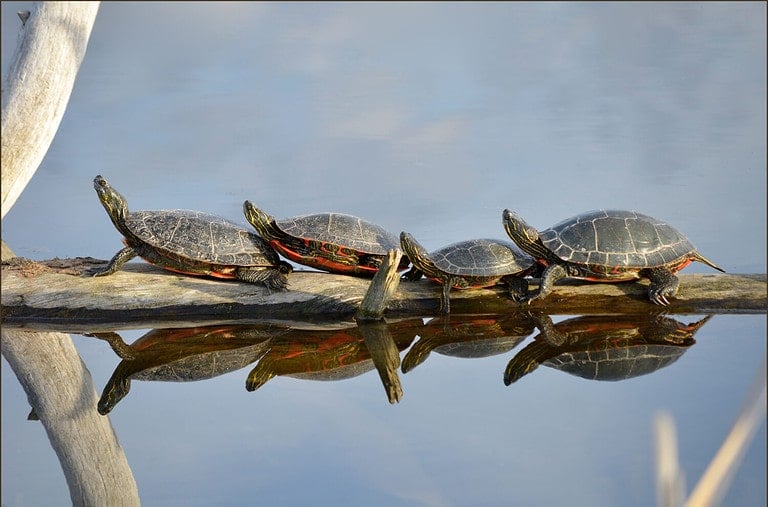
The Eastern painted turtle uses cloacal respiration in a different way from the others. During winter, it hibernates under frozen ponds. Stuck under the ice, this species can’t reach the surface for air. Survival relies on several factors, including slowed metabolism and oxygen intake through the skin. They also absorb limited but essential oxygen through the cloaca. These methods help the turtles survive until warm temperatures arrive. Remarkably, this strategy allows the turtle to stay trapped under the ice for months.
Fitzroy River Turtle
©Hans Wismeijer/Shutterstock.com
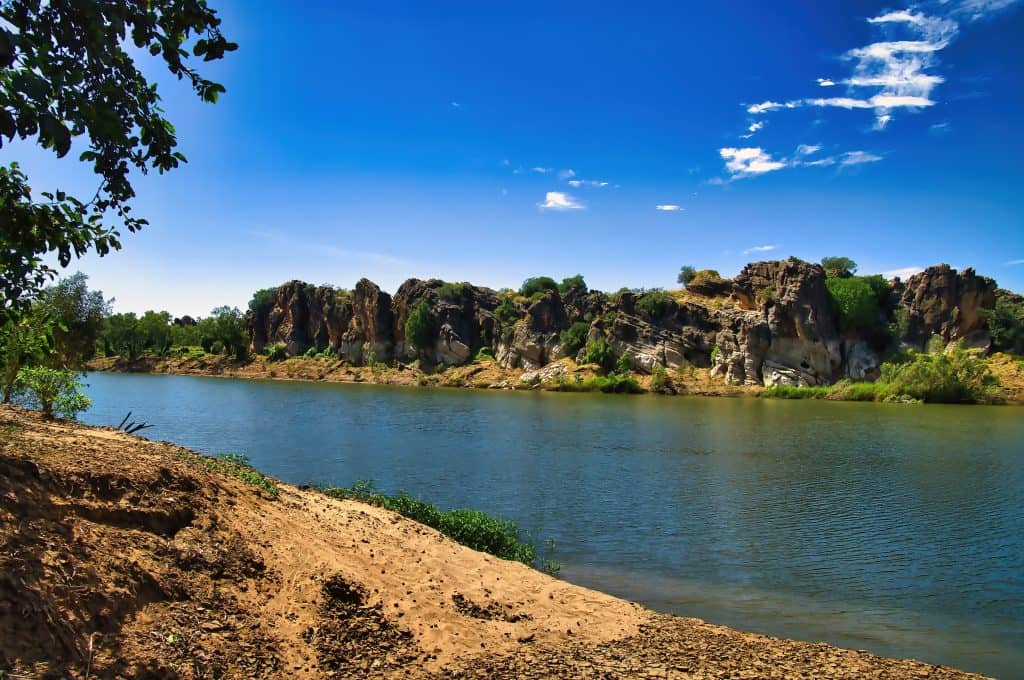
The Fitzroy River turtle is probably the world’s most famous “rear-end breather.” The turtle is native to Queensland, Australia. It is well known for its large, finger-like structures near the cloaca that absorb oxygen directly from the water. This incredible adaptation allows the turtle to stay beneath the surface for extremely long periods of time. During these submerged periods, the reptiles can search for food or rest. Under specific conditions, researchers estimate that up to 70% of its oxygen needs can be met this way.
Midland Painted Turtle
©Lindaimke/Shutterstock.com
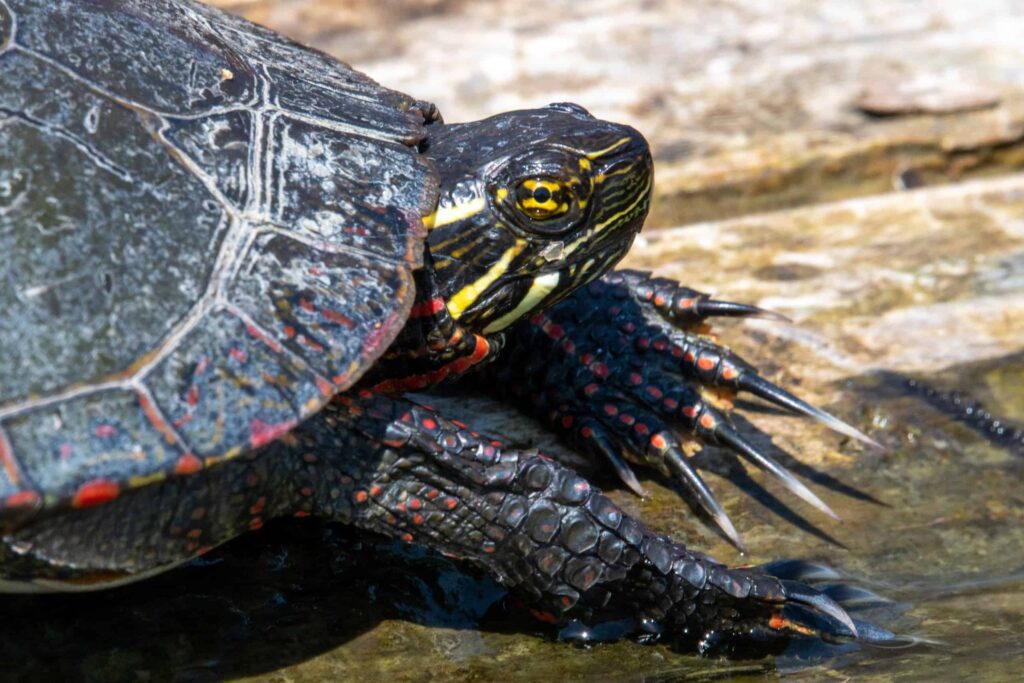
Like its eastern relative, the Midland painted turtle spends winter at the bottom of frozen ponds. During hibernation, the heart rate and metabolism drop substantially. In this state, oxygen requirements are reduced. The small amounts of oxygen absorbed through the cloaca and skin keep the reptiles alive until spring.
Western Painted Turtle
©iStock.com/Dave Acheson Photography
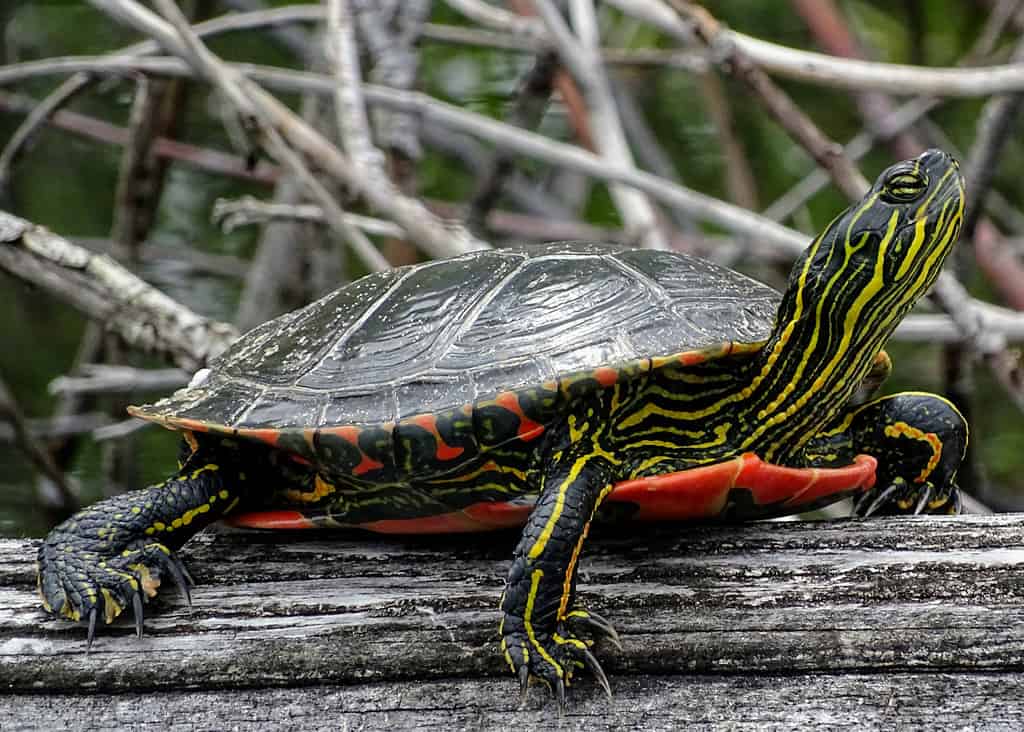
The Western painted turtle is another cold-weather native. They are capable of using cloacal respiration when winter takes over the landscape. They are well known for surviving harsh climates in northern regions. Like the painted turtle species, their ability to conserve energy and live off low amounts of oxygen allows them to stay underwater through the brutally cold conditions. This species is one of North America’s toughest freshwater turtles.
Blanding’s Turtle

©Ryan M. Bolton/Shutterstock.com
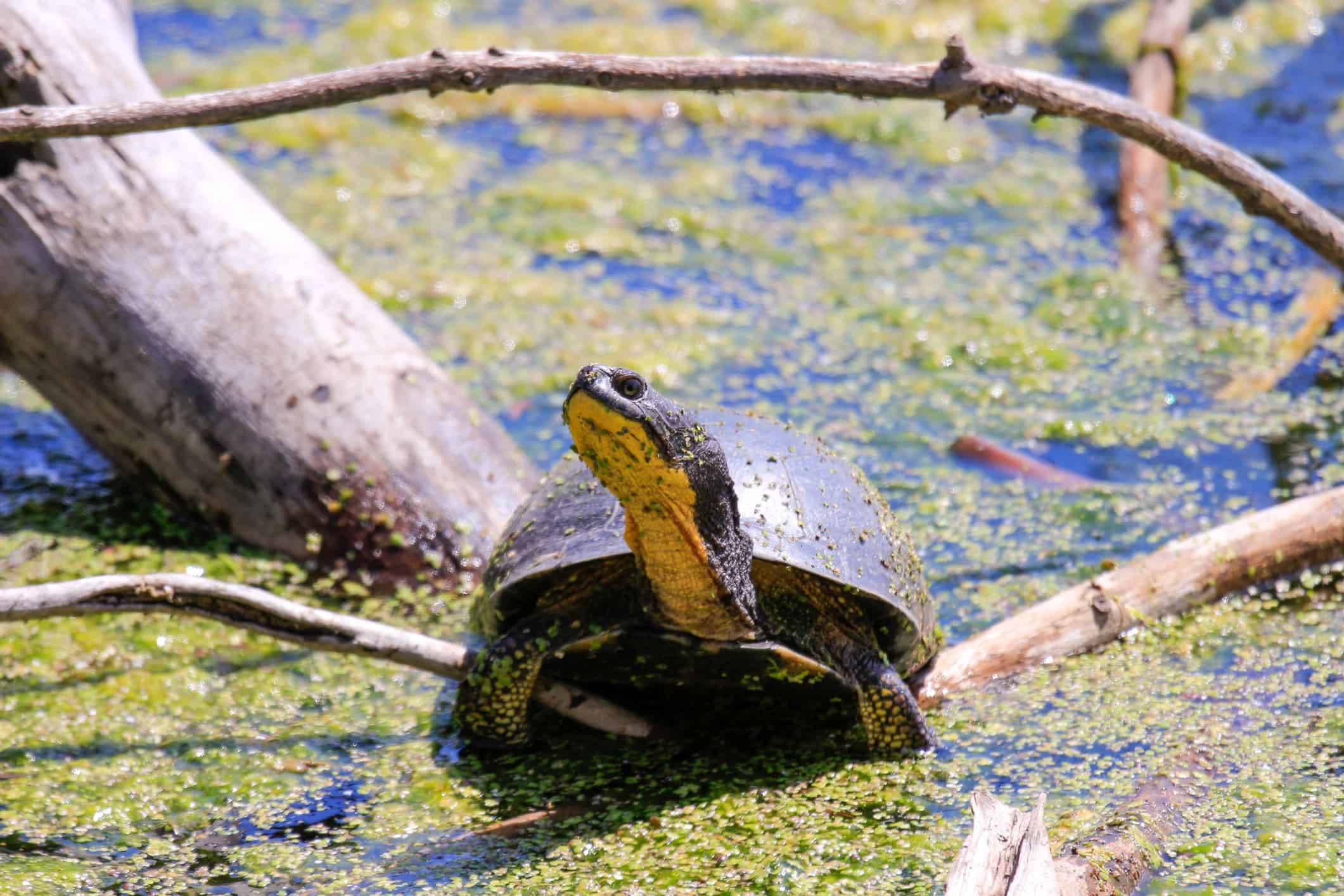
Blanding’s turtles spend long periods resting under frozen bodies of water. Unlike the others, they depend mainly on their lungs. However, they still supplement their oxygen intake through their rear end, surviving in a dramatically slowed metabolic state for months at a time without taking a single breath of air.
Snapping Turtle
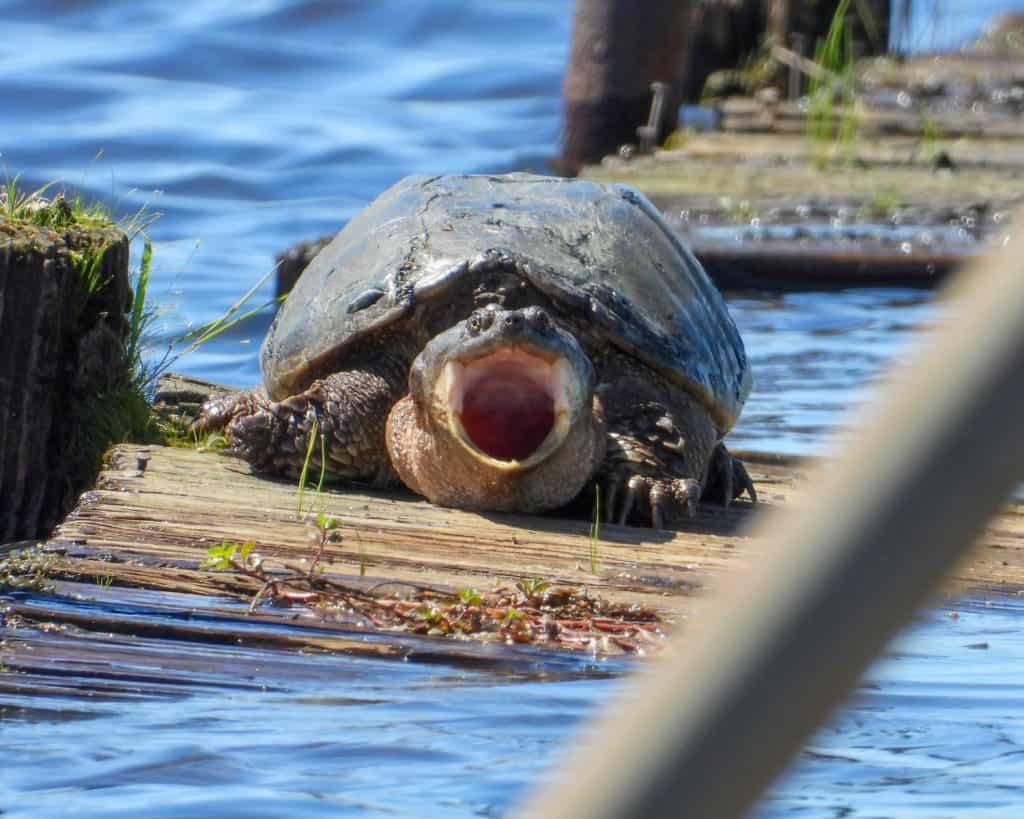
©Brian Woolman/Shutterstock.com
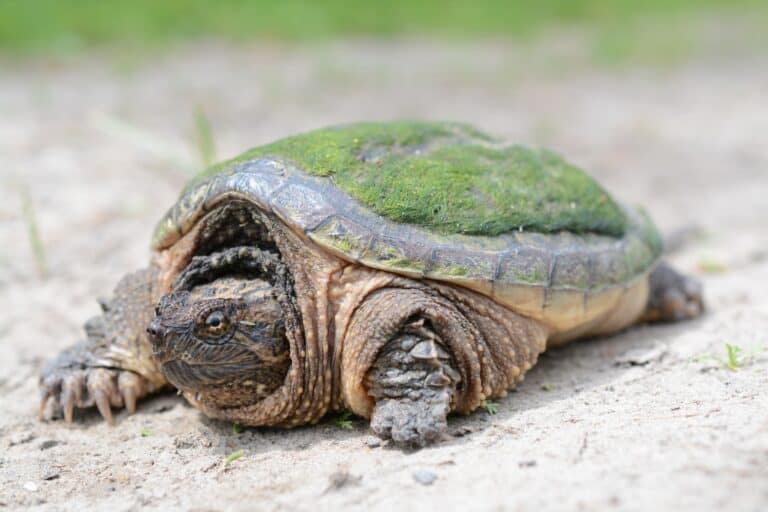
Common snapping turtles are well known for their powerful jaws, but they also belong to this special group of backside breathing turtles. While hibernating underwater, they pull small amounts of oxygen into their system. The process is possible through specialized tissues in the cloaca and on their skin. Like other hibernating animals, their metabolism slows so drastically that they don’t need much oxygen to sustain them.
Common Musk Turtle
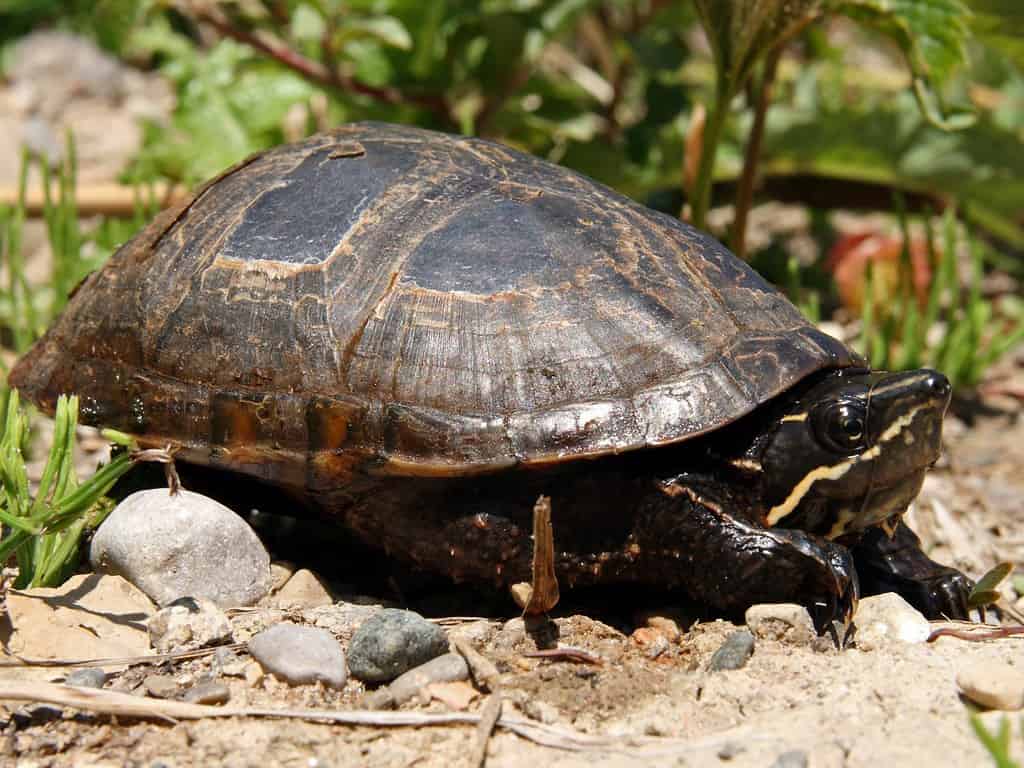
©Ryan M. Bolton/Shutterstock.com
The common musk turtle, sometimes called the stinkpot, is another species capable of remaining underwater for surprisingly impressive periods. In addition to breathing with its lungs, it can absorb oxygen through tissues in its mouth, throat, and cloaca. Unlike with other species, this process is not used for hibernation; instead, it is employed for extended dives. These might be necessary to forage for food or hide from predators. Although it still surfaces regularly, the adaptation gives it options while under the surface.