Have you been thinking about ways you can spice up your rabbit’s diet? If so, check out the variety of foods that you can incorporate beyond just hay. Fruits, vegetables, and herbs are all menu options for these fluffy creatures. Among these, green beans are one of the most nutritious of all, as they contain carbs, protein, and vitamins important for your rabbit’s growth and development. Rabbits can indulge in green beans from time to time but follow these five tips to ensure that your rabbit is getting the most they can out of this healthy treat.
1. Use Green Beans as a Treat
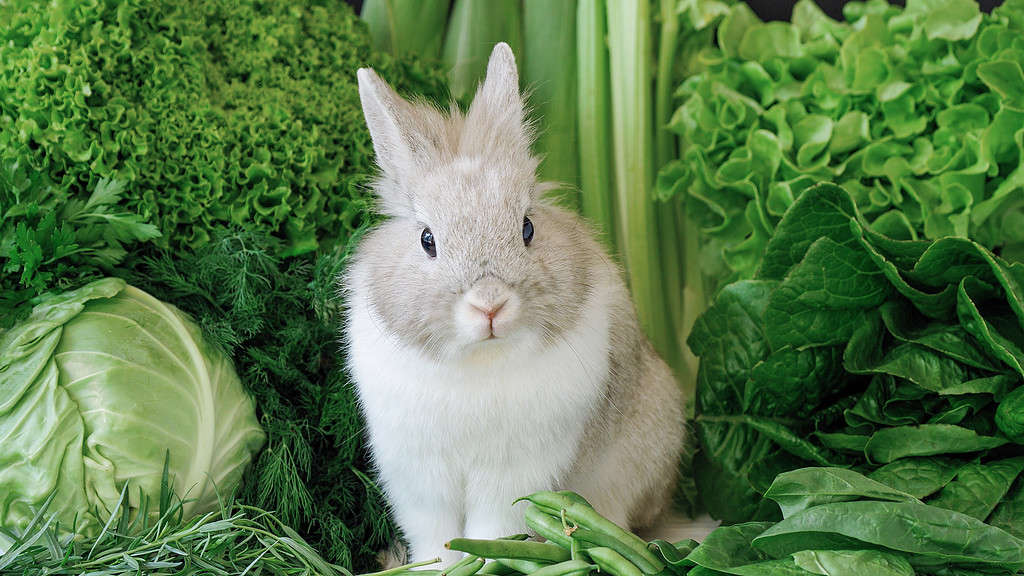
Although some rabbits are picky eaters, others try new foods with excitement.
©Olha/iStock via Getty Images
Seasoned rabbit owners know that the majority of a bunny’s diet should be comprised of high-quality hay, However, leafy greens, fruits, and vegetables are wonderful to incorporate from time to time. In excess, green beans can cause gas, kidney dysfunction, and GI issues in your rabbit, so never try to feed them green beans as a meal. As long as you’re offering green beans in moderation and using them as a treat, your rabbit will be perfectly happy.
2. Feed Your Rabbit a Variety of Vegetables
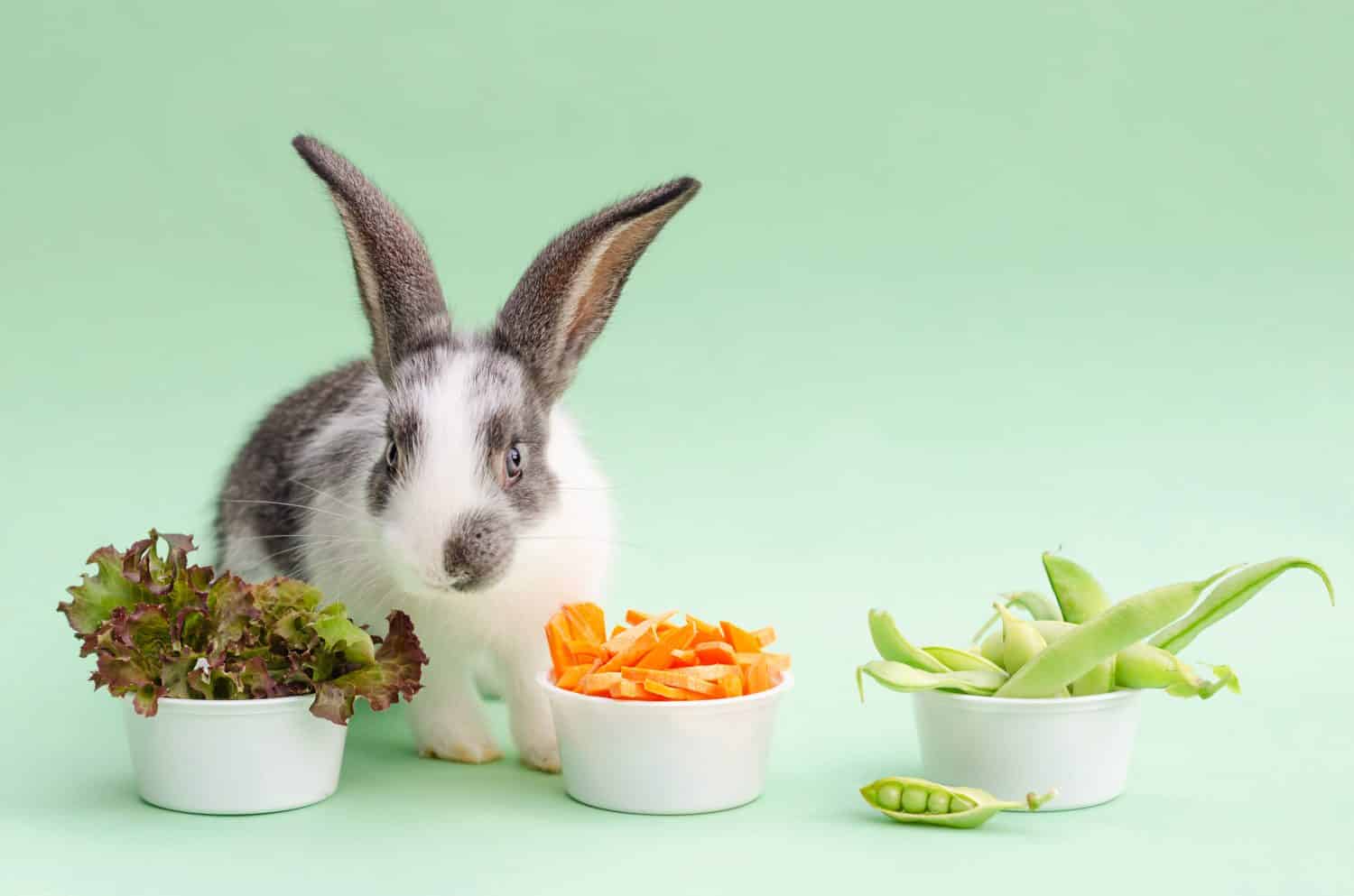
Feeding your rabbit a variety of fruits and veggies provides them with a range of vitamins and minerals.
©ElenaYakimova/Shutterstock.com
Some people might not know it, but rabbits have a wide variety of food that they can partake in beyond hay. According to the Rabbit Welfare Association, some other vegetables you can offer your furry friend are broccoli, pumpkin, dark green cabbage, parsnip, squash, and green peppers. Green beans in particular are rich in Vitamin A, B6, and C. They improve bone health, digestion, cardiovascular function, and muscle development.
3. Only Offer Your Rabbit Raw Green Beans
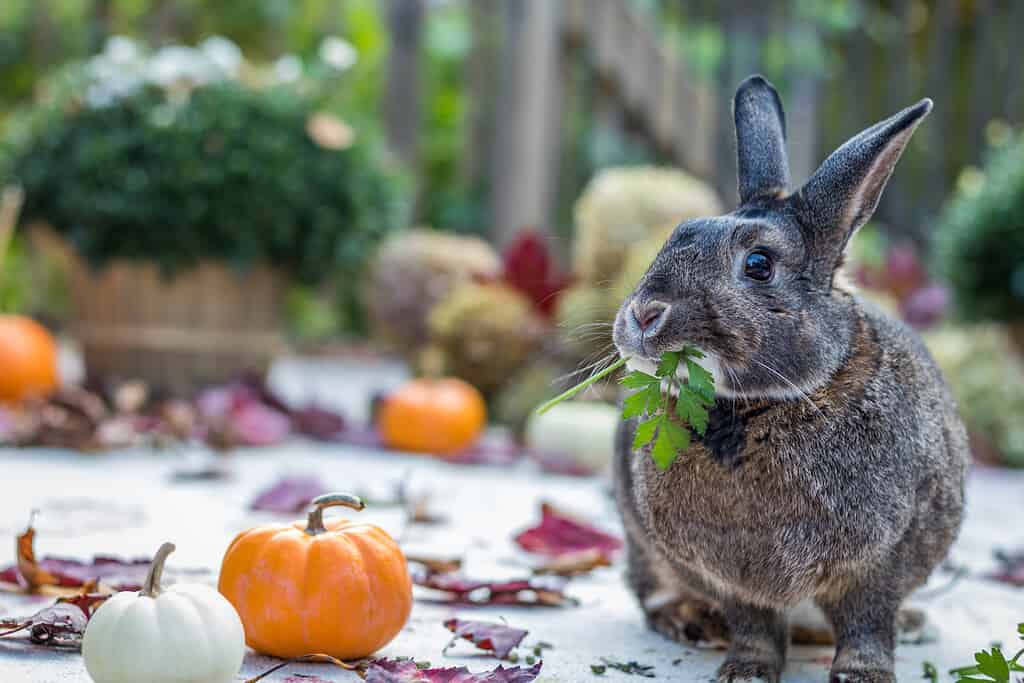
Rabbits have delicate digestive systems. Consult your vet before feeding them new foods.
©Rabbitti/iStock via Getty Images
While cooking green beans for humans is perfectly fine, offering these cooked beans to your rabbit isn’t. Rabbits don’t have the digestive capacity to break down cooked vegetables. Even when raw, it’s important to monitor your rabbit’s reaction to new foods in their diet. Make sure they have normal bowel movements within one day after the first feeding. If everything is fine, your rabbit digested the green beans well. If something seems off, begin feeding them their standard diet again and see if things change. As always, it’s recommended to discuss any specific concerns directly with your vet.
4. Make Sure the Green Beans Are Washed
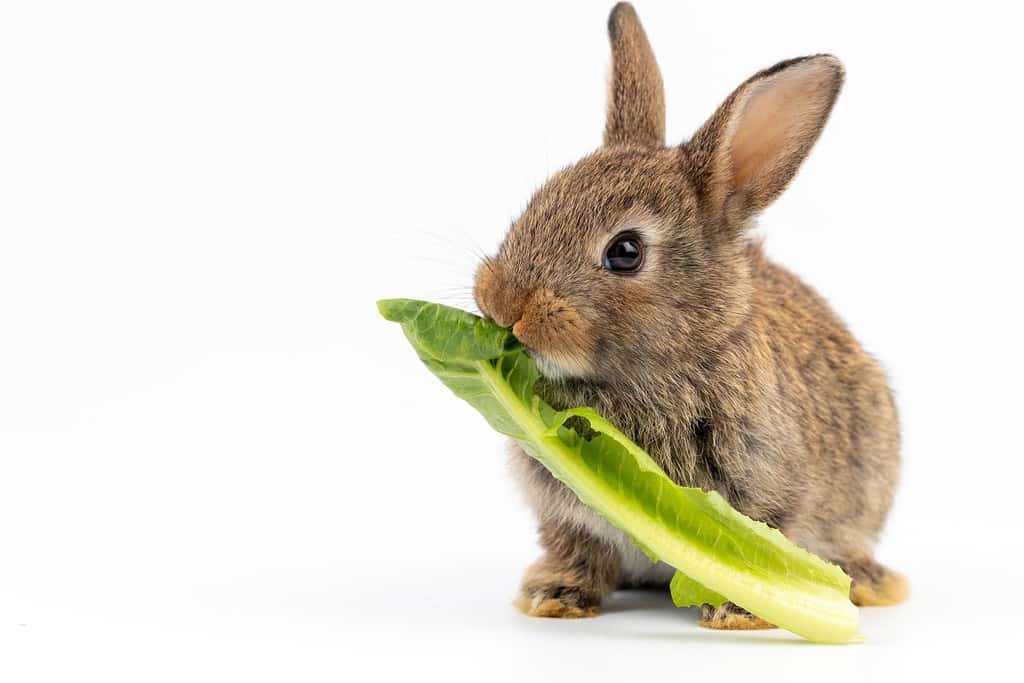
Not washing the fruit and vegetables you provide your rabbit with can result in discomfort or issues.
©UNIKYLUCKK/Shutterstock.com
No one likes to eat unwashed food, and the same goes for rabbits. Some rabbits are particularly picky about adding new foods to their diet. Making sure produce is perfectly clean gives bunnies the best chance possible at being receptive. Unwashed green beans can have trace amounts of dirt, bacteria, germs, and pesticides still on them. Rabbits are tiny and delicate creatures, so it’s important to ensure their health is preserved. Be sure to wash your produce thoroughly before offering it to your pet rabbit.
5. Only Give Your Rabbit Fresh Green Beans
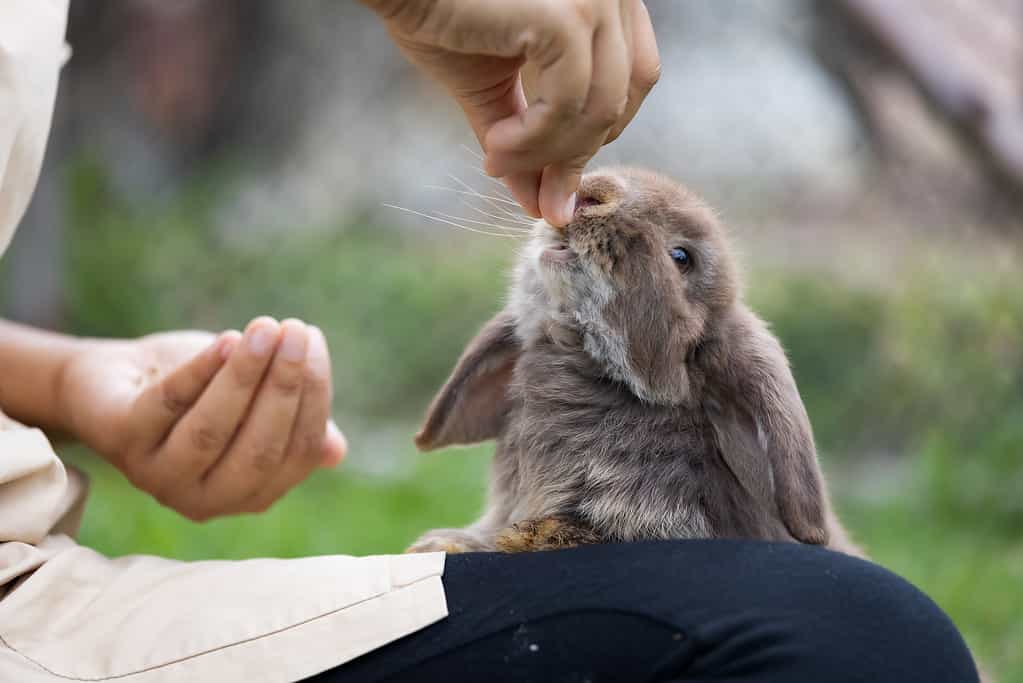
Rabbits trust their owners with every fiber of their being, so we must take extremely good care of them.
© Sasiistock/ via Getty Images
Although fresh, raw green beans are perfectly healthy for your rabbit, canned or preserved ones are a no-go. Avoid any dried varieties as well. When you’re shopping for green beans for your rabbit, look out for organic, pesticide-free varieties. Inspect the bag and make sure there aren’t any visible imperfections, such as mold or decay. After you bring them home, thoroughly wash them and plate them up with other greens, such as basil, spinach, or sprouts before offering them to your rabbit. As long as you follow the steps we outlined here, your rabbit is sure to enjoy adding this new food to their diet!