
Mange can manifest as several different skin conditions with varying levels of severity and symptoms, but they can all be traced back to the same root cause: mites. Fortunately for pet owners, there are treatment methods for all known forms of mites.
Despite infections being relatively rare for them, there are multiple types of mange in cats — and the effectiveness of different treatments can vary depending on the species of mite causing the issue. Proper treatment is important, especially if your cat lives with or regularly comes in contact with other pets.
There are three known causes of mange in cats, but there are many more possible causes for itching and scratching than mites, so you should always refer to your veterinarian if the situation becomes serious. Here’s your guide to the different types of mange in cats.
1. Notoedric Mange (Feline Scabies)
©iStock.com/Alikaj2582
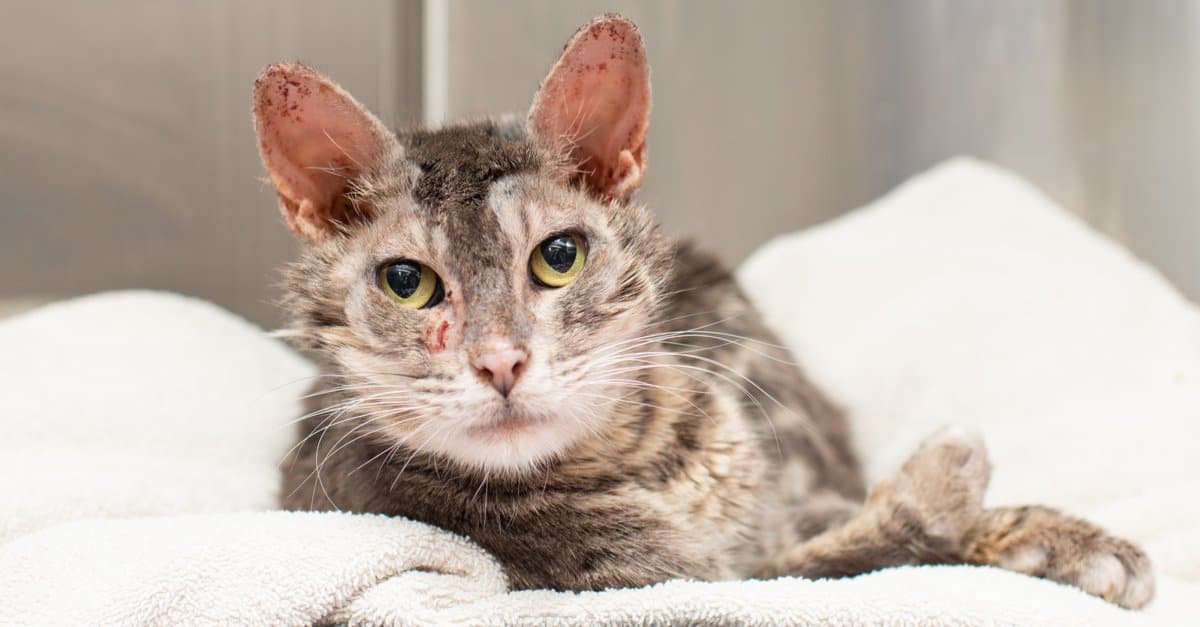
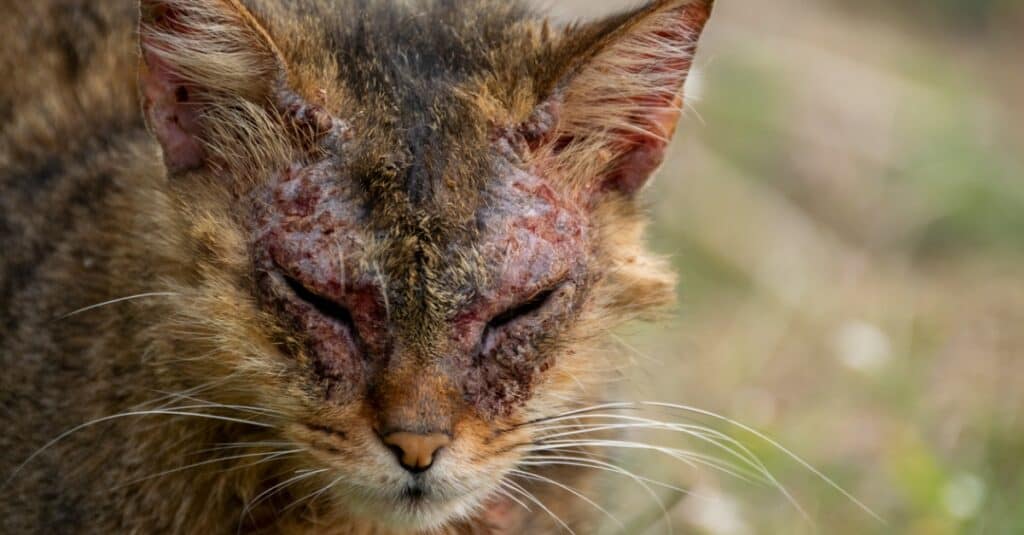
Of the different types of mange in cats, feline scabies is the only mange that can manifest exclusively in cats. While the mite can travel on other types of mammals in the short term, they can only live out their full life cycle of 17 to 21 days on the bodies of cats. The intense itching caused by feline scabies starts at the ears and works down the cat’s face until it can expand over the entire body. Infection rates from one cat to another are incredibly high, and that means that pet cats who spend time freely outside are particularly at risk.
If you’ve ruled out fleas and other common causes of mange and you have multiple infected cats, feline scabies might be the next option to consider. Kittens and cats with compromised immune systems are most at risk for feline scabies.
2. Sarcoptic Mange (Canine Scabies)
©Yaya Photos/Shutterstock.com
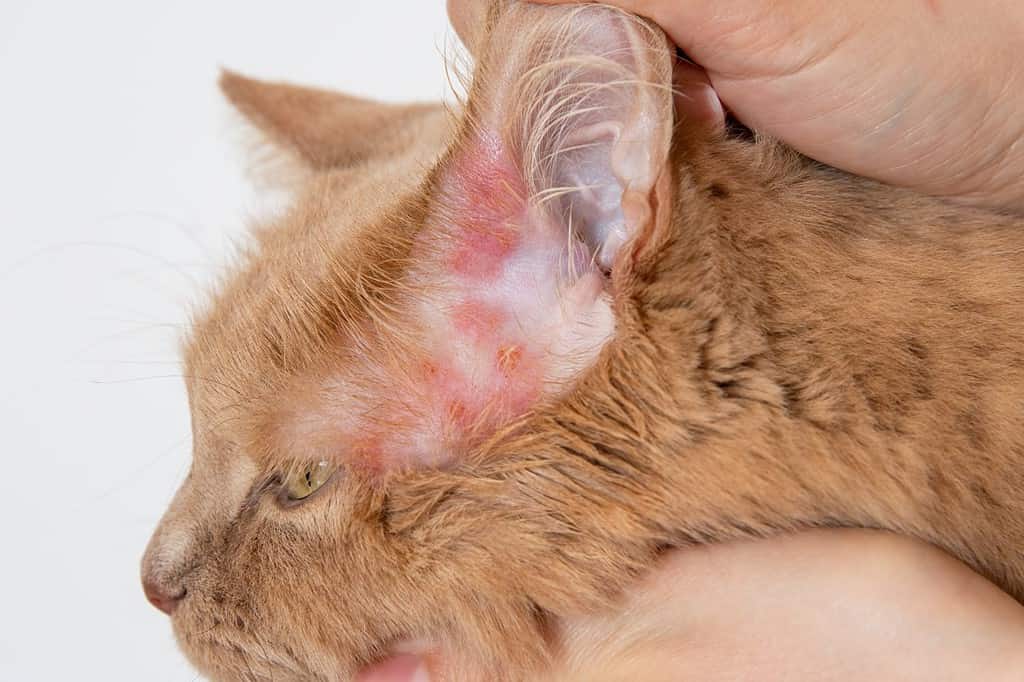
If your cat starts itching shortly after its canine housemate returns from the dog park, canine scabies might be to blame. A cat that gets this type of scabies will almost always get it via direct contact with an infected dog, but it can rarely be transmitted from a carrier source like a human caretaker or pet bedding.
The best way to identify and treat sarcoptic mange is to bring your cat to the veterinarian. If the symptoms line up, they can take a skin cell sample to check for the presence of mites. Canine mange can travel across the body rapidly because the scratching only exacerbates the spread of the mites. If they discover the source of the problem is canine scabies, your veterinarian can provide you with a prescription or recommendation for an over-the-counter remedy to treat it. Be sure to never use a treatment designed for dogs and make sure the treatment is appropriate to your cat’s weight and age.
3. Fur Mites
©Wollertz/Shutterstock.com
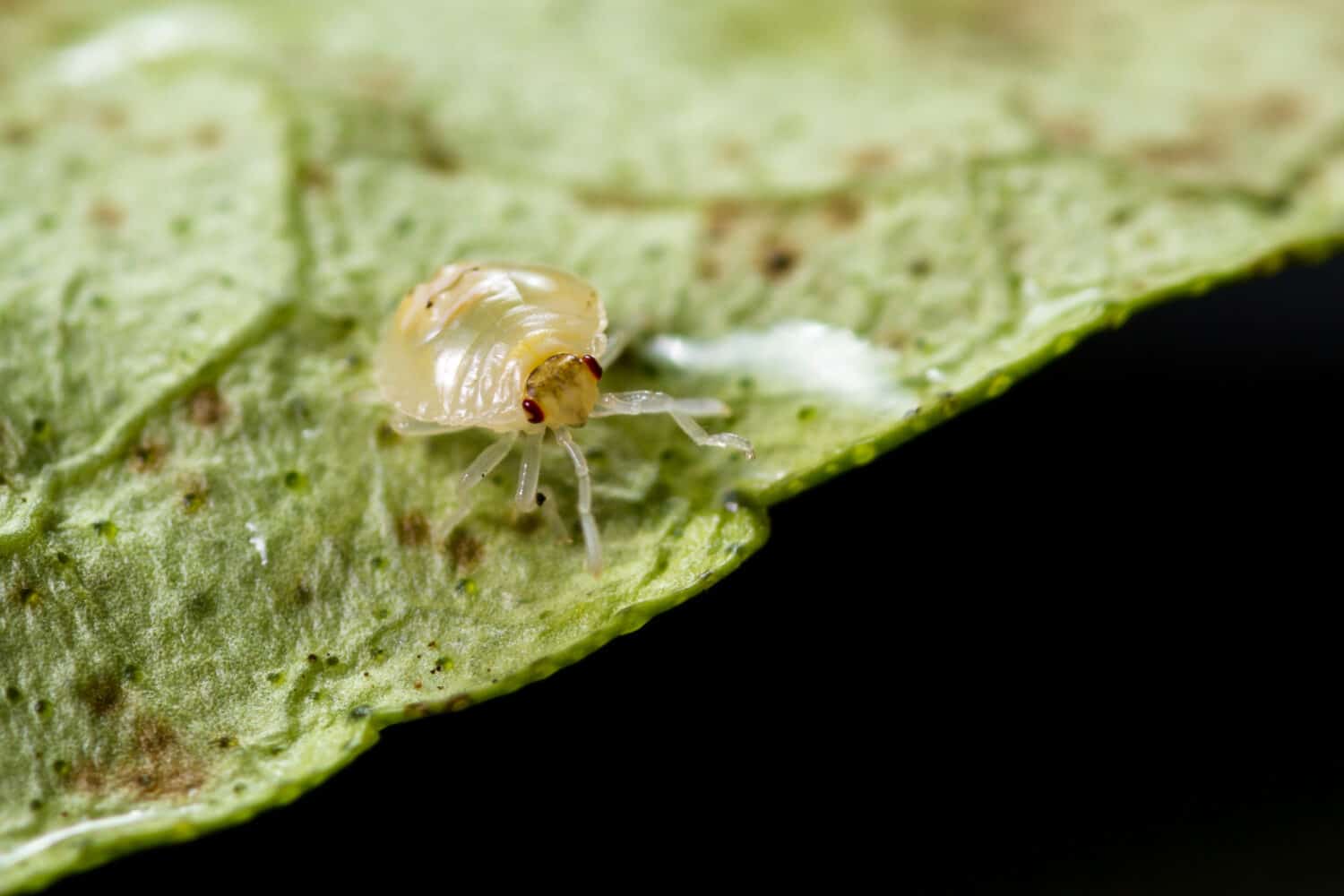
As with feline scabies, fur mites are a diagnosis whose likelihood depends on where you live. Fur mites are common throughout Australia, Brazil, and a few American states including Texas and California.
The symptoms appear quite similar to both forms of scabies, although there’s a particular tendency towards pets with fur mites to lose fur or have it take on a salt-and-pepper appearance. Diagnosis of fur mites usually takes the form of a tissue scrape and analysis, and treatment can involve everything from dips to sprays to injections depending on the severity of the infection.
4. Trombiculosis (Chiggers)
©Matauw/Shutterstock.com
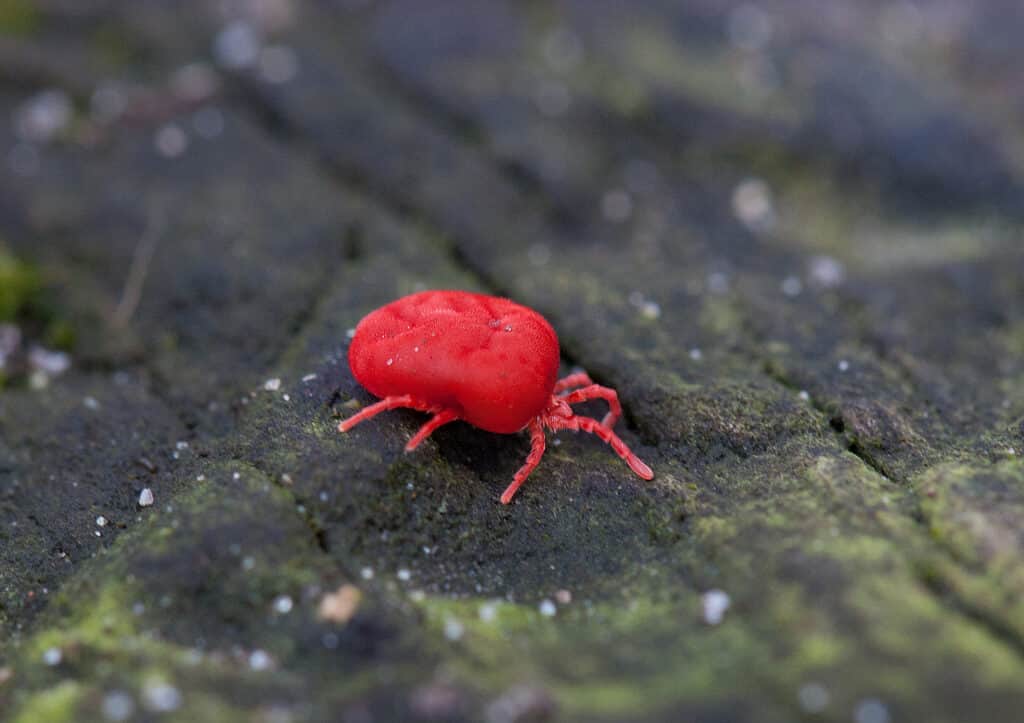
Trombiculosis refers to the irritation caused by an infestation of mite larvae. They tend to cluster at specific points of the body, though this can vary depending on the animal. Since these mites are essentially just riding your pet as one leg of a migration, infestation usually happens from contact with the outside world. Unfortunately, the only truly effective way to prevent them from returning is to more closely monitor outdoor activity.
Infestations from these mites will often pass without the need for treatment, but symptoms and complications can often continue past the point of infection. That means diagnosis and treatment are highly recommended even if you think you know your cat has been infected by chiggers.
5. Ear Mites
©iStock.com/Viktoriia Hnatiuk
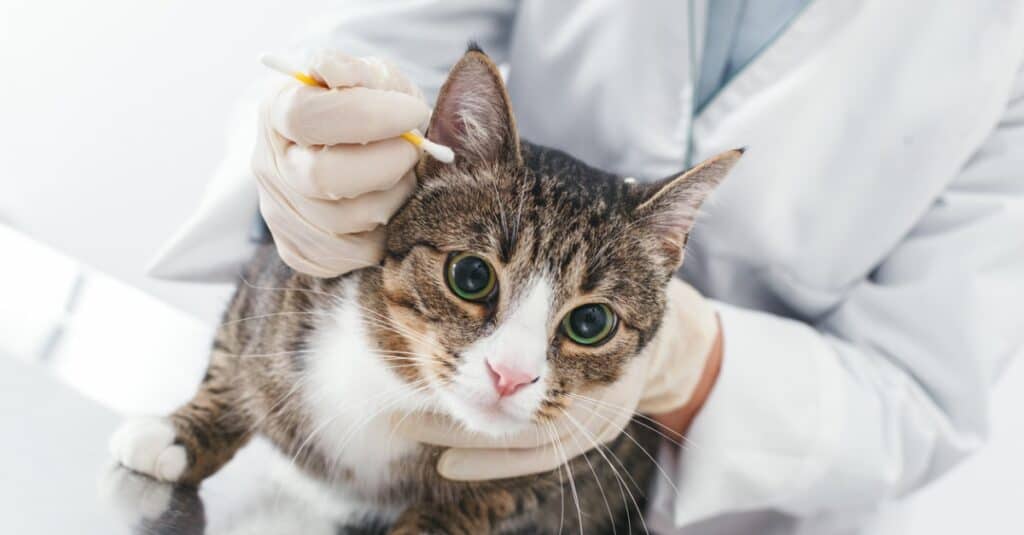
The symptoms of ear mites can be easily mistaken for feline scabies, but the worst issues aren’t visible. Ear mites will typically retreat deep into the inner ear where they can’t be readily scratched. A cat suffering from ear mites will typically shake its head and paw at its ear, and pus may form on the outside of the ear in extreme circumstances. This condition is significantly more common in cats than dogs — potentially because of the accessibility of their ear canals — but it’s still relatively rare.
Ear mites can be a serious condition that can even lead to a burst eardrum if not cared for, but treatment is generally straightforward and effective. Medicine is generally applied directly to the ear or as a topical spread over the cat’s entire body. Treatment can vary from cat to cat, but you may have to temporarily put in place a cleaning regimen for your cat’s ears. Any other animals that have come into contact with the infected animal should also be tested for the presence of ear mites.
6. Demodicosis
©wimala namket/Shutterstock.com
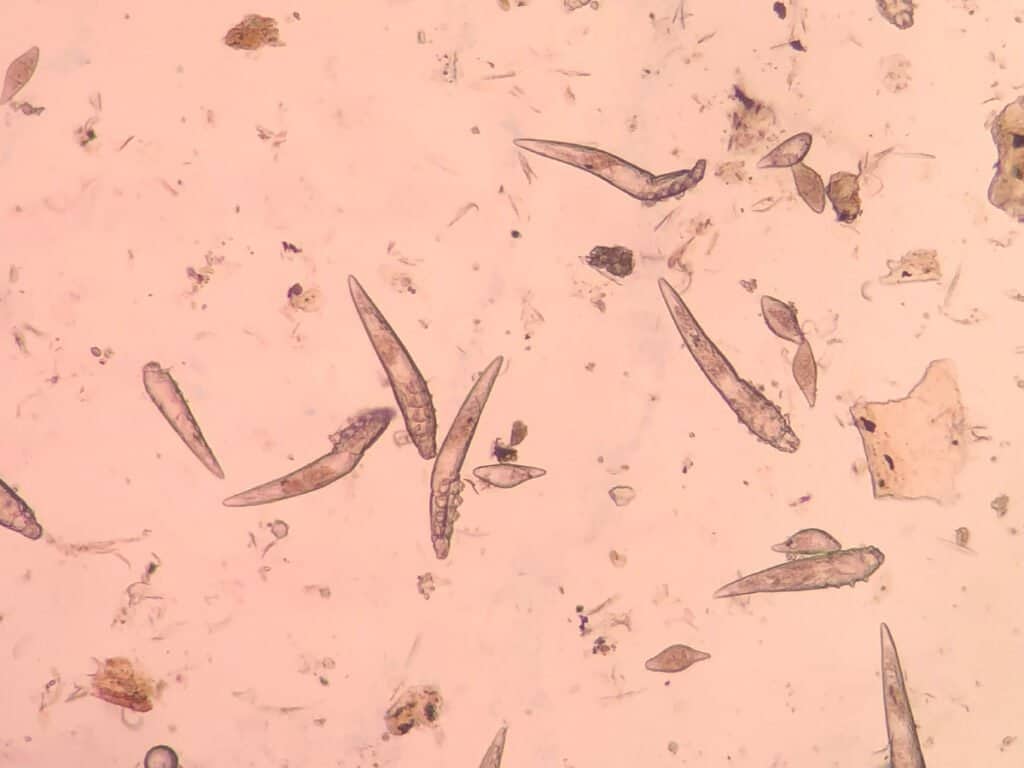
Almost all animals have some population of Demodex mites on their body, and they generally don’t cause any direct itching or irritation in domesticated cats or other species. However, the presence of these mites can weaken the immune system of the animal whose body it’s inhabiting and cause a serious infection if it comes into contact with a kitten or a cat that already has a compromised immune system.
Unfortunately, a cat’s response to this type of mange can cover a wide range of different symptoms. In the mildest of cases, cats with Demodex infestations might experience slightly more ear wax buildup. In more extreme cases, Demodex mites can lead to fur loss over the whole body and lead to potentially fatal infections.
Treatment can vary depending on severity — but for the majority of cats, a relatively easy and benign treatment like weekly sulfur dips will resolve the issue quickly and permanently.
7. Walking Dandruff
©Nau Nau/Shutterstock.com
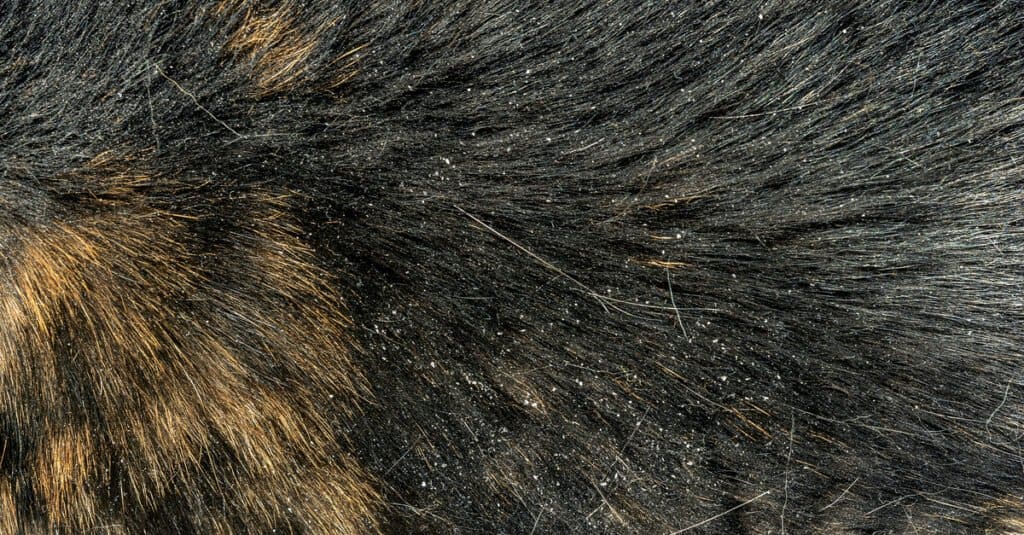
Flaky skin is the most prevalent symptom of walking dandruff, but diagnosis is complicated by the fact that it can also manifest as small bumps or a thin crust developing on the surface of the skin. This is one of the few mites that infest cats and can also infect humans, and it also transmits from one pet to another easily and quickly.
Treatment is further complicated by the fact that animals can harbor these mites without there being any visible symptoms. Be sure to thoroughly treat any animals that come into contact with an animal infected by walking dandruff, and get a proper analysis by asking your veterinarian to take a skin cell sample.
Conclusion
Certain types of mange used to be untreatable and often led to the death of the animal infested. Fortunately, there are now highly effective treatments for all types of mange. They require a veterinary prescription so, if your cat is itchy, make an appointment with your vet.