
Quick Take
- Wombats produce something so biologically bizarre that scientists still marvel at how it works, and this strange trait serves a surprisingly practical purpose. Discover cube-shaped droppings →
- A wombat's burrow does far more than shelter one animal, and the number of species that depend on them will catch you off guard. Explore the burrow ecosystem →
- Losing a single wombat from an ecosystem triggers a chain reaction most people never see coming. See the ecosystem impact →
- Not all three wombat species face the same fate, and the gap between them is more dramatic than you would expect. Compare species' conservation status →
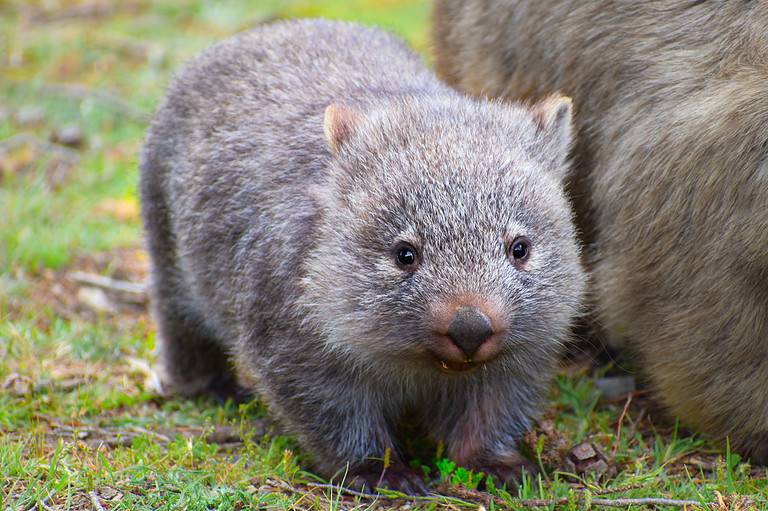
On October 22, the world will come together to celebrate another International Wombat Day. The annual occasion is dedicated to one of Australia’s most unusual native mammals. The wombats of Australia are unique animals, indeed. At first glance, they look like oversized, short-legged rodents, but they are actually marsupials, making them relatives of kangaroos, wallabies, koalas and other Australian mammals.
One of their most distinctive features is their strong claws, which allow them to dig deep into the earth. In addition to providing a place to sleep, this skill also moves soil, altering vegetation as they physically reshape their environments. At the same time, wombats’ work also benefits other animals in the area. Needless to say, wombats are quite astounding. Let’s learn more about these ecosystem engineers and give you some fun facts to share during the big day this October.
Meet the Wombats of Australia
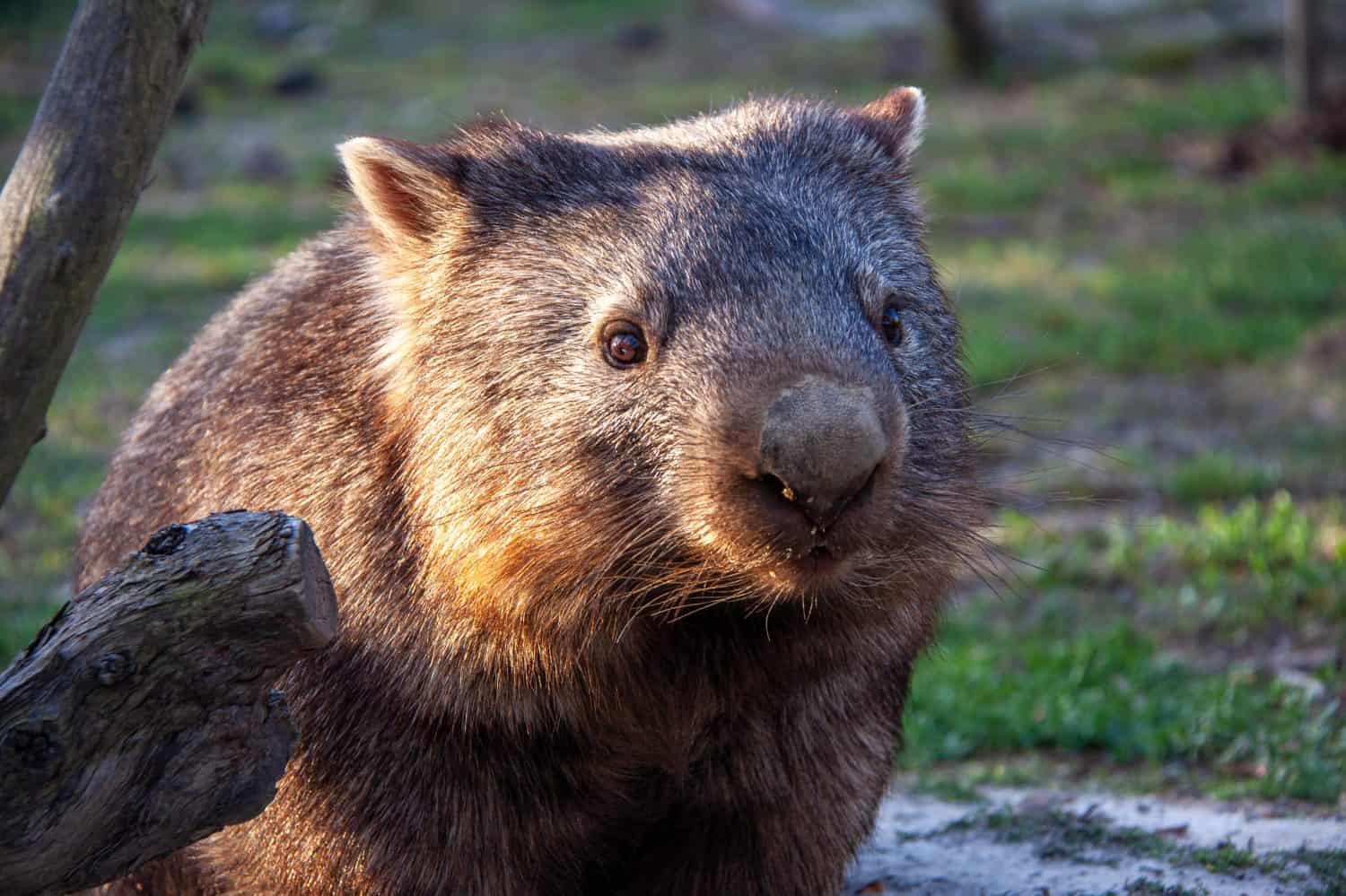
There are three living wombat species: the common or bare-nosed wombat, the southern hairy-nosed wombat, and the northern hairy-nosed wombat. They differ somewhat in appearance and habitat, but all share the distinctive body shape that makes a wombat instantly recognizable.
These animals have broad heads, powerful shoulders, short legs, and sturdy bodies. Most wombats of Australia average 40-90 pounds and can be up to 45 inches long. The average wombat will stand at about 20 inches tall at the shoulder.
The common wombat is the most widespread species. It inhabits parts of southeastern Australia, including New South Wales, Victoria, Tasmania and other areas. The southern hairy-nosed wombat occupies drier country farther south, while the northern hairy-nosed wombat has an extremely restricted distribution in Queensland.
Despite their bulky appearance, wombats can move surprisingly fast when necessary. Most of their activity takes place around dusk, at night, and into the early morning, particularly in warmer areas where avoiding daytime heat is crucial. They are herbivores, feeding largely on grasses and other vegetation. Their digestive systems are exceptionally efficient at extracting nutrients from relatively tough, low-quality plant material.
One of the most unique aspects about the wombats of Australia is their cube-shaped droppings. They produce large numbers of these droppings, which they use for scent marking. It is an odd biological adaptation, but it has a practical purpose. Because the droppings are less likely to roll away, they remain in place as territorial or social markers.
The Underground World of the Wombat
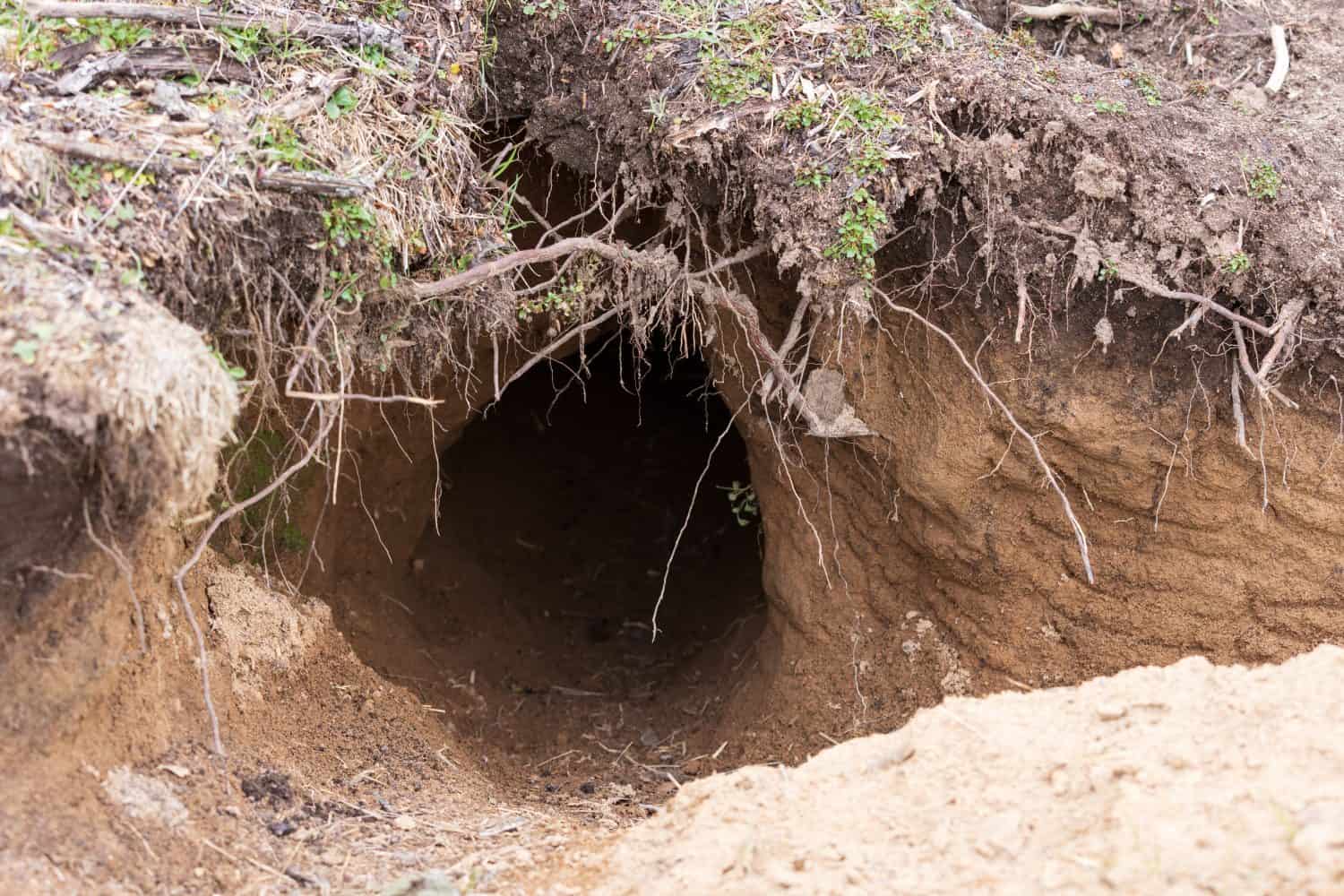
Wombat burrows provide many advantages for numerous animals in Australia, including protection from the elements and areas for animals to forage for food.
©Nautilus Creative/Shutterstock.com
Another interesting fact about wombats in Australia is that they can burrow deep into the ground. Wombats can construct elaborate underground warrens containing multiple entrances, tunnels, and chambers. Individual tunnels can stretch more than 600 feet, while some burrow systems reach several hundred feet deep. Some warrens are used repeatedly and expanded over many years or even generations. These underground areas provide shelter from predators and protection from extreme temperatures. During hot Australian weather, the underground environment can be considerably more stable than conditions at the surface. Burrows can also protect them during severe weather and bushfires.
However, what’s most fascinating about wombats is not just that they dig burrows, but that other species also take advantage of their handiwork. Research conducted in Australia’s Woomargama National Park and nearby forests examined hundreds of thousands of wildlife-camera images and documented 48 different species visiting 28 wombat burrows. The animals included wallabies, kangaroos, possums, bush rats, echidnas, lace monitors, button quails, and small marsupials.
The different animals used the burrows in unique ways. Some sought shelter. Others visited the area to forage or drink. Some used the disturbed soil around the entrances. Following bushfires that wreak havoc, burrows can become especially valuable because underground shelters offer necessary protection when the above-ground environment has been transformed. This makes wombat digging particularly important in landscapes that experience extreme environmental events.
The Wombats of Australia Are in Trouble
While wombats do a lot to help the natural world around them, they are not immune to environmental hazards, and habitat loss is a major challenge.
Habitat Loss
Agricultural development, land clearing, infrastructure, and changes in land management can reduce the amount of suitable habitat available to wombats. Fragmentation can be particularly problematic because it separates populations. For wombats that depend on particular soil types for digging and specific vegetation for food, losing suitable habitat means losing more than open space. It can mean losing the essential ingredients required to maintain a functioning warren.
Agriculture can also create competition for food. Livestock and introduced animals may consume vegetation that wombats depend upon, especially during drought, which is particularly significant because wombats have relatively slow reproductive rates. In South Australia, officials note that it can take several consecutive good seasons before adult wombat populations begin to increase again after difficult conditions.
Mange
Disease is another major challenge for wombats, especially when it comes to sarcoptic mange. Parasitic mites burrow into the skin, causing intense irritation and leading affected animals to lose fur and develop thickened, damaged skin. Severe infections can eventually become fatal. The condition is widespread in some common wombat populations in southeastern Australia.
When infection spreads through a population, it can become a conservation concern. Treatment efforts are underway in several parts of Australia. Wildlife groups and researchers have developed ways to identify infected wombats and administer medication, but treating wild animals repeatedly across large areas is extremely challenging.
Conservation is Key
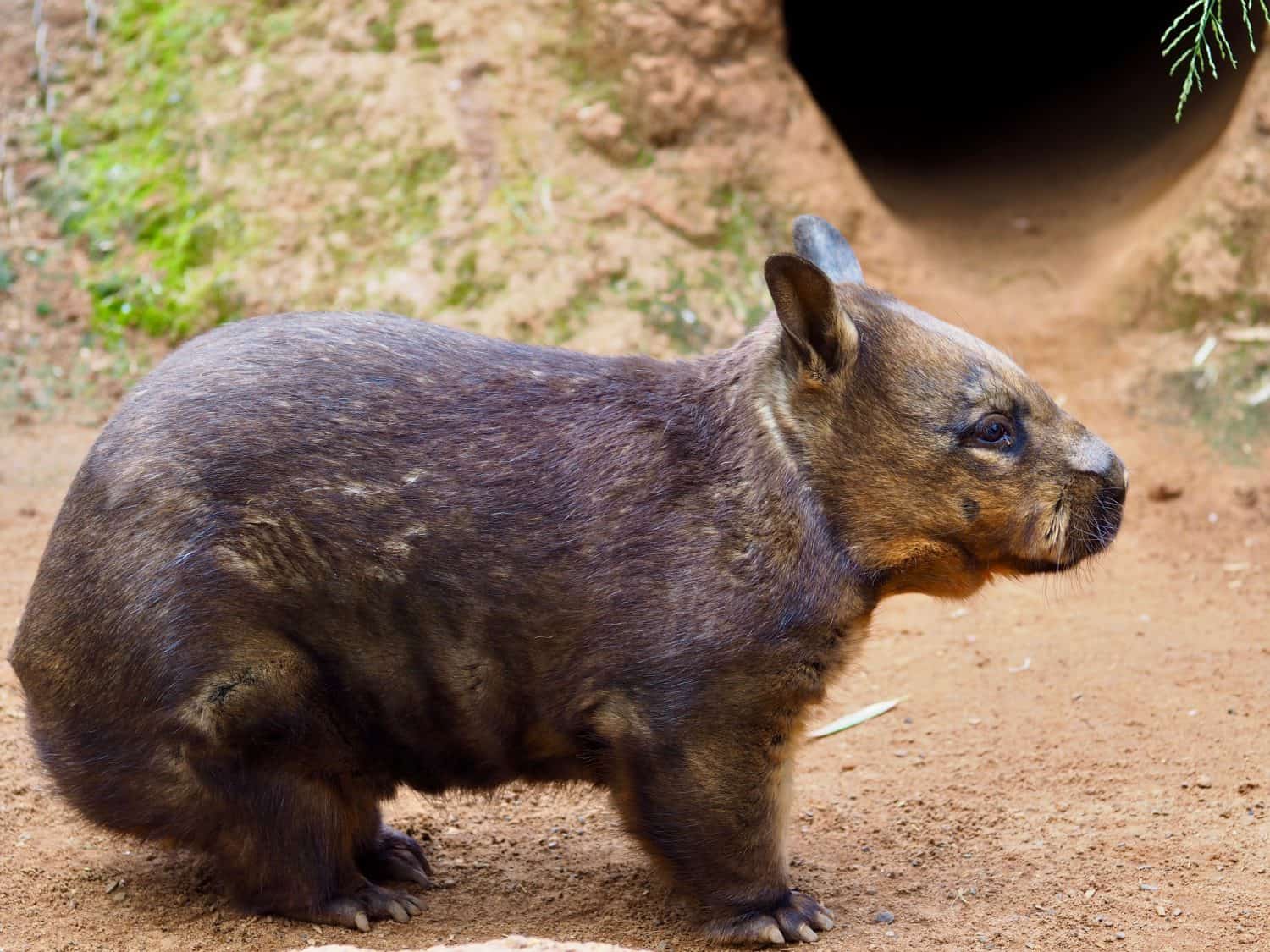
Protecting wombats is key for the general health of Australia’s ecosystem.
©Andreas Ruhz/Shutterstock.com
With the threats to the wombats of Australia widely known, conservation becomes even more important, but not all wombats are equal in this regard. Three species in the area are worth considering.
The common wombat remains relatively widespread and is not nationally classified in the same critically endangered category as the northern hairy-nosed wombat. However, local populations can still face serious problems, particularly from habitat fragmentation, road mortality, disease, and changing environmental conditions.
The southern hairy-nosed wombat has also experienced major historical declines and population fragmentation. South Australia’s government notes that intensive agriculture, habitat destruction, competition, drought, and mange can all affect the species’ populations.
Protecting Wombats Remains a Top Priority
If people truly care about Australia’s ecosystems, then protecting wombats must remain a top priority. When a wombat disappears from an ecosystem, the loss isn’t limited to one herbivorous mammal. Without the refuge their burrows provide, other animals may lose access to shelter, especially during harsh conditions such as heat, drought, and bushfires.
On International Wombat Day, it is easy to focus on the characteristics that make wombats cute or unusual, such as their chunky bodies, tiny tails, powerful rear ends, or bizarre cube-shaped poop, and those traits certainly are memorable. But the deeper story is even more fascinating. These creatures are ecosystem engineers, and protecting them does a whole world of good.