
Quick Take
- Treating your dog's ear infection correctly might actually make the next one harder to cure, and there is an overlooked reason why. Why treatment backfires →
- There's a specific gene hiding in some ear infections that makes the most common treatment completely useless from day one. About drug-resistant fungal genes →
- Vets keep clearing the infection, but why does it always come back? The real culprit isn't what most pet owners suspect. Why infections keep returning →
- One common home remedy for dog ear infections can mask a serious injury you'd never know about until it's too late. Dangers of home remedies →
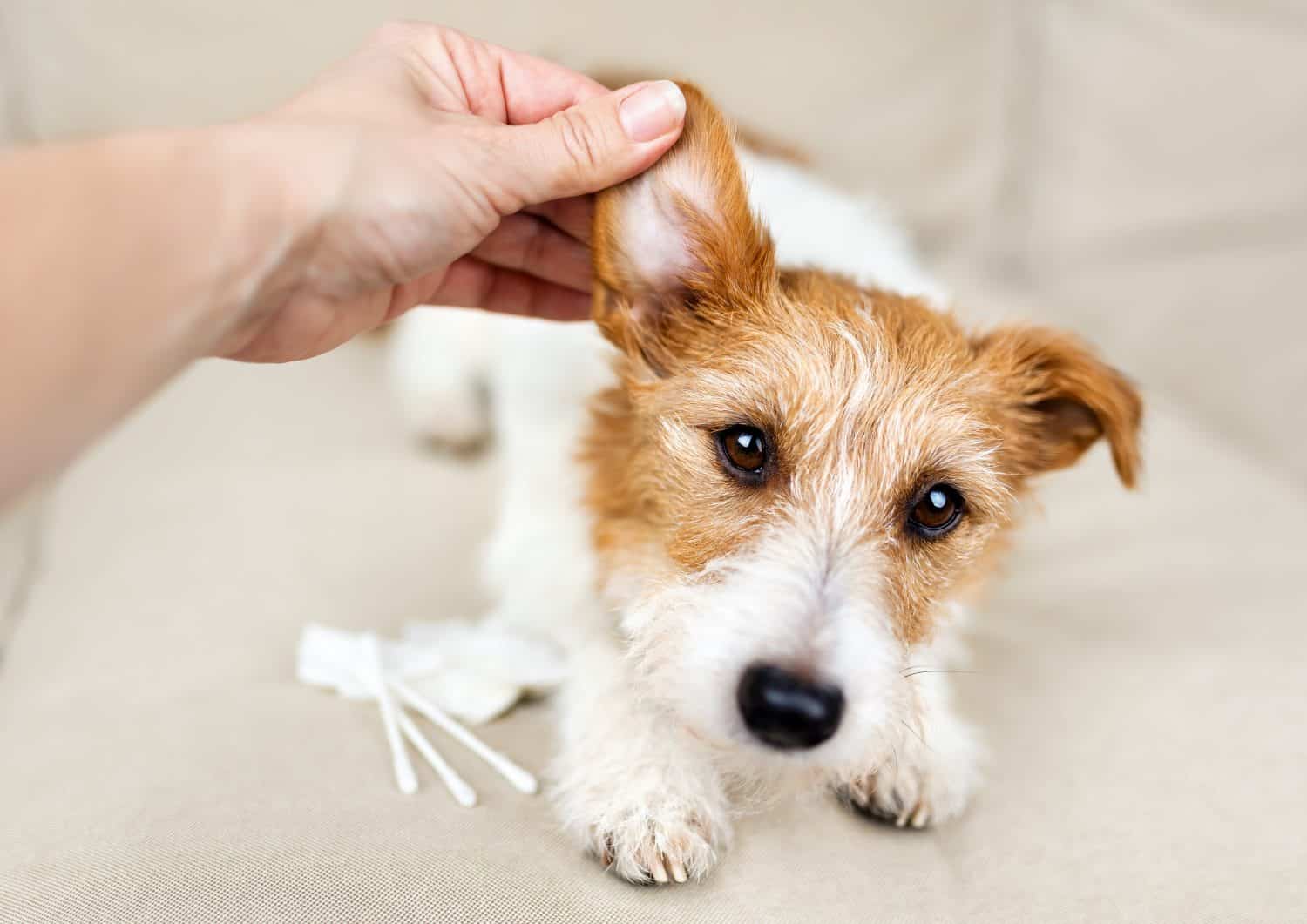
Dozens of dog breeds are prone to ear infections. Treating them can become an exercise in frustration when they are seemingly chronic. That is why veterinarians are working to better understand not only why some fungal ear infections clear after one treatment, but also why others keep recurring in dogs.
Underlying Fungal Infection Issue Needs to Be Treated to Stop Recurring Ear Infections
For dogs with heavy, floppy ears, ear infections are part of life. Despite best efforts to prevent them, ear infections happen because of allergens and poor airflow. The frustration comes when ear infections seem treated and gone, only to return shortly after.
According to a recent study in Veterinary Dermatology, pet parents are not doing anything wrong when treating ear infections that seem chronic. Instead, a lack of understanding of where those ear infections come from creates the problem.
Researchers from the University of Illinois collected yeast samples from dogs with fungal ear infections. When they examined the DNA sequences and protein structures, they found genes resistant to certain azoles and miconazole. These are typically the first things prescribed to dogs with fungal ear infections.
“A common situation seen in practice is the use of an antifungal to treat recurrent yeast otitis externa, without addressing the underlying allergies driving the infection,” Dr. Clarissa Pimentel de Souza, clinician and professor of dermatology and otology at the University of Illinois, explained in a press release. “If the primary allergic disease is not concurrently worked up, the dog will develop another infection shortly after the discontinuation of the topical antifungal. This situation leads to the chronic use of antifungals in the ears, which can be a risk factor for developing resistance.”
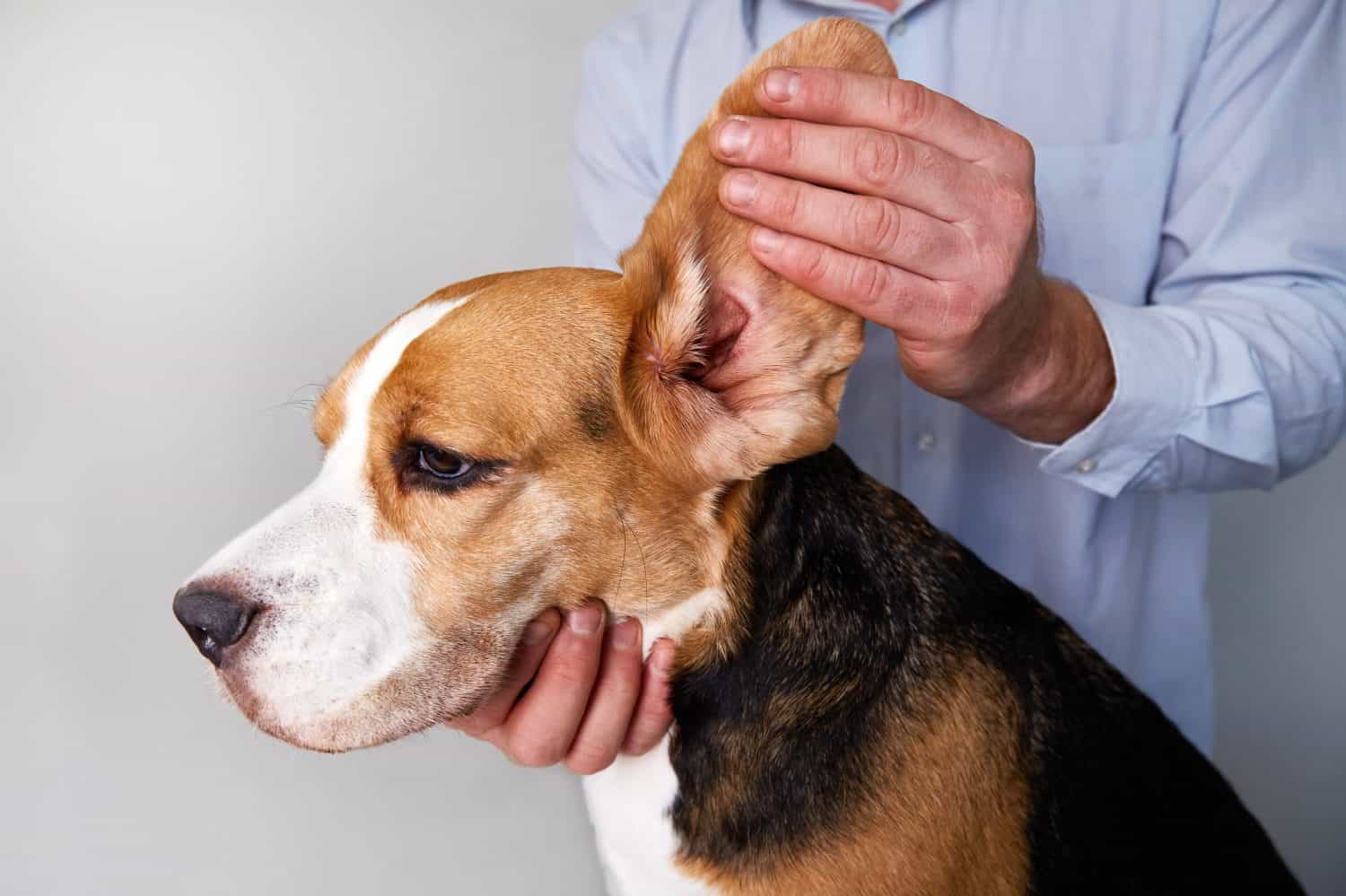
With the wrong medication, fungal ear infections can become chronic.
©Viktorya Telminova/Shutterstock.com
Consequently, if the fungus contains the ERG11 gene, the first-line treatment for fungal ear infections will not work. Dogs will continue to have ear infections because the fungus was never completely cleared from the ears.
According to Dr. Sara Ochoa, a small-animal veterinarian with over 10 years of experience focused on dermatology and ear disease, the entire ear canal imbalance must be addressed to treat the fungal problem.
“This new research suggests that in many dogs, ear yeast isn’t the whole disease—it’s a symptom of a deeper imbalance in the ear canal,” Dr. Ochoa, who is not affiliated with the study, explains to A-Z Animals. “Our current drops do a good job killing fungus, but they don’t always fix the underlying drivers like allergies, moisture, and chronic inflammation. That’s why infections seem to ‘come back’ as soon as the medication stops: the environment that favors yeast is still there, waiting.”
How Fungal Infections Are Treated
The typical protocol for treating a fungal ear infection is an antifungal. However, as the study notes, “persistent fungal otitis externa cases” are continuously being seen in clinics. This raises the risk that the fungus could develop resistance to standard treatments, rendering them ineffective against ear infections.
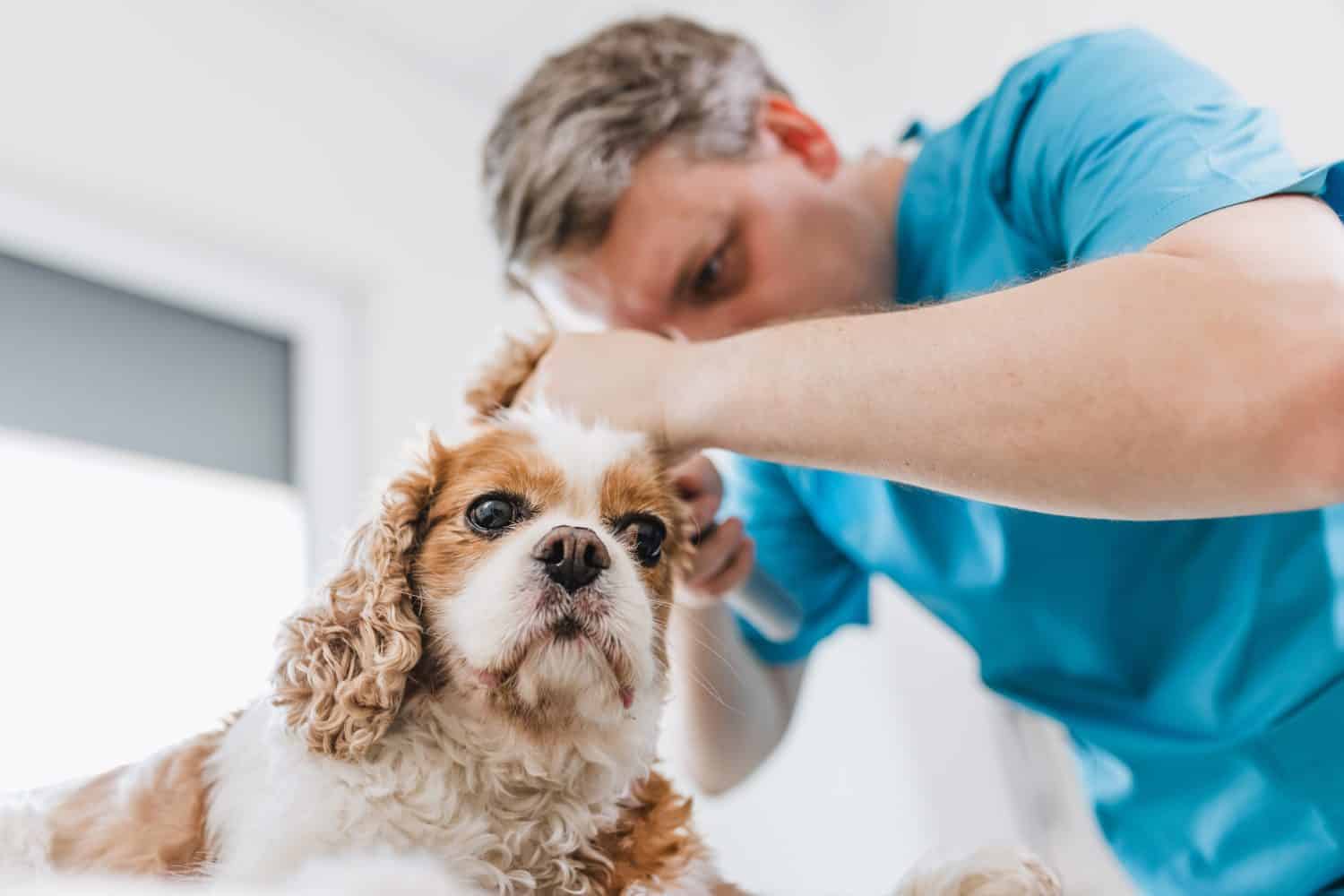
Treatment for fungal ear infections is cleaning and antifungal drops.
©24K-Production/Shutterstock.com
“In dogs, best-practice treatment for straightforward yeast otitis is still topical: a thorough vet-performed ear cleaning, then prescription drops that combine an antifungal (e.g., miconazole, clotrimazole, posaconazole), an anti-inflammatory steroid, and often an antibiotic in case of mixed infection,” Dr. Ochoa explains. “We usually treat at least seven to 14 days and recheck the ear, rather than stopping just when it ‘looks better.'”
However, according to the study, this can be when veterinarians note that the infection is gone, only to see it reappear shortly thereafter. In that case, veterinarians may switch to posaconazole, or “an azole with a longer molecular tail,” to treat the infection.
What is Being Done to Ensure Fungal Ear Infections Are Cured
If posaconazole treats all fungal ear infections, it should make more sense that this treatment would have been used from the start. According to the study, however, this is the wrong approach to take.
Using stronger medications first is not recommended when treating ear infections, as it can lead to antibiotic resistance.
©Glikiri/Shutterstock.com
Our current drops do a good job killing fungus, but they don’t always fix the underlying drivers like allergies, moisture, and chronic inflammation. That’s why infections seem to ‘come back’ as soon as the medication stops: the environment that favors yeast is still there, waiting.
Dr. Sara Ochoa, a small-animal veterinarian
“Based on our findings, it is recommended to use a topical short-tailed azole such as miconazole or clotrimazole as an initial therapy for dogs with yeast ear infections,” Souza explained in a press release. “The medium- and longer-tailed azoles such as ketoconazole and posaconazole, respectively, should be reserved for recurrent or nonresponsive cases.”
Consequently, there may come a time when the exact fungus must be identified before treatment is administered, so the proper course is given the first time, rather than multiple rounds of azoles that further contribute to antibiotic resistance.
Signs Of an Active Fungal Ear Infection
Ear infections are painful and aggravating for dogs. However, because dogs tend to hide their pain, people can miss the early signs of an ear infection.
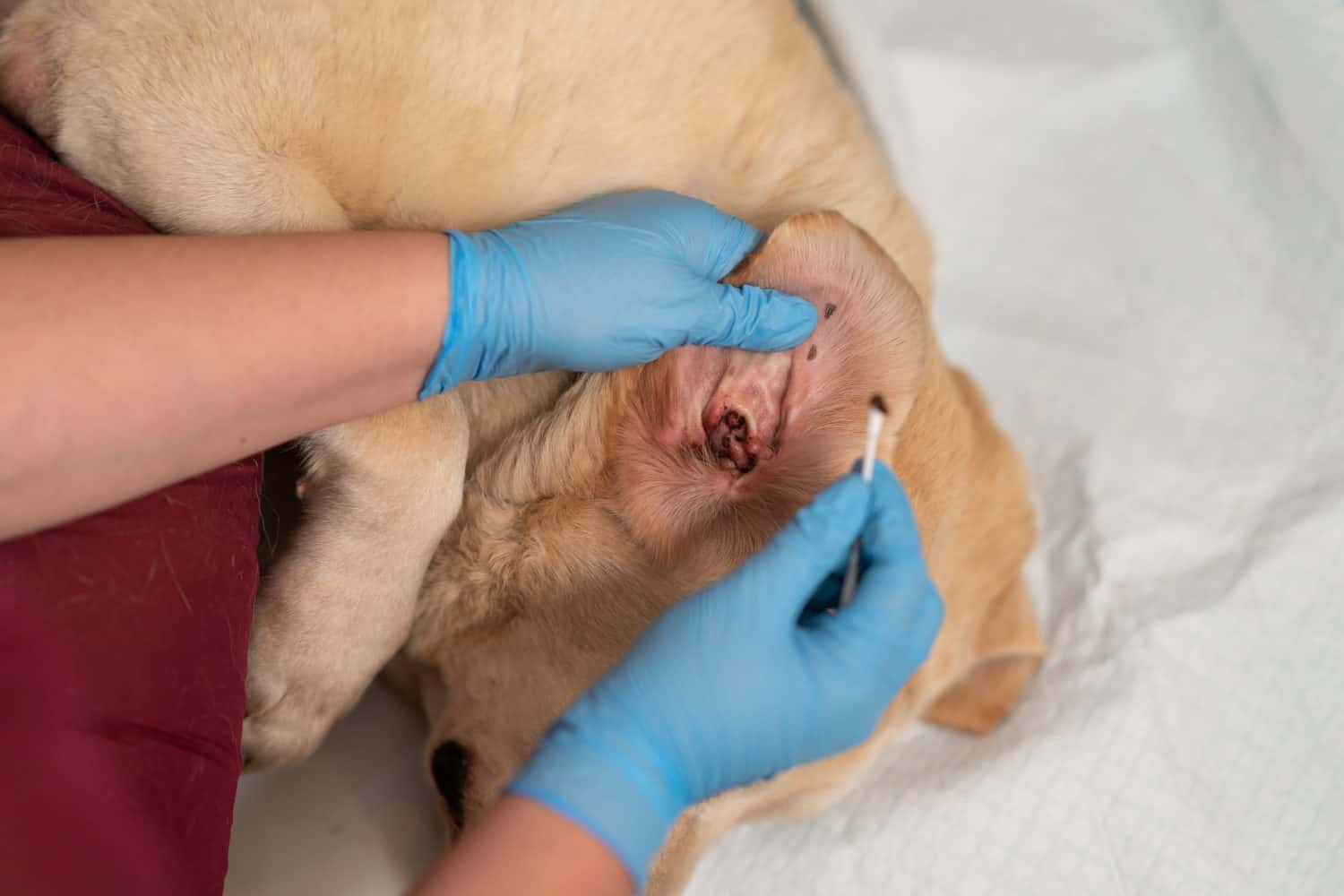
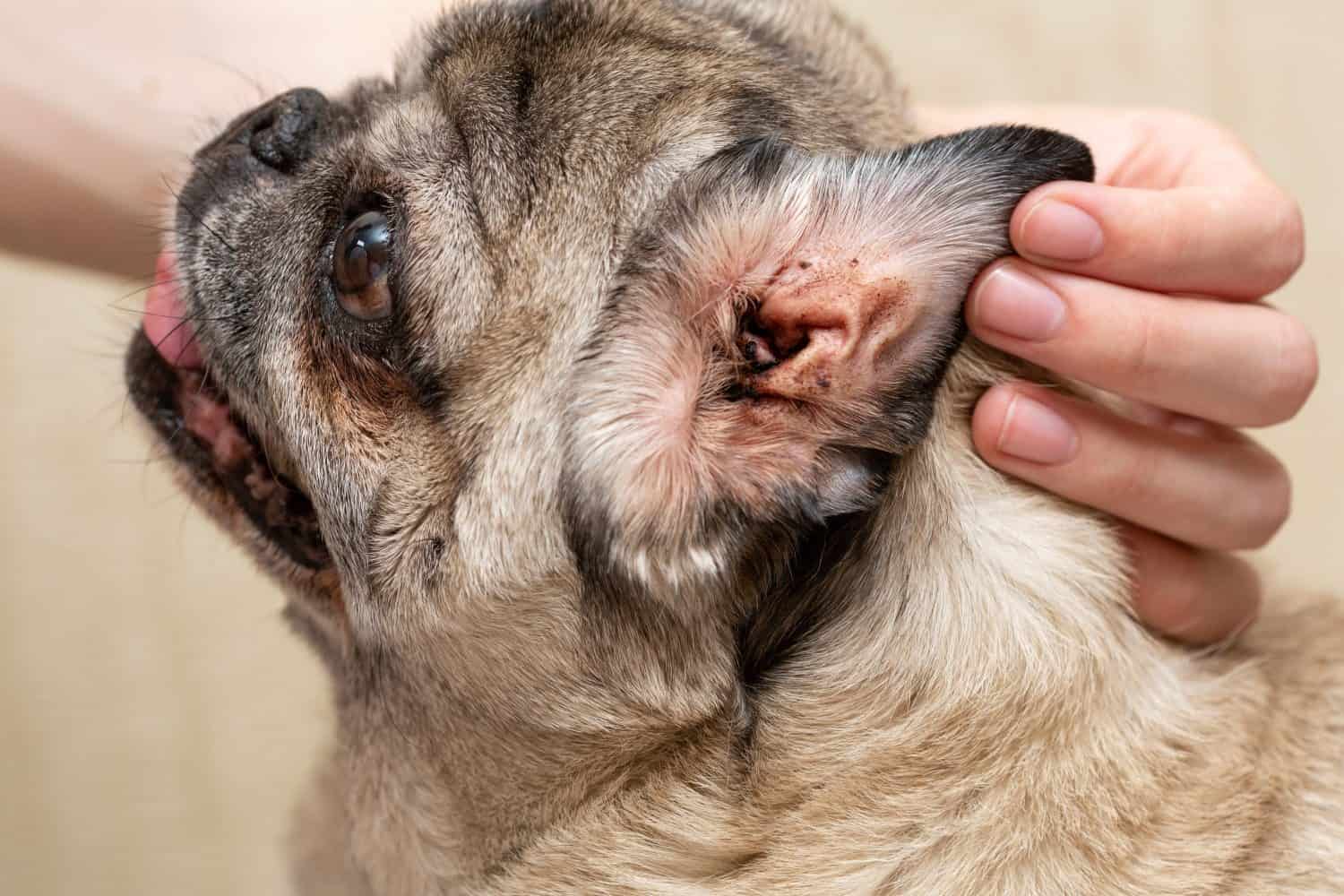
Waxy brown discharge is one sign of an active fungal ear infection.
©Dina V/Shutterstock.com
Some signs of a fungal ear infection include:
- Scratching the ear
- Shaking the head
- Strong odor coming from the ear
- Waxy, brown discharge
- Pain when ear is touched
- Balance issues
“Head shaking and smell are never normal,” Dr. Ochoa tells A-Z Animals. “Any redness, odor, discharge, or repeated head shaking should be seen promptly; waiting turns a simple yeast otitis into a painful, chronic problem that’s harder to fix.”
That said, pet parents should seek veterinary care for ear infections. Trying home remedies is never advised.
“Never use home remedies (vinegar, hydrogen peroxide, alcohol, leftover drops) without a vet’s guidance,” Dr. Ochoa states, “because they can burn, trap debris, or mask a ruptured eardrum.”
How Can Current Protocols Be Improved When Treating Ear Infections?
The authors noted that when a gene mutation alters the fungus’s protein structure, the prescribed antifungal will not kill it. Consequently, the infection will remain after the prescribed course of treatment.
As researchers continue to test different fungi associated with ear infections, to “learn how best to steward the antimicrobial agents we have,” there are things veterinarians are doing today to build on current protocols in place so that dogs can not only receive relief from their ear infections as soon as possible but not develop them again after seemingly treating them.
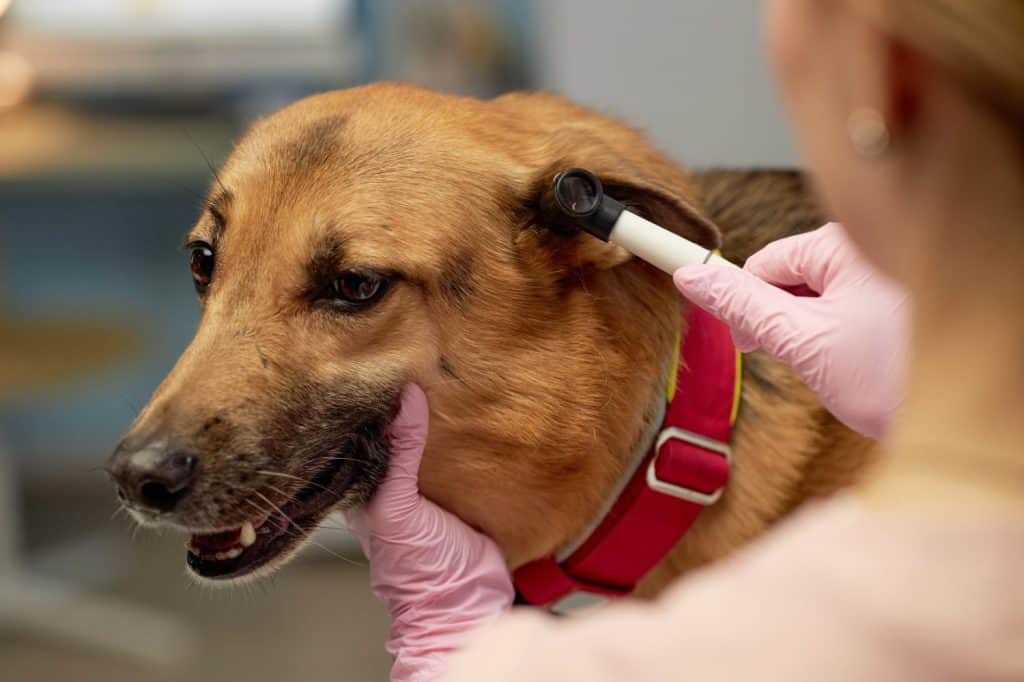
Treatment for ear infections is being better tailored for each dog.
©SeventyFour/Shutterstock.com
“What’s improving is consistency and duration, plus tailoring to the individual ear,” Dr. Ochoa explains to A-Z Animals. “Rechecks with cytology let us confirm the yeast is truly gone and adjust drugs if bacteria join in. For chronic or severe cases, we sometimes use newer azoles (like posaconazole), longer courses, or systemic meds, and address pain more aggressively so dogs tolerate cleaning.”
The authors of the study note that veterinarians are looking for an “all-in-one product” to cure fungal ear infections. But for now, until they can address the causes of the infections, the protocols Dr. Ochoa describes remain the gold standard for treating ear infections.
Prevention Tips for Dog Owners with Breeds Prone to Ear Infections
Just because some dog breeds are more prone to ear infections does not mean all hope is lost. There are ways to prevent ear infections for all dogs. It just takes time and persistence.
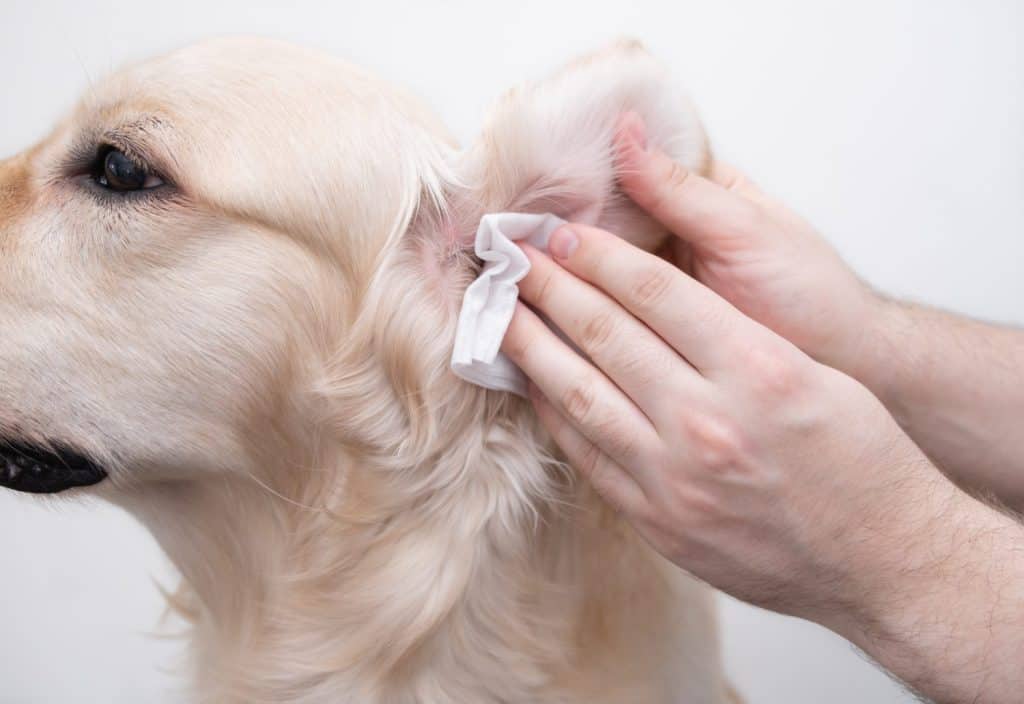
Cleaning ears, drying them, and keeping hair trimmed help prevent ear infections.
©Kashaeva Irina/Shutterstock.com
According to Dr. Ochoa, the top three tips for preventing ear infections, even in breeds prone to them, include:
- Regular gentle cleaning with a vet-recommended ear cleaner (especially after swimming or baths)
- Keeping ears dry and well‑trimmed around the openings for airflow
- Working with their vet early on allergy signs (itchy skin, paw licking, seasonal flares) instead of waiting for repeat infections
By taking a proactive approach, dogs can avoid pain, balance issues, and even hearing loss from severe ear infections. This not only improves quality of life for those prone to ear infections but also cuts down on vet bills for pet parents. It is a win-win for all involved.