
Quick Take
- Dog braces aren't just cosmetic. Skipping treatment for certain conditions can lead to consequences far worse than crooked teeth. See why braces matter →
- There's a jaw condition common in specific dog breeds that can literally puncture the roof of a dog's mouth, yet most owners have never heard of it. Discover this hidden condition →
- Dog braces cost just as much as human braces, and owners are often caught off guard by the hidden expenses that come afterward. See the hidden expenses →
- Dogs finish orthodontic treatment dramatically faster than humans, though whether it actually works depends largely on the owner's role during recovery. See the treatment timeline →
If your dog has a pronounced overbite or underbite, or if their teeth are misaligned, you might be curious about whether canine braces might help. Canine braces have been utilized for many years to address our furry friends’ severe orthodontic problems. Although some pet parents may find the idea of putting braces on a dog amusing, braces can allow dogs with dental misalignments to bite and eat normally which they were unable to do before treatment. Read on to learn more about canine braces.
Reasons Dogs Need Braces
Canine braces can be used to repair a number of dental issues. These include overcrowded teeth, crooked teeth, overbites and underbites, and many others. Dogs with the following conditions have received braces as part of their treatment.
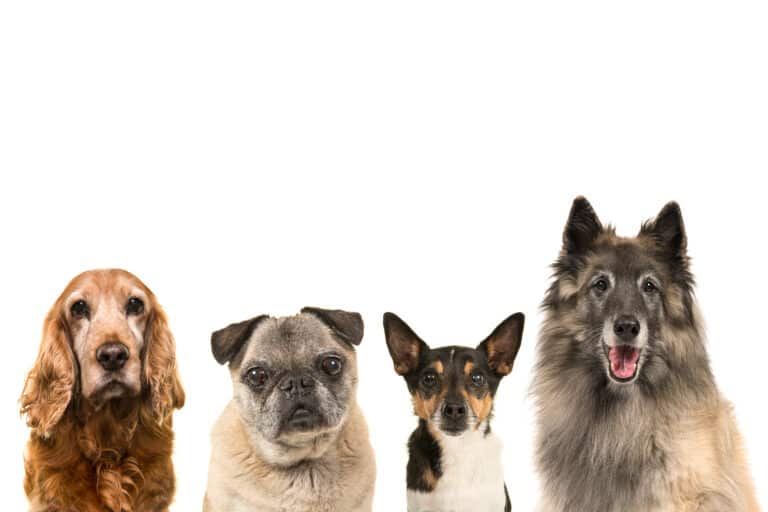
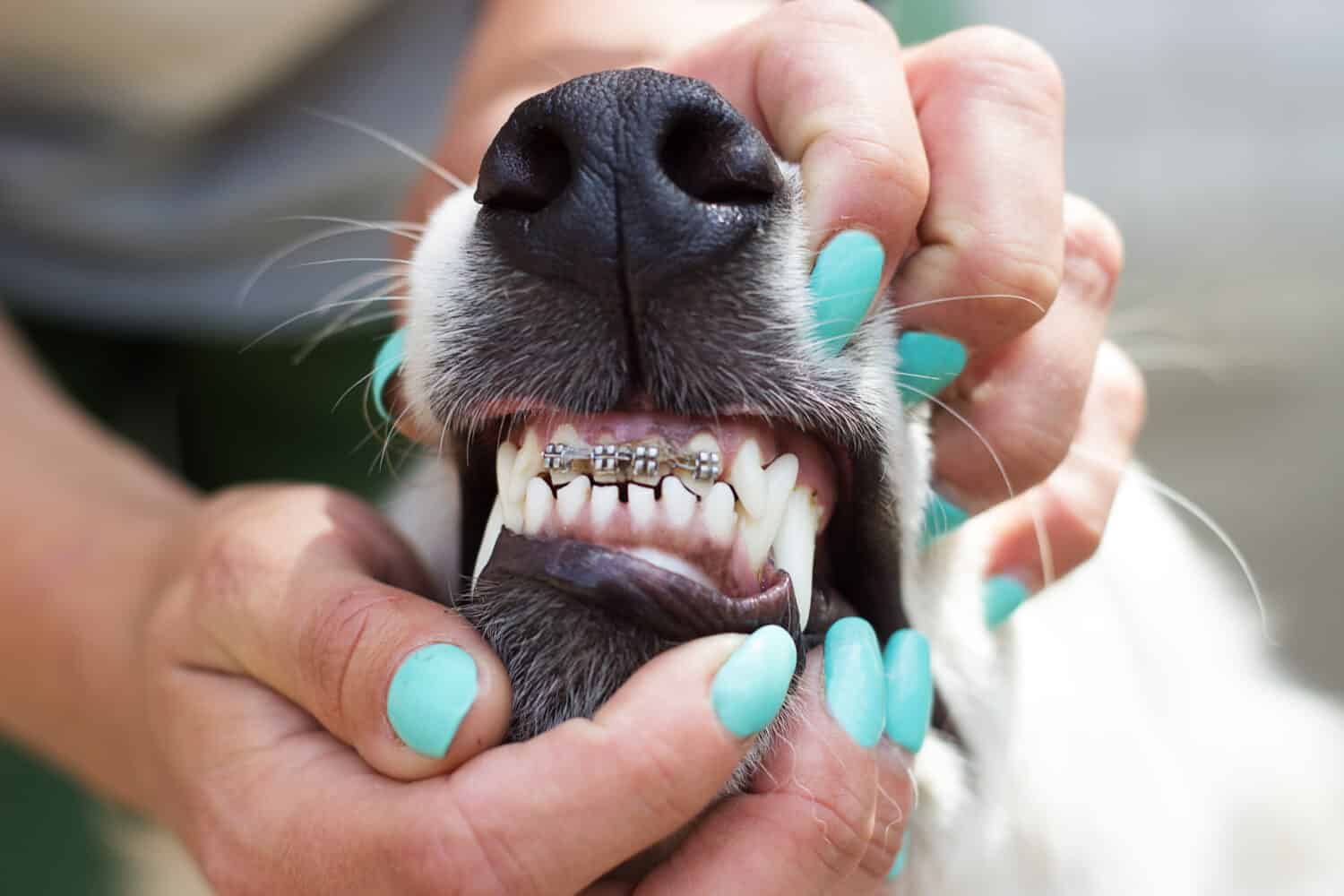
Canine braces can be used to treat a number of dental issues.
©ARTSILENSE/Shutterstock.com
Baby Teeth That Will Not Fall Out
Baby teeth that don’t fall out in dogs can cause dental crowding, crooked teeth, biting problems, and periodontal disease. Make an appointment with your vet as soon as possible if you notice a problematic or decaying tooth in your puppy’s mouth. Persistent deciduous teeth generally need to be removed as soon as possible. Braces can also prevent the secondary issues that arise with the erupting adult teeth.
Overbites or Underbites
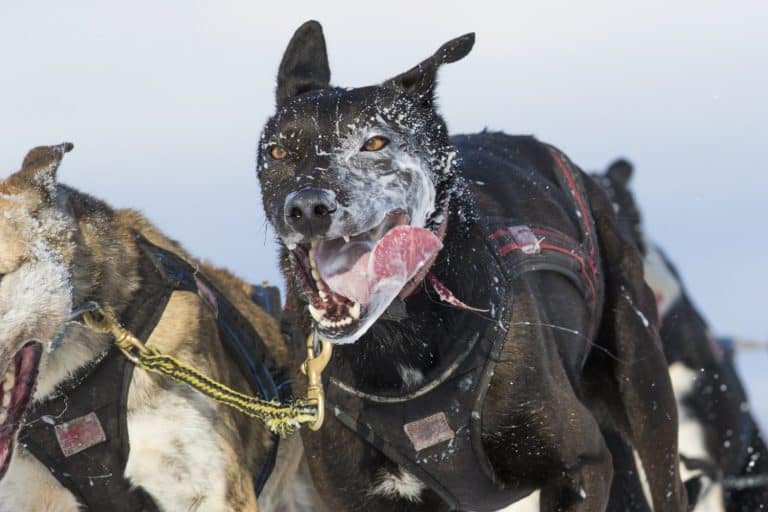
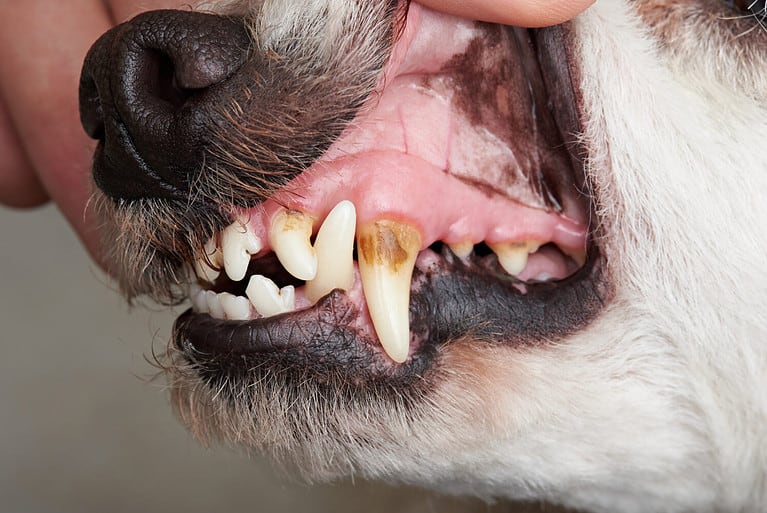
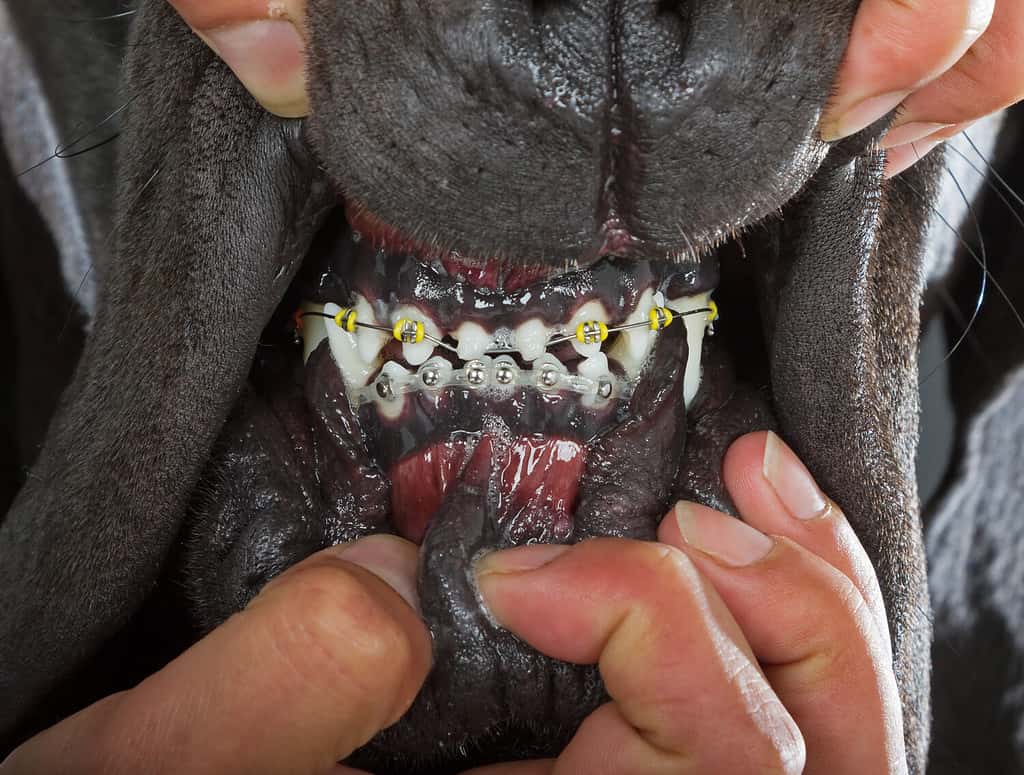
An overbite occurs when the top jaw is longer than the lower jaw. Although your dog’s overbite may not appear to be a major problem, badly misaligned teeth can cause bruising and bleeding of the gums, bad breath, and a variety of dental issues, including gingivitis and tooth rot. An underbite occurs when the lower jaw is longer than the upper jaw. This causes the lower front teeth to stick up past the upper teeth.
An underbite occurs when the lower jaw is longer than the upper jaw.
©Christian Kaehler/Shutterstock.com
Linguoversion
This is a syndrome when one or both of the lower jaw’s canines grow under the gums. Animals with long, narrow facial structures are more likely to have linguoversion, with breeds such as Standard Poodles, Collies, and Dachshunds among those most commonly affected. Linguoversion irritates your dog and makes it difficult for the mouth to close completely. Due to their odd location, the canine teeth may project through the roof of the mouth in cases where the disease is severe. Linguoversion either entails canine extraction or orthodontic treatment with braces.
Does My Dog Need Braces?
It’s time to visit your veterinarian if your dog is losing his appetite, acting timidly, or if you observe any abnormalities in their teeth. Your veterinarian is the ideal person to ask if your dog needs braces or if there is another tooth problem.
They’ll perform a thorough physical and dental checkup and can let you know if there are any problems. Most canines who need orthodontic treatment are identified when they are young. They are typically identified between the ages of four and six months when the adult teeth erupt.
Similar to a regular dentist, if your veterinarian discovers an issue, they may recommend a canine orthodontist. Even if you have reservations about dog braces, it’s always a smart idea to at least speak with a veterinary dental specialist. A visit will allow you to learn about available treatment options and ask any questions about your dog’s dental health.

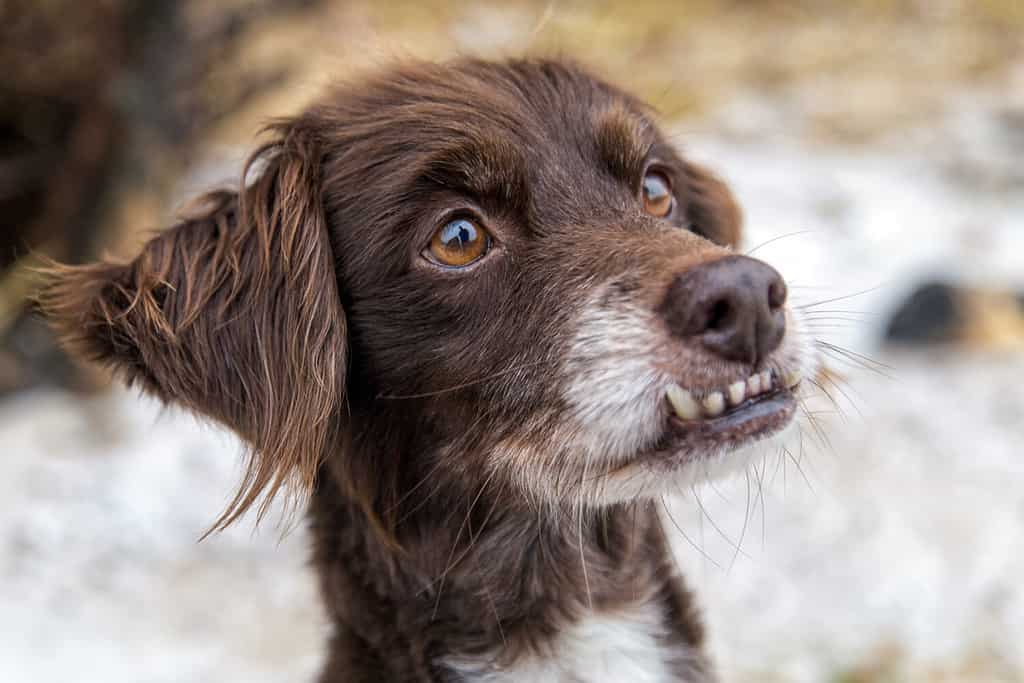
It’s time to visit your veterinarian if you observe any abnormalities in your dog’s teeth.
©iStock.com/igorr1
Cost of Dog Braces
The cost of fitting braces on a dog varies depending on the size of the animal, the location of the veterinarian facility, and the dog’s age and health, among other factors. Large dogs require more anesthesia during treatment, which increases the cost. Additionally, the cost of braces for a Rottweiler or Great Dane will not be the same as for a Chihuahua or Pekingese.
The cost for canine braces generally ranges from $1,500 to $5,000 and depending on the treatment required and the veterinary clinic. Dogs can have long or short muzzles, unlike humans, who all have similarly formed mouths. Because there is less variance in the form of the jaw, it is considerably simpler to estimate the cost of orthodontic treatments for humans.
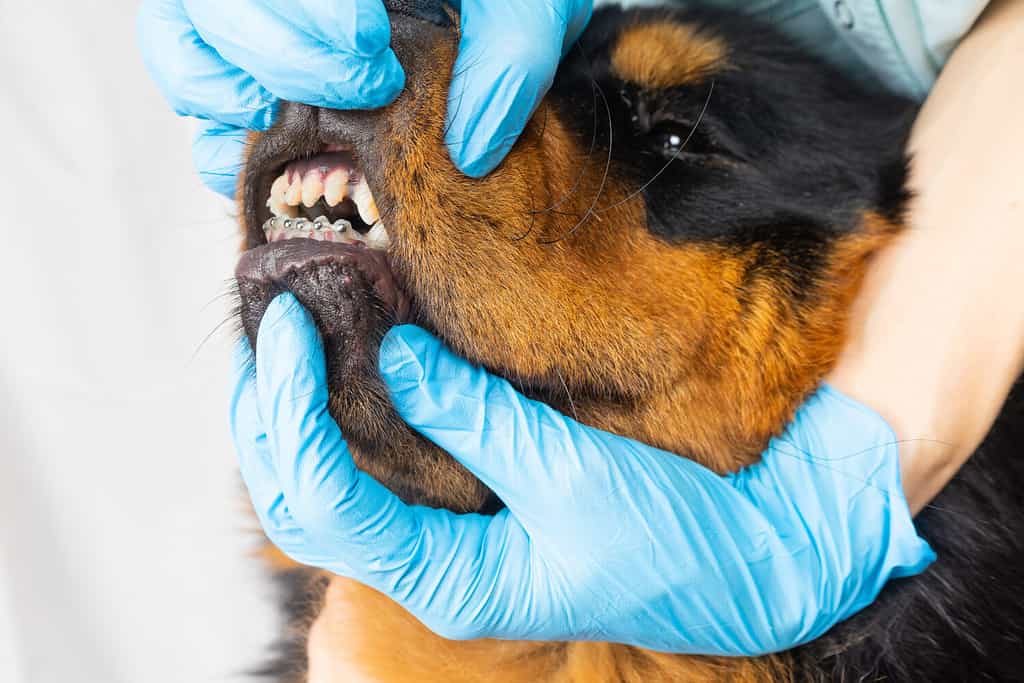
The cost of fitting braces on a dog varies, partially depending on the size of the animal.
©Angurt/Shutterstock.com
Additional Costs to Consider
Braces can be put on in 30 to 90 minutes by a veterinary specialist. Multiple weekly or biweekly follow-up visits are necessary after the treatment. Veterinarian checkups range in price from $100 to $300 based on the clinic’s fees and whether extra work is required to address a problem. The price will go up if your pet develops difficulties or an infection as a result of the procedure.
Instead of using braces, the veterinarian may recommend tooth extractions to fix the bite, which could cost $600 or more. However, if infected gum tissue needs to be removed during an extraction, the cost may go up. Costs for extractions that require gum removal could cost more than $2,500. Sadly, orthodontics are not covered by pet insurance. Most dental work in general is not covered by insurance carriers unless it is the result of an injury.
How Long Do Dogs Wear Braces?
The orthodontic treatment for dogs is significantly faster than it is for humans. Humans frequently need to wear braces over many months or even years. The average dog only needs braces for a few weeks to a few months. The duration of recovery depends on how well the treatment works.
Regular checkups from the vet will aid in the healing process, but the success of the treatment relies on the pet owner’s ability to provide their dog with proper care. Recovery could take longer if there is an infection or inflammation. Complete recovery depends on adhering to the doctor’s recommendations for at-home care and alerting the clinic to any changes or new symptoms.
Treatment With Braces
A pooch with braces takes a lot of maintenance from the owner. The braces may break if the animal consumes hard kibble or bites on a ball or shoe. To maintain the equipment in place, most pets will need to eat a soft food diet for at least a few weeks.
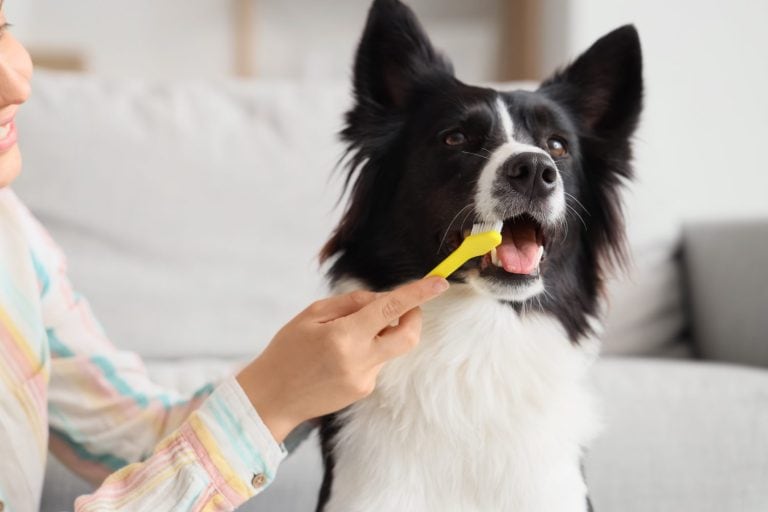
Dog parents must brush the teeth surrounding the braces and clean the surface with an oral antiseptic. Daily checks of the dog’s teeth are essential for recuperation. The veterinarian will advise routine cleaning procedures to maintain tooth health once the braces are taken off.
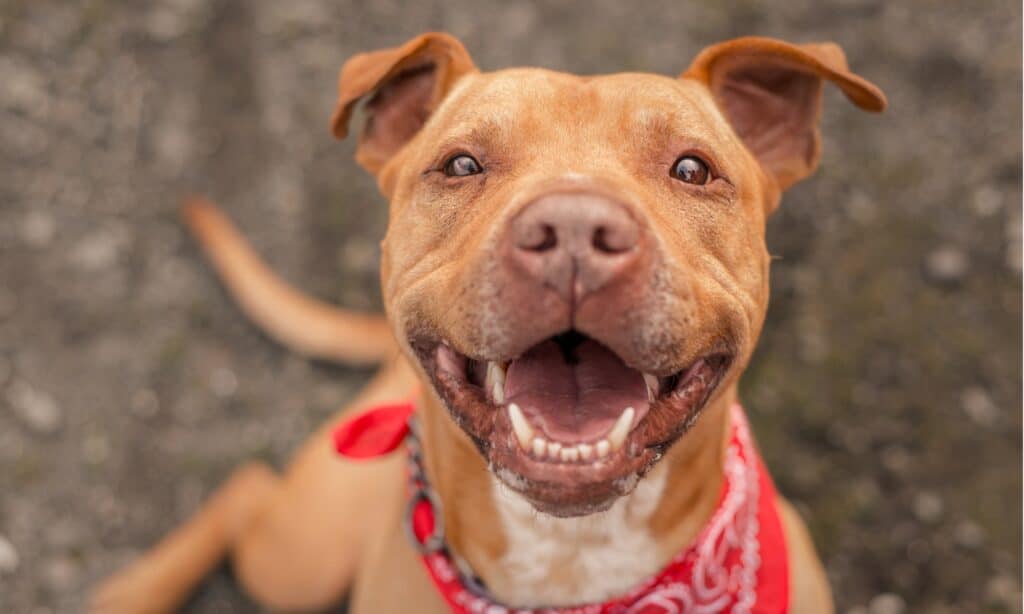
The inconvenience of the recovery phase is well worth it to ensure your pup has healthy teeth.
©iStock.com/Photography by Adri