
Quick Take
- Most dogs need a professional dental cleaning at some point in their lives.
- True veterinary dental cleaning includes cleaning above and below the gum line under anesthesia with monitoring and a complete oral exam.
- Bad breath is often the first clue that it’s time for a cleaning.
- Cosmetic scraping on an awake dog can’t replace true veterinary dentistry; Keep reading to find out why.
Although it may not be anyone’s favorite activity, ensuring that your dog receives proper dental care is a must. In fact, most dogs need a professional dental cleaning at some point in their lives, but unlike humans, it doesn’t always follow a set schedule.
If you want to prevent or slow the progression of the most common oral diseases in dogs, regular brushing is essential. In this article, with input from experts, we’ll explain what a professional cleaning involves and when it’s actually needed. Here’s why and when you should take your dog to the dentist.

The Necessity of Cleaning a Dog’s Teeth
While it ultimately depends on the condition of a dog’s mouth, all dogs need teeth cleanings at some point in their lives. Dogs may also need cleanings sooner or more frequently if they have:
- Small or toy-breed-sized mouths
- Persistent bad breath
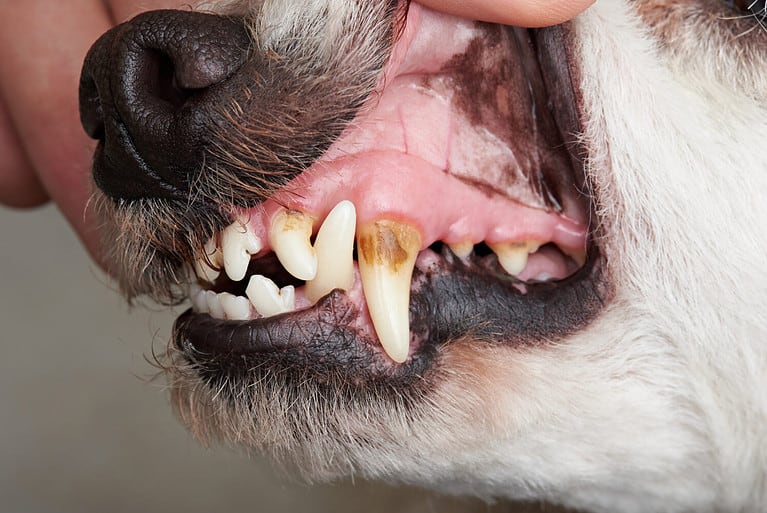
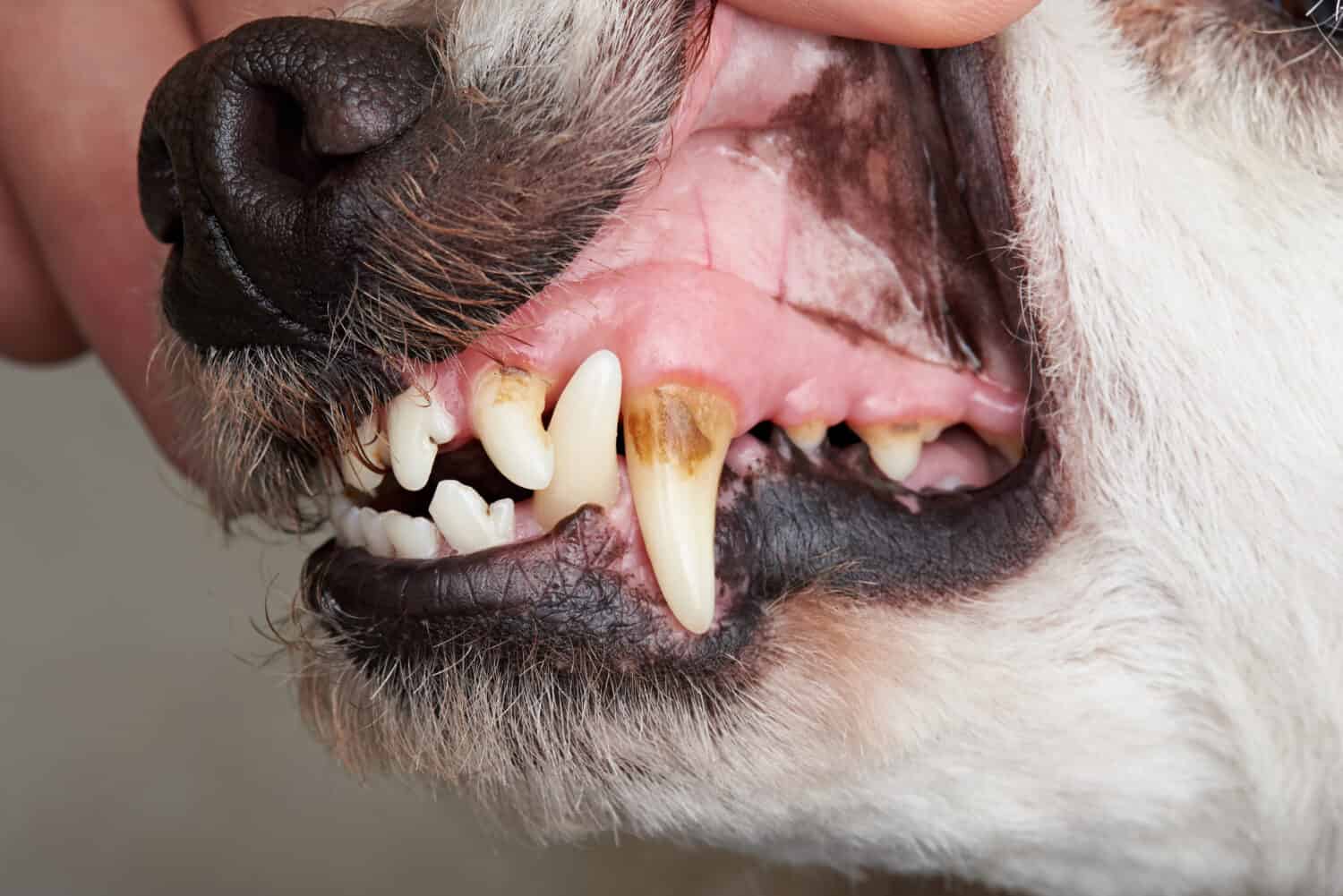
- Visible tartar along the gumline
- Red, puffy, or bleeding gums
- A history of extractions or periodontal disease
- Any chewing changes
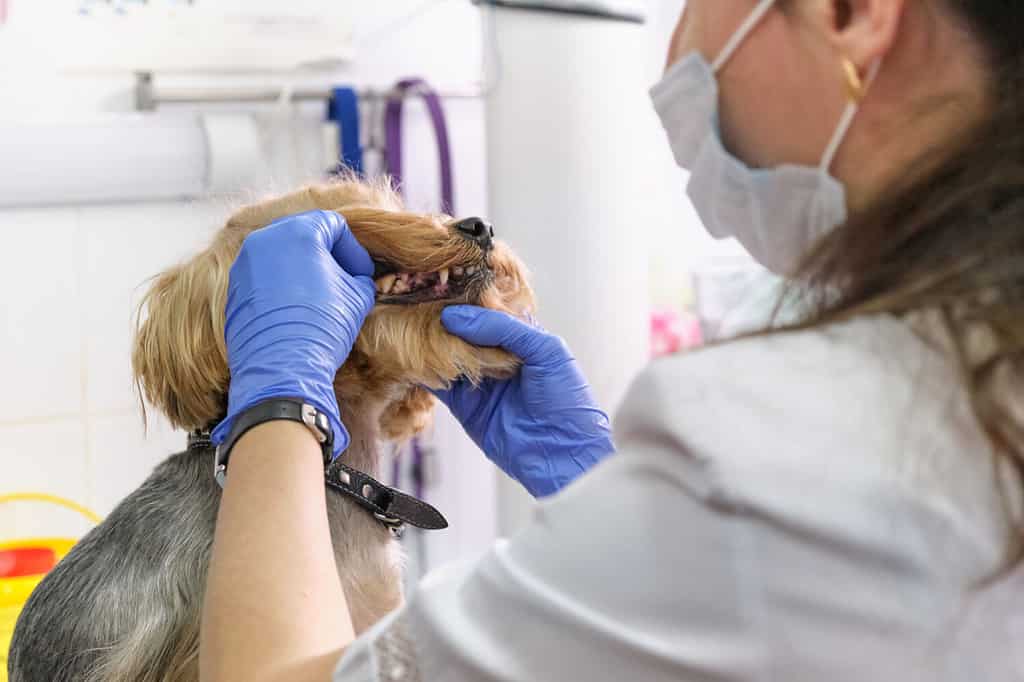
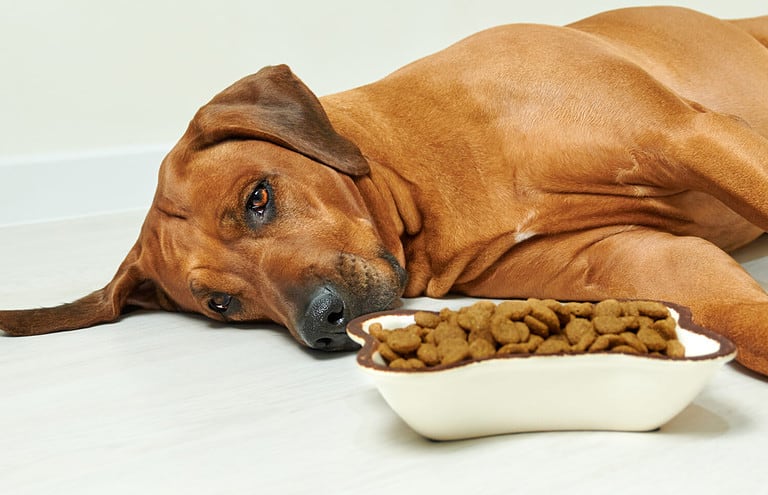
Poor dental hygiene can lead to irritated gums in a dog.
©Yavdat/Shutterstock.com
Teagan Coleman, a veterinary technician and dog trainer at NLR Explore Dog Training, says, “Bad breath is often the first clue that it’s time for a cleaning. It’s a sign of bacteria and inflammation, and chronic inflammation in the mouth can mean chronic discomfort for your dog.”
What Happens During a Professional Dental Cleaning for Dogs?
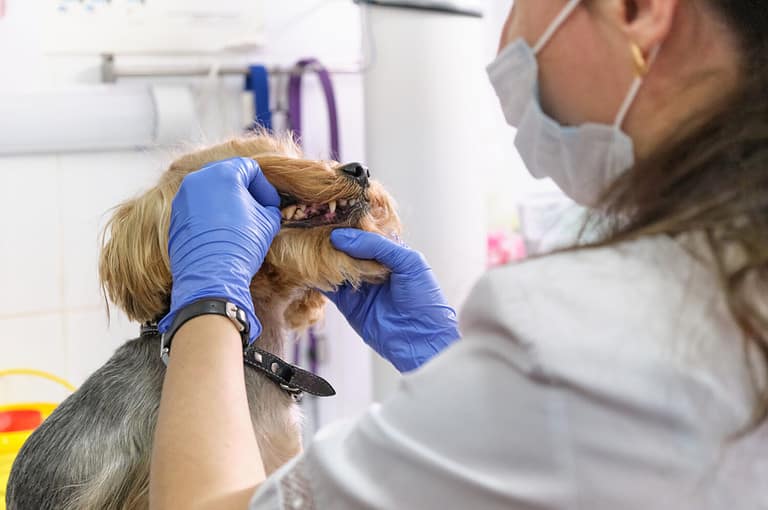
A true veterinary dental cleaning involves cleaning and evaluating the teeth both above and below the gum line, performed under anesthesia with monitoring and a complete oral exam as part of the standard of care.
Typical steps also include:
- Scaling above and below the gumline
- Polishing to smooth enamel and slow plaque growth
- Periodontal probing (the act of measuring gum pockets around each tooth)
- Dental X-rays to check roots and bone that can’t be seen otherwise
- A treatment plan or extractions if problems are found
Signs Your Dog May Need to See a Dentist Soon
Unfortunately, dogs don’t always show obvious behaviors of mouth or tooth-based pain. Owners are more likely to notice subtle changes first, such as lost interest in hard chews, taking longer to finish meals, chewing at different angles, or becoming fussy when their face or mouth is touched.
“From a training perspective, mouth pain can actually look a lot like stubbornness. If a dog starts avoiding treats they once loved, dropping rewards, being unwilling to fetch toys, or backing away from handling, I always put dental health on the checklist,” Coleman says.
Disease can be present even when a dog’s teeth look healthy at first glance, which is why early intervention is the goal before it becomes advanced. But how can you tell if your dog needs a dental appointment sooner rather than later?
If you’re wondering whether your dog needs to see a dentist soon, here are the symptoms to watch out for:
- Breath that smells noticeably worse and stays bad
- Gum redness or swelling, especially along the back teeth
- Brown or yellow tartar band at the gum line
- Drooling more than usual
- Pawing at their mouth
- Dropping kibble, chewing slowly, or chewing on one side
- Face rubbing, avoiding toys, or backing away from head or facial touches
If a dog starts avoiding treats they once loved, dropping rewards, being unwilling to fetch toys, or backing away from handling, I always put dental health on the checklist.
Teagan Coleman, veterinary technician and dog trainer
Does My Dog Have to Be Put Under Anesthesia?
Anesthesia allows for a thorough, pain-free cleaning under the gum line. It also lets the dental team take X-rays safely and efficiently. Many clinics offer tailored anesthesia plans and monitoring throughout the procedure, as there are risks involved.
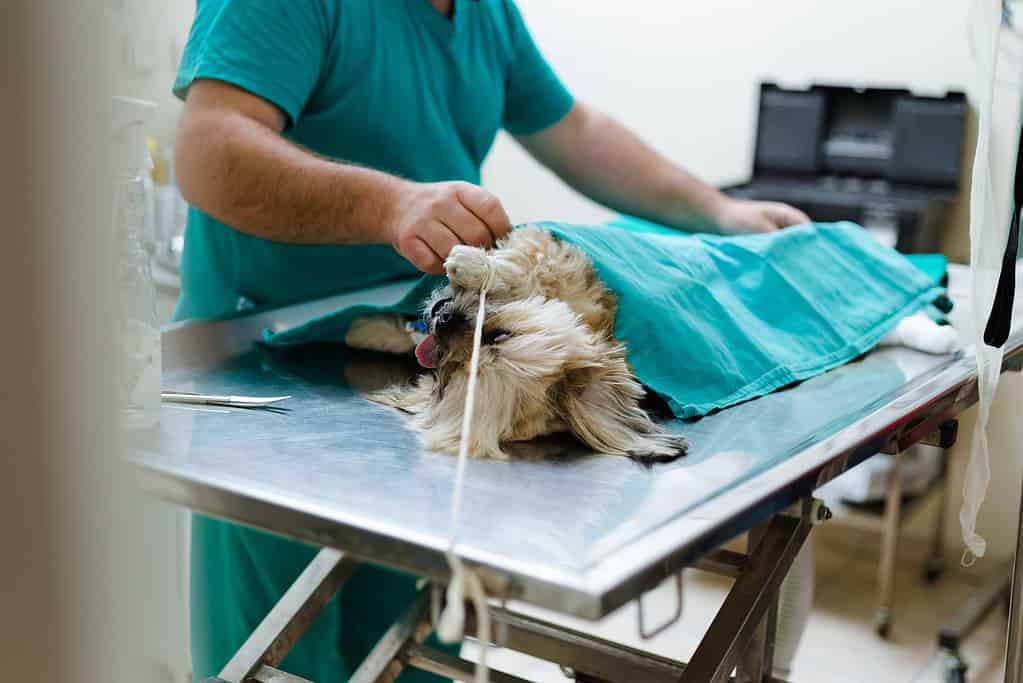
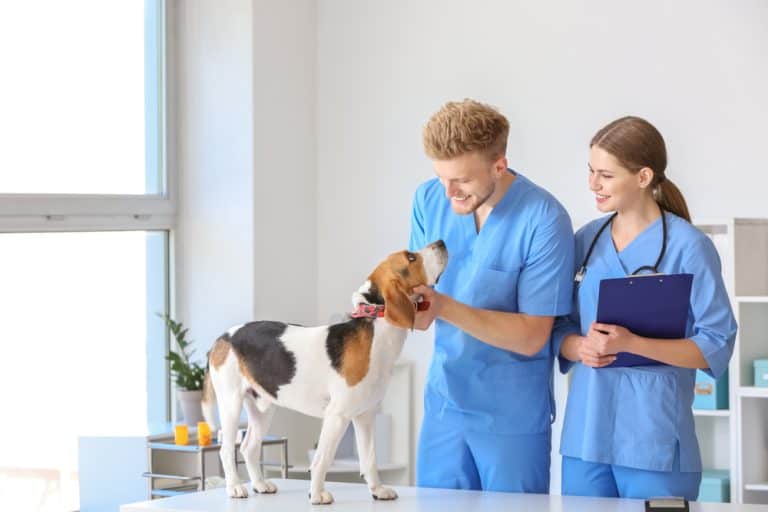
Anesthesia can be a scary prospect, but it is necessary in professional dog dental cleanings.
©iStock.com/RobertPetrovic
Veterinary teams reduce risk in other ways, including:
- Pre-anesthetic exam and health history review
- Bloodwork when appropriate for age and health status
- Continuous monitoring of heart rate, oxygenation, blood pressure, and temperature
- Adjusted protocols for seniors or dogs with known conditions
While anesthesia-based cleanings may seem risky, cosmetic scraping on an awake dog can make teeth look cleaner, but miss the disease process happening below the gum line. These simpler procedures don’t prevent periodontal disease and can’t deliver the same diagnostic or treatment value as true veterinary dentistry.
How Often Should My Dog’s Teeth Get Cleaned?
While every dog is different, most veterinarians recommend professional dental cleanings about once a year. However, small breeds, older dogs, or those with existing dental problems may require cleanings every six months. In addition to these guidelines, watch for the following signs that your dog may need a cleaning sooner:
- Dogs with heavy tartar buildup or gum inflammation often do better with earlier cleanings, because waiting tends to increase the odds of extractions later.
- Dogs with excellent home care and low tartar may go longer between cleanings, as long as your veterinarian confirms the gums stay healthy over time.
- If you notice any new odors or signs of pain, it’s time to schedule an appointment for your dog.
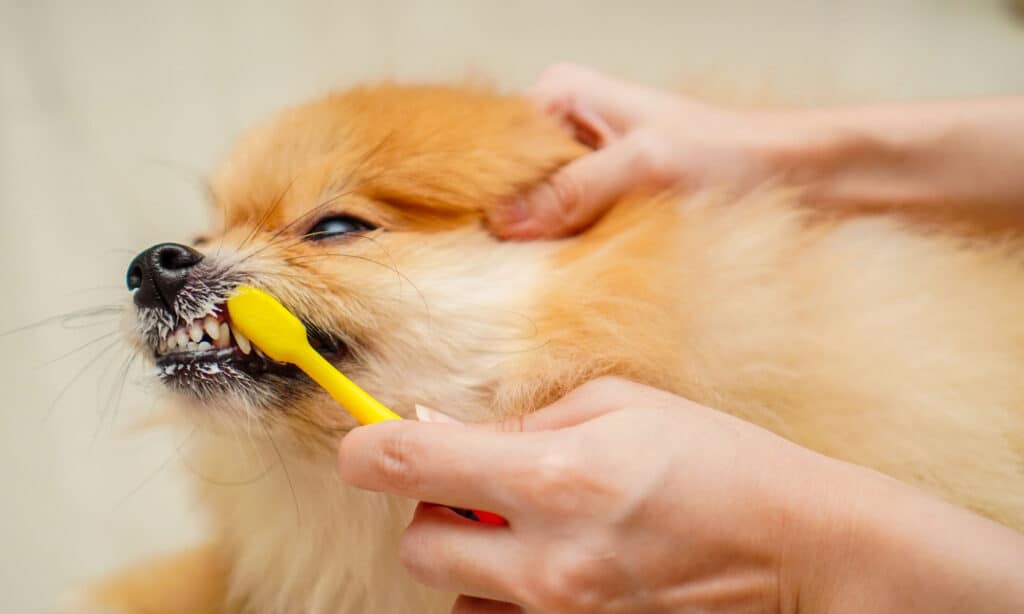
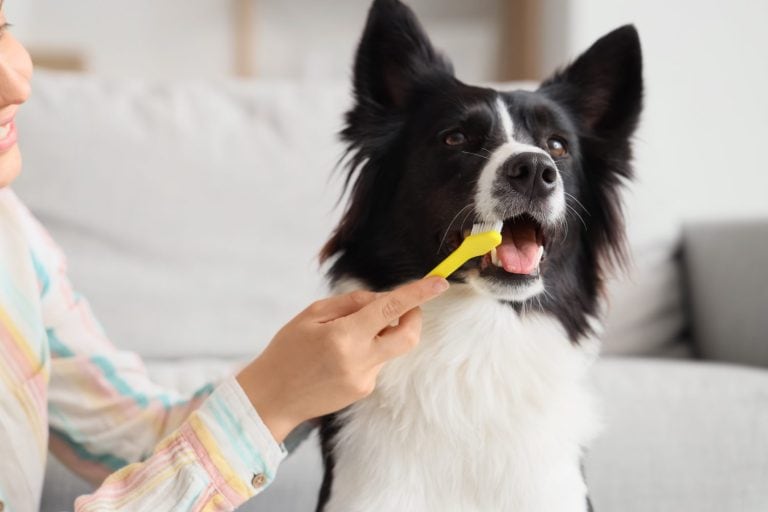
Performing routine cleanings at home may help your dog’s teeth in the long run.
©aonip/Shutterstock.com
For at-home care, Coleman advises, “The easiest win you can aim for is making tooth brushing both reward-based and a routine. Start with a finger brush for a few seconds, reward, and stop; keeping it short allows your dog to succeed and will keep them willing to come back next time.”
When It’s Time for Your Dog to See a Veterinary Dentist
Common reasons to see a proper dentist for your pup may include:
- Fractured teeth
- Root abscesses or draining tracts
- Advanced periodontal disease needing complex extractions
- Oral masses, jaw injury, or bite trauma
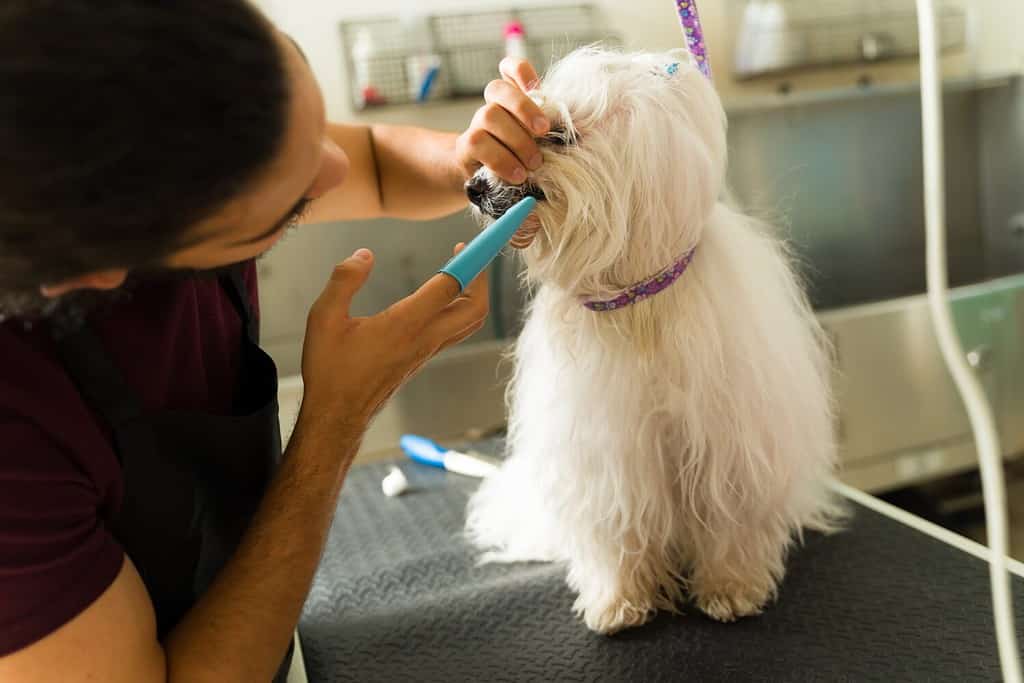
Professional cleanings are necessary for dogs, but there’s a great deal you can do at home.
©antoniodiaz/Shutterstock.com
While most dogs will need professional dental care eventually (and many need it earlier than owners expect), a true cleaning is about gum health and preventing bigger problems later. So yes, your dog will need their teeth cleaned. However, by maintaining a consistent home care routine between professional cleanings, your pup will benefit in the long run!