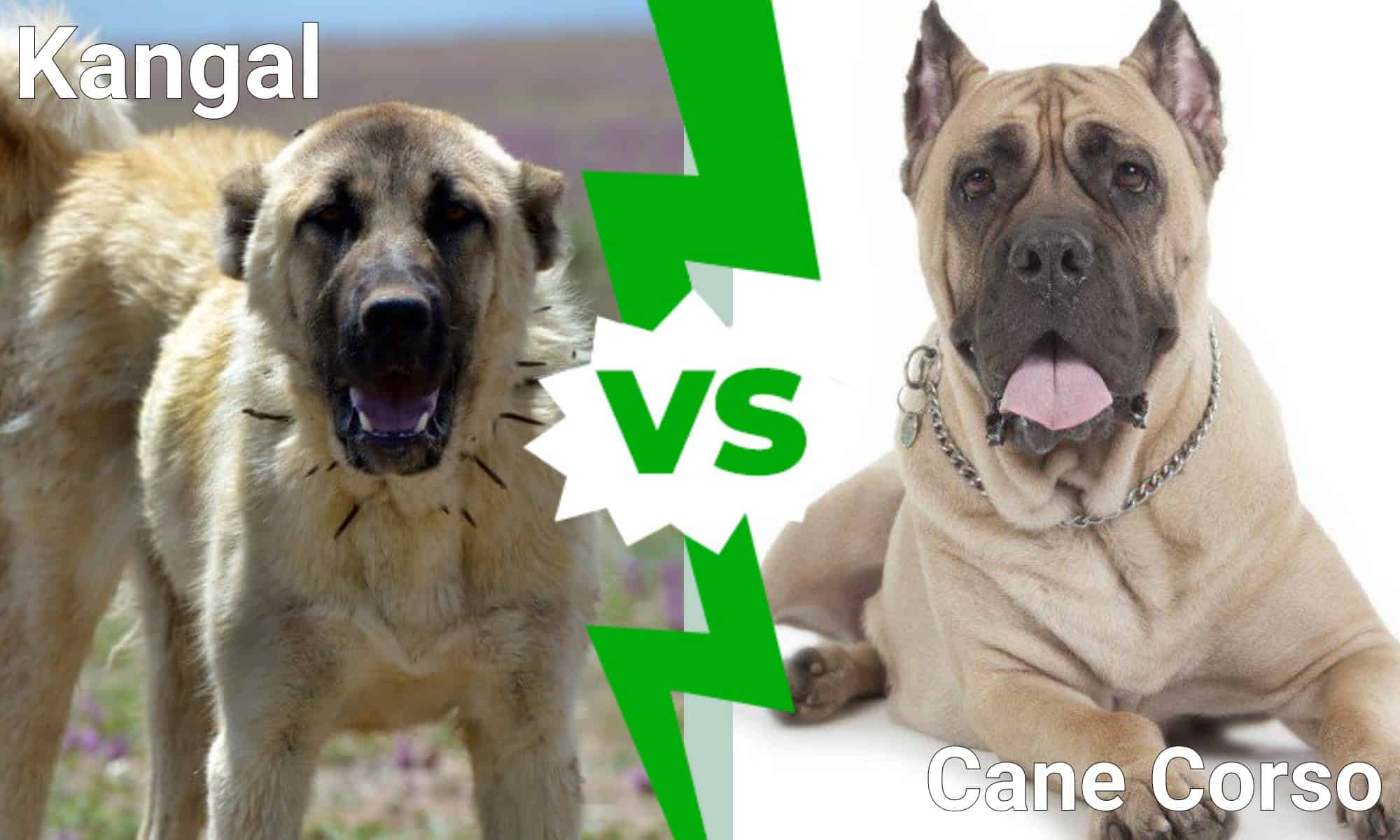

There are many key differences between Kangals and Cane Corsos, two large dog breeds that originated from different countries, have different coat types, and were bred for different purposes. Other differences include size, physical appearance, temperament, and lifespan. Continue reading to learn more about the key differences that set Kangals and Cane Corsos apart.
Size
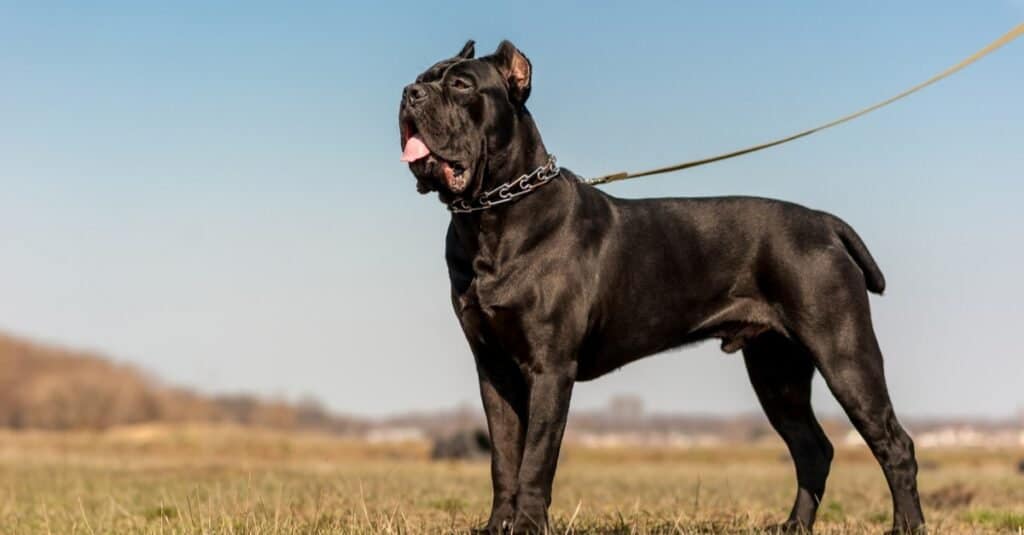
Cane Corsos, which are considered a large breed by the AKC, typically weigh between 99–110 pounds.
©Dioniya/Shutterstock.com
Kangals are classified as a giant breed by the American Kennel Club (AKC). Adult male Kangals are typically 29-33 inches tall and weigh 110-145 pounds, while females are generally 27-31 inches tall and weigh 90-130 pounds. Adult male Cane Corsos, which are considered a large breed by the AKC, typically weigh between 99–110 pounds and stand 25–27.5 inches tall, while females usually weigh 88–99 pounds and are 23.5–26 inches tall.
Appearance
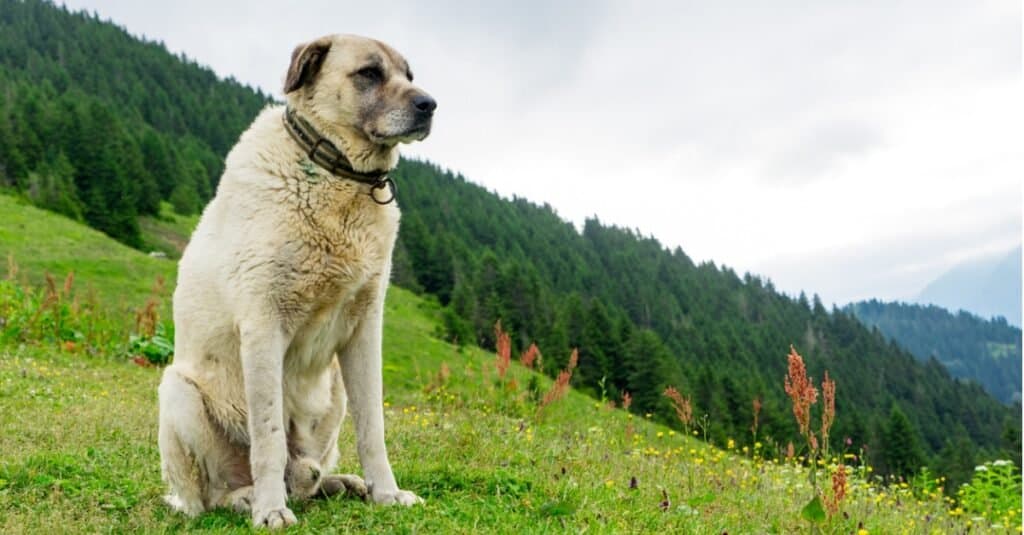
The Kangal has large, floppy ears.
©klenger/Shutterstock.com
The Cane Corso has short, glossy fur, while the coat of the Kangal is thick and coarse. Kangals typically have a fawn coat with a black muzzle, while the Cane Corso has a variety of colors, including black, fawn, gray, and red.
The ears of the Kangal are floppy and large, while the Cane Corso’s ears are naturally floppy and medium-sized, but are often cropped to appear pointed. Both dogs are extremely muscular and well-built. The Cane Corso has a larger, more square-shaped head with a deep, wide muzzle, while the Kangal’s head is large and wedge-shaped, tapering toward the muzzle.
Ancestry and Breeding
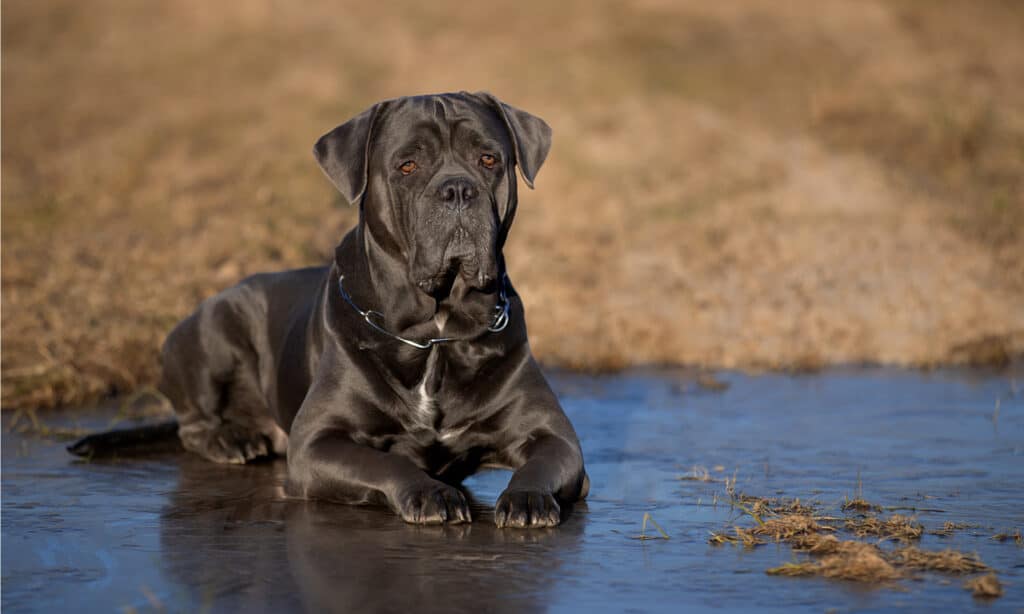
The Kangal was bred to protect families and farmland from predators such as lions and jackals, while the Cane Corso was bred to fight for and protect soldiers in battle.
©Vivienstock/Shutterstock.com
While both of these dogs were bred for their protective qualities and fighting abilities, there are some differences in the ancestry of the Kangal and the Cane Corso. The Kangal was originally bred in 12th-century Turkey, while the Cane Corso was originally bred in Italy. Both breeds were used for protection but in slightly different ways.
The Kangal was originally bred as a sheepdog, a type of dog traditionally bred to herd and guard livestock. Sheepdogs, like the Kangal, are characterized by their intelligence, agility, and strong herding instincts. The Kangal was bred to protect livestock and farmland from predators such as wolves and jackals, while the Cane Corso was bred to fight for and protect soldiers in battle.
The Cane Corso originated from ancient Roman war dogs. After the Roman Empire’s decline, the breed adapted to farm life in Italy, becoming versatile guard, hunting, and cattle-driving dogs. The breed was nearly lost by the early 20th century, but was revived through a dedicated effort to re-establish the breed standard in the late 20th century.
Temperament and Behavior
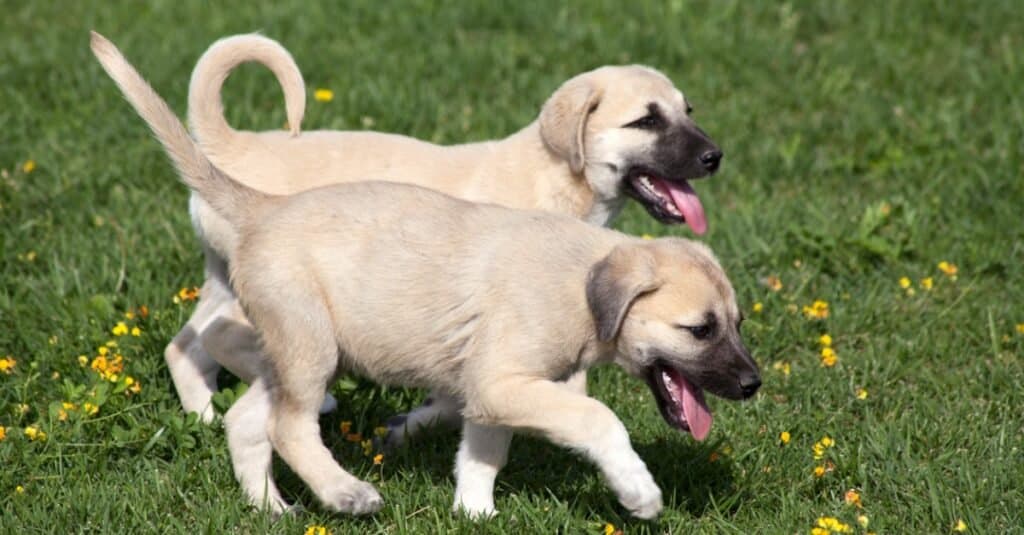
The Kangal is less likely to challenge the dominance of its owner compared to the Cane Corso.
©ehasdemir/Shutterstock.com
Both the Kangal and the Cane Corso are powerful protectors and watchdogs. They can be ideal family dogs, but both breeds require ample space to move comfortably and benefit from having a job or regular activity. They thrive in homes with securely fenced yards where they can run and play, and are generally not recommended for apartment living due to their size and energy levels. However, the Kangal is less likely to challenge the dominance of its owner compared to the Cane Corso.
Both of these confident dogs need consistent training and assertive owners to find their place in the family. However, with adequate training, both the Cane Corso and the Kangal make fantastic family companions and watchdogs!
Lifespan
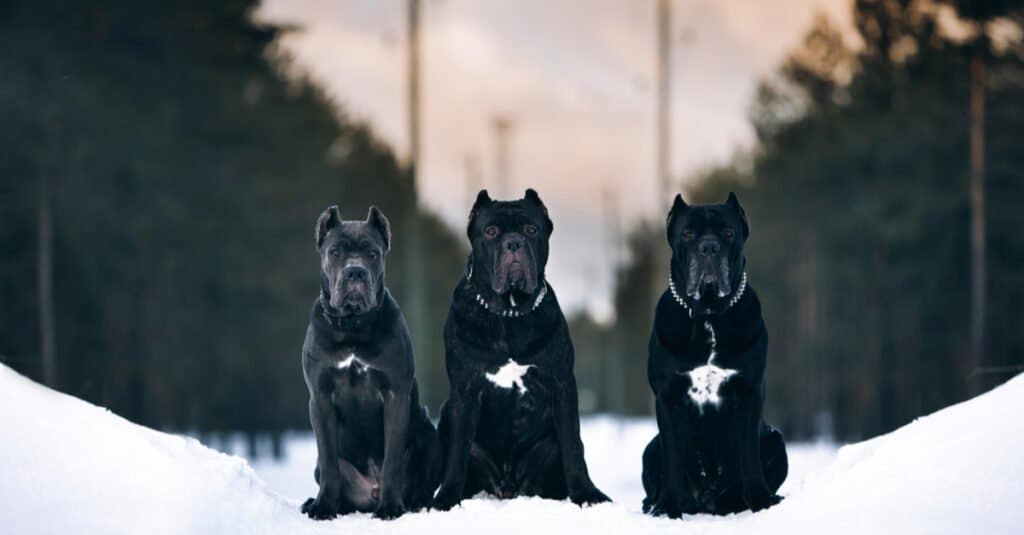
Despite the Kangal being larger than the Cane Corso, their lifespan is slightly longer.
©BoJack/Shutterstock.com
One final difference between the Kangal and the Cane Corso is their lifespans. The Kangal has a slightly longer lifespan than the Cane Corso.
The Kangal lives an average of 10-13 years, while the Cane Corso lives 9-12 years. However, individual lifespans may vary depending on each dog’s health and wellness.