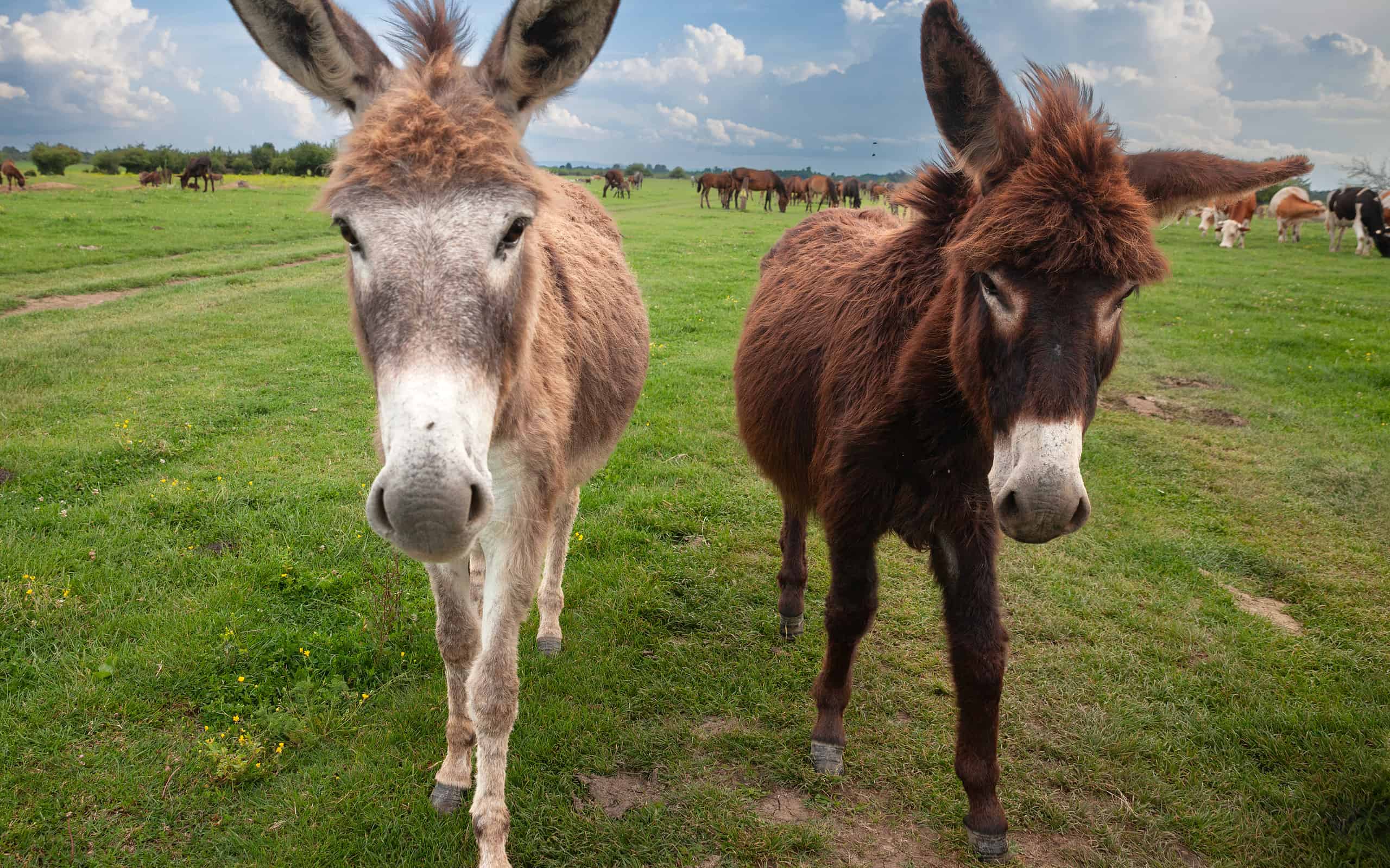

Quick Take
- Mules are hybrids of a male donkey and a female horse, ending up with fewer chromosomes and are usually sterile.
- Because of their hybrid vigor, mules are reportedly more intelligent and live longer lives compared to horses.
- Horses are reactive and flight-oriented, while donkeys and mules are cautious and self-preserving.
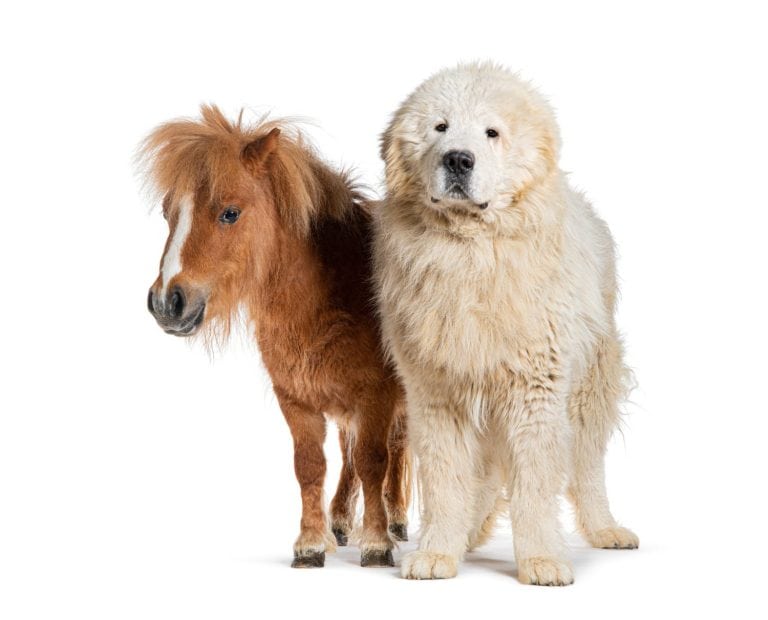
From a distance, mules and horses can look so similar that it’s easy for non–horse people to lump them together. While they may be related, they are by no means the same animal. Why are mules and horses so often compared, and what makes them so different from each other?
Both horses and mules can carry riders, pull loads, and excel in sport. However, they differ fundamentally, especially in genetics, build, metabolism, behavior, and even how you’re supposed to feed and train them. Today, we’ll explore the many ways mules and horses differ, drawing on equine science and veterinary expertise. Let’s hit the trails and learn more about mules and horses!
Fundamental Differences
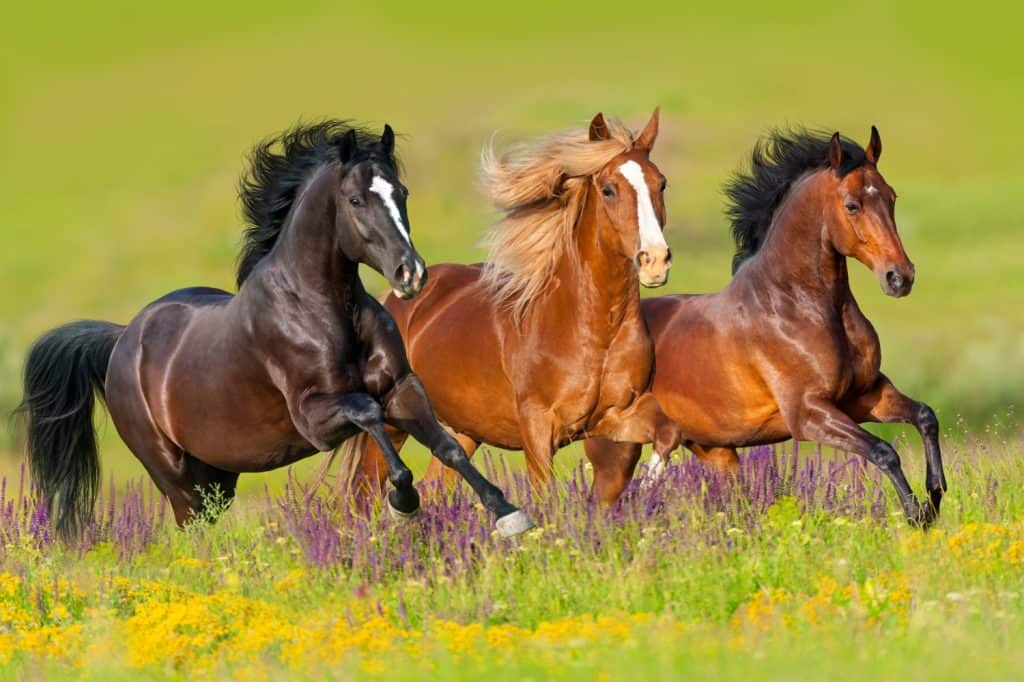
Horses and mules are not as similar as they first appear.
©Kwadrat/Shutterstock.com
While they may look similar, mules and horses are very different on a fundamental and genetic level. Let’s briefly highlight those striking differences before diving into greater detail. A horse is a fully fertile species with 64 chromosomes, while a donkey has 62 chromosomes. Meanwhile, a mule is the hybrid offspring of a male donkey (jack) and a female horse (mare). Mules end up with 63 chromosomes, which usually makes them sterile.
A 2019 review on mules and hinnies in the journal Animals noted that these hybrids have anatomical, health, nutritional, and behavioral features that are actually distinct from their parent species, rather than being a 50–50 blend of both animals.
So, fundamentally, horses are their own species, while mules are hybrid equids that combine horse and donkey traits—traits that help us easily distinguish these two animals from each other.
Size and Shape
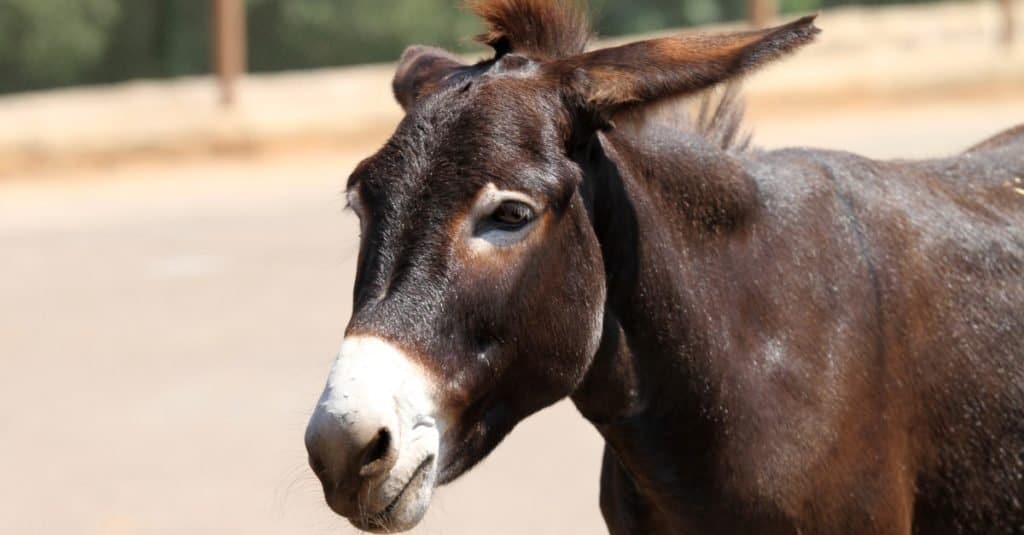
Mules tend to have denser muscles compared to horses.
©BlackDorianstock/Shutterstock.com
Horses can come in a wide range of sizes, but mules tend to adopt the size of their horse dam. Several equine behavior and management resources bring up how mules use that size and strength very differently from horses, including the following:
- A mule’s musculature tends to be denser and smoother, giving strength and stamina that often exceeds a same-sized horse. A mule-handling guide from Lucky Three Ranch described mules as having “more endurance and strength for their size” than horses.
- Studies comparing horses and mules working at altitude have found that mules can perform prolonged pack work with similar or better physiological responses compared to horses, which backs up their reputation as reliable, efficient workers in rugged terrain.
Appearance
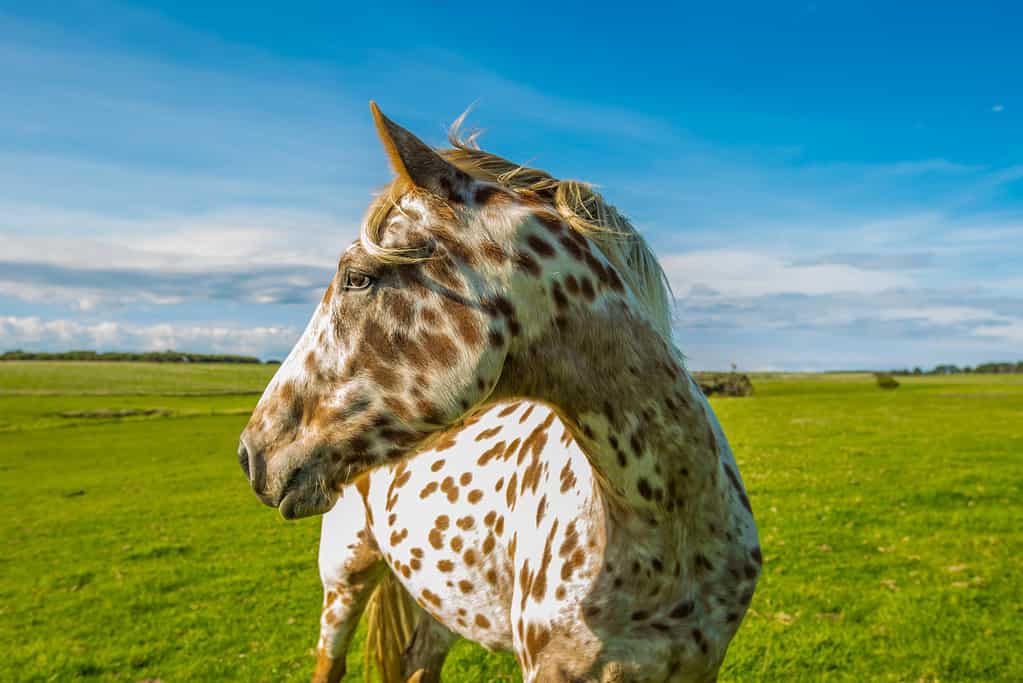
The mane of horses tends to be softer compared to mules.
©Anara55/iStock via Getty Images
Besides their build and strength, mules also look different from horses in the following ways:
- Longer ears than a horse, but usually shorter than a pure donkey’s.
- Often, a slightly narrower chest, more upright neck, and a croup that more resembles a donkey’s backside.
- Coarser mane and tail hair, with the tail more like a donkey’s at the top and a horse’s at the bottom.
Horses, by contrast, show a huge variety in head shape, body type, and hair feathering, depending on the breed. However, even the coarse-haired horse types tend to have shorter ears, more flowing tails, and a different overall silhouette compared to mules.
Coat Color and Markings
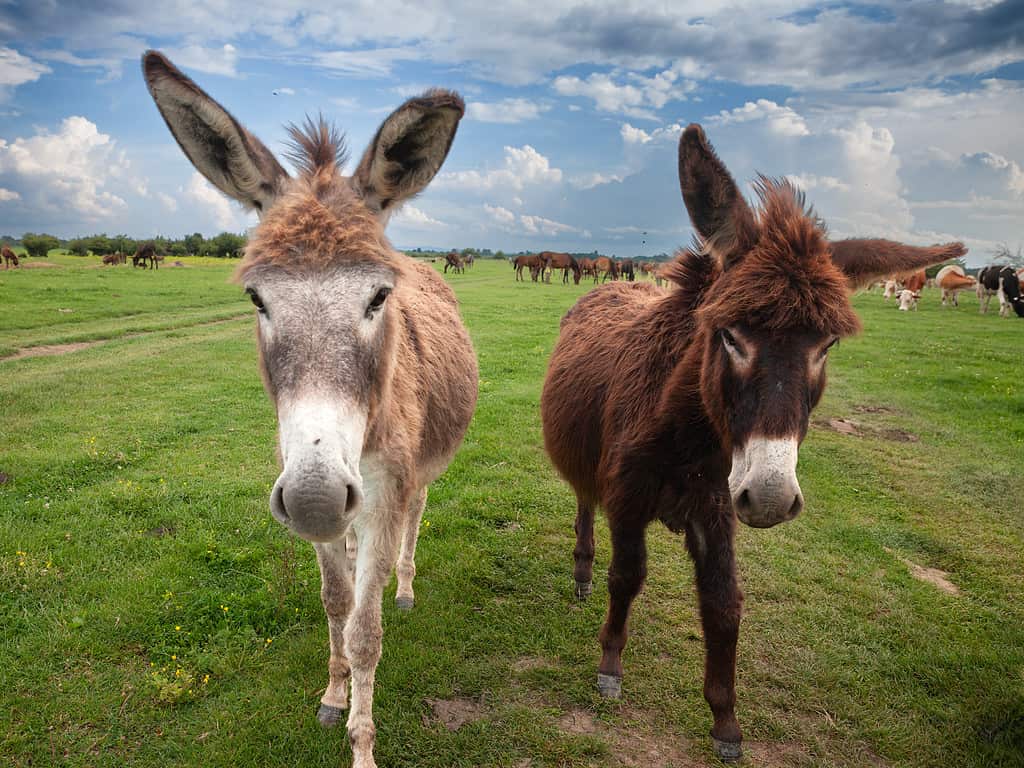
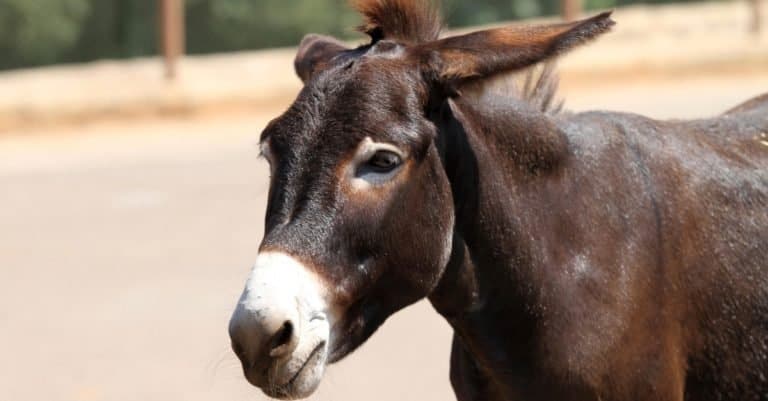
Mules often have light markings around their eyes that horses do not have.
©BalkansCat/iStock via Getty Images
Genetically, most mule coat colors come from the horse side of things, so you can get many different colorations and markings. Donkey genetics, however, often add key markings horses don’t have, such as:
- Lighter areas around the muzzle and eyes.
- Primitive markings, such as a dark dorsal stripe or shoulder cross, are common in donkeys.
Horse coats, on the other hand, can display everything from Appaloosa patterns to silver dapple and deep chestnuts, and those patterns will appear in mules only if the dam carries the genes. Color is actually one area where mules and horses overlap, but it is their behavior that truly separates them.
Behavior and Temperament
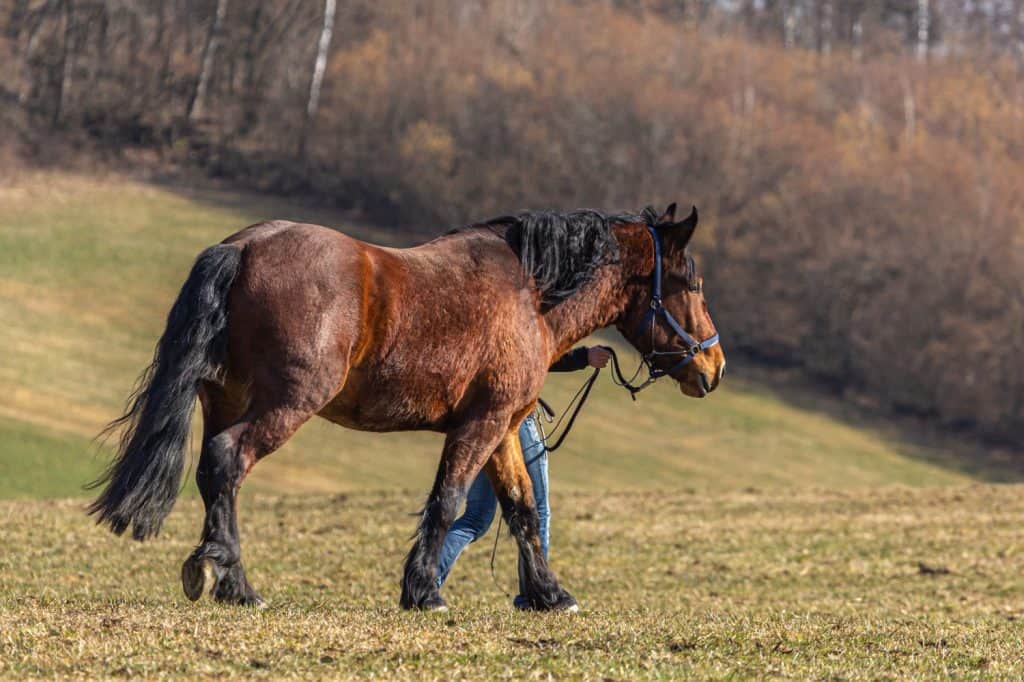
Flight instincts are stronger in horses compared to cautious mules.
©Annabell Gsoedl/Shutterstock.com
The biggest practical difference between mules and horses lies in their behaviors and how they were bred. Horses evolved on open grasslands as herd animals whose best defense was fleeing. Donkeys evolved in more arid, rocky terrains where bolting could actually be fatal. When you cross these two, mules are animals that think before reacting.
A comparative article by Mad Barn said it best: horses are typically reactive and flight-oriented, while donkeys and mules are more cautious and self-preserving, often stopping to assess a threat rather than running first. In many ways, mules tend to show a mixture of horse-like and donkey-like responses, but their strong sense of self-preservation makes them more deliberate and aware.
Intelligence and Problem-Solving
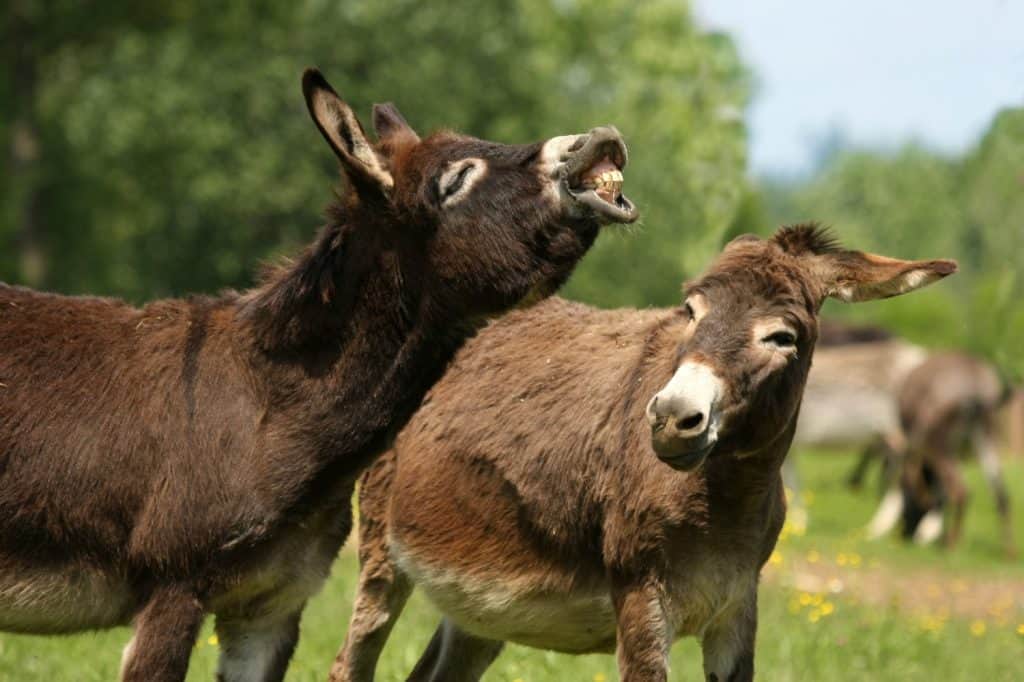
Mules outperformed both horses and donkeys in intelligence tests.
©Rachele Totaro IT/Shutterstock.com
There’s actually some science behind an old claim that states mules are smarter compared to horses.
A study on equine cognition reported that when horses, donkeys, and mules were tested on visual discrimination tasks, most mules mastered more pattern pairs within a set number of sessions compared to either horses or donkeys, an effect the authors referred to as hybrid vigor in cognition as well as body.
Mules are reportedly quick learners that can be highly trainable if handled fairly, but they also remember negative experiences well, which can make undoing poor handling harder than with many horses. However, it’s important to note that both mules and horses are highly sensitive creatures that can react negatively to harsh training, riding, or handling.
Diet and Digestion
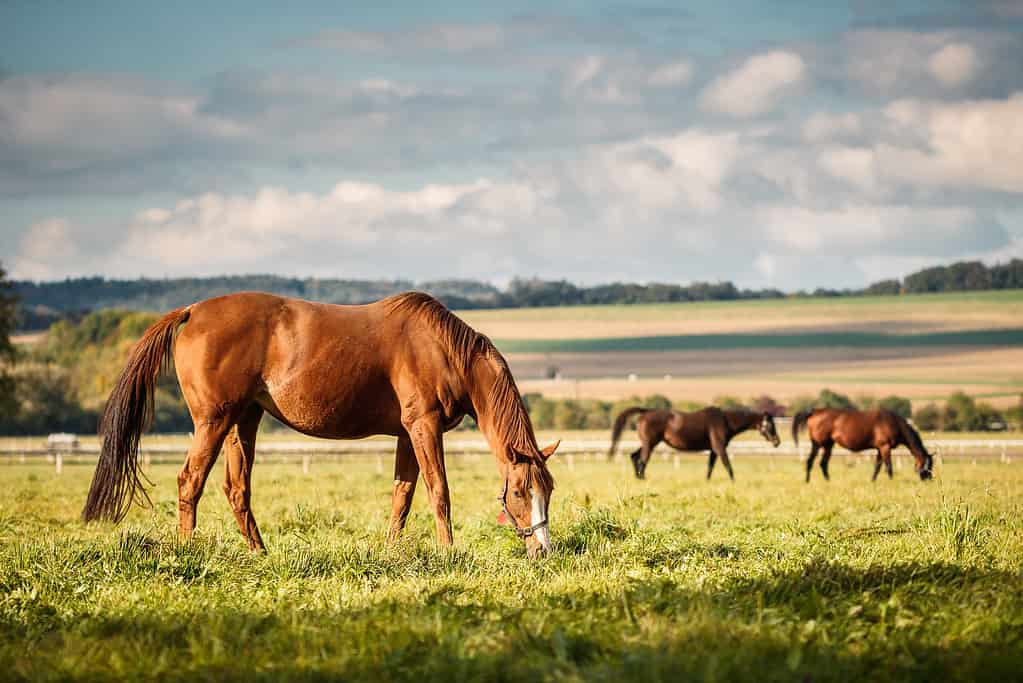
Horses need high-energy food, while mules are used to less nutrient-dense food.
©Zbynek Pospisil/iStock via Getty Images
Both horses and mules are designed to graze or browse for many hours a day on forage, and this also includes donkeys, of course. However, mules inherit a lot of their digestive strategy from their donkey side, such as the following:
- Donkeys evolved to survive on sparse, low-quality forage in arid environments, which means they have a more efficient digestive system than horses, extracting more energy from coarse fiber.
- Mules share this efficiency, needing less feed than horses of a similar size in order to maintain weight, and often need high-fiber, low-sugar forage over other types.
- Horses often require higher-energy forage or concentrates if they are in hard work. They are also more prone to issues like ulcers if their feeding schedule doesn’t match their trickle-feeding design.
So, while both horses and mules are built to graze, their menus need to be very different in order to keep both of these distinct animals healthy. Mules can very easily gain weight when fed like horses, despite their genetic relation, and the last thing anyone needs is a mule that’s too unhealthy to hit the trails.
Lifespan
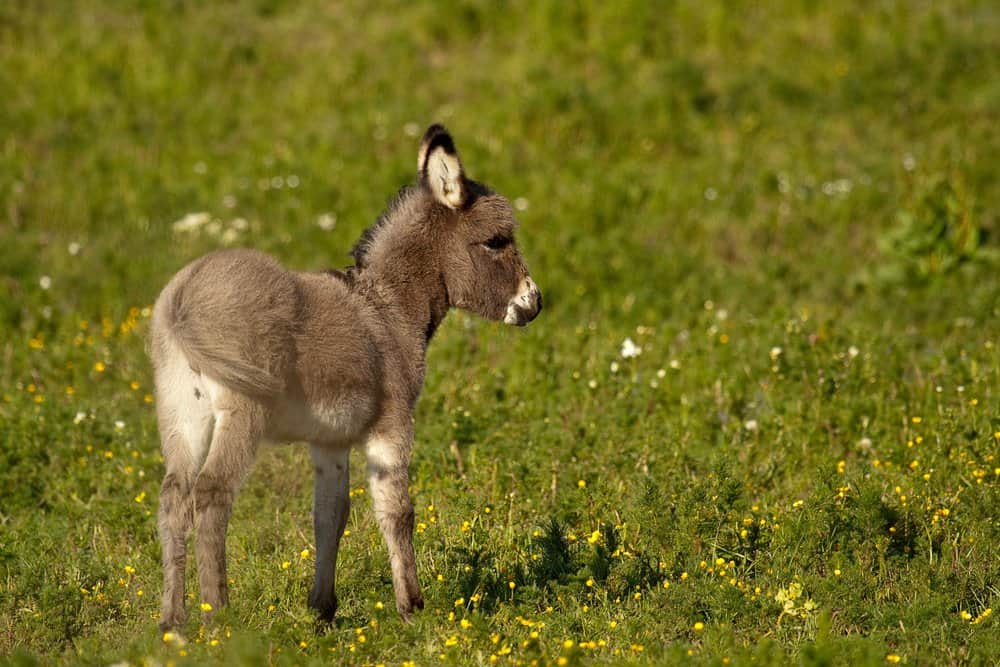
Because of their hybrid nature, mules tend to have longer lifespans compared to horses.
©MichaelHansen/Shutterstock.com
Hybrid vigor in mules can’t be ignored, as it shows up in their overall lifespan, too. Average statistics demonstrate that donkeys and mules often live 30–40 years on average, with some mules reaching up to 50 years old, whereas horses typically average 25–30 years, depending on their specific breed and management.
While a subtle difference, mules appear to be living longer lives due to their genetics and durability compared to horses, thanks to the aforementioned hybrid vigor.
So, How Different Are Mules and Horses, Really?
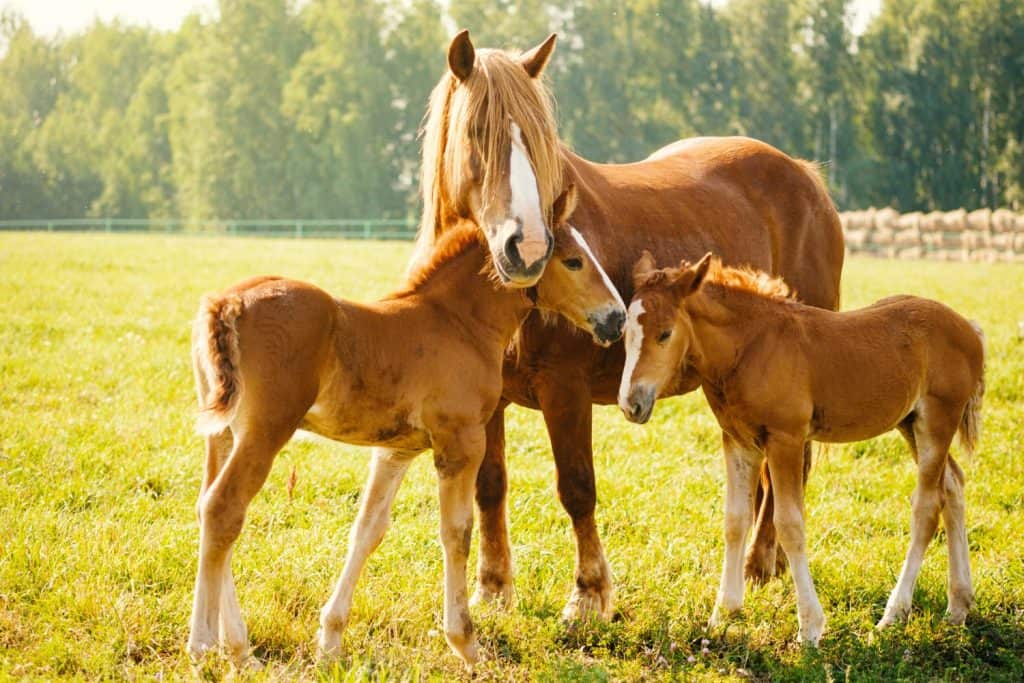
Horses and mules are similar but special in their own ways.
©Sozina Kseniia/Shutterstock.com
Horses and mules share a lot of similarities: the same basic digestive system, similar social needs, and the ability to be outstanding riding and working partners. But they ultimately diverge in some key ways, and ways that prove how special both of these animals really are.
For owners or equine enthusiasts, the takeaway from this comparison is simple: if you understand the differences between horses and mules and manage them accordingly, both can thrive. If you ignore their true differences, especially in their behaviors, capabilities, and diets, you’re likely to run into trouble. So, embrace and respect the true differences between these remarkable creatures—they both deserve it!