
Quick Take
- Spaying and neutering extend lifespan; neutered male dogs live 13%–18% longer and spayed female dogs 20%–26% longer.
- Cats also gain longer lifespans from spaying and neutering.
- Spaying and neutering reduce health risks, including lower mammary cancer risk, less disease transmission, and fewer pregnancy complications.
Studies have shown that spayed and neutered animals live longer than intact animals. This data has resulted in 80% to 90% of the cats and dogs in the United States being fixed.
However, due to educational disparities or sheer lack of resources, some communities in the United States do not reflect these nationwide percentages. In these areas, up to 84% of animals are not altered. This leads to overpopulation issues and crowding in shelters, where animals are put down simply for being born.
Fortunately, many areas do offer low or no-cost options, allowing those who want to get their cat or dog spayed or neutered to do so affordably and, in the process, give their furry friends the gift of a long life.
How Does Spaying and Neutering Increase a Cat or Dog’s Lifespan?

Spayed or neutered cats and dogs live significantly longer than those that are not altered.
©FamVeld/Shutterstock.com
Over the last decade, several studies have shown, without a shadow of a doubt, that spaying and neutering dogs and cats increases their life expectancy. One of the most recent, a January 2025 study published in Peer Life & Environment, documented that spayed and neutered cats in the United Kingdom lived 13.2 years, compared to 10.9 years for females and 11.8 years compared to 9.4 years for males.
These statistics are echoed by Cameron Broach, DVM, who agrees that spaying and neutering are among the best things that can be done for the health and wellbeing of cats and dogs.
“Neutered male dogs live approximately 13% to 18% longer on average, and spayed female dogs live approximately 20% to 26% longer on average,” Dr. Broach explains to A-Z Animals. “Similar trends exist in cats.”
The reasons behind this increased lifespan are not due to the surgery itself, Dr. Broach says. Instead, the surgery prevents certain negative conditions; in the absence of these ailments, cats and dogs live a longer life.
“Spayed and neutered dogs and cats tend to live longer primarily because they are less likely to die from preventable diseases and risky behaviors,” Dr. Broach states, “not because the surgery itself ‘adds years.'”
Some of the key reasons that Dr. Broach says spaying and neutering increase how long cats and dogs live include:
- Eliminates or reduces deadly reproductive diseases such as uterine infections and reproductive cancers
- Reduces roaming, fighting, and escape behaviors, which lowers risk of:
- Being hit by a car
- Bite wounds and infections
- Getting lost
- Decreases hormone-driven aggression and stress, which indirectly improves health and safety
- Prevents complications of pregnancy and birth, which can be life-threatening
Better still, common health risks are decreased in animals who are altered as well.
Neutered male dogs live approximately 13% to 18% longer on average, and spayed female dogs live approximately 20% to 26% longer on average.
Cameron Broach, DVM
Health Risks Decrease When A Cat or Dog Is Spayed Or Neutered

Cancers, disease transmission, tumors, and pregnancy complications are eliminated or reduced thanks to spaying and neutering cats and dogs.
©Bachkova Natalia/Shutterstock.com
When speaking about decreased health risks, Dr. Broach, who has 25 years of experience as a veterinarian, says it is easier to look at females and males separately.
The health issues that are decreased for female cats and dogs when they are spayed include:
- Pyometra (life-threatening uterine infection) is eliminated
- Mammary (breast) cancer risk is greatly reduced, especially if spayed early
- Ovarian and uterine cancer is eliminated
- Pregnancy complications are eliminated
- Hormonal false pregnancies are eliminated
Health issues that are decreased for male cats and dogs when they are neutered include:
- Testicular cancer is eliminated
- Prostate disease (benign enlargement, infections) are greatly reduced
- Perianal tumors are reduced
For both males and females, there is a reduction in bite wounds, infectious disease transmission, and stress from hormonal cycling.
For the most significant health benefits, animals should be spayed before they have a litter. However, those spayed after one or more pregnancies can still benefit in the long run and live longer than cats or dogs that are never altered.
Benefits Of Spaying and Neutering Exist After a Pet Has Had a Litter

Cats and dogs that have had a litter or more still receive health benefits from being spayed.
©Esin Deniz/Shutterstock.com
Despite cats and dogs receiving the most health benefits if they are spayed before their first heat, Dr. Broach states that regardless of how many litters were had, spaying the female is the best practice for her overall health.
“Yes, absolutely. There are benefits to spaying if a pet has had a litter,” Dr. Broach tells A-Z Animals. “While the maximum reduction in mammary cancer risk occurs before the first heat, spaying at any age still provides important benefits.”
Those benefits, according to Dr. Broach, include:
- Eliminates risk of pyometra (which increases with age)
- Prevents future reproductive cancers
- Stops hormonal cycling and false pregnancies
- Prevents additional pregnancy risks
“A dog or cat that has had one or more litters,” Dr. Broach says, “still gains significant health protection from spaying.”
Are There Health Risks To Spaying And Neutering?
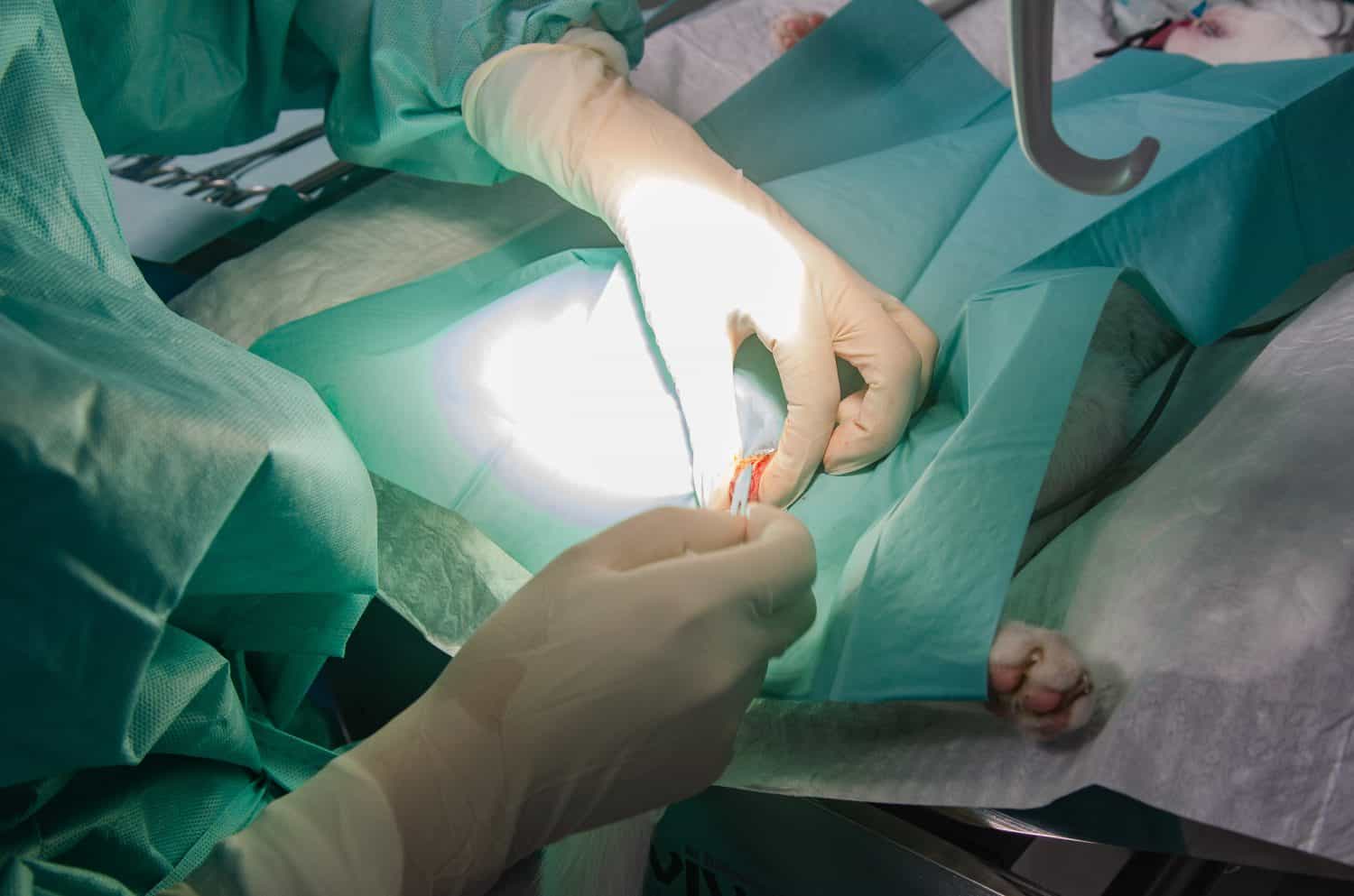
The risks associated with spaying and neutering are lower than those associated with leaving cats and dogs intact.
©Bruno Monico/Shutterstock.com
As with all surgeries, there are risks associated with spaying and neutering, according to Dr. Broach. This is why she says, “individualized vet guidance matters.”
“No medical procedure is risk-free,” Dr. Broach explains. “The risks are real but generally low and manageable.”
Some short-term surgical risks Dr. Broach mentions include:
- Anesthesia complications (rare in healthy animals)
- Infection or delayed healing
- Bleeding (uncommon)
Long-term risks, which can vary by species, breed, and timing, include:
- Weight gain (manageable with diet/exercise)
- Orthopedic issues if done very early in large/giant breeds
- Certain cancers may have slightly increased risk in some breeds when neutered early
- Urinary incontinence (mainly in large female dogs, uncommon)
The risks mentioned are mainly “risk, timing, and breed dependent.” This is why speaking to a vet and being informed not only about the benefits of spaying and neutering but also about the risks can help cat and dog owners make the most informed decisions possible regarding the health of their pets.
Conditions When Spaying and Neutering Are Not Recommended

Large dogs, like the Cane Corso, benefit from being older before being spayed or neutered.
©Ruben Kazaryan/Shutterstock.com
While in most instances veterinarians recommend spaying and neutering, there are times when Dr. Broach states the procedures should be delayed or not performed at all.
The circumstances when spaying and neutering may not be in the best interest of a cat and dog include:
- It is often better to wait until growth plates close for large or giant breed dogs
- Working or performance dogs have hormones that may affect muscle and ligament strength
- When certain medical conditions like heart disease and severe endocrine disorders are present
- Very elderly pets with high anesthesia risk
- Responsible breeding animals with genetic screening and lifetime care plans
Dr. Broach says when these issues are present, each animal should be looked at on a “case-by-case” basis, as there is no “one-size-fits-all rule.”
Are Neuticles of Any Benefit to Dogs After Being Neutered?

The benefits of neuticles are more for dog owners than they are for dogs.
©New Africa/Shutterstock.com
Neuticles were invented in 1993 by Gregg Miller after he claimed his bloodhound was uncomfortable with himself in the wake of his testicles being removed. The testicular implants became available to the public in 1996, and since that time, have gone on to sell over 650,000 pairs.
While neuticles do not cause any harm to a dog, Dr. Broach states that the implants are primarily to make owners of male dogs more comfortable after neutering. The primary purpose of neuticles, according to Dr. Broach include:
- Owner comfort
- Aesthetic concerns
- Perceived preservation of “normality”
Dr. Broach states that neuticles will not counteract the effects of neutering. “They are cosmetic implants, not functional organs,” she says.
Consequently, those who desire to give their dogs implants should be aware that things like “testosterone restoration” and “behavioral and physical changes of neutering” are not going to be stopped by implanting neuticles.
Spaying and neutering are straightforward ways to keep cats and dogs healthy. These procedures, done early in life for many and later for others, will prevent cats and dogs from suffering from a host of health problems. If cost is an issue, consider low- or no-cost spay/neuter options so a beloved furry friend can remain part of the family for years to come.