Miniature dachshunds may be small in size, but they come with big personalities, which can make training more challenging than many owners expect. Originally bred to hunt independently in underground burrows, these dogs developed strong instincts, sharp intelligence, and a stubborn streak that isn’t ideal for obedience training. However, what looks like defiance is often confidence and independence influenced by centuries of selective breeding.
Training a miniature dachshund requires patience, consistency, and an understanding of how the breed thinks. Their sensitivity, alert nature, and tendency to become distracted by scents or sounds can slow progress, which can be frustrating, especially for first-time owners. This article explores why training a miniature dachshund can be more difficult than expected. Recognizing their unique traits is the first step toward success.
Miniature Dachshund Breed Background

©4sally scott/Shutterstock.com
The mini dachshund’s roots are quite similar to that of the standard-sized dachshund. Both originated in Germany as small, agile, fierce, and adorable hunting dogs. But while the standard dachshund was bred to hunt badgers, breeders created the mini doxie in response to a surge in the rabbit population in Germany in the early 1800s. Their body plan remained much the same as the standards, but their smaller size allowed them to dive into tight rabbit burrows.
Miniature Dachshund Behavior

©iStock.com/NORRIE3699
Given their breed history of hunting small prey in burrows, you may find that your mini dachshund is inclined to chase small animals. However, this is not true for every dachshund. Proper socialization and safe outlets for a high prey drive can help your pup coexist peacefully with smaller household pets.
Because they were bred to dig into burrows, your mini dachshund pup may be inclined to dig. It’s best to offer an acceptable outlet for this behavior. You can set up a digging pit specifically for enrichment.
1. Loud, Yappy Barking
©Photobox.ks/Shutterstock.com
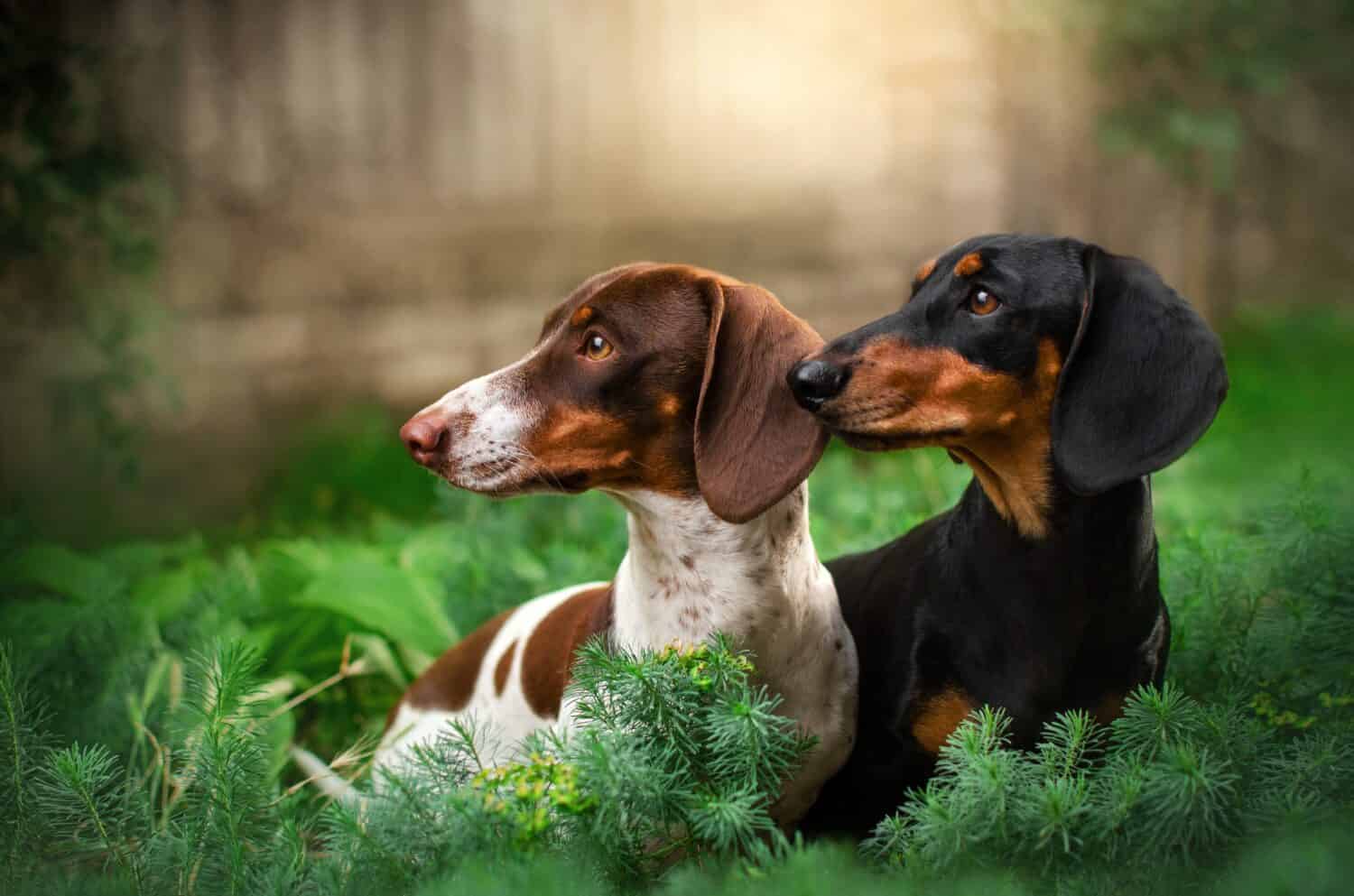
Dachshunds are extremely alert and tend to bark quite frequently. They’re very early to sound the alarm, even with proper training. These dogs aren’t a good choice for those who can’t deal with some amount of yippy barking. This reaction is somewhat instinctual, though you can teach them to ‘quiet’ via command.
To limit barking, appropriate training should start early. However, it’s important to manage your expectations. They won’t be quiet all the time.
2. Independent
©iStock.com/NORRIE3699
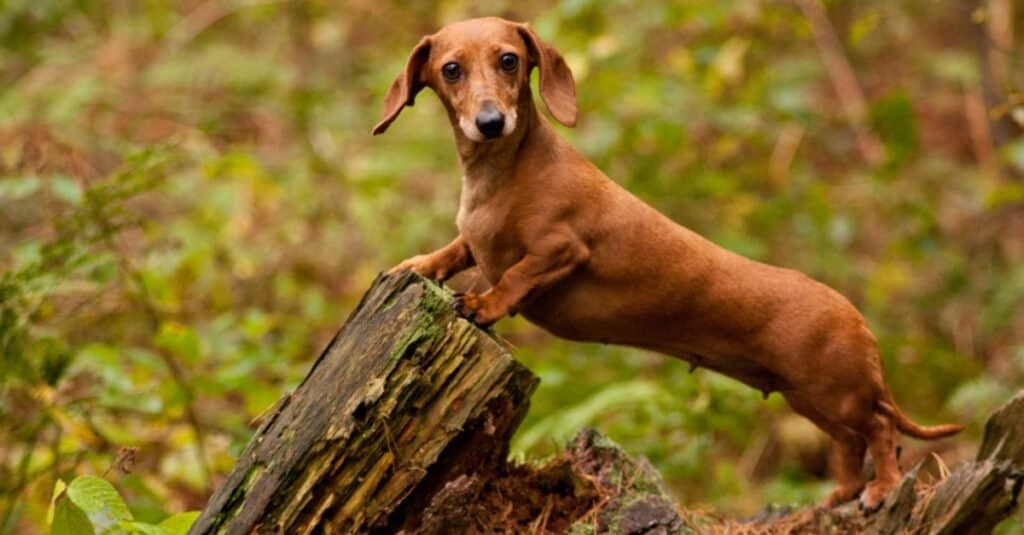
These dogs don’t always listen to their owner’s commands. They have a strong mindset that makes them well-suited to hunting, but it can be frustrating when you’re trying to get them to do what you say. They don’t take well to training despite their intelligence.
To some extent, this willfulness is endearing, making these dogs enjoyable to own. However, if you aren’t absolutely consistent with your training, they can easily take advantage of you.
3. Suspicious of Strangers
©Ирина Мещерякова/iStock via Getty Images
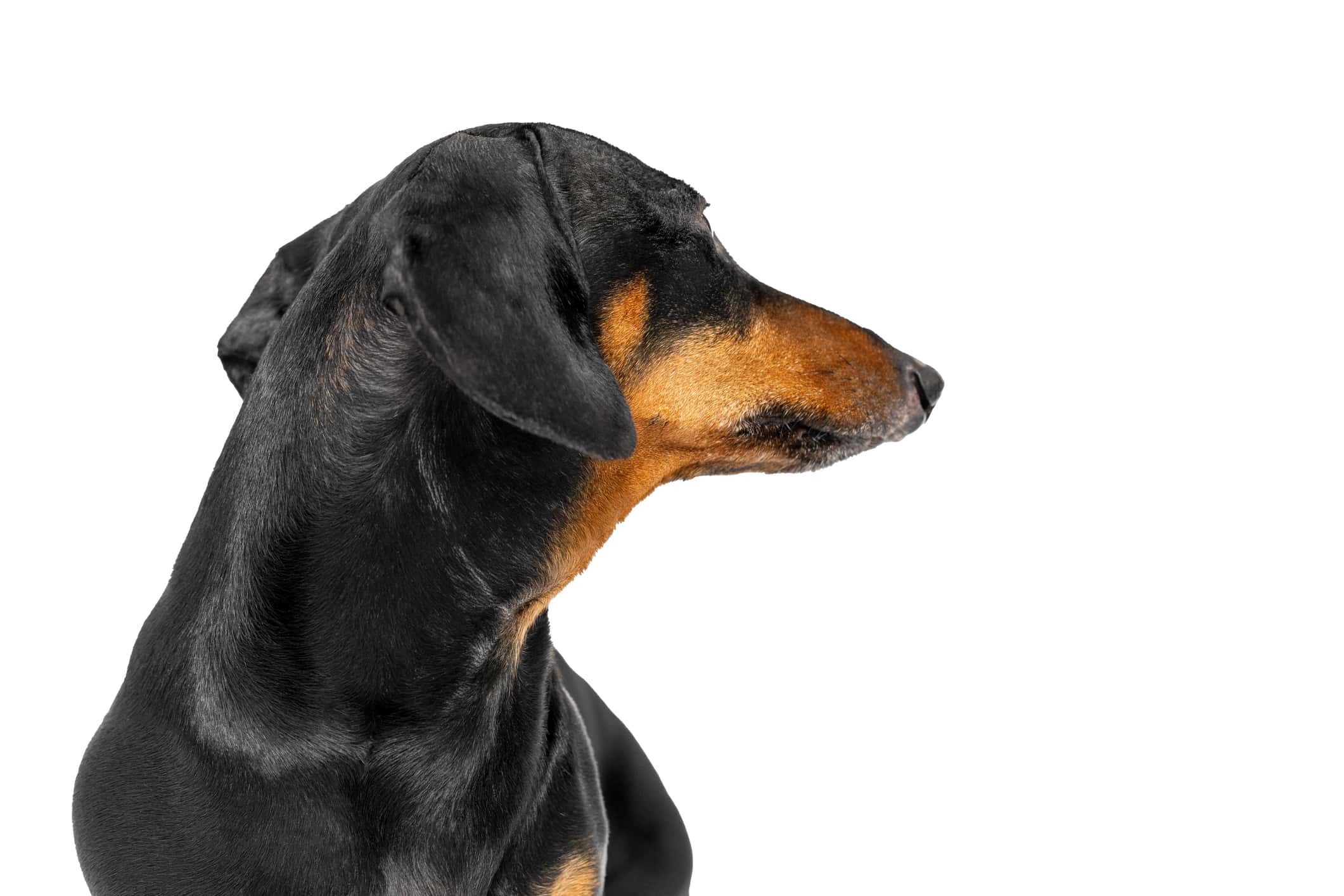
While your dachshund can be very friendly towards you, they tend to have a healthy dose of stranger danger. This trait is variable within the breed; some are polite towards strangers, while others are snippy.
Socialization plays a huge role. If your dog is around lots of other canines at a young age, they will become accustomed to people. However, if you don’t socialize well, your pup may decide that everyone else is an enemy (or at least not a trusted friend).
4. Dislike of Other Dogs
©Sherri Simms/iStock via Getty Images
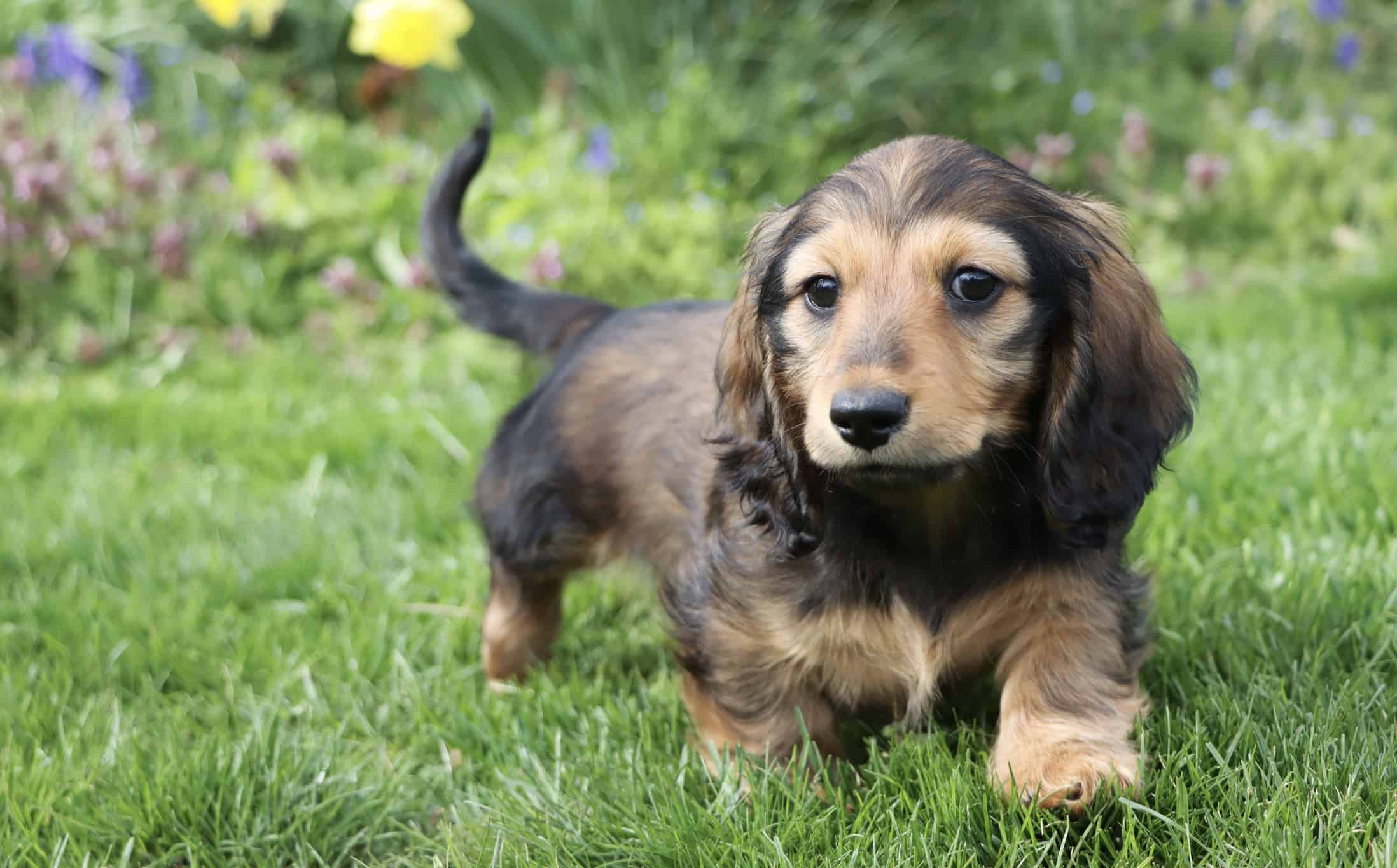
On top of being suspicious of strangers, dachshunds aren’t necessarily friendly with other dogs, either. They can be good companions for other dachshunds, especially those they are raised around (assuming you successfully prevent littermate syndrome).
If not appropriately socialized, dachshunds can be fiesty and dominate towards other dogs. They tend to be snappy and may try to push other dogs around. Due to their smaller size, their feistiness can easily land them in a dangerous situation. Idealy, they should learn how to behave around other dogs very early.
5. Housebreaking
©jack perks/Shutterstock.com
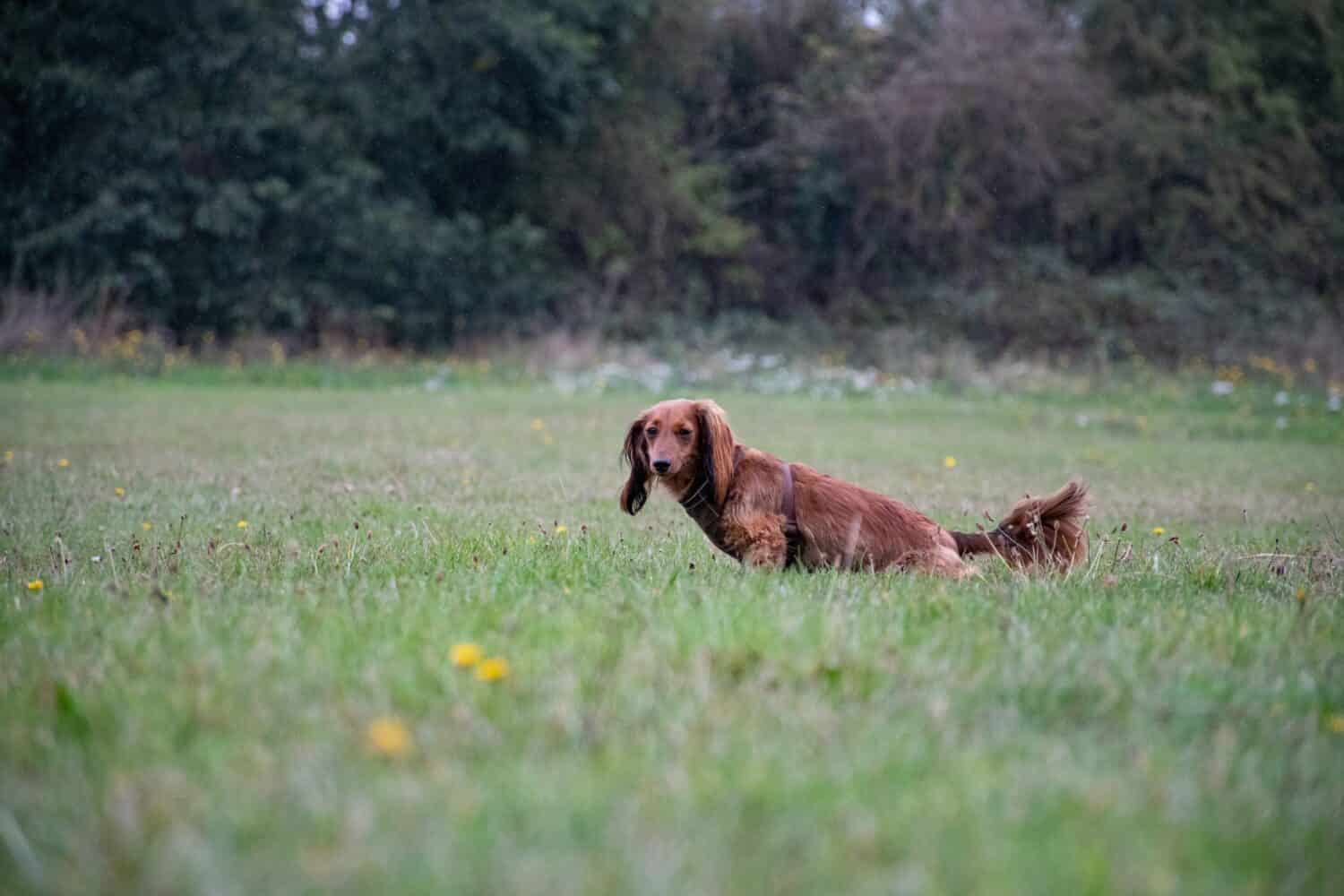
If we had to create a list of breeds that were hardest to house train, miniature dachshunds would be on it. Because they are smaller overall, their bladders are smaller, too. This trait means they have to go to the bathroom more often than bigger dogs, making it more challenging to house train them when they’re puppies.
Additionally, they’re hard to housetrain because they often dislike cold, wet weather, which means they refuse to go outside unless it’s sunny. A covered potty area is a necessity if you live in an area with inclement weather.
6. Health Problems

©Dmitry Andreev/iStock via Getty Images
Dachshunds have a longer lifespan than many other breeds. However, they are at risk for developing intervertebral disc disease (IVDD), which can leave them paralyzed from a young age. Their long back isn’t well-supported by their legs, leading to this often-debilitating condition.
IVDD can result from a range of activities that cause their back to bend, like jumping or using stairs. Therefore, it’s important to restrict your dog’s movement somewhat. Investing in ramps to prevent jumping can be beneficial.
Miniature dachshunds are not necessarily more prone to this condition than full-sized dachshunds. However, they may be at slightly higher risk due to their smaller stature. They must jump more and higher than a larger dachshund.
7. Grooming
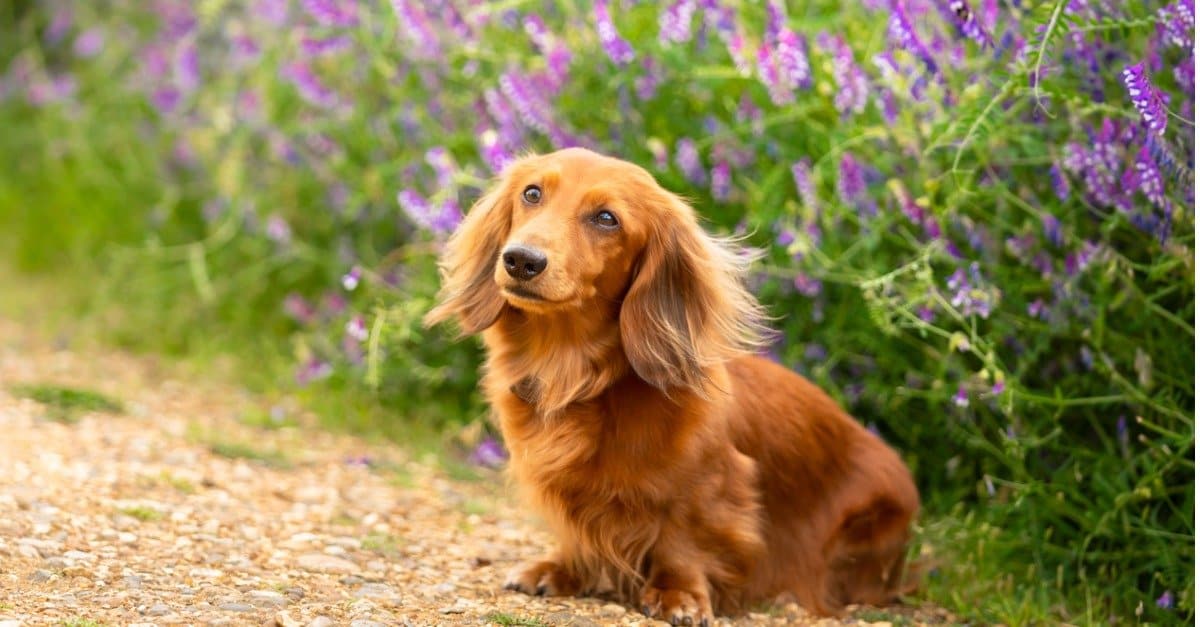
©iStock.com/romitasromala
If you decide to get a long-haired dachshund, you should expect to deal with a decent amount of grooming. These dogs require brushing a few times a week and spot-combing whenever tangles develop. Start grooming at a young age to ensure that your dog puts up with it as an adult.
Both long-haired and wire-haired dachshunds need regular trimming, too. Otherwise, their fur can get too long and may lead to matting. At the very least, the fur around their face and hind end must be trimmed.