
Quick Take
- Aggression in dogs arises from multiple factors, including genetics, early experiences, health, environment, and training.
- Fear and a lack of confidence underlie aggression, but it is something that can be dealt with through positive training.
- Trauma and past experiences shape aggression more than breed, though some breeds have a higher prey drive than others.
Just like humans, dogs manifest their own unique personalities early on, and these personalities may not change for the entirety of their lives. For owners, aggressive dogs can feel like a mystery: what determines why one dog is so easygoing while another is unpredictable or even dangerous? Is it rooted in genetics and breeding, or is there more going on beneath the surface?
Modern animal behavioral science says there’s rarely a single reason a dog acts aggressively. Multiple factors play a role, and understanding those layers can help owners address the real causes of problematic behavior. Why are some dogs aggressive? What traits typically lead people to label a dog as “aggressive”? We’ve interviewed an animal behaviorist for the answers.
We sat down with Teagan Coleman, animal behaviorist and owner of NLR Explore Dog Training, to learn more about aggressive dogs and overall dog behavior. Coleman reveals what shapes aggression in dogs and what can be done to limit these tendencies, both in the short term and the long run of a dog’s life.
Aggression vs. Normal Dog Behavior: What’s the Difference?
©Davide Zanin/iStock via Getty Images
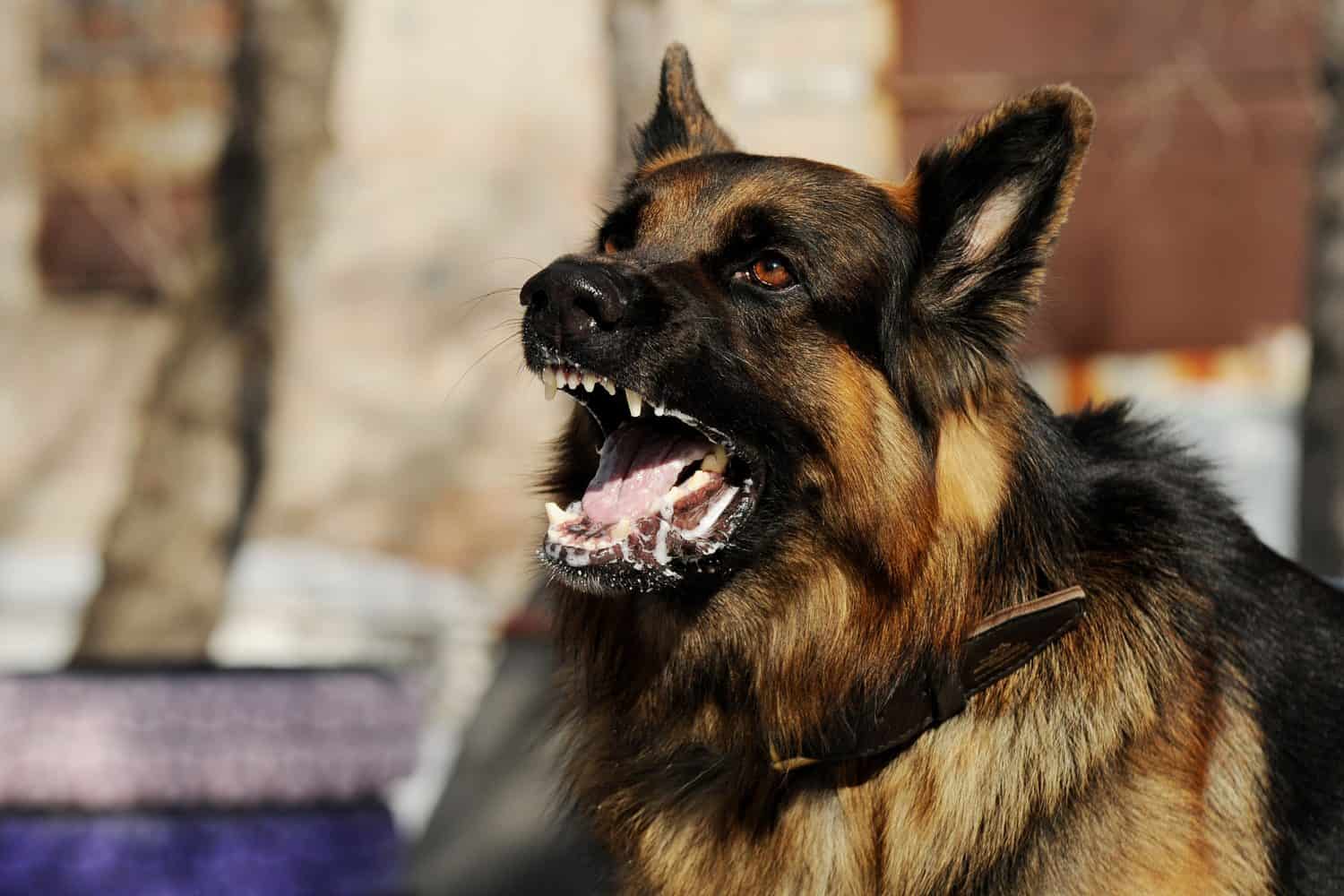
Before labeling a dog as aggressive, it helps to understand what aggression actually is. Veterinary behavior resources such as the Merck Veterinary Manual describe aggression as a range of behaviors, including growling, snapping, lunging, biting, and basically any tactic that increases distance from a perceived threat or to protect something the dog values.
Trauma and past events are more likely to shape an aggressive dog than their breed.
Teagan Coleman, animal behaviorist and owner of NLR Explore Dog Training
Coleman puts it this way: “Aggressive dogs aren’t the norm. Chances are that, even if you think you have an aggressive dog, it’s more likely your dog just lacks confidence and is acting out of fear rather than anger.” That perspective is also outlined by clinics like VCA Animal Hospitals, which explain that dogs often use aggressive displays when they feel trapped or overwhelmed.
It’s also important to remember that certain behaviors or body language that people find alarming are actually normal dog communication. However, when those typically routine signals are punished or ignored, dogs often learn to bite or behave more aggressively because subtle warnings no longer work for them.
How Experience and Trauma Shape Behavior
Fear-based punishment only creates more problems.
©alexei_tm/Shutterstock.com
A dog’s early life has a significant influence on how it responds to the world. Puppies that are gently and positively exposed to a variety of people, places, sounds, and other animals are more likely to grow into confident adults.
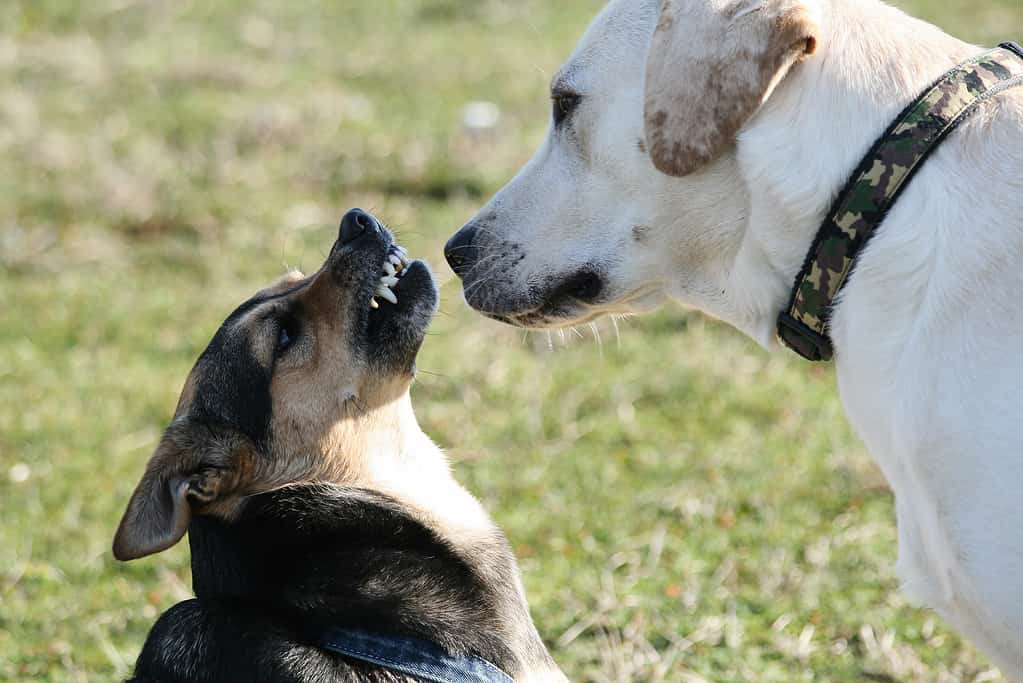
Reviews of canine fear and aggression, like those found in Journal of Veterinary Behavior, note that lack of socialization, fear-based punishment, and other frightening experiences can all increase the risk of reactivity or aggression later on in a pup’s life.
Coleman sees this often in the dogs she works with. “Trauma and past events are more likely to shape an aggressive dog than their breed,” she says. “If a dog has been abused or conditioned to react in an aggressive way to defend themselves, that’s where true aggression exists.”
Aggressive patterns can become habitual, as dogs continue to rely on survival strategies that were effective for them in the past. Effective behavior plans focus on changing those associations, teaching dogs that people and other animals bring benefit, not pain or fear. However, there are other reasons a dog might behave aggressively, including some that are not immediately apparent.
The Hidden Role of Pain and Medical Issues in Aggressive Dogs

©Beach Creatives/Shutterstock.com
Veterinary resources on aggression state that poor health contributors such as arthritis, dental disease, chronic pain, hormonal problems, brain changes, and even sensory loss can cause irritability and aggression. Oftentimes, we aren’t aware of these medical issues until new, negative behaviors begin.
Coleman agrees, stating, “Medical issues are another thing that can cause dogs to behave aggressively. If they’re in pain, dogs are more likely to bite or defend themselves, because they don’t understand why they’re hurting and don’t want to hurt anymore.”
In her own career, Coleman has seen the rarity of true, untreatable aggression. Over the past decade, she’s only ever dealt with three truly aggressive dogs. “One was so abused that rehab just wasn’t possible, and the other two became aggressive due to dementia and brain trauma,” she says.
Because of all this, any sudden change in temperament, especially in an older dog, should be a red flag for owners. Treating pain or neurological disease through a qualified vet can dramatically change behavior in some cases. But not all situations are so clear-cut.
Is It the Breed? What Genetics Can and Can’t Explain
©Lucius Scala/iStock via Getty Images
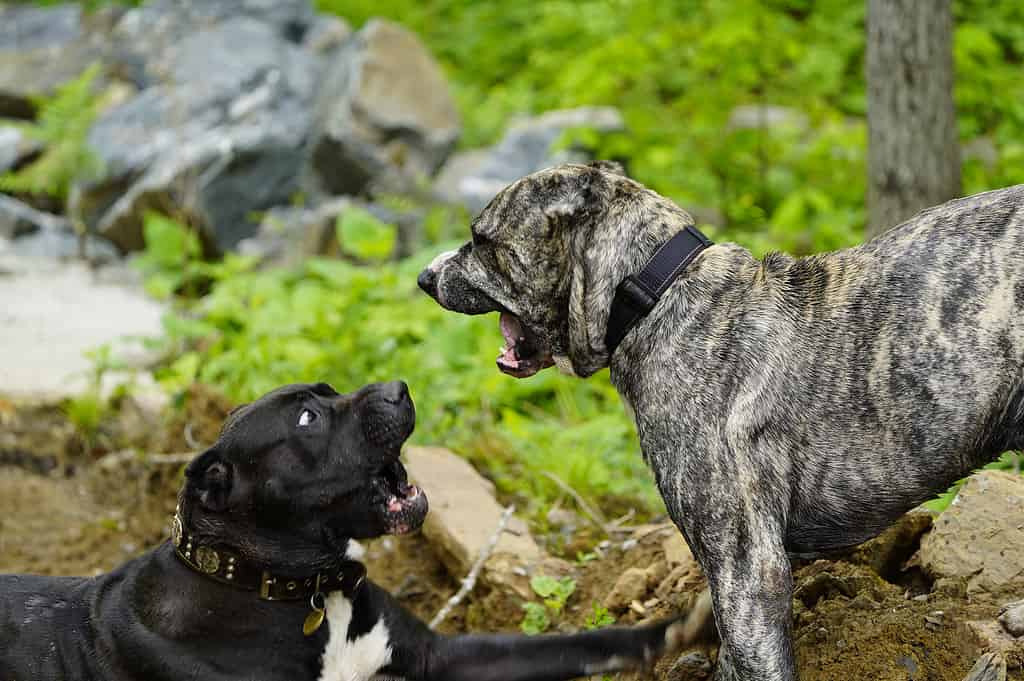
Breed is one of the first factors people blame when a dog bites, but certain breeds are misrepresented in bite and fatality statistics. An American Veterinary Medical Association review on dog bite risk and prevention states that many different breeds are involved in serious bites; breed alone is a poor predictor of individual behavior, especially when reporting bias and misidentification are common.
Coleman says Cane Corsos are an example of how breed reputation is often misunderstood. “Cane Corsos are big dogs and can exhibit aggressive behavior, but that behavior typically comes out when they’re defending their pack or family members from what they view as a threat,” she says.
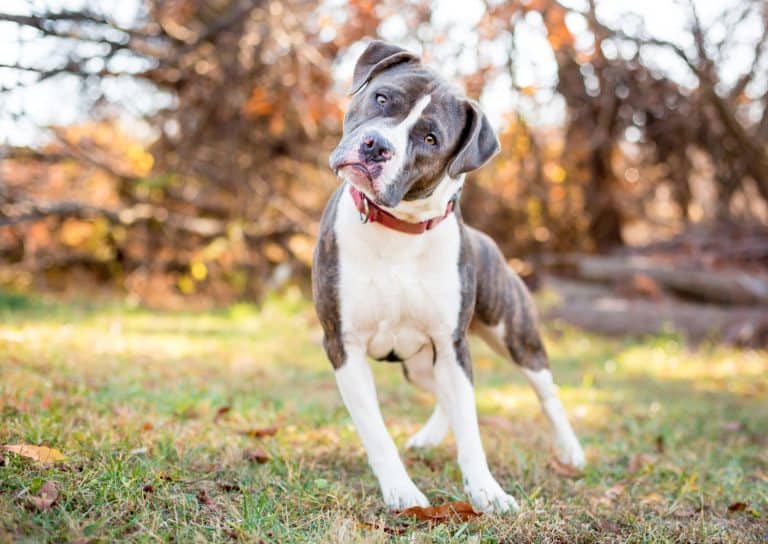
Pit bull–type dogs are another group that is generally misunderstood. Coleman’s own experience is very different from the public image of these specific pups. “Pit bulls are my favorite dog breed, but they’re also a breed that’s earned an unfair reputation for aggression,” she states. “In reality, pit bulls are one of the most empathetic dog breeds on the planet. They will do anything to please their owners, and a lot of owners end up training aggressive or protective instincts into this breed of dog.”
Prey Drive Influencing Dog Breeds and Aggressive Tendencies
©alexei_tm/Shutterstock.com
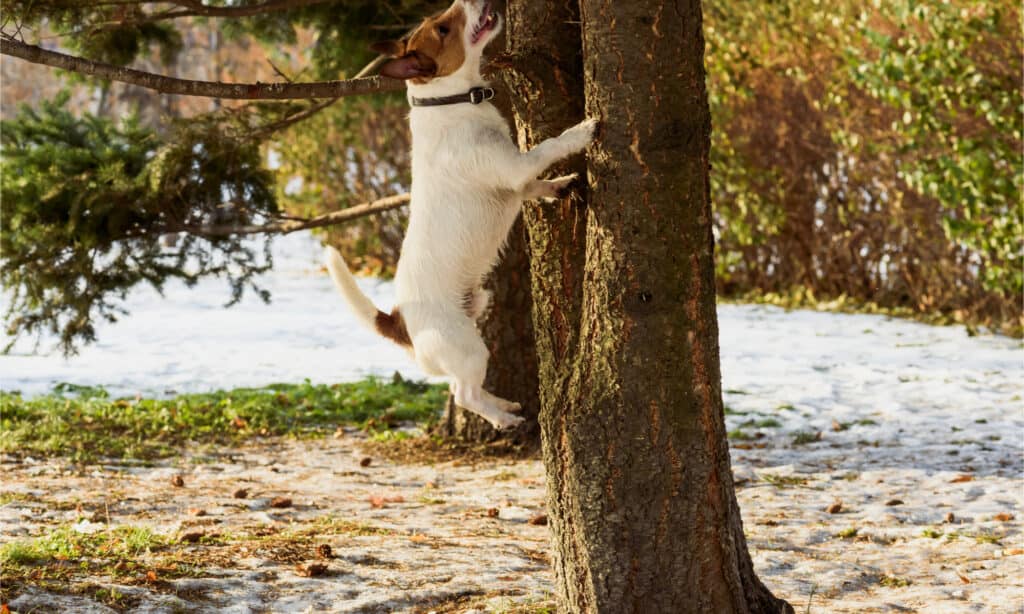
Coleman reminds us that breed is only one potential piece of the puzzle. “If dogs are aggressive around other dogs or animals, they’ve either had bad experiences with dogs in the past or are acting on their prey drives. Breed can have more to do with prey drive than straight aggression; some dog breeds aren’t a good fit for homes with small animals.”
Prey drive, an instinctive urge to chase, grab, and occasionally kill moving critters, is a behavior that’s strongest in working and hunting breeds. Training resources that focus on herding and hunting dogs, like this one from Rover’s dog training library, explain that nipping heels, chasing kids, or stalking cats or other small animals can be normal instinctive behaviors rather than random aggression. However, how those instincts are dealt with depends on training, management, and environment.
Genetics can influence behavioral tendencies, such as how easily a dog is startled, how much it wants to chase, or how quickly it escalates when upset. However, genetics is not the only factor. A sensitive herding dog raised with patient, positive training may become an ideal companion, while the same breed raised in a chaotic, punitive home may develop into a fearful, reactive dog that is more likely to have behavioral issues.
When Growling, Nipping, and Biting Aren’t Aggressive
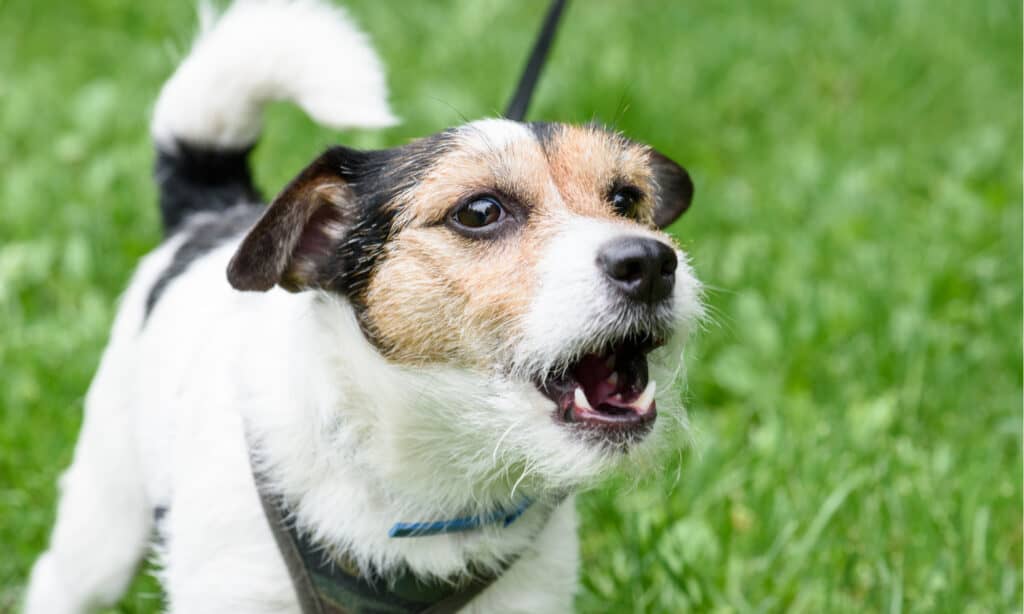
A dog’s snarl or growl isn’t necessarily a sign of aggression.
©Alexandra Morrison Photo/Shutterstock.com
Not every frightening behavior is a serious aggression problem. Dogs use their mouths and vocalizations much more than humans do, which can concern dog owners, especially those who are new to having dogs as pets.
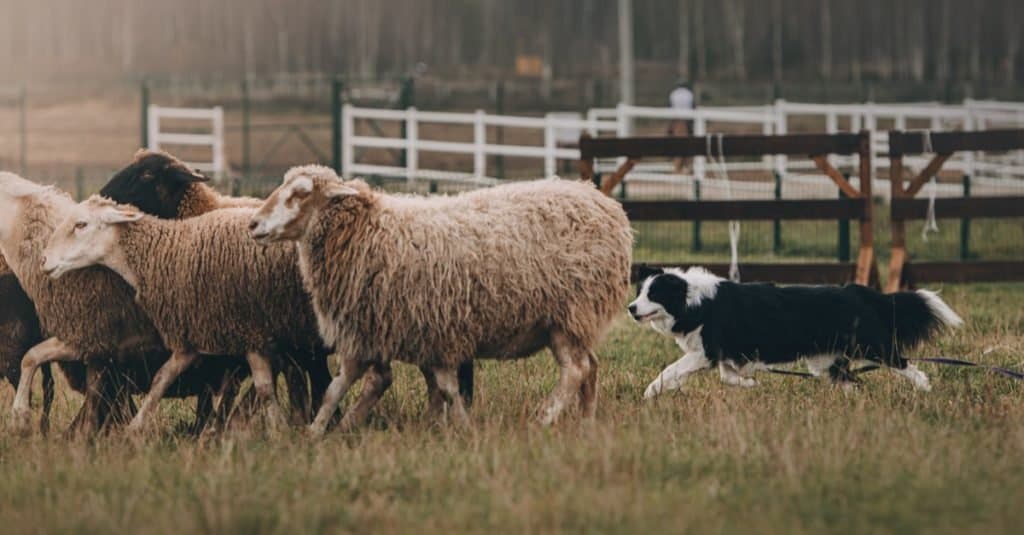
“Just because your dog snarls or growls doesn’t mean they’re aggressive. This is normal behavior for dogs, especially if they’re playing or encountering something that they think their pack needs protection from,” Coleman says. “Nipping or light biting is also a behavior associated more with certain breeds, like herding dogs. It isn’t aggression; it’s just what they’ve been bred to do.”
Herding breeds in particular have been selected for generations to control movement with eye contact, their body language, and nipping. In particular, heel-nipping or chasing running children is rooted in instinct, not aggression. The key is to provide these dogs with appropriate outlets for their energy and to teach clear boundaries through consistent training, so they do not direct their instincts toward family members.
However, this doesn’t mean owners should ignore certain warning signs. A dog that growls when approached near its food or stiffens when touched may be telling you it’s uncomfortable. The goal is not to punish those signals, but to work with a qualified trainer or behavior consultant to understand why the dog feels threatened and how to change that emotion safely, without reinforcing aggressive behavior.
Reporting Aggression and the Real-World Consequences
©Take Photo/Shutterstock.com
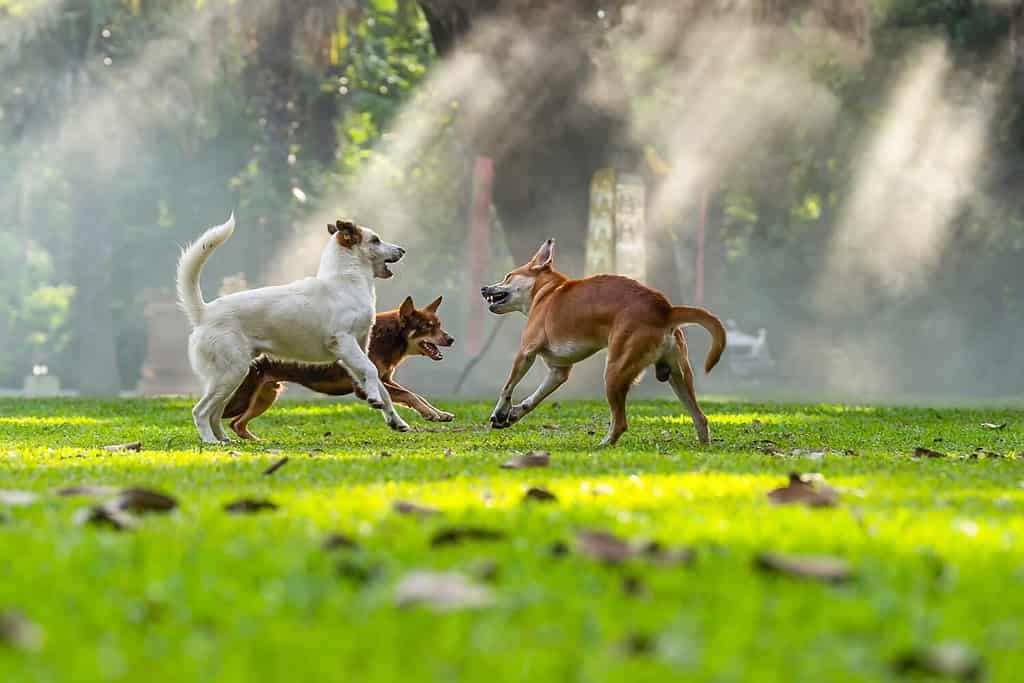
Because the word aggressive carries legal and emotional weight, mislabeling normal or low-level behaviors can have serious consequences for dogs, especially large breeds or those with stigmatized reputations.
Coleman urged owners to take this responsibility seriously: “It’s important to understand dogs before reporting any potentially aggressive cases. A bite that doesn’t break skin, especially one that happens during play, shouldn’t be reported as aggression. Dogs that are reported to the county as aggressive end up with marks against them, and there’s only so many marks one dog can get before they have to be put down.”
Guides on dog bite reporting explain that repeated reports or certain types of incidents can trigger investigations, mandatory muzzling, or even euthanasia in some jurisdictions. Understanding what truly constitutes dangerous aggression versus normal play, warning, or instinctive behavior can become a life-or-death situation for some dogs.
Why Some Dogs Are Gentler Than Others

©Chebakalex7/Shutterstock.com
So, why is it possible for one dog to lounge calmly at a busy cafe, greeting strangers all day, while another freaks out at the sight of a single jogger? Ultimately, it comes down to a complicated combination of factors:
- Genetics and breed tendencies (like sensitivity, guarding, or prey drive)
- Early socialization and learning history, including trauma or chronic stress
- Their current environment, such as instability at home or a lack of exercise
- Medical and neurological health, including pain and cognitive changes
- Training methods, especially whether fear-based tools or punishment are used
When those pieces line up in a positive way, dogs are much more likely to be relaxed and tolerant, capable of handling unknown situations with confidence. When they don’t, even a dog from a supposedly friendly breed can become reactive or, in rare cases, truly aggressive.
If you’re worried about your own dog’s behavior, begin with these two steps: schedule a thorough veterinary exam to rule out pain or illness, and seek an evaluation from a qualified, reward-based trainer or behaviorist. With the right help, many dogs who appear aggressive at first glance can become safer, more confident companions, allowing them to lead a fulfilling life.