
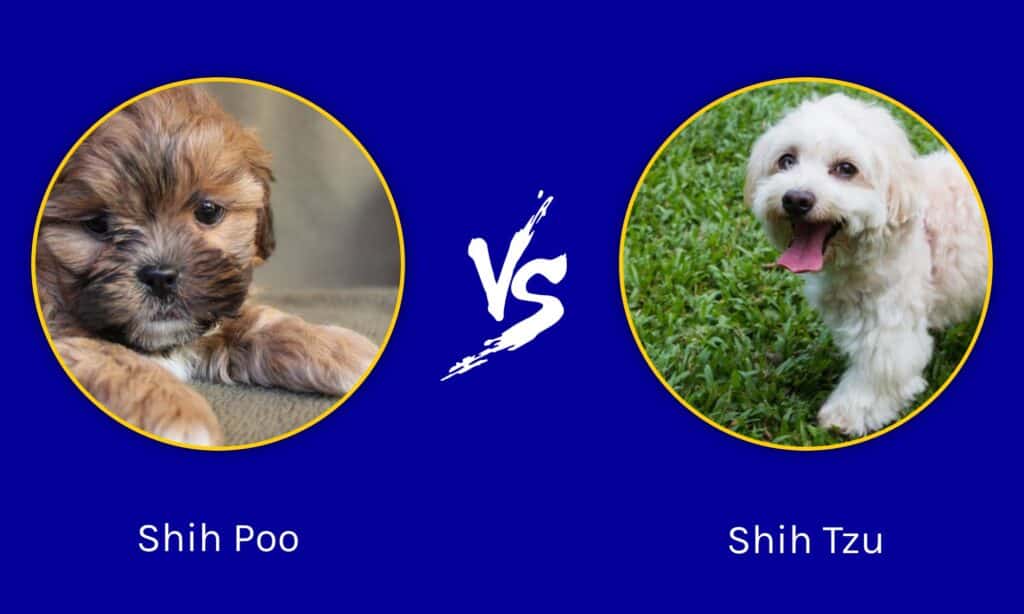
Shih Tzus are purebred dogs, while Shih Poos are a cross between a Shih Tzu and toy or miniature Poodle. This makes Shih Tzus a little more predictable than Shih Poo puppies, which may have more variable traits. Both animals make excellent companions, but what sets these two small dogs apart? Read on to discover the key differences between Shih Poos and Shih Tzus.
Comparing Shih Poo vs. Shih Tzu
| Shih Poo | Shih Tzu | |
|---|---|---|
| Size | Depends on poodle parent; 7-15 pounds; 8-15 inches tall | 9-16 pounds; 9-10.5 inches tall |
| Fur Texture | Short or long fur, may be curly or straight | Long, straight fur but can have some wave |
| Color | Apricot, black, blue, brindle, café au lait, cream, gray, gold, red, silver, silver beige, white, or a combination of these colors | Black, white, blue, brindle, gold, liver, red, silver, or a combination of these colors |
| Temperament | Playful, affectionate, intelligent, good with children, can have separation anxiety; should be introduced to companions as puppies | Affectionate, good with children, friendly with other dogs, adaptable; can be cautious around strangers |
| Energy Level | Moderate to high | Moderate |
| Trainability | Easy to very easy; can be willful if they take after their Shi Tzu parent | Easy to train but have a stubborn streak |
Shih Poo vs. Shih Tzu: Crossbred vs. Purebred
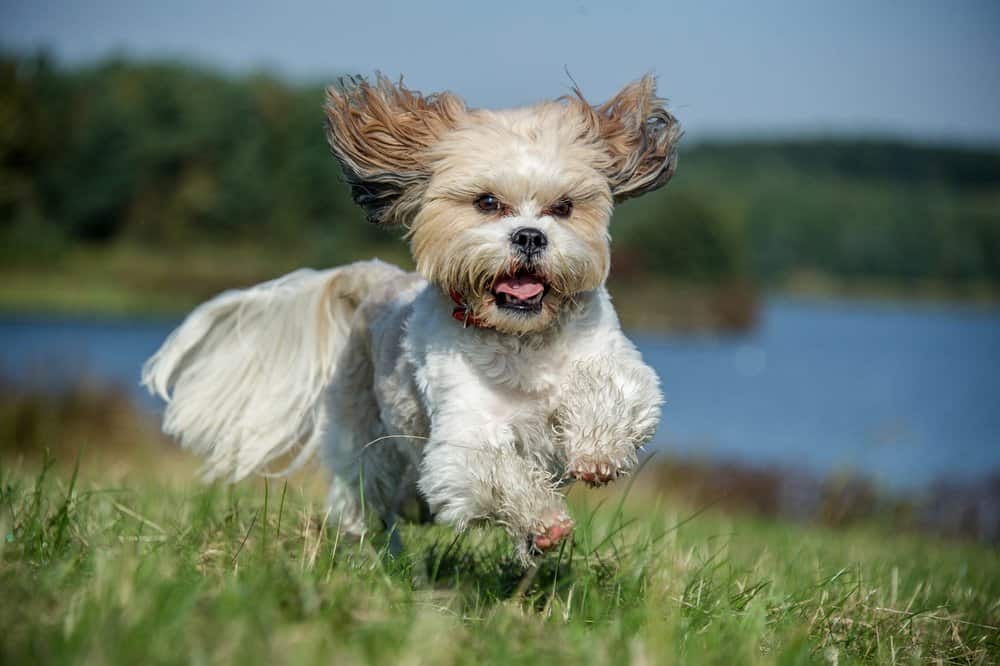
Shih Tzus are purebred dogs recognized by the American Kennel Club.
©rebeccaashworth/Shutterstock.com
As mentioned above, Shih Poos are a mixed breed. They are sometimes known as designer breeds or hybrids because they are purposefully crossbred from different purebred dogs to combine specific traits that people find desirable. They differ from “mutts” because their parents are known and they were bred intentionally. A Shih Poo’s poodle parent can be either a toy poodle or a miniature poodle, which will dictate its size. Having parents of different breeds can make the puppies’ traits unpredictable. They can look or act exactly like one breed or have a good mix of each parent’s traits.
Shih Tzus, on the other hand, are purebred dogs recognized by the American Kennel Club (AKC). This means the dog can participate in AKC events and be registered in the Stud Book, which is a record of their bloodline. Purebred dogs also have official breed standards, which are created to assist breeders and judges in ensuring the dog meets the ideal characteristics of the breed.
Key Differences Between Shih Poos and Shih Tzus
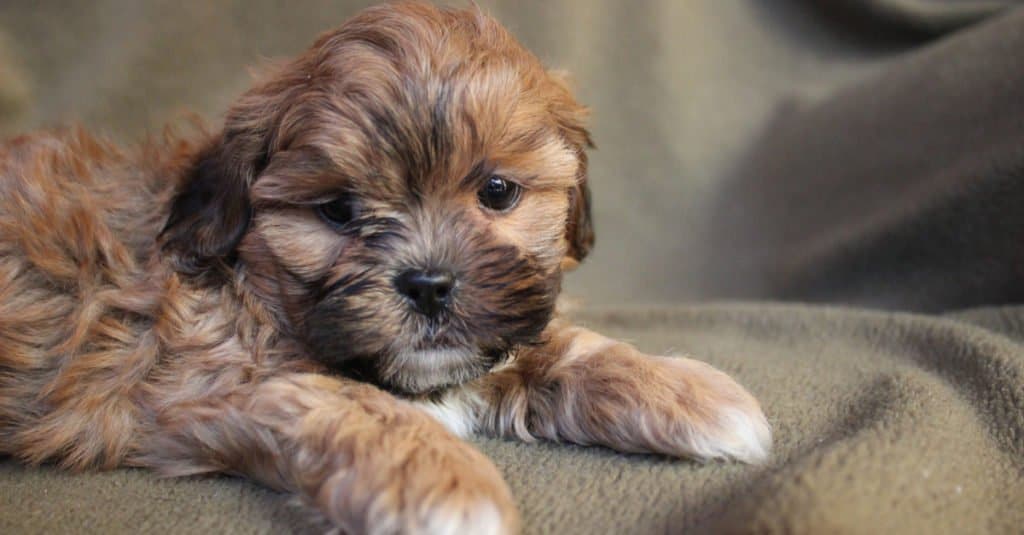
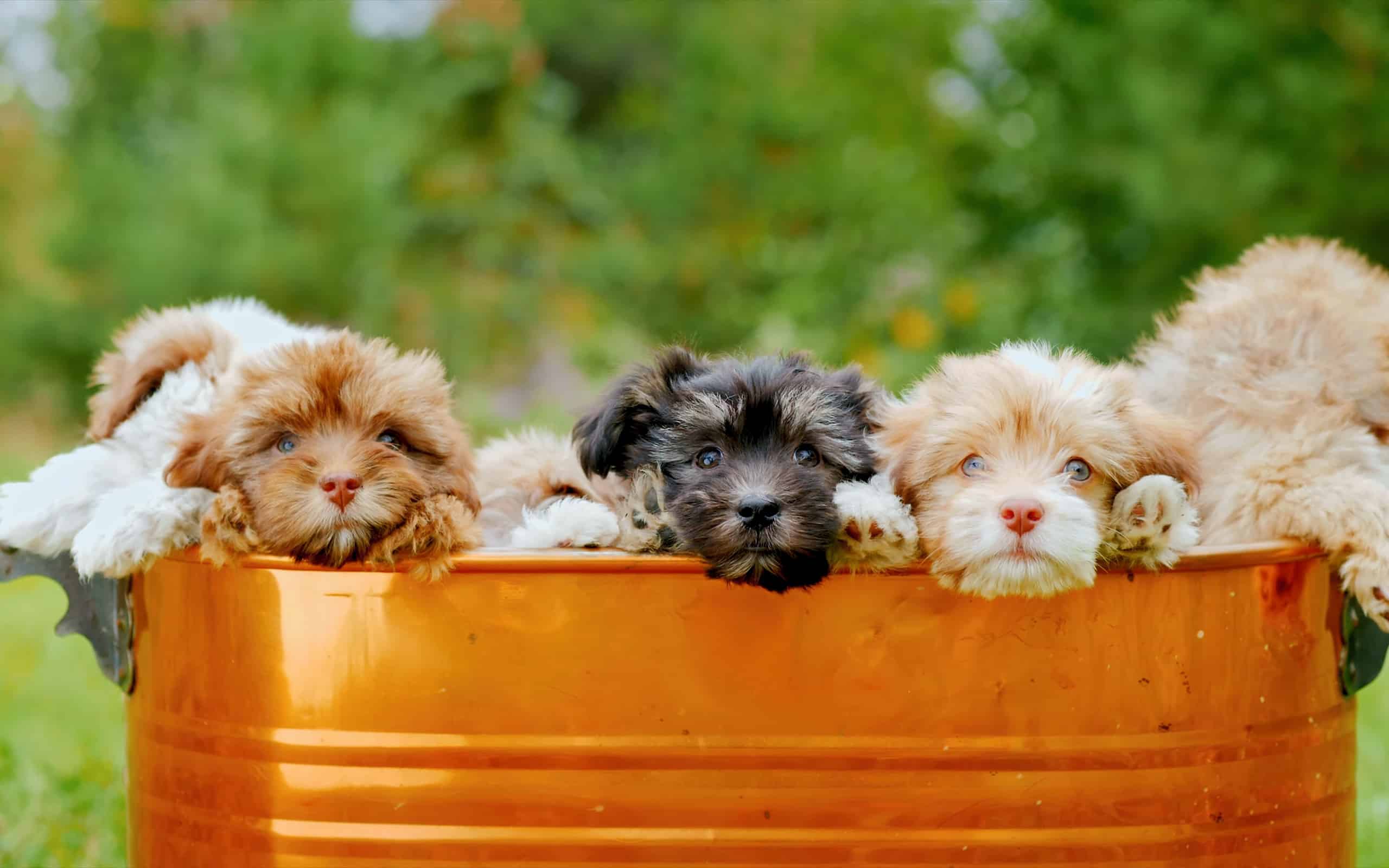
Shih Poo puppies can look or act like one parent or have a good mix of each parent’s traits.
©Cinda-lu/Shutterstock.com
Shih Poos and Shih Tzus differ in more ways than just their parentage. Other notable differences include size, fur texture, color, temperament, energy level, and trainability. Explore these differences in greater detail in the sections below.
Size
A Shih Poo’s size partially depends on its poodle parent. If its poodle parent is a toy poodle, the Shih Poo may be on the smaller side, as toy poodles generally weigh between 4 to 9 pounds and stand no more than 10 inches tall. However, miniature poodles can weigh between 10 to 15 pounds and measure from 10 to 15 inches tall. Therefore, a Shih Poo generally weighs between 7 and 15 pounds and measures 8 to 15 inches tall.
At 9 to 16 pounds, a Shih Tzu may be similar in weight to a Shih Poo. However, since a miniature poodle can be up to 15 inches tall, a Shih Poo may be taller than a Shih Tzu, which measures just 9 to 10.5 inches in height.
Fur Texture
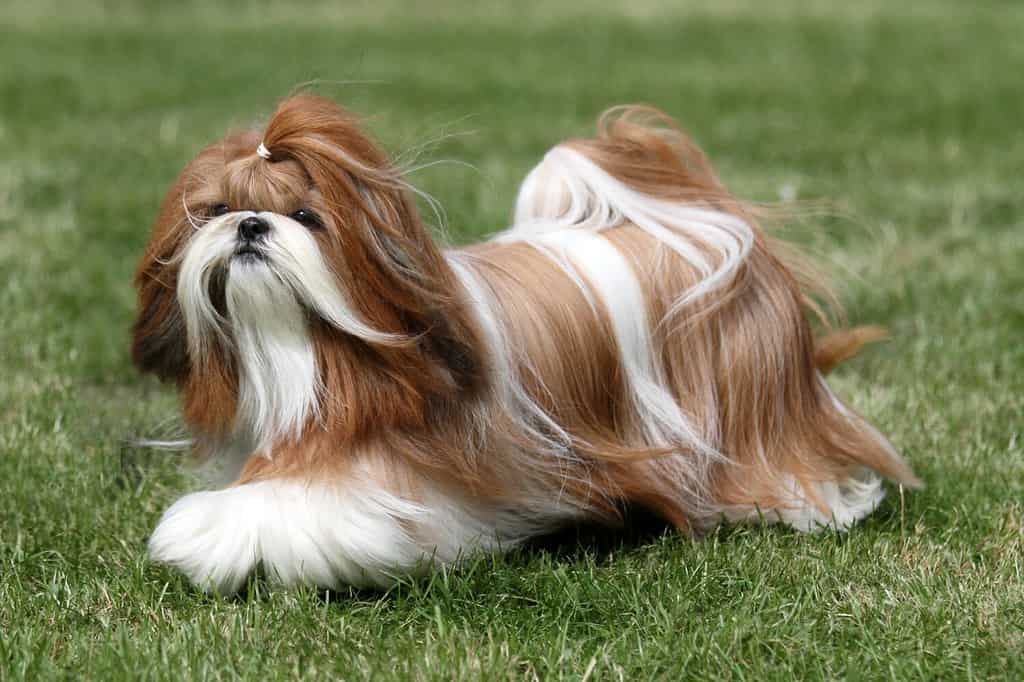
Shih Tzus have dense, double coats of long, flowing hair.
©Sue Thatcher/Shutterstock.com
Shih Tzus have straight, human-like hair that rarely sheds. Poodles have short, curly hair. As a result, a Shih Poo puppy may end up with long, straight hair like the Shih Tzu, short, curly hair like the poodle, or somewhere in between, depending on which parent they take after.
Shih Tzus have dense, double coats of long, flowing hair, which may also have a slight wave. Show dogs often have their hair tied up on top of the head. They may also be trimmed around the feet, at the bottom of the coat, and around the anus to ensure the dog is tidy and has freedom of movement.
Color
Shih Poos can inherit colors from both parent breeds and may be born with a wide variety of fur colors and combinations. These include:
- Apricot
- Black
- Blue
- Brindle
- Café au lait
- Cream
- Gray
- Gold
- Red
- Silver
- Silver beige
- White
Shih Poos are also more likely to have markings and combined colors.
Shih Tzus also have a number of color variations, including black, blue, brindle, gold, liver, red, and silver, plus any of the named colors mixed with white. They can have tan markings, black markings, or a black mask on the face. Breed standards state that all colors and markings are permissible and should be considered equally.
Temperament
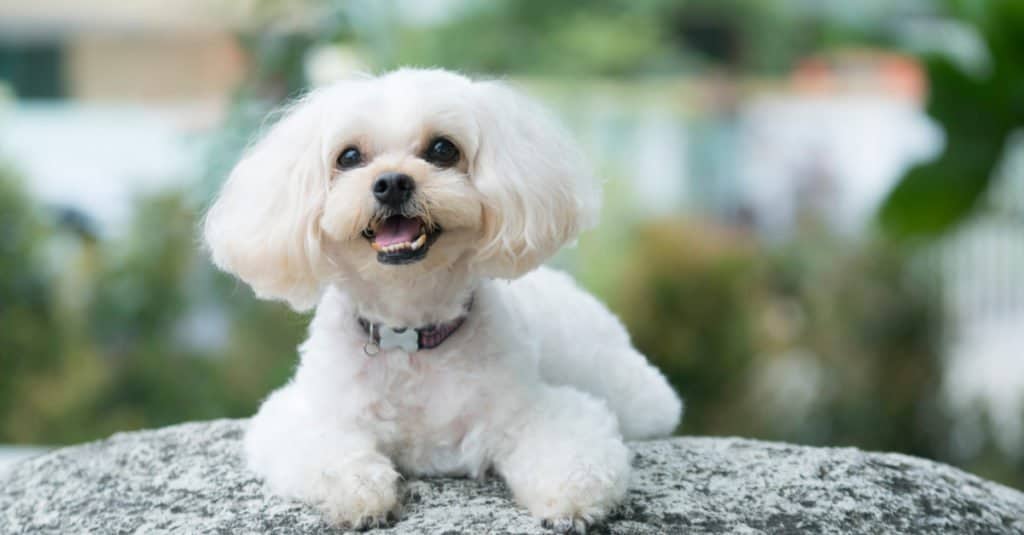
Shih Poos are more friendly with humans but may be more wary of other dogs.
©Lim Tiaw Leong/Shutterstock.com
Shih Tzus are affectionate, good with children, and adaptable. They are incredibly friendly toward other dogs but may be cautious around new people. Poodles are intelligent, spunky, and affectionate. They can be shy around other dogs but think all people are their friends. Shih Poos often exhibit the temperament of both parents, so they are typically affectionate, intelligent, and good with children. However, some sources suggest they can have separation anxiety. As poodles can be cautious around other dogs, experts recommend Shih Poos be introduced to companions as puppies.
No matter what breed of dog you adopt, it’s important to socialize them at a young age. This helps them grow confident and makes them less likely to fear new people, places, and animals. It’s also crucial to take new pet introductions slowly and supervise them until you’re positive your pets can get along without you around.
Energy Level
Shih Tzus have lower energy levels than Shih Poos. Shih Tzus’ exercise requirements can often be met by playing fetch in the living room and taking short walks with their owners. Indoor playtime is actually best for them on hot days, since their brachycephalic snouts give them low exercise and heat tolerance.
Your Shih Poo’s exercise and heat tolerance may be dictated by the snout length they’ve inherited. A shorter snout, like a Shih Tzu, can mean less exercise and heat tolerance. Poodles have longer snouts and high energy requirements. They’re also intelligent dogs that require plenty of mental stimulation in the form of puzzle toys, training, or games that challenge their minds. So, if your Shih Poo has a longer snout, it may have higher energy levels and will require more exercise.
Trainability
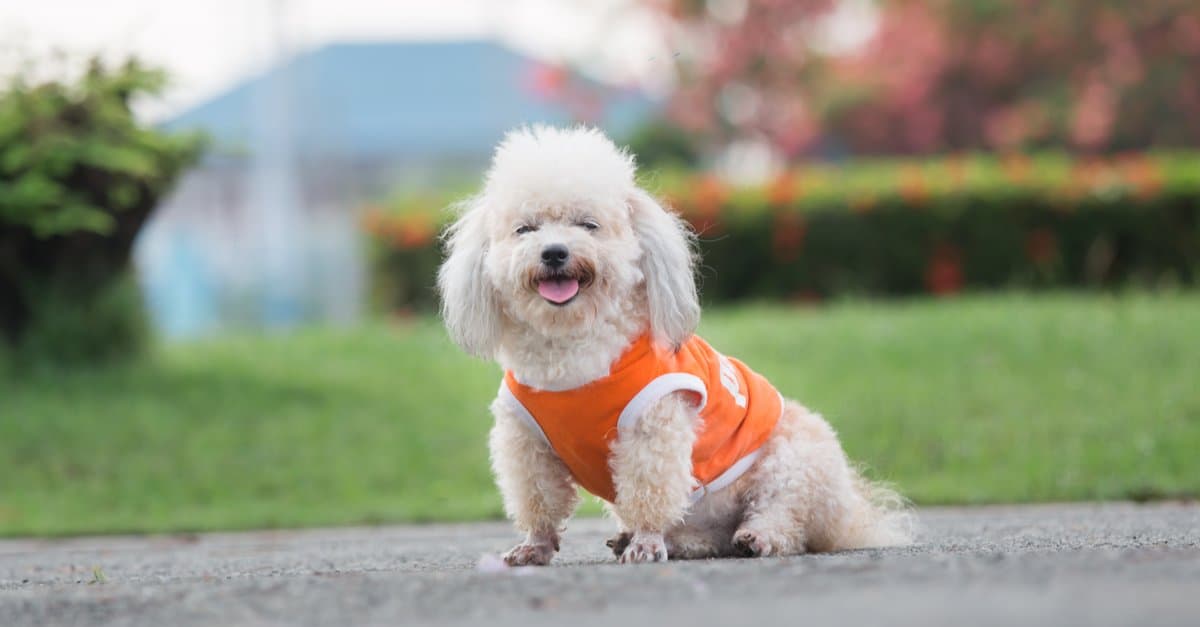
Shih Poos are typically easy to train, but they can sometimes be willful like their Shih Tzu parent.
©ManoyMeaw/Shutterstock.com
Shih Tzus and poodles are both intelligent dogs, so Shih Poos can be easy to train. However, poodles are much more eager to please, while Shih Tzus have a stubborn streak. If your Shih Poo takes after its poodle parent, it might be easier to train — or it might channel all of the stubbornness of its Shih Tzu ancestors when given a command.
Regardless of which parent a Shih Poo takes after, when it comes to trainability, consistency is key. Shih Poos that inherit their Shih Tzu parent’s willfulness do well with training methods based on praise and rewards. Poodles also do best with positive reinforcement. Firm but patient training will help turn your Shih Poo into a well-mannered pup.