

S
Species Profile

Shih Poo

Canis lupus familiaris

Big charm in a small curl.
Bonita R. Cheshier/Shutterstock.com

Shih Poo Distribution

Click a location to explore more animals from that region

Origin Location

This map shows the native origin of the Shih Poo. As a domesticated species, they are now found worldwide.

Loading map...

Found in 1 state/province

Size Comparison

Human 5'8"
Shih Poo 11 in

Shih Poo stands at 16% of average human height.

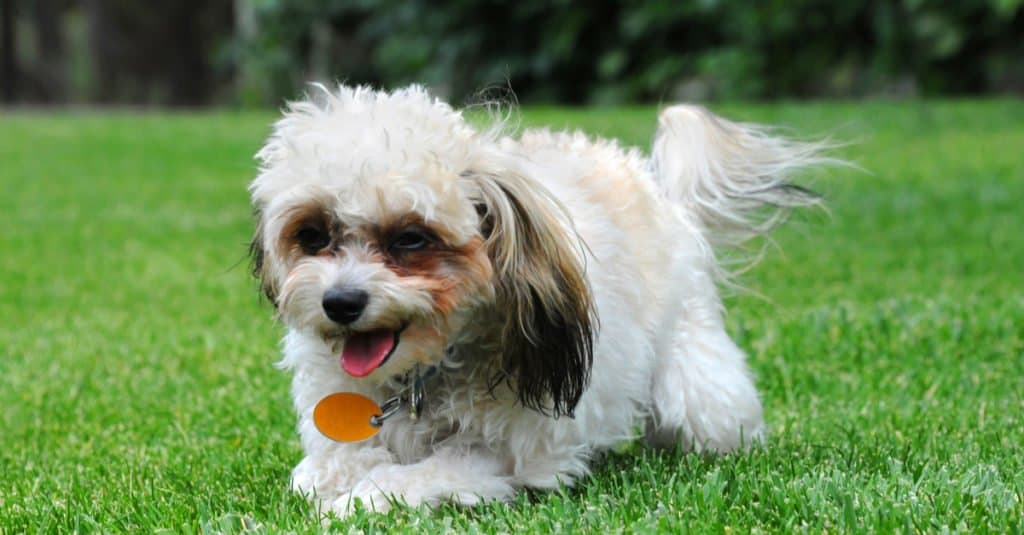
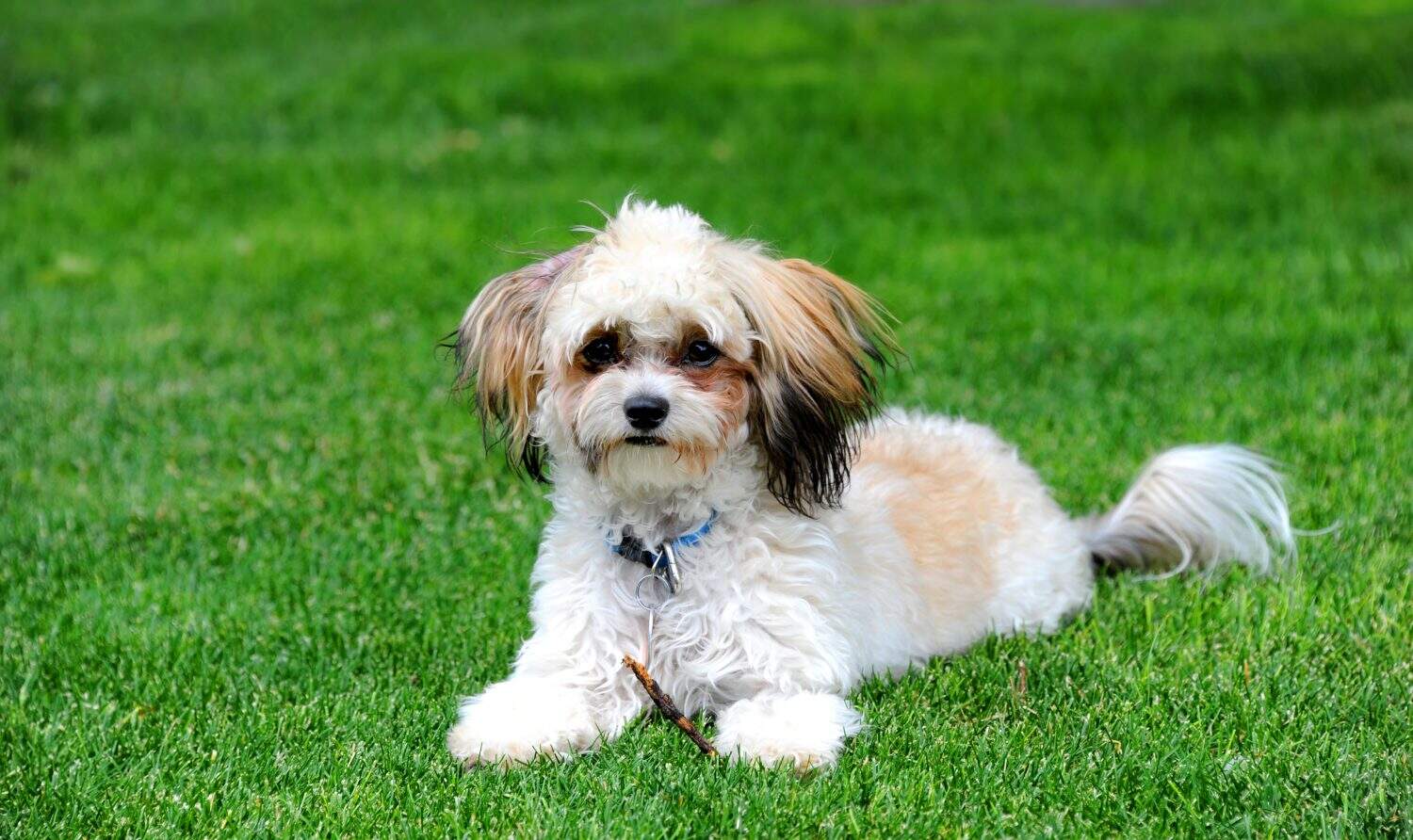
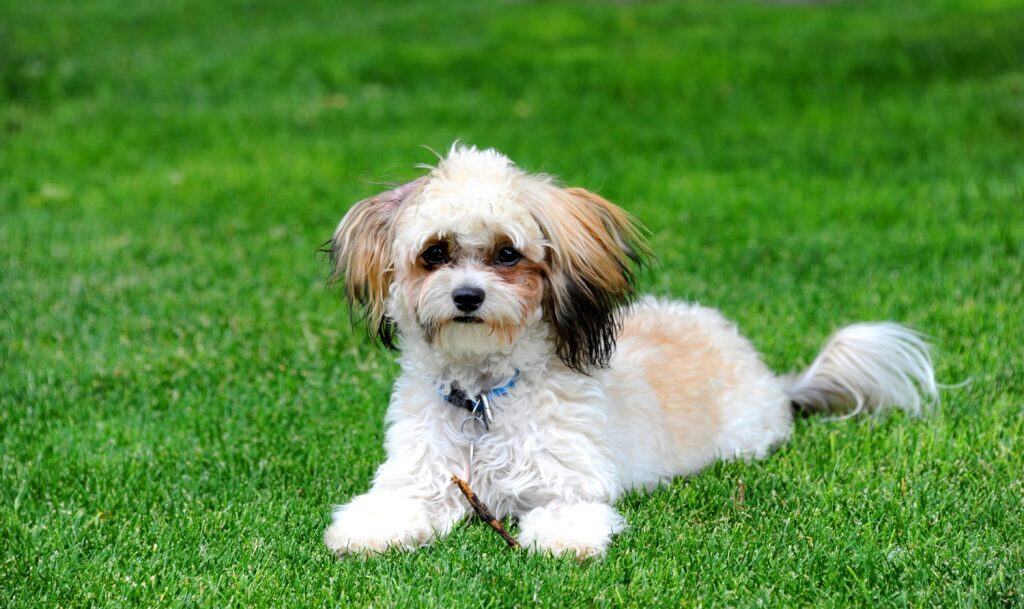
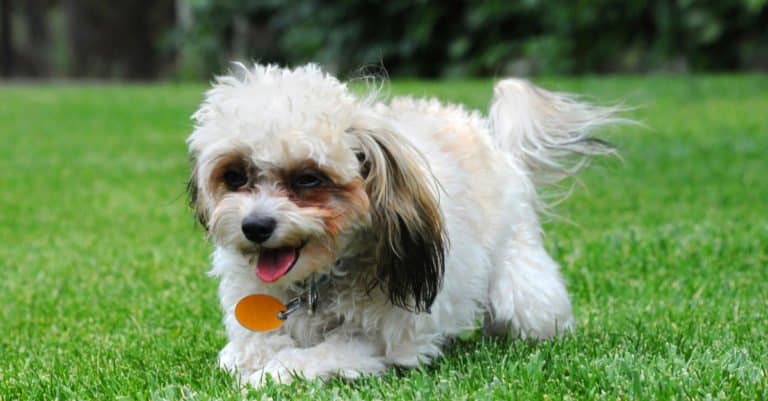
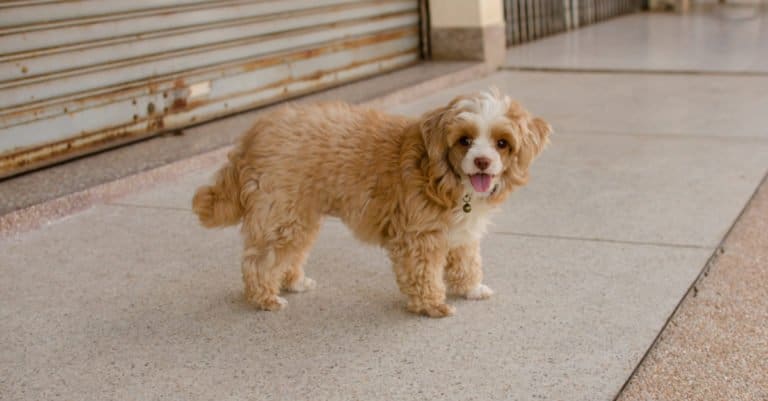
Shih Poo plays with a stick as she lays on the green grass outside. Her head is up and she is looking at the camera.

At a Glance

Domesticated
Also Known As Shihpoo, Shih Poo, Shi-poo, Designer dog, Hybrid dog
Diet Omnivore
Activity Diurnal+
Lifespan 13 years
Weight 10 lbs
Status Not Evaluated
Did You Know?

"Shih-poo" isn't a standardized pure breed-litters can vary widely in size, face shape, and coat even with the same parent types.

Scientific Classification

The Shih-poo is a companion dog produced by crossing a Shih Tzu with a Poodle (often Toy or Miniature). As a ‘designer cross’, it is not a distinct species; it belongs to the domestic dog lineage.

Kingdom
Animalia
Phylum
Chordata
Class
Mammalia
Order
Carnivora
Family
Canidae
Genus
Canis
Species
Canis lupus

Distinguishing Features

  • Small companion-dog build typical of Shih Tzu/Poodle crosses
  • Coat often wavy to curly; shedding level varies by individual
  • Shorter muzzle may occur (Shih Tzu influence), but can vary widely
  • High variability in size and coat depending on the Poodle parent (Toy vs Miniature) and generation

Physical Measurements

Males and females differ in size

Height
11 in (8 in – 1 ft 1 in)
11 in (8 in – 1 ft 2 in)
Length
1 ft 6 in (1 ft 2 in – 1 ft 10 in)
1 ft 9 in (1 ft 5 in – 2 ft 1 in)
Weight
15 lbs (9 lbs – 22 lbs)
12 lbs (7 lbs – 17 lbs)
Tail Length
6 in (4 in – 7 in)
6 in (5 in – 7 in)
Top Speed
17 mph
running

Appearance

Primary Colors
Secondary Colors
Skin Type Domestic dog skin with dense hair follicles; often sensitive and allergy-prone, requiring regular grooming to prevent irritation, matting, and secondary skin infections.
Distinctive Features
  • Designer cross (Shih Tzu × Toy/Mini Poodle): not a standardized kennel-club breed; appearance varies by parent traits.
  • Small companion build compared with the base species (domestic dog lineage of Canis lupus familiaris); typically compact and indoor-oriented.
  • Coat commonly wavy-to-curly and low-shedding, but not truly hypoallergenic; matting risk is high.
  • Facial features can range from moderately brachycephalic (Shih Tzu-like) to longer-muzzled (Poodle-like); underbite may occur.
  • Large, round eyes with frequent tear staining; daily eye wiping may be needed.
  • Drop ears with hair growth in the ear canal; higher risk of otitis, requiring routine ear cleaning/drying.
  • Plumed tail often carried over the back; soft "teddy-bear" outline when groomed.
  • Care: daily-to-frequent brushing and professional grooming every ~4-8 weeks to prevent mats and skin issues.
  • Care: dental hygiene is critical (small-dog crowding); regular brushing and professional cleanings reduce periodontal disease.
  • Care: moderate exercise needs; short walks and play, with heat/cold caution if short-muzzled or closely clipped.
  • Common health concerns: patellar luxation, dental disease, allergies/atopy, recurrent ear infections.
  • Additional concerns seen in parent lines: tracheal collapse, brachycephalic airway issues (in flatter-faced dogs), hip dysplasia/Legg-Calvé-Perthes, eye disease (cataracts/PRA).

Sexual Dimorphism

Sexual dimorphism is mild: males are often slightly heavier with broader heads and chest, while females tend to be lighter and finer-boned. Coat type and color are not sex-linked and vary more by parentage than by sex.

  • Slightly larger average size and weight
  • Broader chest/neck; more robust head in some individuals
  • Slightly smaller, finer-boned frame
  • May appear more lightly built through waist and shoulders

Did You Know?

"Shih-poo" isn't a standardized pure breed-litters can vary widely in size, face shape, and coat even with the same parent types.

Many Shih-poos inherit a Poodle-like, low-shedding coat, but "hypoallergenic" isn't guaranteed; dander and saliva allergies can still flare.

They're typically bred from Toy or Miniature Poodles, helping keep adult size in the small-companion range.

Because both parent breeds were developed for human companionship (Shih Tzu) or close partnership (Poodle as a working retriever), Shih-poos often bond intensely with one family.

Coat textures can range from straight and silky (Shih Tzu-leaning) to curly and woolly (Poodle-leaning), with grooming needs to match.

Their intelligence and people-focus can make them fast learners-but also skilled at "training" humans for treats and attention.

Unique Adaptations

  • Companion-specialized temperament: compared with the base species (gray wolf lineage), Shih-poos are selected for sociability, reduced fear/aggression, and comfort living in close human spaces.
  • Coat versatility: potential for a low-shedding, continuously growing coat (Poodle influence) that can reduce loose hair in the home-paired with high grooming demands.
  • Apartment-friendly energy economy: small body size and moderate exercise needs allow healthy living with short walks and indoor play, unlike the endurance demands typical of wild canids.
  • Enhanced trainability potential: Poodle heritage often boosts responsiveness to cues and puzzle-style enrichment, supporting cooperative "human-guided" problem solving.

Interesting Behaviors

  • "Velcro dog" shadowing: following caregivers room-to-room, seeking lap time and physical contact.
  • Alert yapping at door noises or new sights-often more watchdog-like than their tiny size suggests.
  • Play-bow bursts and "zoomies" indoors, then quickly settling back into cuddles.
  • Face-rubbing and "moustache wiping" after drinking or eating (common in Shih Tzu-influenced facial furnishings).
  • Toy carrying and gentle retrieving, sometimes reflecting Poodle retrieving instincts in miniature.
  • Preference for routine: many do best with predictable meal, potty, and quiet-time schedules to reduce anxiety.

Cultural Significance

Shih-poo (Canis lupus familiaris) is a mixed cross of Shih Tzu and Poodle. Bred to mix the Shih Tzu's loving lap-dog ways with the Poodle's ease of training and low-shedding coat. Not usually kennel-club recognized, popular as family and apartment pets.

Myths & Legends

In Tibetan and Chinese tradition, the Shih Tzu's "lion dog" ancestry is tied to stories of small temple dogs associated with lions-symbols of protection and sacred guardianship in Buddhist art.

A famous Buddhist story says the Buddha traveled with a small dog that could turn into a lion to protect him. Lion-dog breeds like the Shih Tzu are often tied to this tale.

Chinese imperial court lore celebrated small "lion" companion dogs as treasured palace animals, sometimes believed to bring good fortune and to mirror the power of Chinese guardian lions.

European tales say Poodles were strong water dogs and smart retrievers that worked with people; their clipped coats are told as a practical way to protect joints and important organs in cold water.

The very name "Shih-poo" belongs to a modern naming tradition: playful portmanteaus that signal a deliberate cross and the hope of blending beloved traits-more cultural fashion than formal breed lineage.

Conservation Status

NE Not Evaluated

Has not yet been evaluated against the criteria.

Population Stable

Life Cycle

Birth 3 pups
Lifespan 13 years

Lifespan

In the Wild
10–16 years
In Captivity
10–18 years

Reproduction

Mating System Polygynandry
Social Structure Managed Domestic
Breeding Pattern Serial
Fertilization Managed Selective
Birth Type Managed_selective

Shih-poos reproduce under human-managed domestic breeding, with pairings selected for temperament, size, and coat. Natural, lasting pair bonds are not typical; individuals may mate with different partners across breeding cycles via internal fertilization.

Behavior & Ecology

Social Pack Group: 3
Activity Diurnal, Crepuscular, Cathemeral
Diet Omnivore Highly palatable, animal-protein-forward small-breed diet (e.g., chicken or turkey-based kibble/wet food)

Temperament

Affectionate, people-focused companion; typically less independent and less roam-driven than free-ranging dogs.
Playful and clownish; enjoys short bursts of activity with frequent rest and lap time.
Intelligent and trainable (Poodle influence); responds well to positive reinforcement and routines.
Alert and sometimes bark-prone; can function as a small watchdog despite friendly baseline.
Can develop separation distress if over-attached; benefits from gradual alone-time training.
Social behavior varies by early exposure: well-socialized individuals are outgoing; others may be timid or snappy when handled roughly.
HUBS: commonly forms strong caregiver bonds, seeks proximity, and shows greeting rituals; sociability varies by lineage and socialization.
Breed-specific care: high grooming demand (coat matting), regular ear cleaning, and daily dental care for small-jaw crowding.
Health-linked behavior considerations: heat sensitivity/airway limits in brachycephalic-influenced lines; avoid overexertion and hot/humid walks.
Common health concerns impacting welfare: patellar luxation, dental disease, ear infections, eye issues (dry eye/cataracts), allergies; PRA risk from Poodle lines.

Communication

Short, high-pitched alert barking
Whining/whimpering for attention or discomfort
Growling during fear or resource guarding If present
Excited yips during play
Occasional howls in response to sounds Uncommon
Tail wagging and whole-body wiggling during greetings
Face-licking/nuzzling to solicit attention and reinforce bonding
Pawing or nose-bumping to initiate play or request contact
Play bows and quick darting movements during social play
Ear and facial expression changes (wide eyes, squinting) signaling stress or appeasement
Scent investigation and limited marking; more common in intact males
Body stiffening/freezing as an early warning when overwhelmed by handling
Seeking proximity/leaning/being carried as a security-seeking signal

Habitat

Biomes:
Temperate Forest Temperate Grassland Boreal Forest (Taiga) Tundra Mediterranean Desert Hot Desert Cold Savanna Tropical Dry Forest Tropical Rainforest Alpine Wetland Freshwater Marine +8
Terrain:
Plains Coastal Hilly Mountainous Valley Island
Elevation: Up to 16404 ft 3 in

Ecological Role

Human-associated companion omnivore; not a distinct species but a domestic-dog breed cross adapted to living in human households rather than functioning as a wild predator.

companionship and social support (including potential therapy/ESA roles) motivates human activity through walking/play minor pest control in some settings (may chase small rodents/insects) acts as a human-managed consumer within urban/suburban ecosystems (food provided, waste produced)

Diet Details

Main Prey:
Small mammals Small birds Insects and other small invertebrates
Other Foods:
Fruit Vegetables Cooked grains and starches Grasses and plant matter

Human Interaction

Domestication Status

Domesticated

Canis lupus familiaris is the domestic dog that came from gray wolves after people bred them over time for tameness, social skills, and useful jobs like herding or hunting. The Shih-poo (Shih Tzu × Poodle) is a late 20th–21st century designer pet cross, not a standard breed; it is bred very small, friendly, and often low-shedding for indoor life.

Danger Level

Low
  • Bites/scratches (typically low-severity due to small size, but possible if fearful, in pain, or poorly socialized)
  • Zoonotic/parasite risks common to domestic dogs (e.g., ringworm, intestinal parasites) without proper prevention/hygiene
  • Allergen exposure (dander/saliva; 'low-shedding' coats are not allergen-free)
  • Trip/fall hazard in household settings due to small stature
  • Behavior-related issues that can escalate risk if unmanaged (resource guarding, reactivity, separation anxiety)

As a Pet

Suitable as Pet

Legality: Shih-poos are usually legal to own in the United States and many countries as domestic dogs. Local rules may still require licensing, leashes, vaccinations (rabies), housing/HOA limits, or breeding/sales rules.

Care Level: Moderate

Purchase Cost: $500 - $2,500
Lifetime Cost: $15,000 - $45,000

Economic Value

Uses:
Companion animal market Professional grooming services Veterinary care and pet insurance Training/behavior services Pet retail (food, supplies, toys, apparel) Breeding and puppy sales (designer cross market) Boarding/daycare
Products:
  • Puppy acquisition/sale
  • Routine veterinary services (vaccines, spay/neuter, parasite prevention)
  • Dental care services and products
  • Grooming (haircuts, bathing, coat maintenance tools)
  • Specialty diets for small breeds or sensitivities
  • Training classes (basic manners, crate training, socialization)
  • Pet insurance policies

Relationships

A Shih Poo dog is a cross between a Shih Tzu and a Toy Poodle, and is not recognized as a breed in its own right by the American Kennel Club. Shih Poos tend to be affectionate and playful dogs. Like both their origin breeds, they usually don’t shed much and are often considered hypoallergenic, though this varies from dog to dog, and some longer hair varieties may not be hypoallergenic. Shih Poos usually make good apartment dogs because they don’t usually bark a lot. They make excellent companion pets. Also sometimes known as the Shoodle or the Pooshi, Shih Poos have been popular with owners and breeders for over a decade, but no one is quite sure of when these toy dogs were first bred.

History

The shih poo is a fairly new dog breed that is considered to be “designer”, developed in North America. While the poodle comes from Germany and the Shih Tzu comes from Chinese Royalty, the Shih Tzu’s personality and character tend to be the dominant characteristics.

Shih Poos are the result of a mixing of breeds between the loyal and smaller Shih Tzu and the intelligent poodle. They are great for anyone who needs a hypoallergenic dog breed. If you are interested in a small companion dog and are open to a mixed breed, the Shih Poo may be a good choice for your family.

3 Pros and Cons of Owning a Shih Poo Dog

ProsCons
Highly intelligent: They are smart little dogs who pick up routines easily.High Strung: They can be a bit high maintenance. They may get anxious easily and dislike changes in routine.
Small: Because of their diminutive size, they can easily go with you in the car and anywhere dogs are allowed. They don’t eat (or poop!) as much as larger breeds, which makes them more cost-effective.Separation Anxiety: Your dog wants to be with you. They won’t do well when left alone for extended periods of more than a few hours.
Don’t need much exercise: They won’t need a big yard and can easily stay in a small apartment. Their exercise needs are low, so they won’t need to be taken on long walks every day.Stubborn: Even though they are smart dogs, or perhaps because of it, these dogs can be stubborn, so they aren’t as easy to train as other breeds. They can be trained, but it may take extra effort and patience on your part.

Size and Weight

white and brown Shih Poo

Shih Poos generally weigh between 8 and 18 lbs; however, some individuals may be slightly larger or smaller depending on their parentage.

Shih Poos are teacup, small to medium-sized dogs. Their hair is often long and wavy, though it can also be short and curly. They have an average height of between 8 and 13 inches, though it can be much smaller for teacup varieties. Full-grown adult Shih Poos typically can weigh up to 25 pounds, though most are closer to 10 pounds. Puppies near weaning age weigh about a pound.

Common Health Issues
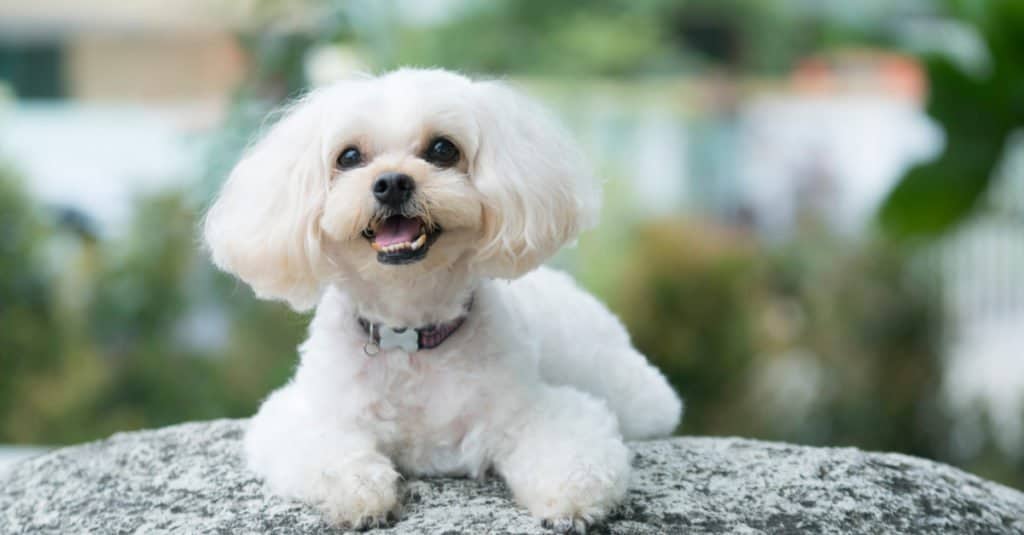
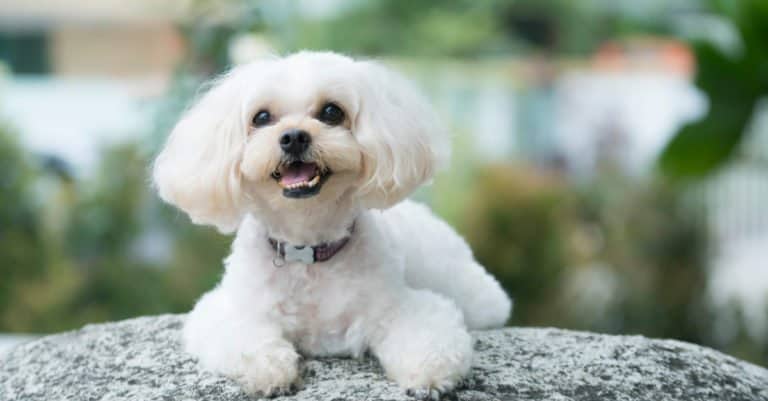
white Shih Poo

Shih Poos generally enjoy good health; however, they may overeat and are prone to dental issues.

Shih Poos are a fairly healthy breed, but some problems can arise in this crossbreed. They have a strong tendency to overeat, so it is important to monitor how much food you give them. These little dogs are also prone to dental issues and bad breath, so size-appropriate kibble, proper dental cleanings, and dental treats are keys to keeping them healthy. If your pet has not inherited the longer nose of the Poodle, then its short snout may cause breathing issues. The shorter their nose, the more likely it may have breathing problems. Less common, more serious conditions to look out for are hip dysplasia, conditions of the eyes, and luxating patella, where the kneecap frequently goes out of place.

Temperament

The behavior and personality traits of Shih Poos make them great companions for people with less active lifestyles. Their size and personality make them best suited to couples with older children or older couples with no children. They enjoy cuddling and being playful with or without toys. These pets are a bit stubborn, so they aren’t necessarily recommended for people with no experience training a dog. One of their best traits is their intelligence, so if you have training experience, they can be taught.

How To Take Care of a Shih Poo

These dogs need regular dental cleaning, regular hair and nail grooming, and, if they are on the smaller side, steps or ramps to help them reach higher places, if you mean to allow them on beds or other furniture. Monitoring their food so they don’t overeat is an important part of Shih Poo dog ownership.

The Best Dog Food

These dogs should be fed according to their size and age, using small dog kibble for adults and puppy kibble for puppies. They are prone to eating as much as you will let them, so their intake, including treats, needs to be monitored, particularly when they are no longer puppies. Buy your Shih Poo high-quality dog food with proper nutrition to satiate their appetite and curb overeating.

Maintenance and Grooming

If your dog is the longer-haired variety, it will need nearly-daily brushing, as the hair is prone to dirt, tangles, and matting. People often like to put the top of their Shih Poo’s hair in a ponytail to help keep it out of their eyes. Their nails will need frequent trimming.

Training

These dogs are smart, but they can be stubborn, so they may train easily in some areas and less easily in others. House training may go well, but other commands may take more time and discipline.

Exercise

Shih Poos don’t require a lot of exercise, making them ideal for small living spaces and smaller yards. On average, they only need about half an hour of exercise for weight maintenance.

Puppies
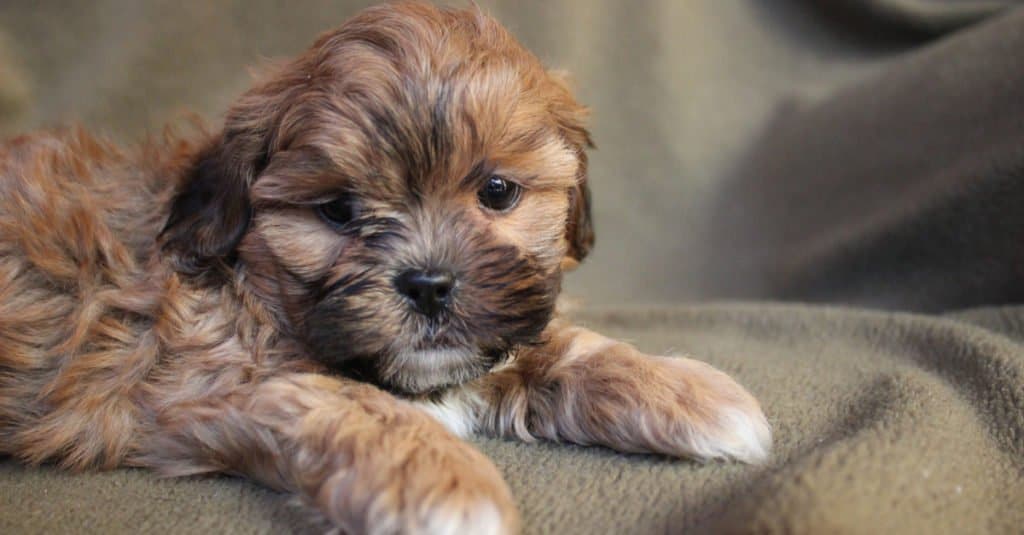
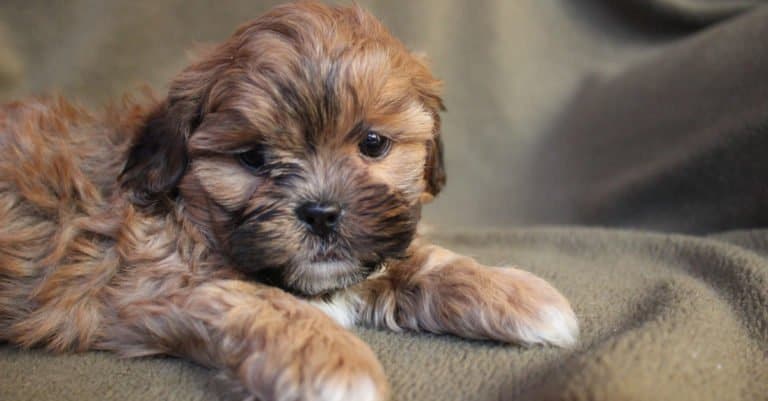
brown Shih Poo puppy

The fur and markings of Shih Poo puppies can undergo marked changes within the course of a year.

The main thing to remember is that if you get yours when it is a puppy, its fur and markings will change, sometimes drastically, over the course of the next 12 months.

Children

Shih Poos are not bad with children, but nor are they typically as friendly with children as other breeds, such as Golden Retrievers. A puppy will tend to adapt more easily to children than a full-grown adult.

Dogs similar to the Shih Poo

  • Shih Tzu: One of the Shih Poo parent breeds, similar in size and coloring.
  • Toy Poodle: The other parent breed of the Shih Poo is similar in temperament and behavior.
  • Lhasa Apso: This breed is often mistaken for the Shih Tzu.
View all 391 animals that start with S

Sources

  1. Dogtime / Accessed March 19, 2021
  2. Vetstreet / Accessed March 19, 2021
  3. Us Service Animals / Accessed March 19, 2021
  4. Petguide / Accessed March 19, 2021
  5. The Happy Puppy Site / Accessed March 19, 2021
  6. Perfect Dogbreeds / Accessed March 19, 2021
Ashley Haugen

About the Author

Ashley Haugen

Ashley Haugen is the editor of A-Z Animals. She's a lifelong animal lover with an affinity for dogs, cows and chickens. When she's not immersed in A-Z-Animals.com (her favorite editorial job of her 25-year career), she can be found on the hiking trails of Middle Tennessee or hanging out with her family, both human and furry.
Connect:

Thank you for reading! Have some feedback for us?


Shih Poo FAQs (Frequently Asked Questions)

Maltipoos differ from Shih Poos in their breeding, as Maltipoos are a cross between Maltese dogs and poodles, while Shih Poos are a cross between poodles and Shih Tzus.