
Quick Take
- One type of mange can spread to you, while the other one cannot. The difference between them is not obvious at first glance. See which type spreads →
- Your dog's diet could be quietly setting the stage for a mange infestation right now. See how nutrition plays a role →
- The earliest sign of mange is easy to dismiss as normal dog behavior, right up until it no longer is. Spot the earliest warning sign →
- Hot spots don't appear randomly. They show up in specific body locations first, and knowing where to look changes everything. See where hot spots appear first →
The decision to have a dog is a big choice, but then there is providing proper care for the dog. One of the most important parts of dog ownership is keeping your buddy healthy and happy. Certain breeds require specific types of nutrition, and staying on top of that throughout their lives is essential. Without proper nutrition, your dog can become deficient in vitamins that might cause further problems down the road. One of those problems could be mange.
What Is Mange?
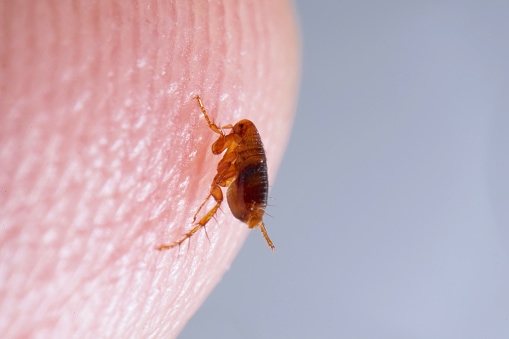
Mange is a skin disease of mammals caused by parasitic sarcoptic or demodectic mites feasting on the skin. Sarcoptic mites live under the skin’s surface, whereas demodectic mites live on the hair follicle above the skin. Mites belong to the arachnid subclass Acari; another name for mange is acariasis. Mange can cause intense itching, crusting, scaling, and hair loss.
Sarcoptic Mange
Sarcoptic mites are also called canine scabies. It is zoonotic, meaning it can be transmitted from animals to humans. It is highly contagious through skin contact with an affected animal. Most furred mammals can catch this type of mange. When the microscopic mite burrows into the skin and defecates, the host undergoes an allergic reaction to the mite’s feces.
Mites can infest the host quickly, causing intense itching that leads to hair loss and scabs. With so much itching, infection can easily set in, and that is when you will begin to experience a whole new set of issues. In wildlife, mange can mean life or death. A fox infected with mange can develop severe scabs and crusting of mites on the skin’s surface. It can crust over the eyes and cause blindness if left untreated.
Sarcoptic mange tends to attack mammals with weakened immune responses and vitamin deficiencies. Young, starving, or sick animals are much more susceptible to catching mange than healthy animals.

©MDV Edwards/Shutterstock.com
Demodectic Mange
Demodectic mange, or red mange, is an infestation of Demodex mites, most commonly Demodex canis, though other species such as Demodex injai and Demodex cornei can also be involved. These mites are part of the normal flora makeup of your dog’s skin but can become out of control on a puppy or dog with a weakened immune system.
When humans contract demodectic mites, it is called demodicosis. It is not zoonotic, so your dog cannot catch it. It is relatively rare in humans, and the symptoms are generally mild. If your dog has it, you will not be able to catch it because demodectic mange is species-specific and not transferable from species to species.
When a dog has demodectic mange, chances are it can recover independently with proper nutrition and care. If the mother dog passed demodectic mange on to her puppies, it should resolve as their immune systems strengthen. In the case of older dogs with immune conditions like diabetes or cancer, it will be harder to keep under control. Boosting nutrition and skin care should be sought.
How to Identify Early Stage Mange
No matter what type of mange your canine friend is dealing with, the symptoms will be similar. When you notice any of the following symptoms, take your dog to the vet and have it checked out. Without treatment, your canine friend will suffer, and it can also spread to other animals that come into contact with your dog or visit your yard.
Itching
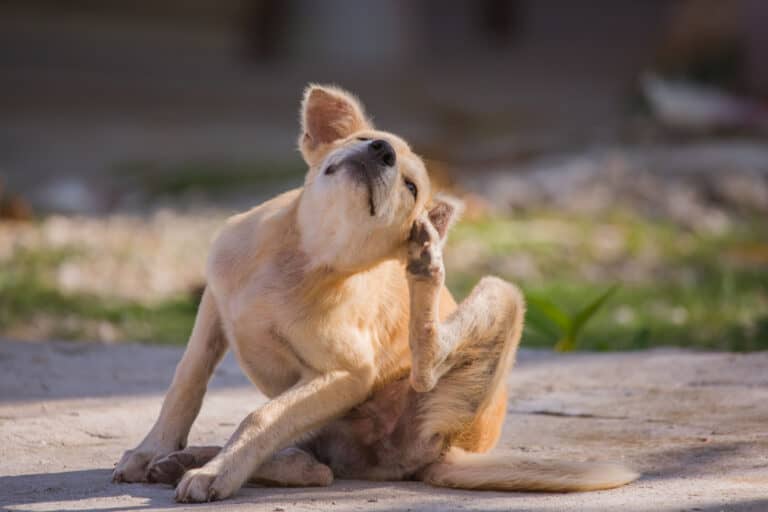
At the beginning of the infestation, your dog will begin itching. They will gnaw at their paws and itch their ears a lot, sometimes whimpering. This endless itching will be at the top of your dog’s list of priorities, and they will scratch and lick so much that you will notice hair loss. It’s safe to assume this itching is incredibly miserable, and you should seek treatment for your dog at the vet ASAP.

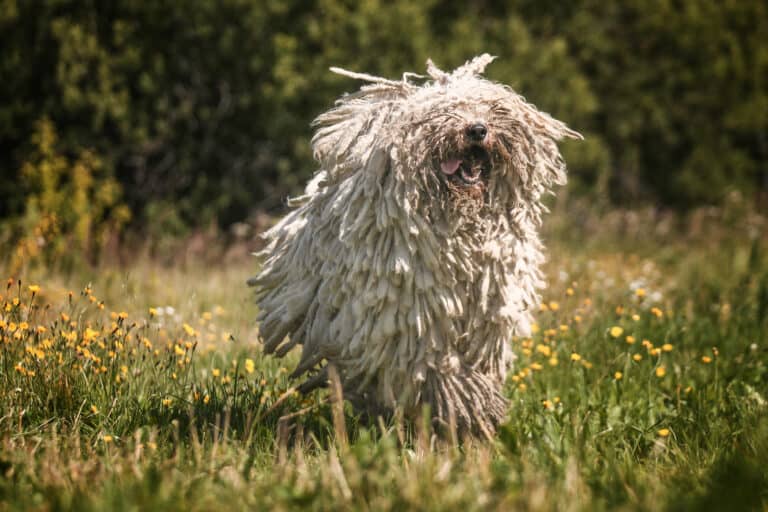
One of the early indications of mange is the almost constant itching it causes.
©Photo-Vista.de/Shutterstock.com
Hot Spots
Once your pup has been itching for a short time, you will notice obvious evidence of the mites. Your dog will develop hot spots where the skin that has been scratched will swell and appear red. The location will be warm to the touch from all the itching and irritation. These spots often first appear on ear tips, elbows, ankles where the skin is thinnest, but it can also appear first on the muzzle, feet, or in any area of your dog’s body with creases or folds.
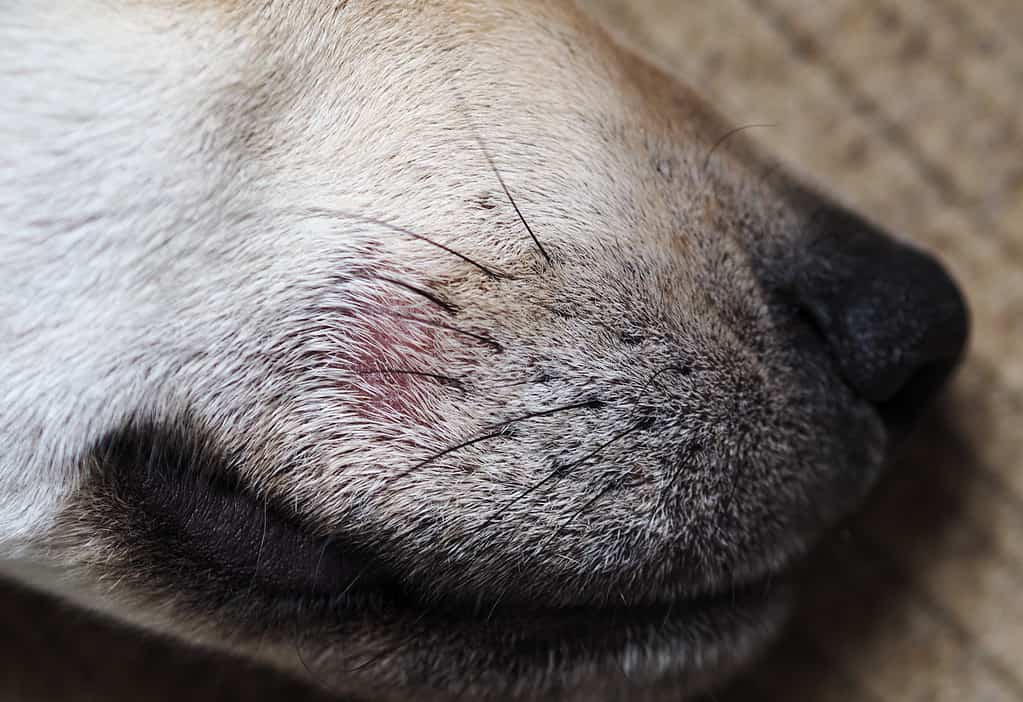
Canine demodex mange causes hot spots and itching that can sometimes start on the muzzle.
Hair Loss
As the mange infection progresses, you will notice your dog losing hair around the itchiest spots. After a while, your pup will not simply have a few bald spots but become unrecognizable with hair loss. Without the protective barrier of hair between your dog’s skin and its own teeth and claws, the itching can take an ugly turn. With the constant gnawing and licking of its skin, your dog is now susceptible to open wounds and infection. Since the immune system is already weakened, you do not want your dog to create open wounds or become infected. This can become very serious.

Demodectic mange causes hair loss, itching, and crusting of the dog’s skin.
Crust, Pus, Scabs, and Discharge
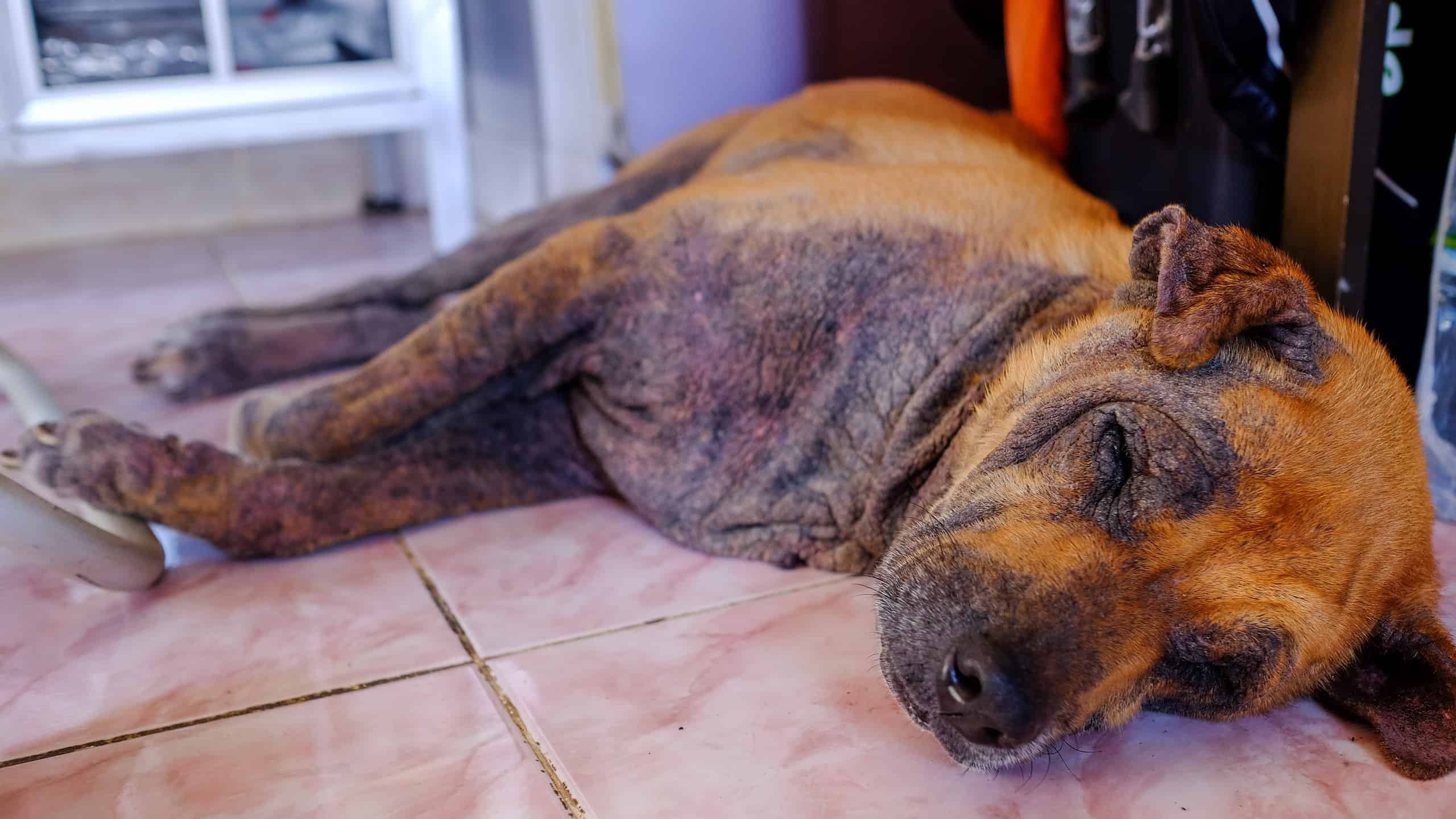
The final stage of mange is unsightly. Your dog will have lost all of its hair and be covered in a thick crust from the mites and scabs. The infection will have set in, and serious medical help will be needed. If your dog gets to this stage while in mange treatment, consult with your vet on the next treatment strategy. Wild animals that reach this point almost always succumb to their wounds. Constant itching, blindness from mite crust covering their eyelids, and severe conjunctivitis make hunting almost impossible. Luckily, with the appropriate vet care, your pup will never get as bad as some wildlife and stray dogs and will be fine after treatment.

A dog with severe mange will be covered in a thick crust from the mites and scabs.
©Jack Merridew / Public domain, via Wikimedia Commons – Original / License
What Happens Next?
With the correct vet care and plan to keep your dog safe from mange, you and your pup will return to the dog park in no time. Ensure you get the okay from your vet before allowing your dog to be in contact with other animals. You don’t want a situation where you finish caring for one mange-infested dog only to realize your other dog or cat has now developed mange. Mange in cats generally starts with a very itchy head; take the proper precautions so other animals do not catch your dog’s mange.
Once your vet ends treatment for your itchy dog, it will take a bit of time for your dog’s skin to recover fully and for hair to grow back. Providing skin-healing, anti-itch baths during this time is essential. Many over-the-counter anti-itch dog shampoos contain ingredients that can exacerbate itchiness. Check with your vet about what they recommend using to prevent further issues.