
Quick Take
- Flea and tick prevention pills are 99% effective but pose threats to unintended targets.
- The isoxazoline medication creates a technical hazard by remaining active for up to 6 weeks.
- New research finds that pet hair may contain chemicals, posing a hazard to pollinators.
- The medication cycle requires an immediate scouting process to prevent lethal contact with pet feces.
All pet owners want their babies to be happy and safe. When it comes to nasty pests like fleas and ticks, treatments in pill form make a massive difference. These convenient options seem like the perfect preventative. Unfortunately, while side effects may be low for your cat or dog, they’re high for untargeted insect species. When your pet uses the bathroom, they release isoxazolines from their medication, which may unintentionally kill an insect that doesn’t even fall under the flea and tick category.
What Are Isoxazolines and How Do They Work?
When used properly, flea and tick pills are up to 99% effective in killing harmful pests. They work internally by poisoning the flea or tick after it bites an animal. Common preventative pills such as Bravecto and NexGard typically reach full effectiveness after 1-3 months of consistent use. The reason they’re so effective is due to isoxazolines, which target biting insects and kill them within 24 hours.
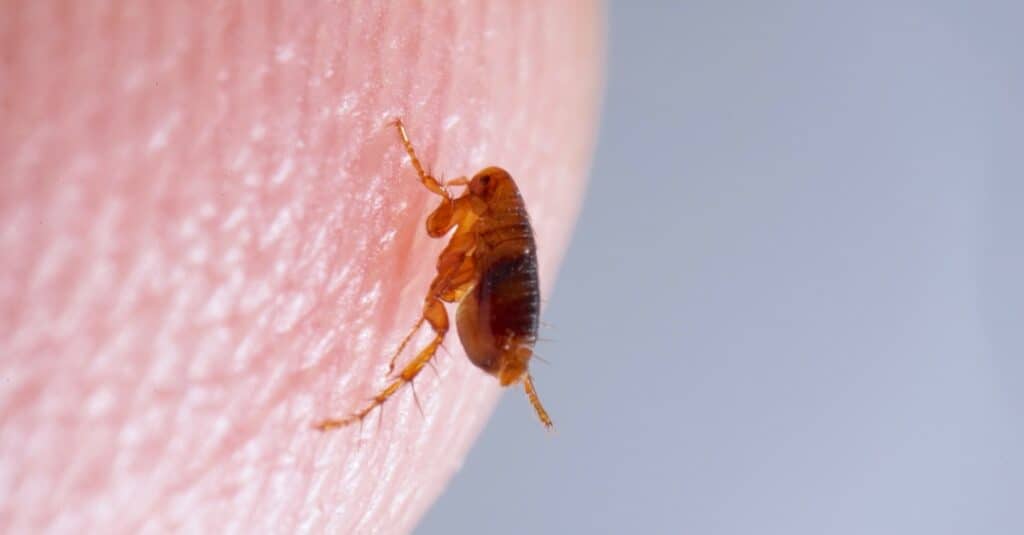
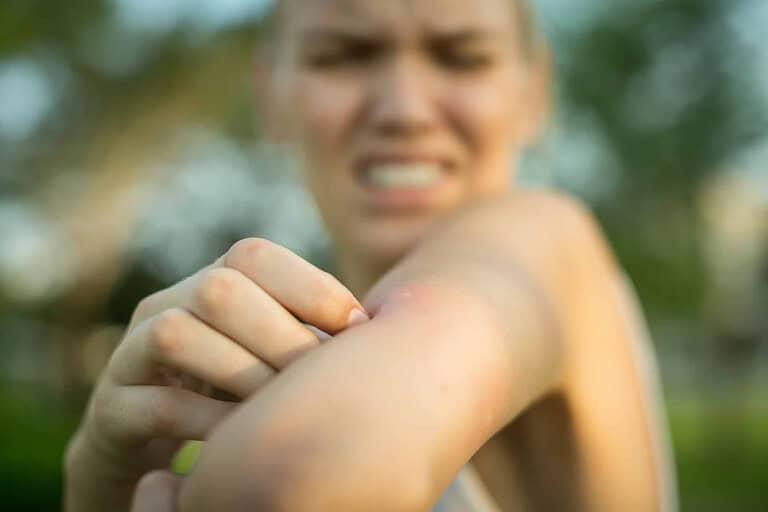
Fleas, which cause intense itching, are a nuisance to humans and pets alike.
©iStock.com/S.Rohrlach
The benefit of flea and tick prevention pills is their ease of use. They don’t need to be applied topically, so they won’t be washed away or pose a hazard to other pets or humans in the household. There’s also no need to reapply them, which provides pet owners with peace of mind. Side effects of these medications are minimal, but do include neurological reactions, seizures, or tremors. Therefore, they’re not always suitable for pets with underlying conditions.
Even so, they’re considered generally safe, despite minimal data on their long-term effects. However, new information is emerging about how they may affect the environment. A study published in Environmental Toxicology and Chemistry by Oxford University Press reveals how isoxazolines could be harming unintended targets.
The Downside of Isoxazolines and Its Domino Effect
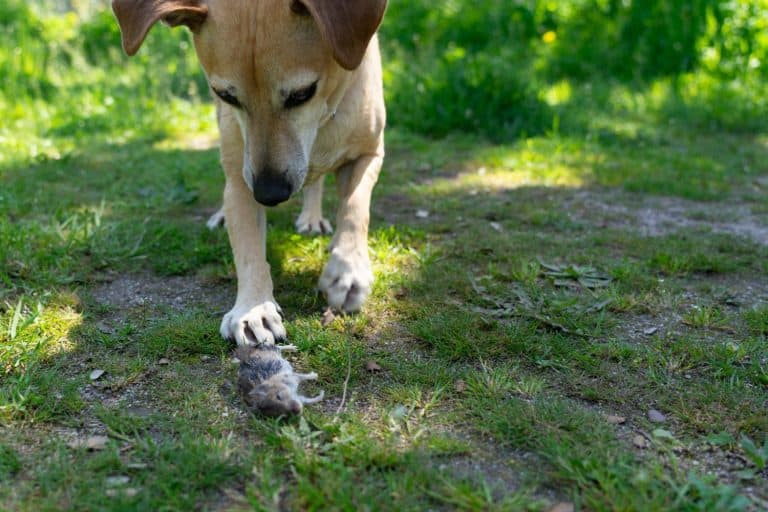
Just because medication is safe for one or more animals doesn’t mean it’s safe for them all. While pet pills containing isoxazolines are highly effective at killing fleas, ticks, and mites, they may also be killing beneficial insects. As the medication is ingested by your pet, it’s also excreted in small amounts in their feces. Dog feces left in a yard may unintentionally be harming dung-eating insects, while outdoor cats may wander and spread isoxazolines even further.

Preventative flea and tick pills are highly effective for pets, but pose some risk to others.
©newsony/Shutterstock.com
Isoxazolines such as fluralaner, lotilaner, afoxolaner, and sarolaner take weeks to break down. When they’re excreted by an animal, the chemical compounds within are still active. Over the course of 4 to 6 weeks, various insects and wildlife may pass by them, posing a risk of exposure to unintended targets. Pet urine can also contact active compounds, which poses a risk to insects crawling or landing near puddles.
How Do Isoxazolines Affect Insects?
Isoxazolines are a group of synthesized chemicals designed to target the nerve and muscle cells of an insect. This toxin is highly effective because it binds to GABA- and glutamate-gated chloride channels, blocking nerve function upon ingestion. When this happens, the insect becomes paralyzed. The toxicity is low in mammals but causes a swift death for small insects.

Natural alternatives can be efficient when used correctly and often.
©Yana Tikhonova/iStock via Getty Images
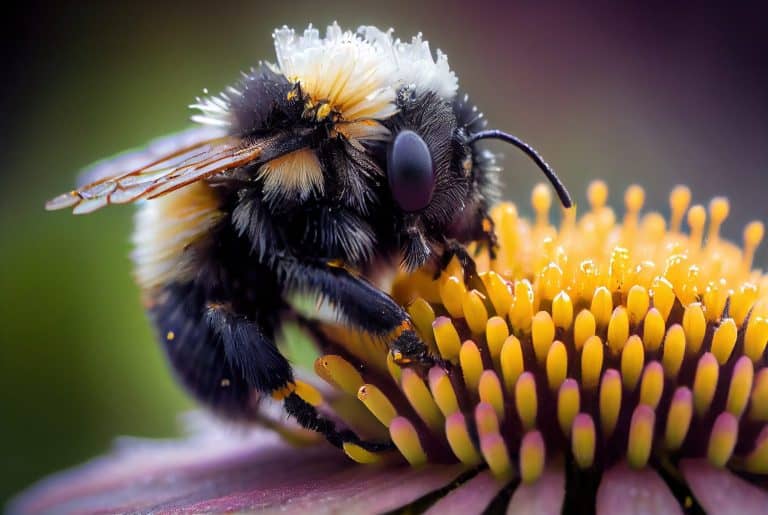
Preventative flea and tick pills are highly efficient, but the effects are uncontrolled. As the chemicals are released into the wild, they also affect dung-eating insects such as flies and beetles. The toxin also has a high mortality rate for arachnids, which are a crucial part of every ecosystem. New evidence also shows that isoxazolines may be present in shed pet hair, causing additional harm to insects such as butterflies and other pollinators. For already at-risk insects, such as bees, this may become a significant threat to species survival.
Natural Alternatives to Flea and Tick Pills
The first isoxazoline-based drug (afoxolaner, NexGard) was approved as safe for use in 2013, but many natural alternatives have become available since then. Severe infestations may require the use of oral preventatives, but for the average pet with low risk of flea, tick, or mite contact, natural alternatives are still surprisingly effective. In some cases, treating the yard rather than your pet may also be beneficial. Here are some options to consider instead:
- Apple cider vinegar spray: It might be a little stinky at first, but a 50/50 mixture of raw apple cider vinegar and water is an effective deterrent for fleas and biting insects. Adding half a cup of brewed green tea can also help soothe irritated or dry skin.
- Pet-safe essential oils: You can find many of these pre-mixed, pet-safe sprays that contain oils such as lemongrass, lavender, or rosemary. These diluted mixtures are still potent enough to deter pests and are especially helpful during the summer when combating mosquitoes.
- Flea combs and regular bathing: It sounds basic, but it’s effective. Regular baths keep pets clean and also reduce the chance of biting pests laying eggs. For cats, flea combs can be an effective way to prevent and/or treat a minor flea infestation.
- Beneficial nematodes: For those with flea, tick, or mite-infested yards, natural treatments such as beneficial nematodes can help keep the pest population under control. These microscopic worms consume flea larvae before they have a chance to mature. This is also 100% safe for pets and humans.