
Quick Take
- Icy water seems like the obvious choice for an overheated dog, but vets say it could be quietly working against you. Safe cooling steps →
- Shaving a thick-coated dog to help it stay cool sounds logical, but the reality is the opposite. Coat grooming advice →
- When a dog shows signs of heatstroke, the most instinctive cooling method can trigger something far more dangerous. Heatstroke response risks →
- A five-second test before every summer walk could be the difference between a safe outing and a vet visit. Check paws before walking →
When Temperatures Rise, Dogs Face an Invisible Threat
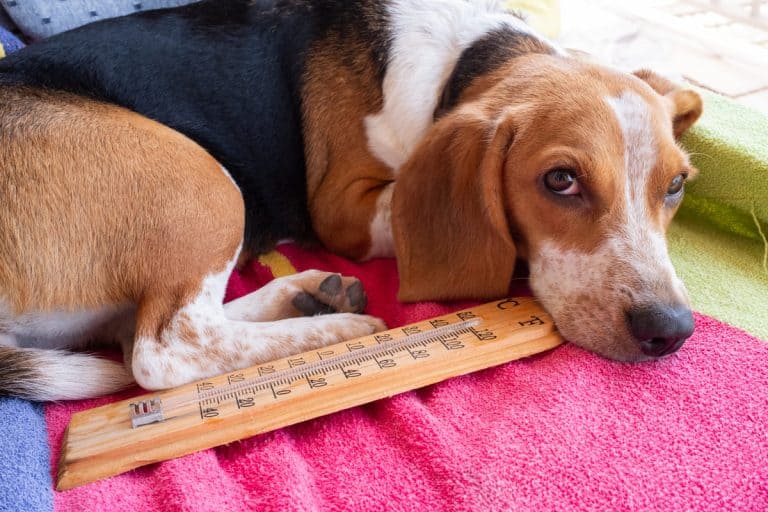
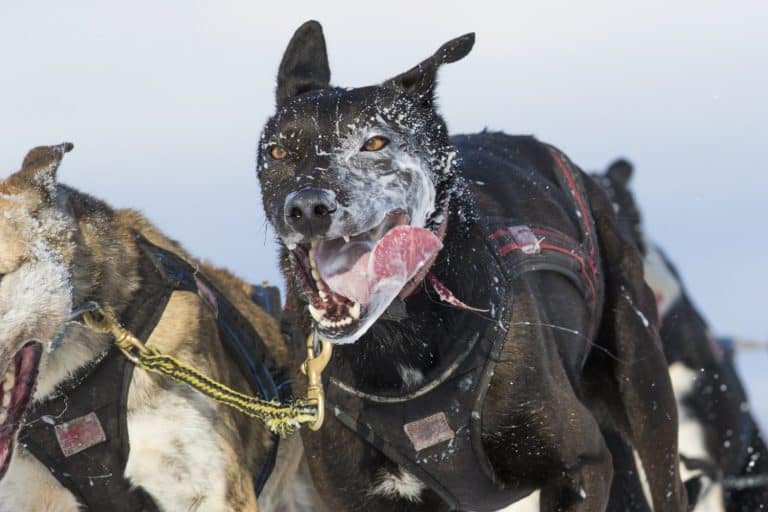
As summer heatwaves become more frequent, veterinarians warn that even mild temperatures can put dogs at alarming risk. Once the thermometer reaches 82–86℉, every dog’s ability to cool itself is compromised, and the danger increases sharply when temperatures climb higher. Unlike humans, dogs can’t sweat through their skin. Their main method of heat regulation is panting, which is limited and quickly overwhelmed by hot, humid conditions.
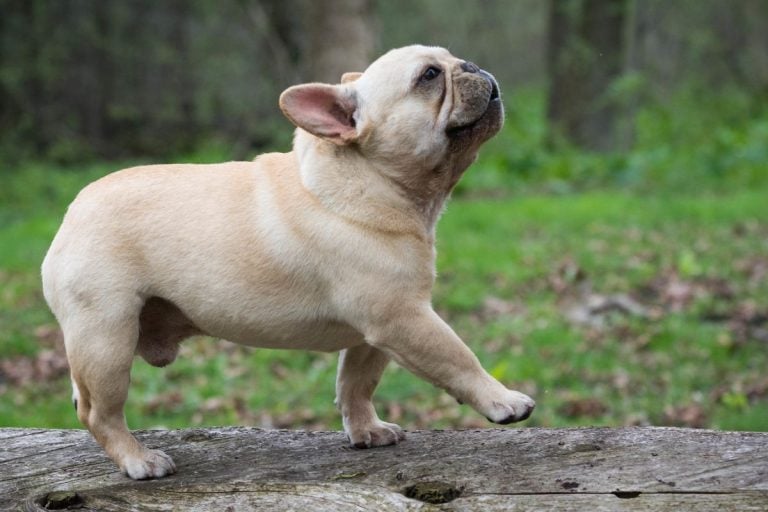
At 82℉, special attention is already warranted. For some, like puppies, seniors, overweight, sick or heart-problem dogs, and especially breeds with flat faces (such as bulldogs, pugs, and boxers), health risks set in even earlier. Their bodies struggle more than most to regulate temperature, putting them solidly in the danger zone.
Water, Shade, and the One Situation That Turns Deadly in Minutes
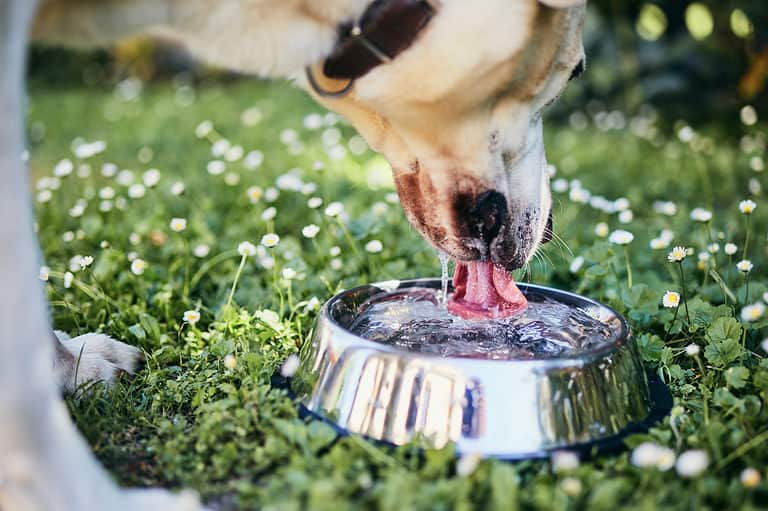
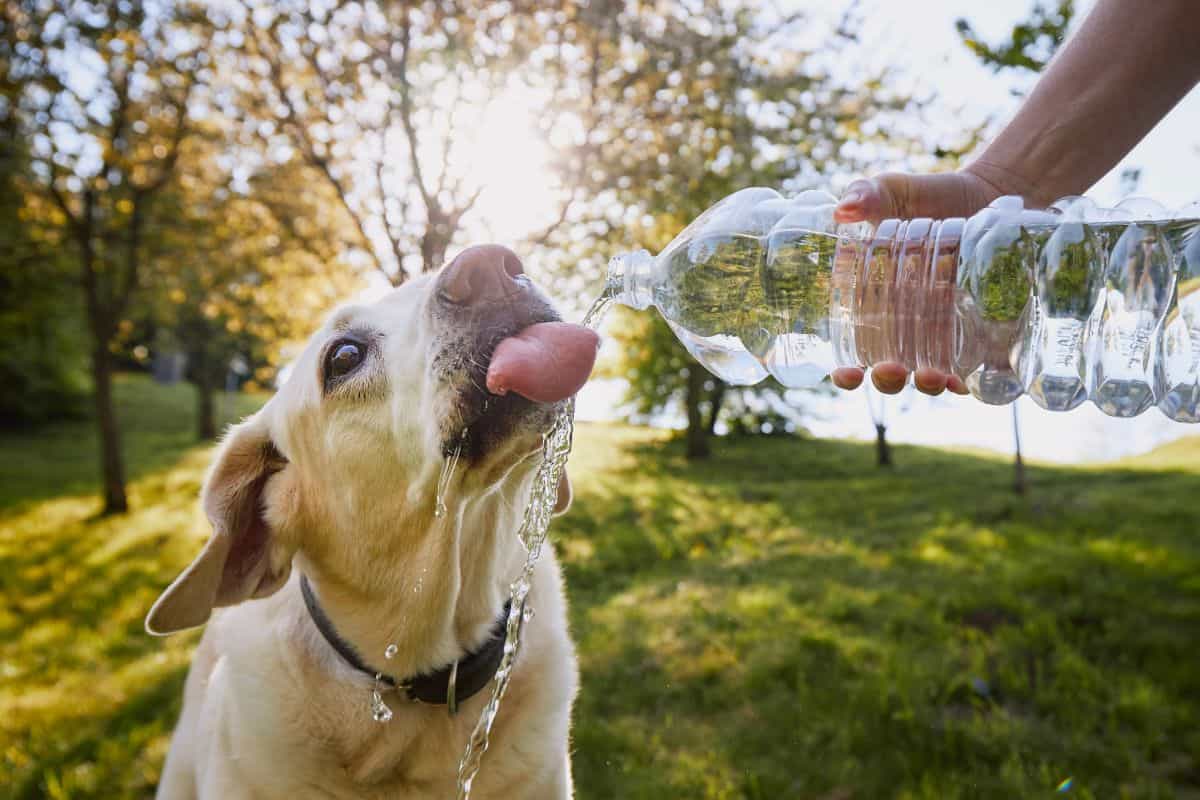
Heat is relentless, but prevention can be simple. Access to fresh, not icy, water at all times is vital. Place multiple bowls around your home and bring water on every walk. A pet water fountain may help picky drinkers stay hydrated, and mixing wet food into meals offers an extra boost. Watch for early signs of dehydration: dry gums or skin that doesn’t spring back smoothly.
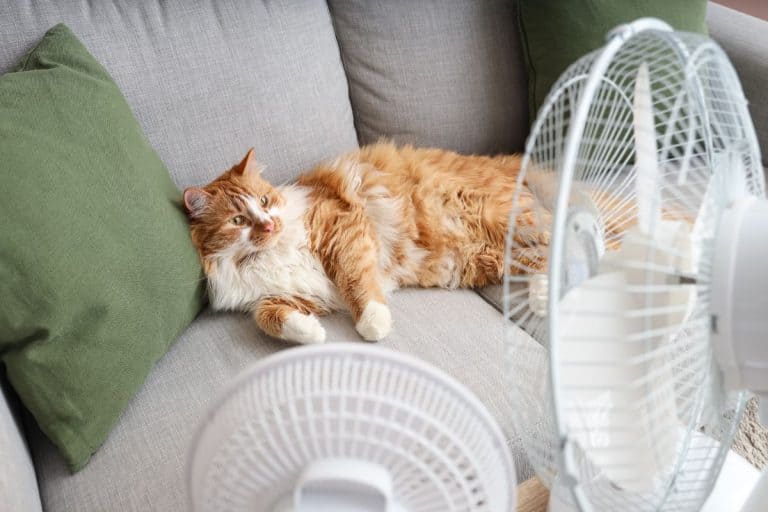
Keeping a home comfortable means keeping blinds closed during the day, letting in cool air at night, and setting up cool zones. Fans, wet towels, and cooling mats are recommended for portable relief. If air conditioning is available, setting it to a moderate temperature, not cold, offers safe comfort without the shock of temperature extremes.
But one mistake stands above all others: never, under any circumstances, leave a dog in a parked car. Not even for a moment with windows cracked. In minutes, even at moderate outdoor temperatures, the inside of a car turns deadly.
Heatstroke Moves Fast and Looks Like This
The warning signs of heatstroke in dogs can come suddenly. Rapid, excessive panting that won’t subside, thick drool, an unusually red tongue, weakness, unsteady walking, or vomiting, all are urgent signals. If you see these symptoms, veterinary experts say to act immediately: gently cool the dog with fresh, not cold, water, focusing on thin-skinned areas like paws, belly, and inner thighs. Avoid dousing the head or back with cold water all at once, which can cause shock. During this emergency, reach out to a veterinarian as quickly as possible.
Walking, Grooming, and Eating: What Changes in Extreme Heat
Plan outdoor activities early or late, never at midday. Before heading out, press the back of your hand to the pavement for five seconds. If it’s too hot for your skin, it’s too hot for bare paws. Shorten walks, slow the pace, and always carry water. Choose grass and shade over asphalt whenever possible. After going outside, check your dog’s paw pads for any redness or blisters. If burns occur, cool the area gently with lukewarm water and consult a vet if symptoms persist.
Some owners wonder if shaving thickly-coated dogs helps. For double-coated breeds, professional guidance is clear: do not shave them. Their fur acts as a temperature buffer. Regular brushing to remove dead undercoat is far better. For long-haired breeds without undercoats, a light trim, not close shaving, may reduce discomfort.
Heat stress can affect appetite; skipping a meal is typical, but refusing to drink is not. Offer water at several locations, try a drinking fountain, or moisten their food. For those who eat less during hot spells, feeding smaller, wetter, and cooler meals helps. Avoid offering large meals just before or after physical activity.
Heatwaves in the Home: Small Steps Save Lives
Even inside, an apartment can become suffocating. Block sunlight during peak hours, create airflow, and offer cool surfaces like tiles or cooling mats. Veterinarians urge continuous vigilance whenever outdoor temperatures reach 77–82℉, especially for dogs in the at-risk groups. Effort and exercise increase the danger if temperatures climb above 90℉. In the heat, gentle routines and careful monitoring aren’t just best practices, they’re essential protection.
The hazards of extreme weather aren’t exclusive to wild animals. Our companions, so used to comfort and security, have vulnerabilities we can’t see with the naked eye. As heatwaves become the norm, recognizing those hidden risks gives us the power to defend them, one bowl of water and shaded walk at a time.