
Quick Take
- The Dox-bull's body is a paradox, and that physical contradiction creates a health vulnerability most owners never anticipate. See the health risks →
- Its exercise requirements surprise most people who assume its size tells the whole story. Check the exercise needs →
- Two very different hunting histories collide in this mix, and that ancestry still shapes how it behaves in your home today. Trace the hunting origins →
The Dachshund and pit bull mix is known as a Dox-bull, Doxie-pit, or Doxie-bull. As these are mixed breed dogs, no two dogs look alike. However, the Dox-bull generally has a larger head like a pitbull but a long, Dachshund-like body. Learn more about their history, appearance, personalities, and more.
History
Pit bulls are working dogs descended from old English bulldogs and terriers. Bulldogs were used for blood sports such as bull baiting, while terriers were bred to hunt vermin. However, pit bulls were also used as farm dogs and often guarded livestock. They were brought to the United States in the mid to late 1800s by English and Irish immigrants.
Dachshunds can be traced back to Germany. They were primarily bred for badger hunting. Eventually, more and more people adopted them as pets with no specific role. They were brought to North America by German immigrants in the mid-1800s, and by 1870 the first Dachshund had appeared at a dog show.
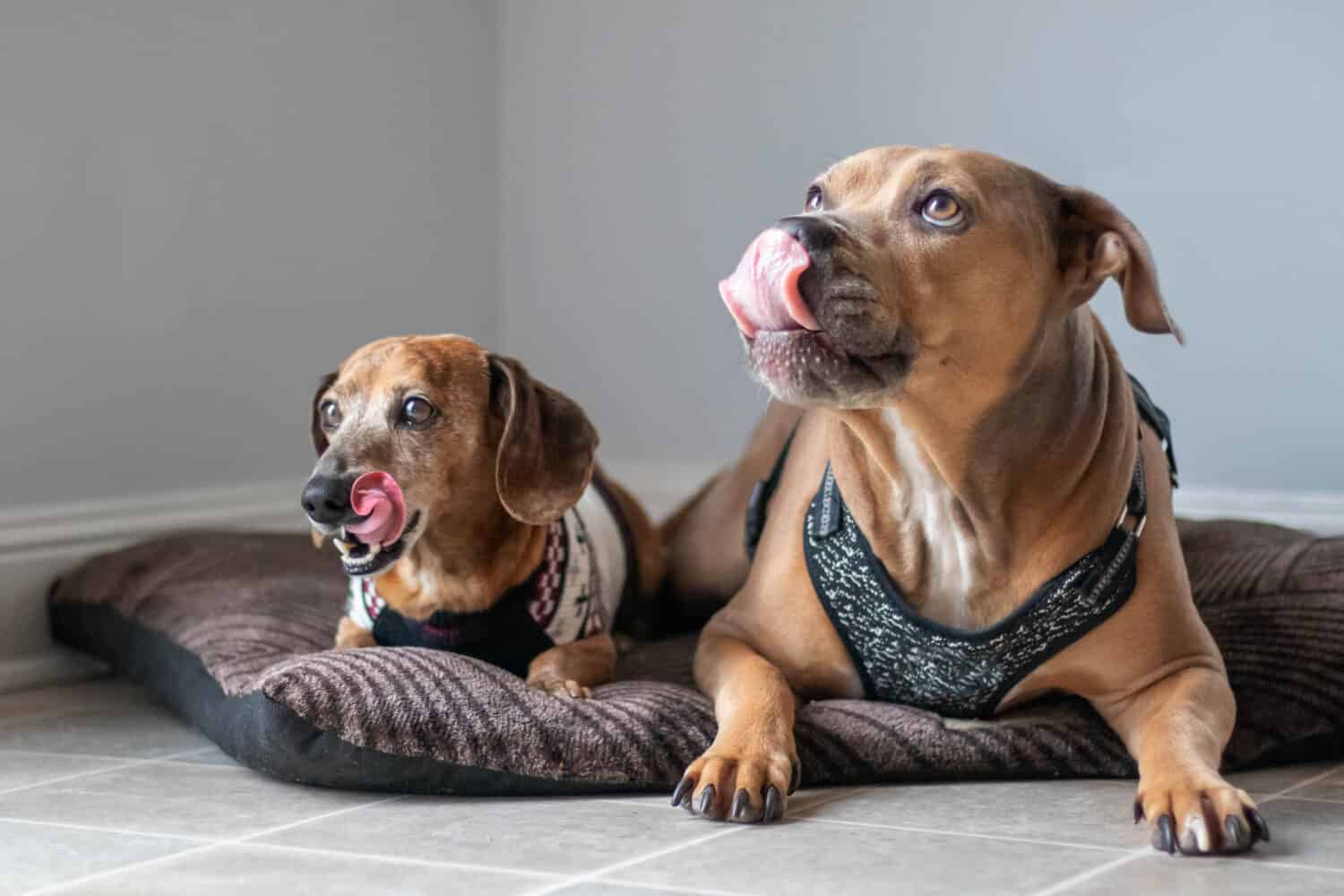
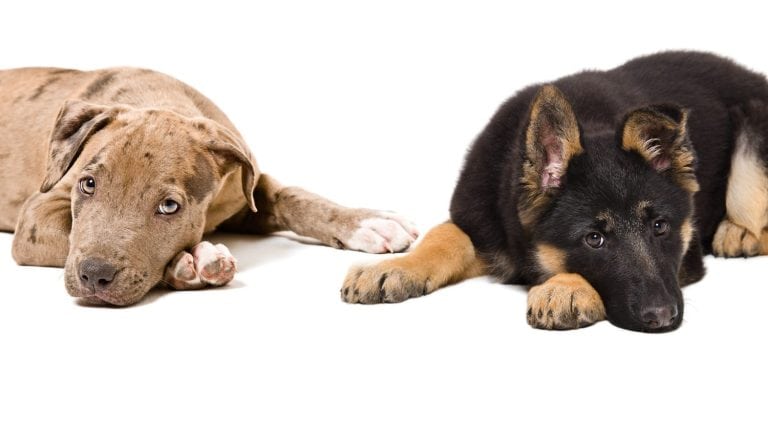
Pit bulls originated in England, while Dachshunds can be traced back to Germany.
©Cheryl Ann Studio/Shutterstock.com
Appearance
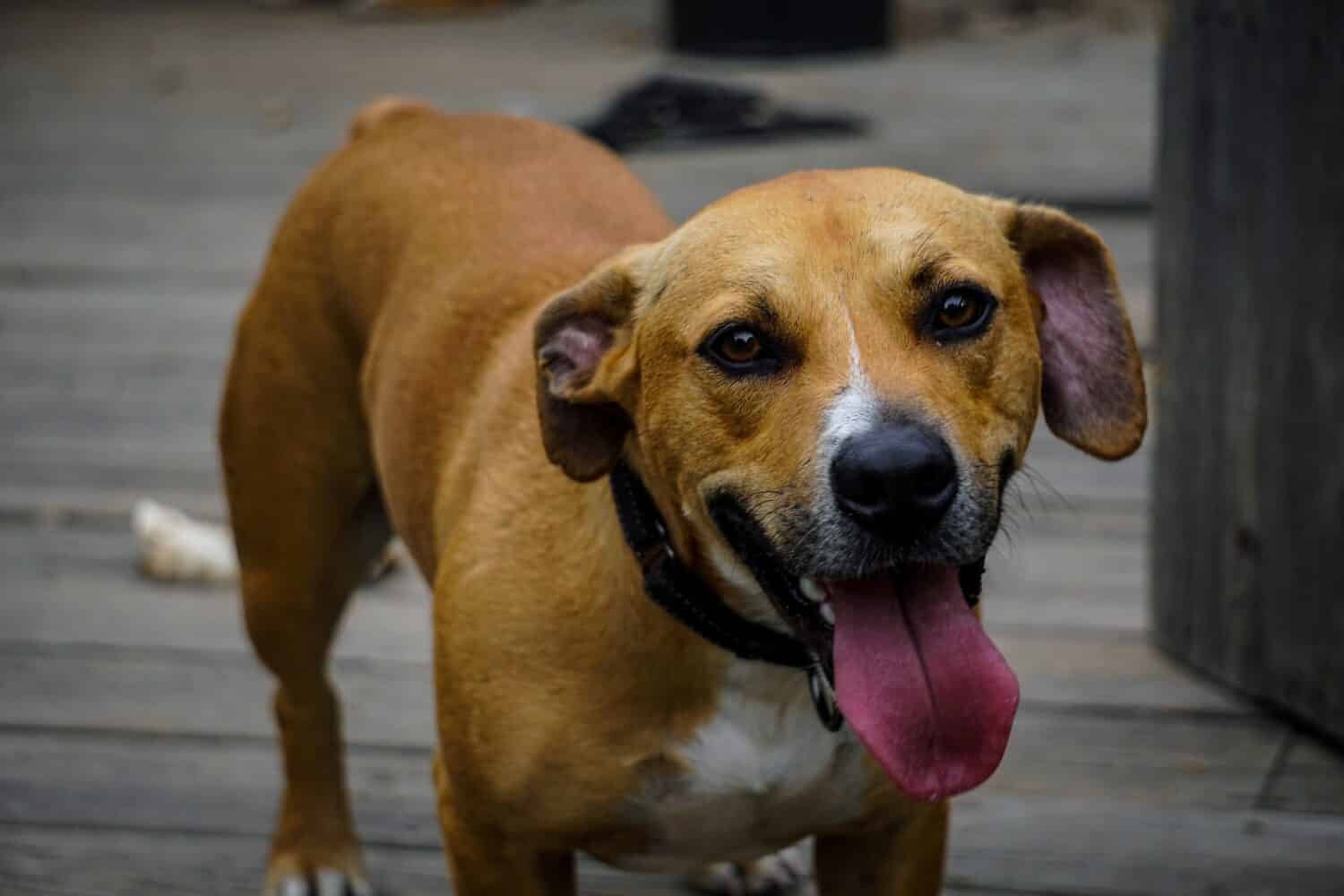
Dox-bulls are medium-sized dogs that can weigh between 20 to 30 pounds and grow to 8 to 13 inches at the shoulder. They often have short, sturdy legs like a Dachshund. Their posture and muscular build make them appear headstrong and confident.
Dox-bulls have short, straight, coarse coats that may be black and brown, bronze, brindle, or two colors plus white. They often have a white patch on their chests and unique facial markings. These dogs have brown or black noses. The ears can vary. Some dogs have long, drop ears similar to but shorter than a Dachshund’s, while others have small, erect ears like a pit bull’s.
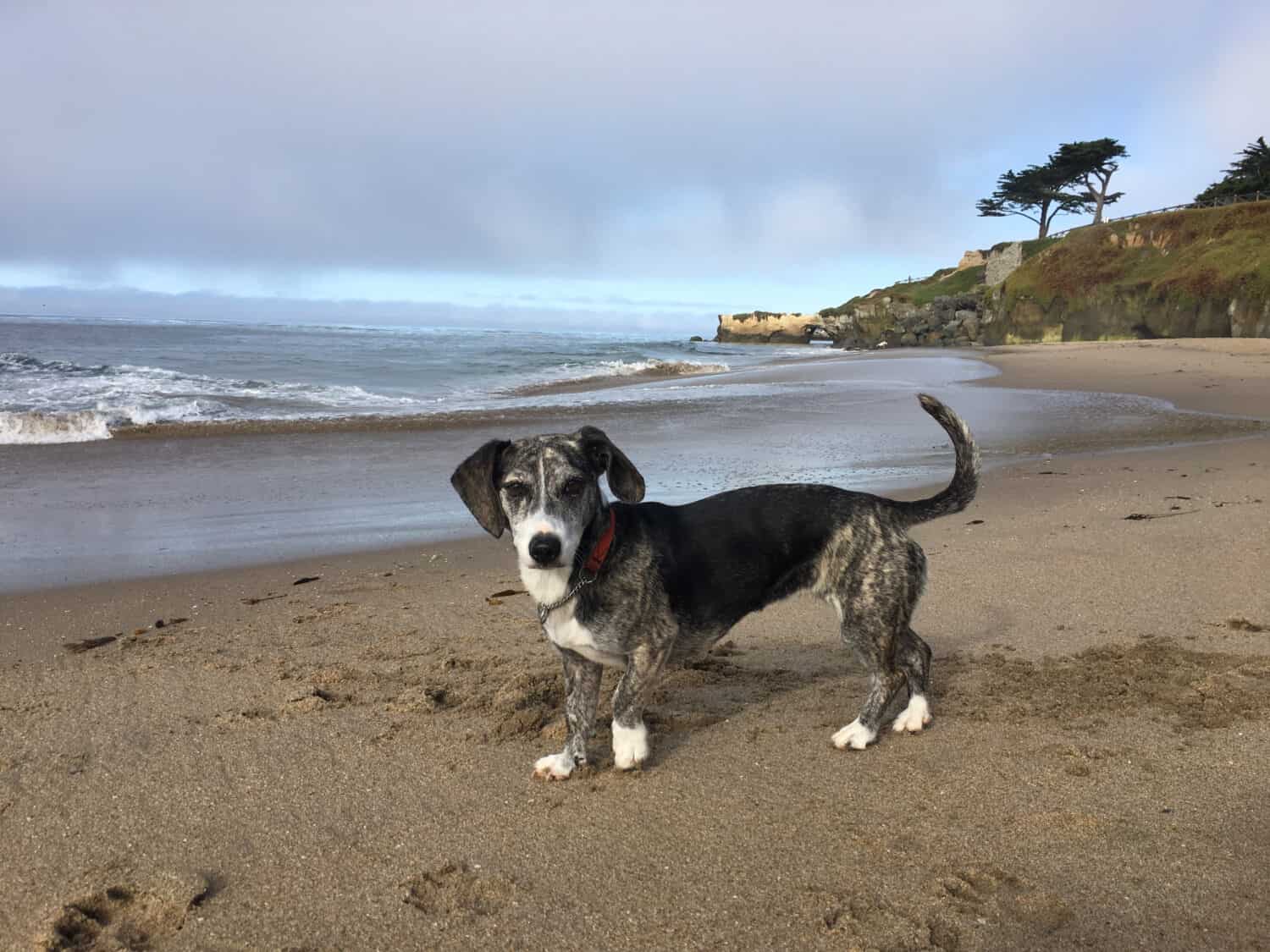
Dox-bulls are medium-sized dogs with short, straight coats that are often bi-color and white.
©Rustah/Shutterstock.com
Personality and Traits
These dogs are very affectionate, especially towards their owners. However, spending quality time with them is essential to ensure you build a good relationship. Once that bond is formed, they are wonderful companions. They love to play and be physically close to their families, which makes them great family dogs, especially for families with older children. Dox-bulls are very loyal and devoted. These dogs will protect their owners the moment they sense danger and are incredibly reliable, but otherwise, they are not very vocal. The Dox-bull is known to be highly intelligent and quickly learns new tricks.
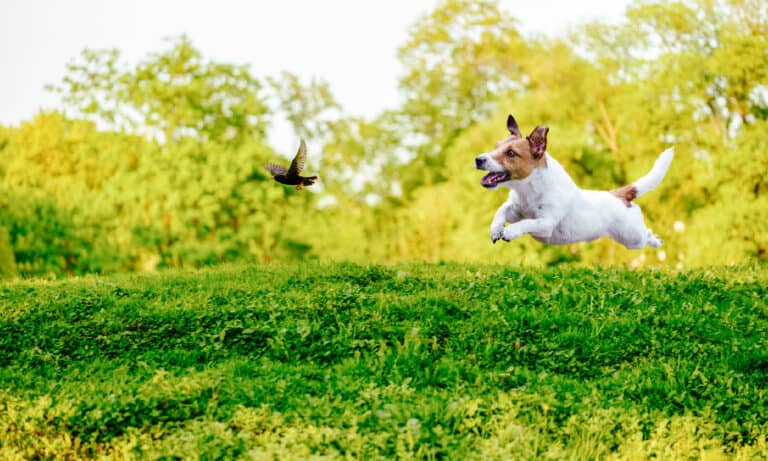
However, Dox-bulls can be somewhat defensive, temperamental, and vocal without proper training. Dox-bulls can exhibit their parents’ traits, including being reactive to other dogs and strangers. They have high energy levels and will require extra time for exercise. Dox-bulls should be taken out regularly to release their excess energy and should not be left alone for long periods to avoid unwanted behavior. Since both parent breeds have hunting ancestry, Dox-bulls may chase smaller animals. These dogs can also be stubborn. Like many Dachshunds, they can be challenging to train, as they tend to be independent. However, training and socializing them early on can help your dog navigate stressful situations.
Grooming
The Dox-Bull has a short coat, which makes it relatively easy to groom. However, they shed moderately, so brushing them once or twice a week is recommended. This will ensure that any loose hair is removed and their coat remains shiny. Some owners prefer to groom daily, and that is fine, too. Owners should not bathe these dogs too often, except when they are visibly dirty. Instead, use a damp cloth to wipe down their fur. They need their natural oils to keep their skin moisturized and healthy.
In addition, as with any dog breed, their nails must be clipped once a month. Their ears should also be cleaned with a veterinarian-approved solution. Lastly, dental hygiene is essential, and a Dox-bull’s teeth should be brushed once or twice a week.

Dachshunds are prone to Intervertebral Disk Disease because of their long backs.
©Masarik/Shutterstock.com
Health Issues
Dox-bulls generally live between 8 and 12 years. The Dox-bull has been around for a while, but they are uncommon. Therefore, it is best to look at their parents when assessing their possible health issues. Pit bulls, like many other dog breeds, are prone to hip dysplasia, a hereditary skeletal condition in which the ball and socket of the hip joint do not align properly. Unfortunately, if dogs develop this condition, they struggle to perform strenuous activities like running or jumping, as it causes great pain. However, it can be managed through weight monitoring or surgery. Another common problem in pit bulls is cataracts.
On the other hand, Dachshunds are prone to Intervertebral Disk Disease because of their long backs. This condition can be caused by strenuous activities that involve the spine. Also, they are at risk of Acanthosis Nigricans. This condition manifests as darkened, discolored, and thickened skin in the dog’s groin and armpits. Just like pit bulls, Dachshunds are also prone to getting cataracts which can lead to blindness.
These dogs, like many others, are at risk of a few health problems, such as:
- Intervertebral Disk Disease
- Hip Dysplasia
- Cataracts
- Legg-Calve Perthes Disease: the degeneration of the femoral head and neck in the hind leg.
- Back problems
- Seizures
- Skin problems
- Mental health problems, including separation anxiety.
Exercise and Training
This breed gets its high energy from its pit bull genes. Therefore, it will need regular exercise to expend its energy and to stay fit. They need at least 30 to 60 minutes of exercise per day. Also, exercise is a great bonding opportunity for you and your dog. These dogs can be kept in an apartment, but the Dox-bull thrives in large open spaces where it can roam freely and run around. However, leaving them alone for too long is not a good idea. These dogs also need mental stimulation, such as puzzles and toys.
When training, it is advisable to start as young as possible. You must ensure that your Dox-bull knows you are the pack leader, as they can be stubborn. Any unwanted behavior from the Dox-bull can be corrected if caught early. Also, consistency is critical, and owners should be patient and firm when training, as these dogs can be stubborn. Treats are a great way to reward your dog and praise them when they do something right. If correctly trained, the Dox-bull can be a wonderful part of any family.