
Quick Take
- Your dog can give you poison ivy even when they show zero symptoms themselves. How dogs transfer the oils →
- Most suspected poison ivy reactions in dogs turn out to be something else entirely, and knowing the difference matters. Ruling out other conditions →
- Certain dogs are far more vulnerable to poison ivy contact than others, though not for the reason you would expect. Which dogs are most at risk →
- If your dog licks the plant, the symptoms look nothing like a typical skin reaction, and the response window is tight. Ingestion symptoms and timing →
Poison ivy is a common ailment in people who spend a lot of time outdoors, especially children who may not know how to identify this plant. It causes itchiness, swelling, and sometimes even blistered skin. You may worry about your dog going outside since there’s no way to teach them how to avoid the three-leaved plants. In this article, we’ll talk all about poison ivy in dogs, how often they react to it, and how it’s treated.
Can Dogs Get Poison Ivy?
Luckily, it’s rare for dogs to have a reaction to poison ivy. In fact, it’s rarer than in humans. Many dogs who come into contact with the plant won’t have any symptoms. According to the American Kennel Club, a suspected poison ivy reaction is more likely to be something else.
If you think your dog has poison ivy, it’s important to get them to the veterinarian rather than try at-home treatments. If it is another illness or even a parasite like mites, your dog may need medications you can’t get without a prescription.
How to Tell Your Dog Has Poison Ivy
Many dogs get poison ivy on their stomach or feet because these are closest to the ground. However, they can also get it anywhere on their body that touches the plant. For instance, dogs who roll on the plant might have a reaction on their back.
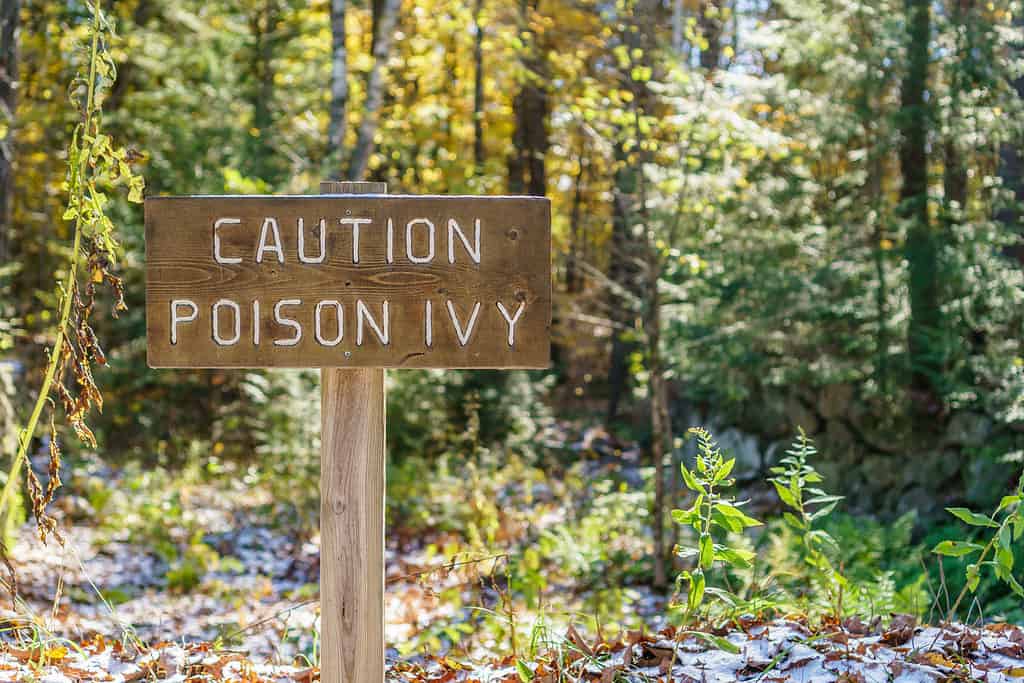
If your dog comes into contact with poison ivy, give them a bath as soon as possible.
©iStock.com/HABesen
Symptoms of a poison ivy reaction include:
- Redness
- Inflammation or swelling of the skin
- Itching
- Blisters
- Vomiting
- Diarrhea
Even more rarely, your dog might experience a severe allergic reaction called anaphylactic shock or anaphylaxis. If they have trouble breathing, swelling in the face, or drool excessively, call an emergency veterinary clinic for help.
Are Some Breeds More Susceptible?
According to Dr. Hayley Adams in an article for the AKC, there may be certain breeds prone to an allergic response to poison ivy, but it is more likely due to traits that make the dogs more likely to come into contact with the plant. This includes small dogs, whose bellies are closer to the ground and likelier to brush against it, dogs with short coats, and dogs with thin coats. The more exposed your dog’s skin is, the more likely they’ll have a reaction, as they don’t have as much fur to protect them.
Can You Get Poison Ivy From Touching Your Dog?
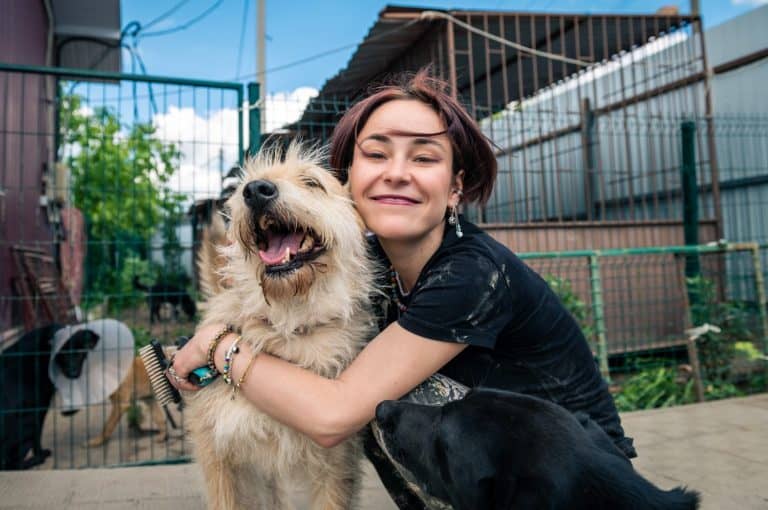
Yes, and This is one risk of letting your dog come into contact with poison ivy. Even if your dog isn’t affected, it can carry the oils on its coat, making you, your family, and others who touch your dog itchy.
If your dog comes into contact with the plant, give them a bath as soon as possible to prevent it from spreading onto human skin or even to other pets.
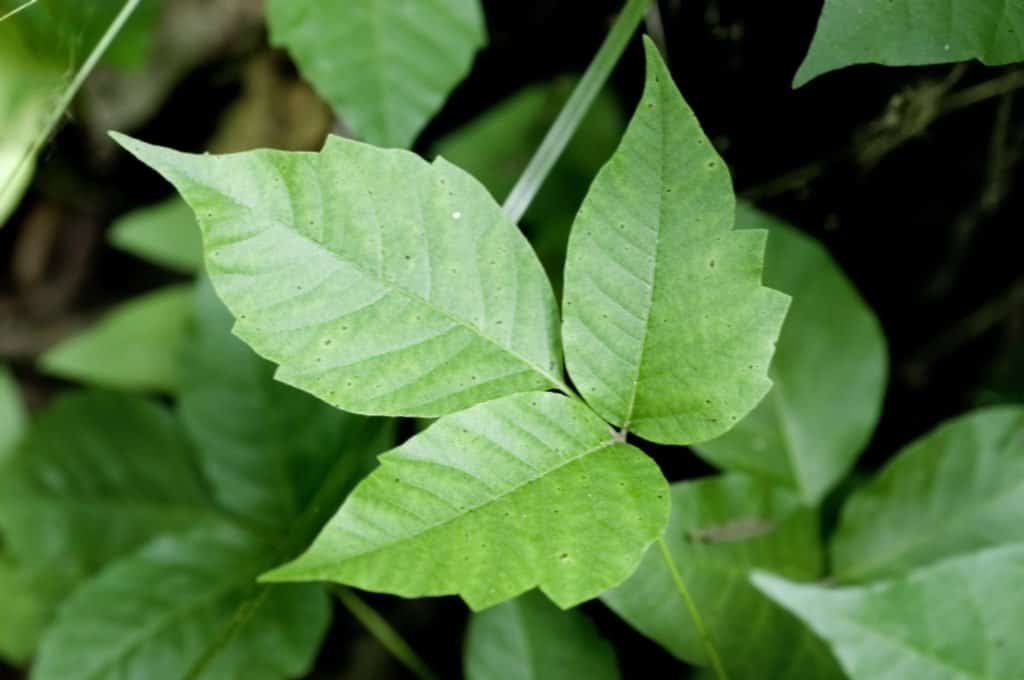
Dogs can spread poison ivy to people, so be sure to bathe your dog if they come into contact with the plant.
©Tim Mainiero/Shutterstock.com
Treating Poison Ivy in Dogs
Give your dog a bath with an oatmeal dog shampoo. This can help alleviate some of their symptoms and remove the oils so that the oils don’t continue to irritate your dog or spread to others in the household.
Next, you should call your veterinarian for help. Your vet will likely rule out other conditions and ask if you saw your dog make contact with poison ivy. If you didn’t see the contact, it’s just as likely that your dog has another allergy, mites, or another health condition causing their skin problems.
Once poison ivy is confirmed and your dog is clean, the only thing you can do is manage their symptoms until they go away. This might include stopping them from scratching the area by putting them in a dog onesie, for instance.
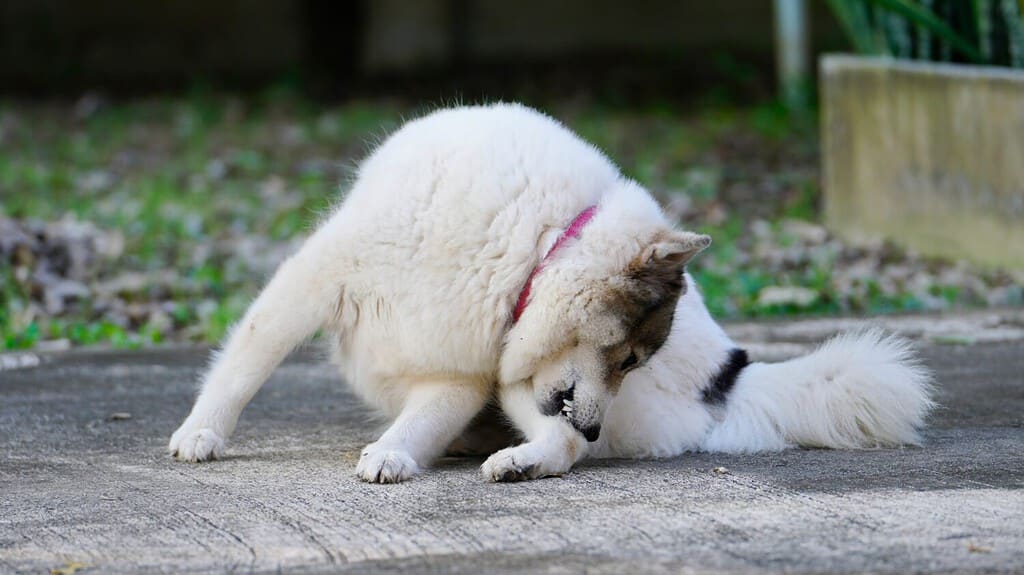
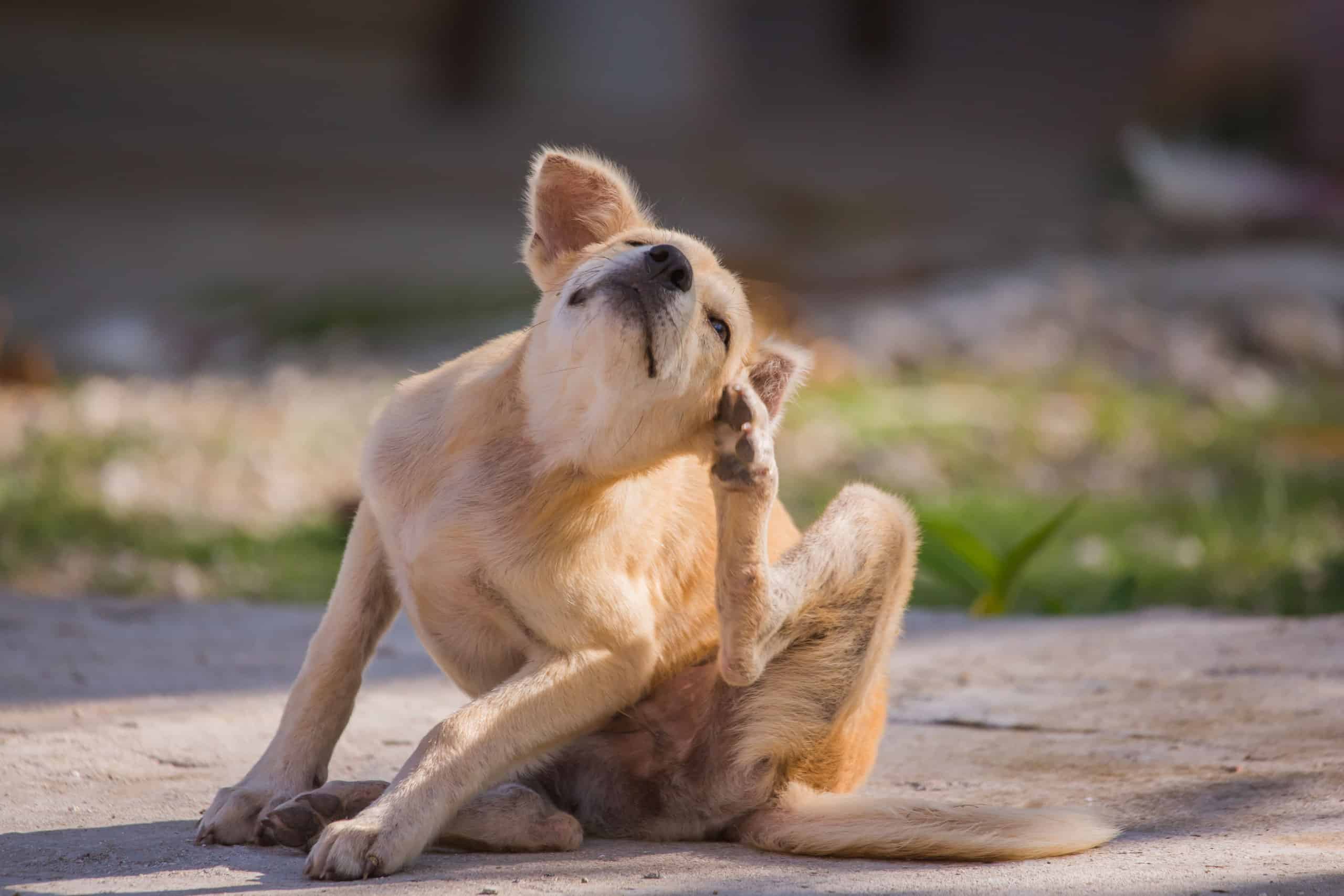
Most dogs get poison ivy on their stomach or feet because these are closest to the ground.
©KPhrom/Shutterstock.com
What Happens if Your Dog Licks the Plant?
If your dog licks the plant, it may develop the stomach issues listed above. The vomiting and diarrhea should pass relatively quickly. After a couple of days, call your vet if your dog is still showing symptoms, as they may have a more serious problem.
Also, call a veterinarian or pet poison hotline if your dog eats a lot of poison ivy. They might recommend bringing them in for treatment. If your dog has a severe reaction to the plant, such as swelling in the face or difficulty breathing, call your nearest emergency vet clinic right away.