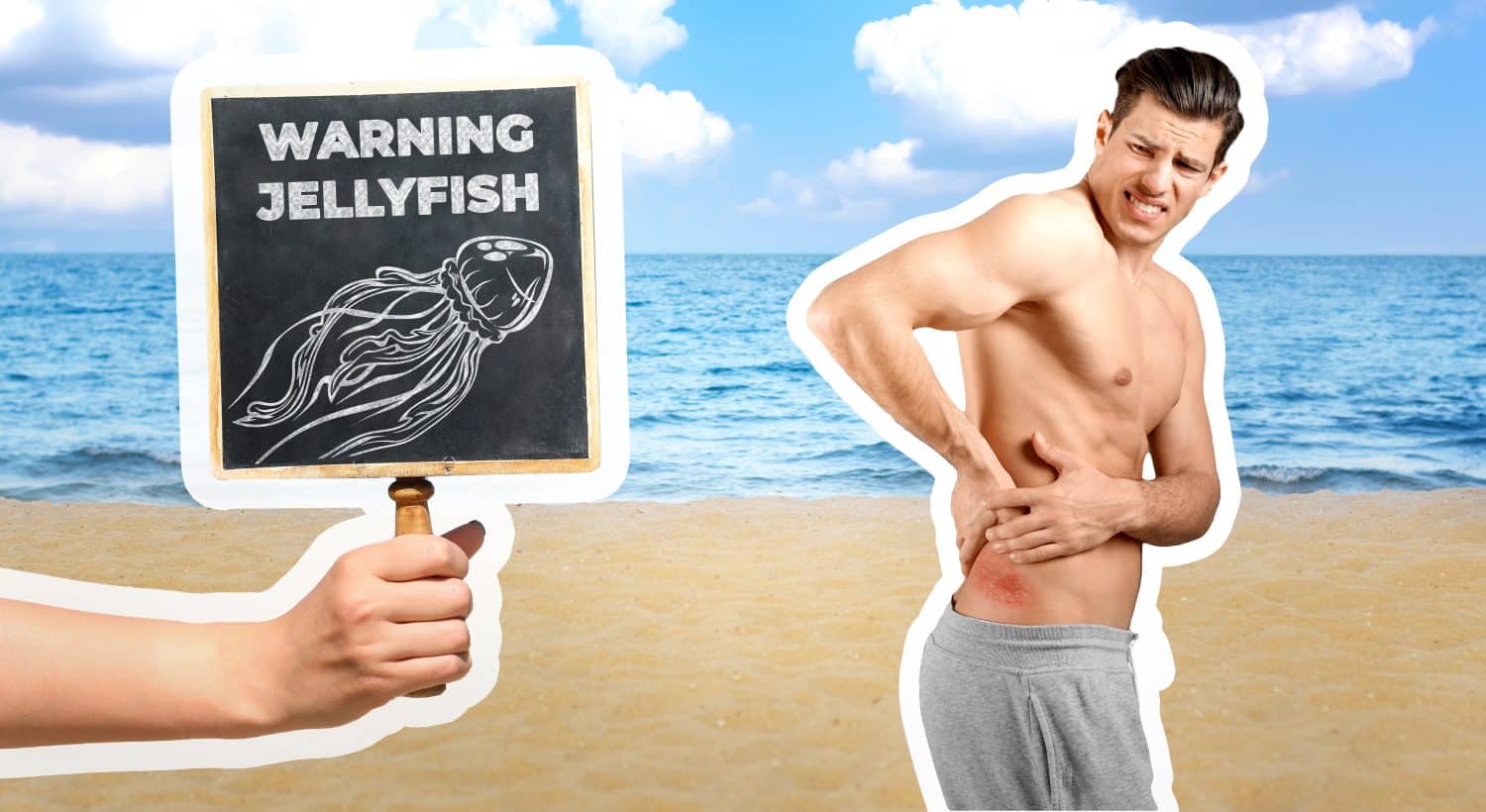

Quick Take
- The urine remedy seems logical and even contains the right chemicals, so why does it make a jellyfish sting dramatically worse? See why urine backfires →
- Rinsing a jellyfish sting with water feels like the obvious first move, but doing so could actually be the worst thing you do. See what to do instead →
- There's a specific temperature threshold for treating a jellyfish sting, and going even slightly below it will trigger the opposite of what you want. Check the heat threshold →
- Some jellyfish sting symptoms look minor but signal something that can turn life-threatening the longer you wait. Spot the danger signs →
Jellyfish may be highly concentrated at popular swimming beaches, depending on the time of year. When temperatures rise, the number of jellyfish increase in temperate ocean waters, meaning there is a higher probability of getting stung.
If you find yourself on the wrong end of a jellyfish tentacle, there are steps you can take to relieve the pain. Spoiler alert: you should never pee on a sting.
What To Do If Stung by a Jellyfish
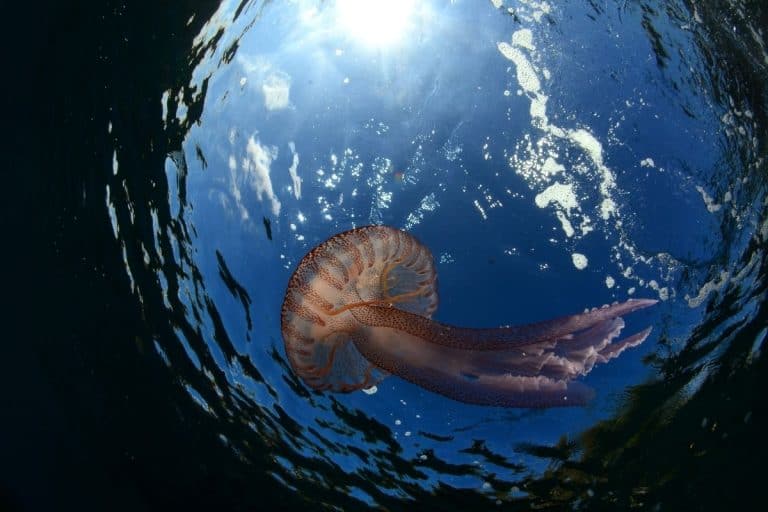
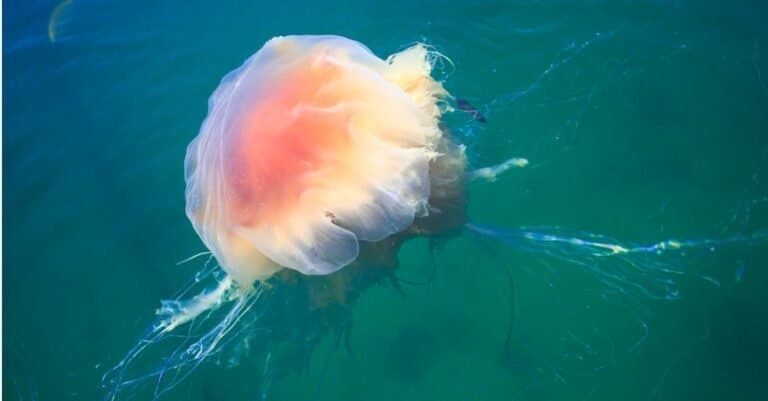
Jellyfish come in a variety of sizes and colors. Due to their transparent nature, they can be hard to see and difficult to avoid when swimming in the ocean. When contact with tentacles occurs, venom is injected into the skin. The sting can be quite painful, and proper treatment is necessary to bring a bit of relief.
First and foremost, those stung in the water need to get out immediately. This is not only to ensure treatment can begin as soon as possible, but also to prevent further stings.
Next, the site of the sting needs to be neutralized. This is best done with vinegar, which can be applied directly to the sting. Treat with vinegar for at least 30 seconds to stop the venom from activating.

Jellyfish stings need to be neutralized to stop the venom activation.
©Andrei Antipov/Shutterstock.com
For those who do not have vinegar, soaking in hot water between 110F and 113F will also prevent the venom from activating. However, the water must be at these precise temperatures. Cooler water will actually cause more venom to be activated, making the sting site hurt more.
Once the venom has been deactivated, you’ll need to remove any tentacles or barbs. Tweezers or a plastic card both work well to remove barbs. Make sure to avoid rubbing the site of the sting, as this can cause more venom to be injected.
For pain that lingers after treatment has been administered, over-the-counter medication such as acetaminophen or ibuprofen can help. For itching that occurs as the sting heals, topical hydrocortisone cream may provide relief.
Why Peeing on a Jellyfish Sting Does Not Work
An old wives’ tale says that peeing on a jellyfish sting is a surefire way to get rid of the pain. The reasoning is that urine contains both urea and ammonia. However, this remedy is not only ineffective but can actually make the stinging worse.
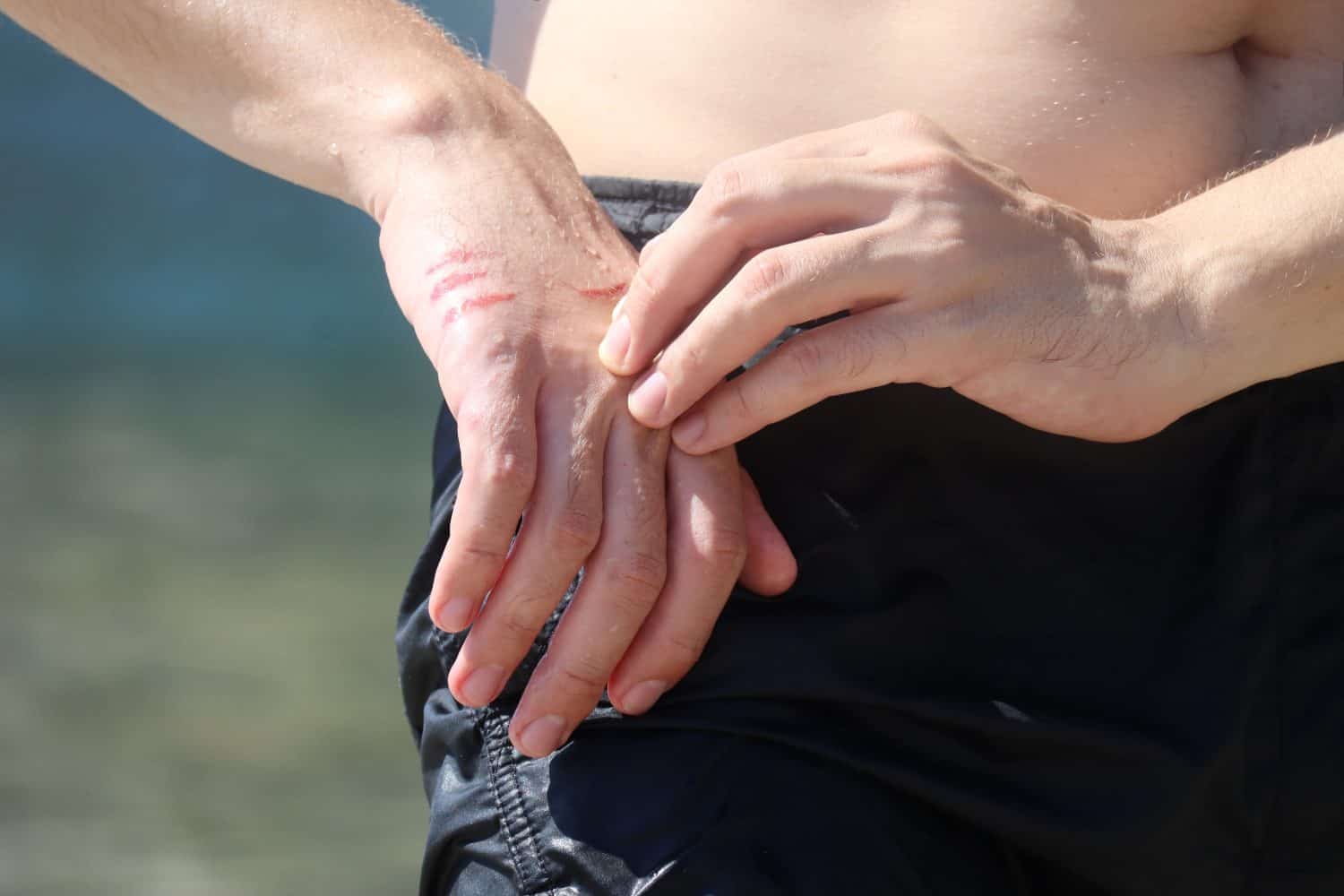
Not only is urine unsterile, but it can cause jellyfish venom to reactivate on contact.
©Andrei Antipov/Shutterstock.com
It is true that ammonia and urea in human urine can help decrease the pain from a jellyfish sting. However, the reason peeing on the site does not work is that human urine is mostly water. Water can actually trigger unremoved barbs to inject more venom into the body, making the stinging more painful.
Additionally, urine is not sterile. The sting is an open wound, so by introducing urine to the sting site, a host of bacteria is introduced as well. Peeing on the sting risks infecting the site, which could lead to issues beyond the pain of being stung.
Signs of a Jellyfish Sting
It may not always be clear that a jellyfish was the culprit behind certain pain experienced in the water or while walking in the surf. For those who suspect they have encountered a jellyfish, there are specific signs to look for.
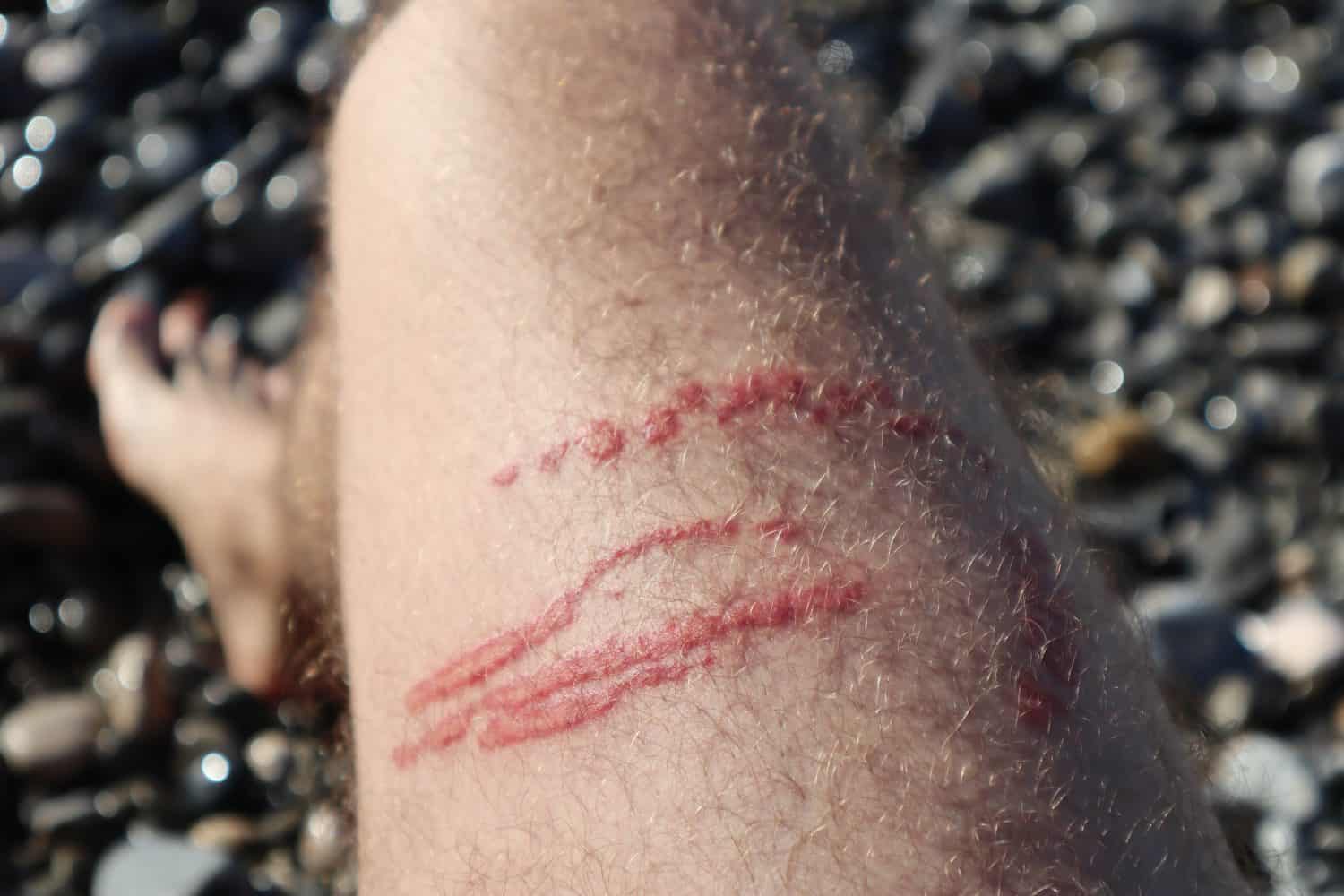
Welts, redness, and inflammation are signs of a jellyfish sting.
©Andrei Antipov/Shutterstock.com
Symptoms experienced by those who have been stung by a jellyfish include:
- Stinging pain, sometimes severe, at the site of the sting
- Welts
- Redness
- Inflammation
If these symptoms are experienced, the marine animal responsible is undoubtedly a jellyfish.
Why Do Jellyfish Stings Hurt?
Jellyfish do not intentionally sting. It is an involuntary response that serves both to subdue prey and to protect jellyfish from predators. But what is the cause behind the pain?
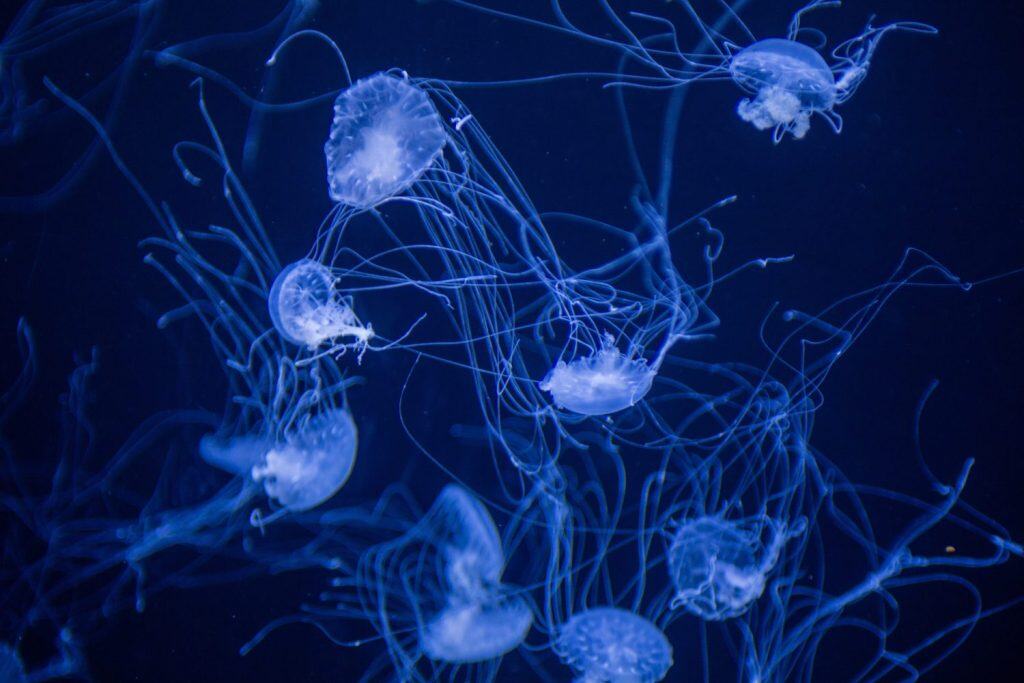
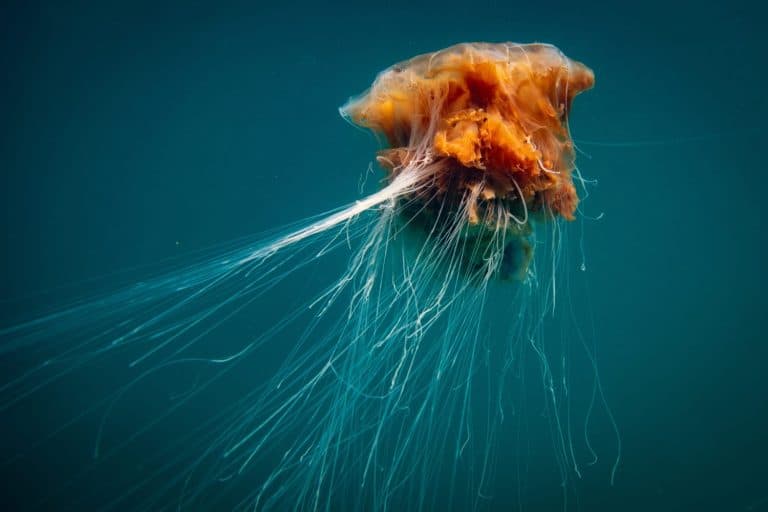
Jellyfish have cells on their tentacles called nematocysts that uncoil and inject venom into whatever they come into contact with.
©Lisa Top/Shutterstock.com
The reason that jellyfish stings hurt is that venom is being injected into the body. The cells that contain the venom, called nematocysts, are barbed. They “uncoil” and push themselves into whatever the tentacles come into contact with. Venom from jellyfish is toxic and “irritates nerve endings.” Just how uncomfortable or painful the sting is, depends on the type of jellyfish encountered.
Jellyfish can sting both when alive and when dead. Therefore, it is best to give all jellyfish a wide berth to avoid accidental stinging.
When it is Time to Seek Medical Attention
Symptoms of itching, burning, or slight pain are common after a jellyfish sting. However, it is necessary to monitor jellyfish victims for several hours after the incident to ensure symptoms do not worsen and complications do not arise.
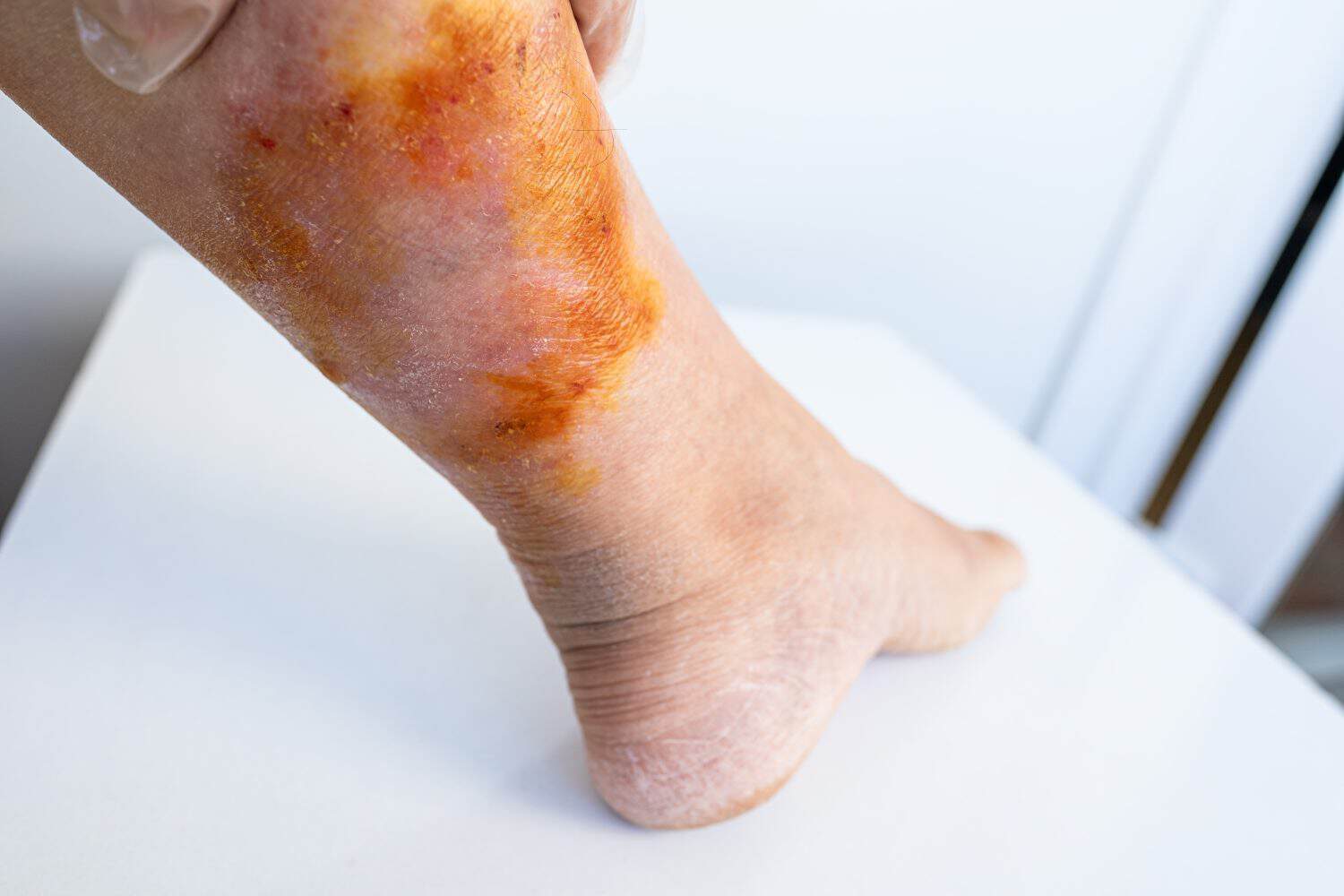
Muscle cramps, blisters, numbness, shortness of breath, and more are symptoms that should not be ignored after being stung by a jellyfish.
©Kittyfly/Shutterstock.com
Some of the symptoms that require medical attention after a jellyfish sting include:
- Muscle cramps
- Nausea
- Vomiting
- Skin blisters
- Numbness
- Chest pain
- Abdominal pain
- Sweating
- Difficulty breathing
If any of these symptoms occur, do not hesitate to seek medical attention. They could be a sign of an allergic reaction to the jellyfish venom or to something life-threatening, and the longer medical intervention is postponed, the worse the outcome may be.