

Quick Take
- Dogs aren't carnivores, and the truth about what they actually are changes everything about this debate. See what dogs actually are →
- One large study declared vegan dogs healthier than meat-fed dogs, though scientists found a serious problem with it. See the study's flaws →
- A once-popular dog food trend seemed perfectly healthy right up until it started causing heart disease. Vegan diets may be repeating that same mistake. See how trends turned harmful →
- Your dog can survive without meat, but survival and thriving are two very different things. Survival vs. thriving explained →
In recent years, many people have started to cut meat and animal products from their diets. Humans have been eating plant-based diets for a long time. Some people can survive and even thrive without meat. This has led many people to wonder if it’s the same for our pets. You might know that cats are obligate carnivores, and absolutely need meat in their diet. However, is it safe to raise a dog on a vegan diet? Let’s dive into vegan diets for dogs to learn if they’re safe, what veterinarians say, and more.
Are Dogs Carnivores?
There is a misconception that dogs are obligate carnivores like cats. Obligate carnivores are animals that must eat meat because they cannot obtain all the nutrients they need from plant sources alone. Many consider dogs omnivores like humans. However, some scientists have challenged that classification, noting that dogs are more accurately considered facultative carnivores. They eat meat-based foods, but they also opportunistically consume non-meat foods.
Studies have shown that dogs have adapted to living with humans for thousands of years. Thus, their diet is different from that of a wolf. They need more starch in their diet, for instance, likely because for most of history, humans have fed their dogs table scraps.
That being said, dogs also are not herbivores, which are animals that only or primarily eat plants. Therefore, a vegan diet is controversial and potentially unhealthy. So far, we don’t have enough data to confirm or deny whether a vegan or vegetarian diet can be good for dogs. However, most veterinarians and veterinary associations agree that dogs should be fed a primarily meat-based diet.

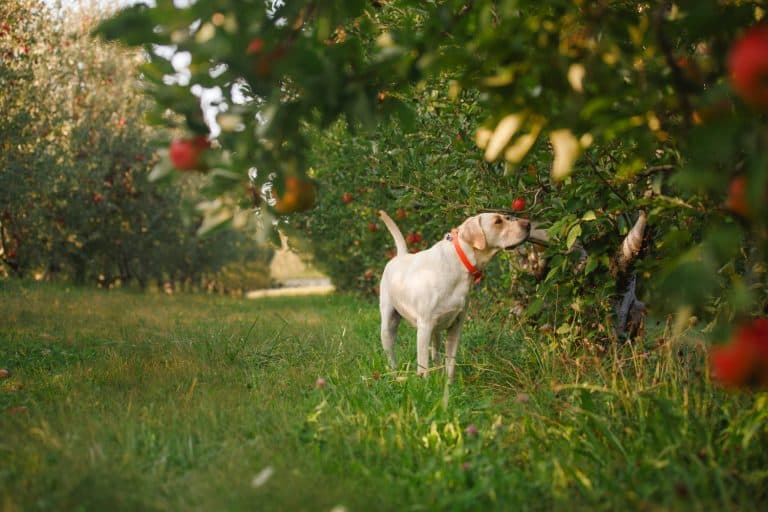
Dogs have adapted to living with humans for thousands of years, so their diet is different from that of a wolf.
©David Charles Cottam/Shutterstock.com
Are Vegan Diets Healthier for Dogs?
Whether a vegan diet is actually detrimental hasn’t been thoroughly studied. Although there is one large study that claims vegan dogs are healthier than those who eat meat, other scientists have disputed these results. They claim the methodology is flawed, leading to an inaccurate conclusion. The original study concluded that dogs fed a meat-based diet required more medications, went to the veterinarian more often, and had more health problems.
The problem is that this information comes only from owner surveys. The dogs weren’t tested by a veterinarian to confirm their health before, during, or after the study. When relying on survey answers from dog owners, the data could be unreliable. For instance, it is possible that those who fed their dogs vegan diets were more prone to seeking natural remedies. Thus, their dogs might not have been taken to the veterinarian and provided with medications even when it was needed.
Another flaw in the study is that the vegan-fed dogs were a year younger than the meat-fed dogs on average. Thus, they were less likely to experience health problems than the older dogs who were fed meat. It was also not a longitudinal study. It doesn’t tell us how long the vegan-fed dogs lived compared to those on traditional meat-based diets, nor does it describe the long-term consequences of a vegan diet.
Based on the current science, vegan diets are not generally recommended at this time. Guidelines may change, however, as more studies are conducted.
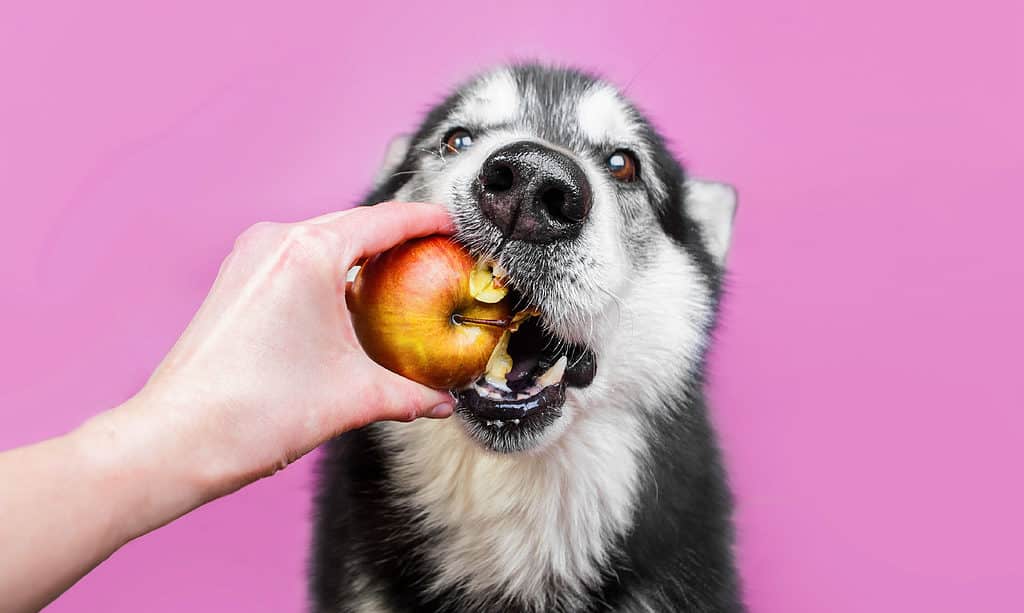
Dogs can eat plant matter, but the jury is still out as to whether it is better for them to eat an entirely plant-based diet.
©Ellina Balioz/Shutterstock.com
The Dangers of Homemade Diets for Dogs
Most veterinarians also recommend against homemade diets. There are some known risks, such as nutrient deficiencies (common in homemade diets), with legumes possibly connected to an increased risk of heart disease. It’s vital that your dog is fed a food formulated by a board-certified veterinary nutritionist.
A dog eating a vegan diet would probably need supplements because it is unlikely that they can get all of their nutrients from whole foods. While this isn’t necessarily bad, and commercial dog foods often contain supplements, whole foods are a better source of nutrients when possible.
The History of Dog Food Trends
Another thing to keep in mind is that, as consumers become more aware of what their dogs are eating, companies are getting better at marketing foods as healthy. They create trends that are sometimes detrimental to our dogs.
An example of this is grain-free dog food, which has been linked to heart disease. Boutique dog food brands have also been shown to cause health problems. While they aren’t all bad, many use ingredients our dogs aren’t used to eating, and the recipe has not been properly formulated by a veterinary nutritionist.
When there is not enough data about a certain type of diet, such as grain-free or vegan, it inherently comes with risks. The same goes for dog foods with unusual ingredients, as they’re less likely to have been thoroughly studied. The lack of science-based evidence is the best reason to avoid a vegan diet. It sounds like a good idea in theory, but no one wants to find out years later that it actually hurt their dog.

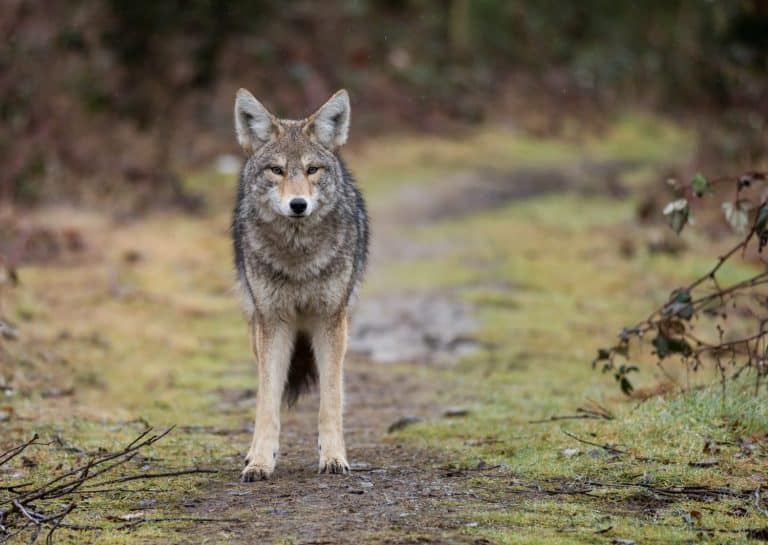
Some people want to feed their dog a vegan diet due to allergies.
©Chendongshan/Shutterstock.com
Risks of a Vegan Diet for Dogs
There are several risks of a vegan diet for dogs, including:
- They may develop protein deficiencies, since most dogs’ primary source of protein is meat. It’s more difficult to get protein from plants, and dogs need a lot more of it than humans! A deficiency is especially likely in diets that aren’t carefully formulated by a veterinary nutritionist.
- The diet might not contain the right amount of amino acids like taurine or L-carnitine. It might also be lacking in other vitamins and minerals, causing a nutrient deficiency.
- The FDA is currently studying a possible link between heart disease in dogs and legumes. It’s possible that vegan diets containing legumes may increase your dog’s risk of heart disease.
- Vegan diets are understudied, so there may be other risks yet to be found.
Why Feed a Dog a Vegan Diet?
So, if there are risks to feeding a dog a vegan diet, why would someone want to do it? There are various reasons people might want to feed their dog a vegan diet. These may include ethical reasons like not wanting to support the meat industry or wanting to do better for the planet.
Some people want to feed their dog a vegan diet because the dog has food allergies and they find that a vegetarian or vegan diet is best for their pet. However, this is very uncommon and should only be done under the guidance of a veterinarian.
Other people may have heard that plant-based diets are the best for their dogs, and want them to be as healthy as possible. However, we currently don’t have enough research to confirm this. For many, the risks outweigh the potential positives. Our pets’ health has to come first, and we don’t yet know how risky a vegan diet might be.
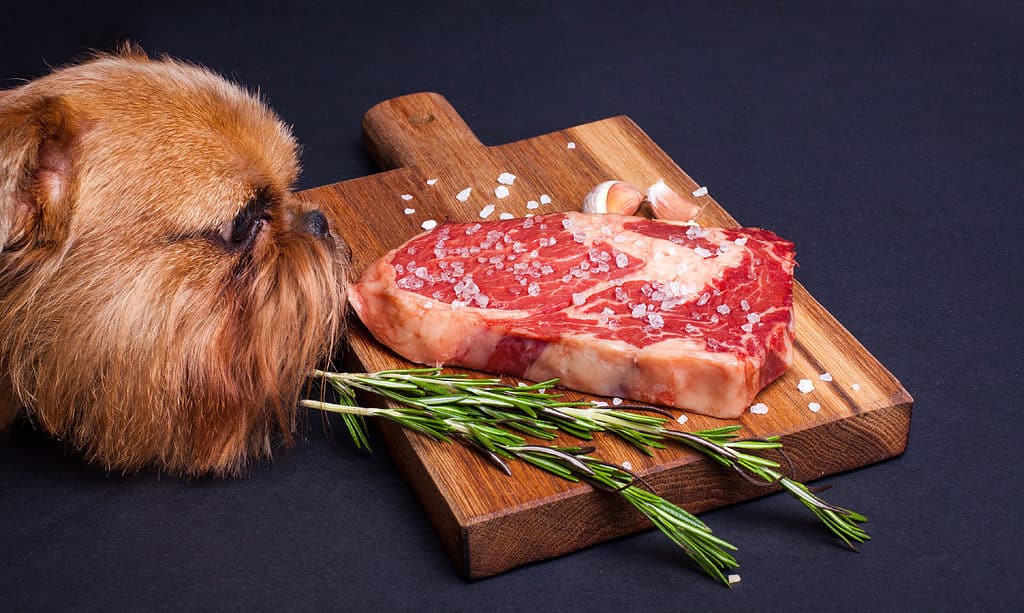
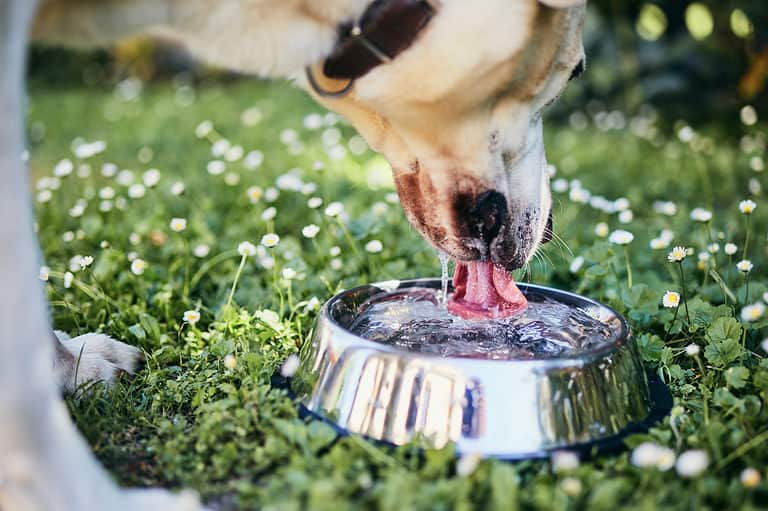
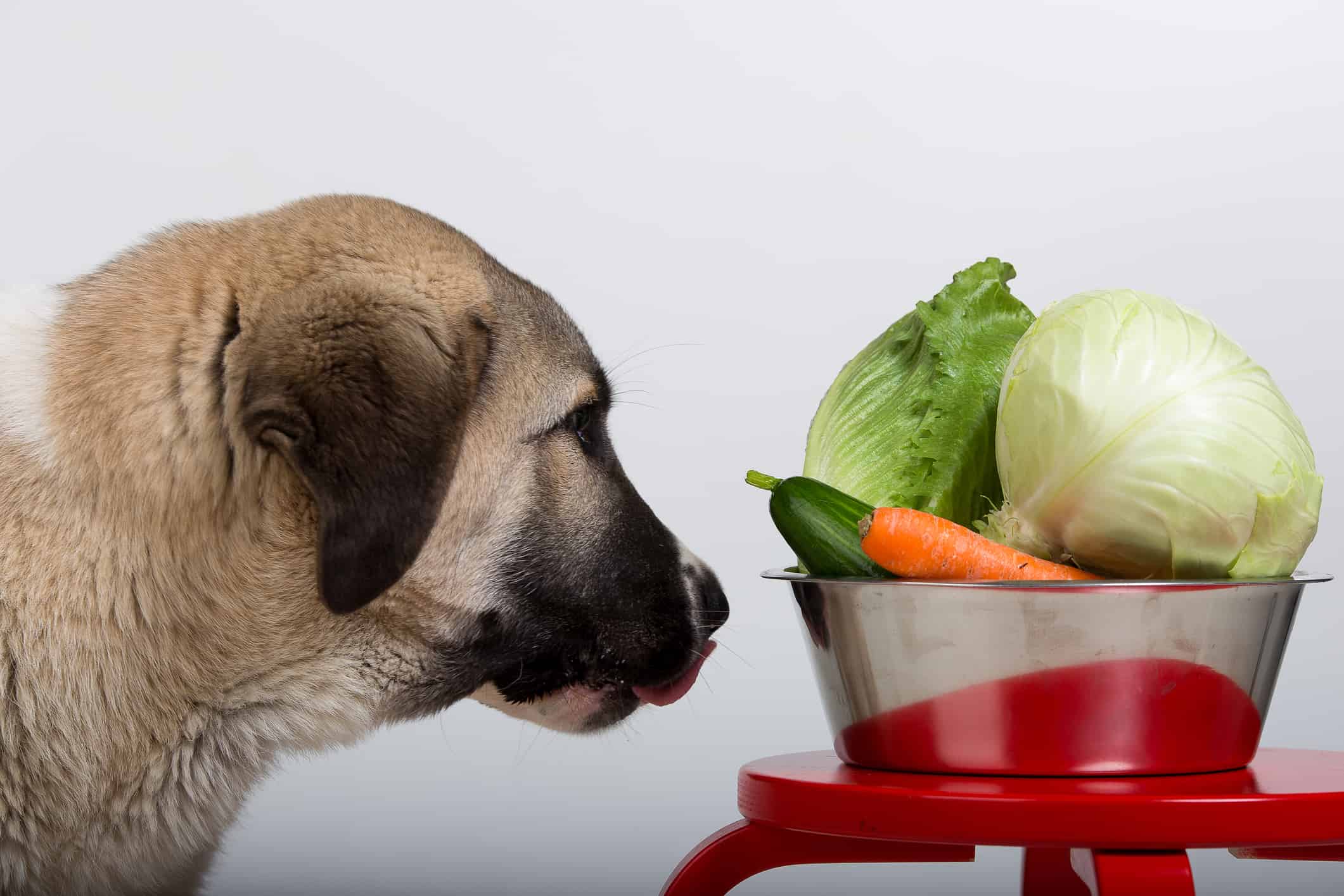
Dogs can survive without meat, but we don’t yet have enough studies to know if they can thrive on this diet.
©iStock.com/vasiliybudarin
Can Dogs Survive Without Meat?
Dogs can survive without meat. However, as mentioned previously, we don’t yet have enough studies to know if they can thrive on this diet. Please remember that these are two different things! For instance, your dog can also survive years locked in a crate without exercise — but they wouldn’t be happy, healthy, or well cared for.
Our current science says that meat should be the number one ingredient in any dog food. Beyond health considerations, most dogs will prefer meat over plant-based foods like vegetables or fruits. There is an argument to be made that it’s not fair to change an animal’s diet because of human morality. This is especially true when it goes against their natural instincts, and we lack the information to confirm that a meatless diet is safe for them.