
Quick Take
- A U.S. legal organization is fighting to give certain animals the same standing as people in a courtroom. Meet the legal advocates →
- Europe's ban on cosmetics animal testing has a legal loophole that could force cruelty-free brands to start testing on animals again. See cruelty-free challenges →
- Factory farming cruelty goes far beyond chickens, and one overlooked species faces conditions that even the USDA admits are harmful. Discover overlooked factory farming →
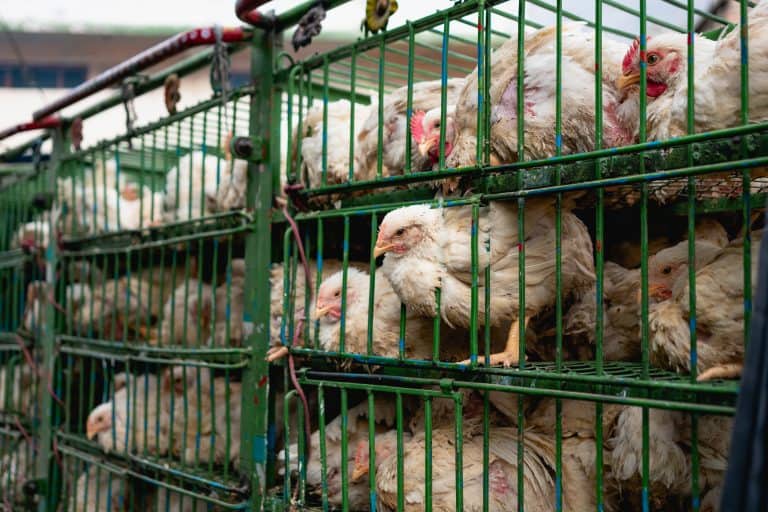
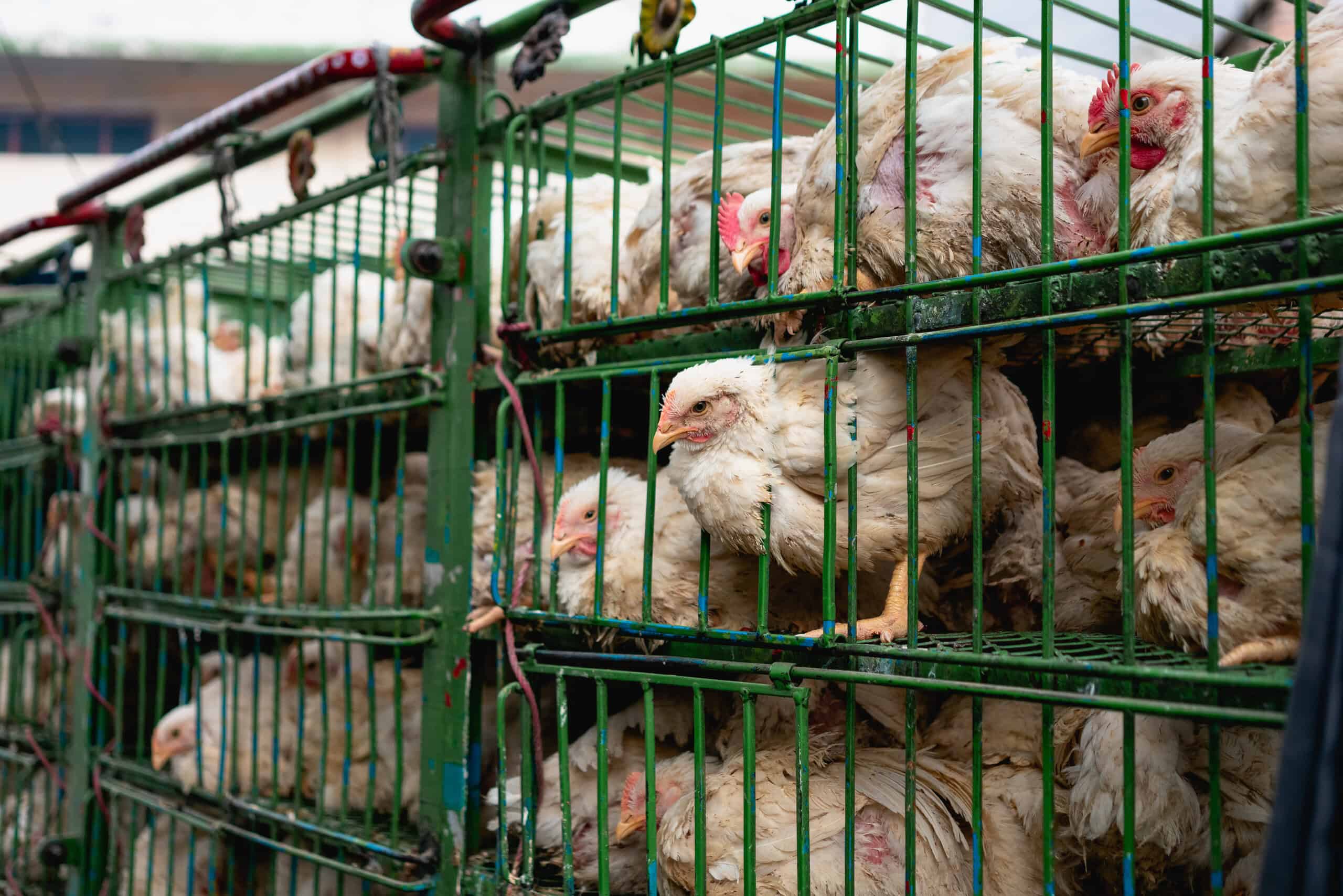
An estimated 50 billion chickens are raised for meat each year, with another five billion dedicated to producing eggs. Most are kept in cramped, inhumane conditions. By the numbers, chickens are one of the most abused animals in the world, according to National Today.
But chickens are just the tip of the iceberg. Every day, in research laboratories around the world, animals are subjected to inhumane testing that results in suffering and even death. Millions more animals around the world suffer abuse at the hands of humans.
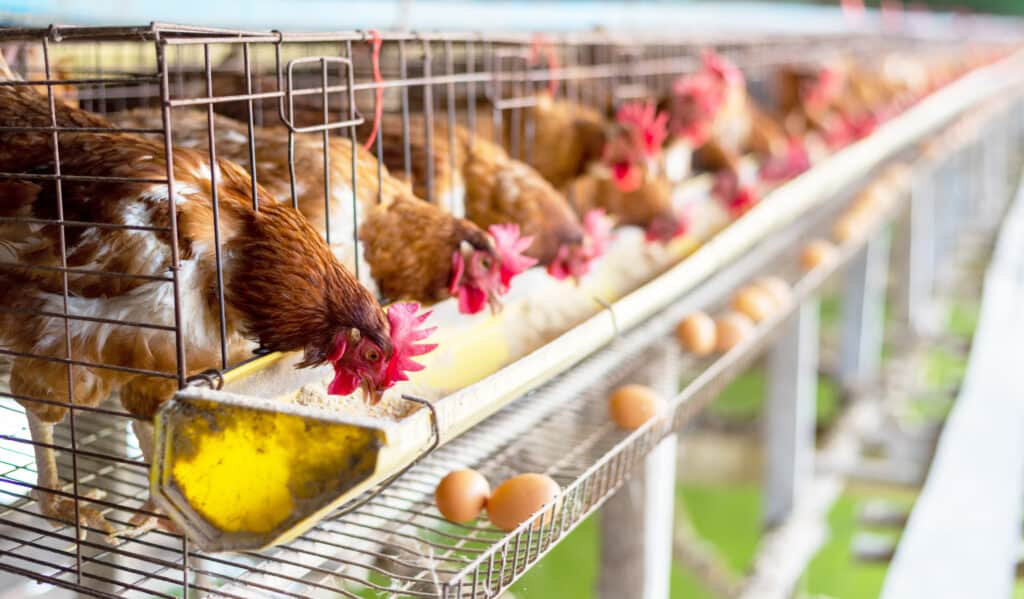
Around the world, five billion chickens are kept in factory farms for egg-laying purposes each year.
©SasinTipchai/Shutterstock.com
It’s a global issue, and one that’s prompted global action.
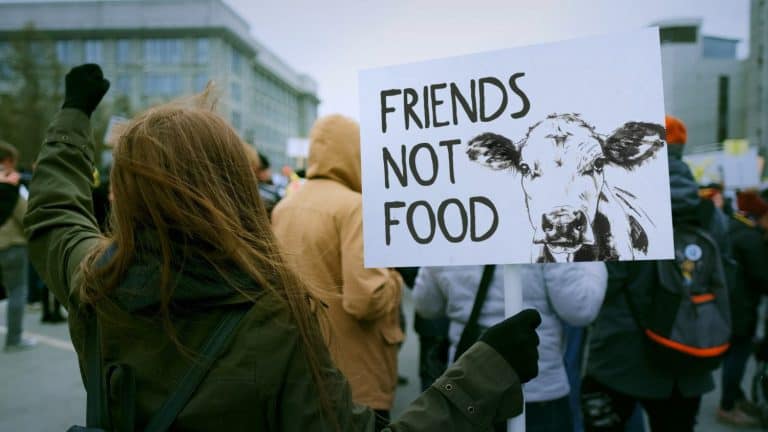
Each year during the third week of June, people around the world come together to advocate for animal protection during Animal Rights Awareness Week. This year, the event takes place June 15-21.
The goal is to raise public awareness and advocate for animals that can’t speak up for themselves. The week was established in 1991 by In Defense of Animals, an organization that has been on a 40-year mission to defend animals from exploitation and abuse.
The Problem Is Bigger Than You Think
There are two major causes of animal abuse and cruelty. Both happen every day but are hidden from public view.
Factory Farming
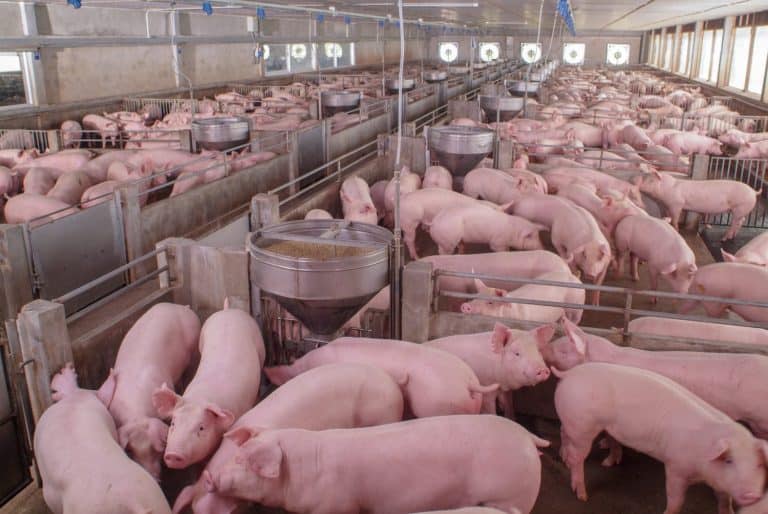
Chickens aren’t the only species subject to factory farming cruelty. According to the Sentience Institute, 98.6 percent of pigs in the U.S. are living in factory farms, the majority raised in facilities that house 5,000 or more individual pigs.
Pregnant females are confined to metal stalls — called gestation crates– so small they cannot turn around. The USDA states that crates like that harm the sows, impacting heart function, bone strength, and stress and frustration levels. Male pigs don’t fare much better. They are frequently castrated without anesthesia and have their tails severed to reduce tail biting—a phenomenon associated with pigs kept in terrible conditions.
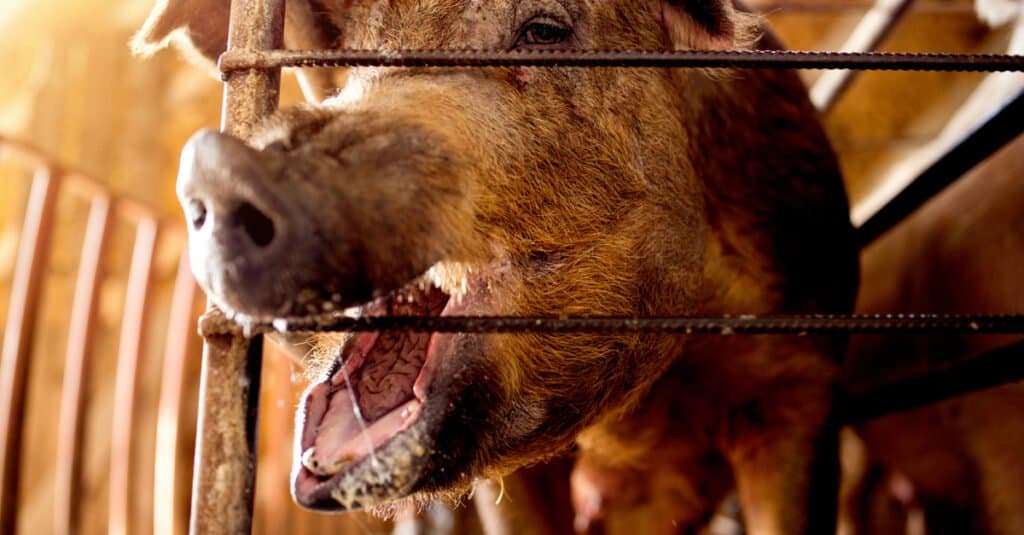
Sows in gestation cages often develop abnormal behavior like cage biting, a sign of extreme stress.
©Dusan Petkovic/Shutterstock.com
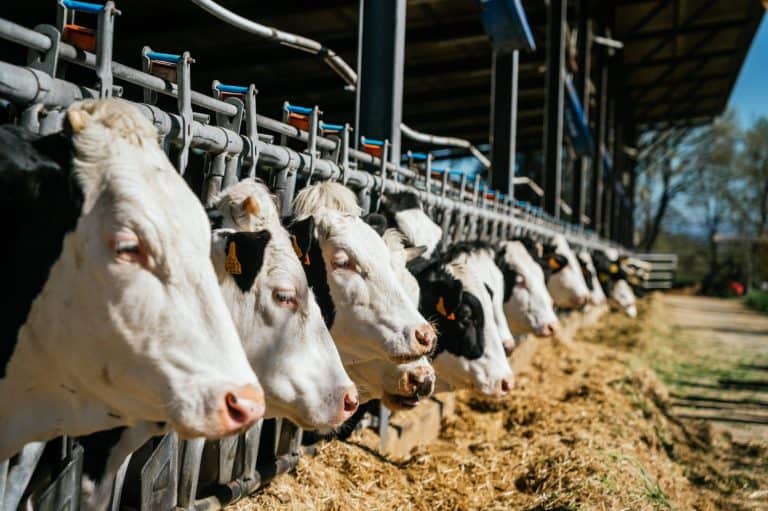
Then there are dairy cows. More than 9 million were used to produce milk in 2024. During that same year, nearly 3 million were slaughtered for meat. Dairy cows are genetically manipulated, and artificial production techniques force them to produce far more milk than they would normally make, with U.S. dairy cattle producing around four times more milk per cow today than in 1945.
Male dairy calves face an equally difficult future. They spend their entire short lives in wooden crates just 2.5 feet wide and are fed only a specialized liquid diet designed to keep their flesh soft and pale. These veal calves are then slaughtered at around 16 to 18 weeks of age.
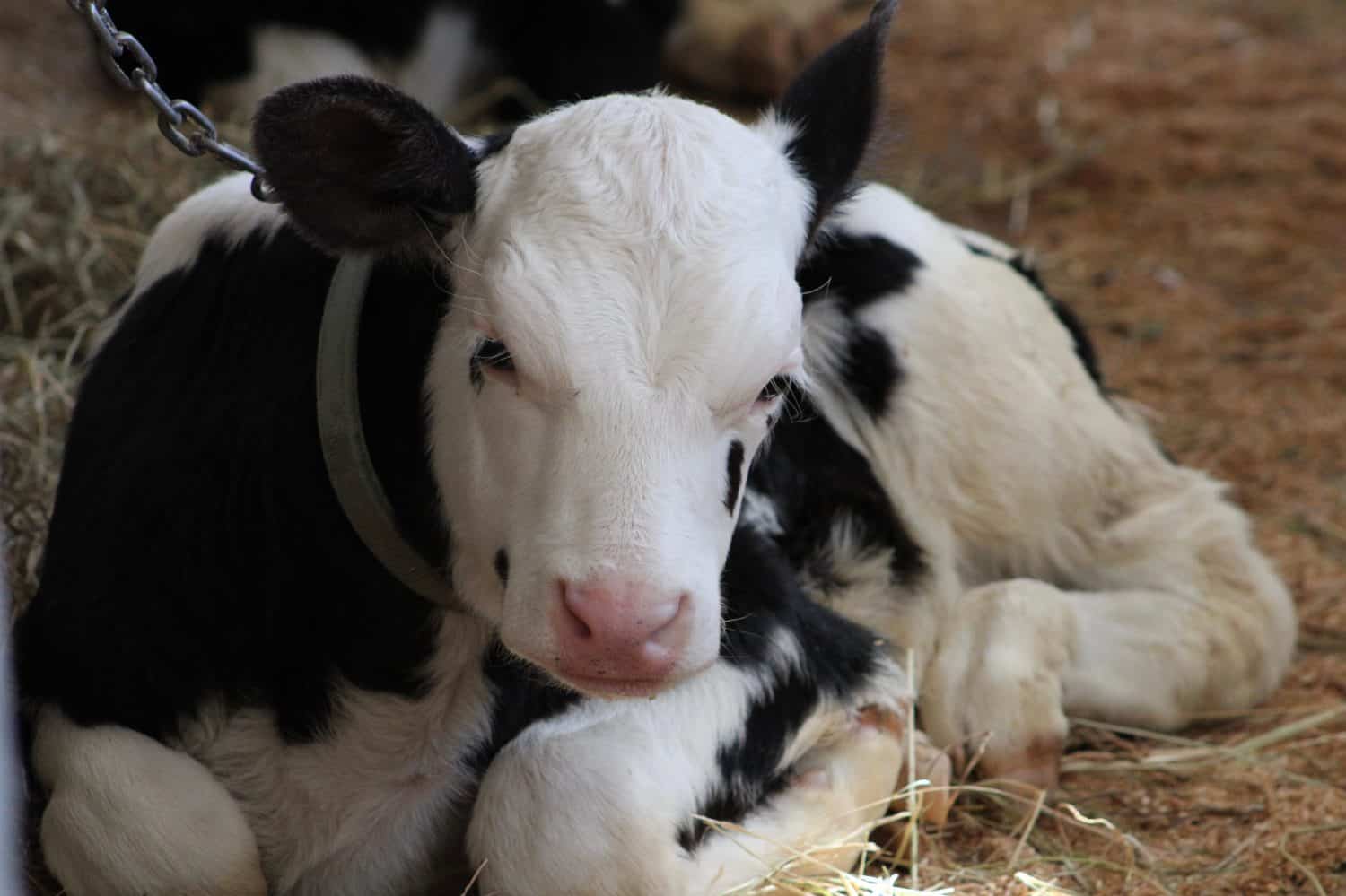
Dairy cows are another animal often forced to live in cruel conditions.
©Jaclyn Vernace/Shutterstock.com
Tens of billions of fish are farmed annually around the world. In aquaculture farm settings, these fish spend most of their lives squeezed together in tiny environments surrounded by water dense with ammonia and nitrates.
Animal Testing
For decades, animals were used as the default for product testing. While the U.S. has focused on reducing the number of animals used in experiments, other countries haven’t been so quick to act. A loophole in European Union legislation may force cosmetics companies to test on animals to comply with safety requirements.
The Activists Fighting for Animal Rights
PETA is one of the most well-known animal activist groups in the world. They use public education campaigns, undercover investigations, corporate outreach, and high-profile activities to call attention to animal suffering. They also participate in court cases involving animal rights.
Nonhuman Rights Project is another organization taking a stand for animal rights protection. The U.S.-based advocacy group is on a mission to grant nonhuman animals status as legal entities with rights, just like people. The group focuses its efforts on legal ways to protect species that have scientific evidence of self-awareness and autonomy, including great apes, elephants, and cetaceans.
The organization has filed several high-profile cases on behalf of its animal clients.
Legislative Wins So Far
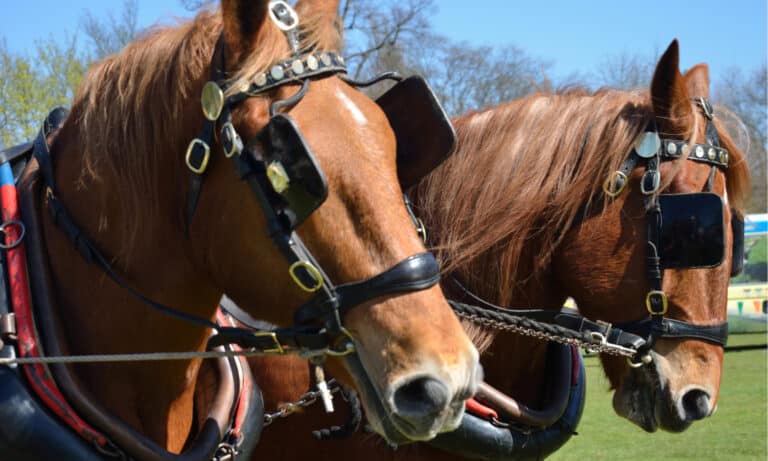
In the U.S., Congress has funded efforts for the USDA to enforce the Animal Welfare Act, Horse Protection Act, and Humane Methods of Slaughter Act. Congress has also ensured that horse slaughtering facilities won’t reopen in the U.S. The last operating horse slaughter facilities closed in 2007.
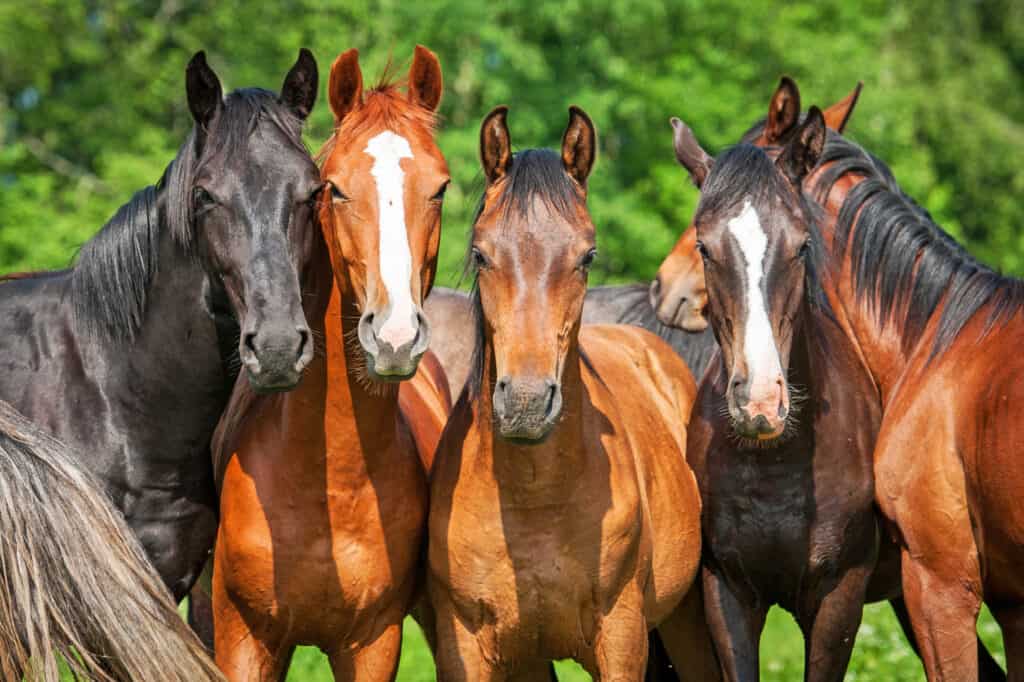
The last three U.S. horse slaughterhouses closed in 2007.
©Rita_Kochmarjova/Shutterstock.com
Other countries are also taking steps to curb animal abuse. The European Commission is advancing legislation to ban the use of cages for farm animals across the European Union. Colombia has upheld and expanded a ban on bullfighting and cockfighting. Mexico’s president has signed constitutional reforms that include animal protection as a legal right.
The Companies Championing Animal Rights
Many companies understand consumer objection to animal testing. Companies like Burt’s Bees and Tom’s of Maine were among the first to champion cruelty-free as part of their brands. Even large multi-national brands, like Procter & Gamble, have joined the cruelty-free movement. They’ve spent 40 years investing in non-animal testing alternatives for their products, according to their own reports.
Still, the U.S. government doesn’t regulate the use of ‘cruelty-free’ in advertising. This means there is no single federal standard governing the use of the term, which can create confusion for consumers.
The Coalition for Consumer Information on Cosmetics (CCIC) implemented its Leaping Bunny Program to address this issue. Companies sign a pledge not to test on animals during any stage of product development. Their ingredient suppliers must do the same. Then, companies also agree to undergo on-site audits to verify compliance.
What You Can Do
Consumers can also do their part to help champion animal rights.
Look for the Leaping Bunny logo and download the Leaping Bunny app to find products that are certified cruelty-free.
Buy foods labeled as produced in cruelty-free ways, such as Certified Humane and Animal Welfare Approved. Change your eating habits, whether that means eating meat-free one night a week, becoming a vegetarian, or even considering veganism.
Follow the legislation in your country to keep up with animal-rights initiatives.
Use Animal Rights Awareness Week as your own platform to advocate for change. Share stories and information that will help others understand the challenges facing animals around the world.