
Quick Take
- The most effective first step to stop a Sheltie from barking excessively is deeply counterintuitive, and most owners never try it. See the barking training steps →
- Keeping your Sheltie from developing separation anxiety can actually make the problem worse, and there is a tricky balance that owners often get wrong. Learn the separation anxiety balance →
- Shaving your Sheltie's coat to manage shedding doesn't just fail. It causes lasting damage owners rarely see coming. See the shaving dangers →
- Your household's emotional atmosphere directly shapes your Sheltie's behavior in ways most owners don't realize until problems already exist. Explore emotional sensitivity in Shelties →
Shetland sheepdogs, or Shelties, are beautiful herding dogs that originated in the Shetland Islands of Scotland. These playful, affectionate pups are great with children and other dogs. Shetland sheepdogs can be amazing family companions, but they aren’t right for everybody. Sheltie owners tend to share some common complaints about this lovable breed. In this article, we’ll address eight common Shetland sheepdog challenges and what to do about them.
#1: They’re Prone to Chasing and Nipping
One way that herding dogs herd livestock is by nipping at their heels. This is a common trait in Shelties that can be hard to break since it’s instinctual. They also tend to chase anything that moves, which includes prey animals or even vehicles while off-leash. It can also include children or cats in the home, which can cause problems, especially when accompanied by nipping.
That said, good training and management can resolve this issue. A herding ball can be a great option to satisfy their herding instincts. When in doubt, it helps to call in a professional force-free or positive reinforcement dog trainer to help.

Without proper training, your Sheltie might chase moving objects, pets, or people.
©Rita_Kochmarjova/Shutterstock.com
#2: Shelties Are Very Vocal
As a watchdog breed, Shelties tend to bark at strangers. They might also bark at other things that excite them, such as other animals outside. This barking can be excessive, especially if the dog isn’t getting enough exercise, mental enrichment, or training.
Strangely enough, the first step to stop excessive barking is to teach your dog to speak on command. Once they’ve learned that, you can teach them to be quiet in a distraction-free environment. Then slowly begin adding distractions, such as a brief knock on the door, once they get the hang of it. This does take time and patience, though, and dealing with excessive barking isn’t for everybody!

Shetland sheepdogs are very vocal, which is a good trait in a watchdog, but could be irritating to some.
©Utekhina Anna/Shutterstock.com
#3: They’re Energetic and Time-Consuming
Shetland sheepdogs don’t require an excessive amount of exercise, but they will need daily walks and playtime. They also require a lot of mental enrichment, as they’re smart dogs who get bored quickly without something to do. Otherwise, Shelties will find their own fun by barking at passersby.
Sniffing on walks, eating from slow feeders or puzzle toys, daily training, and nose work games will all help to prevent boredom in Shelties. A lot of your family’s time will be spent simply keeping your Sheltie company, as they thrive on human companionship and can suffer from separation anxiety.

Shelties require a lot of time and attention throughout their lives but especially as puppies.
©Lisjatina/Shutterstock.com
#4: They Are Reserved Around New People
It’s important to socialize Shetland sheepdogs from a young age so that they don’t grow up too timid or fearful of strangers. Every dog has its own personality, but Shelties are known to be more reserved as a breed. They are also incredibly protective of their homes and families, which adds to their wariness of strangers.
They don’t need to meet everyone on their walks, but it’s important that they learn not to bark or lunge when they see someone new. Having them sit in new environments and simply watch the world go by without barking is great socialization for Shelties. Let them observe from a distance where they feel safe. Controlled exposure works best, and when they show interest in new experiences, reward them.

Many Shetland sheepdogs are shy or reserved around new people, so socialization is crucial.
©Tatyana Pronina/Shutterstock.com
#5: Shelties Are Clingy
Known as velcro dogs, Shetland sheepdogs tend to cling to their favorite people. As we noted above, they may experience separation anxiety. Avoiding separation anxiety can be a balancing act. Dogs who are never left alone are often incredibly fearful when it inevitably happens, so it’s important to teach your Sheltie to be alone for short periods, slowly working up to a few hours at a time.
However, leaving them for too long can also leave them fearful. For most Shelties, a full workday with no one home is going to be too much. They prefer to live with families where someone is around most of the day. Remember that you want to build positive associations with being alone, so start small and work your way up as your dog gets more comfortable on its own.

Shelties love spending time with their families but can be too clingy for some individuals.
©Ekaterina_Kuzmina/Shutterstock.com
#6: Shelties are Sensitive Dogs
Shetland sheepdogs tend to pick up on human emotions easily and sense any drama or turmoil happening in the home. They are sensitive to your tone, so raising your voice can be upsetting. Of course, we can’t completely avoid being upset around our dogs. However, it’s important to avoid aversive training techniques and to try not to scold your dog for misbehavior. Instead, set them up for success, redirect poor behaviors, and remove yourself or others if your dog is getting too hyper and nipping heels.
You’ll also want to give your pup a place to go when they need to decompress in a quiet environment, such as a crate placed in a bedroom. Teach the whole family to leave the dog alone when they’re in their quiet spot.

Shetland sheepdogs do best in stable, peaceful homes since they react poorly to negative environments.
©iStock.com/11Audrey11
#7: They Have Long Coats That Shed Year-Round
Shelties shed fairly heavily, especially during the shedding season twice a year. You’ll need to brush your Sheltie at least once a week to keep their coat healthy and free of mats. During shedding season, they’ll need to be brushed multiple times a week. Groomers recommend parting the fur in layers and spritzing with water to prevent breakage.
Mats can be very painful, as they tug on the skin, and can cause bruising and skin infections when severe. Shelties also should not be shaved, as this damages their double coat. Double coats provide insulation against cold and hot temperatures. If you cannot deal with grooming and dog hair, a Sheltie might not be right for you.
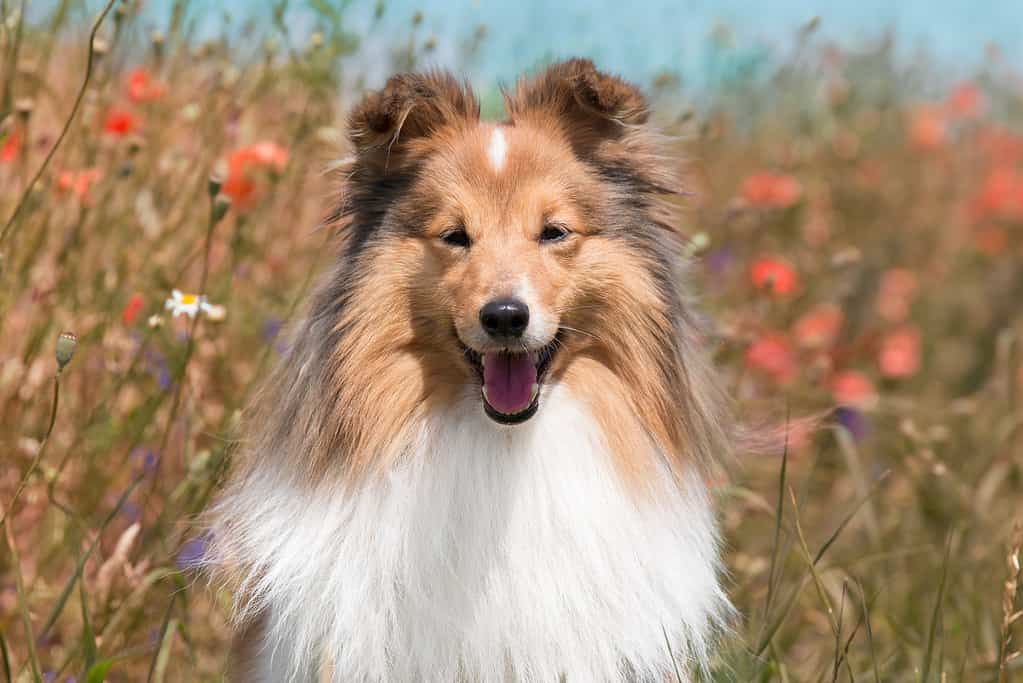
A Sheltie’s beautiful double coat takes a little work to keep it looking its best.
©Lidia Belyaeva/iStock via Getty Images
#8: They’re Prone to Certain Genetic Health Problems
Shetland sheepdogs are considered to be generally healthy, but they are prone to certain genetic health issues. If you’re purchasing a puppy from a breeder, ensure that both parents have passed the recommended genetic health tests and have CHIC numbers that allow you to verify the results.
Some things to watch for in Shelties include:
- Anxiety
- Sensitive stomach
- Hip dysplasia
- Dermatomyositis (DMS, or Sheltie skin syndrome)
- Eye conditions
- Thyroid disease
- von Willebrand’s disease
- Gallbladder mucoceles
- Epilepsy

Shetland Sheepdogs often have sensitive stomachs and may be fussy eaters.
©Filmbildfabrik/Shutterstock.com
Remember that all breeds have associated genetic health issues, and health problems can never be completely avoided. Before adopting any breed, it’s important to either have savings for veterinary expenses or pet insurance to cover sick and emergency visits. Please keep in mind that pet insurance often doesn’t cover routine care like you’d expect from human health insurance.