
Dating back to the Middle Ages, black dogs have been tied to superstition and negativity. Some of this association continues today, despite logically understanding a dog’s coat color has nothing to do with its personality. Lighter colored dogs are often favored over black dogs, particularly in shelter environments. It is known as “black dog syndrome.” It’s important to point out that black dogs are beautiful, loving, and worth adopting, just like every other dog out there.
Even in 2025, shelters report that darker animals stay at the facility longer and are abandoned more frequently than lighter colored pets. Highlighting discriminatory attitudes toward black dogs remains a focus of animal welfare advocates, who push for increased awareness. They aim to shift public perception toward black canines, with the hope that these pups will find their forever homes more easily.
This slideshow features six of the most beautiful black dog breeds and offers insight into best training methods. We cover everything from energetic terriers to gentle giants, highlighting their size, personality, and why they make such rewarding companions. Get ready to celebrate black-coated dogs in all their loyal, lovable glory.
Black Dog Breeds: Beauty and Loyalty Combined
©Soydaner Gundogdu/Shutterstock.com
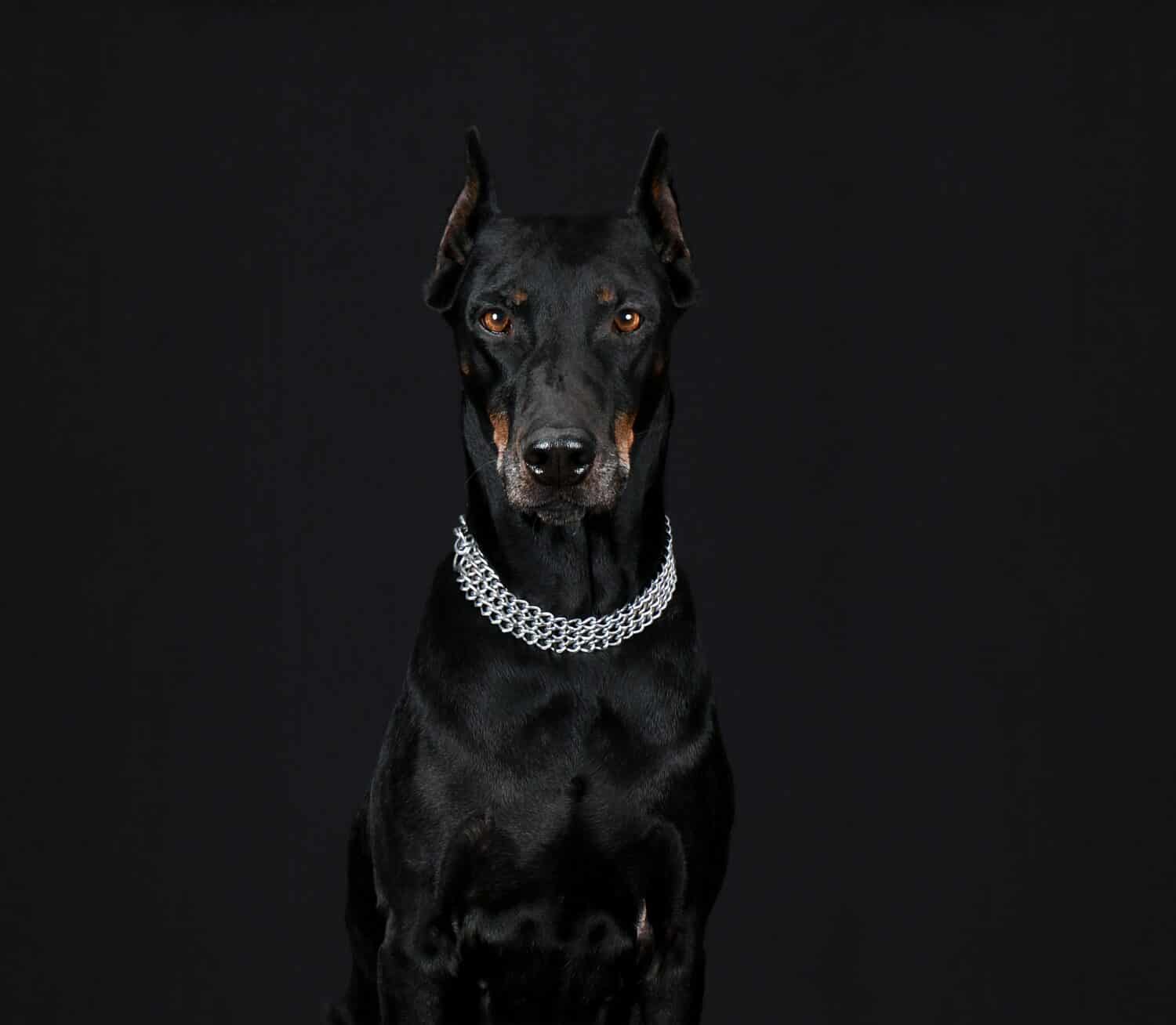
- Black dogs were once viewed as bad omens in medieval times.
- Today , coat color is understood to be a result of genetics, not superstition.
- Black dogs are just as loyal, loving, and affectionate as any other colored dog.
- Sadly, black dogs are sometimes overlooked in shelters despite their wonderful traits.
Scottish Terrier
©SubertT/Shutterstock.com
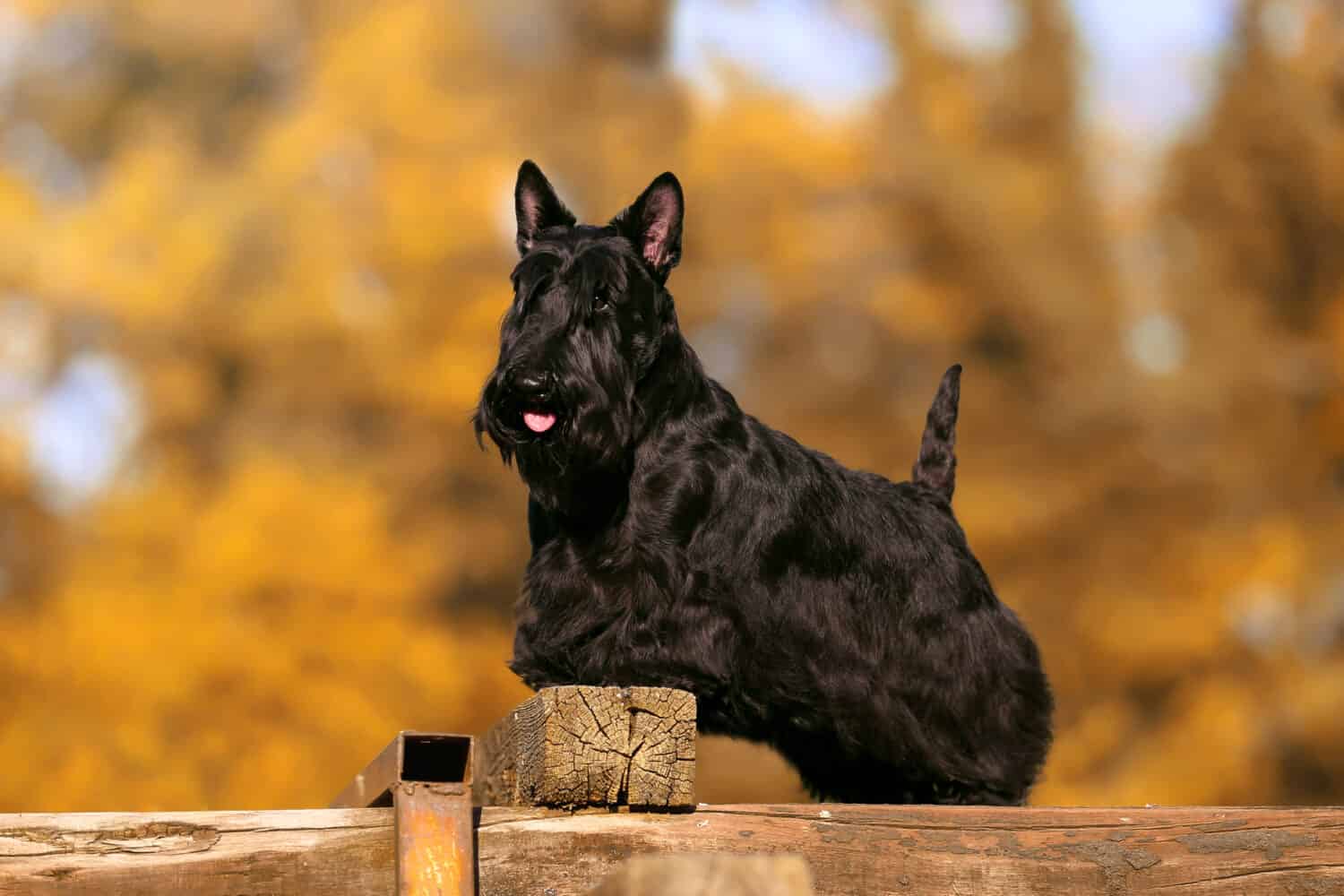
- Scottish Terriers are small but spirited dogs with strong personalities.
- They have distinct features including short legs, beards, and wiry black coats.
- These dogs are playful and confident , often acting as tiny watchdogs.
- Their affectionate nature makes them a charming addition to any home.
How to Train a Scottish Terrier
©Ohoho/iStock via Getty Images
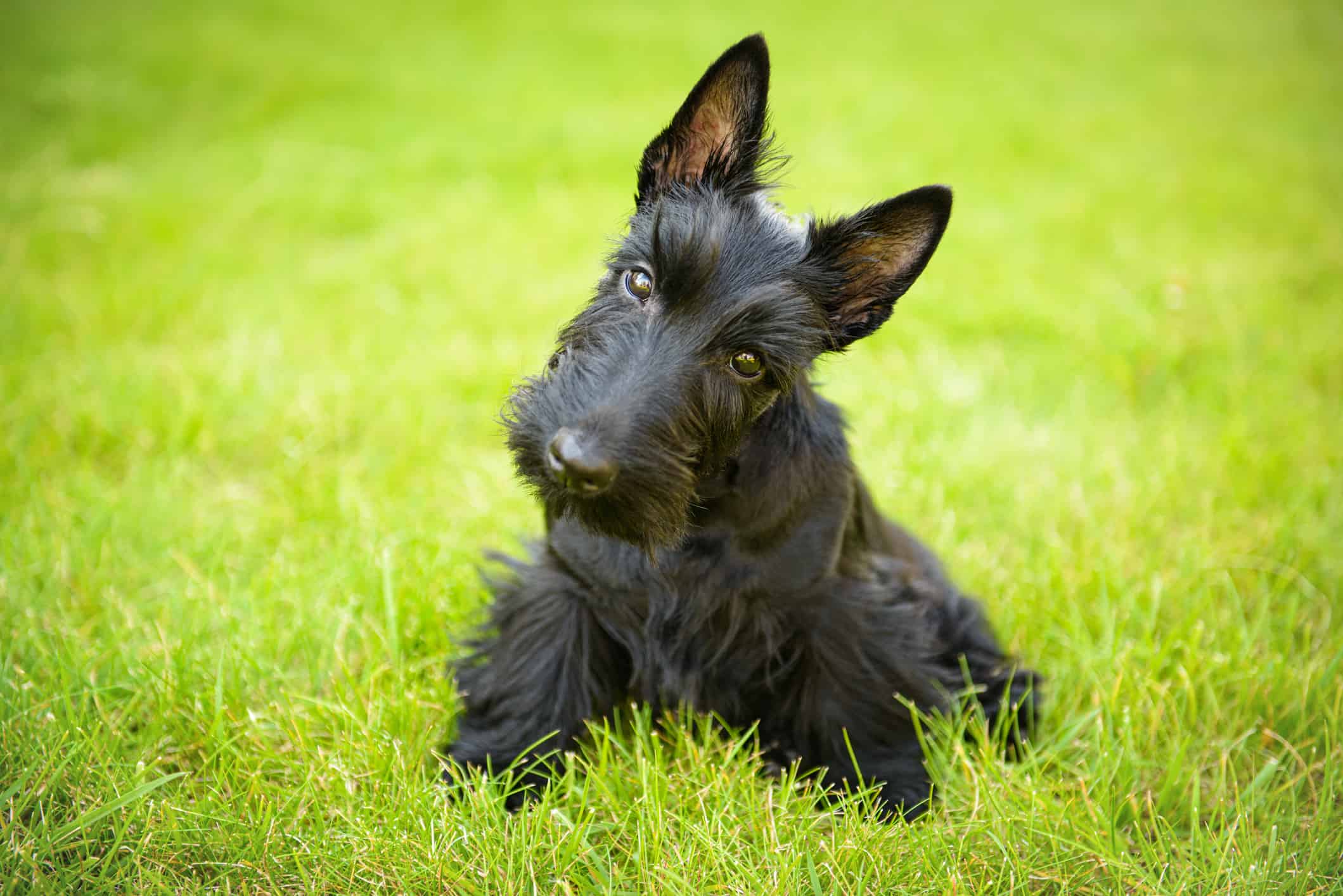
- Provide short walks and interactive play sessions to meet their energy needs.
- Respect their independence but offer regular affection and attention.
- Keep up with grooming to maintain their wiry coat.
- Introduce early socialization to balance their strong instincts.
Belgian Sheepdog

©icemanphotos/Shutterstock.com
- Belgian sheepdogs are intelligent, eager-to-please working dogs.
- They thrive on mental and physical activity to stay healthy and happy.
- These dogs are affectionate and bond closely with their human families.
- Their elegant black coats and loyal demeanor make them stand out.
How to Train a Belgian Sheepdog
©iStock.com/Zuzule
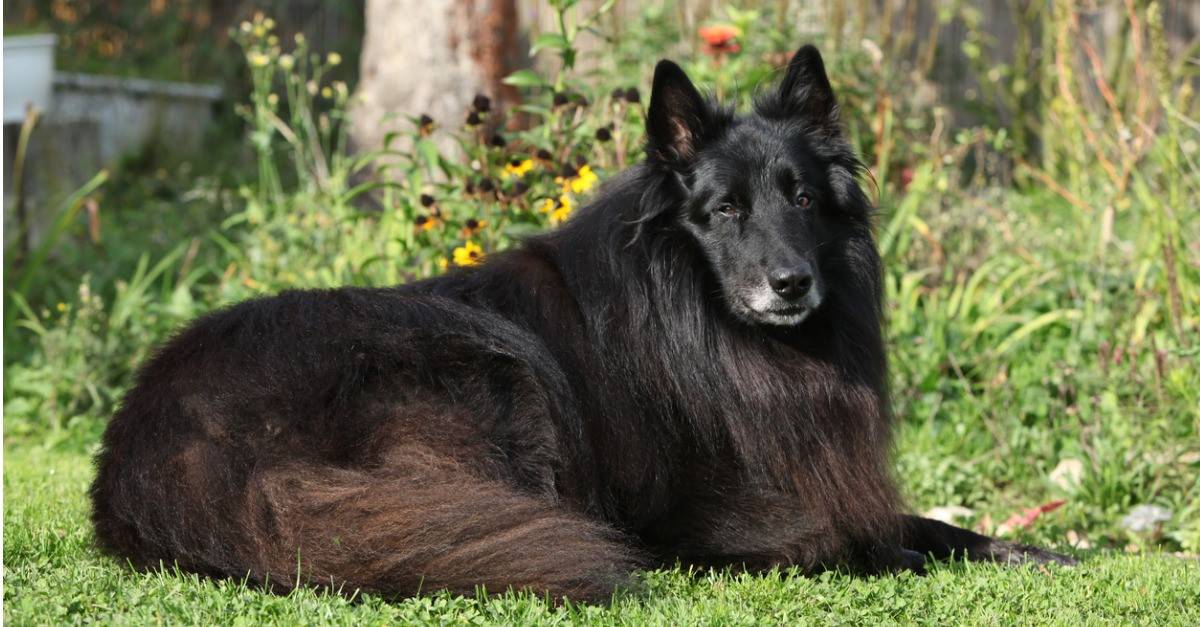
- Give them a task or training goal to keep them mentally stimulated.
- Engage them in agility, herding , or obedience games.
- Allow time for close companionship , but also independent exploration.
- Ensure regular grooming to manage their thick coat.
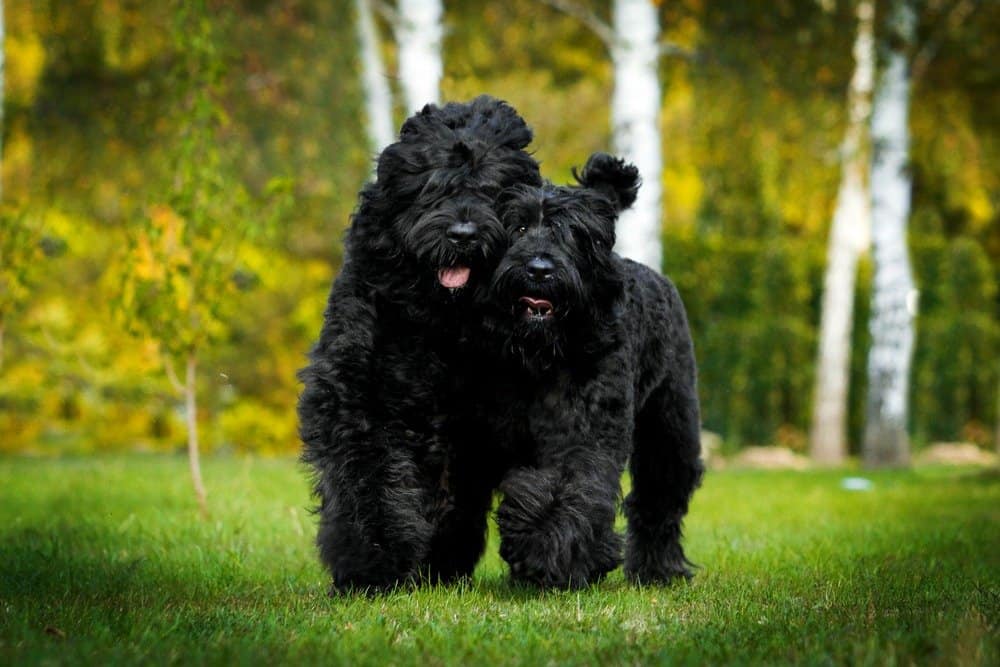
Black Russian Terrier
©Brezhneva.od/Shutterstock.com
- Black Russian terriers are powerful, protective, and highly trainable dogs.
- They form strong bonds with family but are cautious around strangers.
- These dogs need daily exercise and structured playtime.
- Their imposing presence is matched by their deep loyalty.
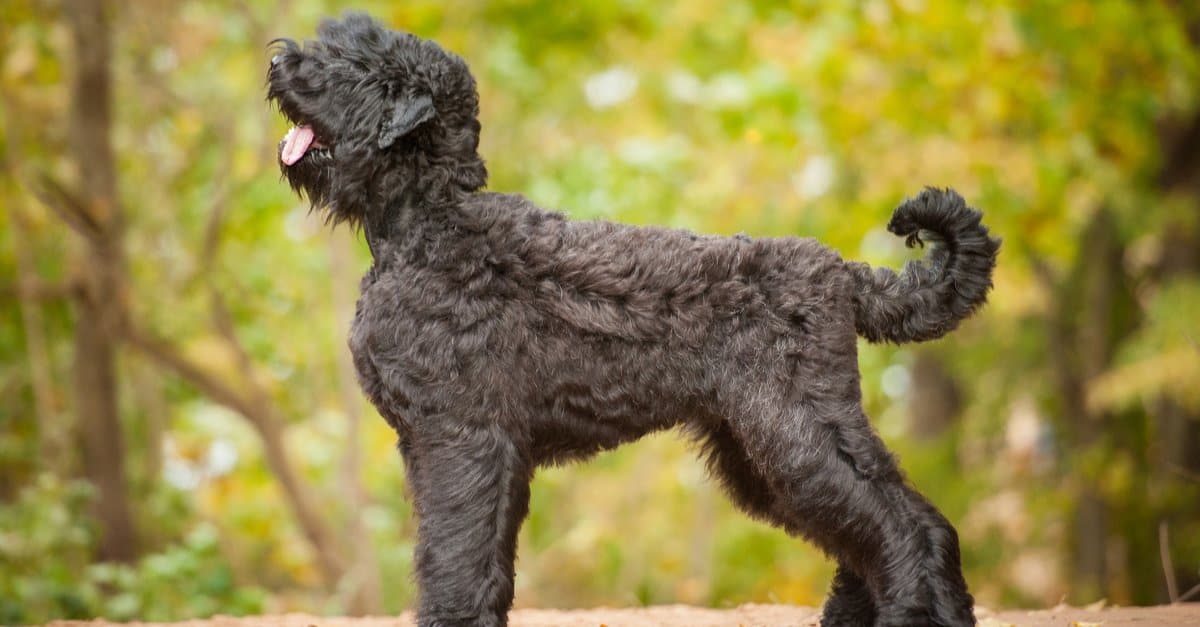
How to Train a Black Russian Terrier
©Rita_Kochmarjova/Shutterstock.com
- Schedule daily walks, runs , or canine sports to expend energy.
- Train consistently with positive reinforcement to develop their intelligence.
- Provide a secure environment to reduce reactivity to strangers.
- Involve them in family activities to meet their emotional needs.
Newfoundland

©Pandas/Shutterstock.com
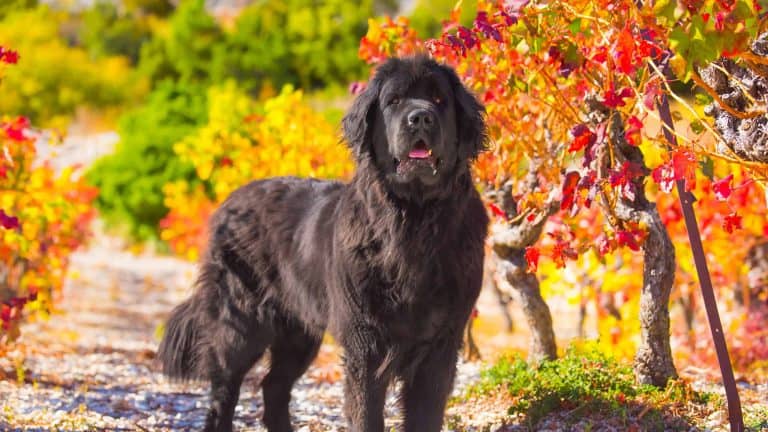
- Newfoundlands are gentle giants known for their sweet nature.
- Despite their large size, they are calm, friendly, and great with children.
- They enjoy swimming and pulling carts due to their physical strength.
- Their thick coats and loving personalities make them family favorites.
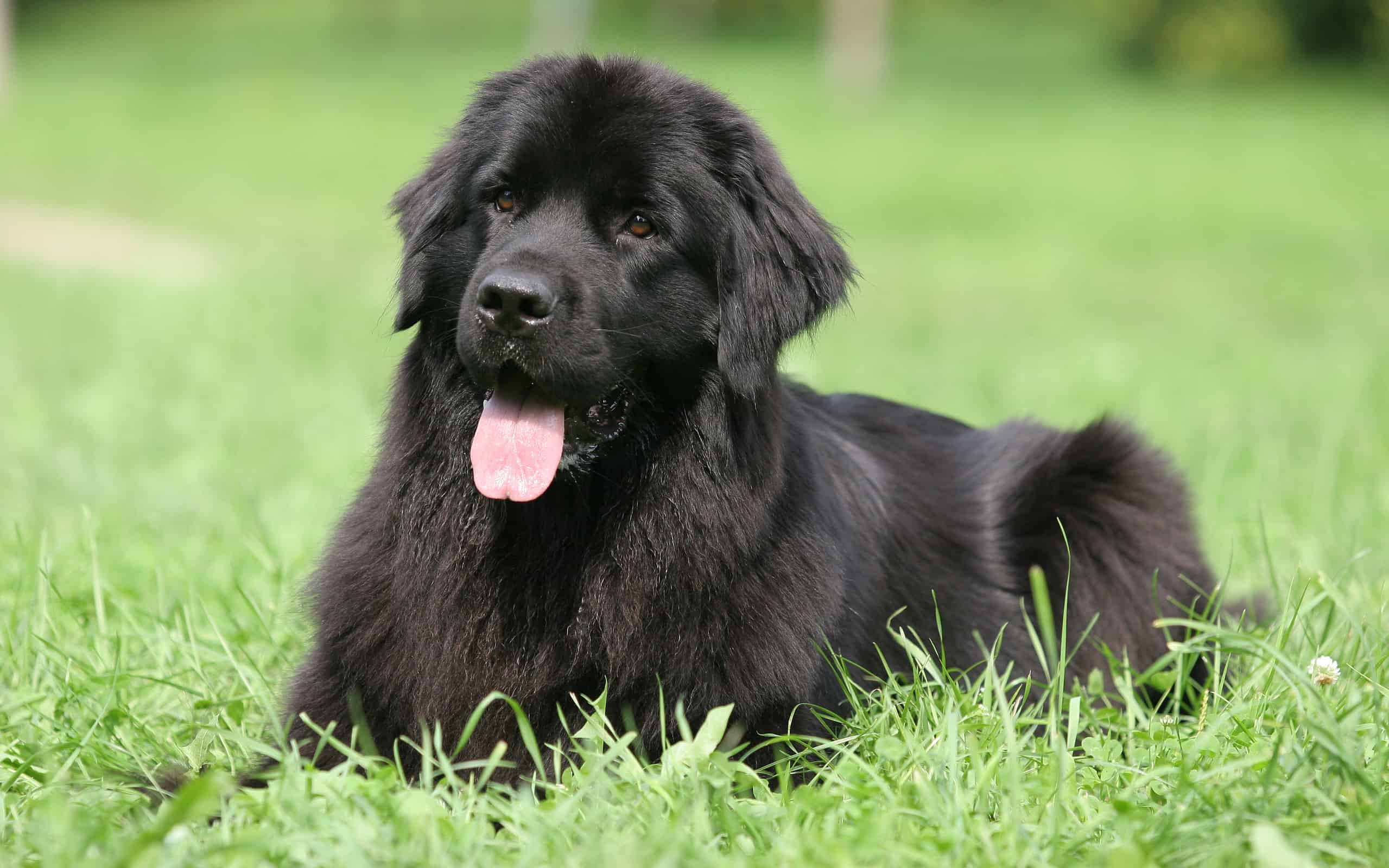
How to Train a Newfoundland
©Dixi_/ via Getty Images
- Offer regular swim sessions or walks to keep them active.
- Supervise interactions with children to reinforce gentle behavior.
- Groom them frequently to maintain their thick fur.
- Engage them in draft work or obedience training for enrichment.
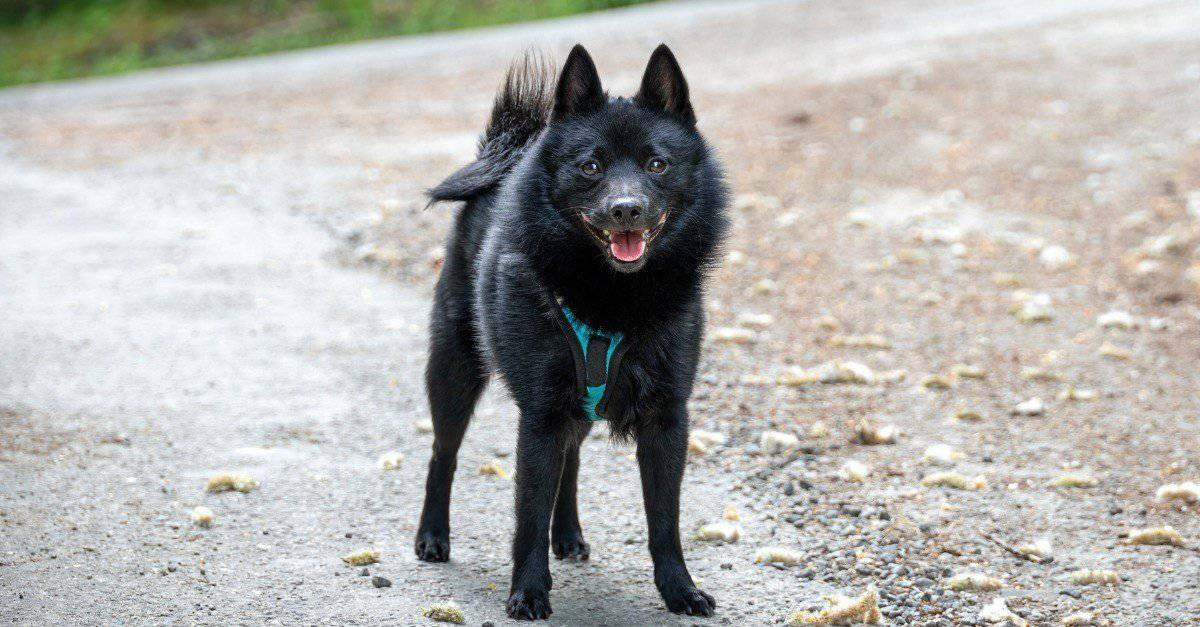
Schipperke
©Machacekcz/Shutterstock.com
- Schipperkes are compact, lively, and alert little dogs.
- Originally bred for watchdog duties, they are active and curious.
- These small black dogs bond tightly with their families.
- They’re adaptable, intelligent, and thrive on activity and attention.
How to Train a Schipperke

©Melounix/Shutterstock.com
- Keep them mentally engaged with puzzles and short training exercises.
- Allow supervised outdoor time to satisfy their curiosity.
- Offer daily walks and playtime to channel their energy.
- Socialize early to reinforce good behavior and reduce excess barking.
Labrador Retriever
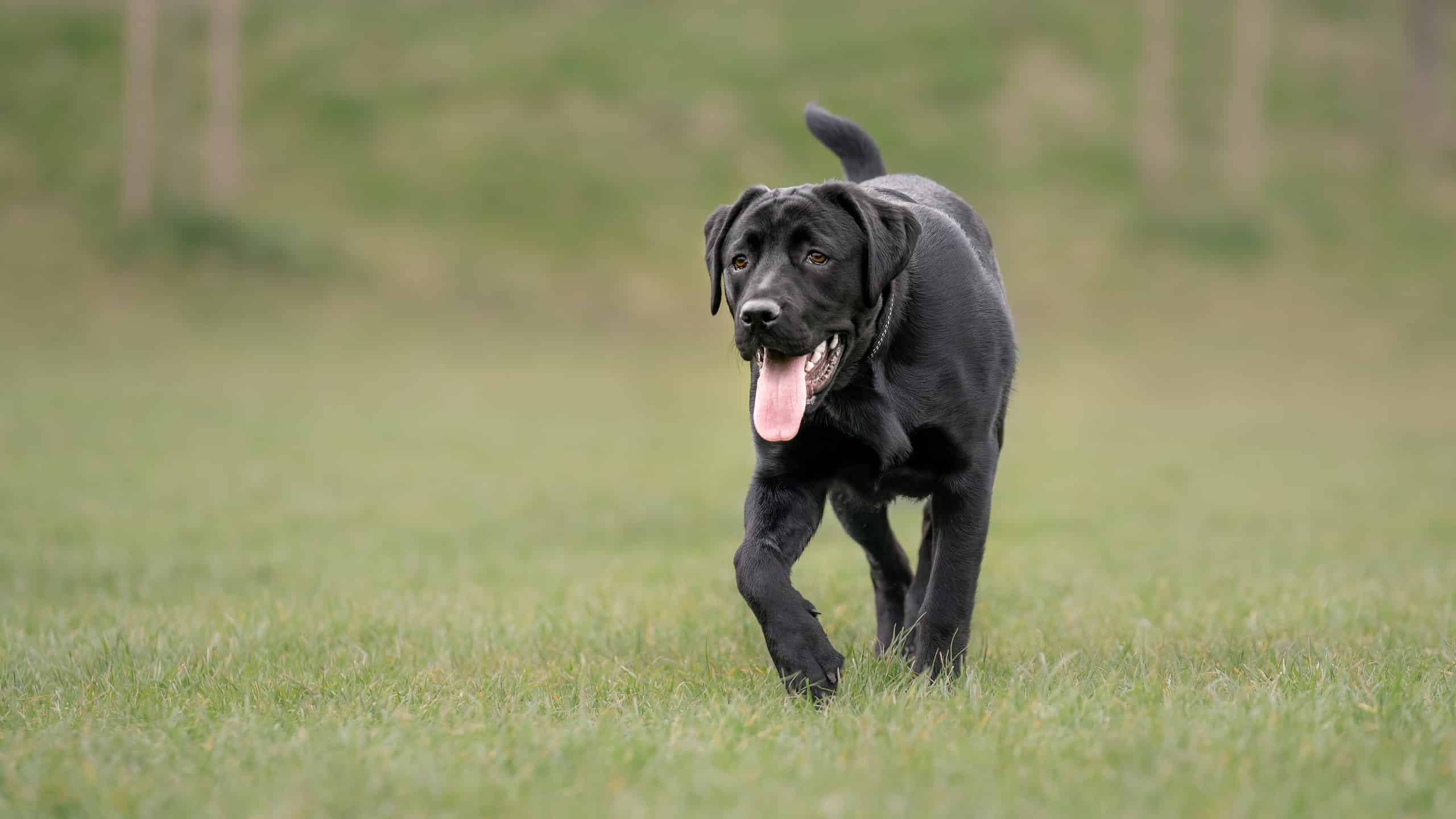
©Schofield Images/Shutterstock.com
- Black Labradors are the most common color of this friendly breed.
- Their personality is consistent across all coat colors: loyal and easygoing.
- Labs are excellent with children , strangers, and other animals.
- These dogs require daily exercise and enjoy being active with their families.
How to Train a Labrador Retriever

©Meily Art/Shutterstock.com
- Give them ample daily exercise such as walks, runs, or fetch.
- Include them in family outings or activities to satisfy their social needs.
- Train with consistency and positive reinforcement from a young age.
- Provide toys and mental games to stimulate their intelligence.