Alligators are the most iconic reptiles in the southern United States, yet they remain widely misunderstood and often feared. Despite their reputation, attacks on humans are extremely rare. Gators, as they’re affectionately called, play a crucial role in maintaining healthy wetland ecosystems. Only 10 U.S. states have native, year-round alligator populations, with one southern state almost having more alligators than the other 9 states combined!
In 2025, growing conversations around climate change and habitat expansion are placing more focus on species like the American alligator. Warming temperatures are gradually shifting the boundaries of where alligators can survive and breed. States like Arkansas and even Oklahoma are seeing slow but steady increases in alligator numbers, raising new questions about wildlife management in previously cooler regions.
This slideshow counts down the top 10 states with the largest alligator populations and explores how climate, geography, and habitat shape where these reptiles thrive. You’ll learn about gator lifespans, global populations, and why they’re more widespread than many realize. This guide offers essential insights into America’s most misunderstood reptile.
Where Alligators Live in the U.S.
©iStock.com/Cindy Larson
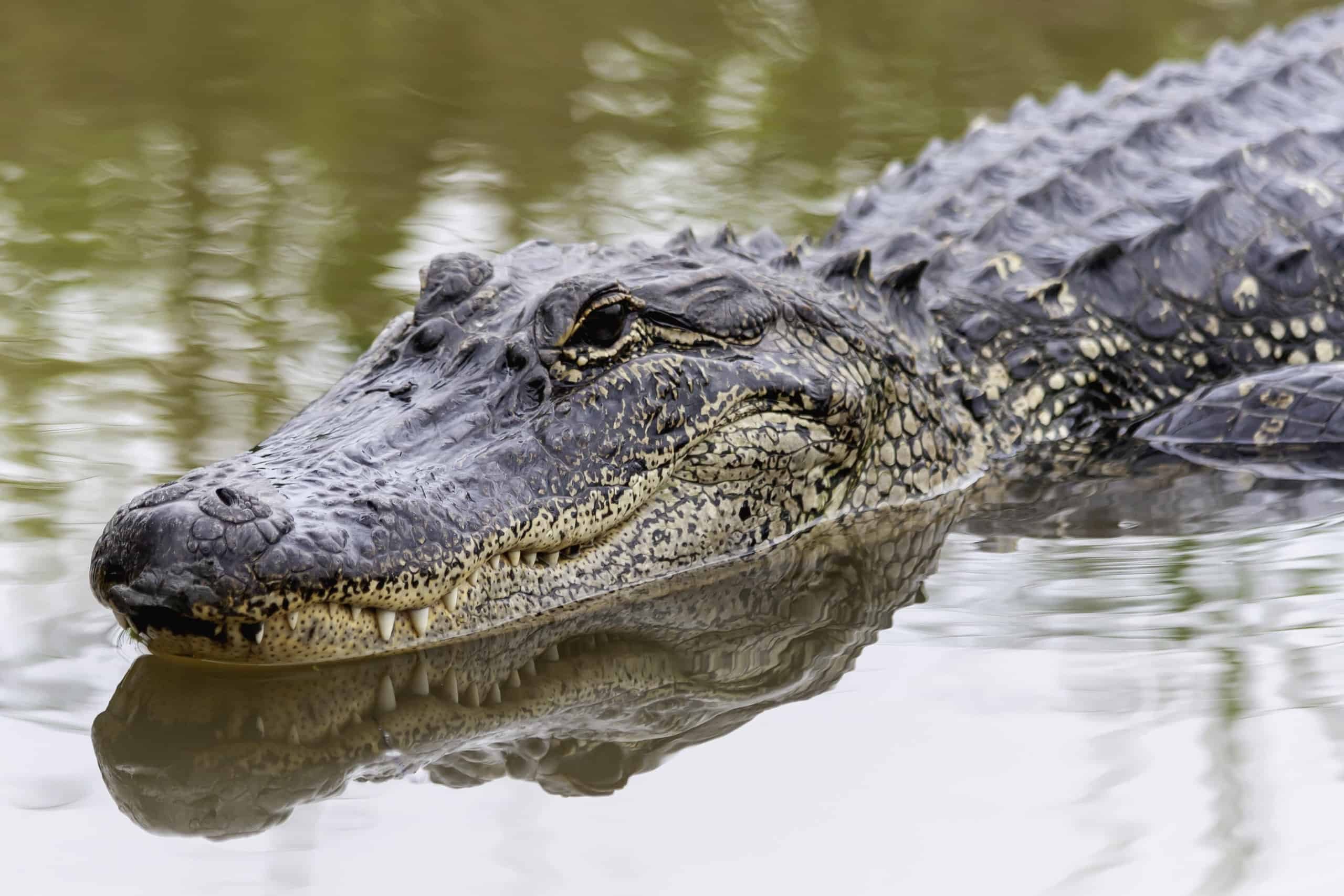
- Alligators need warm, sunny climates and non-freezing water to survive.
- Only 10 U.S. states have native, year-round alligator populations.
- These reptiles often live in swamps, marshes , rivers, and lakes.
- Though feared, alligator attacks are actually quite rare.
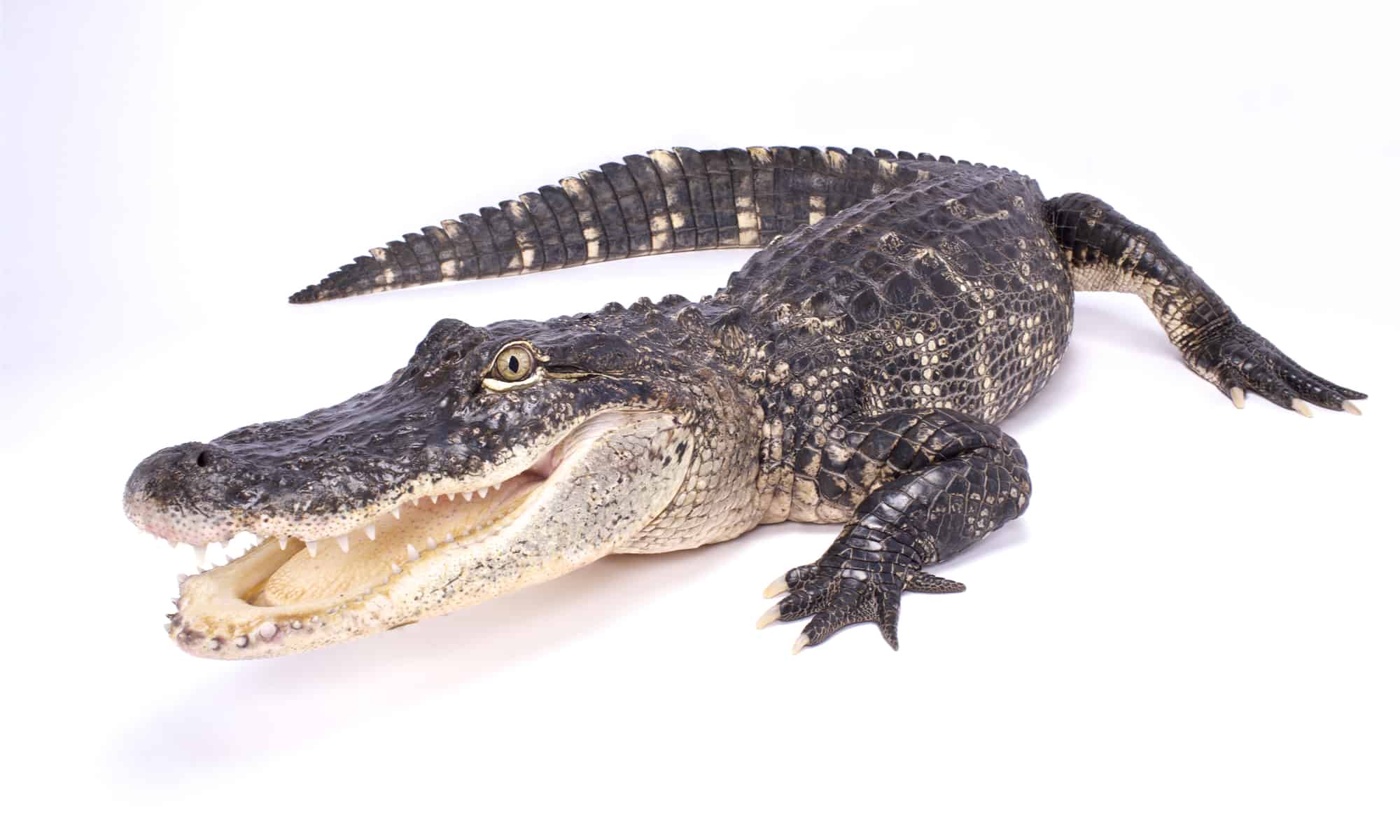
10. Oklahoma (100–200 alligators)
©reptiles4all/Shutterstock.com
- Oklahoma has the smallest gator population on this list.
- Gators live in only a few southern river systems.
- Populations are concentrated near Red and Little Rivers.
- Cold winters limit gator survival in much of the state.
9. North Carolina (1,000 alligators)
©Sorbis/Shutterstock.com
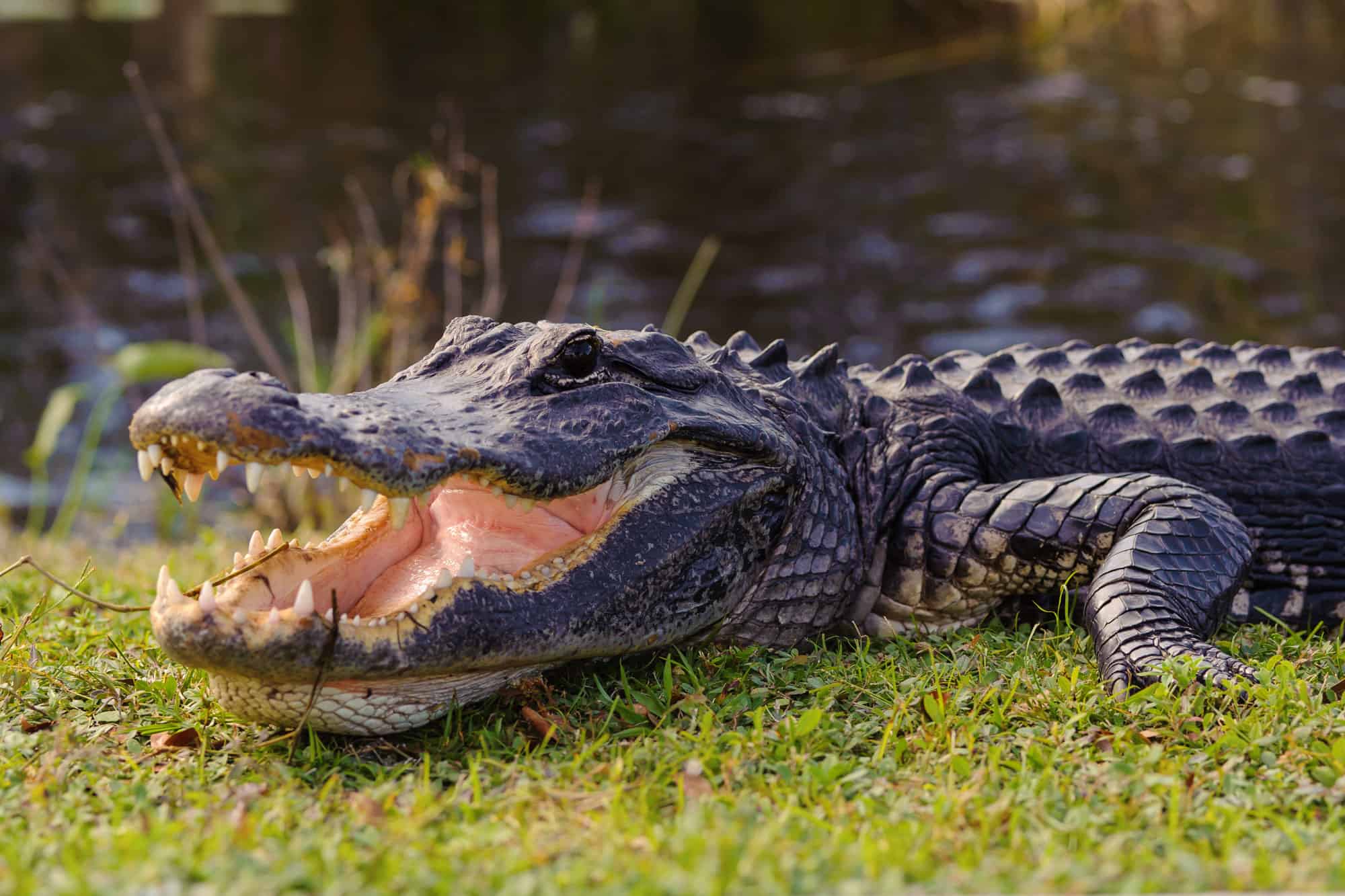
- North Carolina is home to around 1,000 alligators.
- They are mainly found south of the Albemarle Sound.
- Cold winters slow growth and reduce population density.
- Reports show gators throughout the coastal region.
8. Arkansas (2,000–3,000 alligators)
©slowmotiongli/iStock via Getty Images
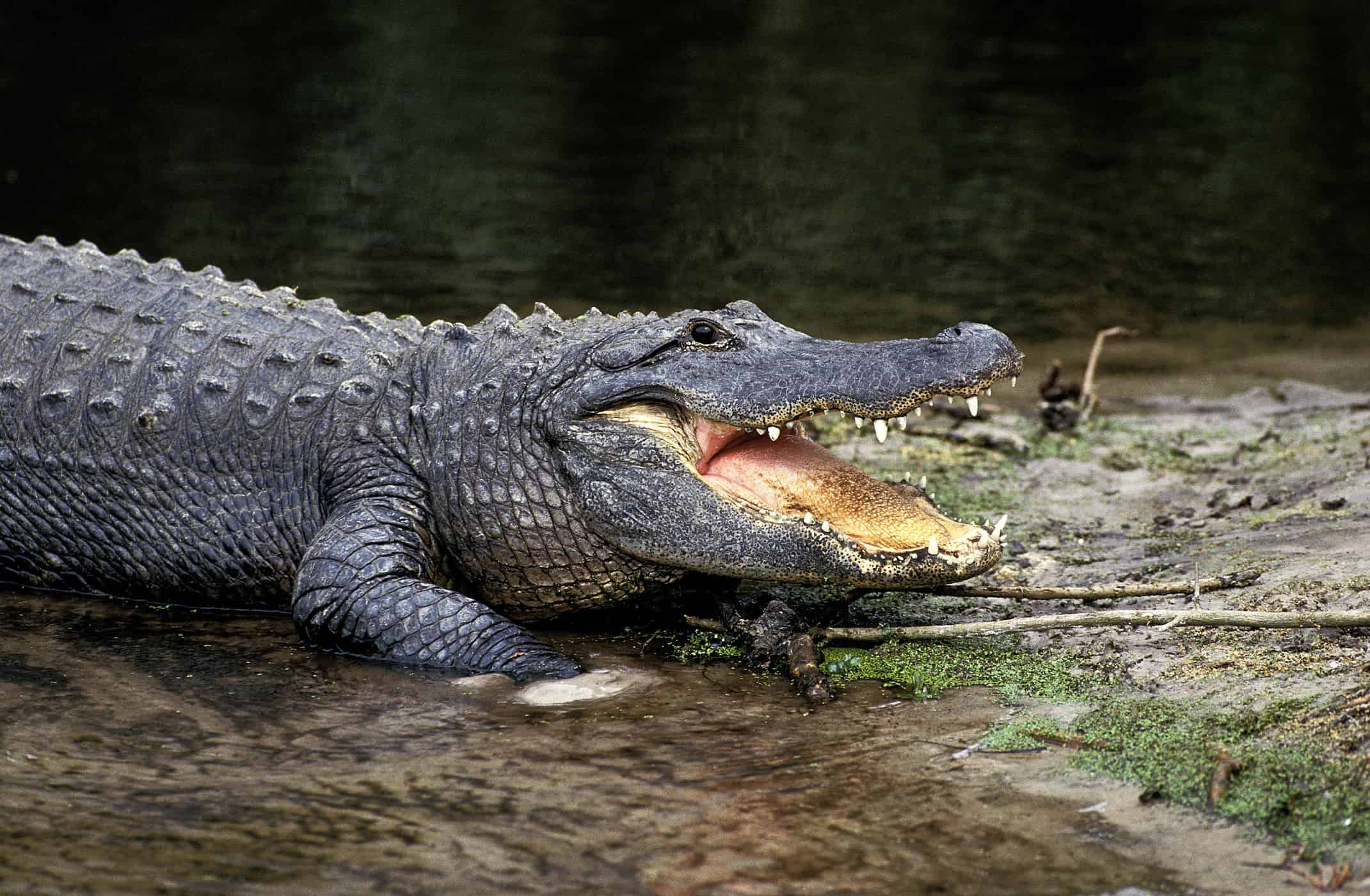
- Arkansas has a small but growing gator population.
- Most live in the southeastern and southwestern corners of the state.
- Climate change has helped expand their suitable habitat.
- The population is considered stable and increasing.
7. Mississippi (32,000–38,000 alligators)
©SunflowerMomma/Shutterstock.com
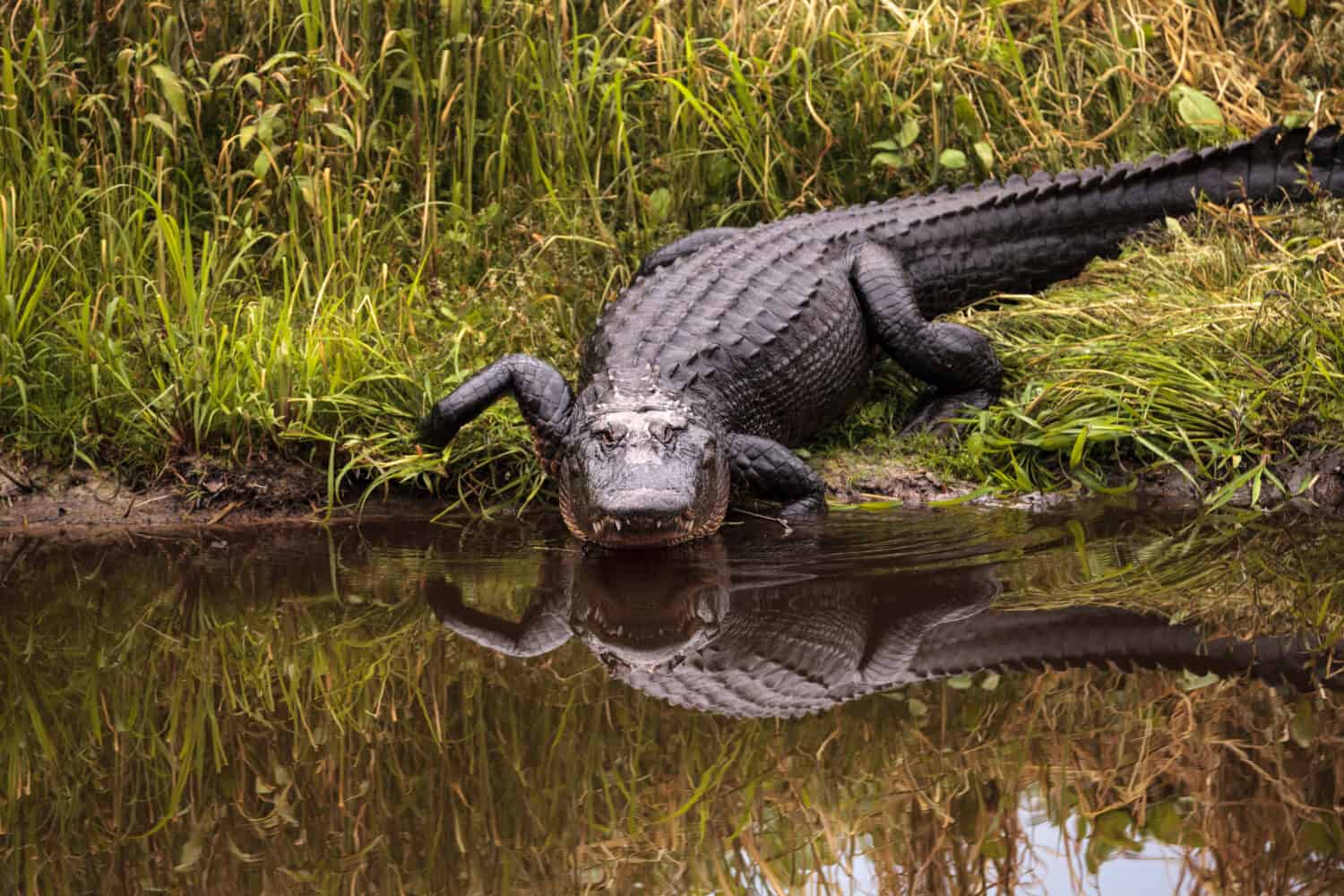
- Mississippi may have gators in every county, though sparsely.
- The southeastern part of the state holds 25% of the population.
- Estimates place the state’s total between 32,000 and 38,000.
- The Mississippi River region is a key alligator zone.
6. Alabama (70,000 alligators)
©iStock.com/CoinUp
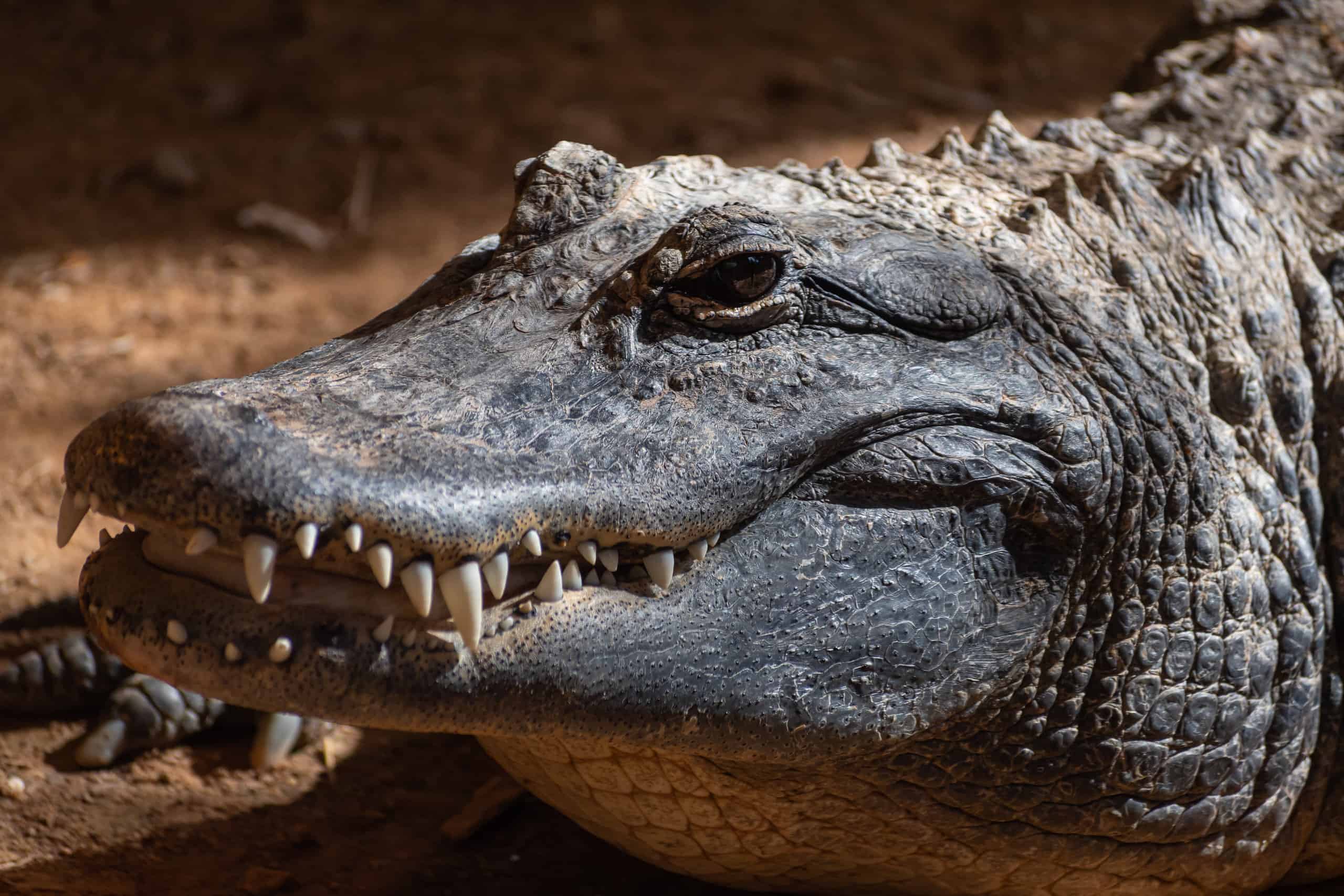
- Alabama’s alligators are mostly in the southern half of the state.
- Wetlands, rivers, and even some reservoirs are home to gators.
- Northern regions are generally too cold for them to thrive.
- Despite their numbers , Alabama gators are not widely known.
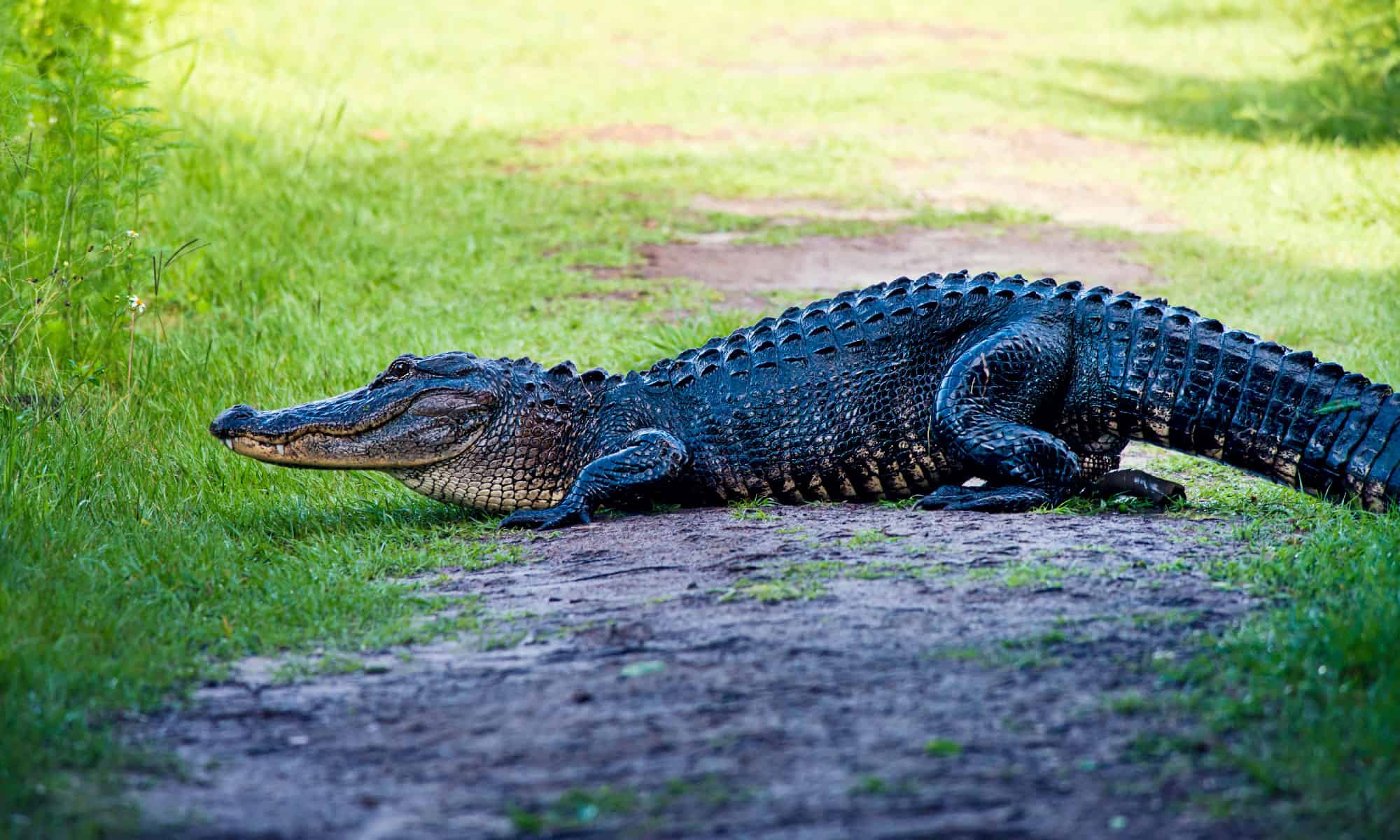
5. South Carolina (100,000 alligators)
©Svetlana Foote/Shutterstock.com
- South Carolina has roughly 100,000 gators.
- Populations are densest in the southern and coastal regions.
- Colder winters limit their northern range in the state.
- Coastal marshes are critical for breeding and nesting.
4. Georgia (200,000–250,000 alligators)
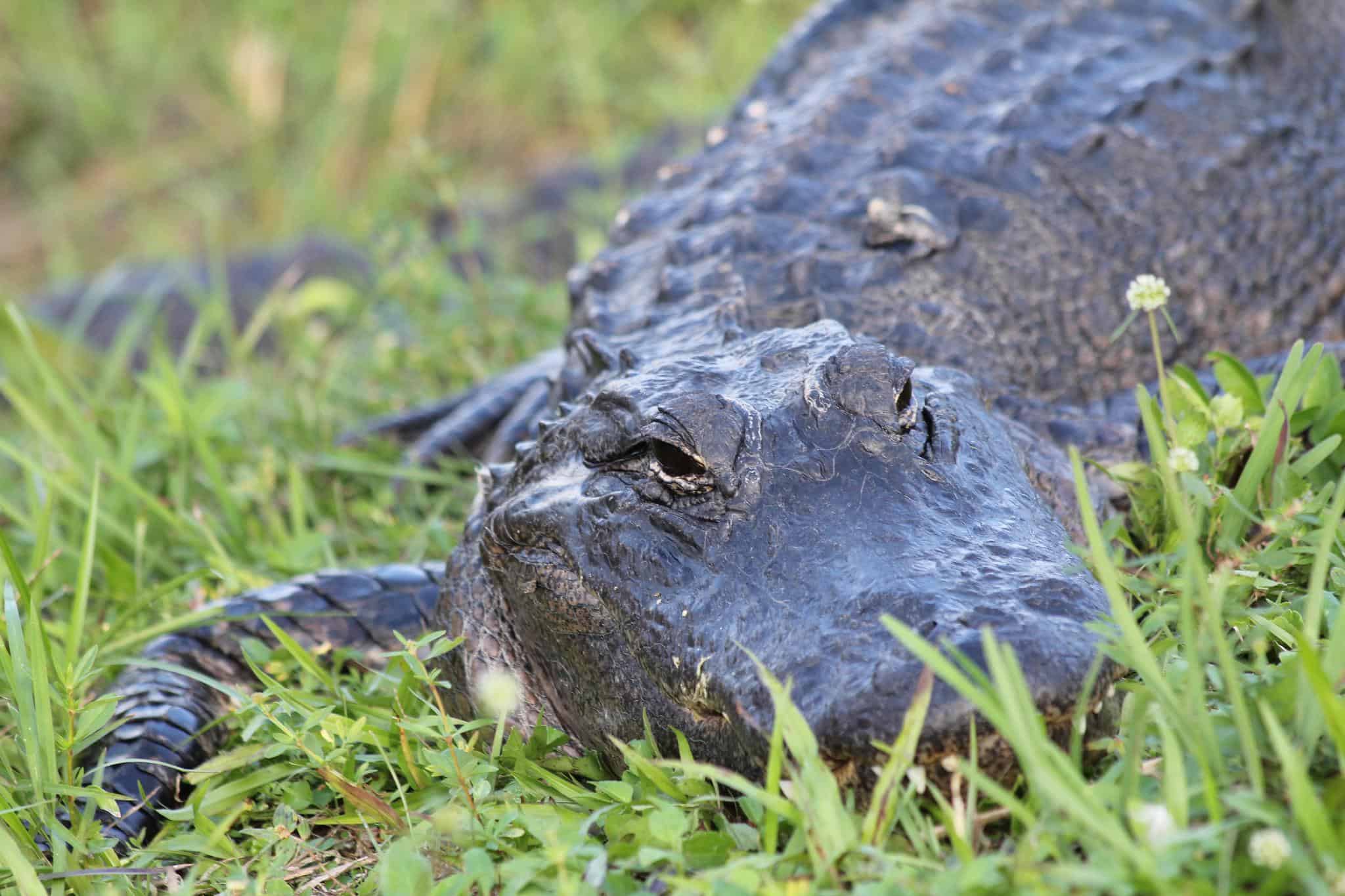
- Georgia’s gator population is concentrated south of the fall line.
- The fall line passes through Columbus, Macon , and Augusta.
- Gators north of this boundary are likely relocated by humans.
- The state’s warm southern wetlands offer prime habitat.
3. Texas (400,000–500,000 alligators)

©BigDane/Shutterstock.com
- Texas gators live in coastal marshes and river systems.
- The state’s population is estimated at 400,000 to 500,000.
- Gators are found in nearly half of Texas’s 254 counties.
- Texas recorded the largest American gator: over 19 feet long!
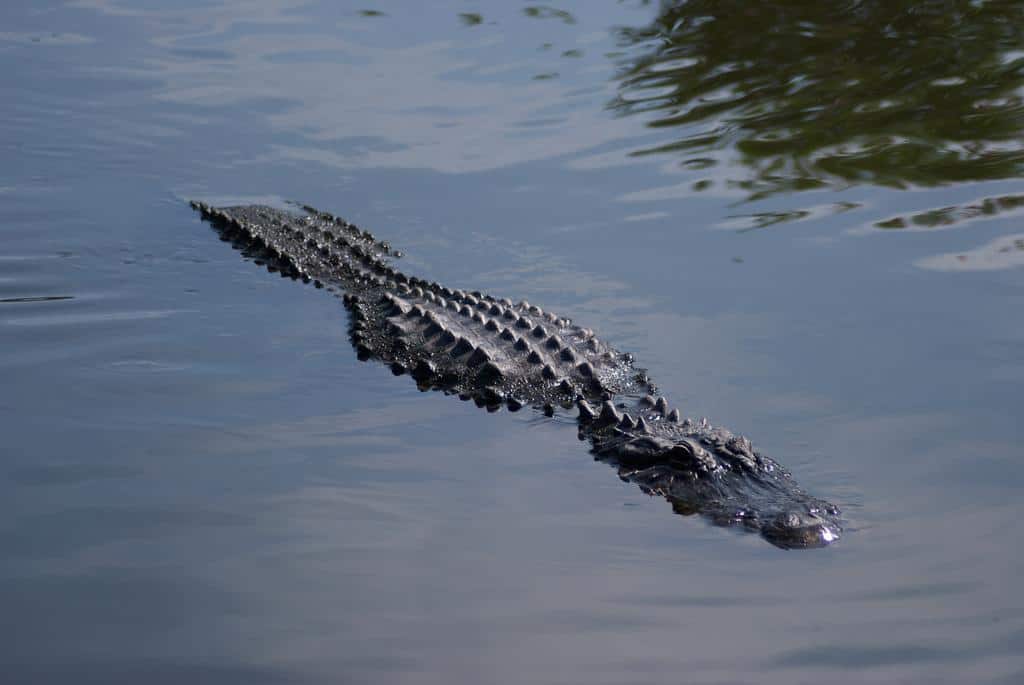
2. Florida (1.3 million alligators)
©Peter & Michelle S / CC BY 2.0, Flickr - Original / License
- Florida is home to 1.3 million gators, especially in the Everglades.
- Almost any body of water in Florida could host a gator.
- Gainesville has the highest urban gator density in the country.
- The state’s warm, wet climate supports their thriving numbers.
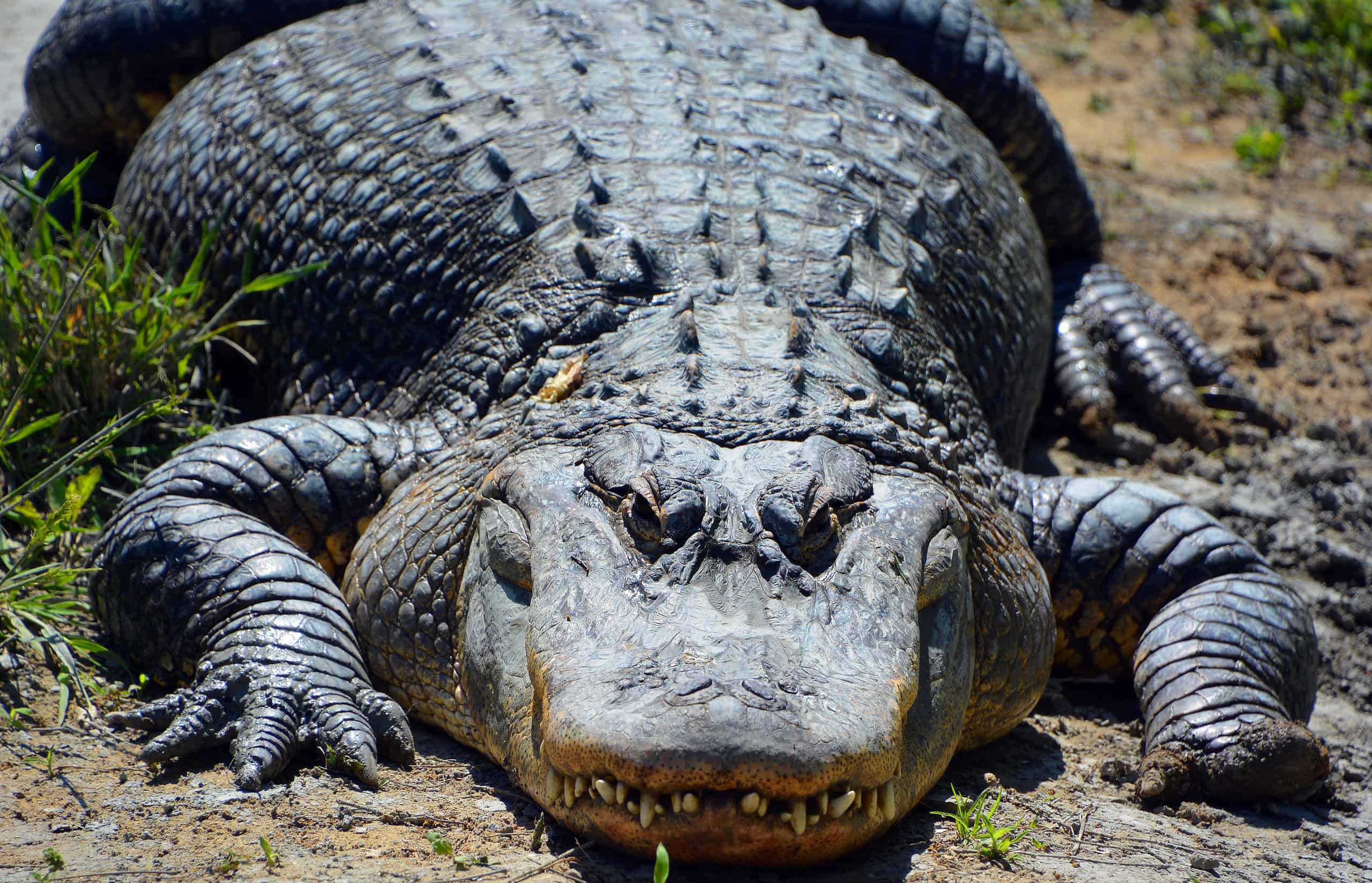
1. Louisiana (2 million alligators)
©meunierd/Shutterstock.com
- Louisiana has the highest alligator population in the U.S. , over 2 million in the wild.
- The state also farms around 1 million alligators for commercial use.
- Warm swamps and abundant wetlands make it ideal gator habitat.
- Alligator farming is a major part of the state’s economy.
Alligators Beyond the United States
©Danny Ye/Shutterstock.com
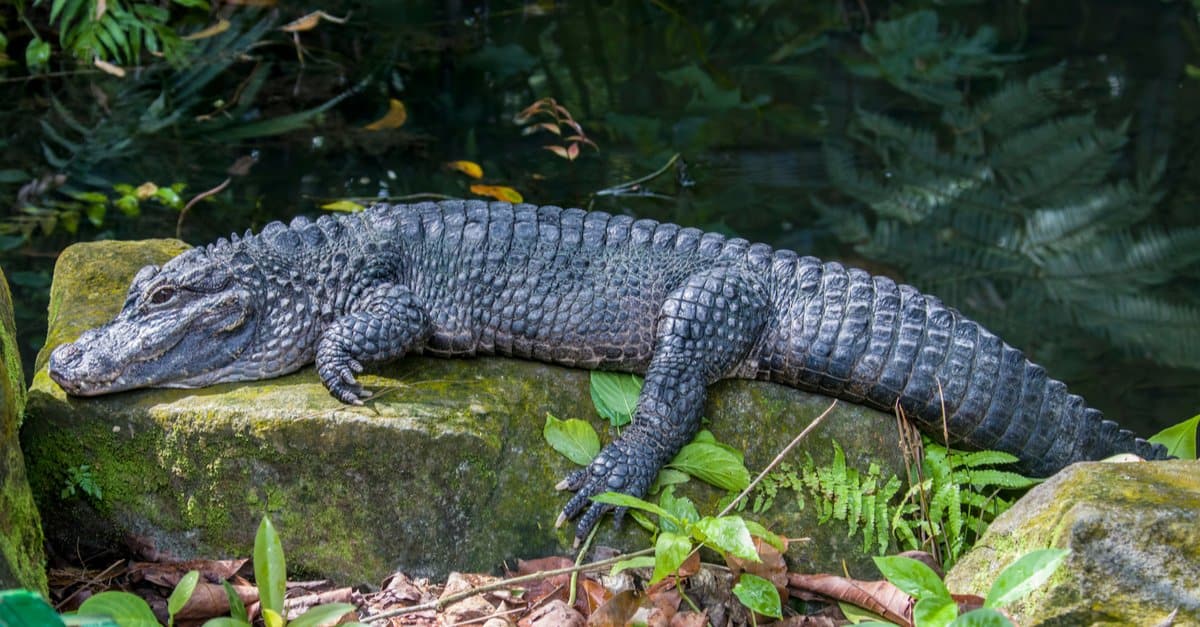
- Alligators also live in parts of China, Central and South America, and the Caribbean.
- They’ve been introduced to locations such as Hawaii, Japan, France, and the Cayman Islands.
- These non-native populations are smaller and less widespread.
- Alligators are globally adaptable, though still most populous in the U.S.
Alligator Lifespan and Longevity
©Marc Pletcher/Shutterstock.com
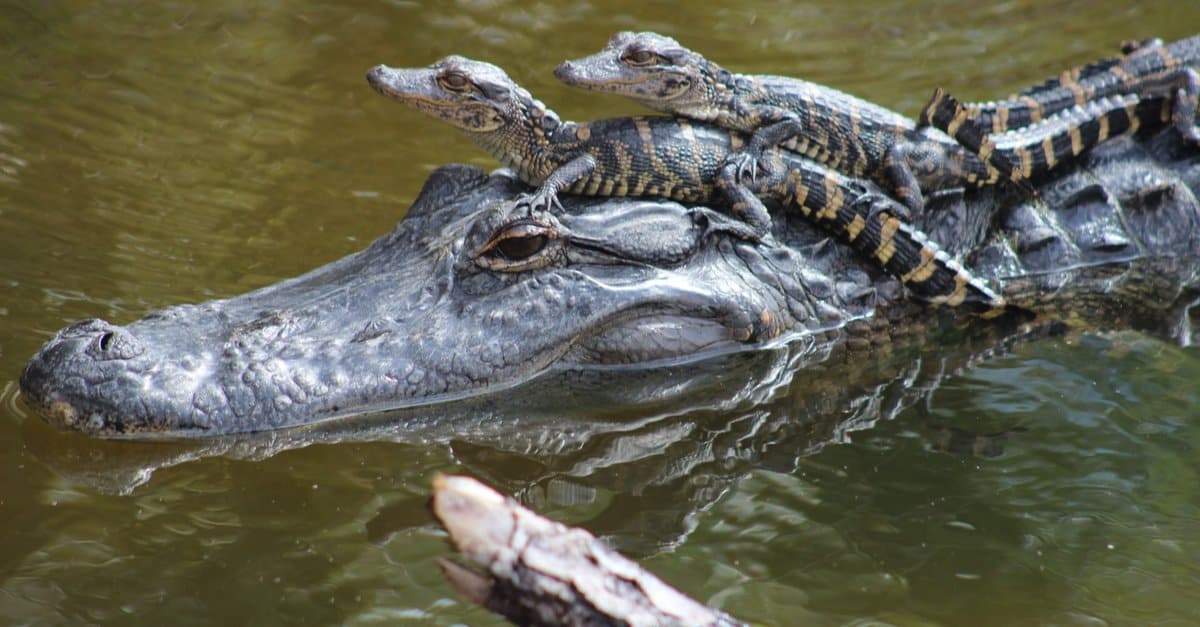
- In the wild, alligators typically live 30 to 50 years.
- Some wild gators have been recorded living up to 70 or 80 years.
- Captive alligators can surpass 100 years with proper care.
- Their resilience and adaptability help them thrive long-term.