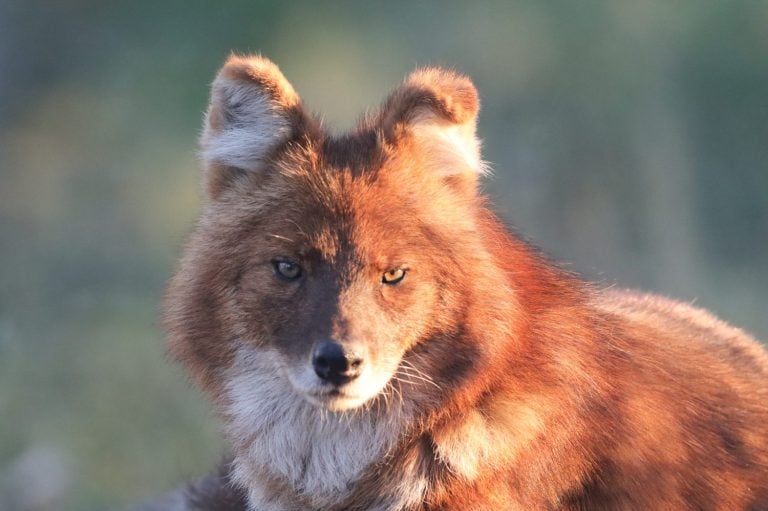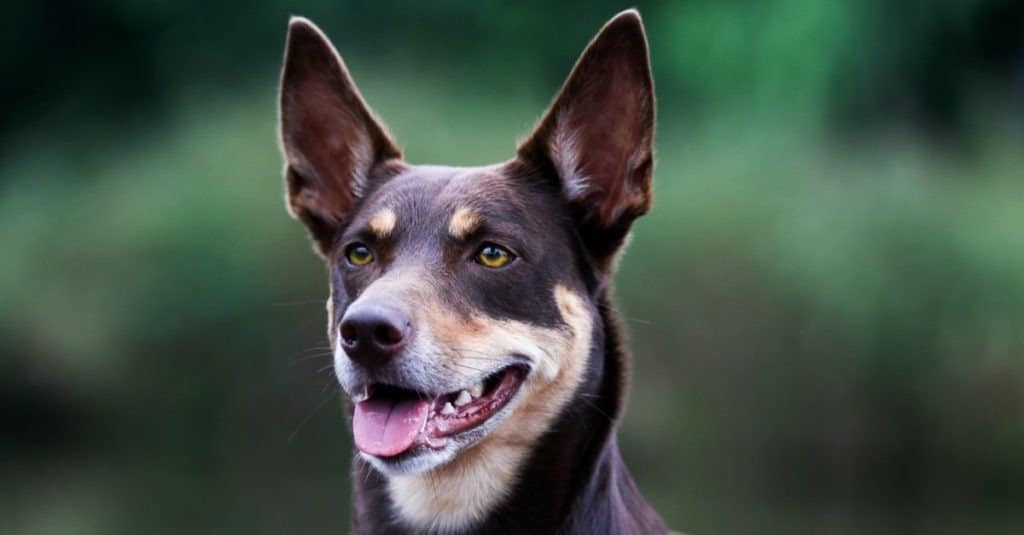
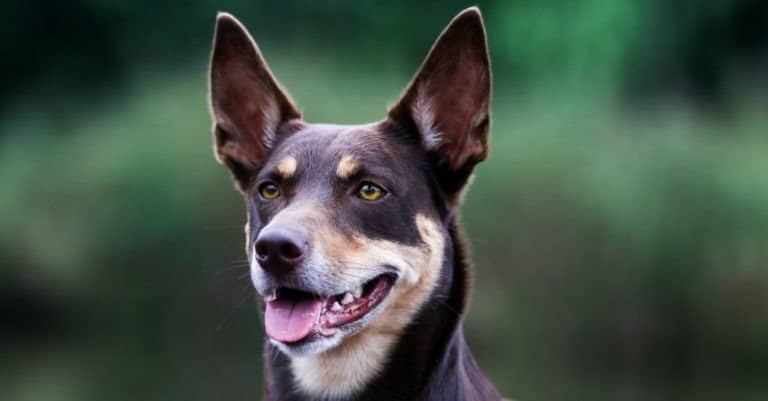



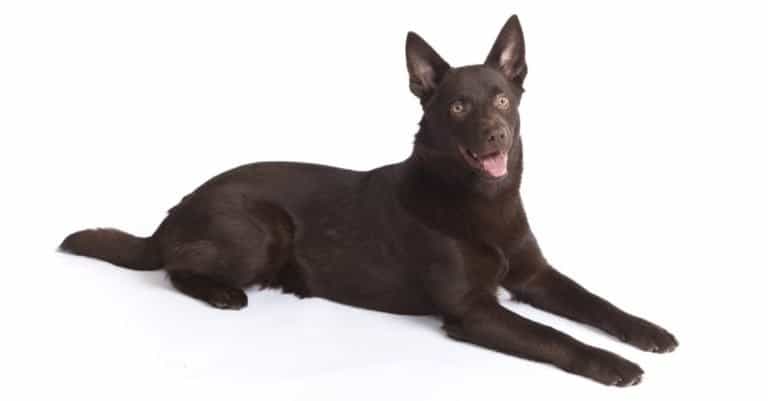




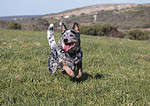
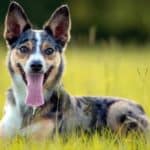

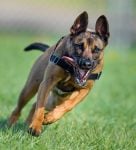
Australian Kelpies, or Kelpies as they’re affectionately called, were bred in Australia to work as shepherds, handling large numbers of sheep on their own. In addition to herding sheep, this breed is also good at herding cattle and goats.
Today, there are two different varieties of Kelpies. The first variety is working dogs that continue working as shepherds and herding livestock. The second variety is Show Kelpies. Show Kelpies are bred for their appearance in dog competitions. Kelpies are very intelligent animals who can make good family pets so long as they are also given a job, as their instinct to work is very powerful. If they get bored, they may also become destructive.
History and Origins
When Australia’s New South Wales and Victoria regions opened up many acres of land, the number of sheep on these properties skyrocketed to the millions. It was no longer practical to herd them with humans, so wire fences were put in place instead. To handle the sheep in such large areas in harsh climates like heat, rough terrain, and dust storms, a special dog breed was needed. The Australian Kelpie was the perfect fit since it could do the work of multiple people without tiring, in the most extreme conditions.
The source of the Kelpie breed has been contested. However, it is known that these dogs originated in Scotland. Three pairs of working collies were imported by early landowners. Their progeny gave rise to the modern Kelpie. The canines were black and tan with long hair and semi-erect ears, and were about the size of a Collie. Additionally, litters from these dogs created puppies that were reddish brown.
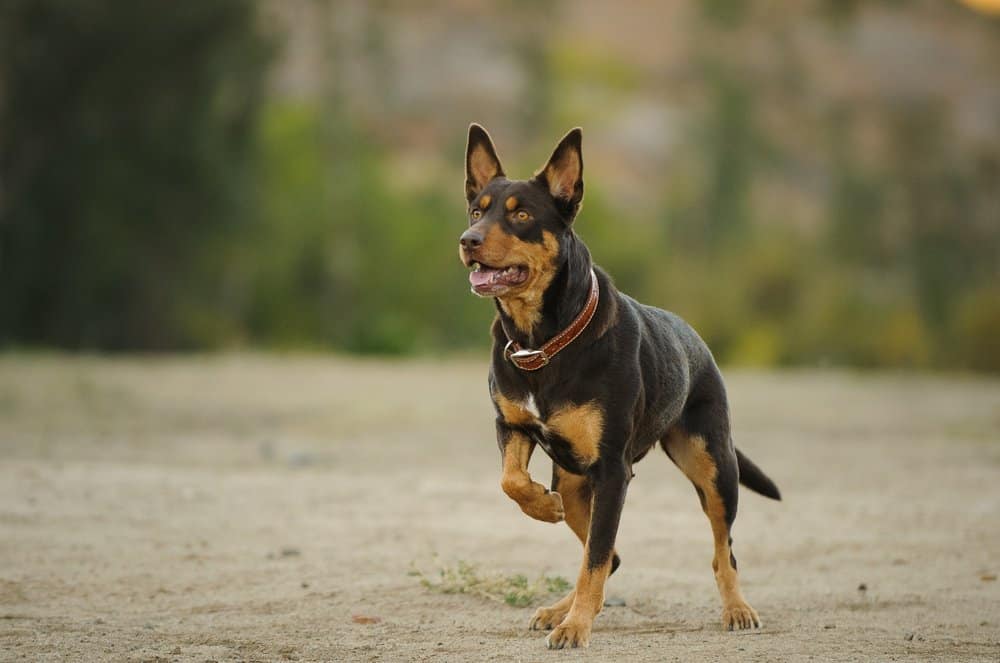
The Kelpie originated from three pairs of Scottish collies that were shipped to Australia.
©everydoghasastory/Shutterstock.com
Owning an Australian Kelpie: 3 Pros and Cons
| Pros! | Cons! |
|---|---|
| Easy to groom: Kelpies are easier to groom than many other breeds and only need to be brushed about once a week. | High activity needs: Kelpies do best when they are active and given a job. They are not suited to simply sitting around the house. |
| Excellent working dog: Kelpies make an excellent working dog and do well when they are given a job. | Can be destructive: If Kelpies don’t get the mental stimulation and exercise they need, they can exhibit destructive behaviors. |
| Loyal: Kelpies are loyal to the people they trust. | Not always good with young children: Without proper training, Kelpies may try to ‘herd’ or nip at younger children. |
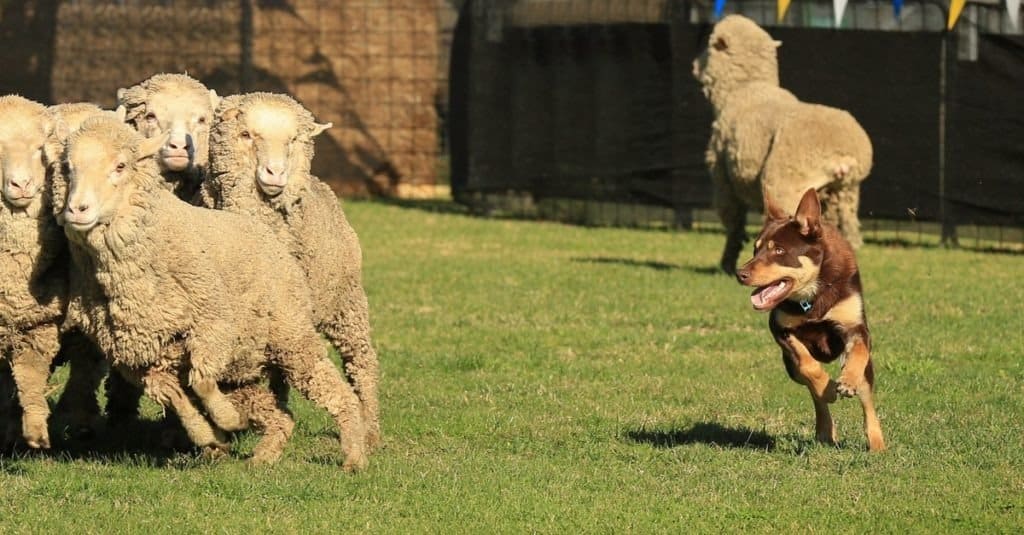
Australian Kelpies are natural herding dogs.
©K.A.Willis/Shutterstock.com
Size and Weight
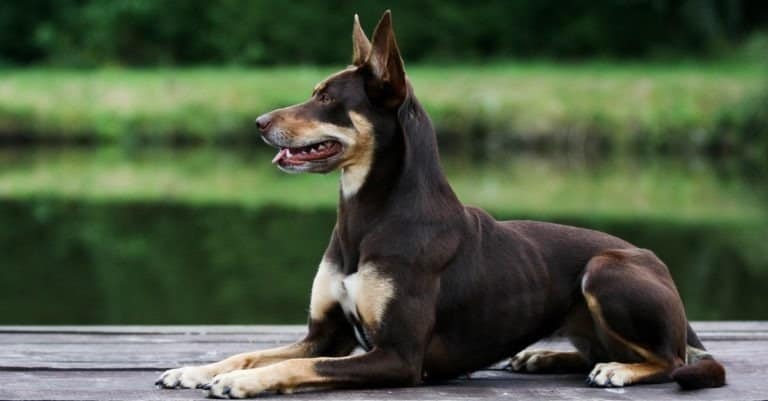
Australian Kelpies are a medium-sized dog breed. Both males and females generally weigh between 25 and 45 pounds and are between 17 and 20 inches tall.
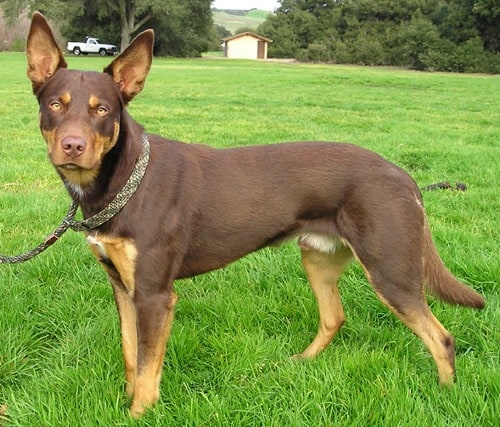
Australian Kelpies are a lovely shade of rust brown.
©Ellen Levy Finch / CC BY-SA 3.0, from Wikimedia Commons, the free media repository – Original / License
Common Health Issues
Unfortunately, Australian Kelpies face more potential health issues than some other dog breeds. Learn what to look out for so you can offer the best care possible to your dog.
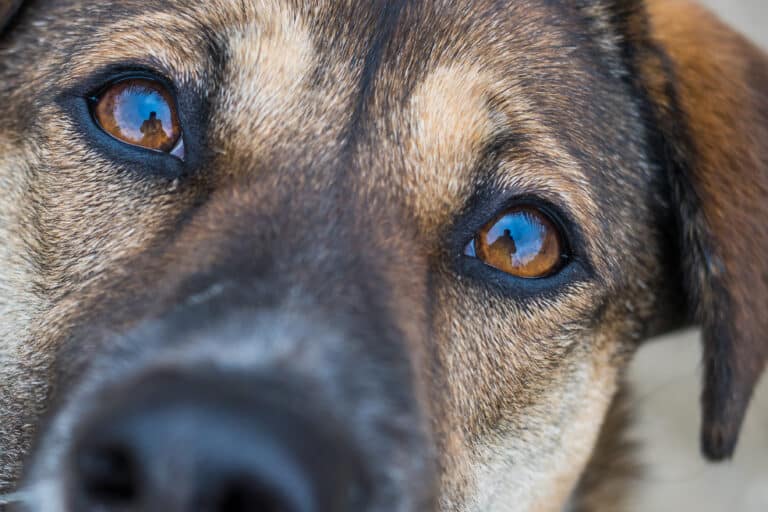
One potential health concern for this breed is progressive retinal atrophy. This is an eye condition where the retina deteriorates over time. At first, a dog will lose their night vision, but daytime vision will follow as the disease gets worse.
Patellar luxation is another possible health concern for Kelpie. This is a disorder where the bones of the knee cap (patella) are not properly lined up. This causes the kneecap to slip, which can make it challenging and painful for a dog to walk, especially in severe cases. Surgery may be required for these more severe cases.
Hip dysplasia, which is a genetic disorder, is another potential issue to be on the lookout for. With this condition, the bones around the hip aren’t properly formed, which causes them to rub together and cause pain. Dogs may also begin to limp or experience lameness in one of their legs. Surgery may also be required for this condition.
To review, these are some potential health problems that may impact a Kelpie:
- Progressive retinal atrophy
- Patellar luxation
- Hip dysplasia
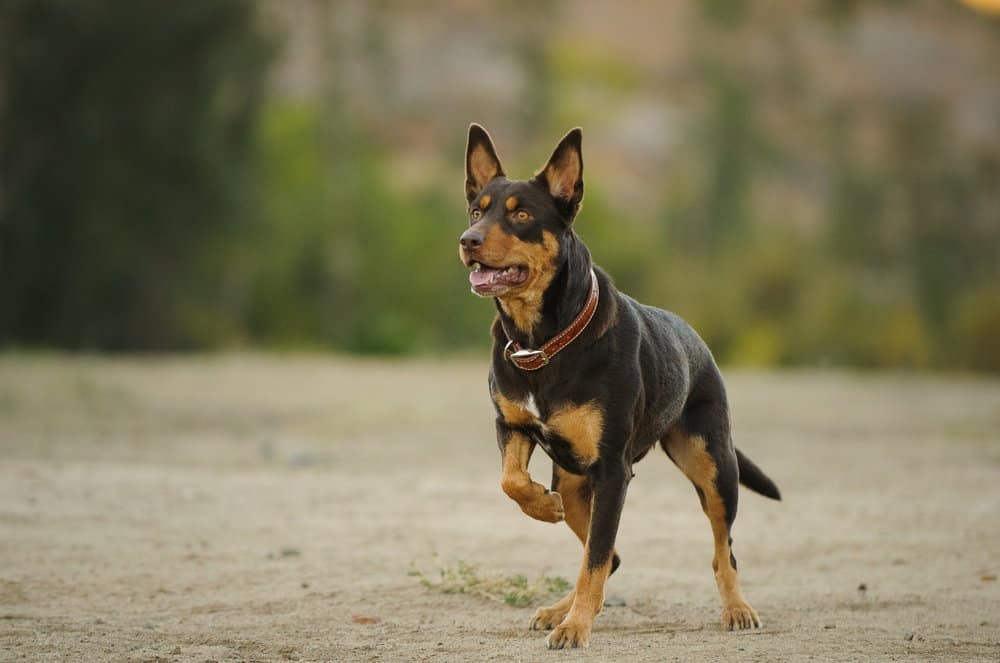
Australian Kelpies are prone to hip dysplasia.
©everydoghasastory/Shutterstock.com
Temperament and Behavior
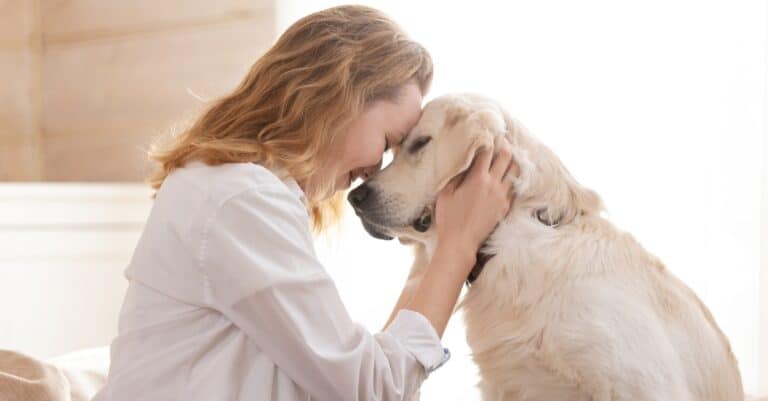
Australian Kelpies have a pretty even temperament. This breed exhibits very loyal traits and can be very devoted to the members of their family.
Kelpies are also very intelligent dogs that need mental stimulation along with regular exercise. If these needs aren’t met, they can exhibit destructive behaviors. They were bred to herd livestock and still perform best as herding dogs or when given a job. Kelpies also have very alert and active personalities.
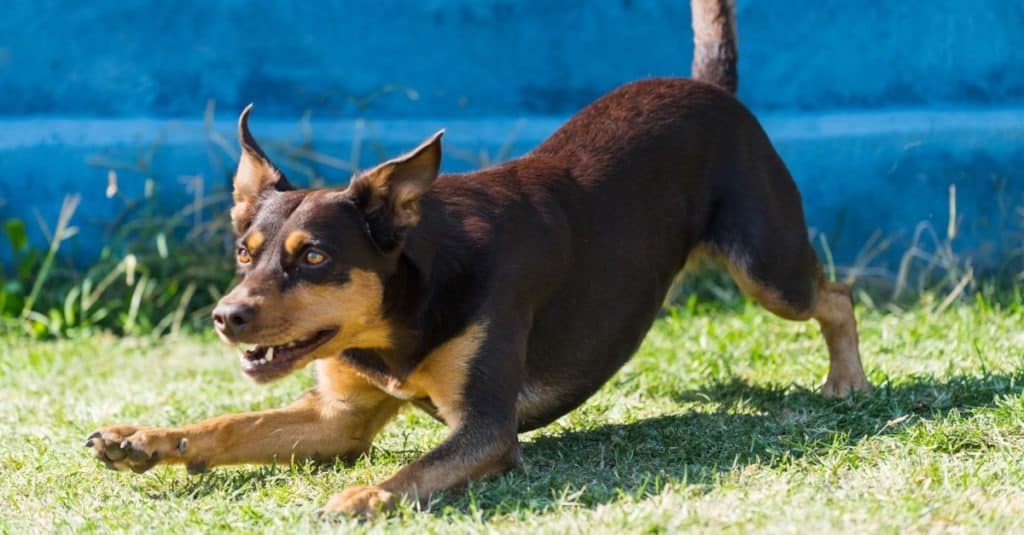
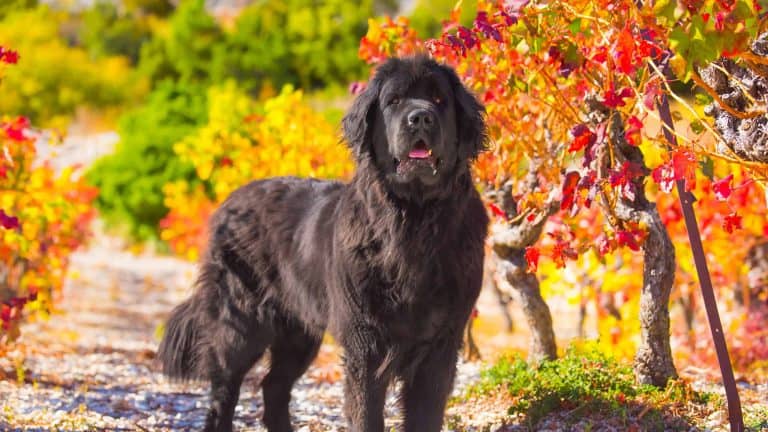
Australian Kelpies are high-energy dogs and need a lot of daily strenuous activity.
©Radovancev Zarko/Shutterstock.com
How to Take Care of an Australian Kelpie
Keep Kelpie’s health concerns, temperament, dietary needs, activity needs, and more in mind as you prepare a care plan. This dog breed is unique and will require different care than what you would give a different breed.
The Best Dog Food
Always choose high-quality dog food for your Kelpie. Check with your vet to confirm which brand or type of food will best suit the individual needs of your dog. The exact amount of food your dog will require each day can vary based on his or her weight, age, activity level, metabolism, health concerns, and more. Again, your vet is a good resource to make sure you are feeding your dog the right amount of food.
After an Australian Kelpie Puppy is weaned, they will need to eat very small meals more frequently throughout the day. This is because a puppy has a smaller stomach than a full-grown dog. Younger puppies should eat between three and four times a day. By the time puppies are six months old, two meals each day should be sufficient. Choose high-quality puppy food for your Kelpie.
Since patellar luxation and hip dysplasia are both concerns for Australian Kelpies, try to find a dog food with a nutritional profile that covers sturdy joints and bones.
Maintenance and Grooming
Kelpies are relatively easy to groom. They have a denser undercoat with a flat, water-resistant outer coat. You should brush your Kelpie about once a week to take off any loose hair or other debris. You may also find that your Kelpie needs a bath once in a while to keep him or her clean and smelling good.
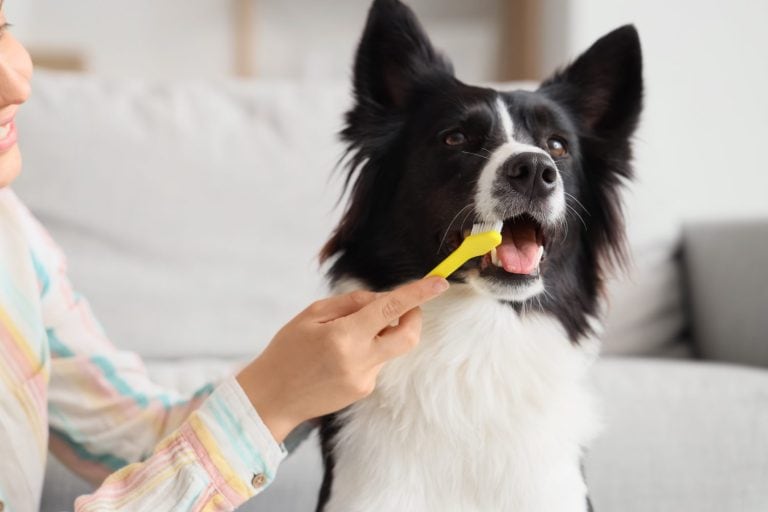
It is also important to trim a Kelpie’s nails so they don’t become too long and make it painful for the dog to walk. Their teeth should also be brushed a few times a week to prevent dental disease.
Training
Training an Australian Kelpie from a young age is important. This can keep them from becoming too territorial and can help them learn what is expected of them. Keep in mind that Kelpies do best when they are given a job and will respond well to training aimed at teaching them this job.
Exercise
Australian Kelpies are very active dogs who are used to getting a lot of exercise each day. It will be important to help make sure your Kelpie gets sufficient exercise. This can include long walks, play sessions, or completing their assigned tasks.
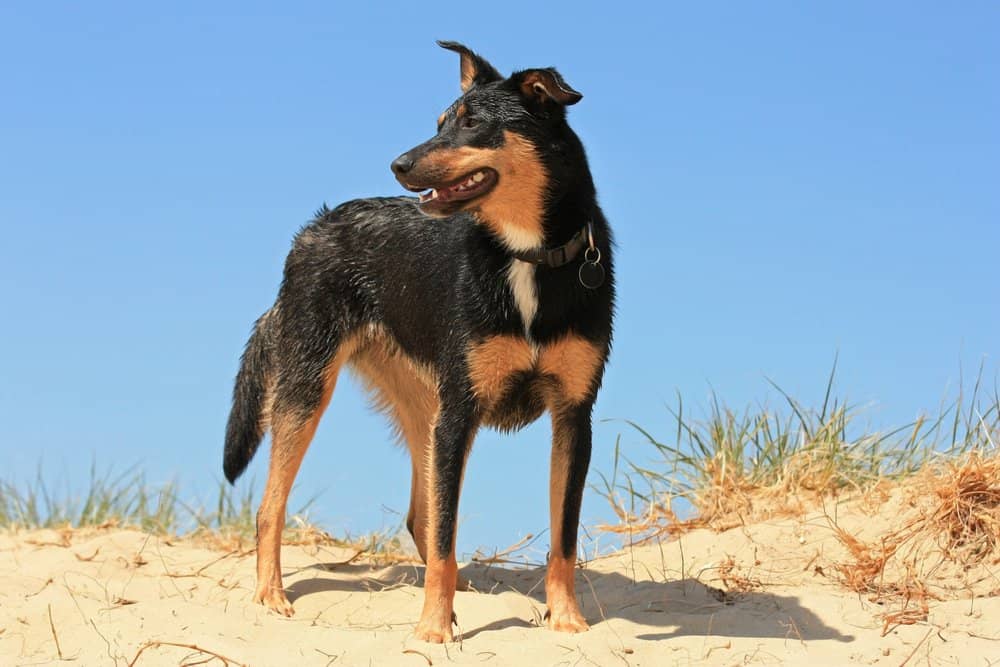
Australian Kelpies are very smart and a joy to train.
©K.A.Willis/Shutterstock.com
Puppies
Kelpies can be very destructive if they get bored, so it will be very important to make sure your home is puppy-proof. Remove anything that could be a potential safety hazard or that you don’t want to see ruined by your Kelpie. In addition to puppy-proofing your home, make sure that you select a trusted veterinarian to bring your dog to after you bring him home.
The change in environment can cause stress to a Kelpie puppy, so be sure to give them plenty of attention. It will also be important to start training and socializing your dog from a young age so they get used to different people and places and learn how to act appropriately.

©Deborah Samwell/Shutterstock.com
With Children
Kelpies can make good family pets under the right conditions. Since they are herders by instinct, they may try to herd younger children if they aren’t properly trained or socialized. Without proper training, they may also nip at children. However, they can make great family dogs as long as they receive the training, socialization, and stimulation they need.
Dogs similar to the Australian Kelpie
Australian Cattle Dogs, Australian Shepherds, and Border Collies are three breeds that are similar to the Australian Kelpie.
- Australian Cattle Dog: Australian Cattle Dogs and Kelpies were both bred to herd livestock in Australia. Both are medium-sized dogs, though the Australian Cattle Dog is about 10 pounds heavier, with an average weight of 46 pounds compared to a Kelpie’s 35 pounds. Kelpies have a double coat, while Australian Cattle Dogs have a denser coat.
- Australian Shepherd: The Australian Shepherd is a larger dog than the Kelpie. The average weight of a male Australian Shepherd is 57.5 pounds, while the average weight of a male Kelpie is only 35 pounds. Both breeds are territorial and can make an excellent watchdog.
- Border Collie: Border Collies and Kelpies are both excellent shepherds for livestock. They are also about the same size, with an average weight of around 35 pounds. Border Collies require more grooming than Kelpies and can be more affectionate.
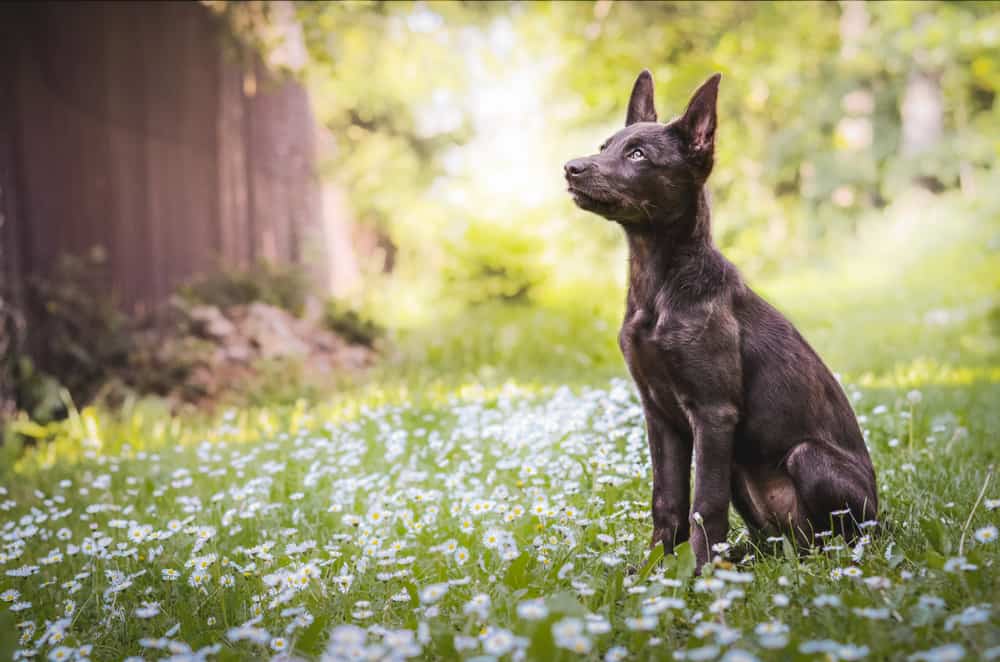
Australian Kelpies are herding dogs and will often herd young children playing in the yard.
©Eliska_vys/Shutterstock.com
Famous Australian Kelpies
Australian Kelpies are seen at many dog shows. Some of the more famous members of this breed include:
Australian Kelpie Dog Pictures
View all of our Australian Kelpie Dog pictures in the gallery.

Lisjatina/Shutterstock.com
Sources
- American Kennel Club / Accessed January 29, 2021
- Wikipedia / Accessed January 29, 2021
- Dogtime / Accessed January 29, 2021
- Your Pure Bred Puppy / Accessed January 29, 2021
- ABC / Accessed January 29, 2021
- Purina / Accessed January 29, 2021
- Next Day Pets / Accessed January 29, 2021
- Kiddle / Accessed January 29, 2021