
D
Species Profile

Drever

Canis lupus familiaris

Small legs, big nose, louder heart
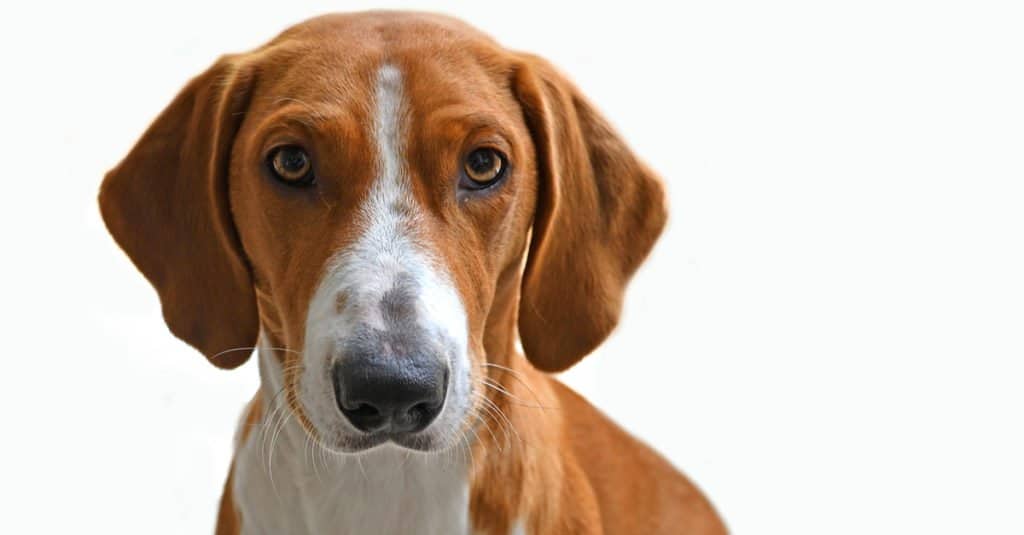
Popova Valeriya/Shutterstock.com

Drever Distribution

Click a location to explore more animals from that region

Origin Location

This map shows the native origin of the Drever. As a domesticated species, they are now found worldwide.

Loading map...

Found in 1 country

Size Comparison

Human 5'8"
Drever 1 ft 1 in

Drever stands at 20% of average human height.

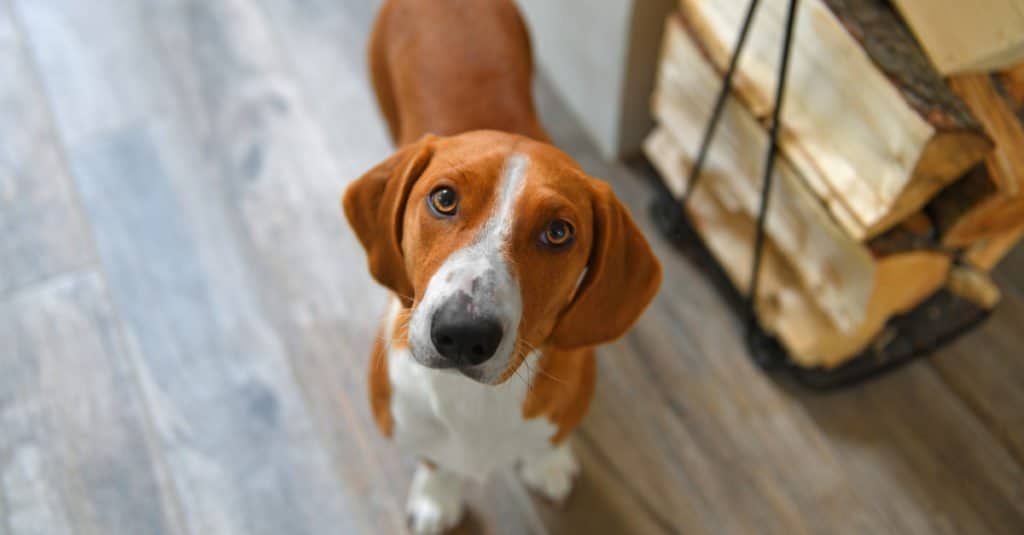
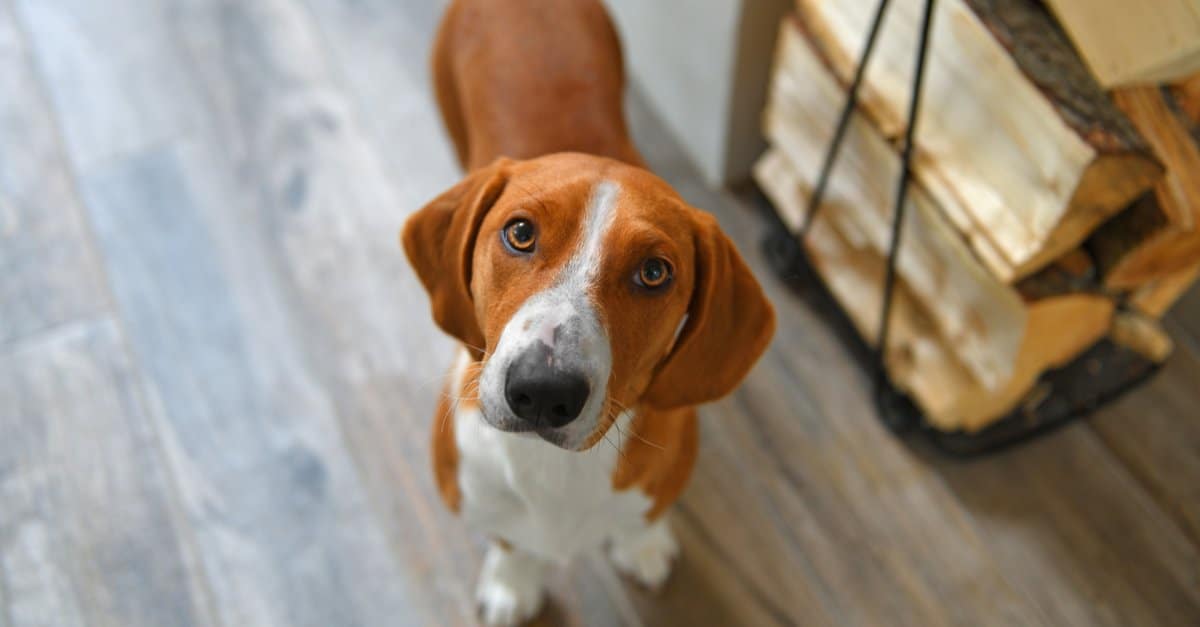
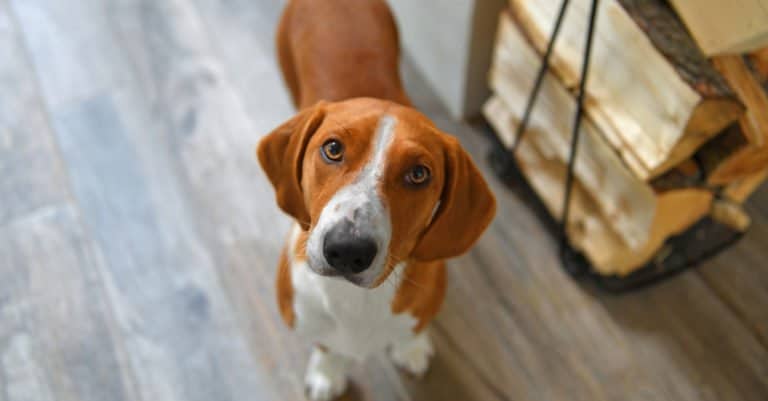
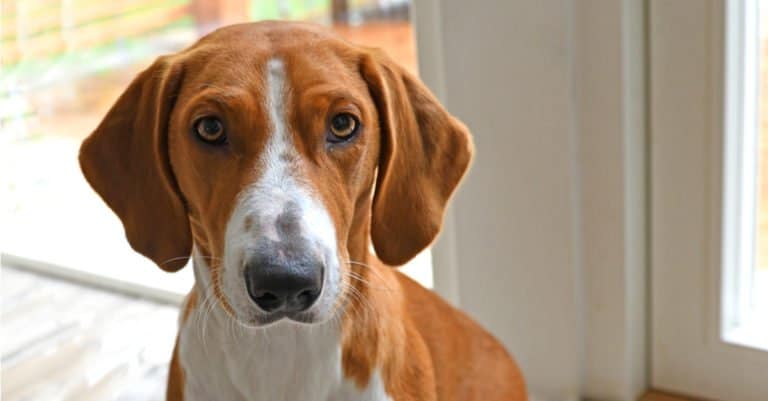
Drever dog standing on a wood floor

At a Glance

Domesticated
Also Known As Swedish Scenthound, Swedish Short-legged Scenthound, Swedish Hunting Dog, Short‑legged Swedish Hound
Diet Omnivore
Activity Diurnal+
Lifespan 13 years
Weight 18 lbs
Status Not Evaluated
Did You Know?

Its name comes from a Swedish verb meaning "to drive game," reflecting its hunting style.

Scientific Classification

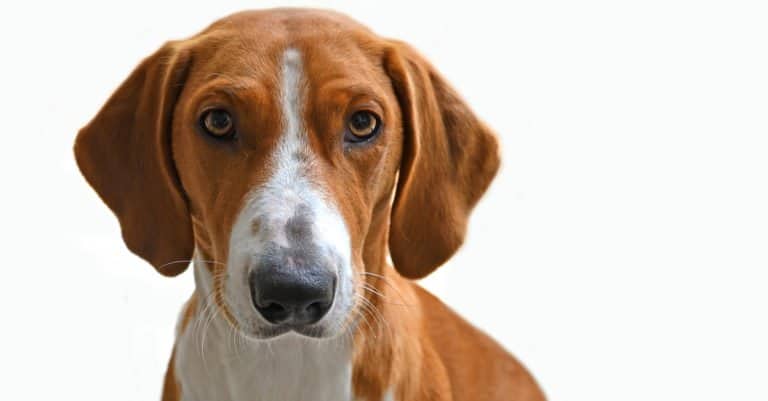
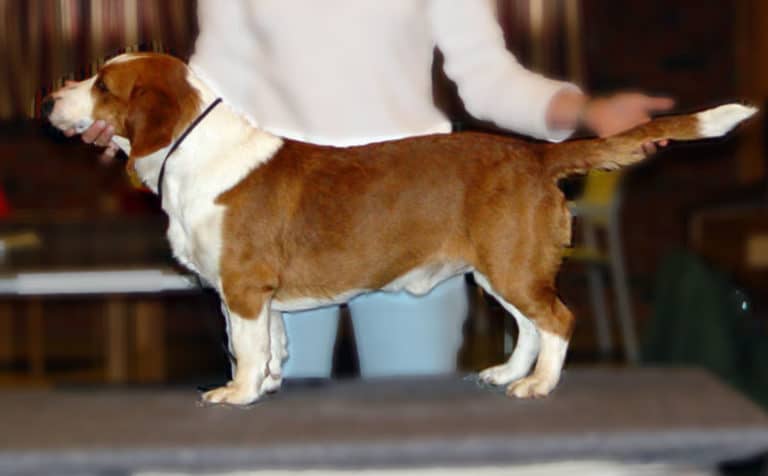
The Drever is a small-to-medium Swedish scenthound developed primarily for driving deer and other game at a steady pace, using scent and voice. It is a domestic dog breed characterized by short legs, a long body, and strong scenting ability.

Kingdom
Animalia
Phylum
Chordata
Class
Mammalia
Order
Carnivora
Family
Canidae
Genus
Canis
Species
Canis lupus

Distinguishing Features

  • Short-legged, elongated scenthound build (low to the ground)
  • Strong scent-trailing/ground-scent focus with a typical hound voice while working
  • Hunting ‘driver’ style: moves game steadily rather than fast pursuit
  • Coat often seen in hound-like color patterns (e.g., tricolor/red/white variations)

Physical Measurements

Males and females differ in size

Height
♂ 1 ft 2 in (1 ft 2 in – 1 ft 3 in)
♀ 1 ft 1 in (1 ft 1 in – 1 ft 2 in)
Length
♂ 2 ft 9 in (2 ft 6 in – 2 ft 11 in)
Weight
♂ 35 lbs (31 lbs – 40 lbs)
♀ 31 lbs (26 lbs – 35 lbs)
Tail Length
♂ 9 in (8 in – 10 in)
Top Speed
25 mph

Appearance

Primary Colors
Secondary Colors
Skin Type Domestic dog coat and skin: short, dense, weather-resistant double coat with a firm outer layer and protective undercoat; skin generally tight-to-moderate (not heavily wrinkled), with attention needed to ears due to pendulous ear leather.
Distinctive Features
  • Domestic dog (Canis lupus familiaris) scenthound breed: selectively bred for steady, persistent tracking/drive hunting with a clear, carrying voice on trail; not a wild canid phenotype.
  • Low-station, long-bodied silhouette with notably short legs (chondrodystrophic build), designed to keep pace with game at a controlled speed for hunters.
  • Robust hound head with a moderately long muzzle and strong scenting apparatus; expression and skull typical of scenthounds rather than terriers or spitz types.
  • Long, pendant ears that help funnel scent; also predispose to moisture/ear-debris retention.
  • Deep chest and strong forequarters for stamina over rough Scandinavian terrain; overall compact yet hardy.
  • Temperament/working style: persistent, independent on scent, and characteristically vocal (baying) while tracking-distinguishing it from many quieter companion breeds.
  • Breed-specific health considerations (relative to the base domestic dog): increased risk of back strain/intervertebral disc disease due to long back/short legs; weight control is especially important to reduce spinal stress.
  • Other common care/health points: ear infections/otitis risk due to hanging ears; keep ears clean/dry; maintain nails and paw pads for field work; monitor for obesity (food-motivated hounds).
  • Care requirements: regular moderate-to-high daily exercise (scent work, tracking games, long walks), secure fencing/leash (strong scent drive), and training that emphasizes recall management; short coat needs light weekly brushing and seasonal shedding support.
  • Not to be confused with Dachshund or Basset Hound: Drever is a distinct Swedish/Scandinavian scenthound breed developed specifically as a deer-driving dog with its own breed type and working style.

Sexual Dimorphism

Sexual dimorphism is modest: males are typically slightly larger and more heavily built, while females tend to be a bit lighter and finer in head and frame; coat color/pattern is not sex-linked.

♂
  • Slightly greater overall mass and bone; broader chest and neck typical of male hounds.
  • Head may appear a bit broader with more pronounced musculature around shoulders/forequarters.
♀
  • Slightly lighter, finer build with a narrower chest/neck on average.
  • Often a slightly more refined head profile, while keeping the same characteristic hound ear and muzzle shape.

Did You Know?

Its name comes from a Swedish verb meaning "to drive game," reflecting its hunting style.

Developed in Sweden from German and other continental short-legged hounds, especially the Westphalian Badger Hound, to suit Scandinavian hunting.

Unlike fast-running hounds, the Drever is valued for a controlled, steady chase that keeps game moving without pushing it too far.

Handlers often track a working Drever by its distinctive "voice" (baying) as much as by sight.

Its low, long body helps it work in dense brush and snowy terrain while keeping a scent line close to the ground.

Drevers are commonly used on deer, hare, and fox, showing the scenthound versatility within domestic dogs.

Unique Adaptations

  • Chondrodysplastic build (short legs, long body) selectively favored in some scenthounds-low center of gravity for brushy cover and close-to-ground scenting.
  • Large nasal surface area and scent-driven brain specialization typical of scenthounds, refined by breeding for tracking and driving game.
  • Robust hound ears help funnel and trap scent particles near the nose (a common scenthound trait) while also protecting the ear canal in brush.
  • Weather-tolerant, practical coat and sturdy frame suited to long hours afield rather than sprint performance.
  • Vocal signaling as a working "tool": a clear bay is intentionally preserved in the breed standard/selection because it coordinates hunters and dog at distance.

Interesting Behaviors

  • "Tonguing"/baying on a hot scent trail-persistent, rhythmic vocalizing that lets hunters follow the track from afar.
  • Methodical quartering and "casting" when scent is lost: sweeping side-to-side until it re-finds the line.
  • Steady driving rather than sprinting: keeps pressure on game without an explosive chase.
  • High focus once on odor: may ignore distractions when following scent, so recall can be unreliable off-leash.
  • Strong problem-solving in thickets: working around obstacles while keeping the nose down and the track connected.
  • Pack-aware but independent: can work with other dogs, yet will confidently pursue its own line.

Cultural Significance

In Swedish hunting, the Drever (Canis lupus familiaris) is a classic driver hound for deer and other game, valued for its nose, stamina, loud voice in forest and snow, controlled hunting, close teamwork with hunters, and steady, friendly nature at home.

Myths & Legends

Drever (Canis lupus familiaris) arrived in Sweden early 1900s and was bred into a short-legged hound, prized for pushing deer through thick cover at a steady pace while its bay guided hunters like a horn.

A common breed story says the hound was first called a "badger scenthound" but later named "Drever," linked to driving game, showing a dog's work can become its name and legend.

Hunters in Scandinavia often treat the Drever's voice as almost legendary: the "song in the pines" that tells where the dog is and whether it has a fresh trail, lost the scent, or turned.

Conservation Status

NE Not Evaluated

Has not yet been evaluated against the criteria.

Population Stable

Life Cycle

Birth 5 pups
Lifespan 13 years

Lifespan

In the Wild
10–15 years
In Captivity
10–16 years

Reproduction

Mating System Polygynandry
Social Structure Managed Domestic
Breeding Pattern Transient
Fertilization Managed Selective
Birth Type Internal_fertilization

Drever (Canis lupus familiaris) breeding is human-managed: planned pairings and timing by heat. Dogs naturally show polygynandry and internal fertilization with a copulatory tie; females have about 1–2 heats yearly and can have puppies by multiple fathers.

Behavior & Ecology

Social Pack Group: 3
Activity Diurnal, Crepuscular
Diet Omnivore Lean meat-based meals (often strongly preferred: venison or beef)

Temperament

Scent-driven and steady, the Drever is persistent, bred to follow and drive game with nose and voice; its drive is tuned for hunting led by people and living with humans, not wild pack survival.
Friendly, steady, and generally sociable with people; often good family dogs when provided daily exercise and mental work (scent games, tracking, structured walks).
Independent streak common to scenthounds: may appear 'selectively deaf' when on scent; requires consistent training, high-value rewards, and secure containment (fencing/leash) for safety.
Moderate-to-high energy with strong stamina in the field; can be calm indoors if adequately exercised, but may become vocal or restless when under-stimulated.
Prey/chase tendency: may pursue small animals if not socialized and managed; supervision recommended with small pets.
Breed-typical care needs: regular scent-work outlets, long sniff walks, and recall training; coat is low-maintenance but ears need routine checks/cleaning due to drop-ear conformation and outdoor activity.
Watch for ear infections (otitis) from drop ears, and back or leg strain from the long body and short legs. Avoid extra jumping, keep Drever lean, manage weight, and get regular vet checks.

Communication

Baying/howling-style voice used while on trail Distinctive scenthound 'music' that signals active tracking to handler
Barking for alerting and excitement; can be frequent if bored or if environmental triggers are present
Whines/whimpers for attention, anticipation (food, walks), or mild distress
Intense scent investigation and ground-nosing as primary information gathering; may ignore visual cues when odor is salient
Body language: tail carriage and wag style indicating arousal/engagement; forward posture and lowered head during tracking
Scent marking (urine marking) and investigation of other dogs' scent posts; more pronounced in intact individuals
Pawing/nudging and proximity-seeking toward handlers to solicit interaction; may 'check in' visually between scent bouts if trained
Leash pressure/pulling as functional communication when on odor-often interpreted as 'I have scent'; harness and training help channel this safely

Habitat

Biomes:
Temperate Forest Temperate Grassland Tundra Alpine Mediterranean Desert Hot Desert Cold Wetland +2
Terrain:
Hilly Plains Rocky Coastal Valley
Elevation: Up to 17060 ft 5 in

Ecological Role

Human-associated omnivorous canid; primarily a working scenthound that supports hunters by locating and driving game rather than functioning as an apex predator in a wild ecosystem.

assists sustainable game management by tracking/driving and helping recover wounded game pest deterrence/control around rural holdings (discourages small mammal presence) supports human hunting efficiency and selectivity through scent trailing companionship and working partnership; encourages outdoor activity and training engagement

Diet Details

Main Prey:
Roe deer European hare Rabbit Red fox Small rodents Game birds
Other Foods:
Berries Fallen fruit Safe vegetables Cooked grains and starches

Human Interaction

Domestication Status

Domesticated

The Drever (Canis lupus familiaris) is a Swedish scent hound made in the early 1900s by crossing Swedish hounds with short-legged German scent hounds (Westphalian badger hound type). Small-to-medium, short-legged and long-bodied, it tracks and drives deer with a strong nose, steady pace, and loud baying. Friendly at home but has a strong hunting drive.

Danger Level

Low
  • Bites are uncommon but possible if frightened, in pain, or poorly socialized/handled (as with any dog).
  • Strong prey drive may lead to chasing moving targets; risk is more to small animals than to humans.
  • High vocalization/baying can create nuisance conflicts with neighbors (a common human-dog interaction issue for scenthounds).
  • Back/neck pain (e.g., intervertebral disc disease risk in long-backed, short-legged dogs) can increase irritability and defensive reactions if mishandled.

As a Pet

Suitable as Pet

Legality: Drever (Canis lupus familiaris) is usually legal where dogs are allowed and not often banned. Follow local rules: license, rabies shots, leashes. Hunting may need permits, seasons, or training rules.

Care Level: Moderate

Purchase Cost: $800 - $2,000
Lifetime Cost: $15,000 - $35,000

Economic Value

Uses:
Hunting/working dog value (scenthound for driven game and tracking) Companion animal value Sport/competition (tracking/nosework, hunting trials) Breeding/kennel operations
Products:
  • Hunting and tracking services (practical field utility)
  • Stud services and purebred puppy sales (where established)
  • Participation in trials/events that support rural hunting economies (travel, equipment, fees)

Relationships

Affiliate Disclosure: As an Amazon Associate and affiliate partner of various brands, we may earn a small commission when you purchase through links on our site, at no extra cost to you. This helps us continue to provide high-quality content.
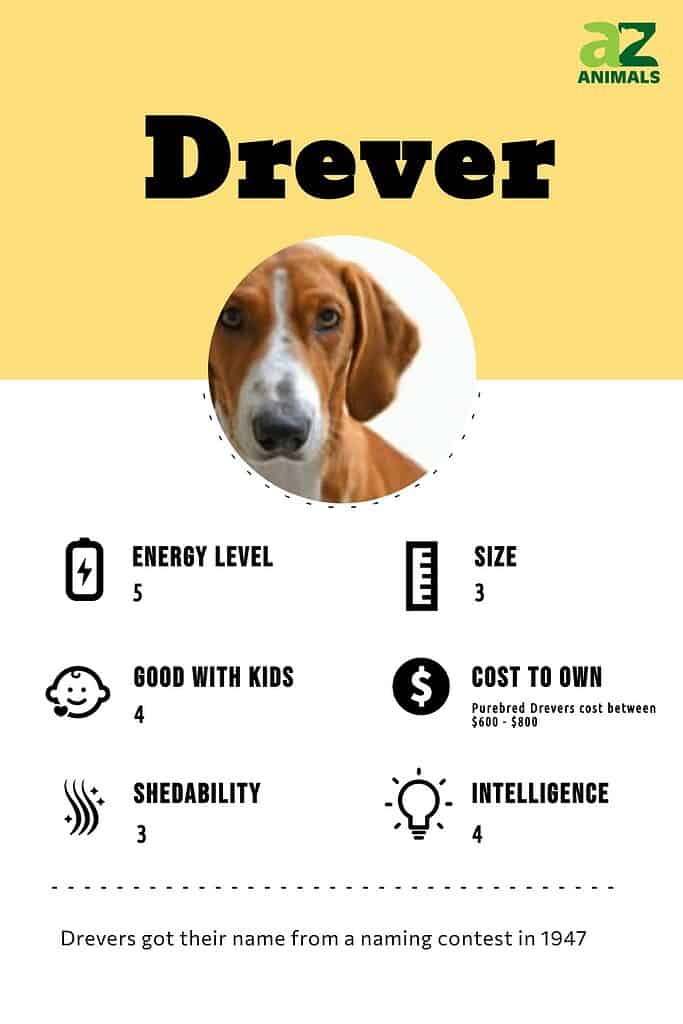
Drevers are excellent at driving deer towards their owners, but they can also be very useful for hunting other animals such as foxes and hares.

Drevers are one of the most popular dog breeds in Sweden. They are a smaller version of the German hound, the Westphalian Dahsbracke, that was imported to Sweden in 1910. Drevers are hunting dogs that are excellent at driving deer towards their owners, but they can also be very useful for hunting other animals such as foxes and hares.

Because of their even temperament, these dogs can make a great family pet and do especially well with older children. However, most owners use Drevers as a hunting dog and don’t solely keep them as a companion dog.

3 Pros and Cons of Owning a Drever

Pros!Cons!
Great family dog: They are loving and loyal. They can make a good family pet, especially with older children.

Prone to obesity: They are more prone to obesity than some other breeds, so you’ll need to watch their food intake and exercise levels.
Low shedding: They aren’t known for shedding too much and does not require frequent brushing.Stubborn: They are stubborn and can be a challenge to train.
Good for hunting: They make a great companion for a hunting trip and can help drive animals to the hunters.May suffer from separation anxiety: They do best when someone is home with them and may suffer from separation anxiety if left alone too long.

Evolution and Origins

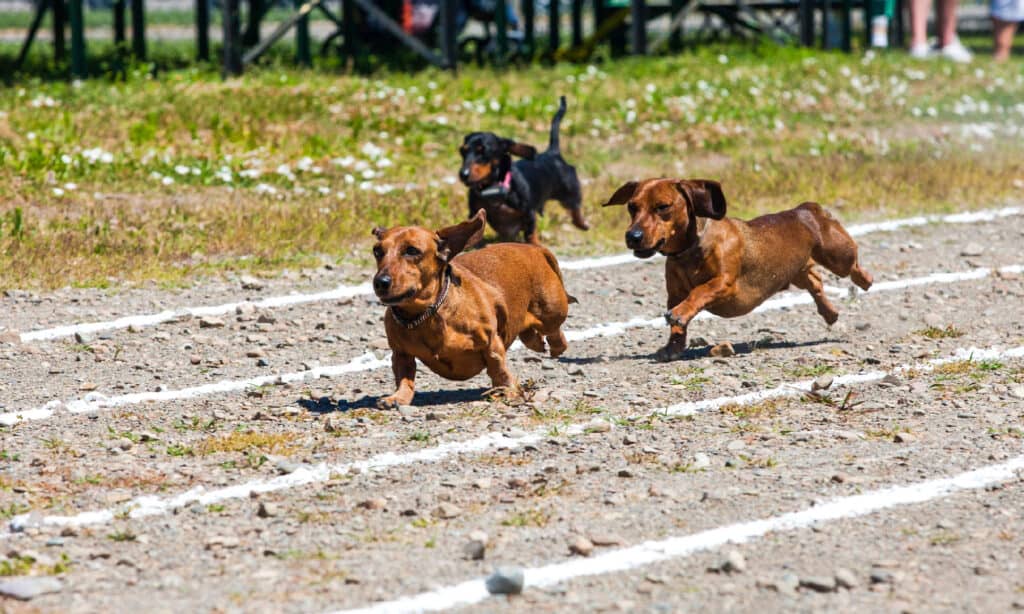
Dachshund, Sports Race, Running, Activity, Animal

Drevers are descended from dachshunds

With its long body and short legs, this unflappable pet is somewhat reminiscent of a dachshund. A peek into its breeding history shows that breed is actually a distant ancestor by way of the Westphalian Dachsbracke which was bred from the dachshund and the Deutsche Bracke.

However, the Drever, or Swedish Dachsbracke, as it is also known came into being when its more recent forebear, the Westphalian Dachsbracke was imported into Sweden and bred with local hounds. The result was a hardy little hound, slightly larger than its German ancestor, which was capable of driving deer towards hunters.

Today, the Drever counts as one of Sweden’s most popular breeds and its ability to get along with both human and furry housemates, has made it a much-loved family pet.

Size and Weight
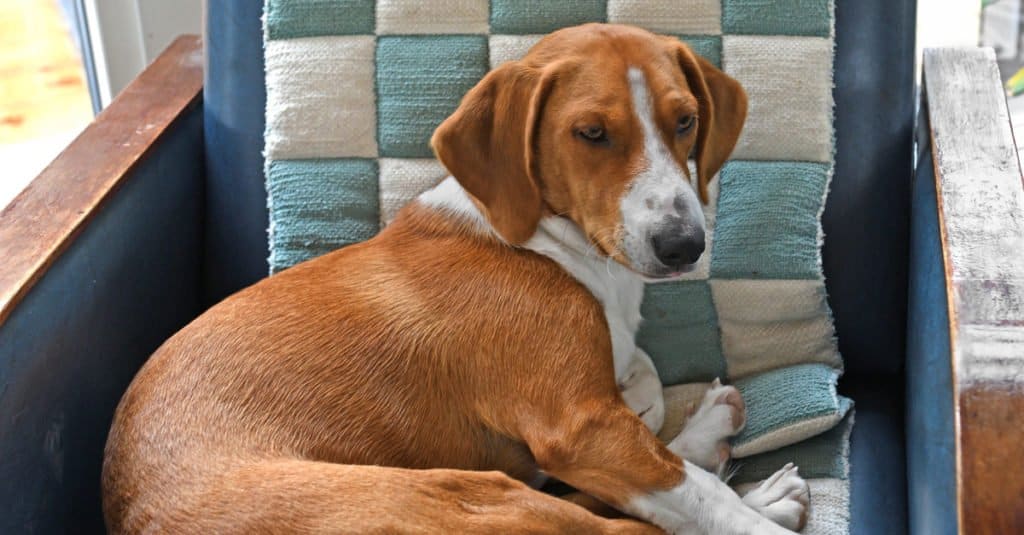
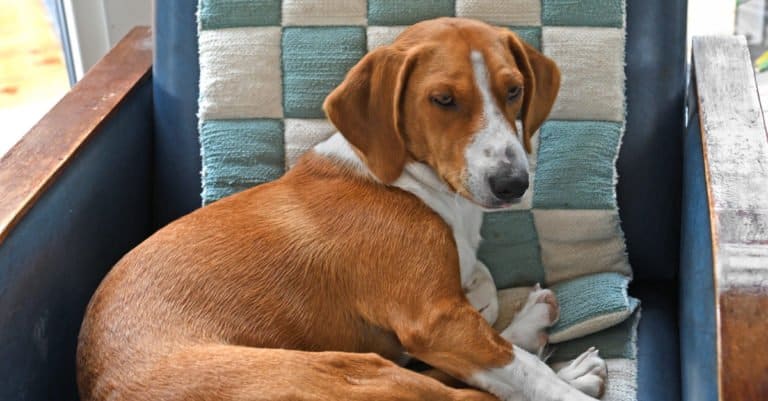
Drever dog sitting in a rocking chair


Drevers reach their full size by their twelfth month

Drevers are a small to medium size dog breed. Both male and female Drevers are about the same size. They are generally between 12 and 15 inches tall and weigh between 35 and 40 pounds. six-month-old puppies typically weight between 18 and 32 pounds. Drevers are fully-grown by the time they are one-year-old.

Height (Male):12 inches to 15 inches
Height (Female):12 inches to 15 inches
Weight (Male):35 pounds to 40 pounds
Weight (Female):35 pounds to 40 pounds

Common Health Issues

In general, the Drever is a healthy breed. However, there are still a few potential health concerns you’ll want to be aware of to make sure you can offer the best level of care to your pup.

Drevers are more prone to obesity than some other breeds. You will want to consult with your veterinarian to determine the best food for your pet and the recommended amount he should eat each day. Regular exercise and activity is also important for these dogs to keep them from becoming obese.

Drevers may also suffer from ear infections. Regularly check your dog’s ears and keep them clean to reduce wax build up. If you notice your dog pawing or scratching at their ears, schedule an appointment with the veterinarian.

Some Drevers may also suffer from a slipped disc. This problem is more common is dogs with shorter legs and a longer body, such as Drevers. The symptoms of a slipped disc can vary based on the location of the disc, but may include trouble walking, pain, or incontinence. If something seems off with your dog’s behavior or health, seek medical attention.

To sum up, a few of the common health concerns Drevers may face include:

  • Obesity
  • Ear infections
  • Slipped disc

Temperament and Behavior

Drever dog standing on a wood floor

Drevers are mild mannered, yet alert

Drevers are very loyal and have an even-tempered personality. They can make a good family dog and are very affectionate, but tend to do better with older children who are not as rambunctious. Drevers were bred to be hunting dogs and can exhibit hardworking behaviors. Another common trait of this dog is that they are a very alert breed.

How to Take Care of a Drever

When you bring home a puppy, start training him or her right away. Drevers, like most dogs, are easier to train when they are younger. This breed is also known for being stubborn, so early training can help. Socializing your dog and starting an obedience class is also a good idea once your puppy has received his or her vaccinations.

Puppies will need a safe space in your home free of hazards, so before bringing home a new Drever puppy, check your space and remove any harmful substances or items. You will also want to put away any personal belongings that you wouldn’t want a playful puppy to destroy. Before bringing home your Drever, you should also make sure you have all of the food and supplies they’ll need purchased and set up so your space is ready. Select a veterinarian and get an appointment set up for shortly after your Drever comes homes.

The Best Dog Food for Drevers

Drevers should be fed a high-quality dog food made for medium-sized breeds. You’ll also want to look for a food formulated for dogs with high energy levels. Work with your dog’s veterinarian to determine the ideal food and quantity to meet the specific needs of your Drever based on his age, weight, activity level, and health concerns. These dogs are prone to gaining weight, so it will be important to feed your dog two meals instead of leaving food out for all-day grazing.

Drever puppies require more frequent meals throughout the day. This is because puppies have a smaller stomach, so they can only eat smaller amounts of food at each meal. Puppies between the ages of eight and 12 weeks old will need four meals, and puppies between the ages of three and six months old will need four meals. By the time a Drever puppy is six months old, you can cut them down to just two meals each day.

The A-Z Animals choice for the best dog food for Drevers is Merrick Backcountry Raw Infused with Healthy Grains Dry Dog Food.

With raw protein, this high-protein formula is less processed than most kibble, and provides more complete nutrition. That means, the real beef, salmon, and chicken will satiate your Drever’s appetite to minimize overeating and weight gain. It also delivers a combination of amino acids for head-to-toe wellbeing and a functioning immune system.

Check Chewy and Amazon for this product.

Best Raw Infused with Healthy Grains
Merrick Backcountry Raw Infused Healthy Grains Dry Dog Food
  • Freeze-dried raw coated kibble and raw pieces
  • Beef, lamb, and rabbit with wholesome grains
  • No peas or lentils
Check Chewy Check Amazon

Maintenance and Grooming

Drevers are relatively easy to groom and maintain. They have a short coat with coarse hair that doesn’t require much brushing. These dogs do shed, but not as heavily as some other breeds. They will occasionally need a bath to make sure they stay clean.

Additionally, you will need to keep your Drevers nails trimmed to prevent them from getting too long and causing the dog pain as he walks. It will also be important to keep your pet’s ears clean and make sure too much wax doesn’t build up and lead to an infection. Also be sure to brush your Drevers teeth a few times each week.

Training

Drevers can be stubborn and strong-willed, which can make training them a challenge. They will do best with an experienced trainer and when training is started from a younger age. When you are training your dog, you must be very consistent in order for your Drever to learn and respond to commands.

Exercise

Drevers require daily exercise. This breed is prone to obesity, and giving your dog enough exercise can limit the chances that they’ll become obese. Aim for at least on half-hour or hour walk each day as well as some other opportunities for exercise such as playtime or running around in a fenced-in yard. When they get the exercise and stimulation they need, Drevers can also make a great companion on the couch for some quiet time.

Puppies

Drever puppies will need a safe environment free from hazards, so before bringing your new puppy home, be sure to remove anything that could harm him or her. Also, put away any personal belongings that you wouldn’t want to see damaged by a playful pup. You should also make sure you purchase all the food and other supplies your puppy will need before bringing them home; this way everything can be set up once your puppy is home and you won’t feel like you’re scrambling to get the things they need.

Drevers can be stubborn, so you will want to start training and socializing your puppy as soon as you bring them home. Look into signing up your puppy up for obedience classes once he or she has been fully vaccinated.

Children
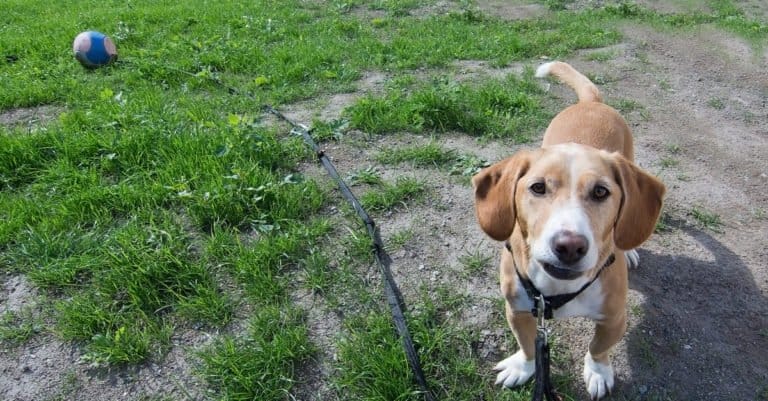
Drever Puppy standing alone


Drevers get along well with children but may be better suited to older children who may understand how to interact with them better

Drevers can be an excellent addition to many homes. They are very friendly and affectionate with children and can make a great playmate for a child. However, since Drevers are on the smaller size, they could be easily injured by a younger child who doesn’t understand how to properly interact with a dog, so they may do best in a home with older children.

Dogs Similar to Drevers

Dachshunds, Swedish Vallhund, and Teddy Roosevelt Terriers are three breeds that are similar to the Drever.

  • Dachshund: Dachshunds and Drevers were both bred to be hunting dogs. Both breeds are affectionate, social, and have an average intelligence level. While both Dachshunds and Drevers are small dogs, Dachshunds are smaller. The standard-size Dachshund has an average weight compared to the 33-pound average weight of a Drever.
  • Swedish Vallhund: Swedish Vallhunds and Drevers both originated from Sweden. Swedish Vallhunds were bred to be herding dogs, while Drevers were bred to be hunting dogs. Both breeds have an average weight of around 30 pounds and are 13 to 14 inches tall. Swedish Vallhunds are more likely to bark than Drevers and are more known for shedding more.
  • Teddy Roosevelt Terrier: Teddy Roosevelt Terriers and Drevers are both territorial dogs. Both breeds can also make a good family dog and can be a good companion for a senior citizen. Teddy Roosevelt Terriers are easier to train and make better watchdogs than Drevers.

Check below for some of the top Drever names. Will one of these be the perfect fit for your new pup?

  • Liam
  • Elias
  • Jager
  • Lucas
  • Sven
  • Astrid
  • Pixie
  • Lilly
  • Ella
  • Olivia

Famous Drevers

Drevers aren’t as popular in the United States, but they make the list of the top 20 most popular dog breeds in Sweden. Swedish hunters love this scent hound breed because of its hunting capabilities.

View all 451 animals that start with D

Sources

  1. akc.org / Published February 9, 2021
  2. dogtime.com / Published February 9, 2021
  3. wikipedia.org / Published February 9, 2021
  4. thegoodypet.com / Published February 9, 2021
  5. petiregister.com / Published February 9, 2021
  6. dogell.com / Published February 9, 2021
  7. dogell.com / Published February 9, 2021
  8. dogell.com / Published February 9, 2021
  9. wagwalking.com / Published February 9, 2021
  10. animalcaretips.com / Published February 9, 2021
  11. tasteofthewildpetfood.com / Published February 9, 2021
  12. dogzone.com / Published February 9, 2021
Dana Mayor

About the Author

Dana Mayor

I love good books and the occasional cartoon. I am also endlessly intrigued with the beauty of nature and find hummingbirds, puppies, and marine wildlife to be the most magical creatures of all.
Connect:

Thank you for reading! Have some feedback for us?


Drever FAQs (Frequently Asked Questions)

Drevers are Omnivores, meaning they eat both plants and other animals.