


S
Species Profile

Swedish Vallhund

Canis lupus familiaris

Big herder in a compact spitz
Jne Valokuvaus/Shutterstock.com

Swedish Vallhund Distribution

Click a location to explore more animals from that region

Origin Location

This map shows the native origin of the Swedish Vallhund. As a domesticated species, they are now found worldwide.

Loading map...

Found in 1 country

Size Comparison

Human 5'8"
Swedish Vallhund 1 ft 1 in

Swedish Vallhund stands at 19% of average human height.

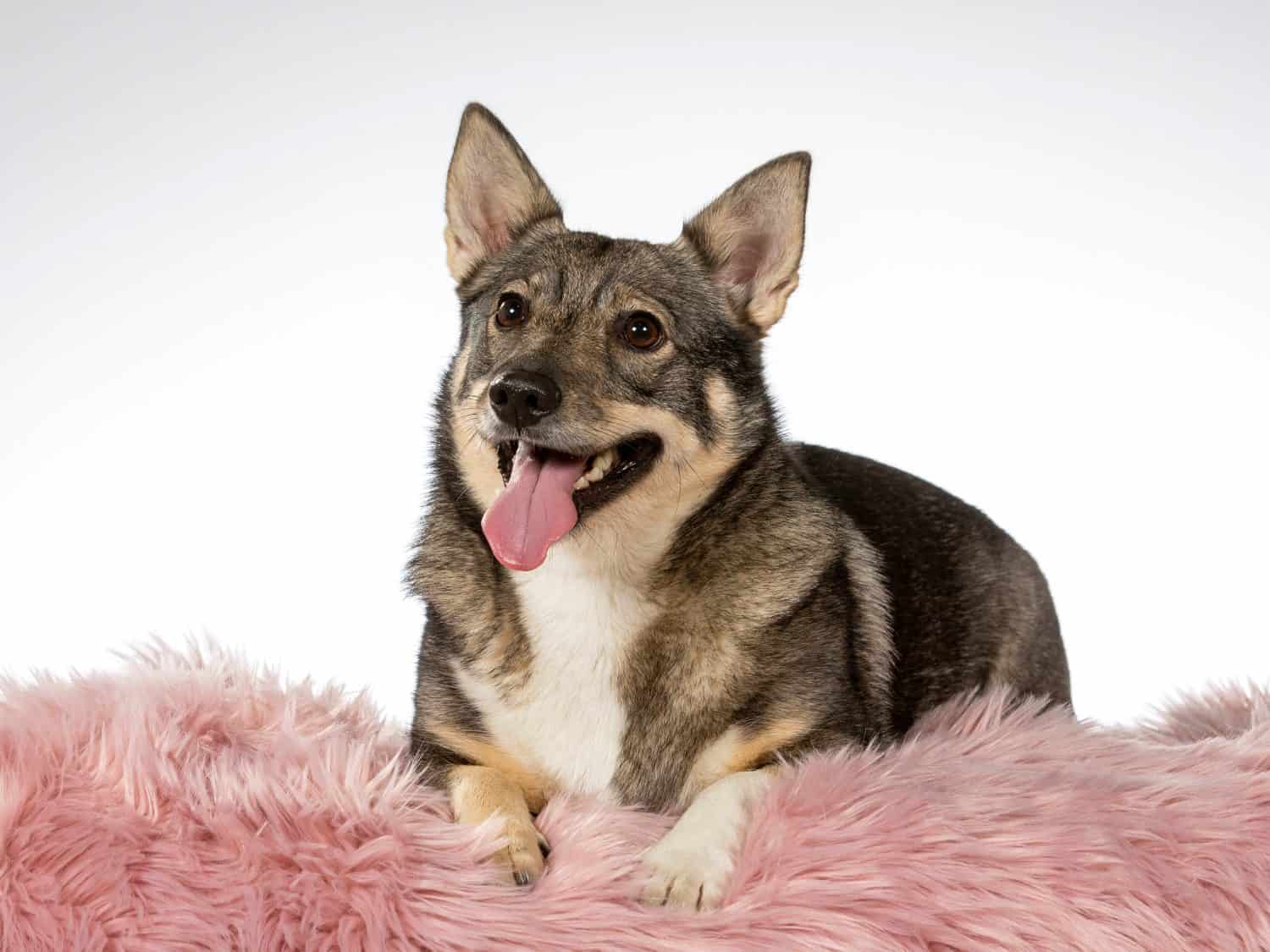
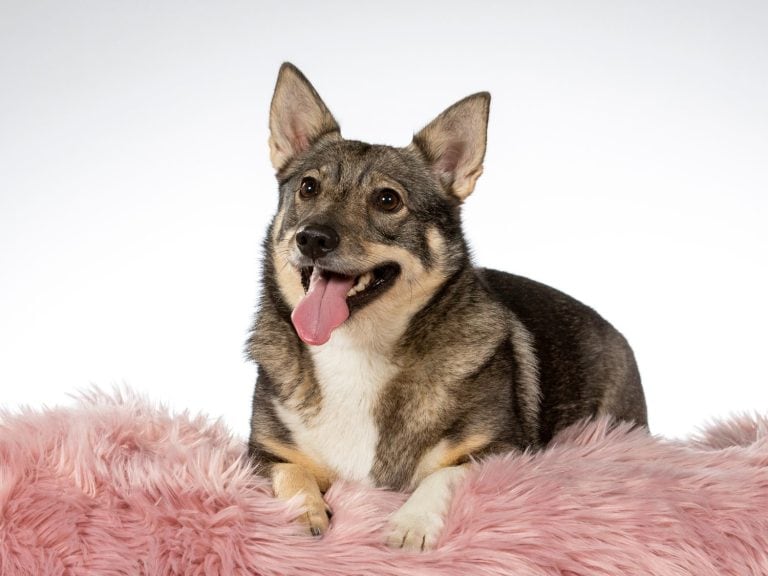
Swedish Vallhund dog portait, image taken in a studio with white background.

At a Glance

Domesticated
Also Known As Västgötaspets, Vastgotaspets, Västgöta spitz, Västgötaspetsen
Diet Omnivore
Activity Diurnal+
Lifespan 13.5 years
Weight 16 lbs
Status Not Evaluated
Did You Know?

The name "Vallhund" means "herding dog" in Swedish, derived from the Swedish word for "pasture" and the word "dog".

Scientific Classification

The Swedish Vallhund is a small-to-medium, spitz-type herding dog breed from Sweden, historically used for driving cattle and general farm work; today it is primarily a companion and working/sport dog.

Kingdom
Animalia
Phylum
Chordata
Class
Mammalia
Order
Carnivora
Family
Canidae
Genus
Canis
Species
Canis lupus

Distinguishing Features

  • Spitz-type build with wedge-shaped head and pricked ears
  • Typically long body with relatively short legs; often described as ‘corgi-like’
  • Wolf-gray/sable coloration common with lighter harness markings
  • Bred for herding and alertness; energetic, intelligent working temperament

Physical Measurements

Males and females differ in size

Height
1 ft 1 in (1 ft 1 in – 1 ft 2 in)
1 ft (11 in – 1 ft 1 in)
Length
1 ft 8 in (1 ft 2 in – 2 ft 6 in)
Weight
31 lbs (26 lbs – 35 lbs)
24 lbs (20 lbs – 29 lbs)
Tail Length
Up to 10 in
Up to 10 in
Top Speed
25 mph
running

Appearance

Primary Colors
Secondary Colors
Skin Type Typical canine skin under a dense, weather-resistant double coat; thick undercoat with harsh, close outer coat; seasonal shedding common.
Distinctive Features
  • Domestic dog (Canis lupus familiaris) selectively bred for Swedish farm herding and cattle driving; smaller and lower-built than most base canid forms.
  • Spitz-type outline: wedge-shaped head, erect ears, alert expression; distinctly not a corgi despite frequent confusion.
  • Long, low body with relatively short legs; agile, ground-covering trot suited to driving livestock.
  • Tail may be naturally bobbed, short, or full length; often carried in a sickle curve when full.
  • Coat is medium length, dense, and close-fitting; pronounced seasonal "blow" of undercoat.
  • Typically gray/sable with darker harness or saddle; facial mask and cheek shading common.
  • Health concerns to monitor: hip dysplasia, patellar luxation, hereditary eye disease (e.g., PRA/cataracts), and possible spinal/back issues in some dogs.
  • Care needs: frequent brushing (especially during shedding), regular nail/ear care, and routine dental hygiene.
  • Exercise/working needs: daily brisk activity plus mental work (herding, obedience, agility, scent games) to prevent boredom behaviors.
  • Weight management is important; low build can be stressed by excess weight-use measured diet and consistent exercise.

Sexual Dimorphism

Males are typically slightly taller, heavier, and more muscular through the neck and chest. Females are usually lighter-framed with a narrower head and overall finer bone, while retaining the same spitz-type silhouette.

  • Broader skull and slightly more pronounced stop and cheek musculature.
  • Heavier neck ruff/chest and thicker overall substance.
  • Often carries a more robust, squarely-built outline.
  • Slightly narrower head and finer muzzle and bone structure.
  • Lighter chest and overall slimmer frame.
  • Often appears more refined while maintaining the same proportions.

Did You Know?

The name "Vallhund" means "herding dog" in Swedish, derived from the Swedish word for "pasture" and the word "dog".

Despite frequent comparison to Welsh Corgis, the Vallhund is a separate Scandinavian spitz-type breed with its own history and standard.

Coat colors often show a "wolf-gray" sable pattern, echoing the wild canid look while remaining fully domestic.

Naturally bobtailed Vallhunds exist; tail length can range from very short to full length within the breed.

They were historically used as versatile farm dogs-driving cattle, guarding property, and alerting to visitors.

The modern breed was revived in Sweden in the 1940s after numbers dwindled, helping prevent it from disappearing.

They excel in dog sports (agility, obedience, rally, herding trials) thanks to high trainability and drive.

Unique Adaptations

  • Spitz-type efficiency: a double coat (harsh outer coat + dense undercoat) helps insulate against Scandinavian weather while shedding dirt reasonably well.
  • Low, long, athletic build: short legs plus a sturdy body create a low center of gravity useful for close-in cattle work and quick lateral dodges.
  • Variable tail genetics: natural bobtail to full tail occurs within the breed; tail length can influence balance/communication but both are typical.
  • High stamina in a compact frame: bred for all-day farm tasks-more endurance than many similarly sized companion breeds.
  • Keen auditory and visual alertness: selection for farm guarding favors fast detection of movement/sound around livestock and homesteads.

Interesting Behaviors

  • Cattle-driving "heels and dodge" style: moves close to livestock, nips at heels if needed, then darts away to avoid kicks-classic herding tactics adapted for larger animals.
  • High-alert "watchdog" tendencies: quick to announce changes with sharp barking; many Vallhunds are naturally vocal communicators.
  • "Shadowing" their people: bonds closely and often follows family members from room to room, reflecting a farm-dog background of constant supervision.
  • Busy-brain problem solving: will invent jobs (patrolling, carrying toys, herding other pets) if under-stimulated.
  • Strong pattern-learning: picks up routines fast and may anticipate cues-great for training, but can also learn nuisance behaviors just as quickly.
  • Group herding posture: uses an upright, forward-leaning stance and intense focus ("eye" varies by individual) to influence movement without constant contact.

Cultural Significance

The Swedish Vallhund (Canis lupus familiaris) is a native Swedish farm spitz linked to cattle driving and home guarding. Called the "Viking dog," it stands for hardy, vocal guards and lively herders and appears in working trials and dog sports.

Myths & Legends

"Viking dog" tradition: Swedish breed lore commonly links Vallhund-type dogs to the Viking Age, suggesting they traveled with Norse people as practical farm and voyage companions-an enduring cultural association in Sweden.

A long tale says Swedish Vallhunds and Welsh Corgis helped shape each other during Viking-era travel and trade across the North Sea. The exact path is unclear, but the story lives on as breed stories.

The 1940s rescue narrative: modern accounts in Sweden retell how enthusiasts searched rural areas to find remaining dogs and rebuild the breed-often recounted as a near-lost national treasure restored through dedication.

Conservation Status

NE Not Evaluated

Has not yet been evaluated against the criteria.

Population Stable

Life Cycle

Birth 7 pups
Lifespan 14 years

Lifespan

In the Wild
12–15 years
In Captivity
12–15 years

Reproduction

Mating System Polygynandry
Social Structure Managed Domestic
Breeding Pattern Serial
Fertilization Managed Selective
Birth Type Managed_selective

Swedish Vallhund reproduction matches domestic dogs: females enter seasonal estrus and mate via internal fertilization with a copulatory tie. Pairings are typically human-managed and selective, so mates vary across cycles rather than forming stable long-term bonds.

Behavior & Ecology

Social Pack Group: 3
Activity Diurnal, Crepuscular
Diet Omnivore High-protein, meat-forward kibble or fresh meat-based meals (e.g., beef or chicken) with occasional fish-based treats

Temperament

Breed-distinct vs base species (wolf): reduced predatory/territorial intensity; increased human-directed cooperation and responsiveness.
Herding drive: uses movement control, circling, and occasional heel-nipping; benefits from clear off-switch training.
Alert, vocal watchdog tendency; may bark at novel sounds, visitors, and motion triggers.
Highly intelligent, quick-learning, and independent-minded; responds best to positive, structured training.
Social style: affectionate with family, reserved-to-friendly with strangers; early socialization reduces skittishness.
Energy needs: high daily exercise plus mental work (obedience, herding, scentwork, agility).
Care requirement: regular brushing (double coat), seasonal shedding; weather-hardy but needs indoor companionship.
Care requirement: avoid long repetitive running in puppies; build conditioning gradually to protect joints.
Health concerns (breed-associated): hip dysplasia, progressive retinal atrophy/other eye issues; screen hips/eyes.
Health concerns (breed-associated): back/spine issues reported in some lines; keep lean, use safe jumping habits.
HUBS (herding spitz-type working breeds): high drive, handler focus, vocal alerting; variation by lines and training.

Communication

sharp alert bark
repetitive demand barking
growl
whine
yip/howl-like vocalizations
upright ears and intense stare to control movement Herding-style
body blocking/circling to guide people or animals
mouthy/nipping gestures when over-aroused; redirect to toys/tasks
tail carriage and posture shifts signaling confidence vs uncertainty
scent marking and investigative sniffing during walks
pawing/nudging to solicit interaction or initiate work/play
handler check-ins and sustained eye contact to request direction

Habitat

Biomes:
Temperate Forest Boreal Forest (Taiga) Temperate Grassland Tundra Alpine Mediterranean Desert Hot Desert Cold Wetland Freshwater Marine Savanna Tropical Dry Forest Tropical Rainforest Temperate Rainforest +9
Terrain:
Plains Hilly Valley Coastal Riverine
Elevation: Up to 18044 ft 8 in

Ecological Role

Domesticated omnivorous canid; human-associated mesopredator/commensal working dog (herding and vermin-alert roles rather than apex predator).

Herding/stock management support (reduces livestock losses and improves farm efficiency) Rodent deterrence and occasional vermin control in rural settings Nutrient cycling via consumption of human food waste (historically) Companion/working partnership that indirectly shapes human land-use and animal management practices

Diet Details

Main Prey:
Small mammals Rabbits and hares Birds Eggs Invertebrates
Other Foods:
berries Fallen fruit Grasses and sedges Roots and tubers Mushrooms and fungi

Human Interaction

Domestication Status

Domesticated

Swedish Vallhund (Canis lupus familiaris) is a small-to-medium spitz herding dog from Sweden, used for driving cattle, guarding farms, and farm work. Shaped by domestication, it has a strong herding drive, is alert, vocal, energetic, and friendly with people. Needs daily exercise, training, early socialization, and health checks (hips, eyes, DM).

Danger Level

Low
  • Herding behavior may include chasing and heel-nipping, especially toward running children or pets if not trained/managed
  • Bite risk exists as with any dog, typically associated with fear, poor socialization, pain, or mishandling
  • Vocal alarm barking can create nuisance or neighbor conflict (indirect human risk)
  • Allergies/asthma triggers from dander/saliva in sensitive individuals
  • Zoonotic/parasitic risks (e.g., roundworms, ticks) if preventive care is neglected

As a Pet

Suitable as Pet

Legality: Generally legal as a pet in the United States and most jurisdictions; subject to standard local dog regulations (licensing, leash laws, vaccination requirements, housing/HOA rules). Breed-specific bans rarely target Swedish Vallhunds, but always verify local ordinances.

Care Level: Moderate

Purchase Cost: $800 - $2,500
Lifetime Cost: $15,000 - $35,000

Economic Value

Uses:
Companion animal market Working/herding services Dog sports and training industry Veterinary and preventive healthcare Grooming products and services Breeding and conformation showing
Products:
  • Puppy sales from health-tested breeders
  • Herding and farm utility labor (specialty working dogs)
  • Training classes (obedience, agility, herding, nosework)
  • Veterinary services (vaccination, screening, orthopedic/eye care)
  • Grooming tools (brushes/deshedding tools) and shampoos
  • Pet supplies (food, crates, leashes/harnesses, enrichment toys)

Relationships

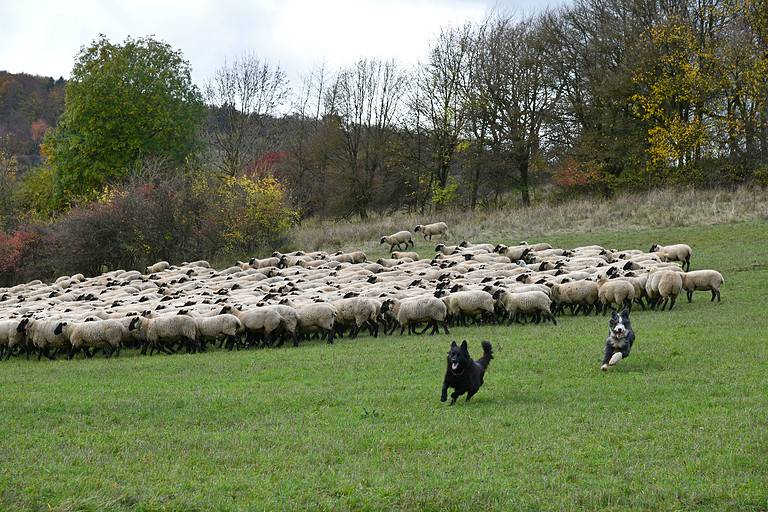
These playful cow dogs love to spend their time running through fields, basking in the sunshine, and keeping the herd together.

Vallhunds and similar types of herding dogs have existed in Europe since the Viking era. The modern Swedish Vallhund breed was revived in the 1940s by a pair of breeders named K. G. Zettersten and Bjorn von Rosen. One of the unique marking features of this breed is the chance that a Swedish Vallhund could be born with a partial or even completely missing tail.

Overall, Swedish Vallhunds are intelligent working dogs that have adapted well to domestic life. These dogs do best when raised by a skilled trainer and are a good choice for experienced dog owners.

3 Pros And Cons Of Owning A Swedish Vallhund

ProsCons
Fun and playful. Swedish Vallhunds love to run, jump, and play. These dogs are a great choice for active families that spend a lot of time outside.Nipping instinct. Vallhund puppies have a strong herding instinct that needs to be managed by an experienced trainer. If you don’t know what you’re doing, you may end up with a dog that likes to bite ankles. Luckily, this can be counteracted with straightforward guidance and positive attention.
Expert watchdogs. Vallhunds are incredibly sensitive and alert dogs that can hear everything within their immediate radius. These dogs are great watchdogs that love to communicate with their owners.Social anxiety. Swedish Vallhunds are social dogs, but they are also very wary of danger. Vallhunds should be socialized early to make sure they feel comfortable around other people and their pets.
Family-oriented. Swedish Vallhunds are herding dogs, so they love the idea of keeping the family together. These pups love to hang out at family events like movie nights.Extra shedding. Vallhunds have thick winter coats that keep them warm while they herd cattle in the early mornings. However, those same coats also tend to shed a lot; to take good care of your dog, you’ll need to brush them frequently and keep the area vacuumed.

History Of The Breed

The Swedish Vallhund almost went extinct in the 1940s.

The Swedish Vallhund is an ancient breed of dog that dates back more than 1000 years and was once referred to as a Viking dog or the Vikingamas Hund. While this breed originates in Sweden, it dates back to the 8th century, to the time when the Vikings conquered areas of Britain, and is similar to the Welsh corgi, which is why it is also referred to as the “wolf corgi”. The Vallhund was intended to be a farm dog, to herd cattle, and it almost went extinct in the 1940s.

Size And Weight

These are small herding dogs with short legs, pointed ears, and a thick coat of medium-length fur. Males and females are usually about the same size; they can grow to be 12-14 inches tall at the shoulder, and they tend to weigh between 20 and 30 pounds when they are fully grown.

Common Health Issues

This dog is a healthy breed with plenty of active bloodlines spread across Europe. This means that your Swedish Vallhund won’t be at risk for any more health issues than the average dog. However, you should still be on the lookout for common ailments and diseases such as parvo, Lyme disease, and Von Willebrand disease. These dogs have particularly sensitive ears and eyes, which means that they may need extra care to prevent infections in these areas.

Temperament
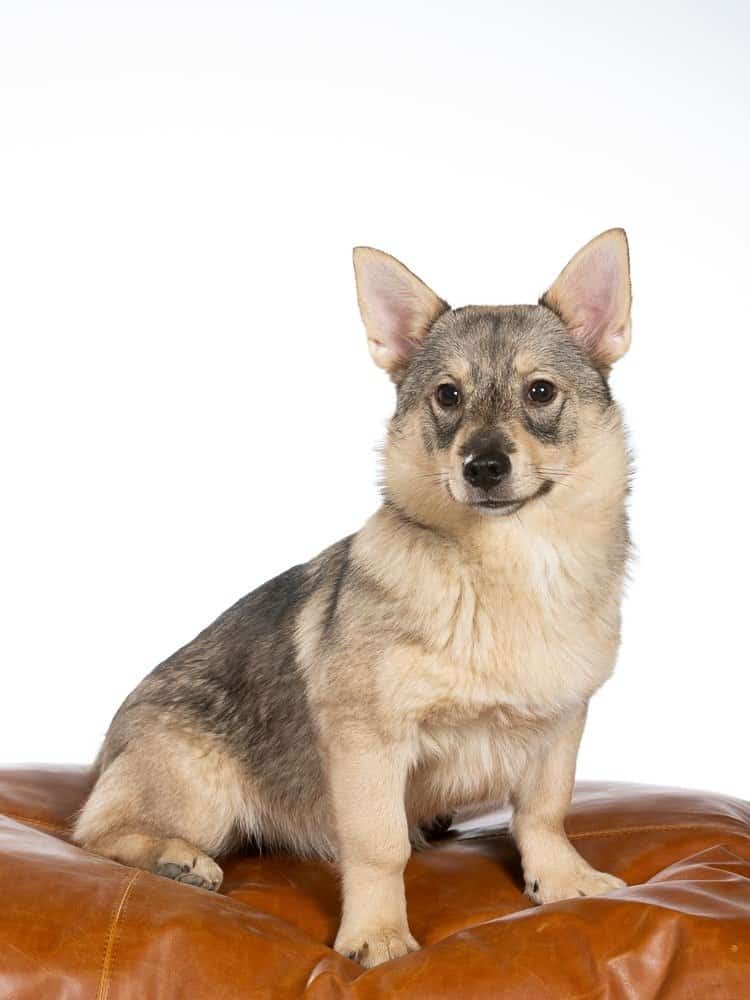
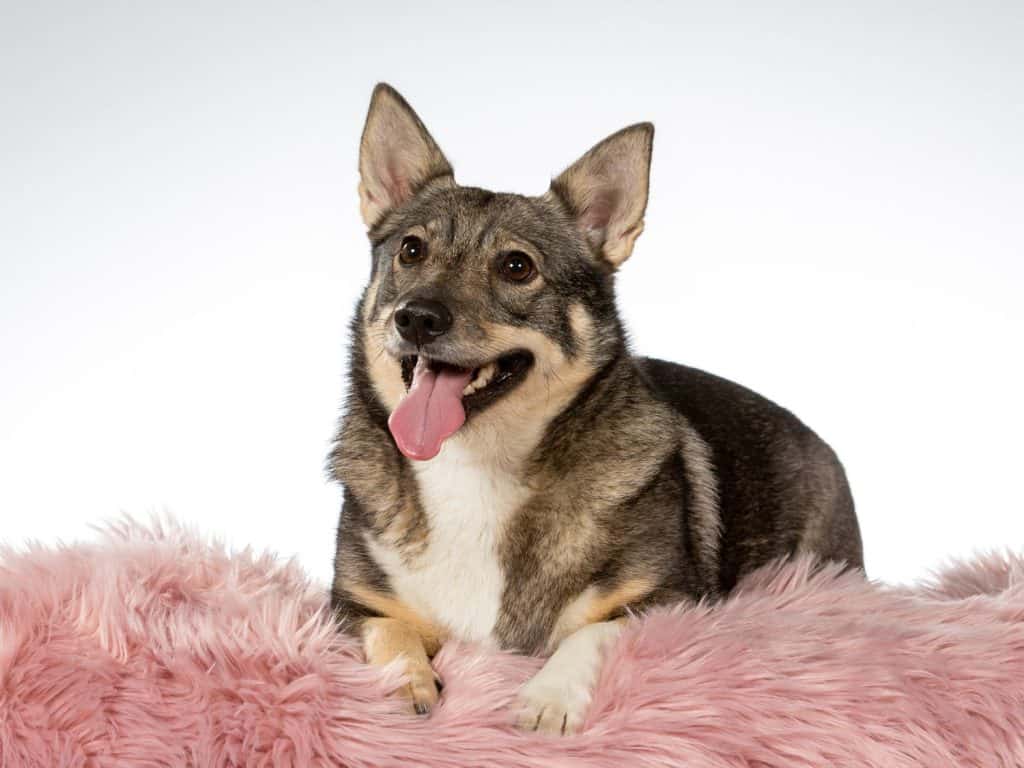
Swedish vallhund dog portrait in a studio. Rare dog breed with white background.

The Swedish Vallhund has a higher prey drive and may have a harder time around small animals.

These are sweet and engaging dogs that love to be a part of your family. The Swedish Vallhund was originally bred to be a cow dog, so expect your pet to be alert, interactive, and great with group interactions. They may have a hard time getting along with particularly small animals due to their slightly raised prey drive.

Many people see these dogs as guard dogs. Vallhunds have excellent senses and are constantly on the alert, so they’re great as watchdogs; however, because they’re so small, they can’t be asked to offer real physical protection. Swedish Vallhunds are great family dogs and get along well with kids.

How To Take Care Of A Swedish Vallhund

These dogs need plenty of exercise and attention to stay happy and healthy. Vallhunds do not get bored easily and love to tag along with their owners, so one of the best ways to keep them happy is to make them a part of your working lifestyle.

The Best Dog Food For Swedish Vallhunds

Like other dogs, Swedish Vallhunds need to eat a balanced diet with plenty of protein and healthy fats. Vallhunds are naturally energetic, and the amount of food that they need to consume will be directly related to how much energy they burn throughout the day. Vallhunds that are expected to be apartment dogs will be more comfortable if they are not overfed, but Vallhunds that work as cow dogs will want extra portions to help them manage entire herds.

Maintenance And Grooming
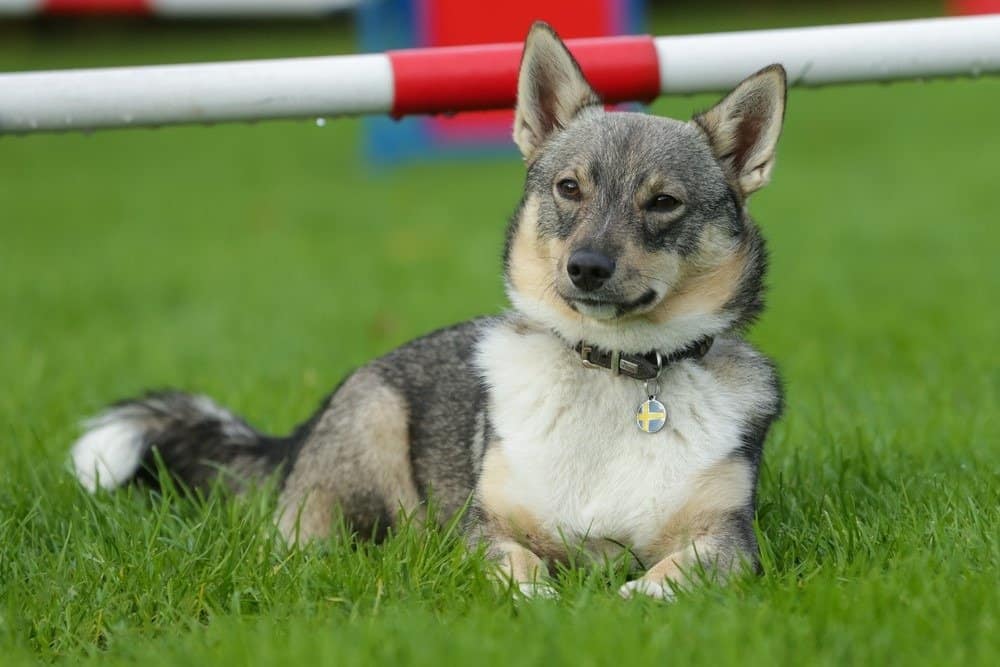
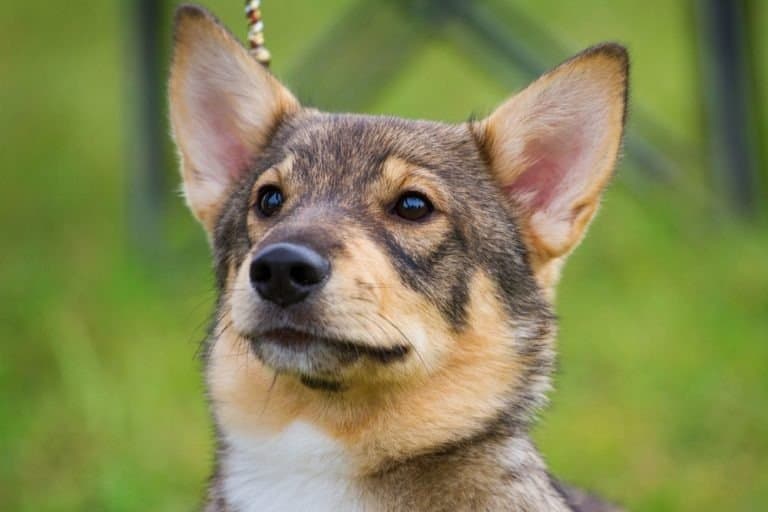
Portrait of typical Swedish Vallhund in the grass during an agility training.

The Swedish Vallhund’s double-coated fur will keep them warm and dry, which is perfect for cold weather.

Swedish Vallhunds are double-coated. They have a softer undercoat that keeps them warm and a coarse overcoat that keeps them dry. This is incredibly convenient for colder climates, but it also means that Vallhunds tend to shed a lot more than other dogs.

Plan to brush your Vallhund frequently to maintain the condition of their coat. Make sure not to get a brush that snags on their fur; instead, look for something that pulls through smoothly, especially at the thickest parts of the coat.

If you live in a moderate or warm climate, make sure that your Vallhund goes to the groomer in the summertime to get their undercoat trimmed. You should also make sure to regularly trim your Vallhund’s nails and check on the condition of their eyes, ears, and nose.

Training

Swedish Vallhunds are incredibly intelligent and have great training potential. They have no problems learning tricks and simple tasks. They also have a strong herding potential that only needs to be lightly reinforced.

Vallhunds have the potential to be jumpy and wary of strangers, so they do better when they are socialized correctly as puppies. Expect your Vallhund to want to greet and interact with guests, and teach them healthy ways to express their general excitement and engagement.

Exercise
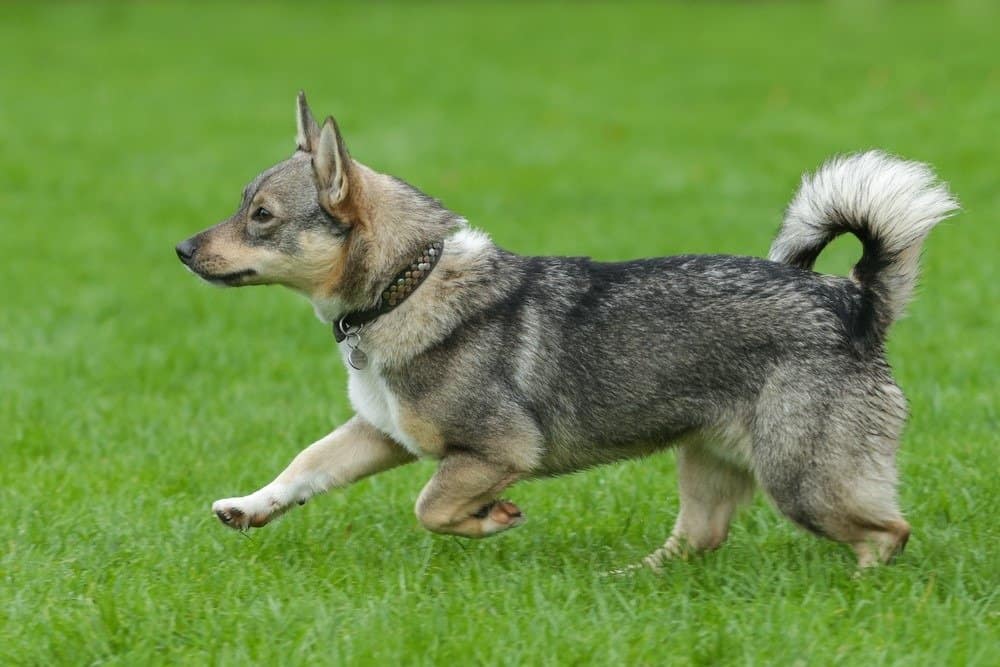
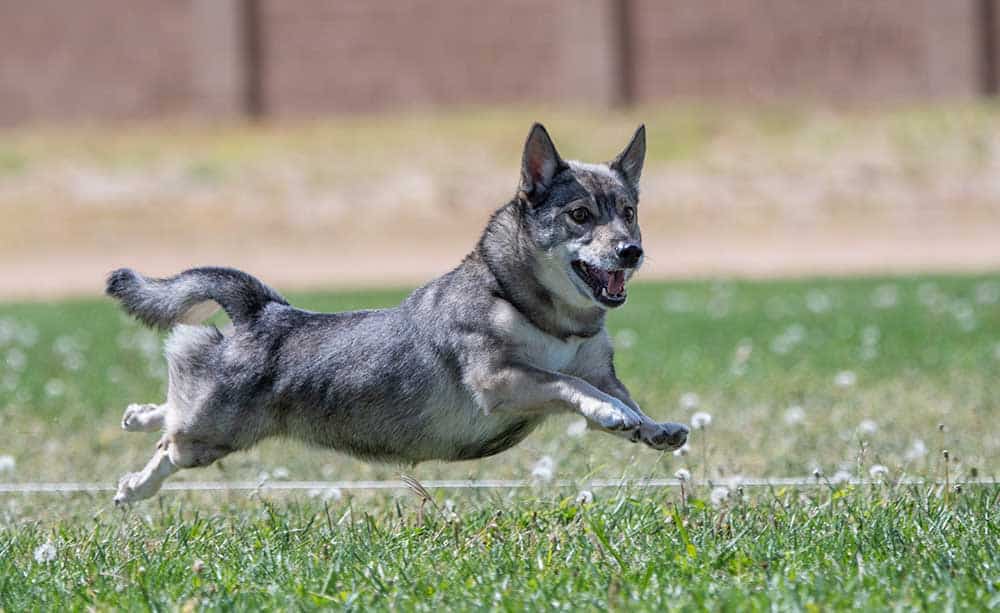
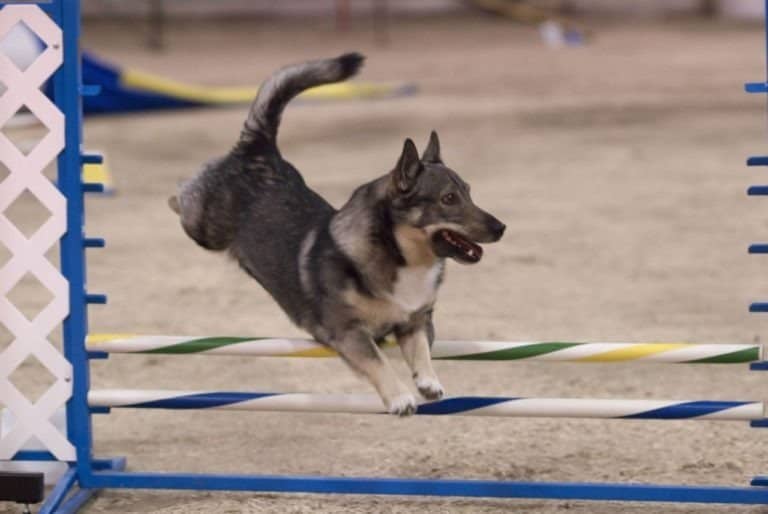
Portrait of typical Swedish Vallhund running during an agility training.

This breed is high-energy and needs frequent exercise.

Swedish Vallhunds are high-energy dogs and need as much exercise as they can get. Expect to take your Vallhund on at least two walks a day. Vallhunds like to play, and they’re happiest in houses with room for moving around. A Swedish Vallhund can easily be an apartment dog if they are taken outside regularly and given plenty of attention by their owners.

Vallhunds are herding dogs, so they thrive under an incredibly active lifestyle if they are given the opportunity. These dogs are particularly popular on farms and in other environments where they can safely be brought with their owners.

Puppies
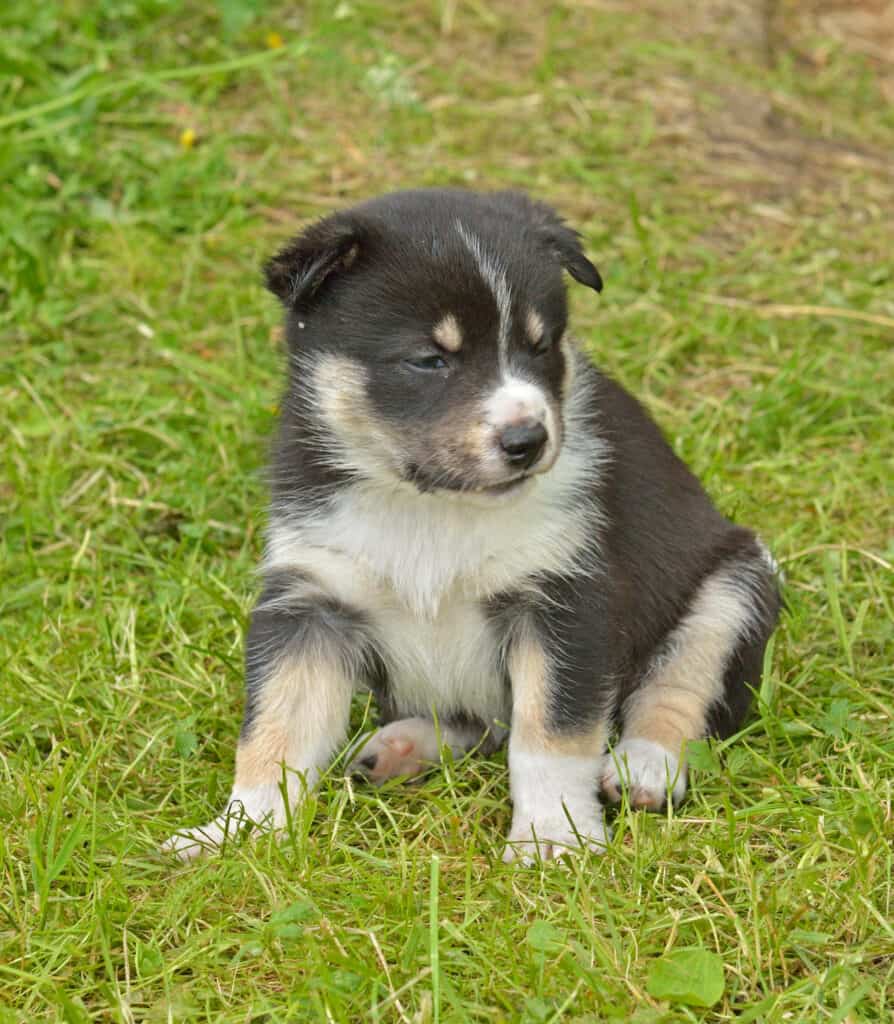
Swedish Vallhund puppies go through a nipping phase and will need guidance as they learn to socialize.

Swedish Vallhund puppies are eager to get moving in life. Be aware that most Vallhund puppies go through a nipping phase, meaning they will need guidance as they learn to socialize with other dogs and people. In addition to nipping, you can also expect to see chewing and other immature but interactive behaviors.

Otherwise, Swedish Vallhund puppies are easy to raise and adapt well to most environments. Make sure to feed them a balanced diet with plenty of protein to encourage their long-term health.

Swedish Vallhunds And Children

These are friendly dogs that do well in group environments. Well-trained Vallhunds get along well with children and do well as members of domestic families. However, it’s not a good idea to let a child train a Vallhund puppy on their own, especially if they’ve never had a dog before.

Dogs Similar To Swedish Vallhunds

Swedish Vallhunds are great dogs, but they can be hard to find in some areas. If you’re looking for another playful and interactive herding dog, you should consider adopting a Finnish Lapphund, a Welsh Corgi, or an English Shepherd.

  • Finnish Laphunds: Laphunds are a sensitive and playful breed. They have slightly more domestic personalities than Vallhunds and may be a better choice for a family environment.
  • Welsh Corgis: The corgi is an iconic cattle dog that Swedish Vallhunds are often mistaken for. Corgis are sweet, friendly, and easy to train.
  • English Shepherds: The English shepherd is a talented and friendly herding dog. These dogs are a great choice for a working companion, but remember that they are slightly bigger than Swedish Vallhunds.

View all 391 animals that start with S

Sources

  1. Dogs Aholic / Accessed December 2, 2020
  2. Small Dog Place / Accessed December 2, 2020
  3. Dog Learn / Accessed December 2, 2020

Melissa Bauernfeind

About the Author

Melissa Bauernfeind

Melissa Bauernfeind was born in NYC and got her degree in Journalism from Boston University. She lived in San Diego for 10 years and is now back in NYC. She loves adventure and traveling the world with her husband but always misses her favorite little man, "P", half Chihuahua/half Jack Russell, all trouble. She got dive-certified so she could dive with the Great White Sharks someday and is hoping to swim with the Orcas as well.
Connect:

Thank you for reading! Have some feedback for us?


Swedish Vallhund FAQs (Frequently Asked Questions)

Purchasing a Swedish Vallhund from a breeder costs around $2500 dollars. In addition to normal maintenance costs that come along with owning a pet, Vallhunds also require semi-regular trips to the groomer and consistent vet check-ups to prevent ear infections.