





T
Species Profile

Teddy Roosevelt Terrier

Canis lupus familiaris

Small farm dog, big ratter heart.
Michele M Vogel/Shutterstock.com

Teddy Roosevelt Terrier Distribution

Click a location to explore more animals from that region

Origin Location

This map shows the native origin of the Teddy Roosevelt Terrier. As a domesticated species, they are now found worldwide.

Loading map...

Size Comparison

Human 5'8"
Teddy Roosevelt Terrier 11 in

Teddy Roosevelt Terrier stands at 16% of average human height.

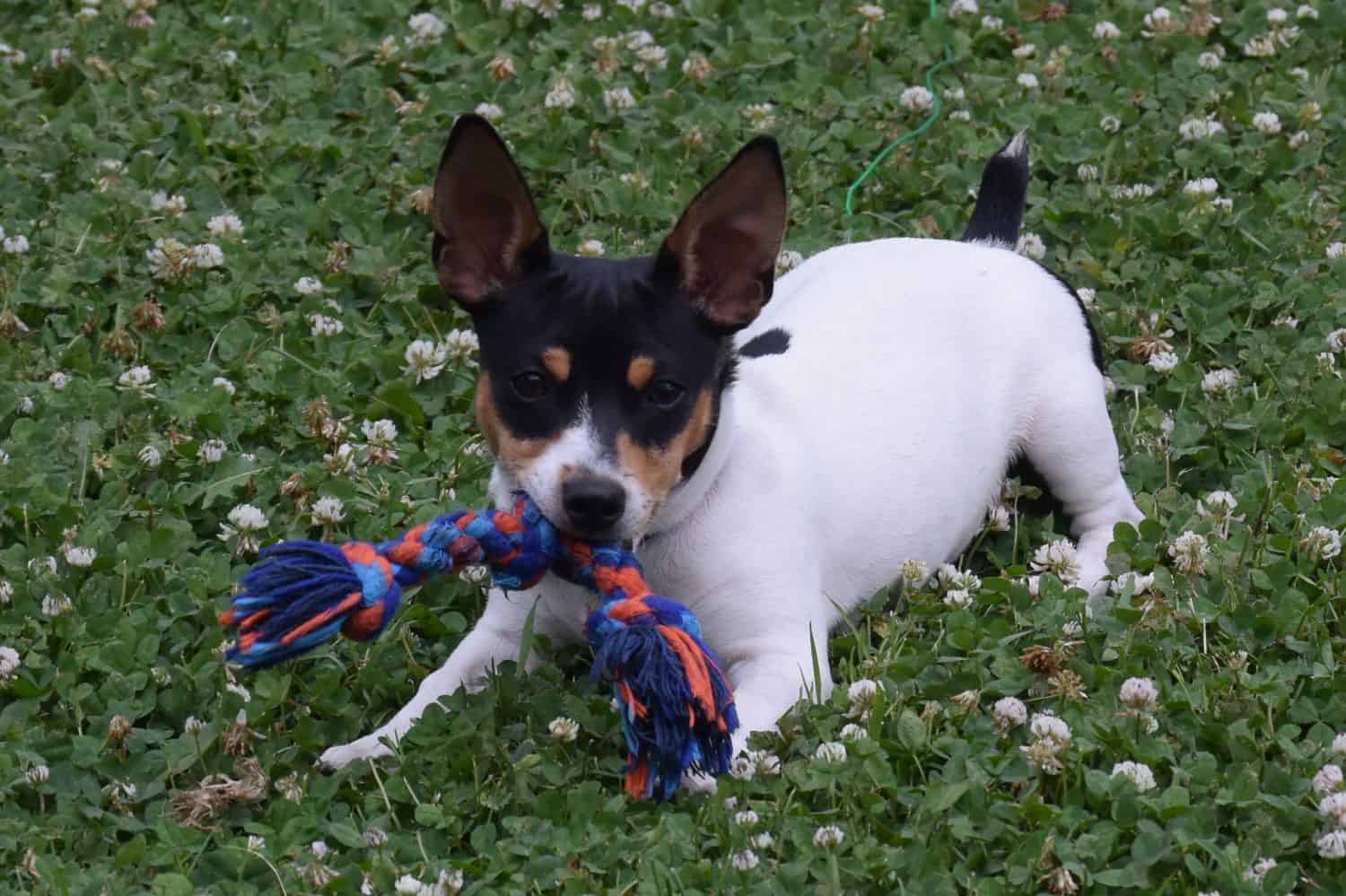
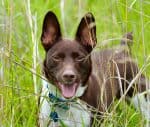
Happy Teddy Roosevelt Rat Terrier puppy playing on field of Clover

At a Glance

Domesticated
Also Known As TRT, Teddy, Teddy Roosevelt Rat Terrier, Short-legged Rat Terrier, Shorty Rat Terrier
Diet Omnivore
Activity Diurnal+
Lifespan 4 years
Weight 11 lbs
Status Not Evaluated
Did You Know?

Originally grouped with Rat Terriers; the United Kennel Club recognized it as a distinct breed and named it for Theodore Roosevelt.

Scientific Classification

The Teddy Roosevelt Terrier is a domestic dog breed in the terrier group, developed in the United States for vermin control and as an all-around small farm dog. It is generally compact, muscular, and agile, with a short coat and a working-terrier temperament.

Kingdom
Animalia
Phylum
Chordata
Class
Mammalia
Order
Carnivora
Family
Canidae
Genus
Canis
Species
lupus

Distinguishing Features

  • Small-to-medium, sturdy terrier build (often described as more robust than some related ratting terriers)
  • Short, smooth coat; commonly bicolors/tricolors
  • Erect or button ears may occur depending on breed standard/lines
  • High prey drive/ratting instinct; alert, active, trainable

Physical Measurements

Males and females differ in size

Height
♂ 12 in (9 in – 1 ft 2 in)
♀ 11 in (8 in – 1 ft 2 in)
Length
♂ 1 ft 7 in (1 ft 3 in – 1 ft 12 in)
Weight
♂ 20 lbs (13 lbs – 25 lbs)
♀ 15 lbs (10 lbs – 21 lbs)
Tail Length
♂ Up to 8 in
Top Speed
25 mph
running

Appearance

Primary Colors
Secondary Colors
Skin Type Thin, pigmented canine skin with a short, smooth, close-lying coat; moderate shedding, minimal feathering.
Distinctive Features
  • Domestic dog breed (Canis lupus familiaris) selectively bred in the United States for ratting and farm utility, not a wild canid.
  • Compact, muscular build with a slightly longer-than-tall outline; sturdier and often shorter-legged than many Rat Terrier types.
  • Wedge-shaped head with pronounced stop; V-shaped button or semi-erect ears depending on line and standard.
  • Short, glossy coat that highlights muscle definition; low grooming needs but regular brushing helps control shedding.
  • High prey drive and alert terrier temperament; benefits from early socialization and consistent, reward-based training.
  • Exercise needs are moderate-to-high for size: brisk daily walks plus play, scent games, or barn-hunt style activities.
  • Common breed health considerations: patellar luxation, Legg-Calvé-Perthes, hip dysplasia, dental crowding/periodontal disease; occasional skin allergies.
  • Care requirements: maintain lean body condition, provide joint-friendly exercise, routine dental care, and nail trimming; cold-sensitive due to short coat.

Sexual Dimorphism

Males are typically slightly larger and more heavily muscled, with broader heads and chests. Females are often a bit lighter-boned and more refined in outline while keeping the same compact terrier proportions.

♂
  • Slightly greater height/weight within standard range
  • Broader skull and stronger cheek musculature
  • Deeper chest and more pronounced forequarter muscling
♀
  • Slightly smaller, more refined head and neck
  • Lighter overall bone while remaining sturdy
  • Often a subtly narrower chest and waistline

Did You Know?

Originally grouped with Rat Terriers; the United Kennel Club recognized it as a distinct breed and named it for Theodore Roosevelt.

Compared with many Rat Terriers, Teddy Roosevelt Terriers are typically more compact and lower to the ground, with heavier bone.

They were developed as practical all-around small farm dogs: vermin control, watchdogging, and family companionship.

Their short, dense coat is low-maintenance and sheds seasonally rather than needing specialized trimming.

Many lines carry strong "treeing" and "cornering" instincts-using speed and agility to pin small quarry.

They're known for being sturdy for their size, with an athletic build suited to short bursts of intense activity.

The breed's American "farm terrier" roots trace to mixes of small working terriers and local feist-type dogs used by rural households.

Unique Adaptations

  • Compact, muscular proportions for explosive acceleration and quick turns-useful in barns, sheds, and tight farm spaces.
  • Relatively shorter legs and heavier bone (compared with many Rat Terriers) can improve stability when cornering quarry and navigating cluttered ground.
  • Short, tight coat that dries quickly and is easy to keep clean after field or yard work.
  • Strong terrier "grip" and head/neck strength suited to dispatching small vermin.
  • Highly responsive to movement and sound-an adaptation of a purpose-bred pest-control dog that had to react instantly in farm environments.

Interesting Behaviors

  • Vermin-focused hunting patterns: rapid darting, pouncing, and "pin-and-shake" terrier-style dispatching behaviors.
  • Digging and nose-work: they often excavate scent trails and investigate burrows or fence lines.
  • Alert watchdog tendencies: quick to notice movement/sounds and to announce visitors with sharp, persistent barking.
  • High prey drive: may chase squirrels, rabbits, and cats outdoors; reliable recall usually requires training and management.
  • Play that looks like work: tugging, shaking toys, and intense fetch sessions mirror their hunting motor patterns.
  • People-oriented "shadowing": many bond closely and follow family members room to room when indoors.
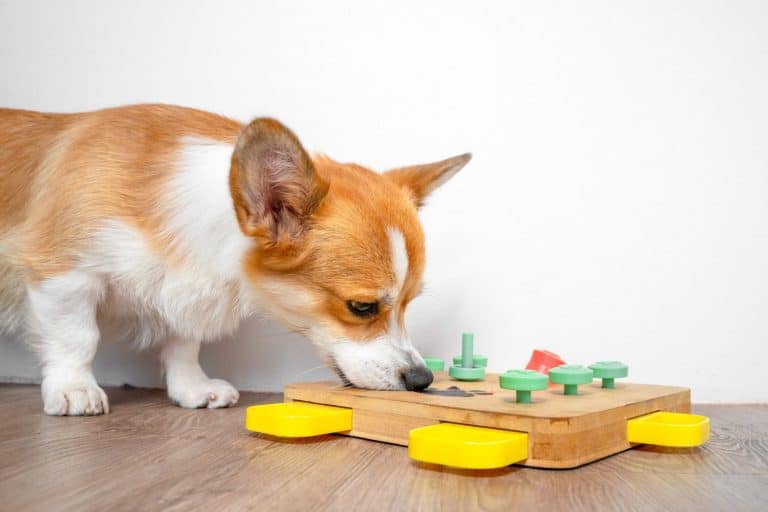
  • Problem-solving persistence: they may keep working at a puzzle/toy/goal longer than many companion breeds.

Cultural Significance

The Teddy Roosevelt Terrier (Canis lupus familiaris) is a classic American small-farm working dog. A practical ratter and watchdog, it protected feed and barns. Its name recalls Theodore Roosevelt and sets it apart from longer-legged Rat Terriers.

Myths & Legends

Breed fans say the name honors Theodore Roosevelt as a symbol of tough American grit and farm-and-field spirit, a story that shows the Teddy Roosevelt Terrier as a working terrier for the everyday farm.

Farm tales say small barn terriers, the Teddy Roosevelt Terrier (Canis lupus familiaris), cleared feed rooms of rats in one night, then slept by the stove with the family, shaping its all-purpose farm dog idea.

In rural American superstition, a good barn ratter terrier was seen as protecting good fortune—keeping grain safe and hunger away—so families passed down favored terrier lines and nicknames as good luck.

Breed-history narrative: when kennel organizations separated the shorter-legged, heavier-boned type from Rat Terriers, the renaming became a modern "founding tale" within the community-marking a moment when an old farm type gained its own recognized identity.

Conservation Status

NE Not Evaluated

Has not yet been evaluated against the criteria.

Population Stable

Life Cycle

Birth 4 pups
Lifespan 4 years

Lifespan

In the Wild
2–8 years
In Captivity
11–17 years

Reproduction

Mating System Polygyny
Social Structure Managed Domestic
Breeding Pattern Serial
Fertilization Managed Selective
Birth Type Internal_fertilization

In Teddy Roosevelt Terriers, reproduction is typically human-managed: chosen studs may sire multiple females across seasons, with brief pairings during estrus and internal fertilization. Parental care is mainly the dam, with humans providing neonatal support and weaning management.

Behavior & Ecology

Social Pack Group: 4
Activity Diurnal, Crepuscular, Cathemeral
Diet Omnivore Meat-forward meals (e.g., cooked lean poultry or high-quality animal-protein dog food)

Temperament

HUBS: Generally bold, people-oriented terriers; individual variation depends on early socialization and training consistency.
Distinguishes from base species (wolf ancestry): reduced cooperative hunting, increased human bonding, intensified vermin-chase focus.
High prey drive and strong pursuit instinct; may chase small animals without careful management.
Alert, vocal watchdog tendencies; quick to notice novelty and respond with barking.
Affectionate and playful with family; can be cuddly yet independent-minded during work/play.
Confident, energetic, and persistent; may become pushy or destructive when under-exercised.
Can be dog-selective, especially with same-sex or unfamiliar dogs; benefits from structured introductions.
Trainable with positive reinforcement and short sessions; may resist repetitive drilling.
Care requirements: daily aerobic exercise and games (fetch, flirt pole, agility); plus scentwork/puzzle enrichment.
Care requirements: secure fencing and leash reliability due to chase instinct; supervise around pocket pets.
Care requirements: early, ongoing social exposure to people/dogs/handling to reduce reactivity and resource guarding.
Health concerns seen in small terriers: patellar luxation, Legg-Calvé-Perthes, hip dysplasia, allergies/itchy skin.
Health concerns: dental disease risk in small breeds; routine brushing and professional cleanings recommended.
Health concerns: weight gain if activity drops; monitor calories and maintain lean body condition.

Communication

sharp alarm bark
rapid yips during excitement or play
growls for warning or resource defense
whines for attention or frustration
occasional howl-like vocalizations
intense staring and frozen pointing posture before pouncing
play bow with quick, bouncing approach-avoid movement
tail carriage changes signaling arousal or confidence
ear and facial tension indicating vigilance or uncertainty
pawing, nudging, and jumping up to solicit interaction
scent marking and sniff-investigation of novel areas
digging and ground-scratching as arousal and exploratory behavior

Habitat

Biomes:
Temperate Forest Temperate Grassland Mediterranean Boreal Forest (Taiga) Tundra Alpine Desert Hot Desert Cold Savanna Tropical Rainforest Freshwater Wetland +6
Terrain:
Plains Hilly Valley Riverine Coastal
Elevation: Up to 16404 ft 3 in

Ecological Role

Human-associated mesopredator and commensal omnivore in managed/farm environments; historically used for rodent and small-vertebrate control.

rodent and vermin population suppression around farms/homes reduction of food-store contamination and some rodent-borne disease risk via pest control nutrient cycling through consumption of human-provided foods and scraps (managed) support of human activities as a working companion animal (indirectly shaping local pest management)

Diet Details

Other Foods:
Berries Apple Pumpkin and squash Carrot Green beans Leafy greens Grasses +1

Human Interaction

Domestication Status

Domesticated

Domestic dogs (Canis lupus familiaris) were domesticated from gray wolves through human selection for pets, work, and other roles. The Teddy Roosevelt Terrier was bred in the United States as a small, tough farm and homestead dog for vermin control. It is compact, muscular, agile, with a short coat, high prey drive, alertness, and strong need for activity.

Danger Level

Low
  • Nipping or biting risk if under-socialized, mishandled, or startled (higher likelihood than many toy breeds due to confident terrier temperament, but typically manageable with training).
  • Prey-drive chasing can cause accidental collisions or leash-related injuries if the dog lunges at small animals.
  • Resource guarding or reactivity can emerge without early training and consistent boundaries.
  • Zoonotic/parasite risk (fleas, ticks, intestinal parasites) without routine prevention; standard for domestic dogs.

As a Pet

Suitable as Pet

Legality: Generally legal to own in the United States and most jurisdictions; not commonly subject to breed-specific bans. Usual animal-control rules apply (licensing, leash laws, vaccination, and local limits on number of dogs).

Care Level: Moderate

Purchase Cost: $300 - $1,200
Lifetime Cost: $18,000 - $35,000

Economic Value

Uses:
Companion/pet ownership Vermin control and small-farm utility Dog sports and training services Breeding (limited niche) Veterinary and preventive healthcare Rescue/shelter adoption services
Products:
  • Puppy sales and adoption fees
  • Veterinary services (vaccines, parasite control, dental care)
  • Spay/neuter services
  • Food and nutrition products
  • Training classes (obedience, recall, impulse control)
  • Sport participation (agility, barn hunt/ratting-style sports where permitted, rally)
  • Grooming supplies (brushes, nail trimming, shampoos)
  • Containment and safety gear (leashes, harnesses, secure fencing/crates)

Relationships

Ecological Equivalents 6

Animals that fill a similar ecological role in their ecosystem

Rat Terrier
Rat Terrier Canis lupus familiaris Occupies a similar small-farm, vermin-control niche. Teddy Roosevelt Terriers are typically more compact and heavy-boned (often with shorter legs) and are commonly described as a sturdier, all-around 'farm terrier' type rather than a rangier, sprinting type.
Toy Fox Terrier
Toy Fox Terrier Canis lupus familiaris Shares the role of a small, alert ratter and companion. Compared with the Toy Fox Terrier, the Teddy Roosevelt Terrier is generally more robust and stocky, and is more oriented toward farm utility, with a stronger prey drive and greater endurance.
American Hairless Terrier
American Hairless Terrier Canis lupus familiaris Shares the general terrier vermin-control niche. Differs mainly in coat—American Hairless Terriers have hairless or coated varieties and typically have higher skin-care demands, whereas Teddy Roosevelt Terriers have a short coat with simpler grooming requirements; both require training and management for prey drive.
Jack Russell Terrier
Jack Russell Terrier Canis lupus familiaris Comparable working-terrier temperament (bold, energetic, prey-focused) and similar rodent-pursuit behavior. Teddy Roosevelt Terriers are commonly less leggy, often a bit heavier-bodied, and may be more 'farm generalist' than strictly earthwork-focused.
Feist
Feist Canis lupus familiaris Similar rural utility role: dispatching rodents, squirrels, and other pests. Teddy Roosevelt Terriers tend to be more terrier-typical in persistence and may require tighter off-leash control due to sustained chase instincts.
Domestic dog
Domestic dog Canis lupus familiaris Teddy Roosevelt Terrier is a small, muscular dog bred for vermin control, with a short coat and a strong prey drive. It requires daily exercise, training, secure fencing, early socialization, and dental care. Monitor for patellar luxation, Legg-Calvé-Perthes, hip and eye issues, obesity, and periodontal disease.

Quick Take

  • Achieving the 12 miles of weekly walking is a mandatory requirement for this working terrier.
  • The specific 7:10 height-to-length ratio creates unique physiological risks that owners must manage.
  • Ironically, Theodore Roosevelt never owned or helped develop the breed that bears his name.
  • Tracing the genetic ancestry of Italian greyhounds was necessary to stabilize this breed’s unique identity.

The Teddy Roosevelt Terrier is an American ratting dog that shares its personality traits, coat colors, and breed origin with the rat terrier. The dogs have a low-set, small to mid-sized body and muscular frame with a coat that can be many combinations of colors. However, their colors must include white to qualify for breed standards. They have distinctly shorter legs than their rat terrier cousins.

An energetic and active breed that has not forgotten its hunting dog origins, these dogs, often called “Teddies,” are loyal to their family and also make great pets in all kinds of homes, from country farms to city apartments. Overall, they have a positive temperament and function well in domestic households for a working dog.

A detailed infographic titled Teddy Roosevelt Terrier with sections on evolution, health risks like the 7:10 body ratio, and a list of pros and cons for prospective owners.
He never owned them, yet they carry his name—and a grueling 12-mile exercise requirement that defines their health and survival. © A-Z Animals

3 Pros and Cons of Owning a Teddy Roosevelt Terrier

ProsCons
Compatible with Other Dogs
The Teddy Roosevelt Terrier generally gets along well with other dogs in the field or at home. While they can be very attached or possessive of their owners, they aren’t known for their belligerence towards other canines.
High Activity Levels
While this trait can be as much of a positive as a negative, prospective owners should be prepared for frequent exercise. This breed needs lots of activity throughout its daily life and prefers variable activity that allows it to put its intelligence to work.
Energetic and Friendly
These terriers may be small, but they have plenty of affection to share and energy to spare. This makes them endearing and exciting companions for individuals and families, especially when raised alongside children or other pets.
High Obesity Risk
These dogs have a rather stout, broad, and muscular frame proportionate to their size. This means they accumulate weight relatively quickly and can have a hard time shedding excess fat, so owners need to monitor their weight gain carefully.
Easy to Train
As hunting and working dogs, Teddies are also receptive to training and greatly benefit from it. Owners should take the time to instill verbal commands and maintain a basic daily structure at the very least.
Single Owner Oriented
While these dogs have a positive reputation as sociable family dogs, they can become particularly attached to individuals. This isn’t a problem for single owners, but families should take care to encourage the dog to spend time and bond with everyone in the household.

Evolution and Origins

Teddy Roosevelt Terriers have a complex ancestry that includes many terrier breeds originally brought to the Americas by European immigrants. Manchester terriers, bull terriers, Italian greyhounds, and beagles are among the breeds thought to contribute to their genetic makeup.

While President Theodore Roosevelt was not a known owner of the rat terrier or instrumental in the development of Teddy terriers, the breed was named in his honor when it was officially recognized by the United Kennel Club in 1999, and later by the American Kennel Club in 2026. The president was a known dog lover who admired several of the canines he kept during his time in the White House. He praised his dog Skip in a letter lauding the animal’s loyalty, friendly demeanor, and ability to control the building’s rodent population.
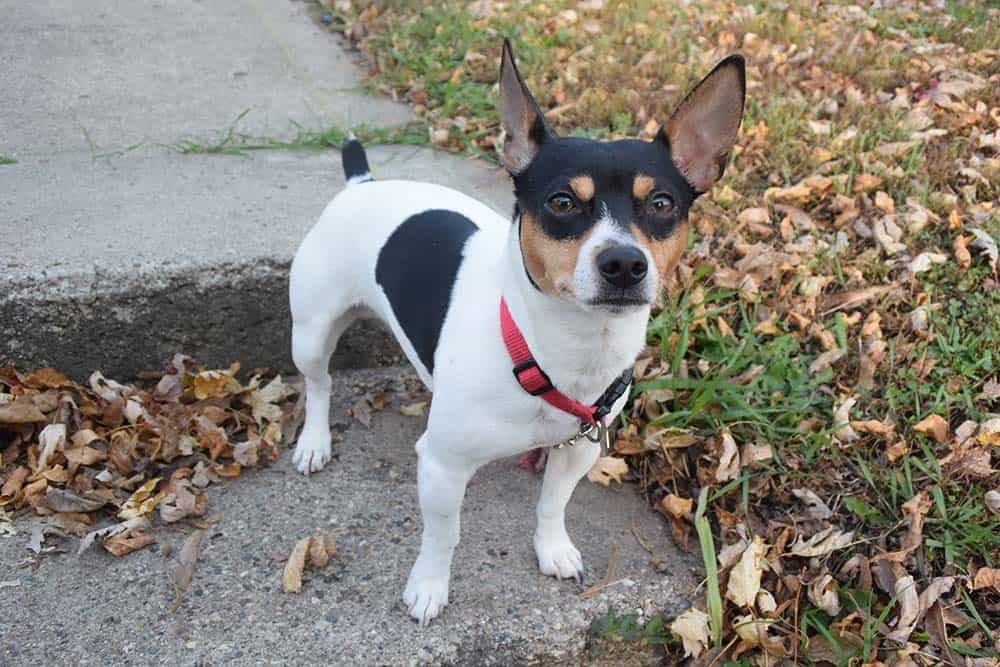
This breed was named in President Theodore Roosevelt’s honor when it was officially recognized in 1999.

Size and Weight

Kennel Club guidelines for these terriers require a minimum height of 8 inches for a grown adult with a maximum of 14 inches. Appropriate length is usually determined as a ratio to height, with the ideal height to length ratio being 7:10. Some of the biggest Teddies weigh in at 25 pounds, but adults can also be as small as 8 pounds when fully grown. On average Teddies are 11.5 inches tall and weigh 17.5 lbs.

Common Health Issues

These terriers are considered a healthy breed and generally live to reach their expected lifespan of 14 to 16 years. Most health issues seen in the breed are similar to those in rat terriers, including skin allergies, bite misalignment, and a rare eye disorder called ectopia lentis. They can also suffer from various joint problems like subluxated patella and dysplasia of the hip or elbow.

    Temperament

    High intelligence is a defining characteristic of the breed, which makes them interesting companions and ones that require real engagement from owners. Their alert and intuitive nature goes along with strong protective instincts. They are generally tolerant of other pets in their own household and rarely engage in direct belligerent activities with other canines. These traits also make them a good fit for families with children, especially if they grow up around kids.

    Teddies are very owner-oriented dogs, which is a defining feature of their personality. This temperament drives them to participate in just about any activity that they can when their family is involved. They are very eager to please and are prone to suffering from separation anxiety if left alone for long periods.
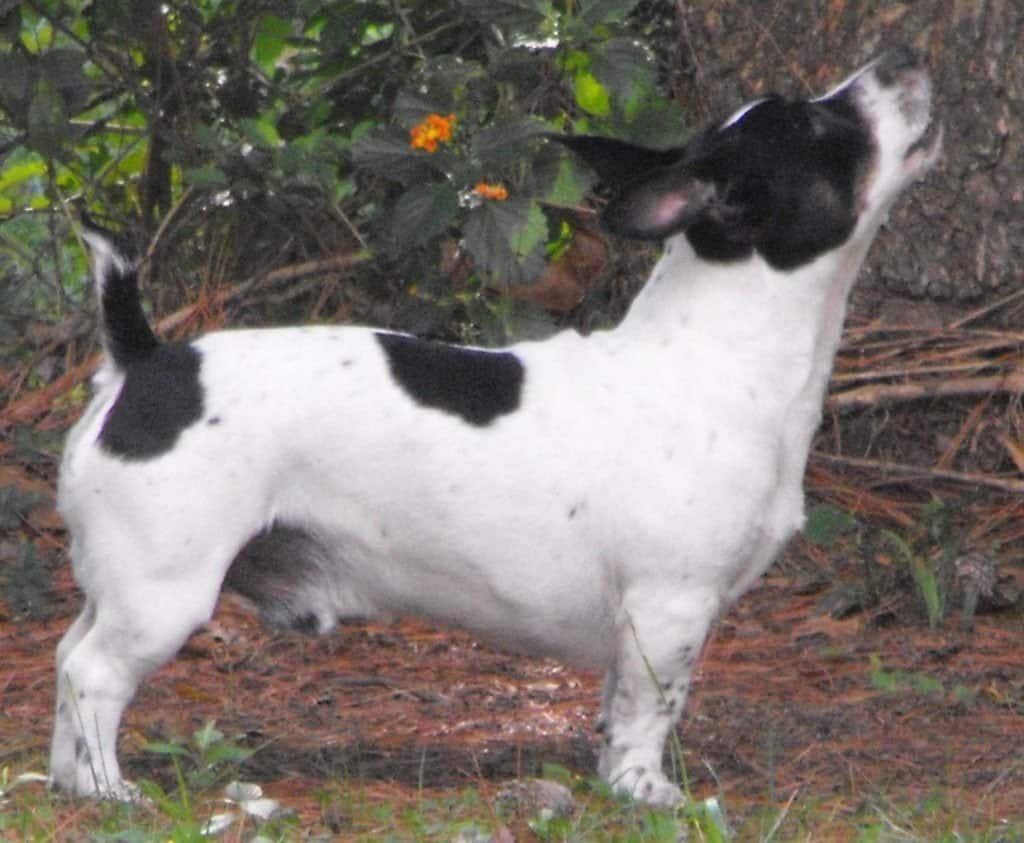
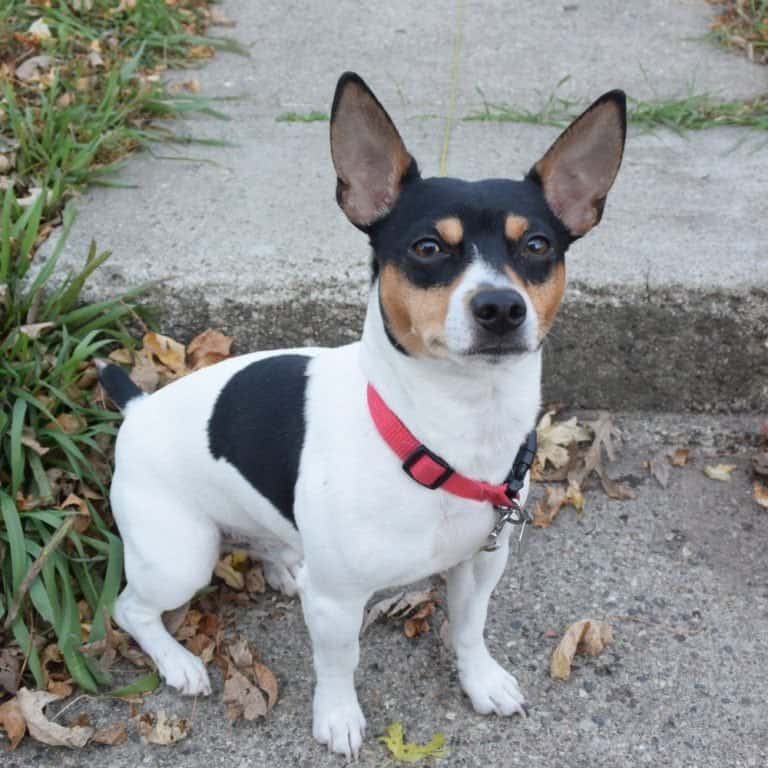
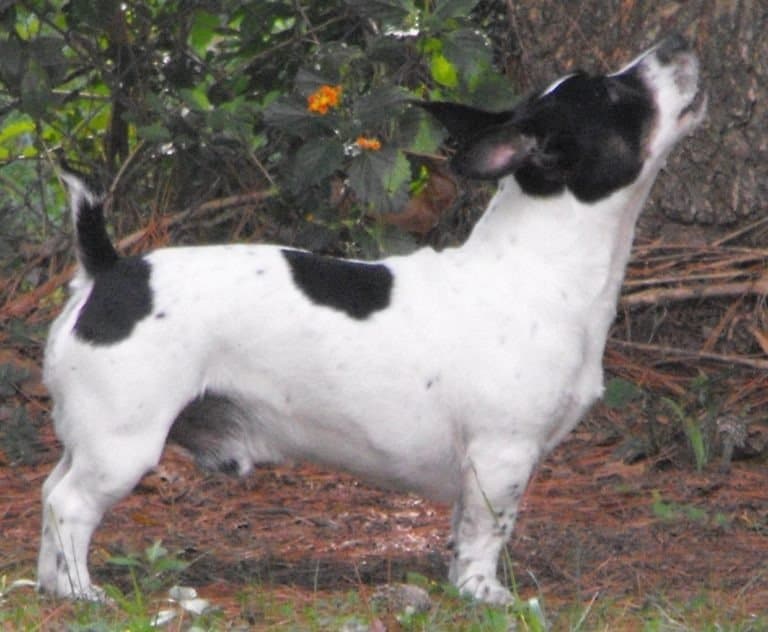
    Adult Male Teddy Roosevelt Terrier

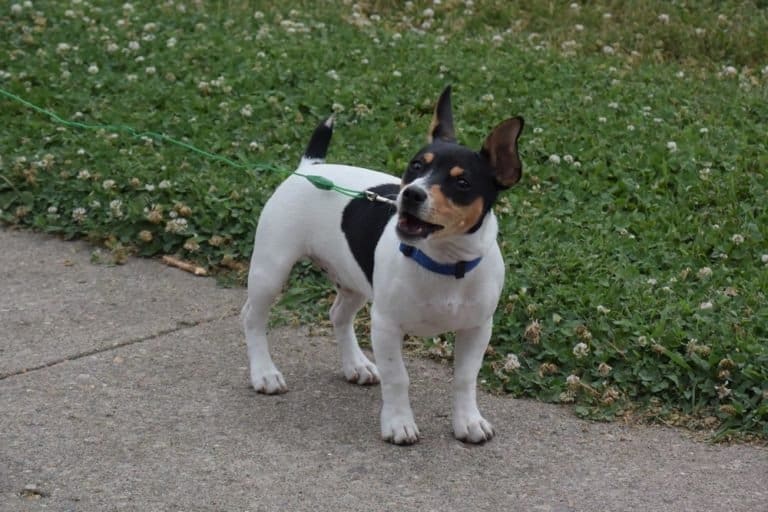
    The Teddy Roosevelt Terrier’s alert and intuitive nature goes along with strong protective instincts.

    How to Take Care of Teddy Roosevelt Terriers

    Owners of Teddy Roosevelt terriers should be prepared to spend a lot of time with them, whether they are mature adults or young puppies. Providing attention, exercise opportunities, and diligent weight management are all important for their overall well-being.

    The Best Dog Food

    High-quality food mixtures are recommended for these terriers to ensure good coat quality and overall health. Home-prepared meal plans should be supervised and affirmed by a veterinarian. These dogs do have a propensity for weight gain, so owners need to carefully manage their pet’s total calorie intake. Small, lean treats are also recommended for training exercises.

    Some Teddy Roosevelt Terriers have sensitivities and allergies. Fortunately, owners have plenty of allergy-control dog foods to choose from.

    Maintenance and Grooming

    These terriers don’t require much in the way of grooming and maintenance, although they do go through periods of seasonal shedding. A soft brush or mitt should be used to groom their coat about once a week. Occasional bathing and nail trimming are also recommended, especially for younger dogs that are active outdoors. Owners should also consider brushing their dog’s teeth and cleaning excess wax from their ears to keep their pet in good health.
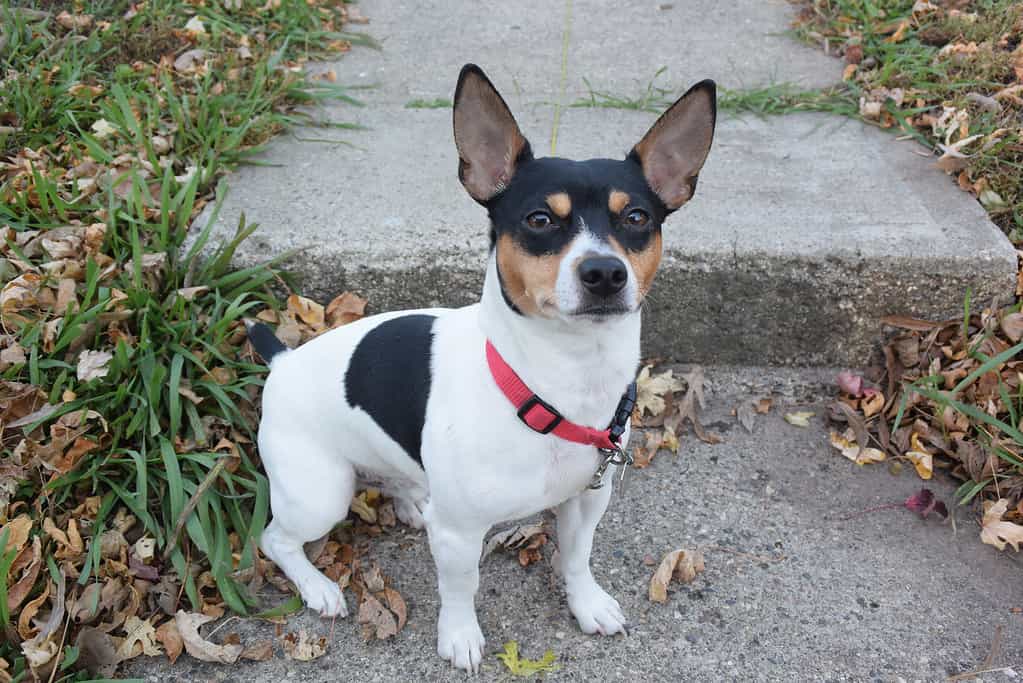
    A soft brush or mitt should be used to groom your Teddy Roosevelt Terrier about once a week.

    Training

    Since Teddies are very eager to please their owners and are highly intelligent, training is usually quite easy. They respond well to verbal praise from their owners as well as the occasional treat to reinforce the right behavior. The breed is also known for its steadfastness and determination, which means they are unlikely to give up or become discouraged even if they don’t succeed right away. Balanced training that includes agility exercises, obedience, and other activities is recommended.

    Exercise

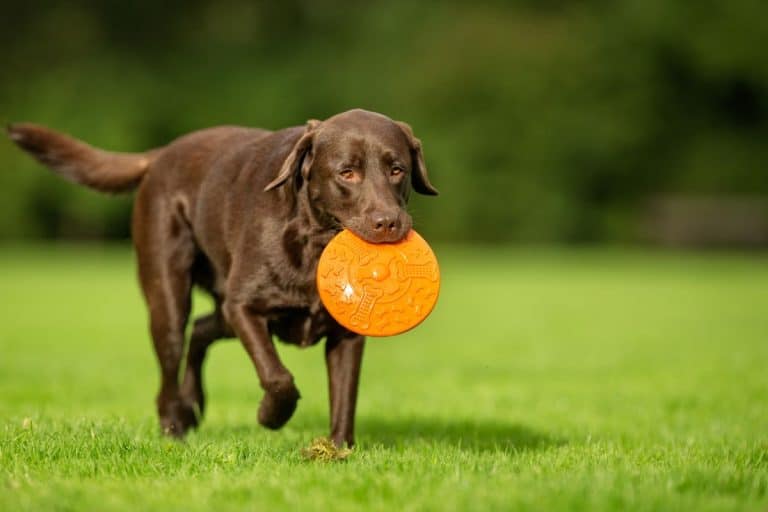
    Even though these terriers are small dogs with short legs, owners can easily tire themselves out before their pet is ready to give up. Teddies need a lot of physical exercise to get all the excess energy out of their system. Fetch games with balls or discs are a good way to run some of their exuberance out of their system. Hiking and swimming are also acceptable activities, although owners should ensure their dog has a safety harness and secure the leash to prevent accidents. These dogs should get about an hour of activity a day, and healthy adults should get 10 to 12 miles of walking each week.
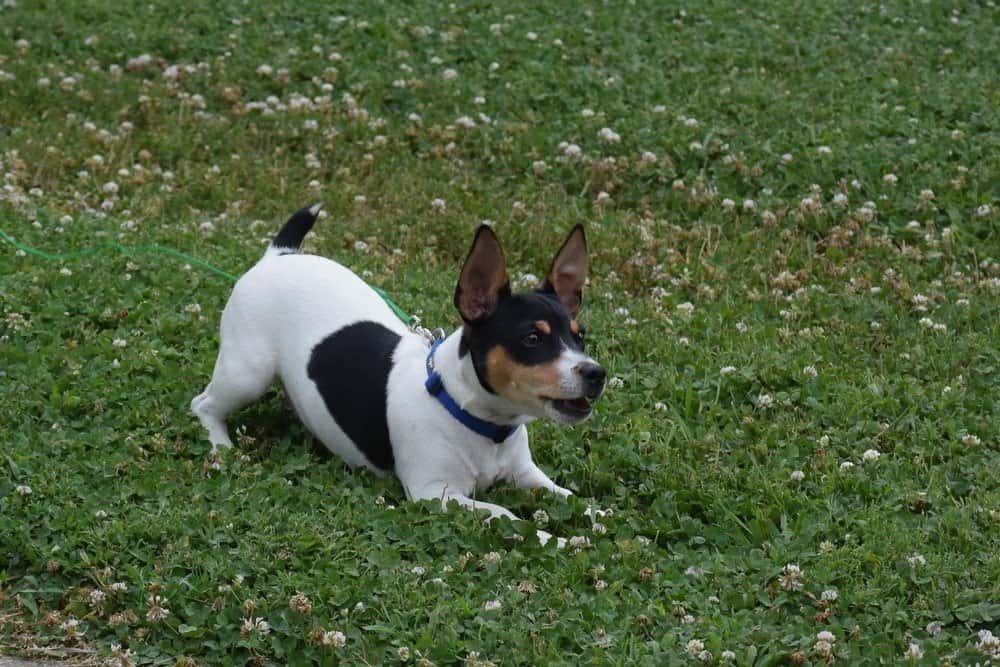
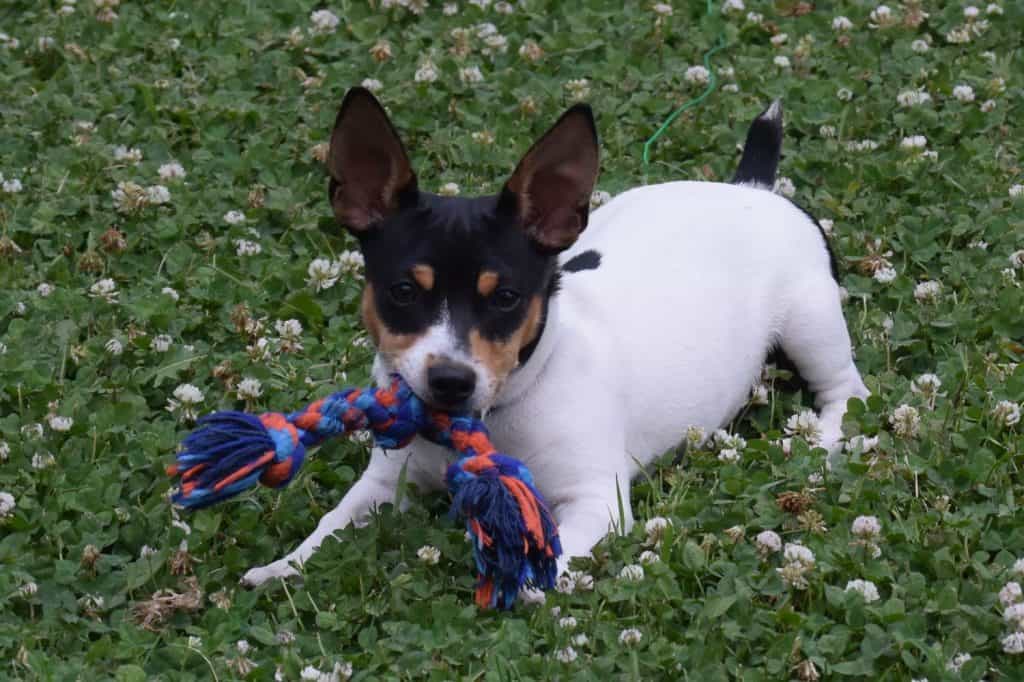
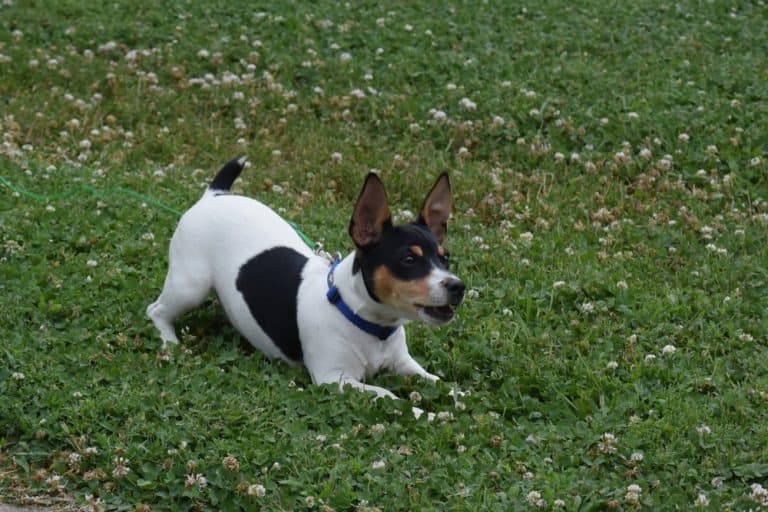
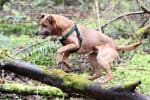
    Happy Teddy Roosevelt Terrier playing outside

    Teddies need a lot of physical exercise to get all the excess energy out of their system.

    Puppies

    Teddy Roosevelt terrier puppies have many of the same special considerations as adults. They have high energy levels and need regular activity starting once they are steady on their feet. They also respond well to training at an early age, so owners should take advantage of this to instill basic obedience and attentiveness to verbal cues in the first few months of their life. Puppies should also be exposed to children, cats, and other dogs safely to encourage a positive attitude towards them in the future.
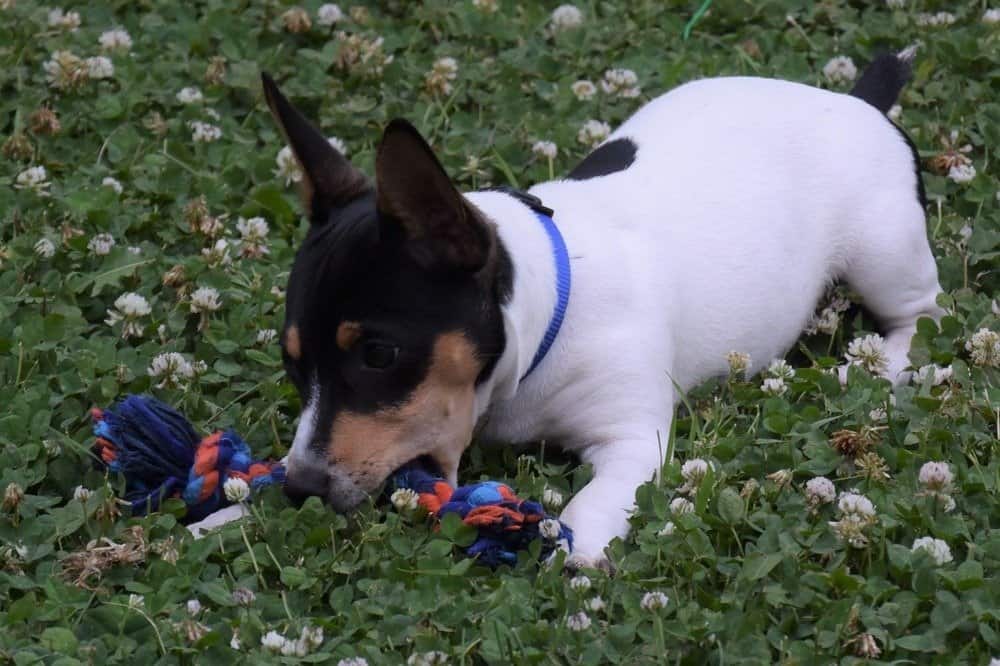
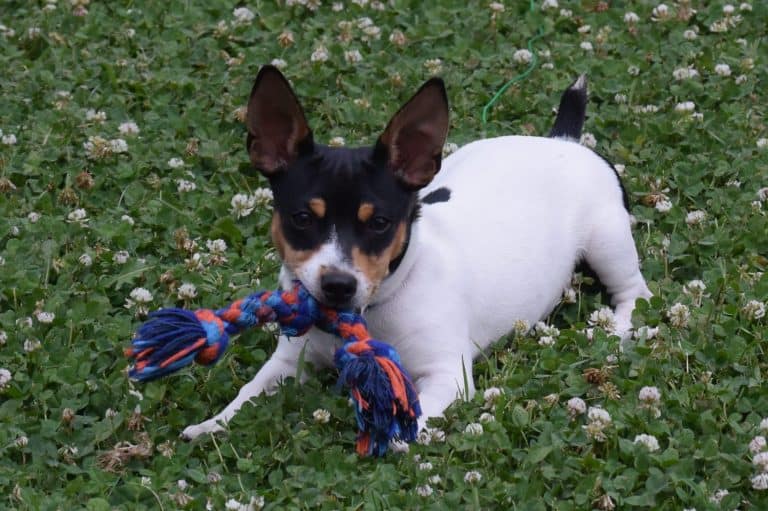
    Happy Teddy Roosevelt Terrier puppy playing on field of Clover

    Teddy Roosevelt Terrier puppies have high energy levels and need regular activity.

    Teddy Roosevelt Terriers and Children

    These terriers are generally considered good family dogs and safe to have around children. However, they can tend to bond with their primary owners, usually, the parents, who take them for walks, engage in training, and provide food. Parents of children should involve their children in pet care to ensure bonding with all family members.

    Dogs Similar to Teddy Roosevelt Terriers

    • Bull Terrier: Bull terriers are short, muscular, and activity-oriented, much like Teddies. However, they are much more independent-minded and can be harder to train.
    • Beagle: Much like Teddy Roosevelt Terriers, beagles are loyal and intelligent companions that are comfortable inside and outside. Both are good family pets with a solid lifespan, but beagles can be more difficult to train.
    • Whippet: While they are different from Teddies in proportions and appearance, they share many personality characteristics. Both breeds have strong pursuit instincts, high energy levels, and are of comparable size.
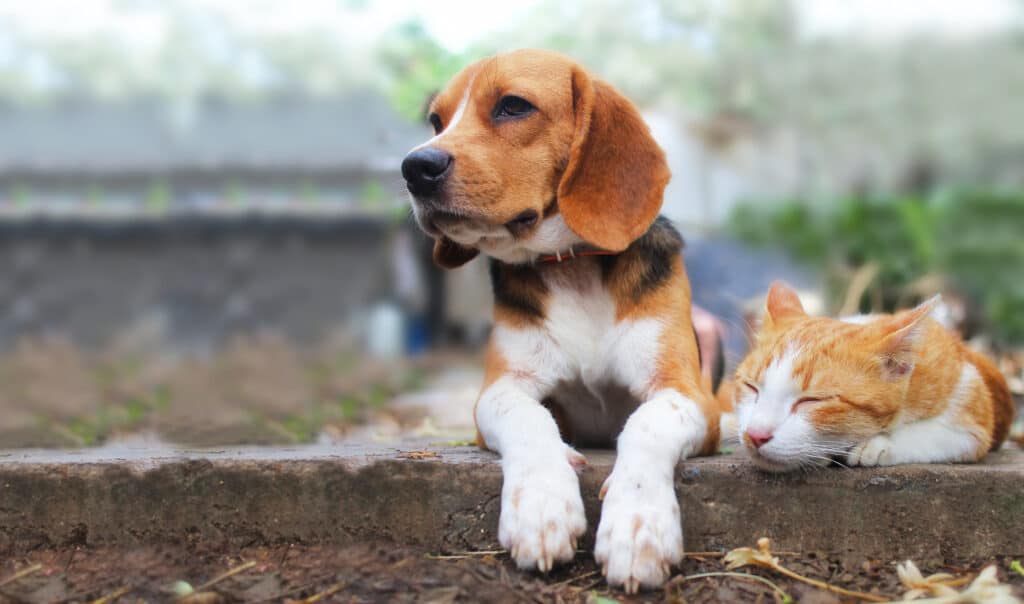
    Why are dogs are better than cats?

    Beagles are similar to Teddy Roosevelt Terriers as they are loyal and intelligent companions.

    View all 608 animals that start with T

    Sources

    1. American Kennel Club / Accessed December 8, 2020
    2. United Teddy Roosevelt Terrier Club of America / Accessed December 8, 2020
    3. United Kennel Club / Accessed December 8, 2020
    4. American Terry Roosevelt Terrier Club / Accessed December 8, 2020
    5. Wikipedia / Accessed December 8, 2020
    Catherine Gin

    About the Author

    Catherine Gin

    Catherine Gin has more than 15 years of experience working as an editor for digital, print and social media. She grew up in Australia with an alphabet of interesting animals, from echidnas and funnel-web spiders to kookaburras and quokkas, as well as beautiful native plants including bottlebrushes and gum trees. Being based in the U.S. for a decade has expanded Catherine's knowledge of flora and fauna, and she and her husband hope to have a hobby farm and vegetable garden in future.

    Thank you for reading! Have some feedback for us?


    Teddy Roosevelt Terrier FAQs (Frequently Asked Questions)

    Purebred puppies for this breed usually cost between $600 and $900 outright. Since they are small and don’t have a special diet or grooming considerations, maintenance costs are typical or below average for dogs of their size.