
Algae are plant-like aquatic organisms. They use sunlight to produce energy through the process of photosynthesis. In fact, floating microscopic algae called phytoplankton are responsible for over 70% of the photosynthetic activity on the planet. Algae can be found in both freshwater and marine environments all over the world. They can even live in damp soil and snow. Like plants, algae are primary producers at the base of the food web because they make their own food. But which animals are their primary consumers? Read on to discover what eats algae.
Primary Consumers of Algae
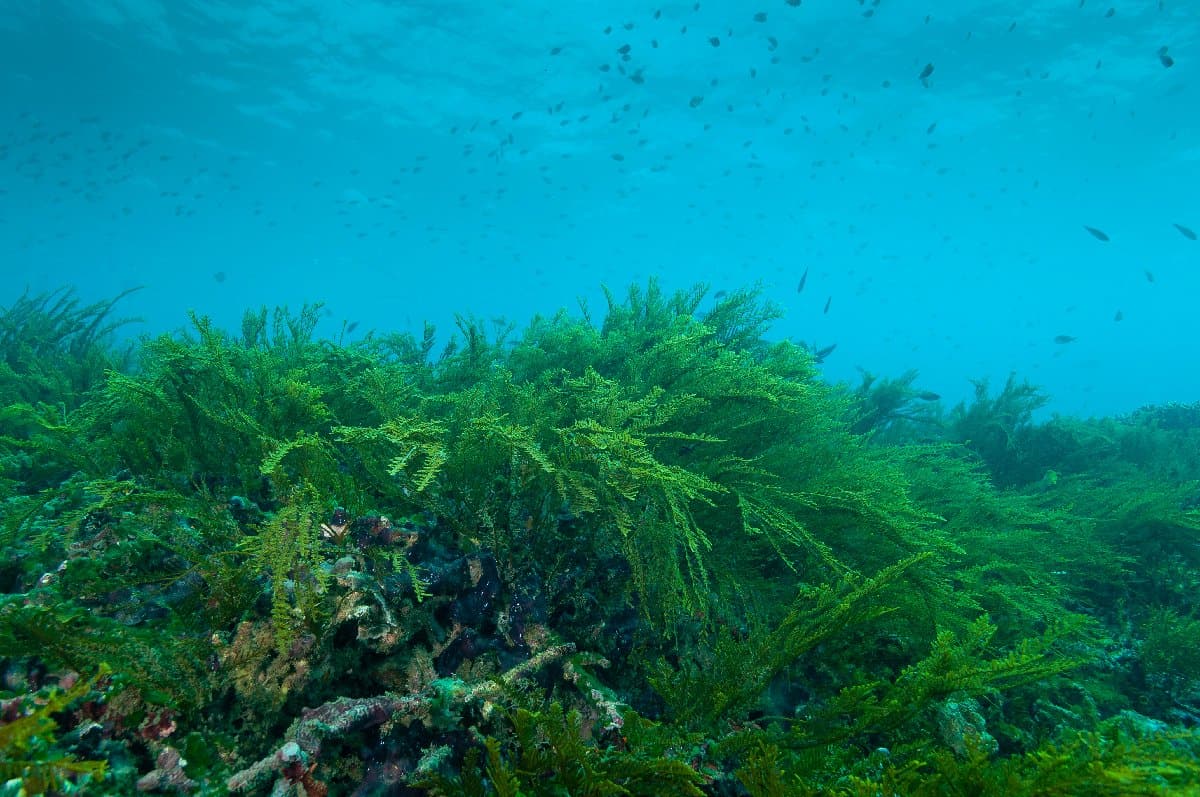
There are two types of algae: microalgae, which are unicellular, and macroalgae, which are multicellular. Microalgae are microscopic algae that cannot be seen by the naked eye. Microalgae includes diatoms, which are common in freshwater fish tanks. Macroalgae refers to different types of seaweed, nori, kelp, sea lettuce, and more.
Since most algae live in the water, it is no surprise that fish are one of their primary consumers. However, there are many other aquatic organisms that consume algae as part of their diet. Sea urchins, molluscs, amphibian larvae, insects, and small crustaceans also eat algae. Then, these small organisms are eaten by larger animals such as fish and birds. Take an in-depth look at the different algae consumers below.
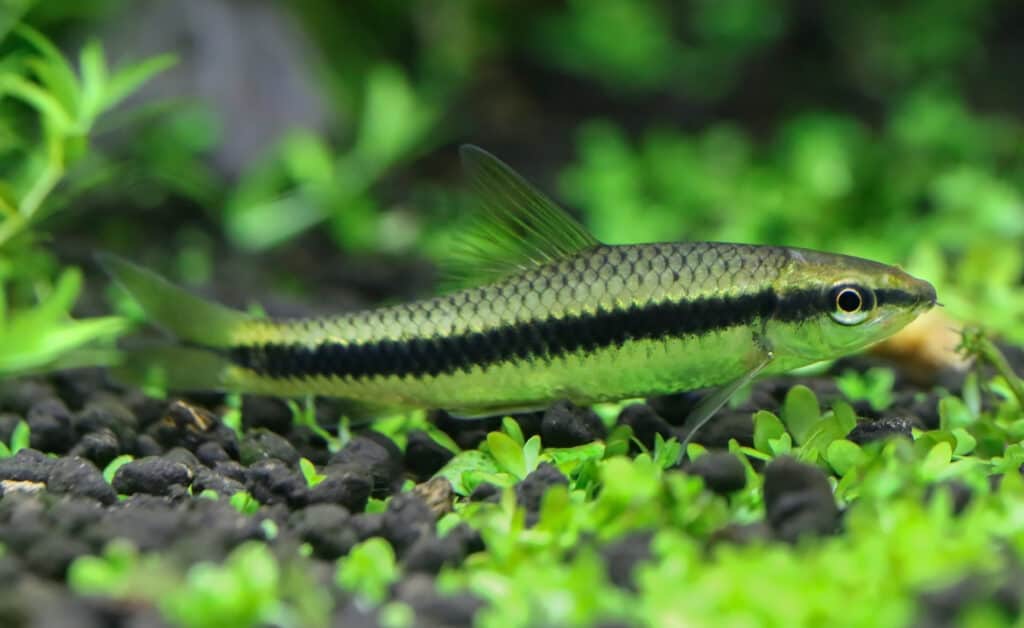
Fish are one of the primary consumers of algae.
©Swapan Photography/Shutterstock.com
Fish
In freshwater ecosystems, some of the fish that consume algae include Otocinclus catfish, Siamese algae eaters, Chinese algae eaters, bristlenose plecos, mollies, American flagfish, triploid grass carp, redhorse suckers, koi, goldfish, reticulated hillstream loaches, and some garra species.
Many algae-eating fish, including Oto catfish, Siamese algae eaters, Chinese algae eaters, and bristlenose plecos, among others, have sucker-like mouths that create a vacuum seal so they can cling to vertical surfaces. Then they use small, fine teeth or cartilaginous plates to scrape away microalgae. Fish like redhorse suckers suck up algae and other detritus from the riverbed and excrete waste through their gills.
In marine environments, there are many herbivores, often called “grazers,” that consume algae. Surgeonfish, parrotfish, blennies, damselfish, scat, gobies, unicornfish, and rabbitfish are a few of the key fish that are known to be crucial to coral reef health. Some fish, such as unicorn fish, are known to target macroalgae like Padina and Sargassum species, while others tend to graze on algae growing on the ocean floor and covering rocks.
Sea Urchins
Sea urchins are echinoderms, which are marine animals with radial symmetry. These animals have long spines that protect them from predators. Sea urchins are opportunistic and eat many different types of algae, depending on which is most abundant in their habitat.
Many sea urchins, including red sea urchins and green sea urchins, favor macroalgae such as giant kelp and/or bull kelp. Long-spined sea urchins, tuxedo urchins, and collector urchins are known to consume microalgae such as diatoms that grow on rocks. On their undersides, sea urchins have a five-toothed, or jaw-like structure called Aristotle’s lantern, which they use to scrape algae and food from rocks and other surfaces.
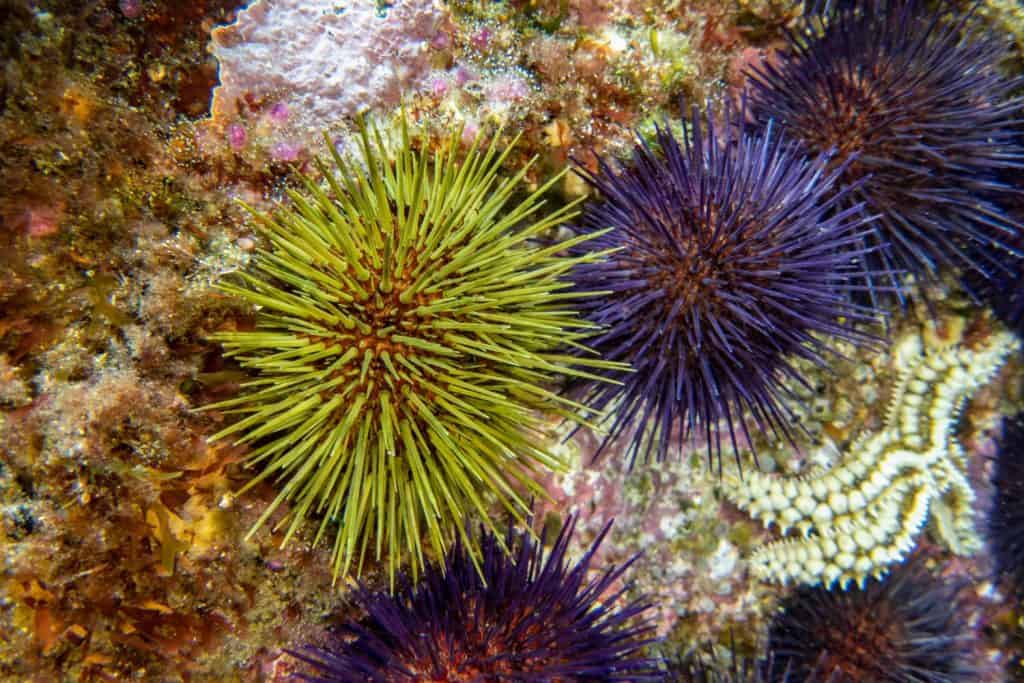
Sea urchins consume microalgae that grow on rocks.
©Manuel E. Garci/Shutterstock.com
Molluscs
Nerite snails, Japanese trapdoor snails, Chinese mystery snails, and ramshorn snails are known to graze on algae films, hair algae, and diatoms. These snails are frequently used in freshwater aquariums to manage algae. Japanese trapdoor snails are also used to control algae in ponds, as they are able to withstand colder temperatures than some other algae-eating snails.
Trochus snails, abalone, Mexican turbo snails, and sea slugs are molluscs that consume algae in saltwater environments. Molluscs generally eat algae using a specialized tongue-like organ called a radula. The radula is covered in chitinous, tooth-like structures that scrape algae off surfaces like plants and rocks.
Amphibian Larvae
Most frog and toad tadpoles, including bullfrogs and American toads, begin as herbivores, primarily eating algae in the early stages of development. They typically graze on diatoms and other microalgae, as well as hair algae. Tadpoles have rasping, tooth-like structures in their mouths that they use to scrape algae off rocks and other surfaces.
As they develop, tadpoles become omnivores. While they still consume algae at this stage, they also include plant matter, small insects, and detritus in their diets. As adults, most frogs and toads are almost exclusively carnivores.
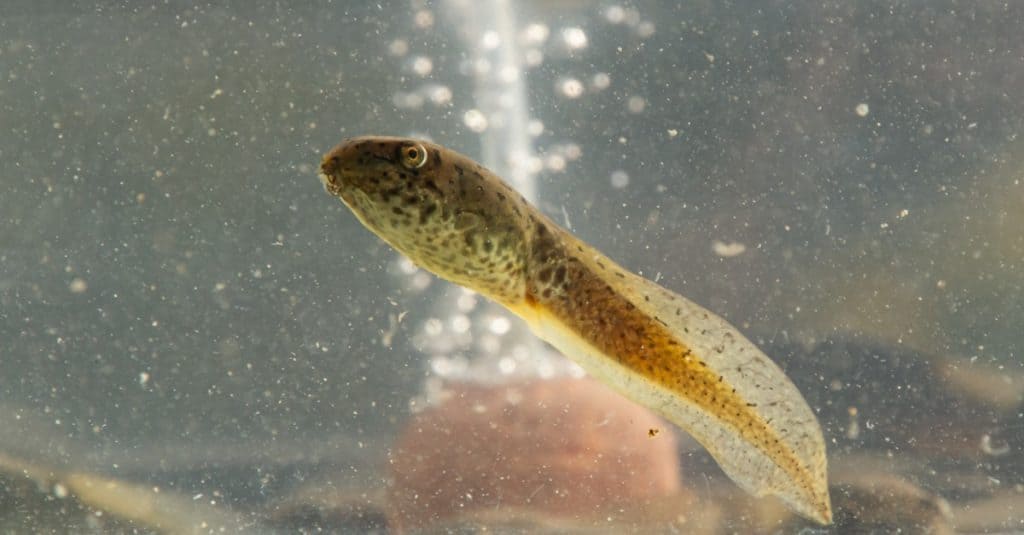
Frog and toad tadpoles primarily eat algae in the earliest stages of their development.
©Umaporn Tepumong/Shutterstock.com
Insects and Arthropods
Many insects and their larvae eat algae. The larvae of caddisflies, shore flies, and midges have been recorded eating algae. Alkali flies and their larvae consume algae, spending most of their life cycle in salty, alkaline environments such as Mono Lake in California. Springtails and mayflies are also known to eat algae.
Aquatic insects such as water boatmen and crawling water beetles eat algae. Mites and other microarthropods have also been found to consume algae that are present in moist soil. Insects and arthropods are generally grazers, using specialized mouthparts to scrape microalgae off different surfaces.
Small Crustaceans
Many different freshwater crustaceans eat algae, including amano shrimp, cardinal shrimp, cherry shrimp, bee shrimp, and water fleas (genus Daphnia). Crayfish also consume algae as part of their opportunistic omnivore diet.
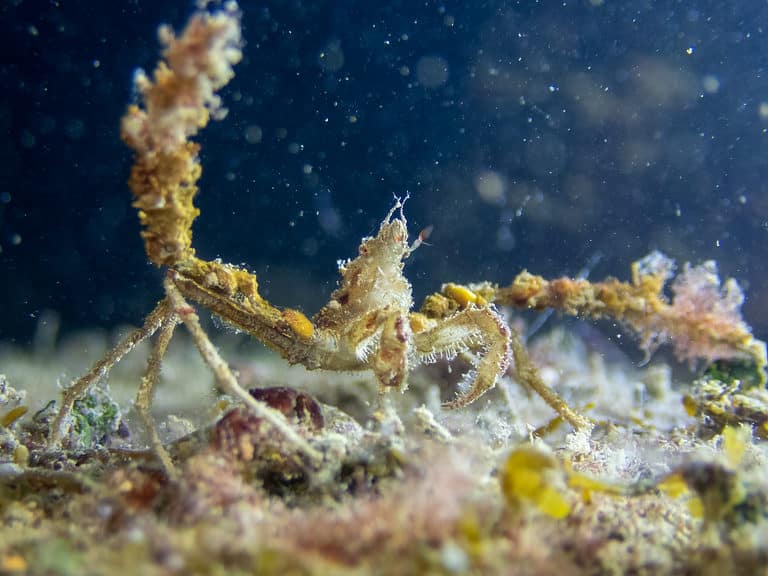
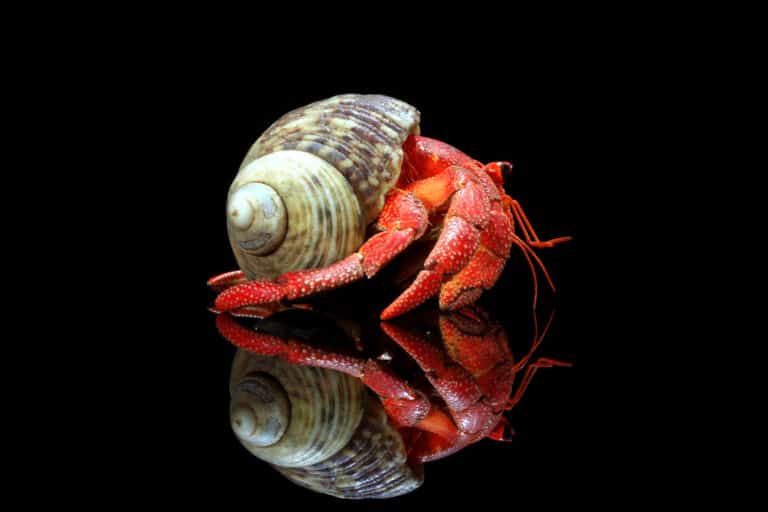
In marine habitats, different crab species have been recorded eating algae. Emerald crabs, blue leg hermit crabs, scarlet reef hermit crabs, Halloween hermit crabs, Caribbean king crabs, Sally Lightfoot crabs, and red mithrax crabs are known to consume algae. Copepods, which are tiny crustaceans, also primarily eat algae, including some algae that are harmful to oceanic food webs.