
Quick Take
- Brachiopods ruled the seafloor for nearly 300 million years, and yet clams and snails outlasted them. The reason one group survived and the other vanished is far more counterintuitive than scientists expected. See who survived →
- Something every surviving marine animal had in common decided their fate, and it has nothing to do with size, shell, or where they lived. Discover the shared trait →
- A single biological trait that helped ancient sea creatures survive an apocalypse 252 million years ago may predict which ocean species disappear next, and that includes ones alive today. See the modern warning →
- The very adaptations that made some Paleozoic animals so successful for millions of years turned into a death sentence the moment conditions changed. Explore the metabolic trap →
Around 250 million years ago, something catastrophic occurred on our planet. An event, often referred to as the ‘Great Dying,’ wiped out almost all life on Earth. Yet, against the odds, some organisms survived—a phenomenon that has long fascinated scientists. A new study led by Stanford researchers and published in July 2026 has revealed how some marine creatures survived this mass extinction while others perished, providing valuable insights for future climate change challenges.
What Do We Know About the Great Dying?
The largest extinction in our planet’s history took place at what we now call the end of the Permian period, some 252 million years ago. A series of catastrophic volcanic eruptions in Siberia changed the Earth forever. These eruptions essentially turned Earth into a greenhouse-gas planet, causing the oceans to lose 80 percent of their oxygen. Half of the seafloor, especially at greater depths, became completely devoid of oxygen.
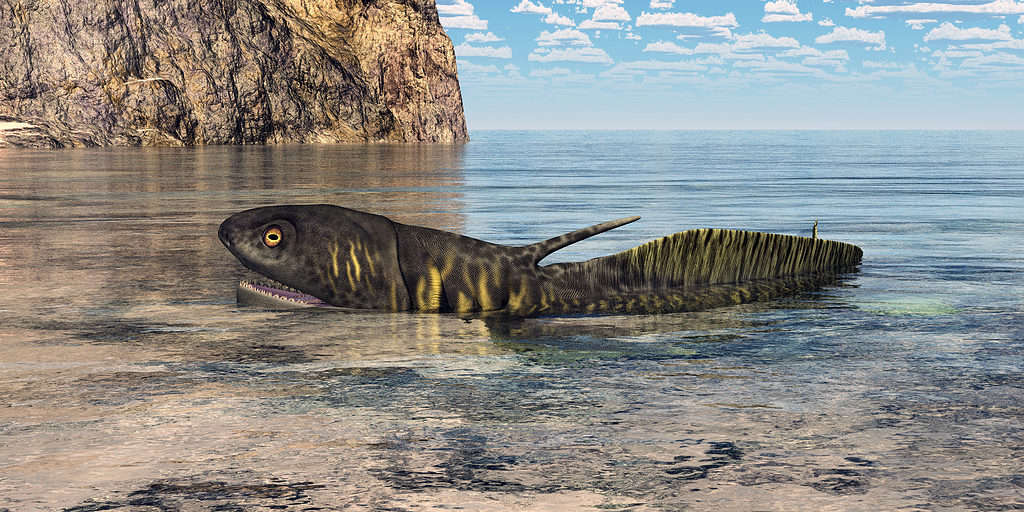
A catastrophic extinction occurred at the end of the Permian.
©iStock.com/MR1805
By studying fossil records, scientists have estimated that 96 percent of marine species were wiped out. The ocean waters got warmer and could not hold enough oxygen to meet the demands of the animals that lived there.
Research has also shown that those organisms living furthest from the equator suffered the most. Tropical organisms were already adapted to cope with warm, lower-oxygen conditions. They could also move away from the tropics and find the same conditions somewhere else. Animals in the cold, oxygen-rich waters, however, could not cope and had nowhere to go.
Ancient Marine Creatures Perished
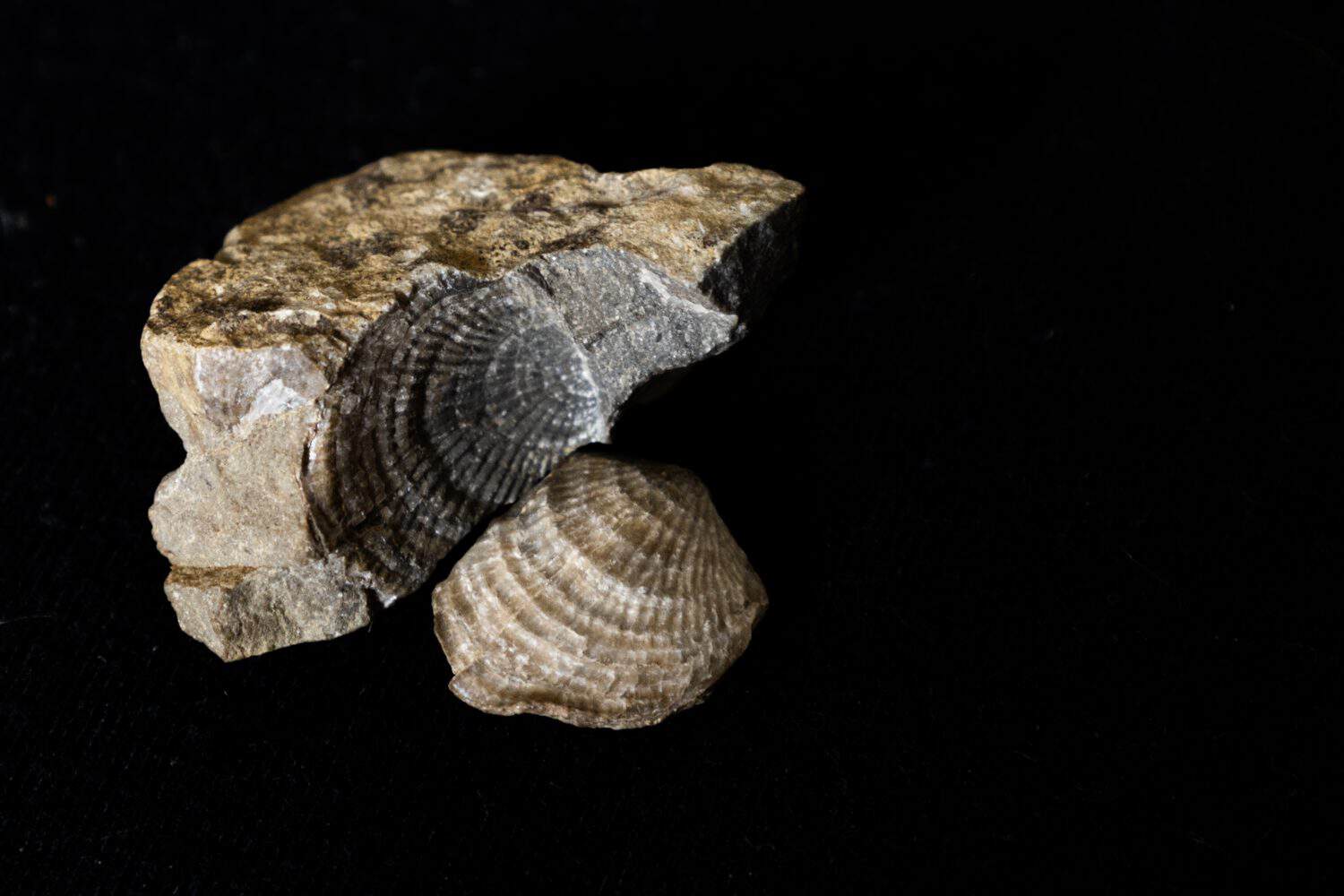
Before the great extinction, our seafloors were occupied by creatures called brachiopods. They had dominated these habitats for around 280 million years, alongside sea lilies (crinoids). At first glance, a brachiopod fossil looks much like a clam, but brachiopods have a very different anatomy and are not closely related to clams. Brachiopods are a type of lophophorate and are therefore related to modern Bryozoa (moss animals),which live in colonies, sometimes on the bottom of ships. They are also related to Phoronida (horseshoe worms) found in shallow marine sediments.
The brachiopods were found in large numbers on the ocean floors, helping to create ancient reefs. During the extinction event, however, they were nearly eliminated. At the same time, around half of the molluscs alive then, including clams and snails, survived! So did some fish and echinoderms such as starfish and sea urchins. These creatures went on to dominate the oceans and make up much of the marine animal life (fauna) that we see today.
Why Did Some Sea Creatures Survive?
The enormous volcanic eruptions released huge amounts of carbon dioxide and methane into the atmosphere. This warmed up the seas. The new study has investigated why some marine animals survived this huge environmental change. The researchers combined biological data from both the animals that died off and those that survived. They found that the animals that lived had metabolisms that could cope with warmer and poorly oxygenated water, whereas the animals that died did not.
Why Metabolism Matters
The term ‘metabolism’ describes the numerous life-sustaining chemical reactions that occur within living organisms. During the Paleozoic era, many marine creatures, including the brachiopods, were slow-moving, bottom-dwelling filter feeders with slow metabolisms.

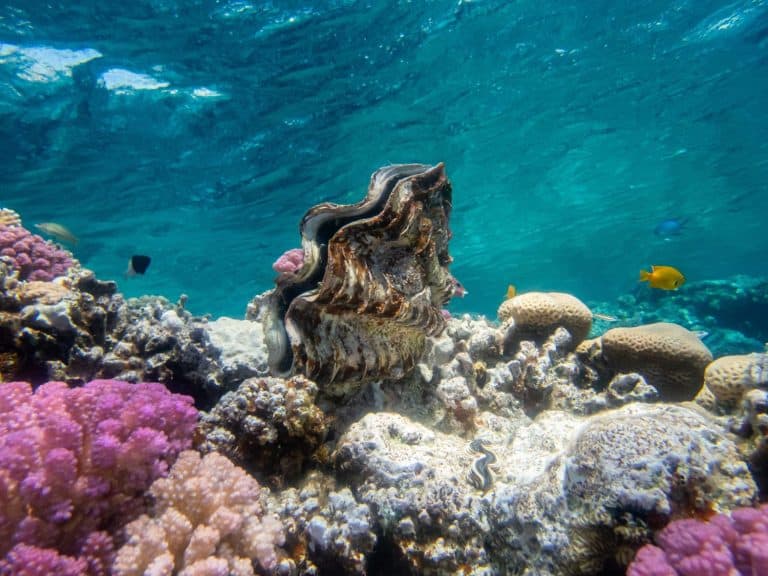
Clams have a faster metabolism than brachiopods.
©AlessandroZocc/Shutterstock.com
This is in contrast to the faster-moving fish, mobile snails, sea urchins, and bivalves (clams, oysters, and mussels) that survived the extinction. These creatures have a faster metabolism, which they need to move around and chase prey. Bivalves have larger bodies and a muscular ‘foot’ which they use for burrowing and crawling. All of this takes up more energy and requires a faster metabolism.
Linking Metabolism with Survival
Previous research had shown that the Great Dying was likely caused by warming oceans and a loss of oxygen. In this study, scientists collected living brachiopods from Washington State’s San Juan Islands, along with a wide range of other marine animals.
The scientists measured how much oxygen each organism consumed under different water temperatures. In warmer waters, an animal’s metabolism speeds up, increasing their need for oxygen. This increase in oxygen demand occurred much more rapidly in ancient creatures. This study showed that the slow metabolisms of some Paleozoic animals could not keep up with the rising oxygen demands. This was likely because they lacked the muscles and gills that help other creatures cope with these conditions. To make matters worse, the large amounts of carbon dioxide made the seas more acidic, placing even more stress on their bodies. However, warming and oxygen depletion were the main drivers of the extinction.
Why This is Important
Ocean warming, oxygen loss, and acidification are not just historic challenges. Our marine creatures are facing similar challenges today. This research gives us insight into which species might survive and which could perish. The concern is that another extinction event could occur. If we don’t do more to protect our cool, oxygen-rich oceans, the results could be just as catastrophic as during the Great Dying.