
A
Species Profile

Aardvark

Orycteropus afer

Africa's original termite specialist
Marie Hale / CC0 1.0, Flickr

Aardvark Distribution

Click a location to explore more animals from that region

Loading map...

Size Comparison

Human 5'8"
Aardvark 1 ft 12 in

Aardvark stands at 35% of average human height.

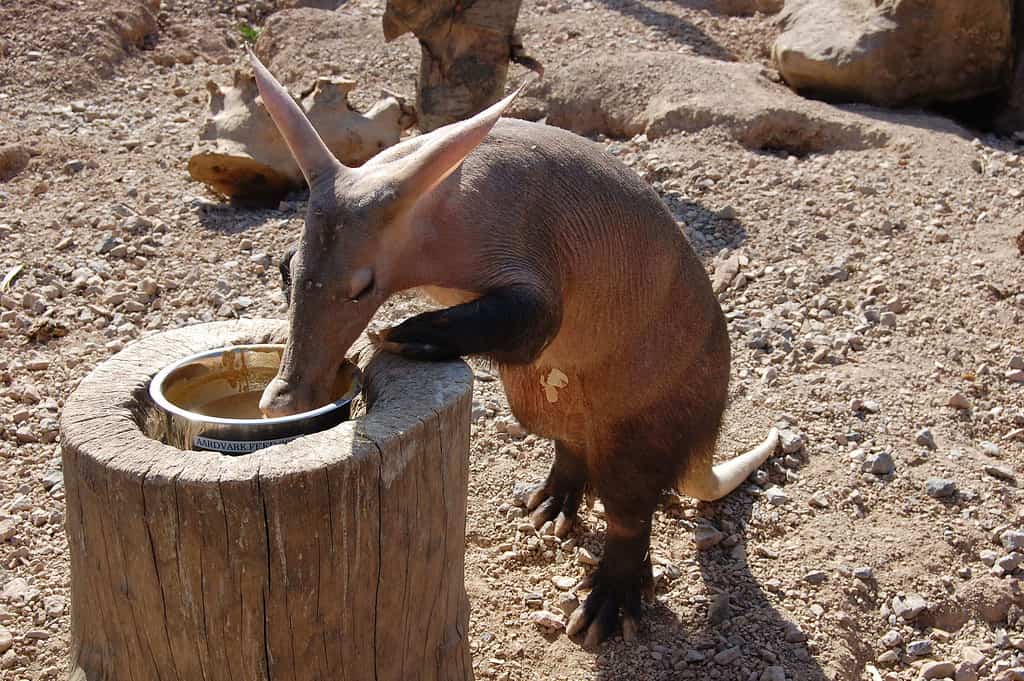
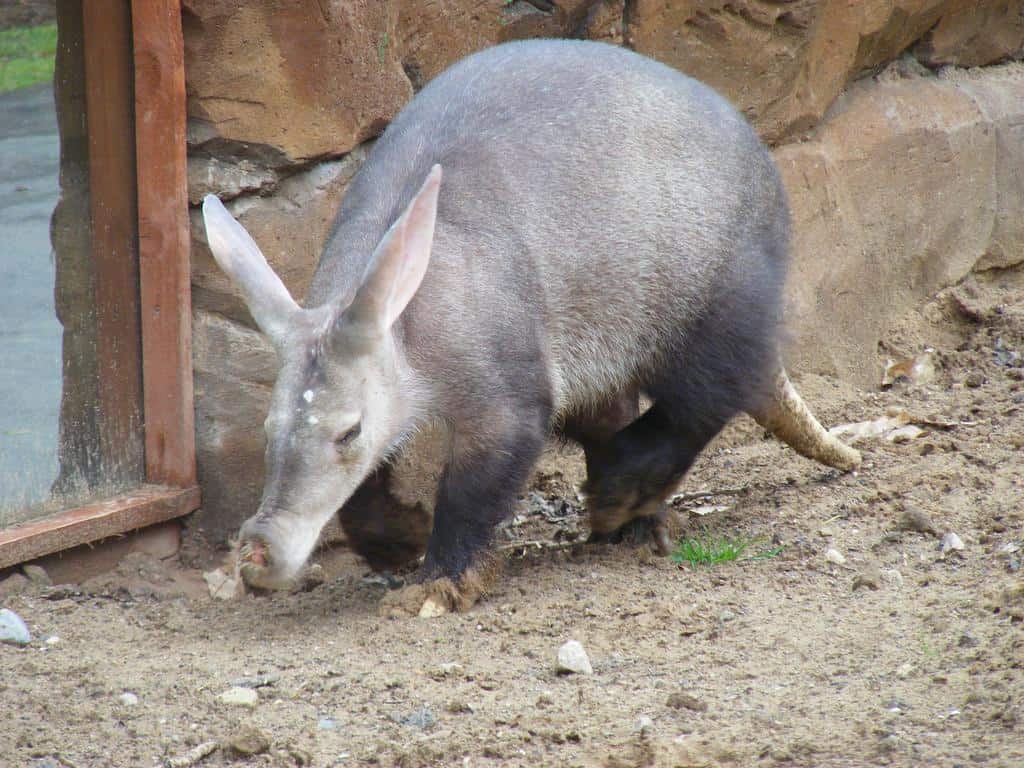
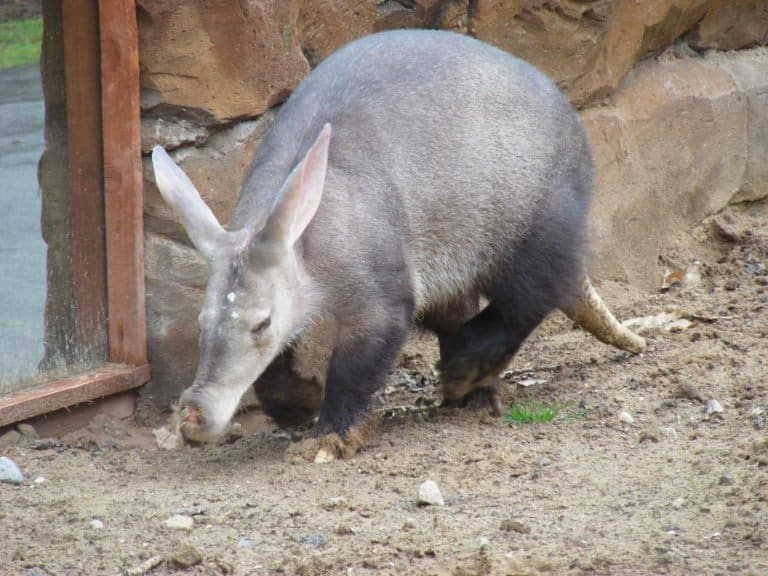
Aardvark - taken at Blackpool Zoo on 13th June 2011

At a Glance

Wild Species
Activity Nocturnal
Lifespan 15 years
Weight 82 lbs
Status Least Concern
Did You Know?

Only living species in the order Tubulidentata; its closest living relatives are afrotherians (e.g., elephants, hyraxes, tenrecs).

Scientific Classification

The aardvark is a nocturnal, burrowing African mammal specialized for eating ants and termites, notable for its long snout, powerful digging claws, and large ears. It is the only living species in the order Tubulidentata.

Kingdom
Animalia
Phylum
Chordata
Class
Mammalia
Order
Tubulidentata
Family
Orycteropodidae
Genus
Orycteropus
Species
Orycteropus afer

Distinguishing Features

  • Long tubular snout and sticky tongue for myrmecophagy (ant/termite eating)
  • Powerful spade-like foreclaws for rapid digging of burrows and termite mounds
  • Large upright ears and thick skin; sparse hair
  • Unique 'tubulidentate' teeth composed of many dentin tubules (no enamel)

Physical Measurements

Height
1 ft 12 in (1 ft 10 in – 2 ft 2 in)
Length
5 ft 6 in (4 ft 7 in – 6 ft 5 in)
Weight
121 lbs (88 lbs – 181 lbs)
Tail Length
1 ft 8 in (1 ft 4 in – 2 ft 2 in)
Top Speed
25 mph
Short bursts at 40 km/h

Appearance

Primary Colors
Secondary Colors
Skin Type Thick, tough, leathery mammalian skin with sparse, coarse hair/bristles; skin often visibly wrinkled and frequently coated with soil from burrowing (not scaled).
Distinctive Features
  • Aardvark (Orycteropus afer) has head-body length about 105–130 cm, tail about 40–65 cm, shoulder height around 60 cm, and adults usually weigh about 40–65 kg.
  • Lifespan: reported up to ~18 years in the wild and >20 years in captivity (commonly cited maximum ~23 years in managed care). (Zoo and reference compilations; e.g., Nowak; species accounts in regional mammal handbooks).
  • Mostly active at night and dusk/dawn, walks with nose to the ground, finds ants and termites by smell and big ears, digs fast with strong front claws, often eating about 50,000 insects nightly.
  • Aardvark (Orycteropus afer) digs large burrow systems used as shelters by reptiles, small mammals, and birds; their digging moves soil and changes microhabitats, making them key ecosystem engineers in African savannas.
  • Distinctive anatomy: elongated tubular snout with strong olfaction; extremely long protrusible sticky tongue (often reported ~30 cm) for extracting ants/termites; large upright ears for sound detection; powerful forelimbs with spade-like claws for digging.
  • Tubulidentate teeth: peg-like cheek teeth made of many dentine tubes, no enamel; grow continuously and are good for eating insects without chewing — a defining trait of Order Tubulidentata.
  • Locomotion/stance: heavy-bodied, low-slung posture; walks plantigrade on hind feet and partially on knuckles/soles in front to protect claws; tail thick, muscular, and tapering, used as a brace during digging.

Did You Know?

Only living species in the order Tubulidentata; its closest living relatives are afrotherians (e.g., elephants, hyraxes, tenrecs).

Size: head-body length typically 105-130 cm; tail 55-65 cm; mass commonly ~40-65 kg (reported in standard mammal references such as Kingdon; Nowak).

Its teeth lack enamel and are made of many dentine tubules ("tubulidentate"), continuously wearing down and re-growing (Nowak).

Tongue can reach ~30 cm and is coated with sticky saliva for lapping up ants/termites (mammalogy references; ADW summaries).

Usually solitary and mostly nocturnal; individuals often maintain multiple burrows used as day refuges and emergency escapes.

Reproduction is slow: usually a single offspring after ~7 months gestation (reported in mammal life-history accounts).

Longevity: can exceed 20 years in captivity (zoo records commonly cite ~23 years).

Unique Adaptations

  • Powerful digging anatomy: robust forelimbs with large spade-like claws (forefeet with 4 toes; hindfeet typically 5), optimized for rapid excavation.
  • Long, muscular snout and excellent olfaction for detecting underground/social insects; large ears improve auditory detection of predators and insect activity.
  • Closable nostrils and toughened skin reduce dust and biting-insect exposure while digging and feeding.
  • Specialized dentition: tubulidentate cheek teeth without enamel, suited to a soft-bodied insect diet and heavy wear (a defining trait of Tubulidentata).
  • Thermoregulatory strategy: spends hot daylight hours underground in relatively buffered burrow microclimates, enabling nocturnal activity in warm regions.
  • Ecosystem-engineer effect: persistent digging redistributes soil, aerates substrates, and creates refuges that can alter local habitat structure.

Interesting Behaviors

  • Nocturnal foraging: travels with nose close to the ground, relying heavily on smell and hearing to locate ant trails and termite foraging columns.
  • Termite/ant feeding routine: tears into soil or mound edges with the foreclaws, then rapidly "vacuum-feeds" with the long sticky tongue; can visit many feeding sites in one night.
  • Burrow engineering: digs deep, cool day-burrows and shorter "bolt-holes" used to evade predators; entrances are often re-used and expanded over time.
  • Predator response: when threatened, typically sprints for the nearest burrow and can plug the entrance with its hindquarters; if cornered it uses claws defensively.
  • Burrow-sharing ecology: abandoned or temporarily unused burrows are frequently occupied by other animals (e.g., warthogs, porcupines, jackals, reptiles), increasing local shelter availability.

Cultural Significance

The aardvark (Orycteropus afer), named from Afrikaans meaning "earth pig", has a pig-like snout and digs burrows. It appears in education and media, for example Arthur, and is called an "ecosystem engineer" because many animals use its burrows.

Myths & Legends

Name-origin tradition: early Afrikaans-speaking settlers popularized "aardvark" ("earth pig"), a folk name that spread into global English usage and shaped how the animal was popularly imagined.

Natural-history lore from early European accounts (18th-19th centuries): travelers' writings often treated the aardvark as a mysterious "ant-bear/earth-pig" and debated its affinities, reflecting its unusual anatomy and the period's fascination with African 'curiosities.'

Modern cultural legend in children's media: the long-running character Arthur (introduced in Marc Brown's books, later TV) cemented the aardvark as a recognizable, gentle 'everykid' figure far beyond Africa.

In southern African stories, the aardvark (Orycteropus afer) is seen as having burrows that are lifesaving shelters for animals or people and also dangerous pits for night travelers, showing its great digging skill.

Conservation Status

LC Least Concern

Widespread and abundant in the wild.

Population Unknown

Protected Under

  • Not listed on CITES Appendices (international trade not a primary conservation driver).
  • Occurs in numerous protected areas across sub-Saharan Africa (national parks/reserves), which can provide refuge from habitat conversion and intensive hunting (IUCN range/protected-area notes).
  • Legal protection varies by range state (often covered under national wildlife legislation and hunting regulations rather than species-specific global protection).

Life Cycle

Birth 1 cub
Lifespan 15 years

Lifespan

In the Wild
10–18 years
In Captivity
15–23 years

Reproduction

Mating System Polygynandry
Social Structure Solitary
Breeding Pattern Transient
Fertilization Internal Fertilization
Birth Type Internal_fertilization

Aardvark (Orycteropus afer) are solitary, nocturnal animals. Mating is by brief encounters with no pair bond and is polygynandrous (both sexes may mate with many partners). Females usually have one young after about 7 months; mother alone cares.

Behavior & Ecology

Social No established group name Group: 1
Activity Nocturnal
Diet Myrmecophage Termites, especially harvester termites where locally abundant.

Temperament

Shy and secretive; avoids encounters by relying on night activity and extensive burrow use
Generally non-aggressive; defensive if threatened (may dig rapidly to escape, wedge into burrow, or use claws in close defense)
Low social tolerance outside breeding and maternal care; brief tolerance can occur at high-value resources (e.g., active termite concentrations) without forming groups
Aardvark (Orycteropus afer) are mainly nocturnal, but in cooler places or seasons some start earlier in the evening or stay active later into morning, according to field reports.

Communication

Low grunts/snorts during handling, alarm, or close interactions
Bleat-like calls and distress vocalizations Not commonly heard in the wild due to nocturnality and solitary habits
Occasional coughing/sneezing-like exhalations reported during agitation
Olfactory communication via scent marking: urine/feces deposition near burrow entrances and along travel routes; use of glandular secretions is reported in mammal field syntheses Skinner & Chimimba, 2005; Kingdon, 2015
Spatial/burrow signaling: frequent digging and maintenance of multiple burrows creates persistent 'infrastructure' that indirectly mediates encounters Others may investigate or reuse burrows later
Tactile communication primarily in mating and mother-young contact Nursing, following, and close burrow sharing

Habitat

Biomes:
Savanna Tropical Dry Forest Temperate Grassland Temperate Forest Mediterranean
Terrain:
Plains Plateau Hilly Valley Riverine Sandy Rocky +1
Elevation: Up to 10498 ft 8 in

Ecological Role

Specialized predator of eusocial insects and a major ecosystem engineer via extensive digging and burrow creation.

Top-down regulation of termite and ant populations (local pest suppression) Soil turnover, aeration, and increased water infiltration through foraging pits and burrows Creation of burrows used as refuges/den sites by many other species (facilitates biodiversity) Seed dispersal for aardvark cucumber through fruit consumption and defecation (documented association with the aardvark cucumber plant)

Diet Details

Main Prey:
Other Foods:
Aardvark cucumber

Human Interaction

Domestication Status

Wild

Aardvark (Orycteropus afer) has no domestication history. It is a wild African mammal and the only living member of its order. Human interactions include hunting for meat, use in traditional medicine and folklore, burrow conflicts that damage roads or harm people and livestock, scientific study, and zoo display with occasional breeding.

Danger Level

Low
  • Defensive injury: powerful foreclaws can cause deep lacerations if handled or cornered; bites possible but uncommon.
  • Indirect injury: falling into or stepping in burrow entrances; burrows may undermine paths, roads, or embankments.
  • Occupational hazard in captivity: nocturnal, strong digging behavior and stress sensitivity increase handling risk for keepers.

As a Pet

Not Suitable as Pet

Legality: Aardvark (Orycteropus afer): Laws differ by country or state. Usually called exotic wildlife; private keeping is often banned or needs special permits and inspections. Rare in pet trade; mainly kept by licensed zoos.

Care Level: Expert Only

Purchase Cost: Up to $25,000
Lifetime Cost: $150,000 - $500,000

Economic Value

Uses:
Subsistence food (bushmeat) in parts of sub-Saharan Africa Traditional medicine/ritual use (localized) Zoo and conservation education value Ecosystem services (burrowing creates refuges used by other species; soil turnover)
Products:
  • meat (localized/subsistence)
  • hide/skin (localized; limited trade)
  • fat/oils and body parts for traditional practices (localized)

Relationships

Related Species 2

Extinct aardvark Orycteropus djourabensis Shared Genus
Extinct aardvark Orycteropus crassidens Shared Genus

Ecological Equivalents 4

Animals that fill a similar ecological role in their ecosystem

Aardwolf
Aardwolf Proteles cristata Convergent termite specialists in African savannas: both are nocturnal termite eaters. The aardvark (Orycteropus afer) is a large, burrowing, termite-eating mammal that digs into nests with powerful claws, whereas the aardwolf feeds by licking termites from the surface.
Giant anteater Myrmecophaga tridactyla Strong convergent evolution in myrmecophagy (ants and termites), with similar functional traits: elongated rostrum, long sticky tongue, reduced or absent teeth, and powerful forelimbs for opening nests. Differs biogeographically (Neotropics vs Africa) and taxonomically (Xenarthra vs Tubulidentata), but fills a comparable large-bodied terrestrial insectivore niche.
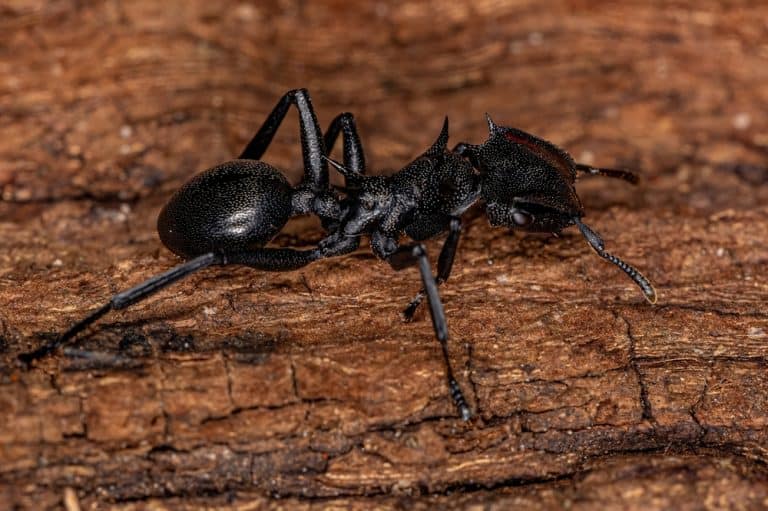
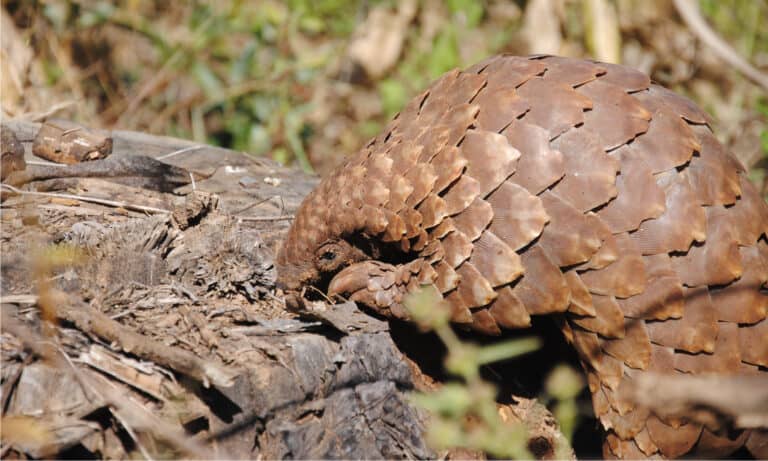
Ground pangolin Smutsia temminckii Ground pangolins are armored, active at dusk and at night, and eat ants and termites, overlapping in habitat and prey with aardvarks. Ground pangolins pry nests open with their claws, while aardvarks dig large burrows that are used by many other animals.
Numbat
Numbat Myrmecobius fasciatus Termite specialist with an elongated snout and tongue and a diet dominated by termites. Fulfills a comparable trophic role but is much smaller-bodied and diurnal, and is restricted to Australia (a marsupial), illustrating repeated evolution of termite-feeding across mammals.
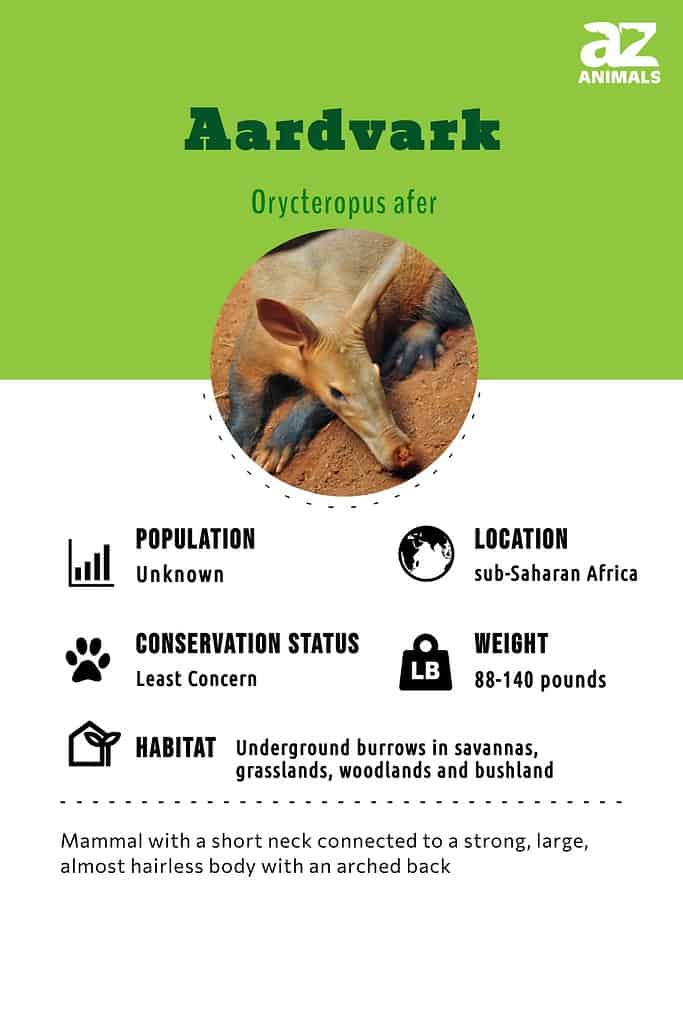
Aardvark infographic

Classification

Aardvarks are small pig-like mammals that are found inhabiting a wide range of different habitats throughout Africa, south of the Sahara. They are mostly solitary and spend their days sleeping in underground burrows to protect themselves from the heat of the African sun, emerging in the cooler evening to search for food. Their name originates from the Afrikaans language in South Africa and means Earth Pig due to their long snout and pig-like body. Aardvarks are unique among animals as they are the only surviving species in their animal family. Until recently, it was widely believed that they were most closely related to other insectivores, such as armadillos and pangolins. However, this is not the case with their closest living relatives actually thought to be elephants.

Watch on YouTube

Origins and Evolution

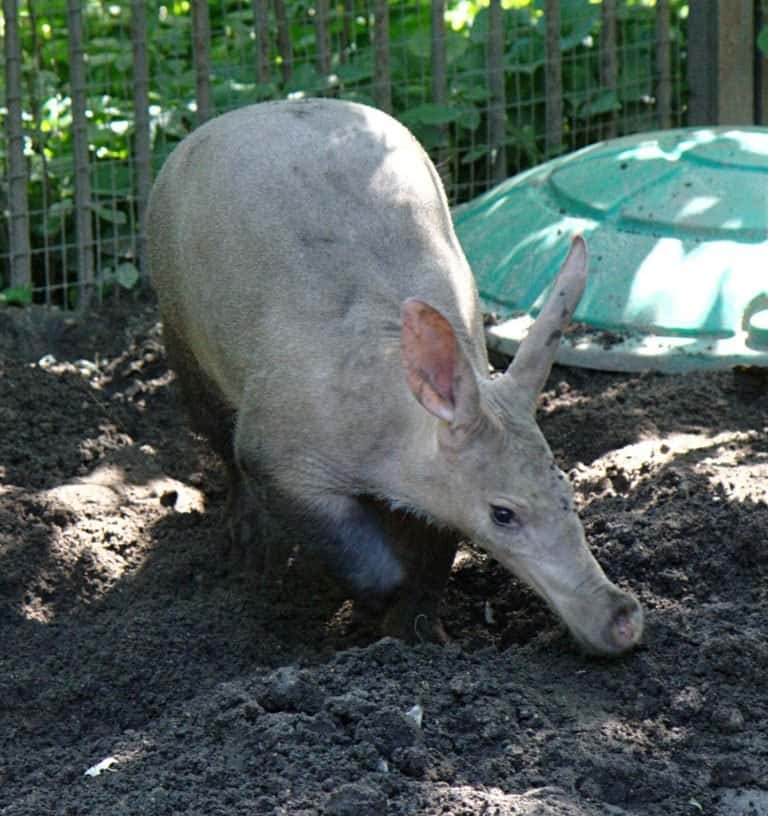
Eating aardvark (Orycteropus afer) at the Zoo

Aardvarks have a unique evolutionary history.

The Aardvark (Orycteropus afer), also known as an antbear, is very unique in terms of its evolutionary makeup. It has been assessed as having the highest score for evolutionary distinctiveness, according to the EDGE scientific method. This is because it does not have many close relatives and has been evolving independently for millions of years. The Aardvark is the sole surviving species of its order, Tubulidentata, and its closest relatives have been extinct since the Pleistocene era (2 million years ago).

Through millions of years, species have split off and changed in various ways, providing proof of their common ancestor and showing that evolution is still at work. However, some species have remained virtually unchanged since their ancient origins and are referred to as living fossils. An example of this is the aardvark, which is an intriguing example of this evolutionary phenomenon.

The aardvark’s unique physical attributes stem from its evolutionary background as an ancient species. Its scientific name, Tubulidentata, alludes to one of its most peculiar features: its teeth. Unlike the teeth of most mammals, which consist of one main pulp-cavity covered with a layer of dentin and enamel, an aardvark’s tooth is composed of hundreds of individual straw-like tubes held together by the same material that holds our teeth in place. To make matters more interesting, these tubes are constantly being replaced and regrown; a single aardvark tooth can have up to 1,500 of these small channels.

Humans have developed more advanced teeth than the primitive 12-14 that aardvarks possess, yet aardvarks are still able to consume 50,000 ants and termites in one night with their sticky tongues. Similar to early mammals, they possess a proto-gizzard that helps to grind up their food as if they had teeth. Scientists have found that the aardvark’s genes are highly conserved, meaning they are much more similar to the DNA of early mammals than other species. This suggests that the aardvark has not evolved much since ancient times. Nature may sometimes revise its creations, but the aardvark is an example of something that cannot be improved.

Anatomy and Appearance
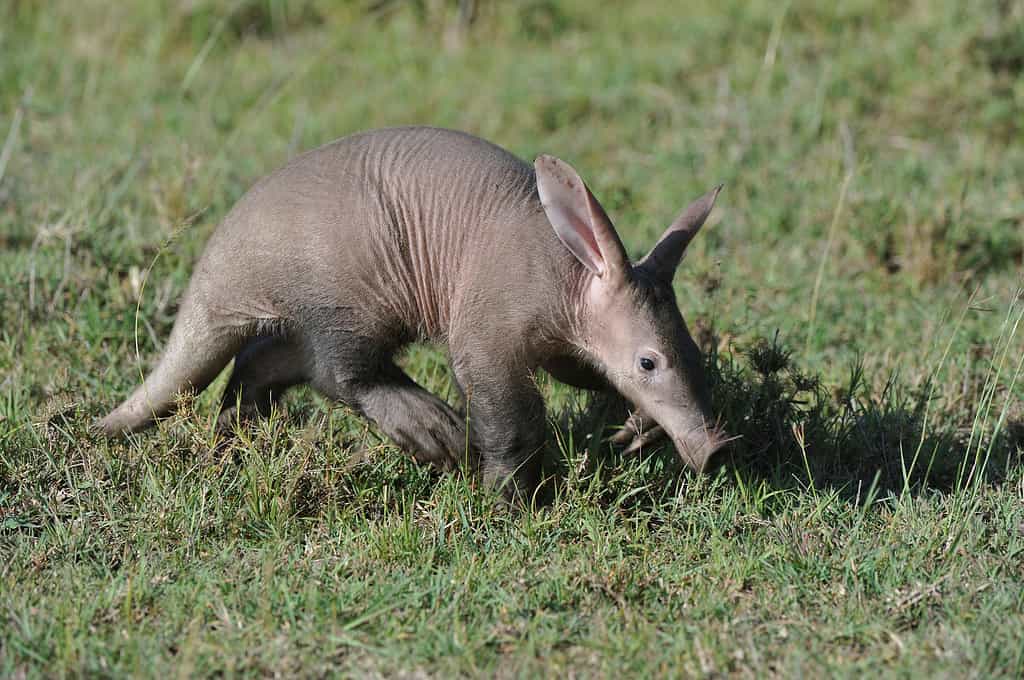
Aardvark in Masai Mara

Aardvarks have long ears and strong claws for digging. They spend a lot of time underground.

Aardvarks have a unique appearance among mammals (and indeed all animals) as they display the physical characteristics of a number of different animal species. They have medium-sized, almost hairless bodies and long snouts that make them look distinctly pig-like at first, with thick skin that both protects them from the hot sun and also from being harmed by insect bites. They are able to close their nostrils to stop dust and insects from entering their nose. They have tubular, rabbit-like ears that can stand on end but can also be folded flat to prevent dirt from entering them when they are underground. Aardvarks have strong claws on each of their spade-like feet that, along with the fact that their hind legs are longer than their front legs, make them strong and capable diggers able to excavate vast amounts of earth at an alarming rate. Due to the fact that they spend most of their lives underground or out hunting in the dark at night, they have poor eyesight but are able to easily navigate their surrounding using their excellent sense of smell to both find prey and sense potential danger.

Distribution and Habitat
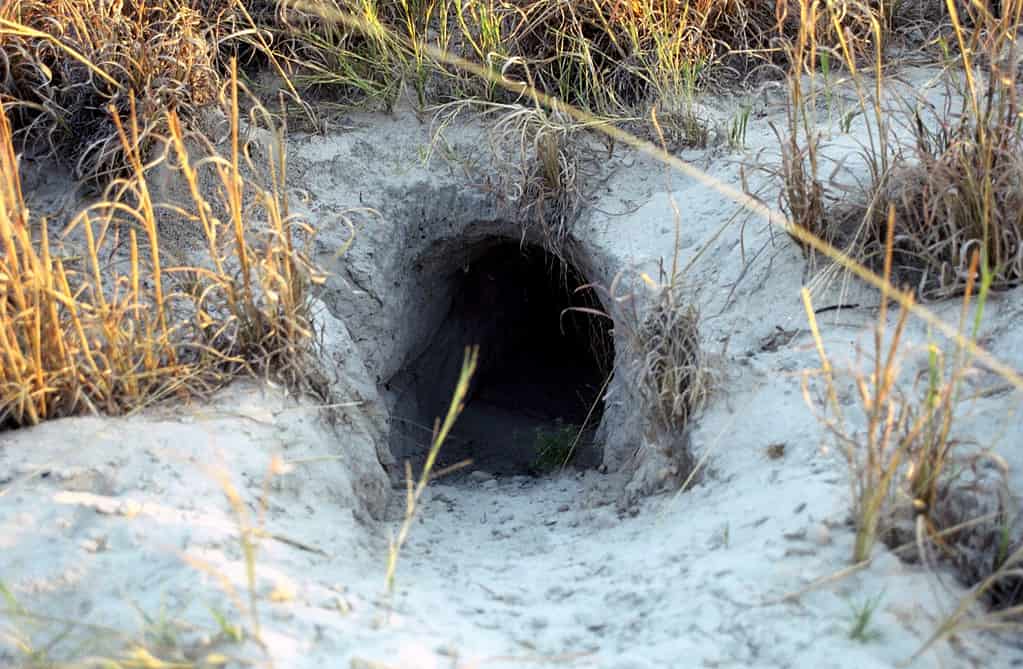
Aardvark Hole

Aardvark tunnels can be over thirty feet long and have two or more entrances.

Aardvarks are found in a wide variety of different habitats throughout sub-Saharan Africa, from dry deserts to moist rainforest regions. The only stipulation (other than having good access to plenty of food and water) is to have good soil in which they can dig their extensive burrows. Despite being highly skilled at digging in sandy or clay soil types, rockier regions prove more of a challenge to create their underground homes, so the aardvark will move to another area where soil conditions are better suited to digging. Their burrows can be up to 33 feet long in a home range that can be anywhere from one to two square miles. Their burrows often have multiple entrances and are always left head first, so they are able to identify potential predators easily using their keen sense of smell.

Behavior and Lifestyle
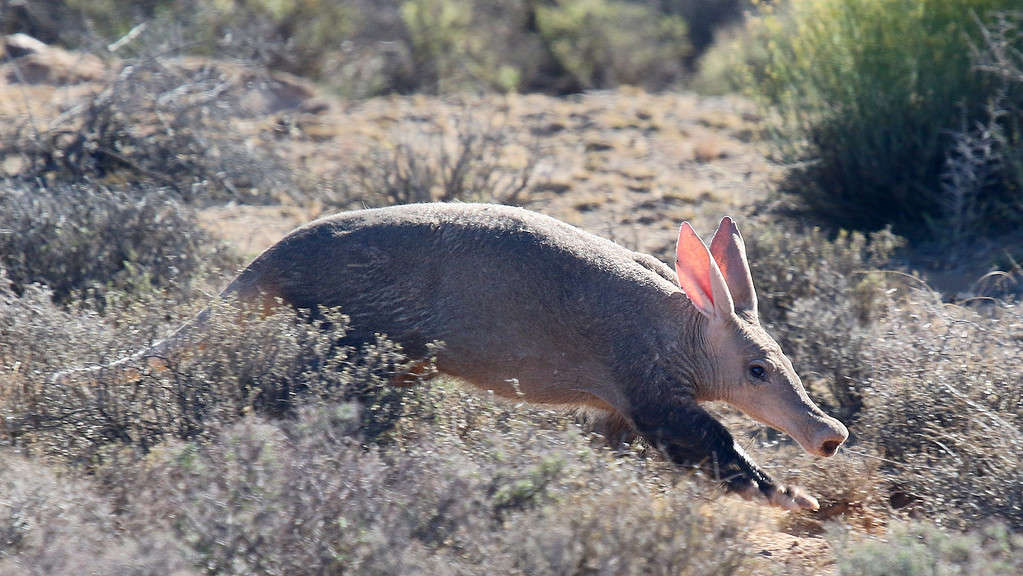
Backlit aardvark running through shrubbery in the karoo, south africa

Aardvarks live along and travel many miles to hunt and find water.

Aardvarks are mainly solitary animals that come together only to mate and are never found in large groups. They live in underground burrows to protect them both from the hot daytime sun and from predators. Aardvarks are nocturnal mammals, only leaving the safety of the burrow under the cover of night when they go in search of food and water, often traveling several miles in order to find the biggest termite mounds guided by their excellent hearing and sense of smell. Despite often having a large burrow comprised of an extensive network of tunnels, aardvarks are also known to be able to quickly excavate small temporary burrows where they can protect themselves quickly rather than having to return to their original dwelling.

Reproduction and Life Cycles
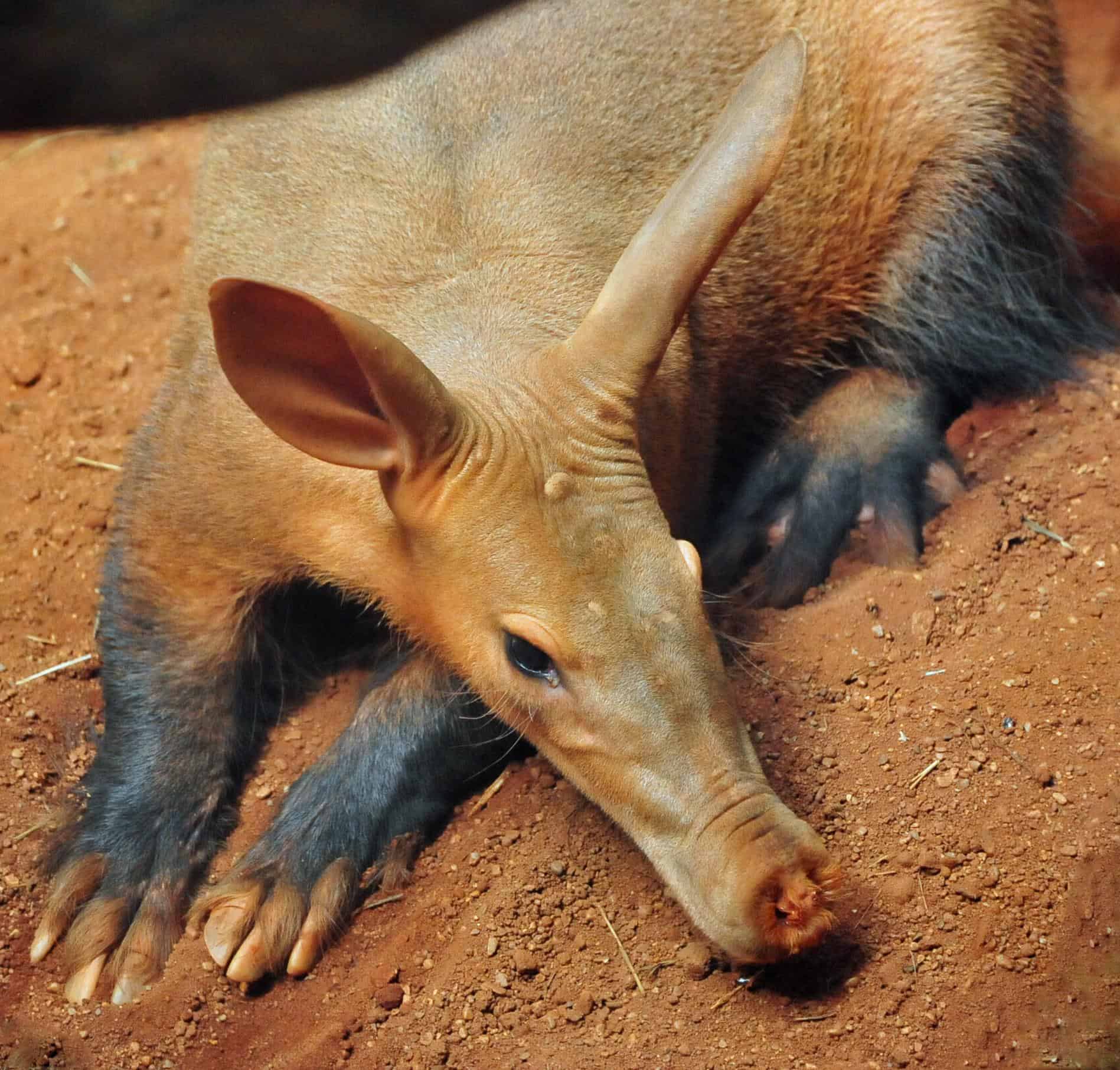
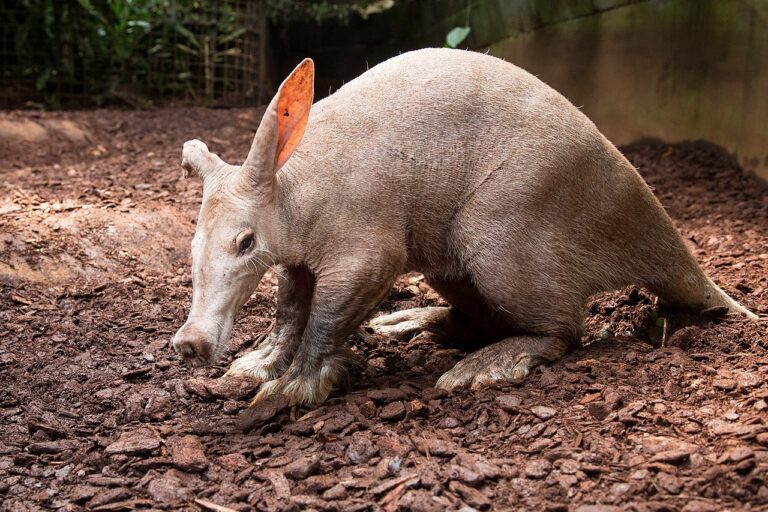
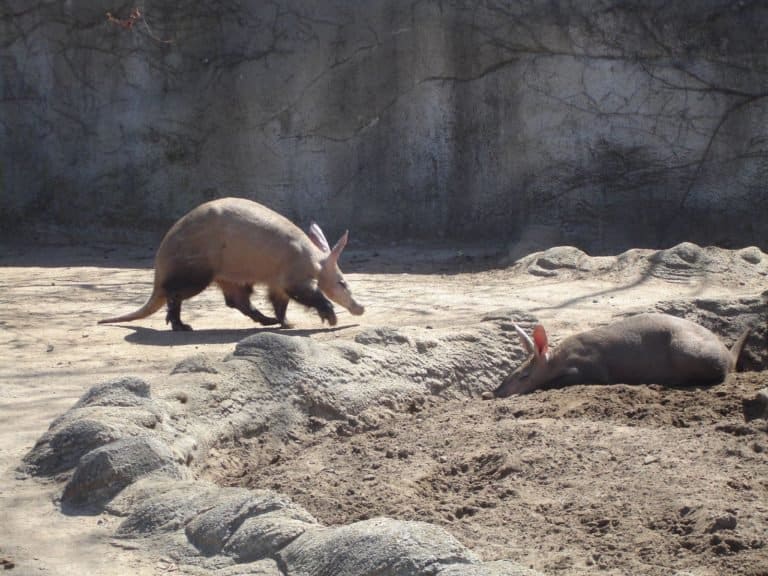
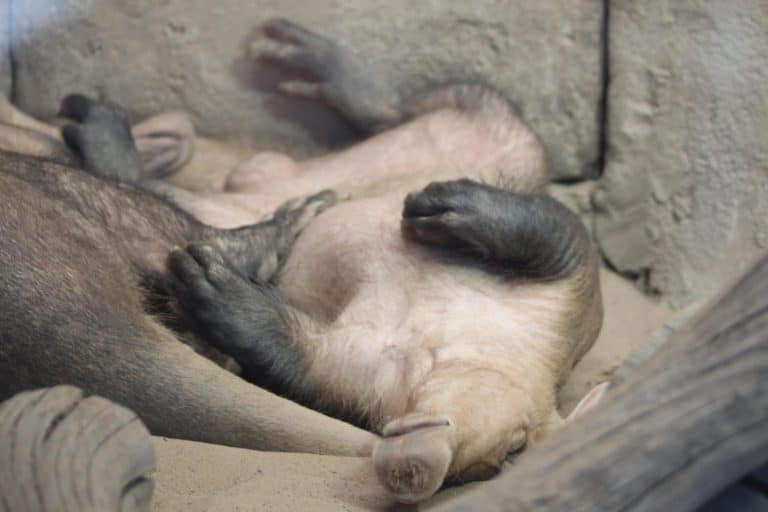
An aardvark resting in the dirt.

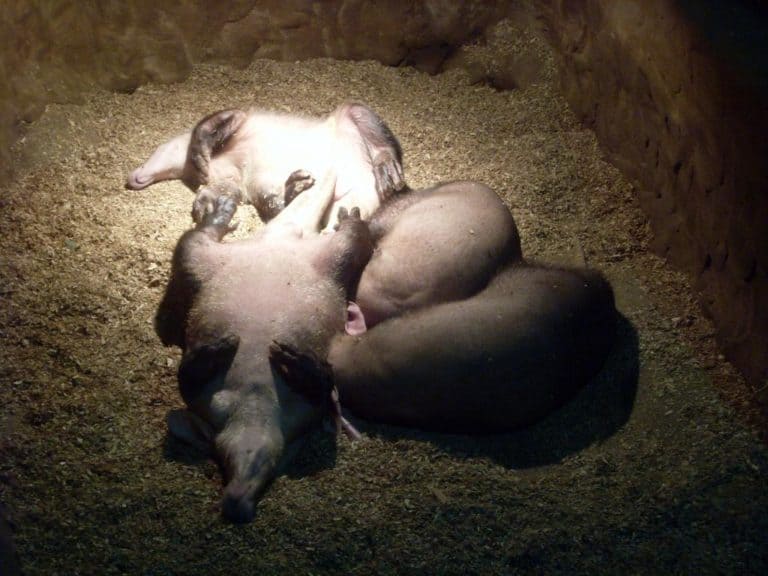
Aardvarks have specific mating seasons that occur every year. Depending on the region in which the aardvark lives, young can be born either in October to November or May to June in other areas. Known to have babies most years, female aardvarks give birth to a single offspring after a gestation period that usually lasts for around seven months. Newborn aardvarks often weigh as little as four pounds and are born with hairless, pink skin in the safety of their mother’s burrow. Baby aardvarks spend the first two weeks of their lives in the safety of the underground burrow before beginning to venture out with their mother under the cover of night. However, despite accompanying their mother in search of food, they aren’t weaned until they are around three months old. Young aardvarks live with their mother in her burrow until they are around six months old, when they move out to dig a burrow of their own. Although their lifespan in the wild is not entirely clear, aardvarks tend to live for more than 20 years in captivity.

Diet and Prey
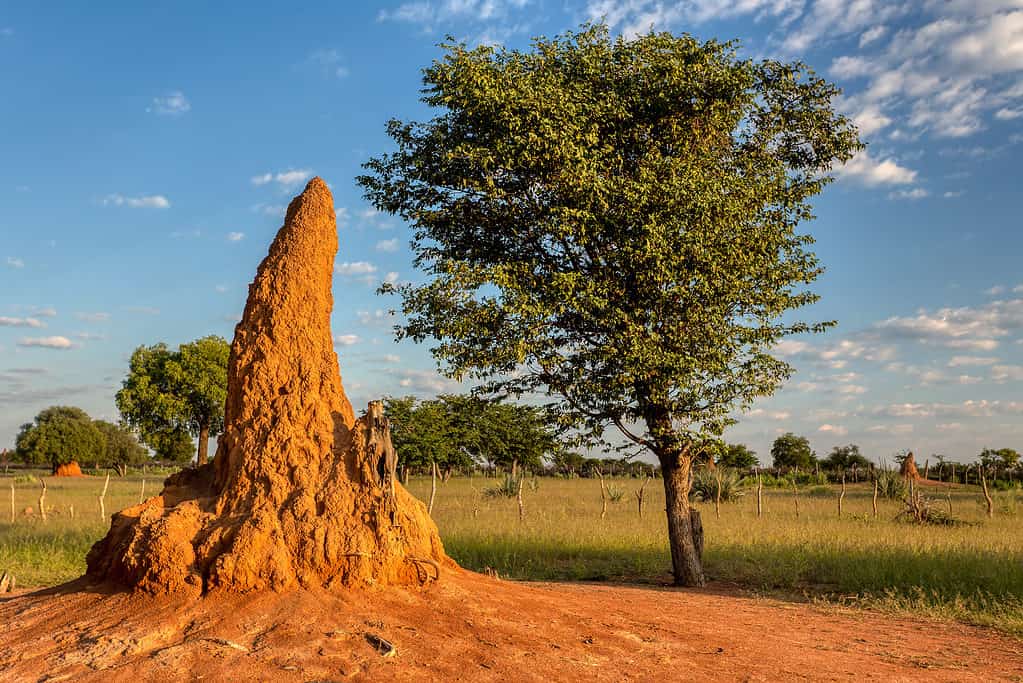
large termite mound in typical african landscape with termite in Namibia, North region near Ruacana Fall. Africa wilderness.

A large termite mound is a feast for a hungry Aardvark!

The diet of aardvarks is mainly comprised of ants and termites, with termites being their preferred food source. Despite this, they are known to also eat other insects, such as beetles and insect larvae. Aardvarks are built to be insectivores with strong limbs and claws that are capable of breaking into the harder outer shell of termite mounds very efficiently. Once they have broken into the mound, they then use their long, sticky tongue to harvest the insects inside and eat them whole without chewing as they are then ground down in their muscular stomachs. One of the aardvark’s most distinctive features is the fact that they have columnar cheek teeth that serve no functional purpose at all. With some larger ant species that need to be chewed, they use the incisors that are located towards the back of their mouths. Aardvarks are also able to use the same techniques to break into underground ant nests.

Predators and Threats
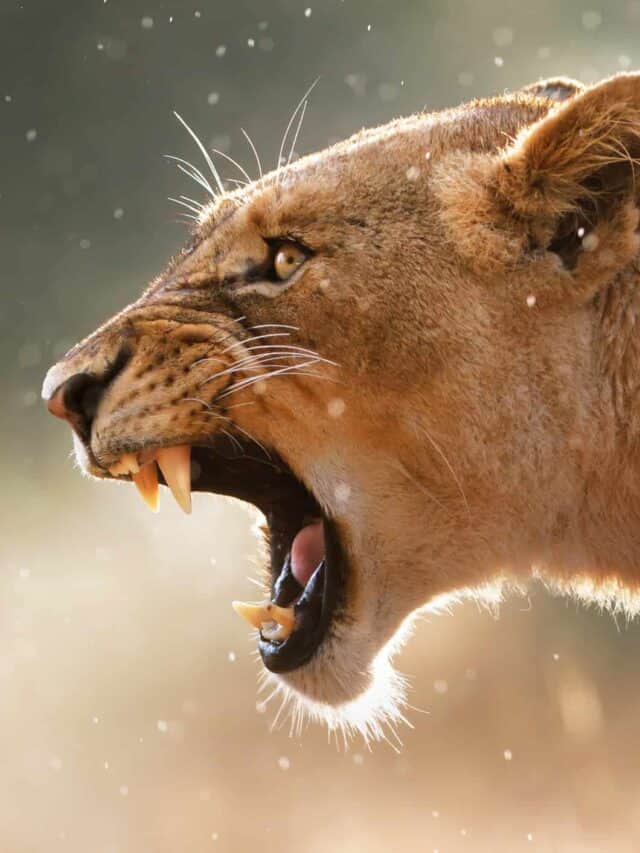
Lion Displays Teeth
Lions and leopards snack on Aardvarks if they cannot find bigger prey.

Despite the fact that aardvarks are nocturnal animals that live in the safety of underground burrows, they are threatened by a number of different predators throughout their natural environment. Lions, leopards, hyenas, and large snakes (most notably pythons) are the main predators of aardvark, but this does vary depending on where the aardvark lives. Their main form of defense is to escape very quickly underground. However, they are also known to be quite aggressive when threatened by these larger animals. Aardvarks use their strong, sharp claws to try and injure their attacker, along with kicking the threatening animal with their powerful back legs. Aardvarks are also threatened by humans who hunt them and destroy their natural habitats.

Interesting Facts and Features

Aardvarks use their long, sticky tongue to lap up to 50,000 insects a night from inside termite mounds or underground ant nests. Their worm-like tongues can actually grow up to 30 cm in length, meaning they can reach more termites further into the mound. Their love of insects has actually led to aardvarks being called Antbears! Interestingly enough, aardvarks are also thought to get almost all of the moisture they need from their prey, meaning that they actually have to physically drink very little water. Aardvarks are thought to be one of the world’s most prolific diggers, with their strong limbs and claws and shovel-like feet helping them to be able to shift two feet of soil in just 15 seconds!

Relationship with Humans
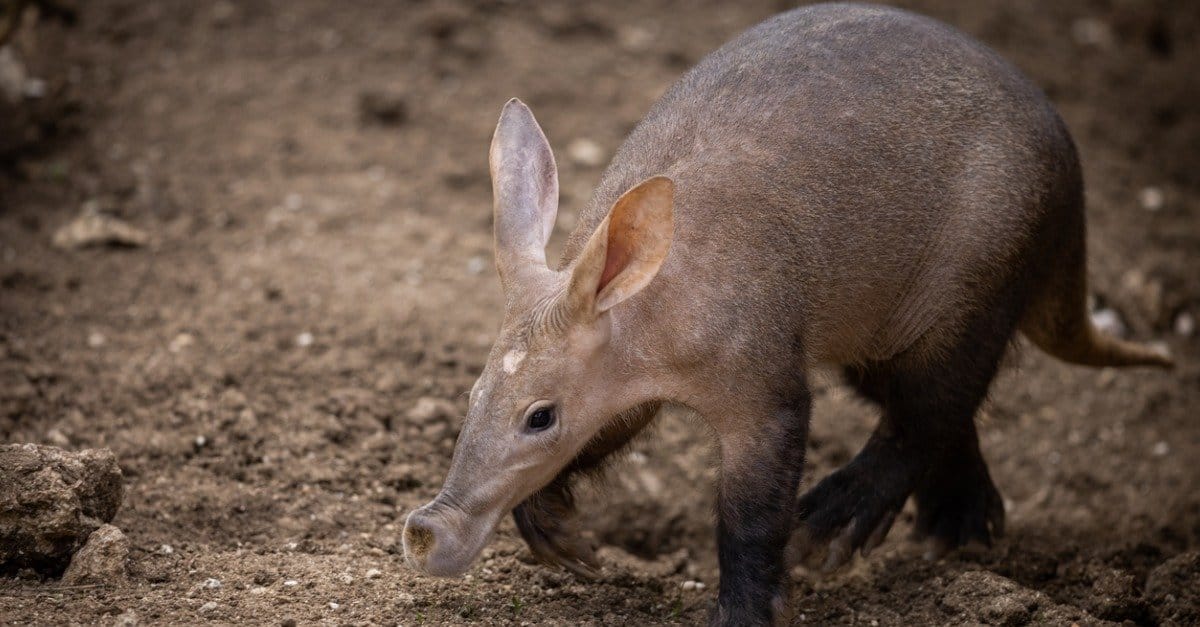
animals with big noses: aardvark

Aardvarks are rarely seen by humans because they are nocturnal creatures seeking food at night.

Due to the fact that they spend the daytime hours hidden in the safety of their underground burrows, only emerging under the cover of night to hunt for food, aardvarks are very seldom seen by many people. In some regions, though, they are hunted by people for food and are becoming increasingly affected by expanding human populations as more of their natural habitats disappear to make way for growing settlements.

Conservation Status and Life Today

Today, aardvarks are listed by the IUCN as a species that is of Least Concern. Despite the fact that population numbers of aardvarks most certainly declined in some countries, in others, their numbers remain stable, and they are often commonly found in both protected areas and regions with suitable habitats. They are becoming increasingly affected by habitat loss in both the form of deforestation and expanding towns and villages. Due to their incredibly elusive nature, exact population sizes are not fully understood.

View all 327 animals that start with A
How to say Aardvark in ...
English
Aardvark
Bulgarian
тръбозъб
Catalan
Porc formiguer
Czech
hrabáč
Danish
Jordsvin
German
Erdferkel
Esperanto
Orikteropo
Spanish
Orycteropus afer
Estonian
Tuhnik
Finnish
Maasika
French
Oryctérope du Cap
Galician
Porco formigueiro
Hebrew
שנבוב
Croatian
Afrički mravojed
Hungarian
Földimalac
Indonesian
Aardvark
Italian
Orycteropus afer
Japanese
ツチブタ
Latin
Orycteropus afer
Malay
Ardvark
Maltese
Orikteropu
Dutch
aardvarken
Polish
Mrównik afrykański
Portuguese
Aardvark
Slovenian
podzemska svinjka
Swedish
jordsvin
Turkish
Yerdomuzu
Vietnamese
Orycteropus afer
Chinese
土豚

Sources

  1. National Geographic / Published February 20, 2017 / Accessed February 20, 2017
  2. African Wildlife Foundation / Published February 20, 2017 / Accessed February 20, 2017
  3. IUCN Red List / Published February 20, 2017 / Accessed February 20, 2017
  4. David Burnie, Dorling Kindersley (2011) Animal, The Definitive Visual Guide To The World's Wildlife / Accessed February 20, 2017
  5. Tom Jackson, Lorenz Books (2007) The World Encyclopedia Of Animals / Accessed February 20, 2017
  6. David Burnie, Kingfisher (2011) The Kingfisher Animal Encyclopedia / Accessed February 20, 2017
  7. Richard Mackay, University of California Press (2009) The Atlas Of Endangered Species / Accessed February 20, 2017
  8. David Burnie, Dorling Kindersley (2008) Illustrated Encyclopedia Of Animals / Accessed February 20, 2017
  9. Dorling Kindersley (2006) Dorling Kindersley Encyclopedia Of Animals / Accessed February 20, 2017
  10. David W. Macdonald, Oxford University Press (2010) The Encyclopedia Of Mammals / Accessed February 20, 2017
Heather Hall

About the Author

Heather Hall

Heather Hall is a writer at A-Z Animals, where her primary focus is on plants and animals. Heather has been writing and editing since 2012 and holds a Bachelor of Science in Horticulture. As a resident of the Pacific Northwest, Heather enjoys hiking, gardening, and trail running through the mountains with her dogs.

Thank you for reading! Have some feedback for us?


Aardvark FAQs (Frequently Asked Questions)

Aardvarks are Omnivores, meaning they eat both plants and other animals.