
Quick Take
- One ant's alarm signal shares a chemical with a food you might pile on a salad. See ant alarm chemicals →
- A squished ant can smell like a dessert, and a dead one like something in your pantry. Sniff out ant scents →
- Your nose might be missing a signal that millions of tiny workers send every day. Check if you can smell ants →
- Why can your friend smell ants when you can't? The explanation isn't settled, and one theory is oddly mundane. Explore the possible reasons →
You probably haven’t leaned down to get a good sniff of an ant. You may not have even known ants had a particular smell. However, those who can smell ants don’t need to get up close to smell them. Discover what ants smell like, why they smell the way they do, and why only some people seem to be able to smell ants.
Can People Really Smell Ants?
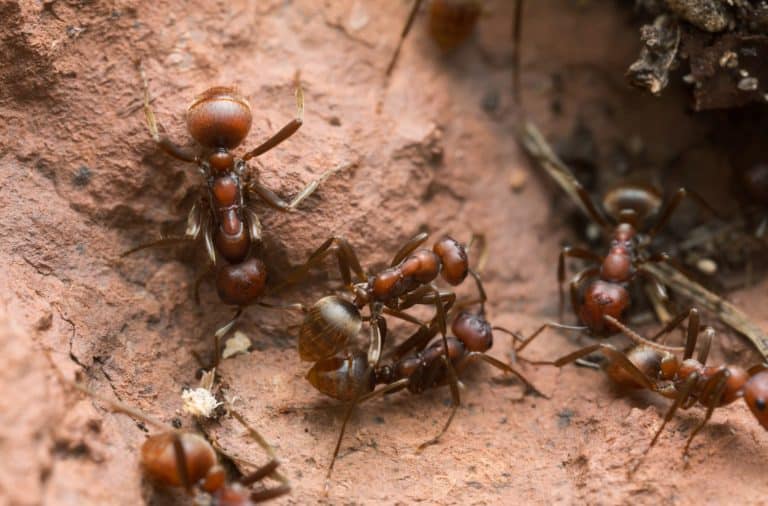
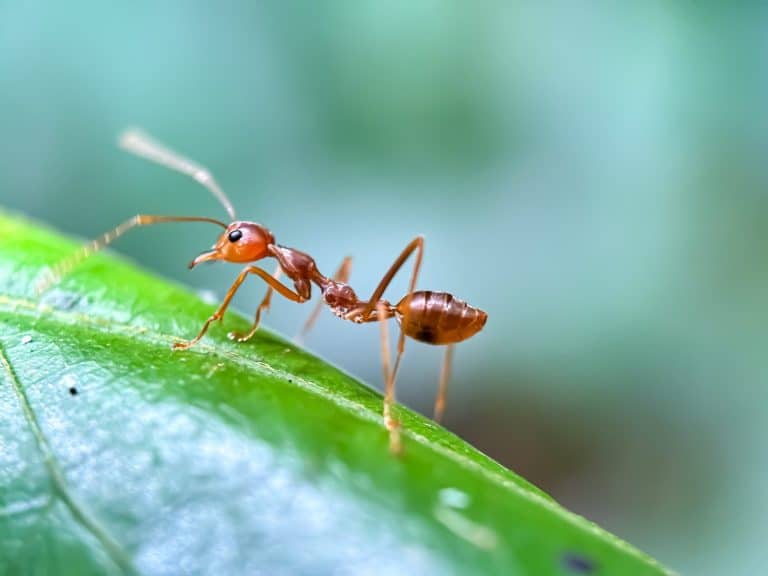
Yes, some people can smell ants. Many ants release odors, but not every ant species produces a smell that humans can detect. The “odorous house ant” is the most widely known example. Carpenter ants, citronella ants, and a few others have distinctive odors as well. These different types of ants release strong odors in a variety of situations. Sometimes, it’s when they’ve been squished, and other times, it’s when they sense danger.
Ant researcher Clint Penick at North Carolina State University confirms that the common house ant is odorous and releases a stinky pheromone due to volatile chemicals, particularly methyl ketones. However, ants don’t universally emit methyl ketones. Different species rely on very different compounds, such as formic acid and terpenoids.
Yes, some people can smell ants, especially the common house ant.
©Asier Romero/Shutterstock.com
Each ant has a distinctive scent. Most of them are quite pungent and unpleasant, but some are sweet and almost pleasant. It’s believed ants release these chemicals when they feel threatened, either to repel the threat or potentially warn other ants that there is danger afoot. They rely on the scents they emit to communicate with one another.
Sometimes, they’re warning of danger, but other times, they’re leaving a trail to alert other ants to the location of food. They deposit trail pheromones in proportion to food quality or quantity, which recruits more nestmates. They can also distinguish one another based on which are workers and which are queens and can tell when an ant that doesn’t belong to their colony has invaded their nest.
What Do Ants Smell Like?
For those of you who haven’t smelled ants, the descriptions of what ants smell like may surprise you. While the thought of blue cheese and bacon atop a fresh wedge salad might make your mouth water, when the blue cheese smell is coming from an ant, it’s not exactly appealing. Penick says the odorous house ant gives off a blue-cheese-scented pheromone. This same chemical is produced by Penicillium mold as well. Whether you love it or hate it, you know how pungent the smell of blue cheese is.
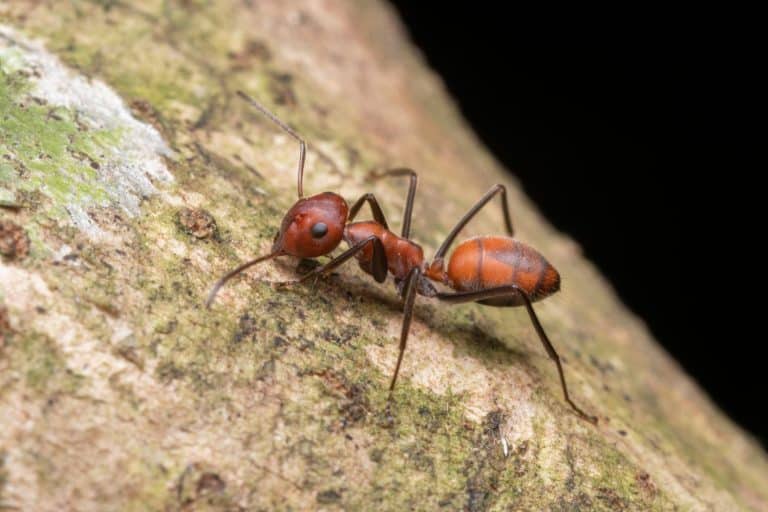
Carpenter ants smell a little different. When they’re not sure what’s going on and they feel like a threat is in their vicinity, they spray formic acid. This odor is even more pronounced when released by Formica ants. You can probably guess what citronella ants smell like based on their name; their scent is much like the citrusy fragrance that makes your home smell clean. Ants that die of natural causes smell like olive oil and trap-jaw ants emanate a chocolatey scent when they’re squished.
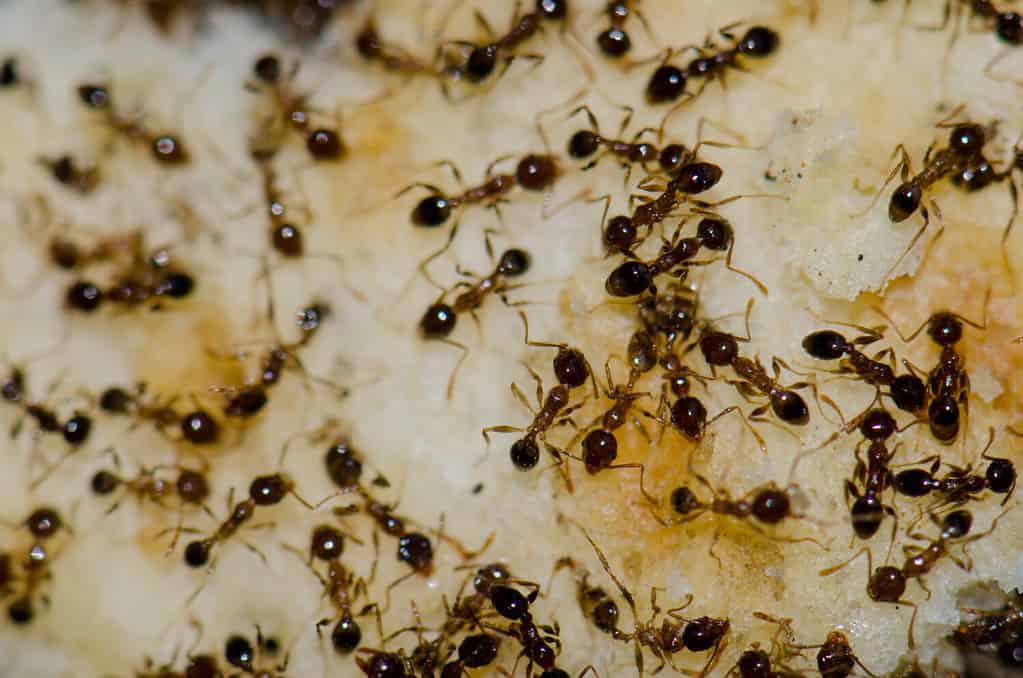
It’s not entirely clear why only some people seem to pick up on the various scents ants emanate.
©Victor Suarez Naranjo/Shutterstock.com
Why Can Some People Smell Ants?
It’s not entirely clear why only some people seem to pick up on the various scents ants emanate. Some believe that it’s a gene-related ability. You may simply be lacking the gene that allows you to pick up on the scents. It may be a matter of individual sensitivity to certain volatile chemicals like methyl ketones or formic acid.
Another possibility is a lack of awareness. It’s easy to get caught up in your routine and move through life on autopilot, but maybe it’s worth paying a little extra attention to these tiny workers and determining if you can pick up what they’re putting down.