
For the longest time, people believed that bears hibernated. It seems like a simple enough concept. During winter, food sources are in short supply, temperatures are blisteringly low, and the inclement weather does not permit much travel. It makes sense that animals like bears would sense the coming cold, stock up on food, and sleep through the season. It turns out, however, that the type of hibernation bears experience is quite different from that of smaller mammals.
There are two main types of winter survival strategies in the animal kingdom: hibernation and torpor. The difference between these two strategies is minor at first glance but distinct upon closer inspection. To put it simply: hibernation is a prolonged, deep state of metabolic depression lasting weeks or months, while torpor is a shorter, lighter state that can occur daily or for shorter periods. Let’s learn more about the differences between these two winter survival strategies, which one bears choose, and why the temperature in states like Colorado affects the ‘level’ of a bear’s winter slumber.
Hibernation Station
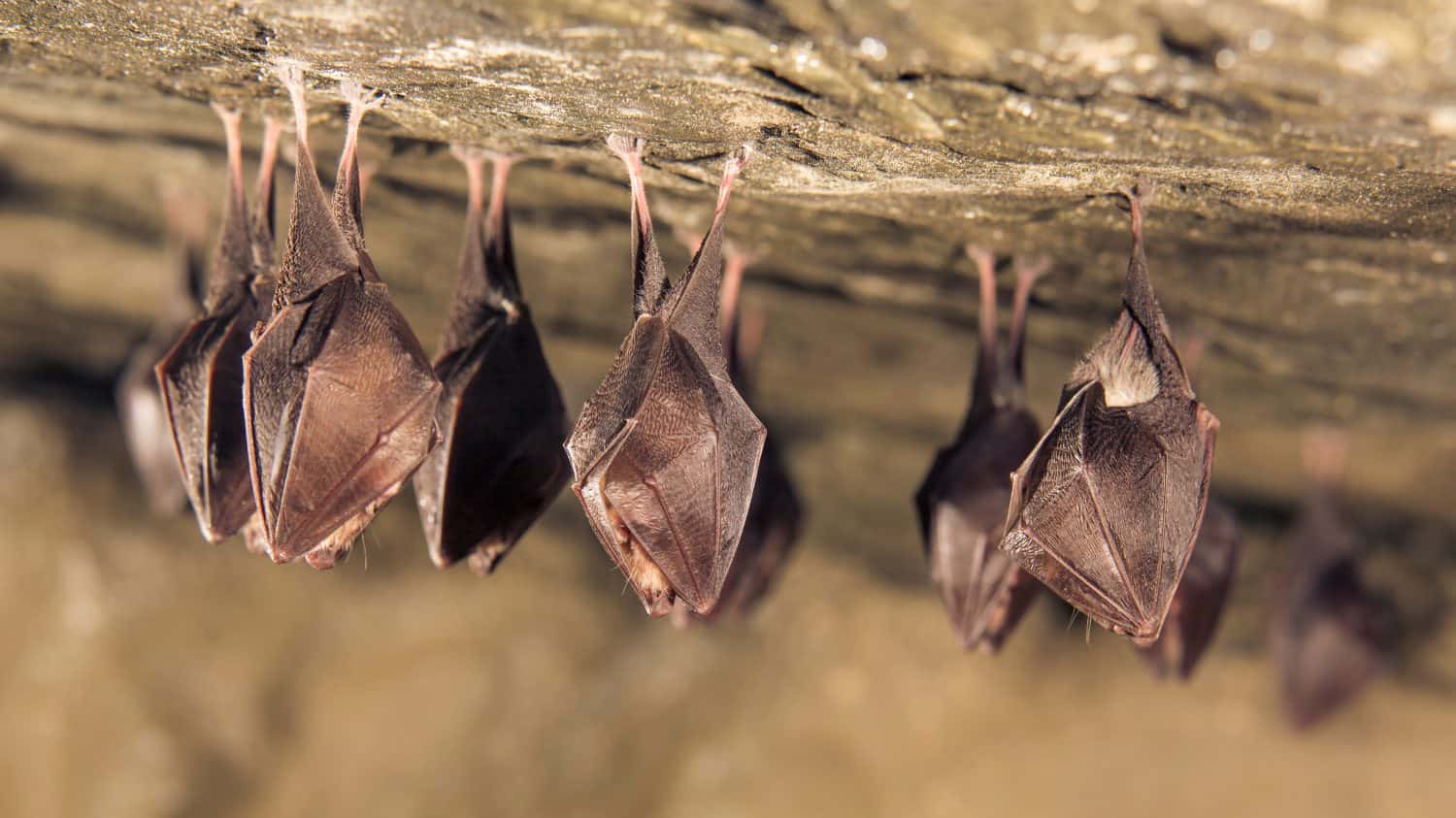
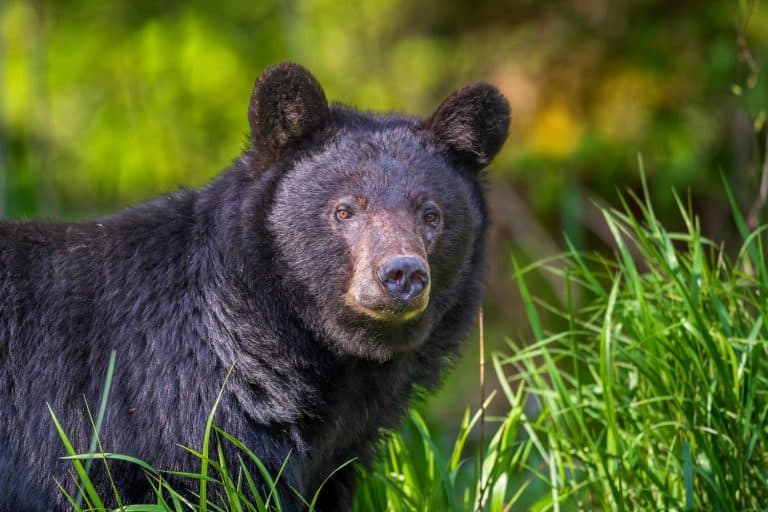
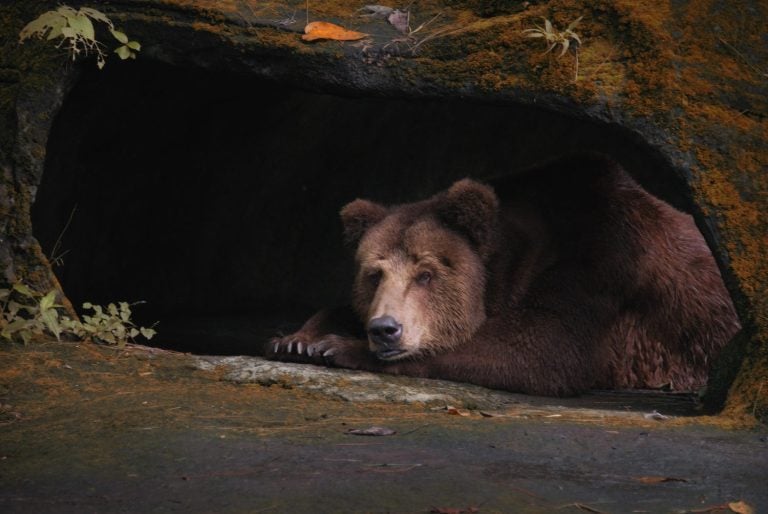
Animals like bats will enter hibernation for months, forgoing food and water until spring brings more resources.
©Martin Janca/Shutterstock.com
Animals don’t have the luxury of grocery stores, so they require more severe strategies for enduring long, cold, and barren winter months. Hibernation is one such strategy. It involves a dramatic reduction in bodily functions, including body temperature, heart rate, and metabolic rate. Almost as if mimicking the outside climate, true hibernation makes an animal’s body drop to near-freezing temperatures.
Season shifts trigger certain animals to enter this catatonic state. When daylight hours decrease and temperatures drop, animals like bats, hedgehogs, and squirrels enter their dens and don’t come out for months. They don’t eat, drink, or even move much. Animals in true hibernation may only slightly adjust their position or occasionally eliminate waste.
Survive Stakes
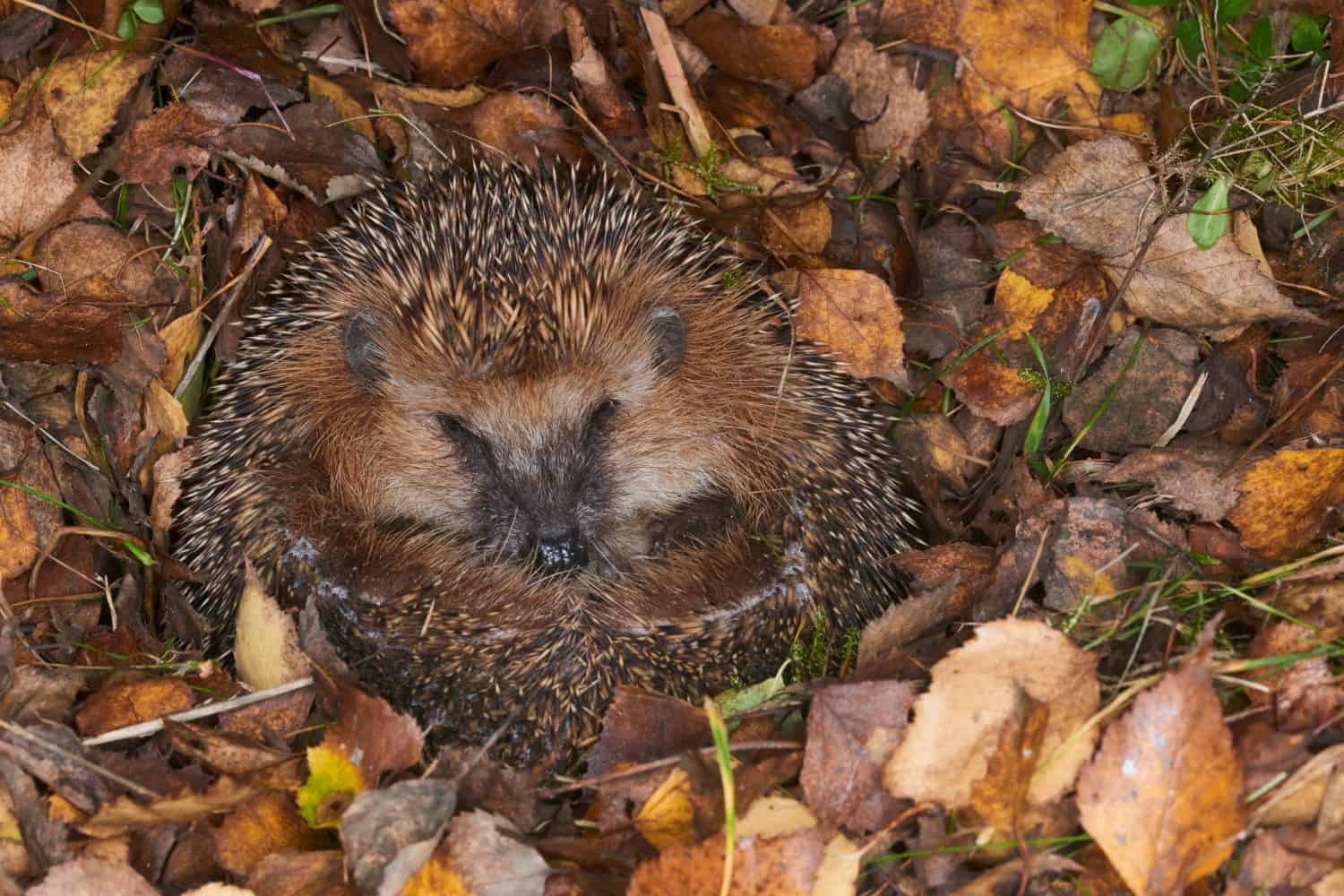
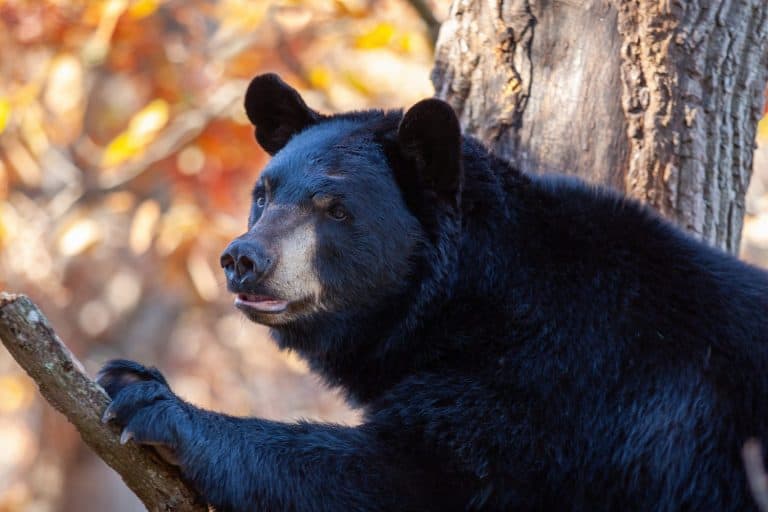
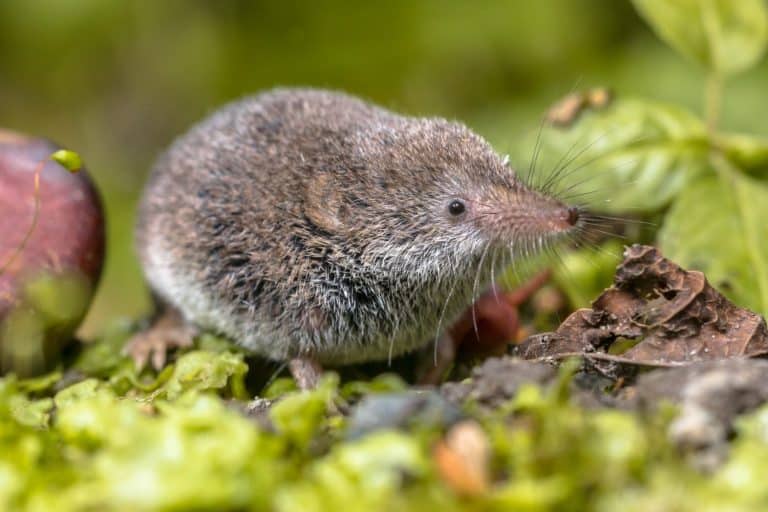
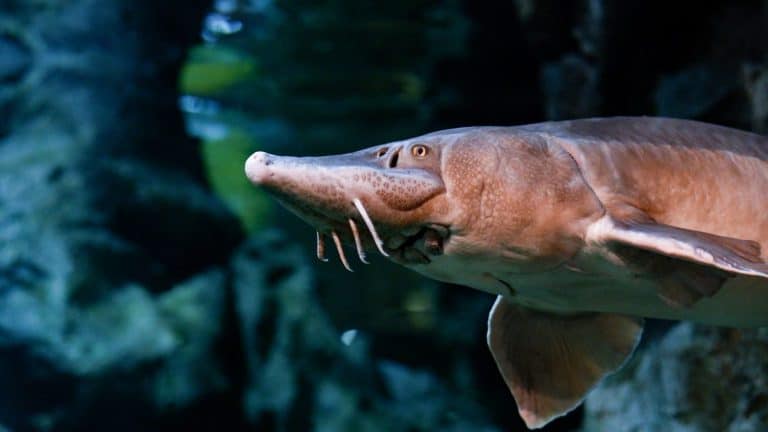
Sleep may be comfy, but it’s a matter of survival for small mammals during long winter months.
©Petr Bonek/Shutterstock.com
This comatose-like state can last for weeks, if not months. It sounds like a severe adaptation, but it’s a necessary one for certain small creatures. When resources are unavailable, animals must find ways to survive, no matter the cost. Hibernation allows animals like squirrels to reduce their energy requirements to such a degree that they can safely hole up until springtime.
Torpor Technique
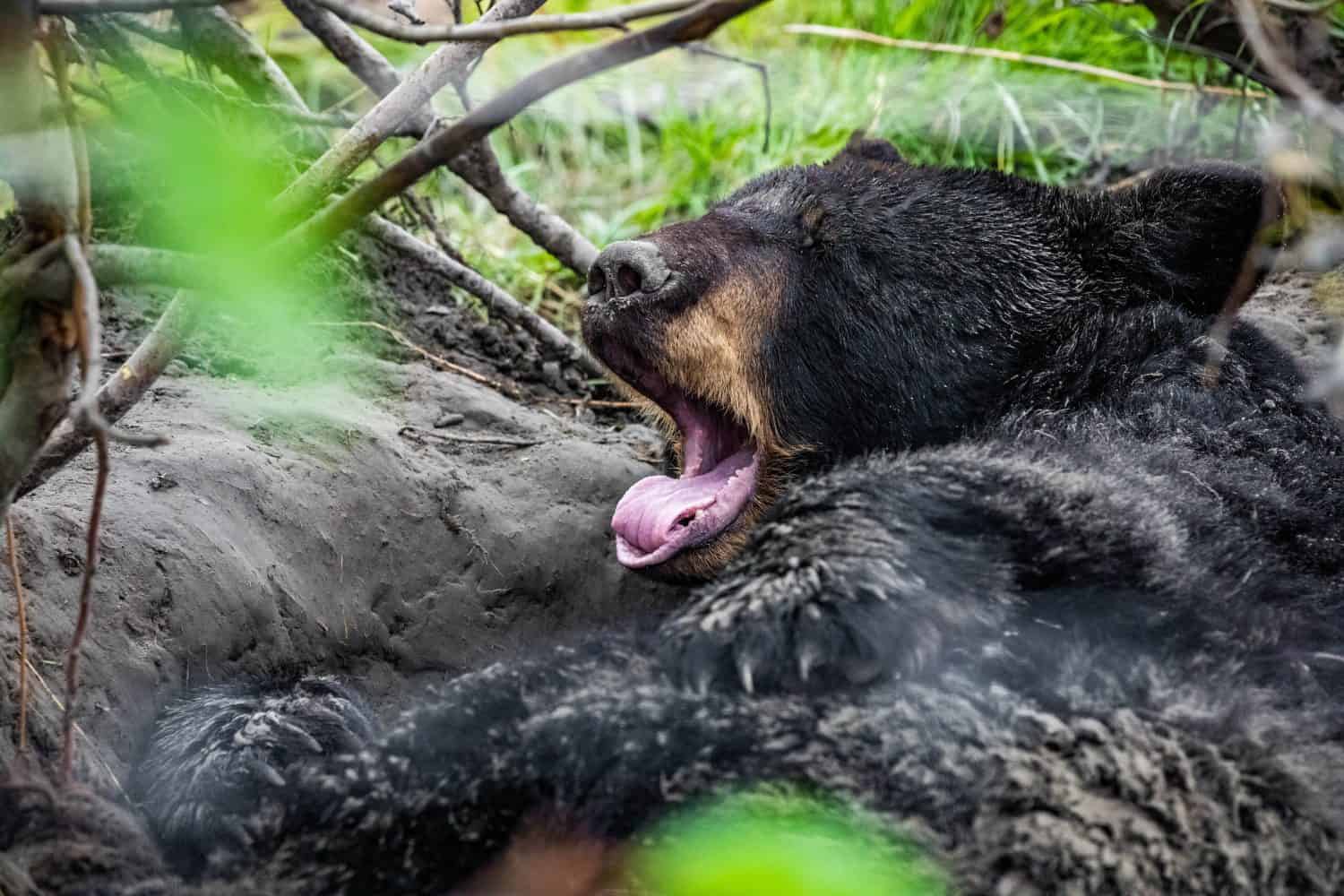
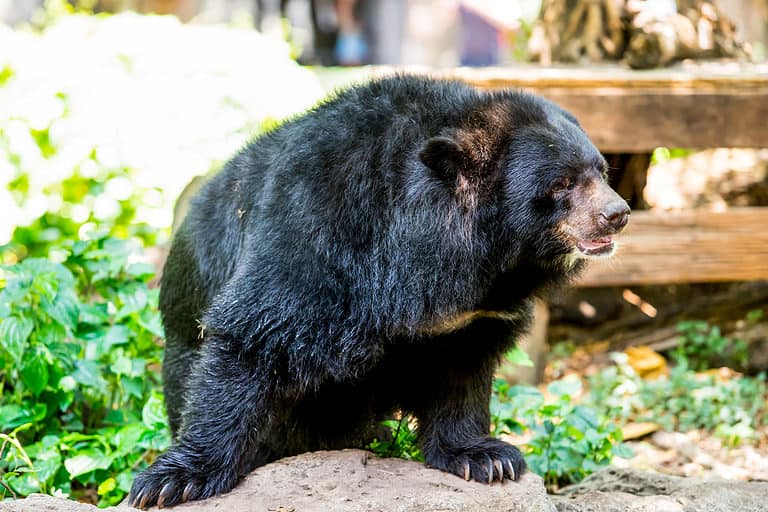
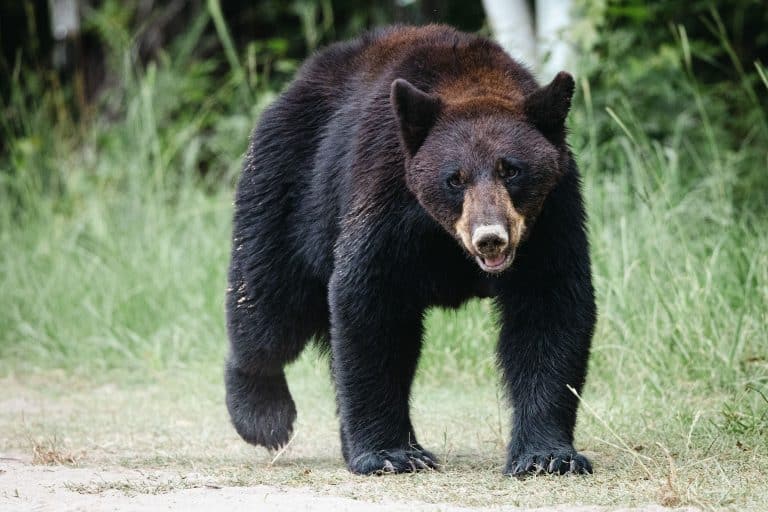
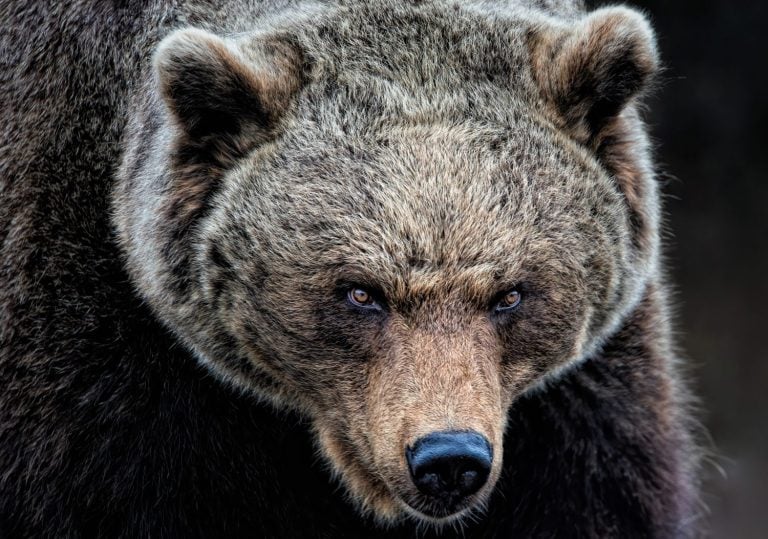
Bears enter a voluntary state of inactivity during winter called “torpor.”
©Photo Spirit/Shutterstock.com
Early naturalists observed bears in autumn entering a state similar to ‘bulking season.’ The bears would gain significant weight and retreat into their dens, sometimes not emerging for weeks. Without proper scientific rigor or understanding, these early naturalists assumed that bears were undergoing the same process as smaller creatures like bats or hedgehogs, so they called what the bears were doing hibernation.
In fact, there is a subtle but distinct difference between a bat’s winter survival strategy (hibernation) and a bear’s (torpor). Whereas hibernation is basically involuntary and severe, lasting for weeks to months, torpor has more variables. A bear’s ‘winter torpor’ can drop their metabolism by up to 75% and their body temperature by 7-12 degrees Fahrenheit, though they remain more easily roused than animals in true hibernation. Bears can still wake up, move around, or even give birth during torpor with relative ease.
A Matter of Definition
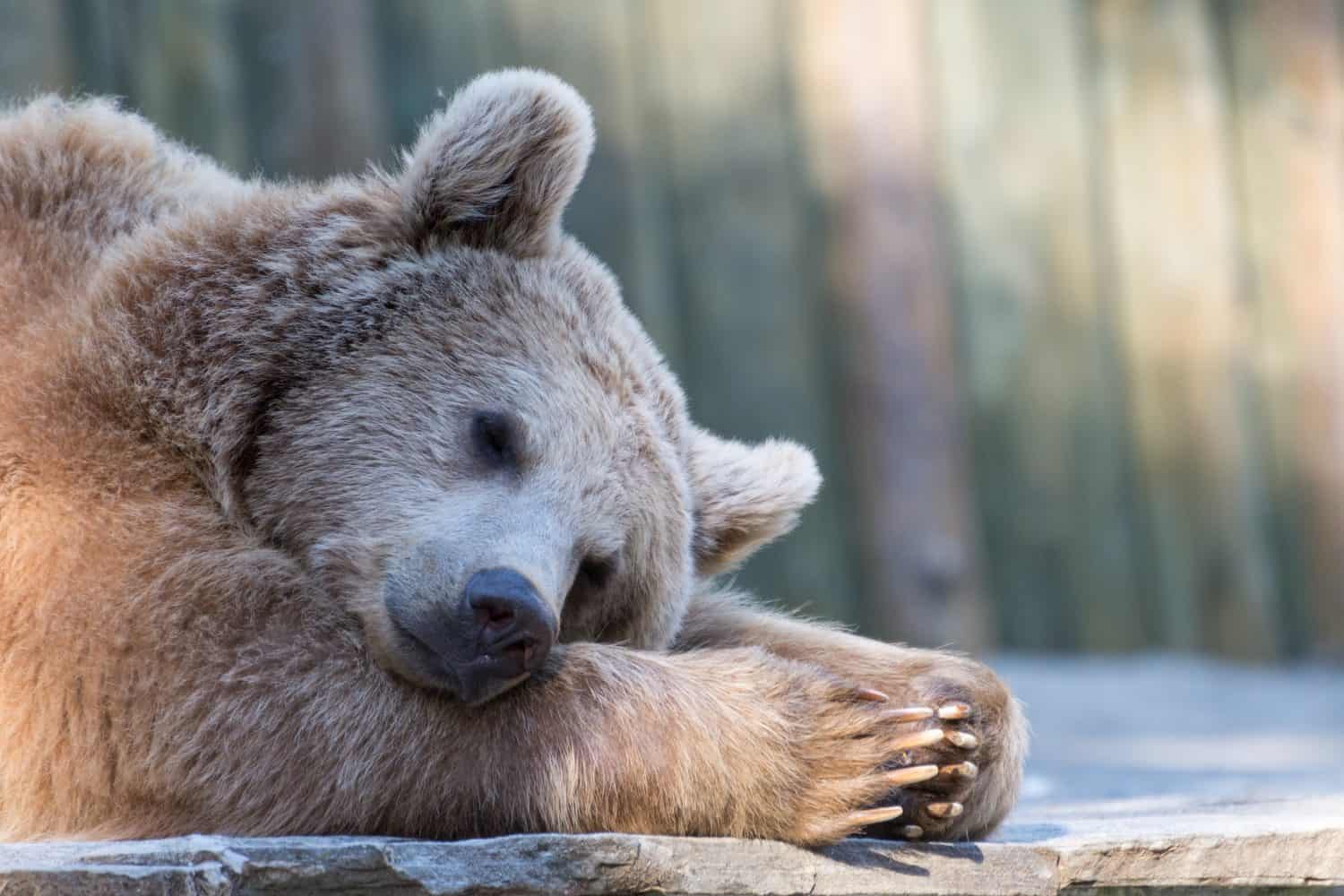
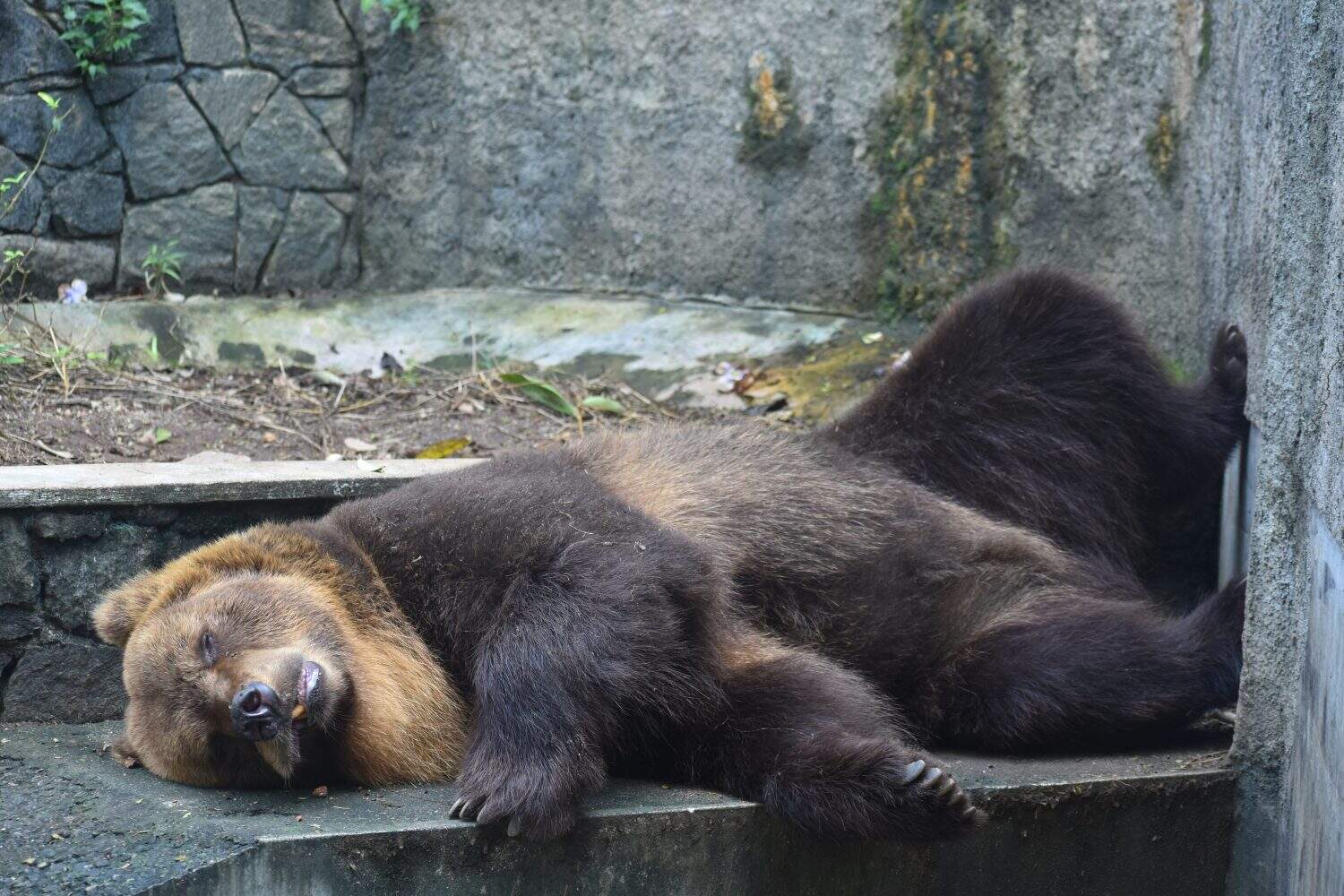
Hibernation may be an inaccurate term, but it has entered the common language, denoting the state of inactivity bears enter during the winter months.
©Luca Pape/Shutterstock.com
People don’t see bears for most of the winter, so they assume they are hibernating. Instead, they are in torpor, which is like a nap compared to hibernation’s months-long sleep. Despite the inaccuracy, hibernation has entered the common language and stuck. That said, there are some interesting aspects of a bear’s torpor that most people don’t know, and the state of Colorado plays a unique role in these.
Rocky Mountain Reasons
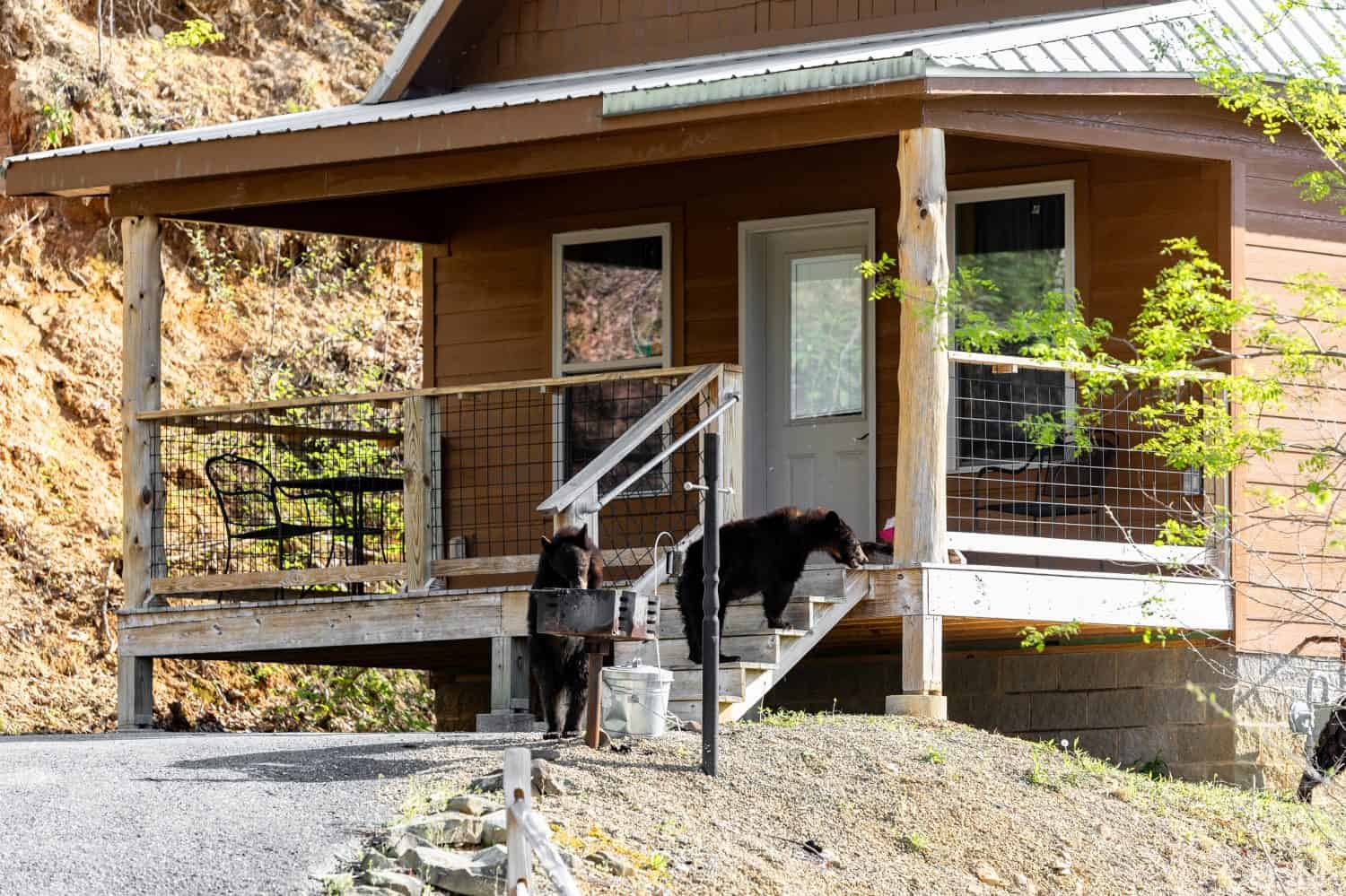
A bear’s torpor is dictated by available food sources. If there’s food available, bears will look for it, even during the winter.
©Joseph Hendrickson/Shutterstock.com
Small mammals enter hibernation innately, but bears are more adaptable. They move with the temperatures and food sources. Torpor is a matter of course for bears, but only when inhospitable winter months leave food in short supply. Colorado’s unique climate conditions allow bears to be more active during the winter than in other regions. Colorado’s Rocky Mountains create microclimates; higher elevations and thicker snowpacks necessitate longer torpor periods, while lower elevations provide food and warm periods for bears to navigate.
In short, bears adapt their behavior to changes in winter temperatures. They will experience interrupted torpor if the weather warms enough to melt the snow and reveal food sources. It’s important for people to be aware of these changes. The Colorado Parks and Wildlife Department recently warned residents, asking them to be mindful of their outdoor activities and waste disposal. Slightly warmer temperatures at lower elevations can wake bears from their torpor and send them looking for food, often in people’s dumpsters or trash cans. Winter doesn’t stop bears from looking for food, so people should remain vigilant about the possibility of bears in their backyard.