
Quick Take
- Your dog's nose processes the world in a way your brain literally cannot replicate, and the gap is far wider than most people realize. See how dog noses work →
- A dog's seemingly random hostility toward a perfectly nice stranger might be rooted in something that happened long before that person ever walked through the door. Explore scent-based memories →
- Dogs don't just sense fear. They react to it in a way that science is only beginning to document. See the fear research →
- Trusting your dog's judgment about people sounds wise, but experts warn it can lead you badly astray. Read the expert cautions →
For countless dog owners, few moments are as puzzling as watching their companion suddenly recoil, bristle, or even growl at a stranger who seems entirely pleasant to everyone else. Scientists and pet enthusiasts alike have long wondered if there’s more to these reactions than meets the eye.
New findings in canine cognition and behavior reveal that dogs possess social analysis skills far beyond simple instinct. Their powerful senses, particularly smell, give them information most people would never notice.
The Secret Strength of Their Senses
A dog’s ability to navigate the world goes far beyond what humans can imagine. The difference starts in their noses: while people have just about 5 to 6 million scent receptors, a dog’s nose contains anywhere from 220 to 300 million. This extraordinary arsenal allows dogs to pick up even the faintest chemical cues in their environment.
That advantage isn’t just in the nose itself. Unlike the human brain, which relies heavily on the frontal lobe, a dog’s brain dedicates much more territory to processing smell. This neural specialization means that scent is not just one sense among many for a dog, it is central to how they interpret and remember their world, especially when it comes to the people they meet.
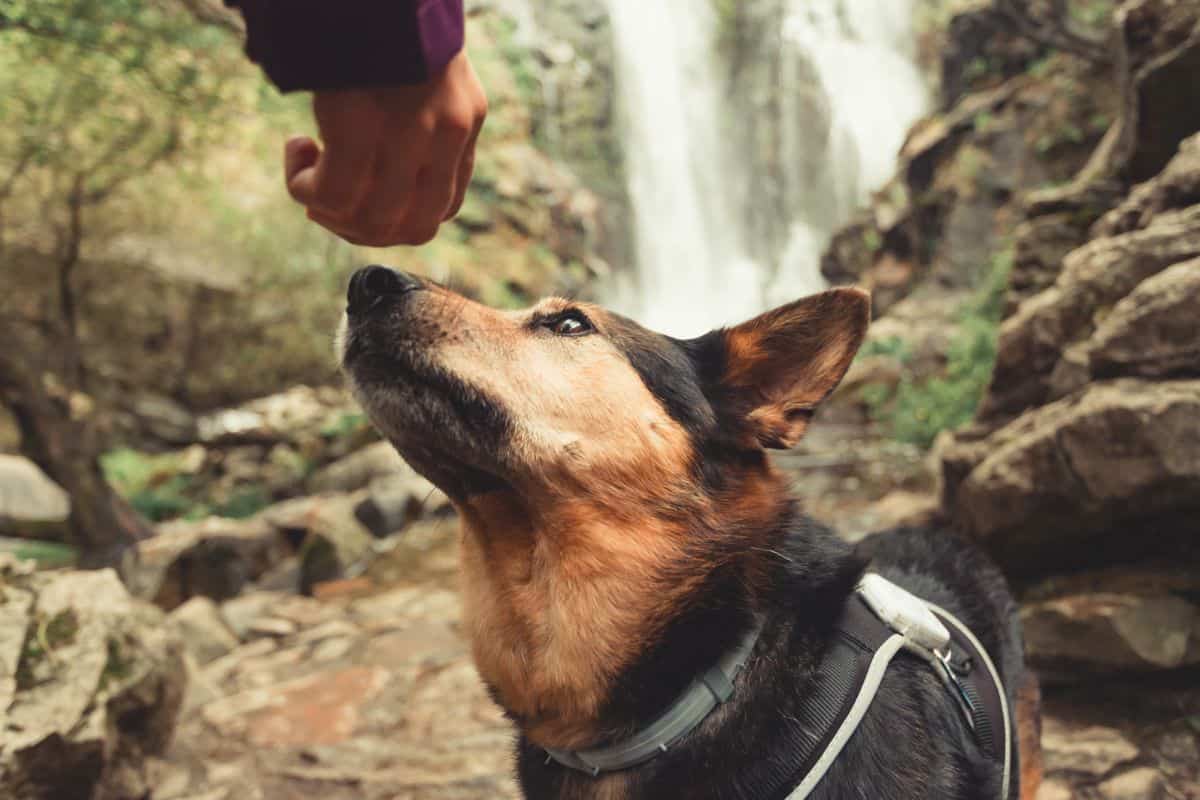
Through their noses, dogs learn an incredible amount about the humans around them. Scents reveal hormonal fluctuations, traces of past meals, even subtle shifts in emotional states. As a result, what might seem like a spontaneous display of distrust can spring from these invisible chemical messages.
Learning, and Remembering, Through Smell
Dogs do more than just react to what’s in front of them; they build complex associations over time. In one case cited by animal behavior specialists, a family was baffled when their dog showed repeated hostility toward a neighbor, despite the person appearing friendly. Weeks later, that same neighbor was arrested for unrelated serious offenses. While startling, cases like this hint that dogs may pick up warning signals that slip by their human companions entirely.
Similarly, experiences from the past can leave lasting imprints. Behavioral experts describe situations where a dog consistently targeted visitors who’d recently eaten pizza. The dog’s owner learned that their pet had once suffered mistreatment at the hands of a pizza delivery person. Thereafter, the specific aroma of pizza became linked with stress and threat in the dog’s mind, making every pizza-scented guest an object of suspicion.
This type of associative memory helps explain why some dogs react in ways their owners find unfathomable. Certain smells, paired with turbulent past events, leave behind memories that shape future interactions, even if the original incident happened long ago.
Emotional States and Chemical Signals
Physiological changes in people also tell stories that a dog can read. When someone feels fear or anxiety, their body chemistry responds. Subtle signals, like extra adrenaline, sweat triggered by stress, or particular odor molecules linked with nervousness, become evident to sensitive canine noses.
Research has observed this dynamic in detail. In a 2018 study involving Labrador and Golden retrievers, dogs exposed to human scents associated with fear reacted with higher levels of stress themselves. This suggests their ability to detect and respond to unseen emotional cues goes far deeper than human intuition would suggest.
Some of today’s most effective therapy dogs rely on these abilities. Assistance dogs for individuals with post-traumatic stress, for example, are often trained to notice even slight shifts in behavior or scent that precede an anxiety episode, sometimes before their human is fully aware.
Finding the Balance in Human-Dog Relationships
It might be tempting to assume any sign of canine mistrust marks a genuinely dangerous person. However, experts caution that a dog’s reaction can spring from many causes, past trauma, odd odors, or simply a new emotional tone, rather than real threat.
Owners hoping to help their pets accept new acquaintances often turn to gentle reconditioning. Gradual, positive exposure to new people and places can help form reassuring associations that overwrite earlier fears. But when a dog’s reaction is extreme or persists despite these efforts, seeking support from a veterinarian or animal behaviorist is recommended.
Paying attention to a dog’s feelings remains important, but so does understanding the limits and origins of their instincts. Not every bark or growl spells danger; often, it’s just a reflection of a history and a world of scents that humans can never fully share.
The research into canine perception has opened an unexpected window into a world where sensory input rules. Dogs live in landscapes painted not just by sight and sound, but by an ocean of smells and signals, many of them forever invisible to their human friends.