
Quick Take
- Evolution is supposed to favor survival, so it raises a question: why did natural selection reward ants that destroy themselves? Explore group-level selection →
- Exploding is just one way ant workers sacrifice themselves for the colony, and the others are equally unsettling. See all sacrifice behaviors →
- The biological equipment that makes self-detonation possible is stranger than anything you'd expect from an insect body. Discover the biology behind it →
- Not every ant in the colony is allowed to explode, and which ones get the job reveals a lot about how the colony actually works. See which ants can explode →
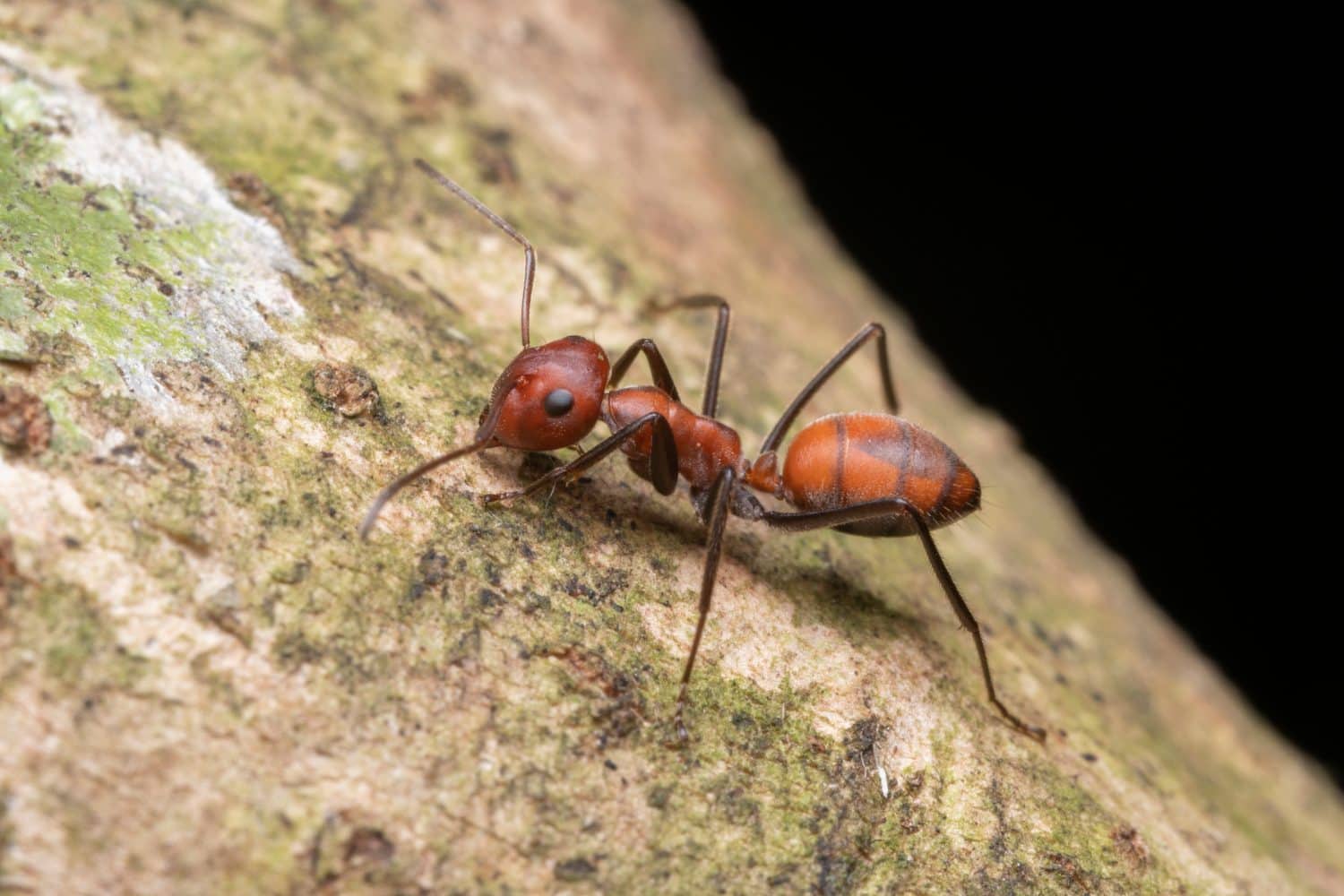
Ants are supremely social animals. They have an extraordinary ability to organize themselves and an inherent drive to prioritize the needs of their colony over their own. Some ants have taken this to the ultimate level by sacrificing themselves—literally exploding their own bodies—to protect their nest. In this article, we will introduce you to these incredible ‘exploding ants.’
Ant Social Behavior
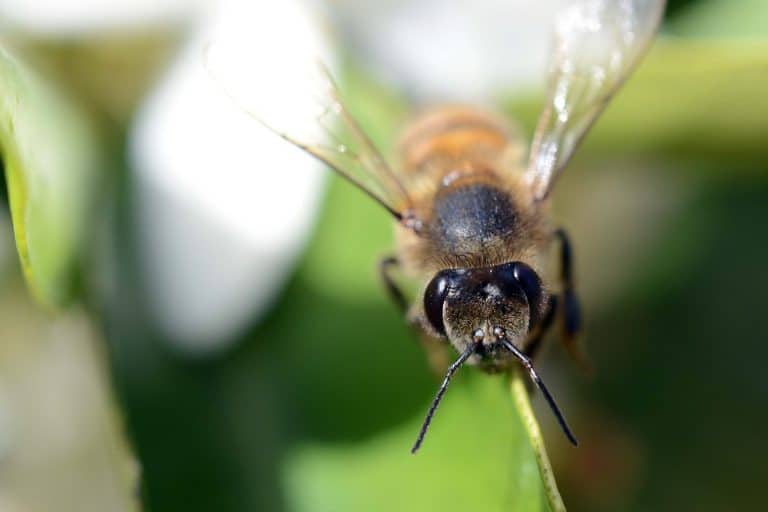
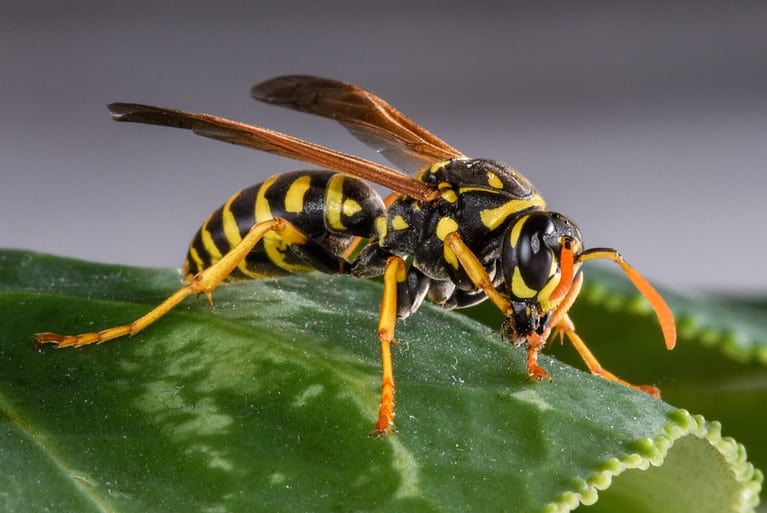
Ants are insects in the Formicidae family, which is part of the order Hymenoptera, the same order that includes wasps and bees. In fact, they evolved from a type of vespoid wasp in the Cretaceous period. Evolution, however, has acted a little differently in ants. Rather than optimizing direct individual fitness, it is the performance and fitness of the colony that matters. This is natural selection at a group level.
The result is one of the most spectacular and robust social behaviors among invertebrates. Ants communicate mainly through pheromones and have a hierarchy of nest members. To understand why exploding ants behave as they do, you need to understand the role of each ant caste.
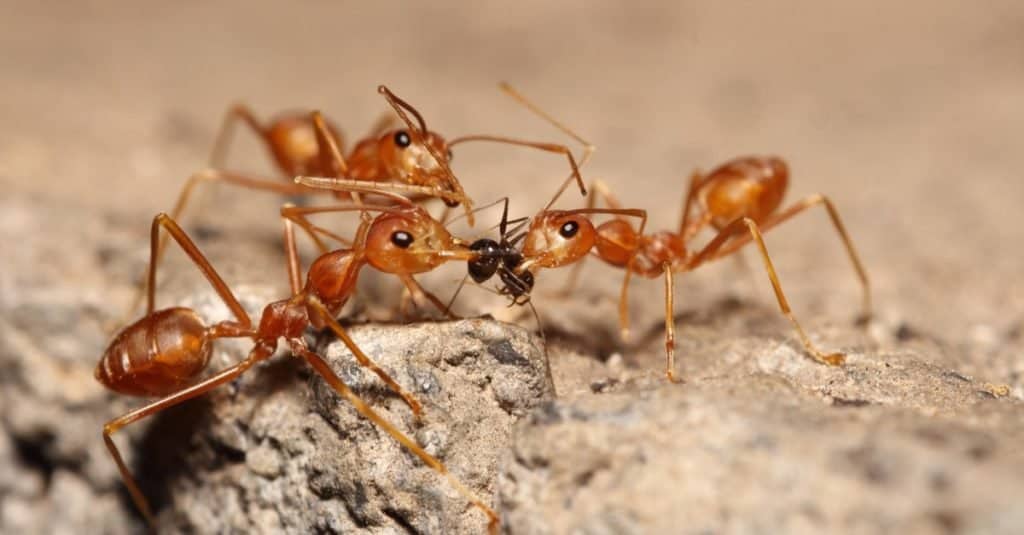
Ants have strict job descriptions.
©sarawuth wannasathit/Shutterstock.com
The queens are the reproductive females; there can be one or several in a colony, and in some species, they live for over 25 years, although this is rare. The males are generally present in the colony for only a short time. Their only purpose is to mate with the queen, after which they die. Neither the queen nor the males explode. That is the job of the workers.
Why Worker Ants Need to Explode
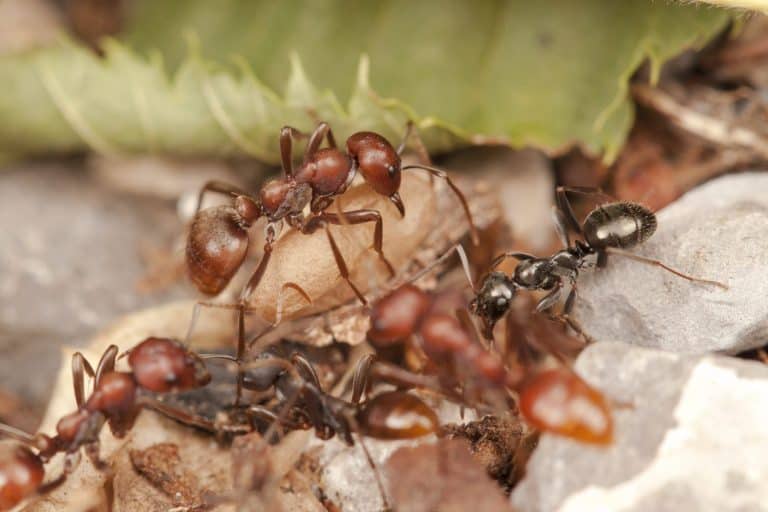
Worker ants are female, non-reproductive, wingless, and make up most of the colony. They typically live from several months up to a year, depending on the species. Depending on the species, worker ants can also be subdivided into groups based on the task they are expected to perform. The major workers, or soldier ants, are the largest infertile females. They often have larger heads and mandibles and are often involved in defense. The minor workers are smaller but do most of the work. Some look after the queen, some forage for food, and some even explode to save the colony from intruders!
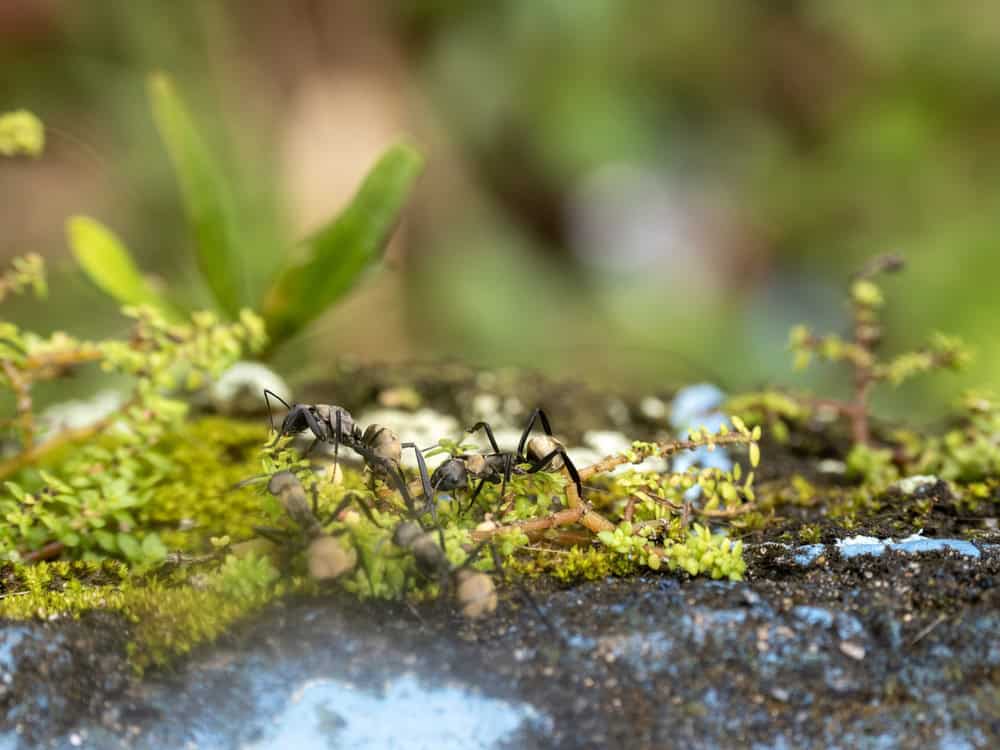
Brazilian ants also self-sacrifice.
©Vladislav T. Jirousek/Shutterstock.com
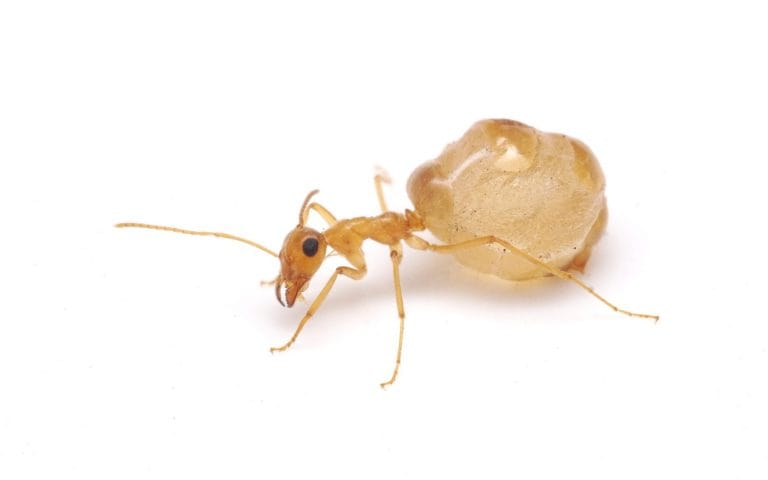
Self-sacrifice is not unique to exploding worker ants. In colonies of Brazilian ants (Forelius pusillus), a small group of workers sacrifices themselves every night. As the sun sets, they seal the entrance to the nest from the outside, effectively trapping themselves outside in a hazardous environment and sacrificing their lives for the colony’s safety. In other species, some workers become distended and immobilized within the nest, serving as living food stores for their nestmates.
Instead of hiding signs of illness, ant pupae actively emit an alarm signal to alert the colony when they are infected, warning others of the risk they pose. They are promptly ‘treated’ by a worker ant applying formic acid, which eliminates the infection but also kills the pupa.
Exploding Ant Colony Organization
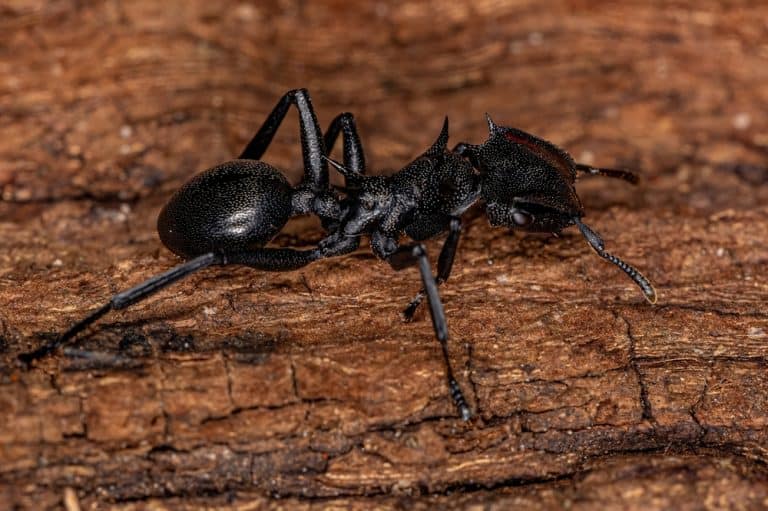
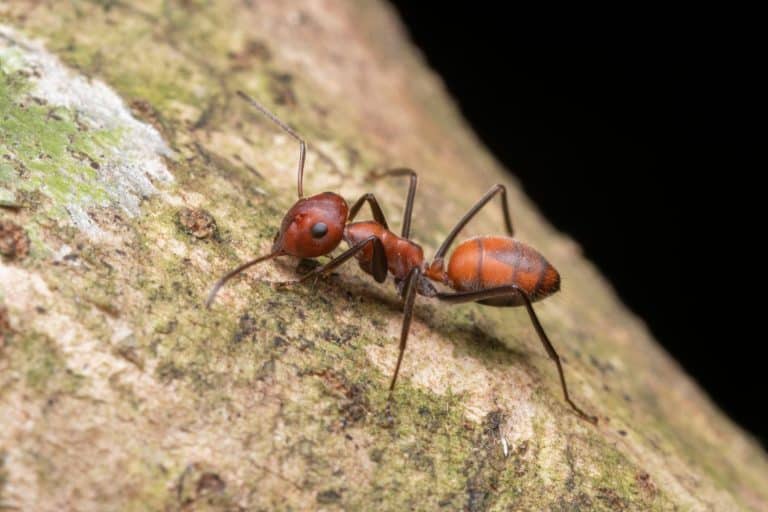
The aptly named Colobopsis explodens is found in Borneo, Thailand, and Malaysia. They are a member of a distinctive group of Southeast Asian ant species. They frequently nest in trees, specifically in dead branches, and colonies can contain thousands of ants. They leave the nest to forage for food in the surrounding area, primarily during daylight hours. Their diet includes vegetation, fruit, and possibly insects.
When scientists closely observed this ant’s behavior, as reported in a paper published in Zookeys in 2018, they found that between one and six workers were stationed at the nest entrance, ‘touching’ all ants entering and exiting. These ‘door supervisors’ were apparently monitoring the activity of foragers. A forager might mistakenly bring a potential enemy into the colony, thinking it is prey. Therefore, all returning ants must be checked before entering.
The major workers (soldiers) were rarely seen outside the nest, suggesting they primarily remain inside. In contrast, the minor workers were frequently observed outside. When threatened, they adopted a defensive pose by raising their gaster (the bulbous posterior part of their body). These were also the ants that were most likely to self-sacrifice.
How Can Ants Self-Explode?
These ants possess distinctive, enlarged mandibular gland reservoirs, which are essential for their explosive defense. But what exactly are these structures?
Ants have an elaborate array of exocrine glands. These are glands with ducts that open outside the body. The secretions produced by these glands can fulfill several functions, such as alarming nestmates, nestmate recognition, and antimicrobial defense. In some ants, they are excessively enlarged (hypertrophied) and are used as a weapon.
When a minor worker feels threatened, it repels or even kills the intruder using the sticky and irritating contents of its glands. Exploding ants have taken this adaptation to an extreme level in a behavior called autothysis, which means self-destruction by rupturing an organ. They release the contents of their mandibular glands by pressing their gaster, causing the glands to rupture. The mandibular excretion is bright yellow in color and has a distinctive spice-like odor. What is so startling is that the contraction is so violent that their exoskeleton (integument) ruptures, releasing the contents and resulting in the ant’s death!