
Quick Take
- A strict bear hierarchy controls who catches the most salmon at Brooks Falls, and the difference between a top-ranked bear and a newcomer is dramatic. See the bear gathering →
- Grizzly bears' fishing accuracy at Brooks Falls is not purely raw instinct. A learned factor separates the best fishers from the rest. Explore the learned skills →
- The number of salmon one bear could theoretically eat in a single day sounds absurd. That impression changes once you learn what actually stops them. See the daily catch numbers →
- You don't have to book a flight to Alaska to watch dozens of grizzlies fishing in real time, and the alternative turns out to be more immersive than most people expect. Watch via live cam →
Summer is now in full swing in Alaska. This makes July the prime time for Alaska’s salmon-fishing bears. While there are several good fishing locations in Alaska, some of the most successful coastal brown bears are found in Katmai National Park because they take advantage of Brooks Falls, where salmon swim upstream and are easy prey.
Alaska’s Fishing Bears Return in July
Coast brown bears are always present in Katmai National Park. However, they are on full display beginning mid-July, as they show off their fishing skills at Brooks Falls.
From mid-July to late October, these brown bears gather above Brooks Falls. Early in the season, only a few bears may be seen as salmon begin their journey to spawn. However, at the peak in mid-July, up to 40 coastal brown bears can be seen at once.
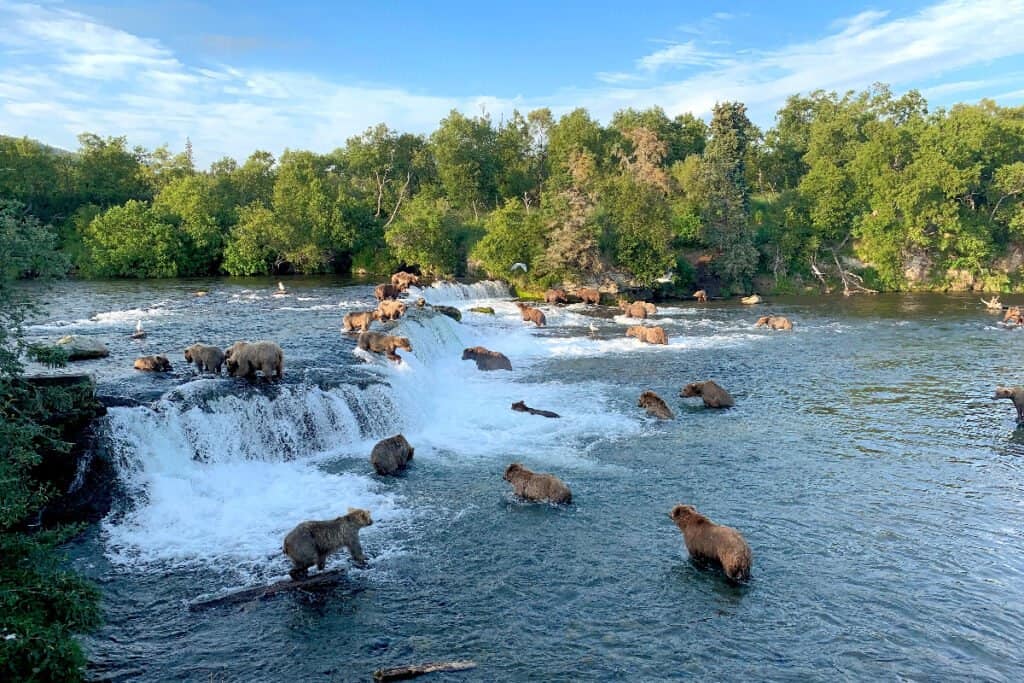
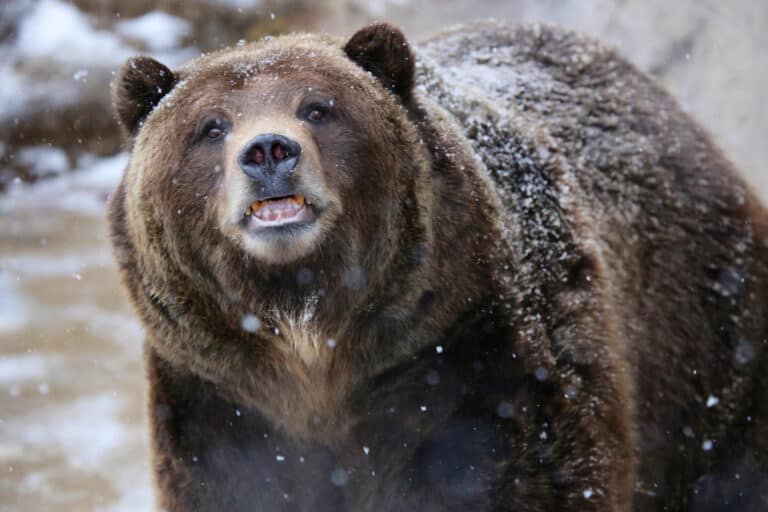
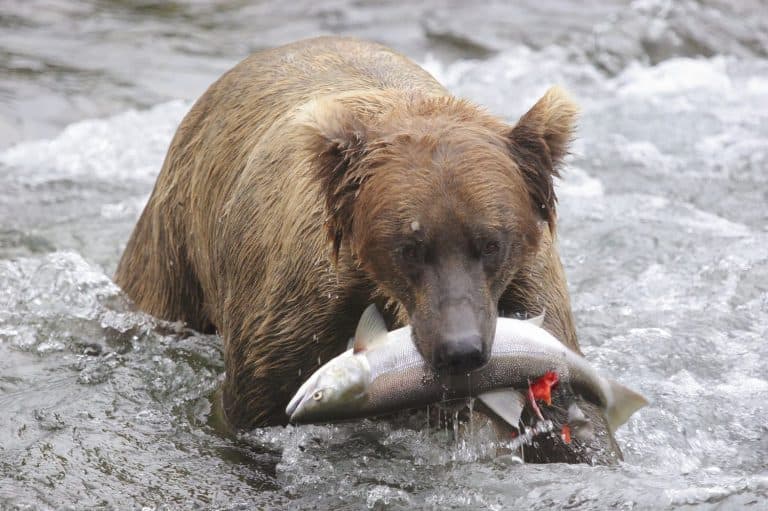
Coastal brown bears come out en masse to consume salmon at Brooks Falls.
©iStock.com/Mark Kostich
The number of fish each coastal brown bear catches depends on their position at the falls. Bears with the most seniority claim the best fishing spots.
Watching the bears has become a popular activity at Katmai National Park, with observation platforms filling quickly. For those who want the experience of watching bears but do not want to travel to Alaska, another popular option is to watch them via a live cam. Not only can viewers watch the bears, but they can also see the salmon, making it a remarkable viewing experience.
Why Do Coastal Brown Bears Return to Brooks River Annually?
Coastal brown bears return to Brooks River in Katmai National Park each year for one simple reason: They can always rely on an abundance of salmon.
Brooks River consistently has thousands of salmon at the beginning of each July because it is a major spawning location for the fish. The coastal brown bears know this and stand at the falls waiting for the salmon to jump.
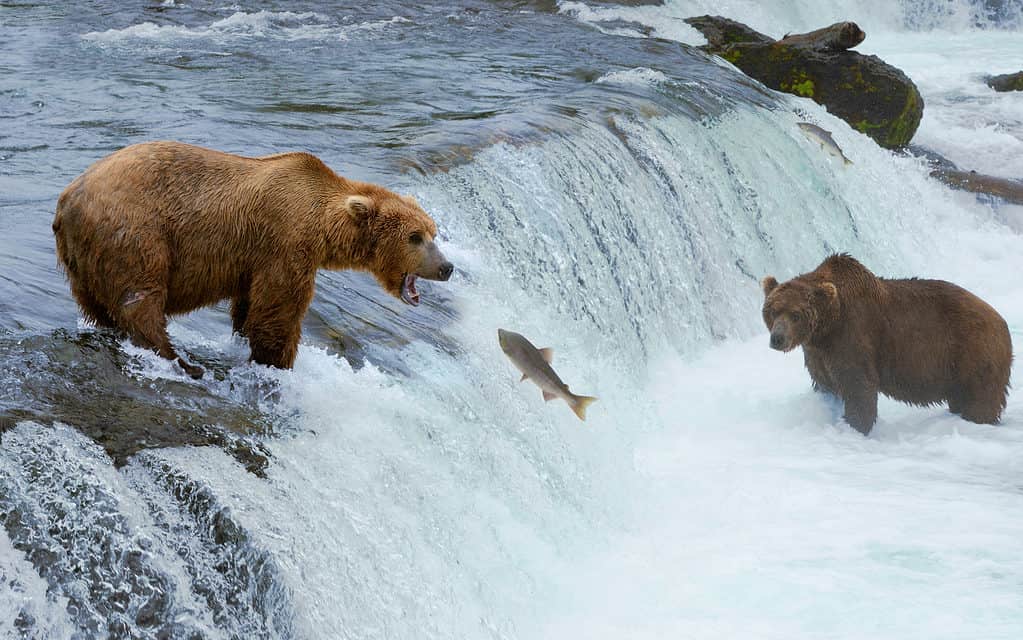
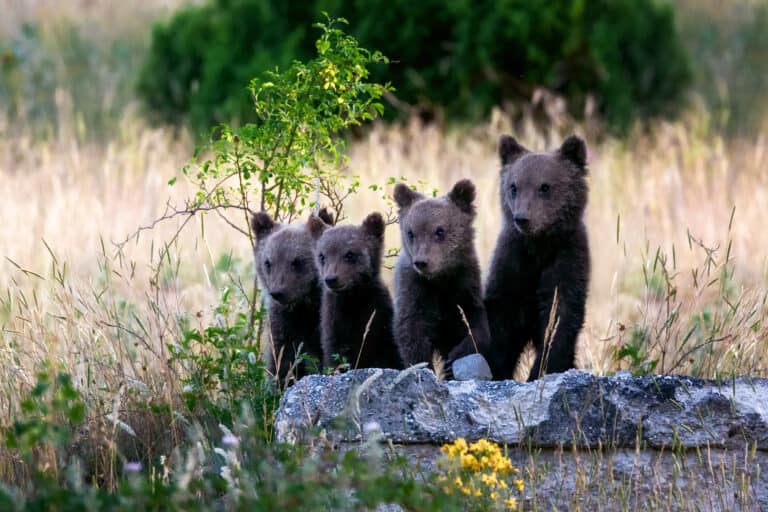
Coastal brown bears fish in Brooks River because salmon migrate there annually.
©Michal_K/Shutterstock.com
The salmon rest beneath the falls for a while before they are forced to leap six feet up the falls to continue upstream. This is when the bears strike, grabbing the salmon mid-jump.
Just as salmon continue to migrate upstream in the Brooks River, coastal brown bears continue to fish for them. It is a process that has been repeated for generations of bears and will continue for generations to come.
How Coastal Brown Bears Fish So Accurately
Watching coastal brown bears fish in Katmai National Park showcases their remarkable skills. Although bears are not always successful in catching fish as they swim upstream, those at Katmai National Park have a higher success rate than bears at other locations, thanks to the favorable coastal habitat.
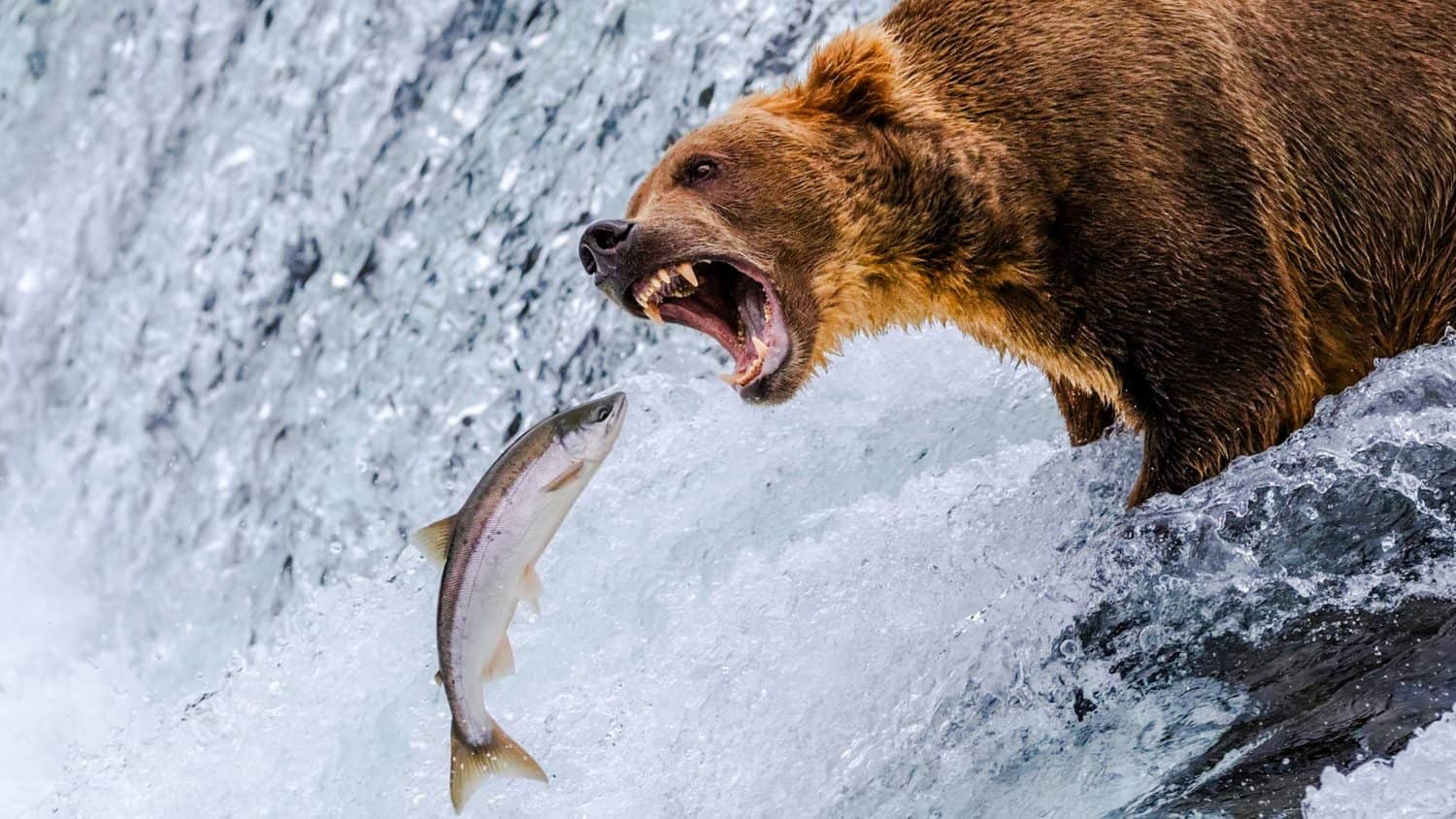
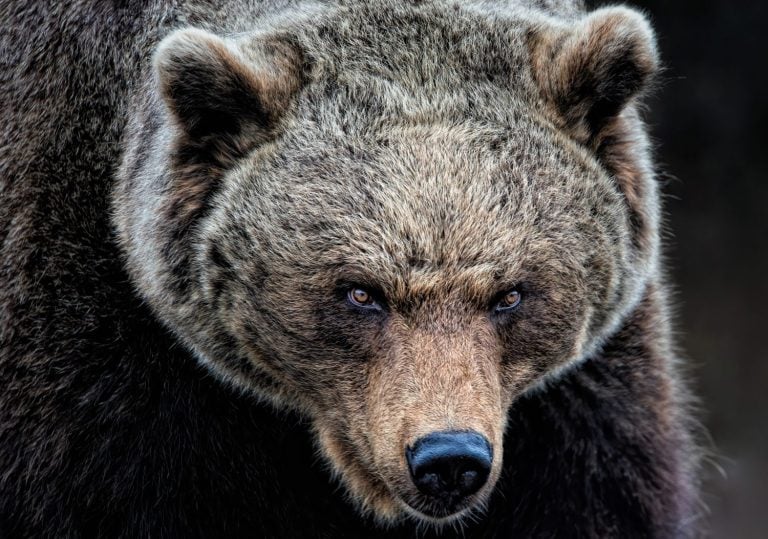
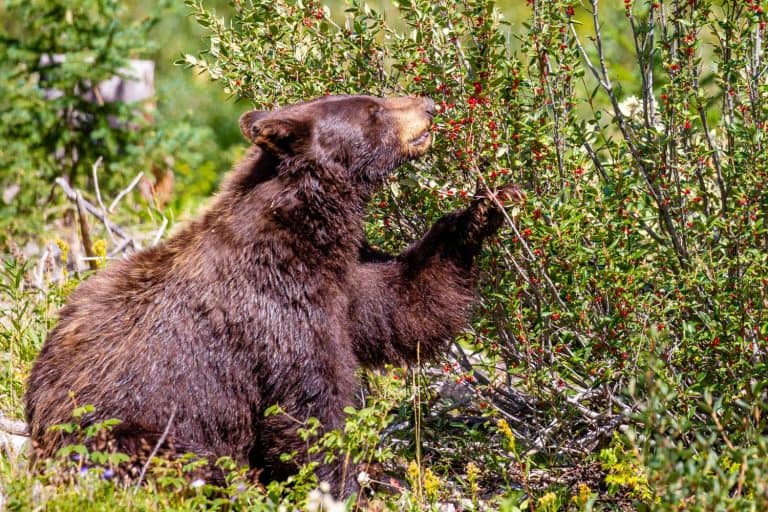
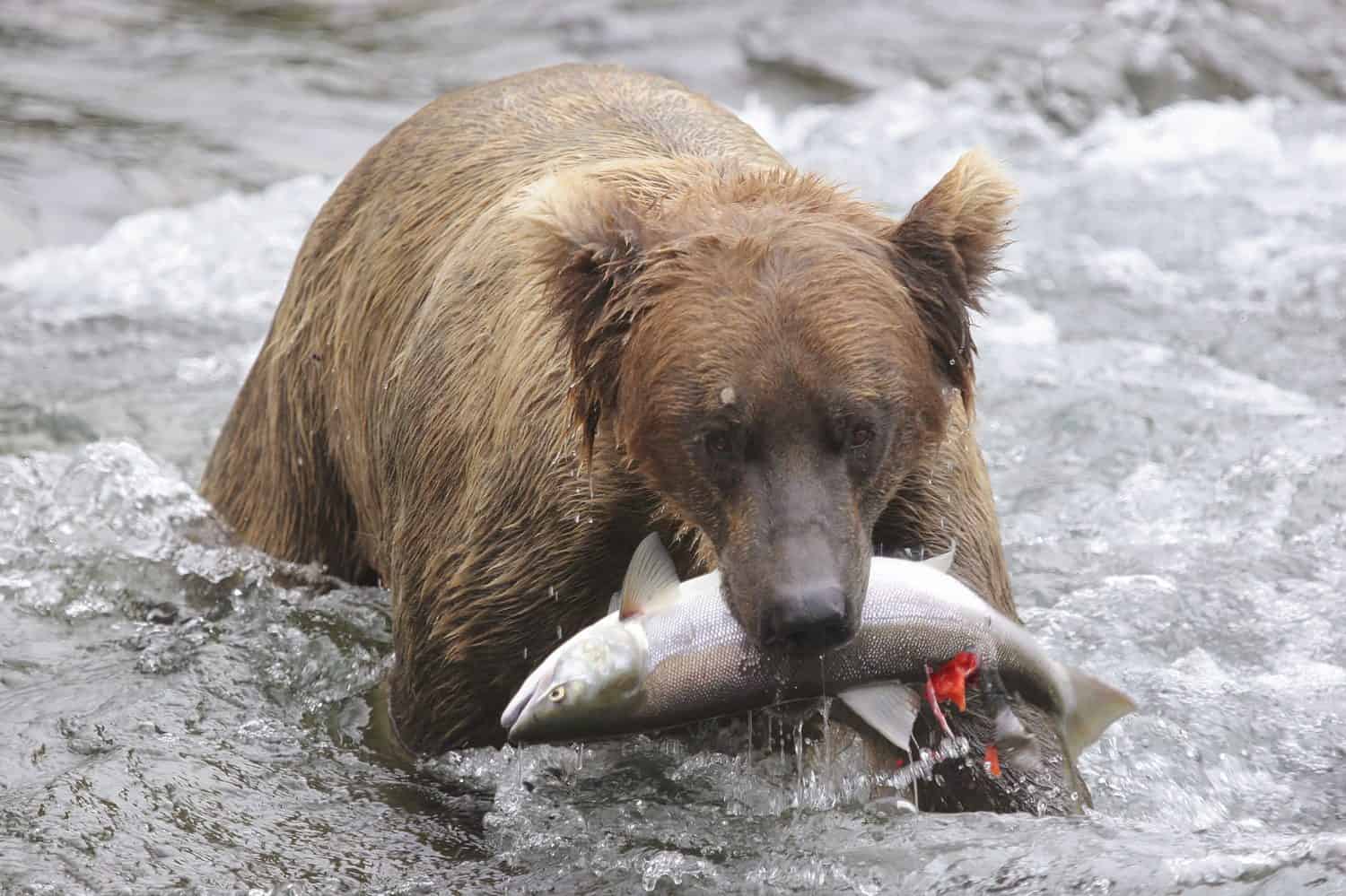
Coastal brown bears are accurate with fishing thanks to good eyesight, strong jaws, reactionary skills, and more.
©Jahid Kiron/Shutterstock.com
The success rate of the coastal brown bears has a lot to do with the abundance of salmon in the Brooks River. With hundreds of thousands of fish swimming upstream during the summer, it can be easy pickings for the bears. However, there are other reasons the coastal brown bears are as successful as they are. These reasons include:
- Good eyesight, strong jaws, and quick reaction skills
- Learned behavior from cubs, both watching their mothers and practicing with them
- If the salmon make it over the falls, the bears can use different fishing techniques, such as diving into the water to catch them, rather than relying solely on grabbing them in mid-air.
Thanks to their skills and the large number of salmon that migrate annually, coastal brown bears in Katmai National Park have become some of the best fishers in the world.
How Many Salmon Can Coastal Brown Bears Catch Daily?
If there were no competition for salmon, the bears fishing along Brooks River could potentially catch up to 1,500 pounds of salmon daily. This would be the equivalent of 190 fish per day. However, there is not only competition but also a hierarchy, so far fewer salmon are consumed per bear each day.
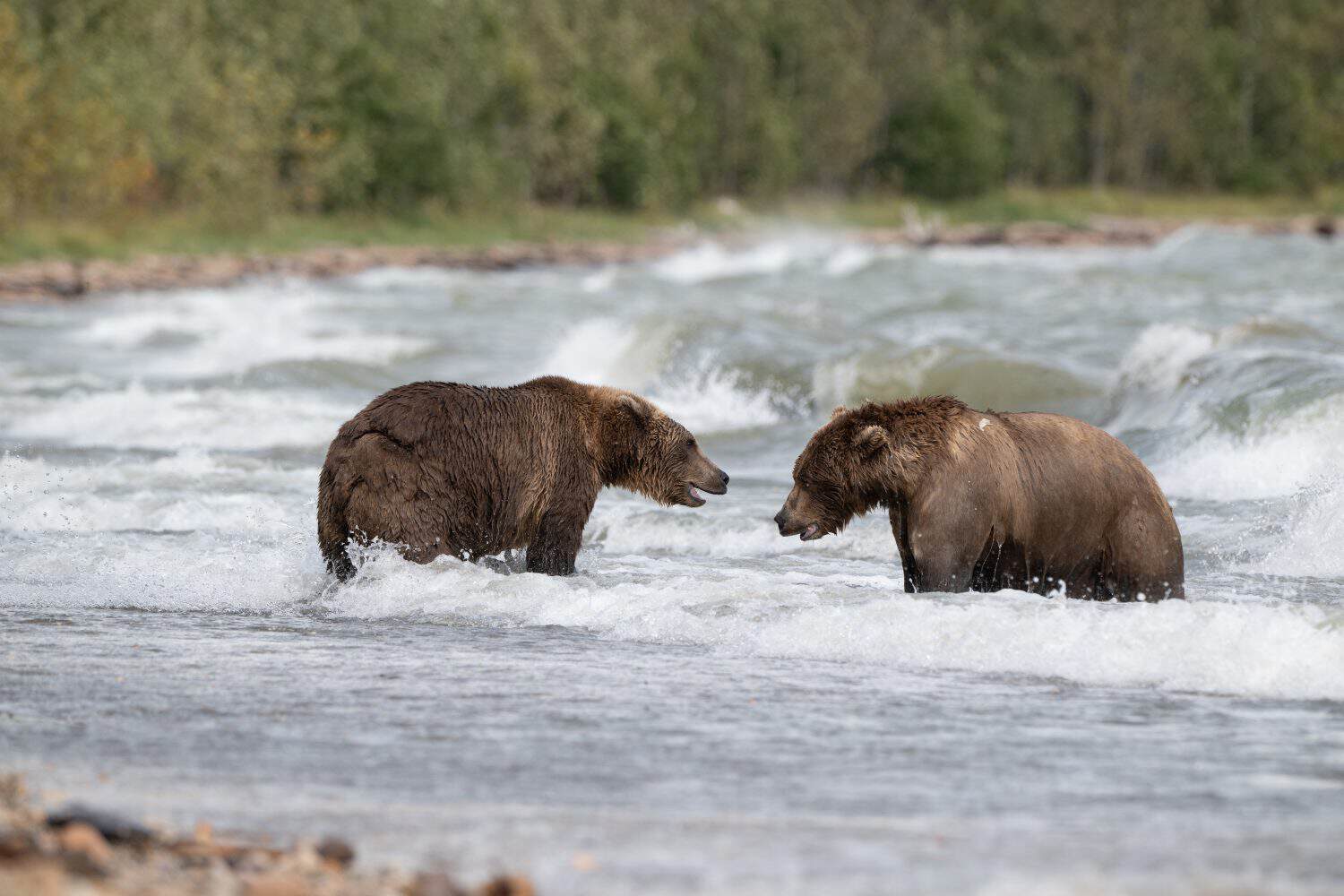
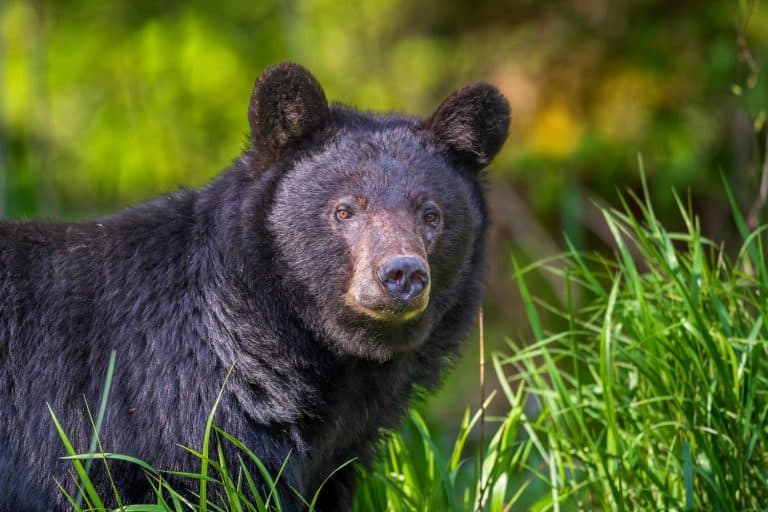
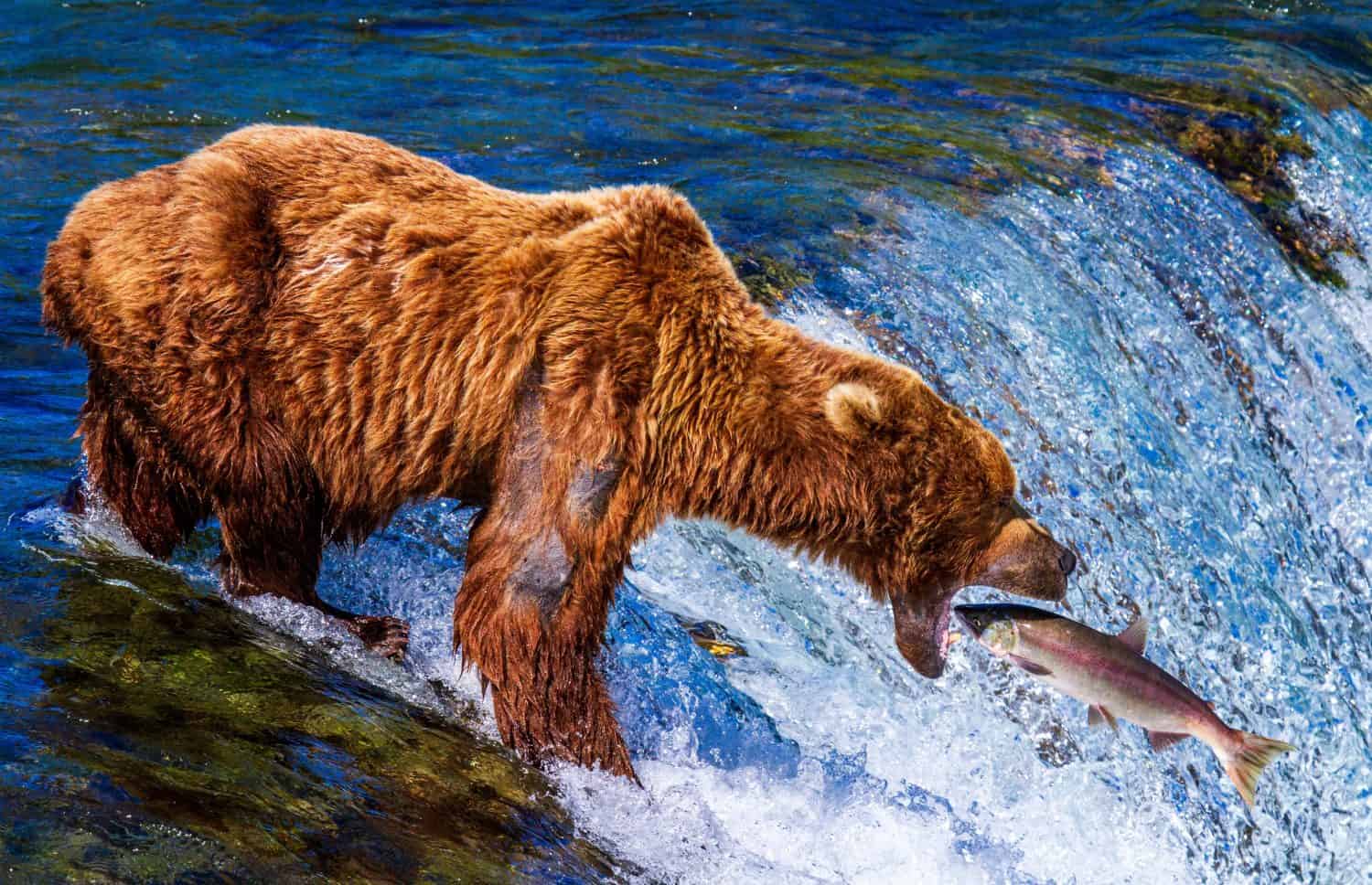
Coastal brown bears can catch up to 30 salmon per day at Brooks River.
©Tony Campbell/Shutterstock.com
The average number of salmon that coastal brown bears catch per day is approximately 30. Some bears are more successful than others. In 2023, a coastal brown bear named Otis fished for seven hours and caught 40 salmon. This is quite a feat and demonstrates just how many salmon are running through Brooks River and up through Brooks Falls, especially considering that up to 50 bears may be fishing at the same time at the peak of summer.
Coastal brown bears are highly successful fishers; in recent years, 280,000 salmon have passed through Brooks Falls. This abundance supports the large coastal brown bear population in Katmai National Park. With over 2,200 bears, Katmai National Park has the largest concentration of brown bears of any United States national park.
How to Safely Watch Coastal Brown Bears at Brooks River
Because Brooks Falls is one of the most popular places to watch bears catch salmon in July, this remote location becomes much busier than usual. While watching the bears is exhilarating, some methods are safer than others.
Watching from designated platforms and maintaining a safe distance are the best ways to observe coastal brown bears fishing in Katmai National Park.
©jcrader/Shutterstock.com
The safest ways to watch the coastal brown bears catch and feast on salmon at Brooks Falls include:
- Only watch from designated viewing platforms
- Remain at a safe distance when viewing, as bears can charge quickly if they feel threatened
- Back away slowly if a bear begins to approach
- Carry bear spray to deter bears from approaching
For those who do not have the opportunity to watch the bears in person, it can be done safely from the comfort of one’s home. One of the most popular live cam sites for this is explore.org. This site offers multiple camera angles along the river, allowing viewers to watch the bears as they catch fish. Be warned: For those who choose this option, it can become addictive very quickly. For those with some time to spare, watching bears in their element is nothing short of pure bliss.
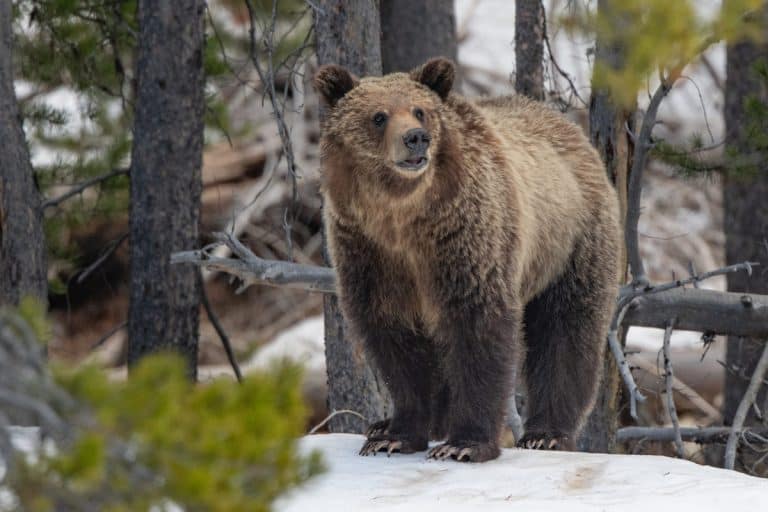
What’s the Difference Between a Coastal Brown Bear and a Grizzly?
Location and diet separate the well-known grizzly from the lesser-known coastal brown bear. They are the same species, Ursus arctos. In other words, they are both brown bears. The bears living in Katmai National Park are coastal brown bears, differentiated from their inland cousins—the grizzlies—by their geographic location and access to a diet rich in marine prey, notably salmon. Grizzly bears’ diet is primarily comprised of interior resources like berries, grasses, caribou, deer, and moose. Coastal brown bears grow much larger than their interior cousins. Much of this is attributed to their rich and plentiful diet.
Additionally, brown bears are notoriously territorial. The range for many interior grizzlies rarely overlaps with another. For the brown bears living in Katmai, they are notably more tolerant of each other as their food source is often concentrated in a single area like Brooks Falls.