
Quick Take
- Brooks Falls sits quiet for most of the year, but a narrow seasonal window transforms it into one of nature's most intense feeding events. Discover the feeding window →
- Grizzlies at Brooks Falls follow a strict social hierarchy to claim fishing spots, and challenging the wrong bear has serious consequences. See the social hierarchy →
- The amount of salmon a grizzly could theoretically devour in a single day sounds impossible, and that's because it actually is.
- Salmon's upstream timing follows a distinct pattern, and it lines up with grizzly hibernation prep in a way that benefits the bears more than you'd expect. Explore the seasonal timing →
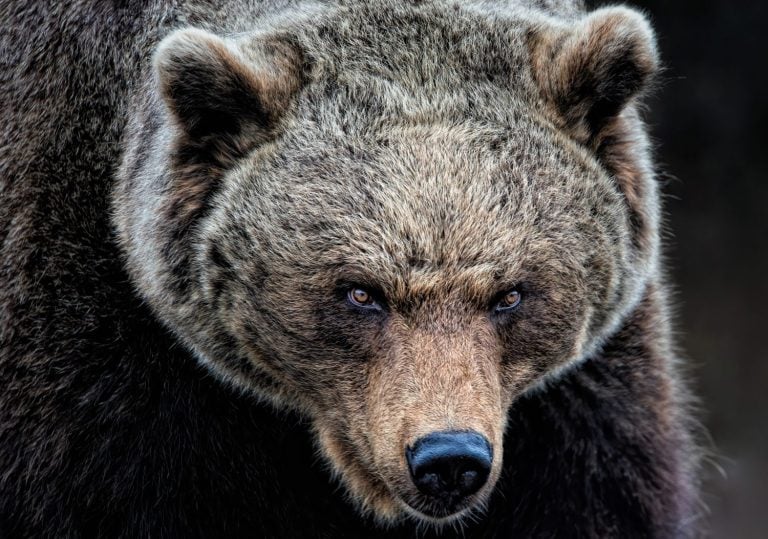
Katmai National Park is home to one of the largest populations of grizzly bears in any United States national park. Each year, these grizzlies put on quite a show as they prepare themselves for hibernation. Beginning in the early summer, a salmon feeding frenzy commences for the hungry bears. This is a tradition that has gone on for thousands of years, and as long as the fish are abundant, it will continue for many more.
Why Grizzly Bears Are Catching Salmon in Alaska
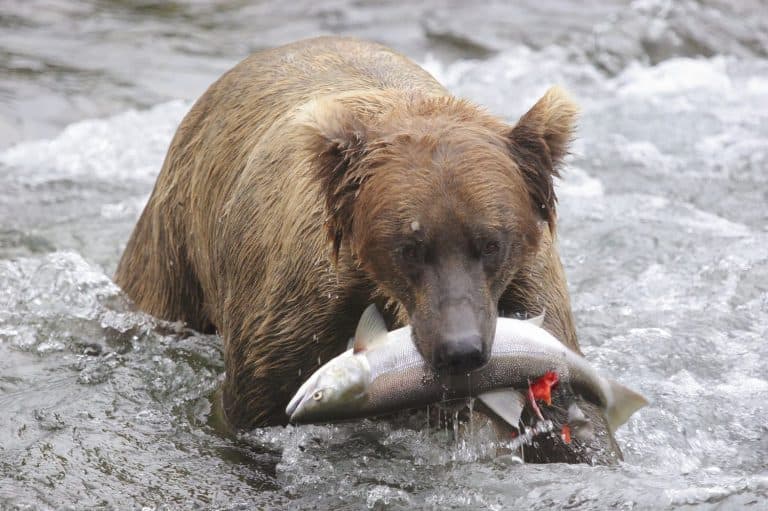
Each year, grizzly bears can be seen waiting patiently at Brooks Falls in Katmai National Park in Alaska. They are not there to enjoy a cool dip in the river. Instead, they are looking for an annual epic meal that happens thanks to the instincts of spawning salmon.
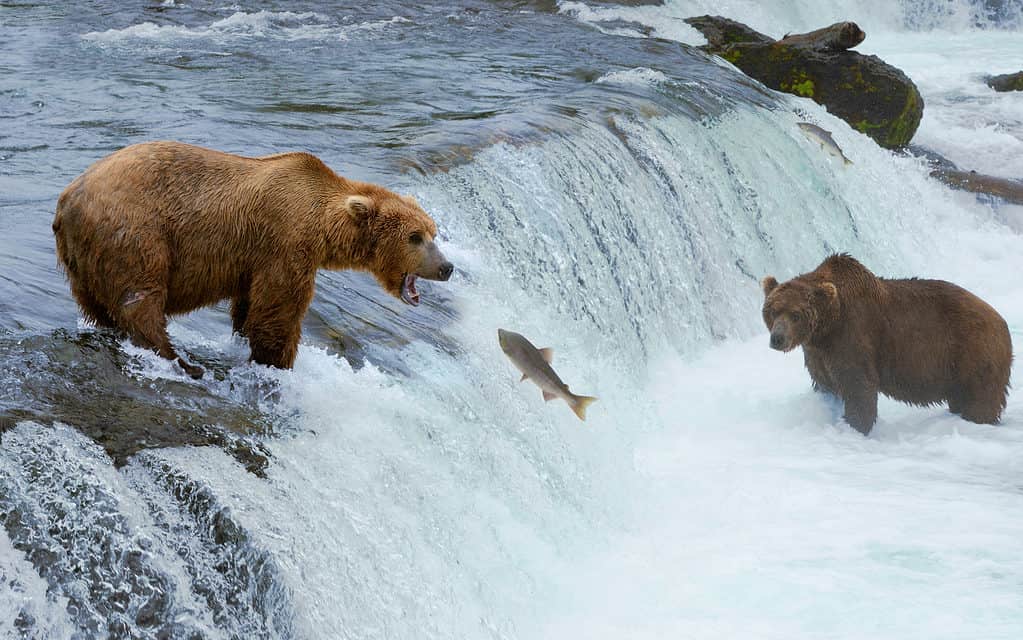
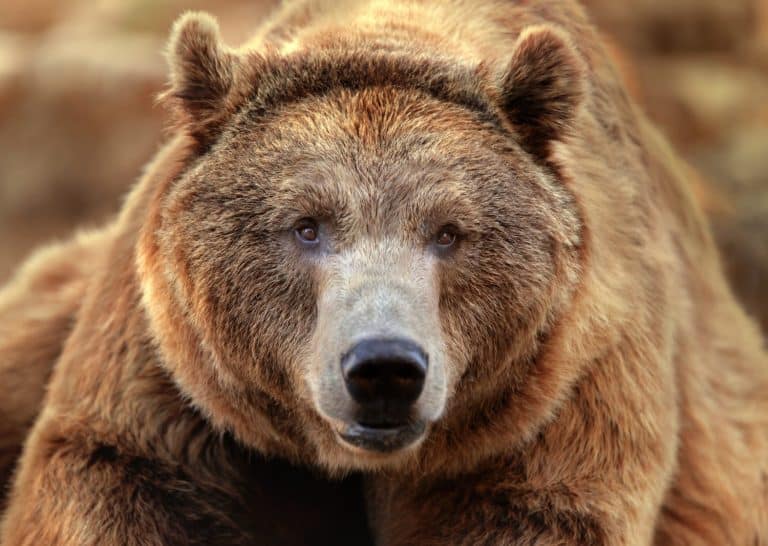
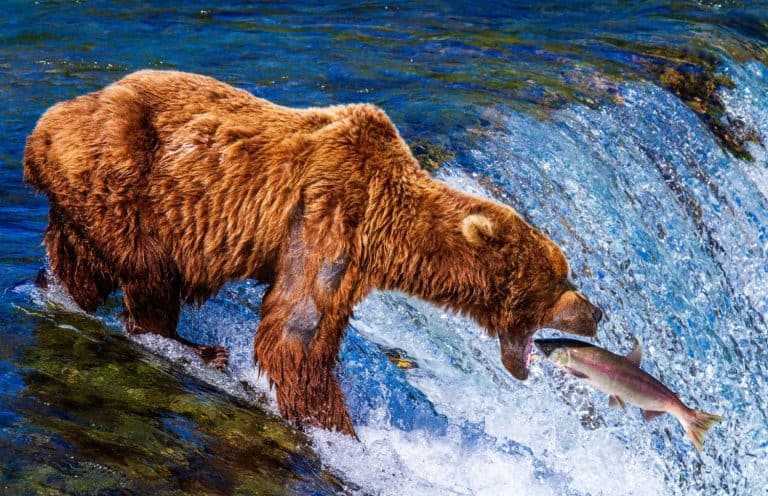
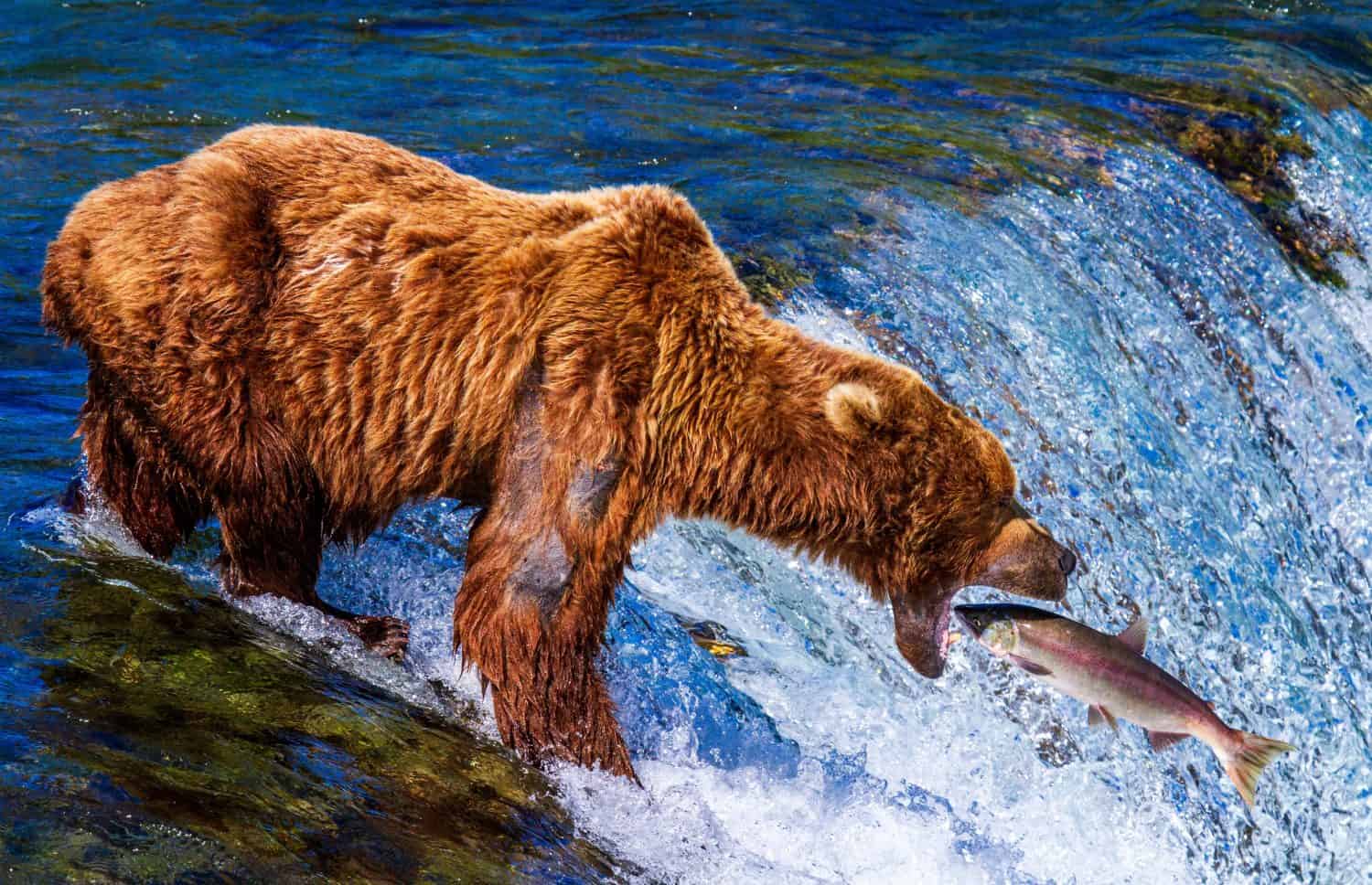
Grizzly bears fish in Brooks River as salmon spawn upstream.
©Michal_K/Shutterstock.com
BBC Earth captured the summer event of grizzly bears fishing for sockeye salmon at Brooks Falls. Hungry grizzlies, who have been feeding on vegetation, berries, invertebrates, and other food sources, eagerly return to the Brooks River, and specifically the falls, each year, to eat their fill of salmon.
Grizzly bears consume large amounts of salmon to build fat reserves for hibernation. With so many salmon swimming upstream to their spawning grounds, it is estimated that grizzlies have the potential to eat up to 1,500 pounds of salmon daily. However, this equates to one million calories every day, which is impossible for the bears to consume. But, as BBC Earth notes, it has been 10 months since the grizzlies have enjoyed a meal of salmon by the time they come back to the falls. Therefore, they will do their best to gobble down as many fish as possible until they feel satiated.
When Do Salmon Make Their Journey Upstream?
The winter and early spring are relatively quiet in Katmai National Park. The tops of the rivers and lakes freeze as temperatures plunge. But within a few short months, sockeye salmon make their way upstream in the Brooks River for their annual run.
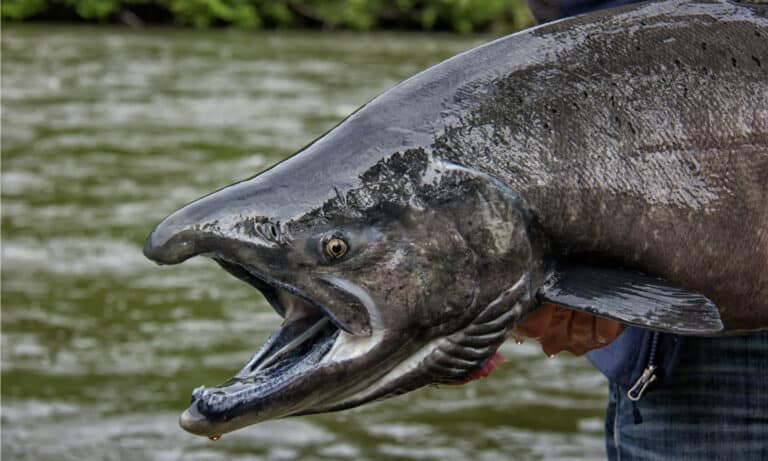
Beginning in early June, salmon enter the Brooks River from the Pacific Ocean. However, it is not until late June that the salmon begin to swim upstream in earnest.
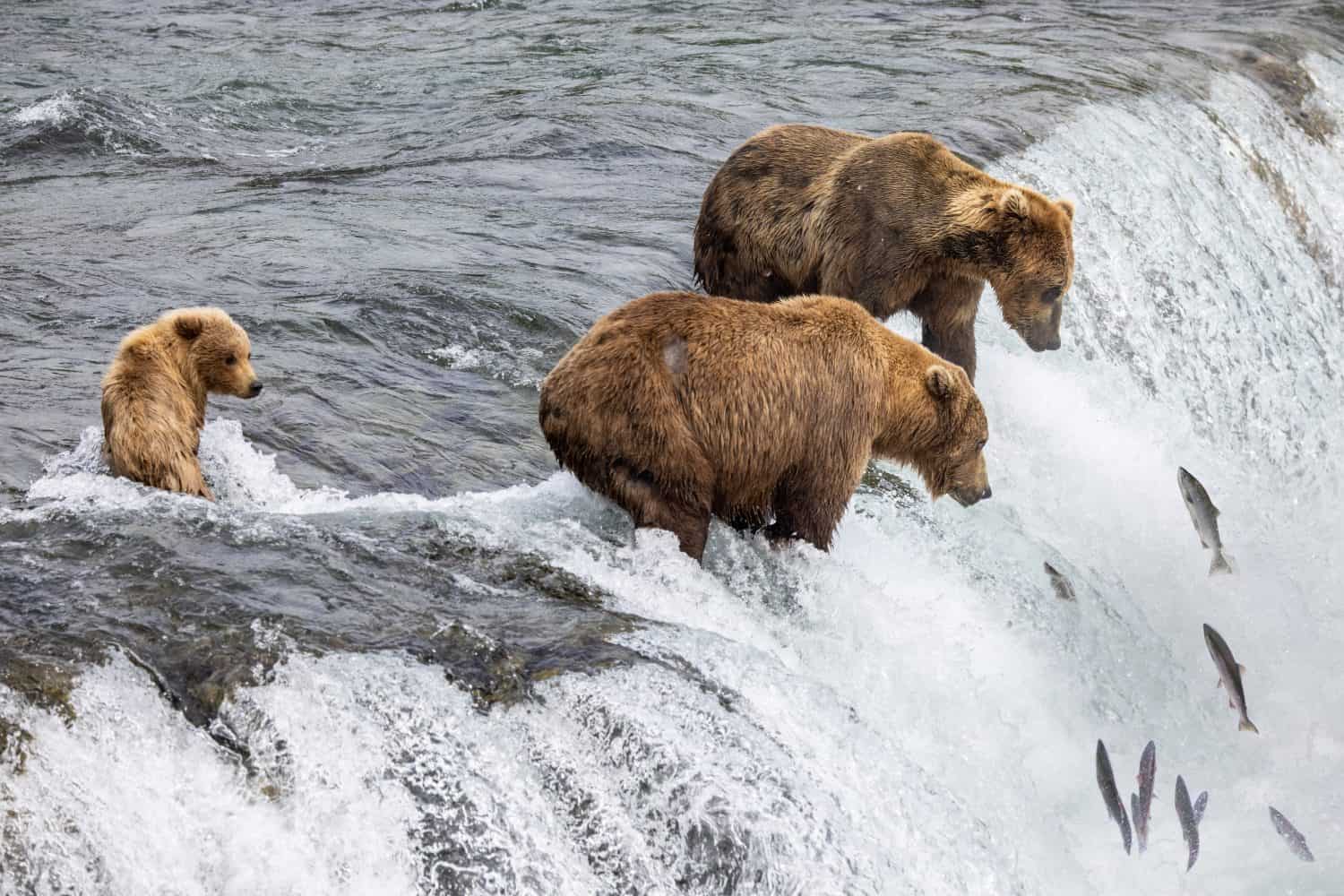
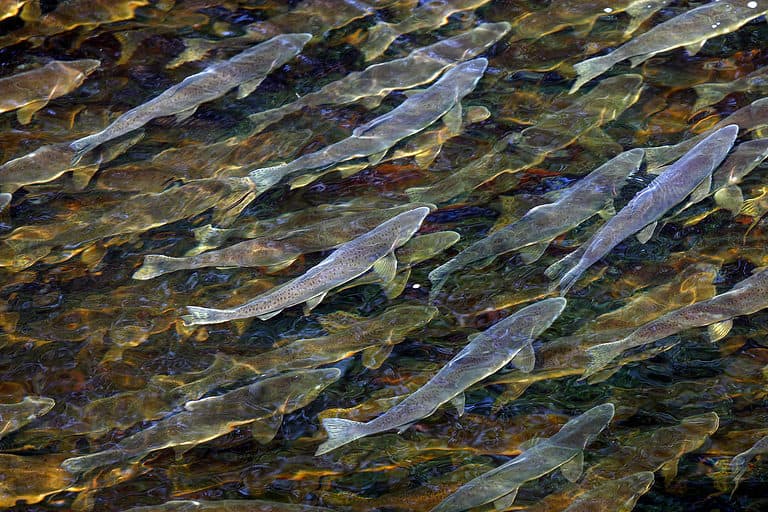
Sockeye salmon swim upstream to spawn.
©INTERTOURIST/Shutterstock.com
By early July, sockeye salmon are abundant in Brooks River. They time their journey upstream with the high tide from Bristol Bay. Between July and August, some 200,000 to 400,000 salmon will attempt to reach their spawning grounds.
After spawning, the salmon will begin to die. The timing coincides with grizzlies looking to fatten up before hibernation. The salmon, who have been starving since entering the freshwater spawning grounds, are unable to put up a fight, making it easy picking for grizzlies in the late fall before winter sets in and the waterways freeze again.
How Grizzly Bears Determine Positioning at the Falls
The positioning of grizzly bears waiting to catch salmon in Brooks Falls is strategic. Each bear knows where he or she is to be positioned. If they are unhappy with that position, they will have to challenge another bear to secure a better fishing spot.
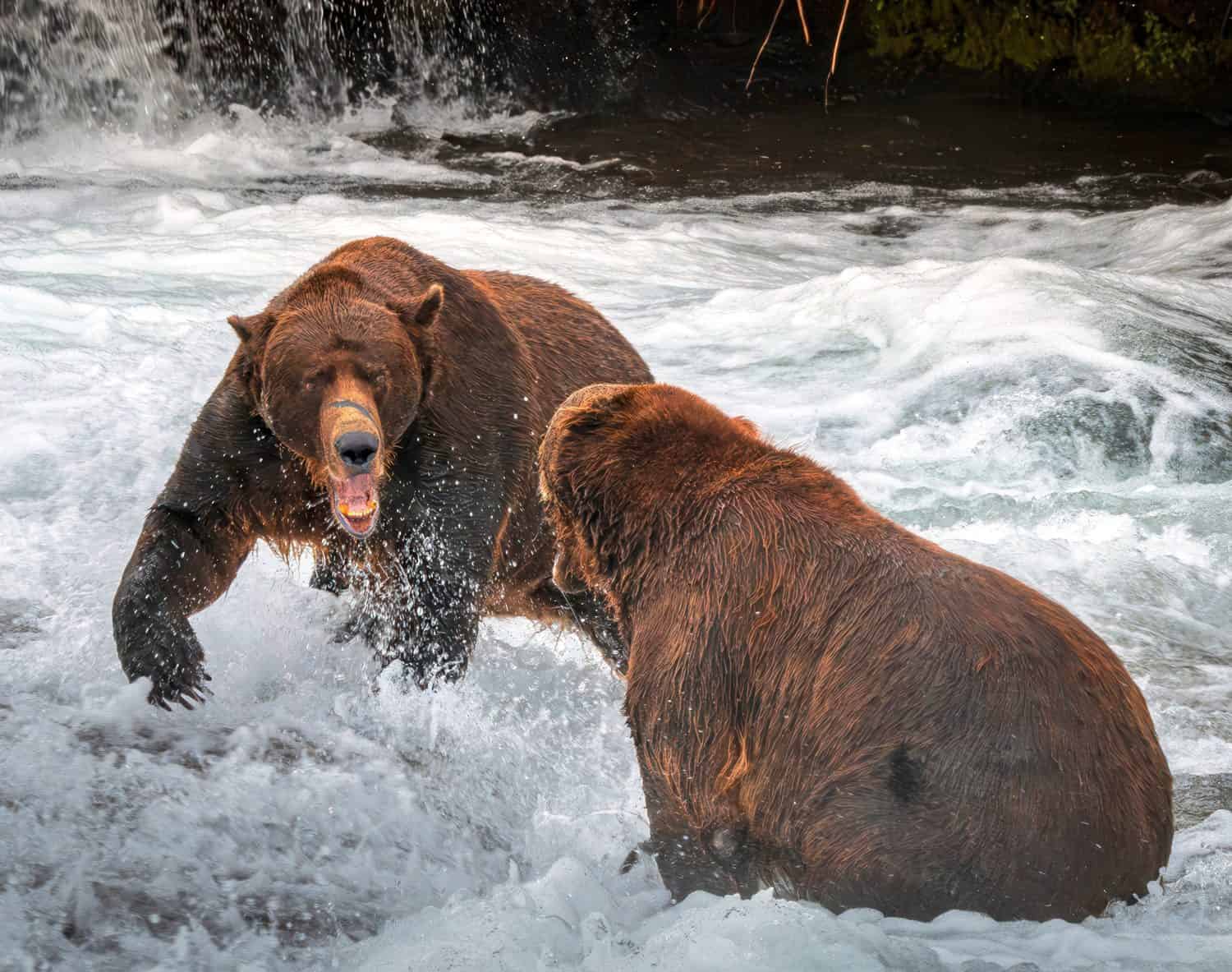
Grizzly bears will battle for the best fishing position at Brooks Falls.
©Cool Snaps AK/Shutterstock.com
Fishing at Brooks Falls, where salmon swim upstream, is all about hierarchy. The bears with the most seniority or perceived dominance are awarded the fishing locations that yield the most abundant fish. Other bears will have to wait in regions of the river with fewer fish, or until the more dominant bears leave their fishing spots, to be afforded an opportunity to catch multiple spawning salmon.
Occasionally, a grizzly may not want to wait for others to leave. They are hungry and want to eat now, leading to a challenge. Only one bear can win. The loser will be forced to retreat to a portion of the river with fewer salmon and wait patiently for more fruitful fishing locations to be abandoned by greater grizzly bears who have gotten their fill.