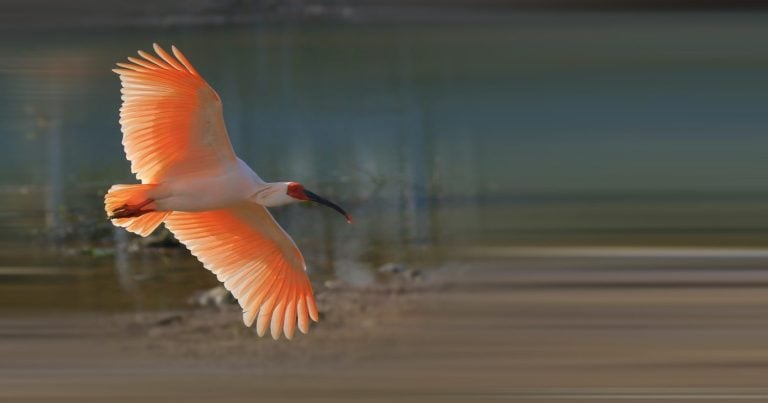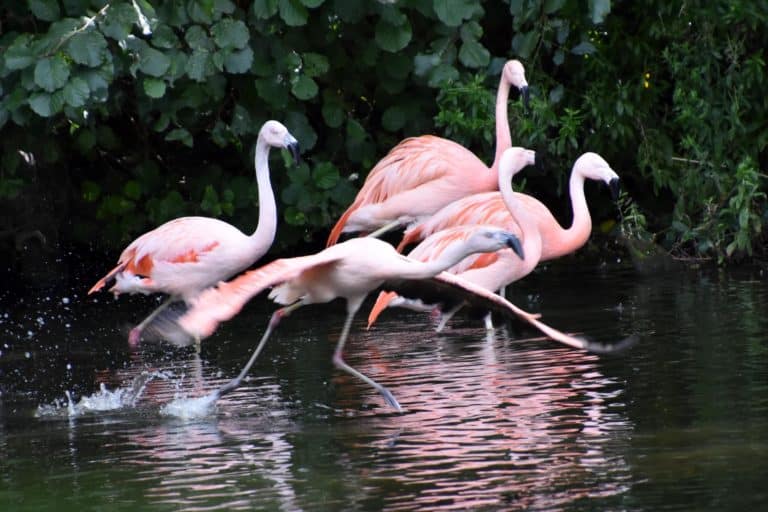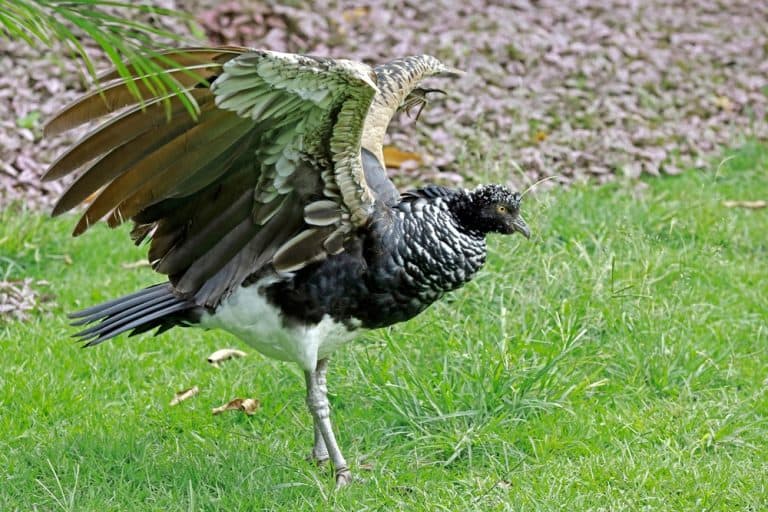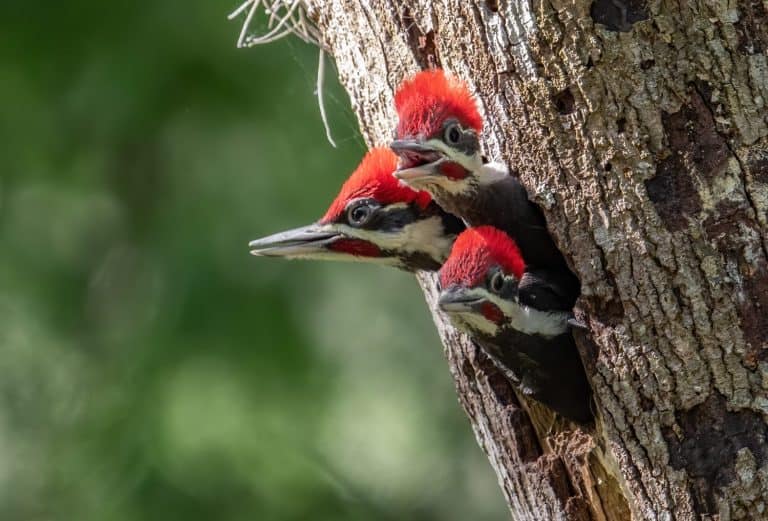

The term Mohawk refers to the Mohawk people, an indigenous tribe who plucked the hair from the sides of their heads, leaving only a small square on their crowns. Ancient Scythian warriors sported Mohawks, as did 16th-century Cossacks in Ukraine. These people may have been inspired by animals they observed in nature, where there are many birds with mohawks that rival the best punk rock hairstyles. Get ready to rock out as we explore 10 birds with mohawks.
10. Philippine Eagle
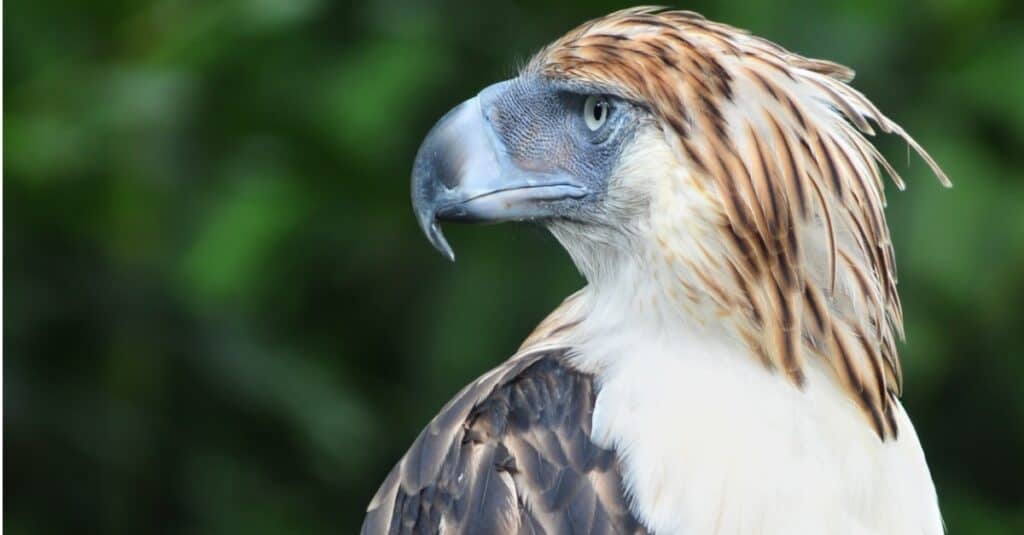
The Philippine Eagle is also known as the monkey-eating eagle because of its dietary preferences.
©iStock.com/LaserLens
Also known as the monkey-eating eagle, the Philippine eagle (Pithecophaga jefferyi) is a member of the eagle family, Accipitridae. It lives only in highland, old-growth forests across several of the larger Philippine islands. As apex predators, they eat a wide variety of prey, including monkeys, small deer, bats, rats, reptiles, and other birds. Considered the world’s longest eagles, they measure from 2.8 to 3.3 feet long and weigh between 8.9 and 17.6 pounds. Despite their size, they are extremely agile and long-lived, capable of living up to 60 years old. Their plumage is dark brown on the face and back, and white on the underparts. These birds with mohawks feature a large, mane-like crest streaked with brown and creamy white feathers. Due to habitat loss and environmental pollution, the IUCN lists the Philippine eagle as a Critically Endangered species.
# 9. Tufted Titmouse
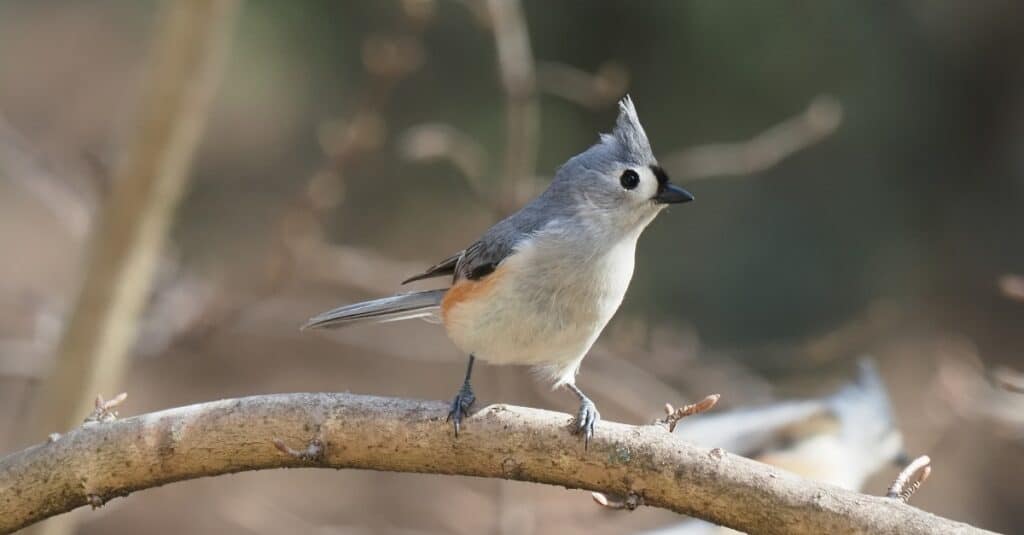
The tufted titmouse will occasionally store extra food in a hiding place and eat it later.
©iStock.com/Tongtong Chen
A member of the chickadee and tit family Paridae, the tufted titmouse is one of the smaller birds with mohawks. It lives year-round throughout the eastern United States and does not migrate. In general, its preferred habitats include mixed woodlands and cultivated spaces like parks and gardens. Tufted titmice eat a variety of nuts, fruits, and seeds, along with wasps, bees, snails, and their favorite prey, caterpillars. In addition, they frequently store excess food in hiding places for the winter. On average, they measure 5.5 to 6.3 inches long with a wingspan of 7.9 to 10.2 inches. They sport whitish feathers on their front, a gray back, and a black forehead. In addition, they feature a small, gray mohawk that looks similar to a cardinal’s. As a matter of fact, the tufted titmouse’s scientific name, Baeolophus bicolor, translates to “two-colored small crest.”
8. Grey Crowned Crane
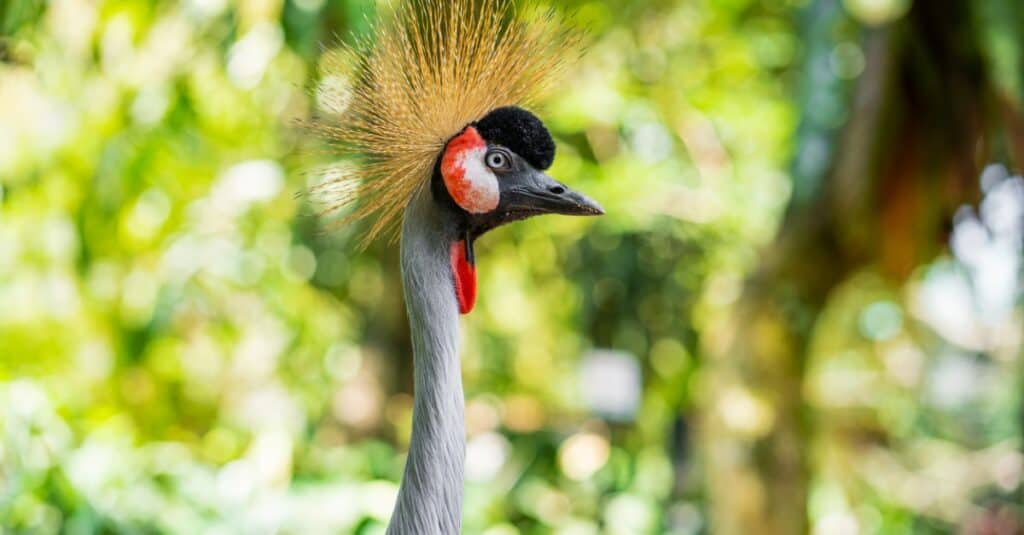
The grey crowned crane will dance, jump, and bow as part of its courtship rituals.
©iStock.com/Kateryna Kukota
Also known as the African crowned crane or golden crested crane, the grey crowned crane (Balearica regulorum) belongs to the crane family Gruidae. Its range includes large swaths of arid savannah throughout both East and South Africa. Grey crowned cranes are omnivores and eat a variety of seeds, grains, frogs, snakes, fish, and insects. They represent one of only two crane species that roost in trees, which they can do because of their large hind toes. During the breeding season, they engage in elaborate courtship displays including dancing, jumping, and bowing. Generally, they measure around 3.3 feet tall and weigh around 7.7 pounds. These birds with mohawks sport large, golden crests, while the rest of their plumage is gray and white, hence their name. The IUCN currently lists the grey crowned crane as Endangered due to habitat loss and threats from pesticides.
7. Sulphur-Crested Cockatoo
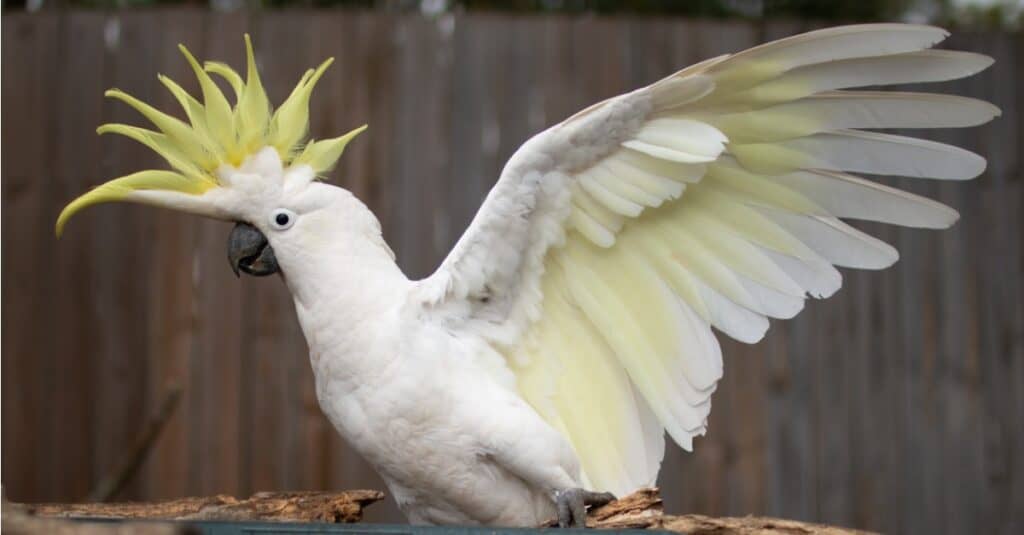
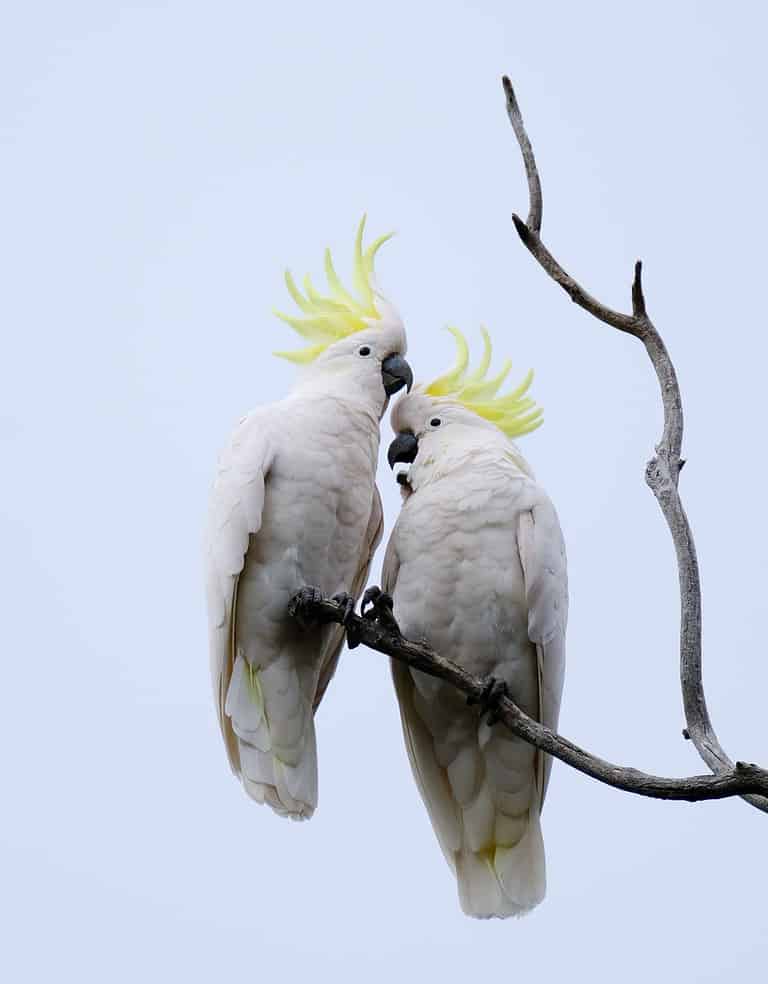
The vocalizations of a cockatoo are considered loud and harsh.
©QuickStartProjects/Shutterstock.com
The sulphur-crested cockatoo (Cacatua galerita) is one of the most recognizable birds with mohawks in the world. These large white birds belong to the cockatoo family Cacatuidae. They range throughout Eastern and Northern Australia, as well as New Guinea and its surrounding islands. Their preferred habitats include moist lowland regions as well as urban areas with plenty of trees. Sulphur-crested cockatoos measure between 17.5 to 21.5 inches long and feature almost completely white plumage. The one exception is their large, yellow mohawk, which they fan out when expressing themselves. These highly intelligent birds can dance to music and solve simple puzzles. Their intelligence and extremely long lives make them popular animals in the pet trade, although they require a lot of work. Due to their abundance, the IUCN lists them as a species of Least Concern, and some people consider them pests.
6. Royal Flycatcher
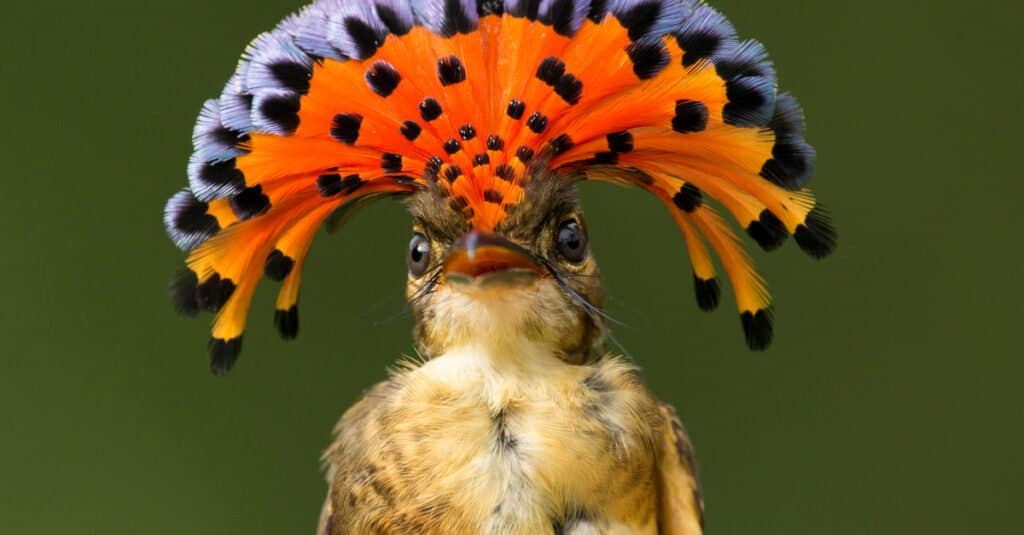
The royal flycatcher only shows off its large crest when mating, during courtship, or being handled.
©Tiny Turkey/Shutterstock.com
The royal flycatcher belongs to the family Tityridae, with debate currently ongoing as to the number of species and subspecies. These tiny birds with mohawks range throughout Central America and South America. In particular, they prefer to live in tropical forests at high and low elevations with easy access to water. Most specimens measure between 5.9 to 7.1 inches long and weigh less than 1 ounce. Primarily insectivorous, royal flycatchers eat a wide variety of insects, including flies, cicadas, grasshoppers, and dragonflies. Their plumage is mostly brown with patches of yellow or red, depending on the subspecies. That said, they possess a large red crest, which only appears when mating, during courtship, or while being handled. Although the IUCN lists some populations as Least Concern, it considers those living in Southeastern Brazil ( Onychorhynchus swainsoni) to be Vulnerable.
5. Dalmatian Pelican
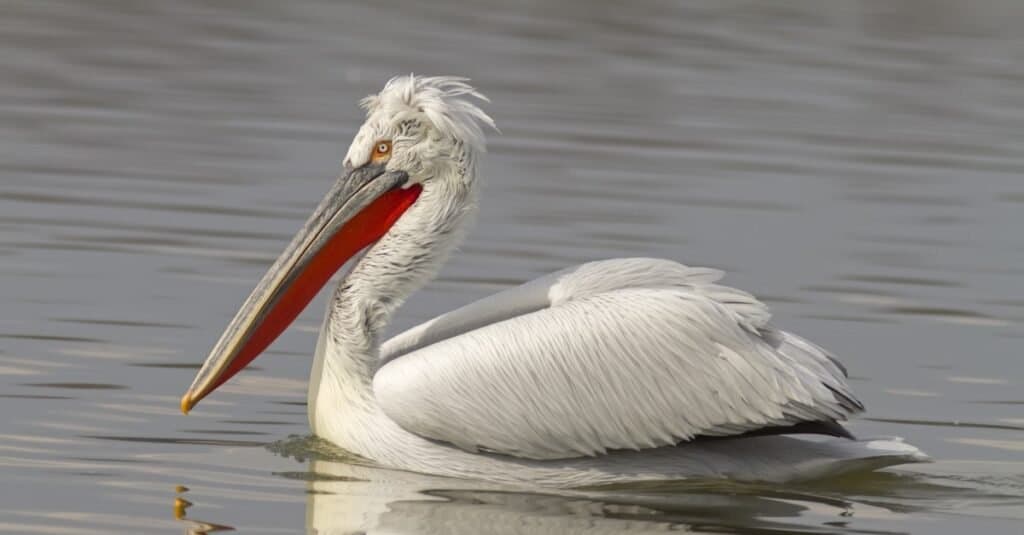
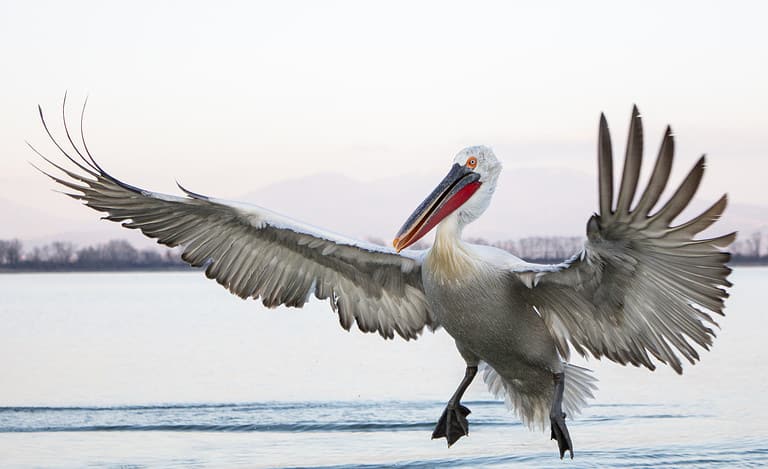
Dalmatian pelicans are among the largest pelicans and one of the largest flying birds in the world.
©Georgios Alexandris/Shutterstock.com
Among birds with mohawks, few measure as large or look as imposing as the Dalmatian pelican (Pelecanus crispus). Part of the pelican family Pelecanidae, the Dalmatian pelican is among the world’s largest flying birds. Measuring 5 feet, 3 inches to 6 feet long, and weighing between 16 and 33.1 pounds, Dalmatian pelicans range throughout the wetlands of Southern Europe, Central Asia, and the Middle East. You can often see them traveling in groups as they migrate to and from their breeding grounds. Their diet consists of fish such as catfish, eel, and carp, although they also eat crustaceans, beetles, and worms. Dalmatian pelicans have predominantly silver-white plumage and large orange and gray bills. On top of their heads, they sport a patch of wispy white feathers shaped like a mohawk. Due to poaching and habitat loss, the IUCN lists them as a Near Threatened species.
4. Eurasian Hoopoe
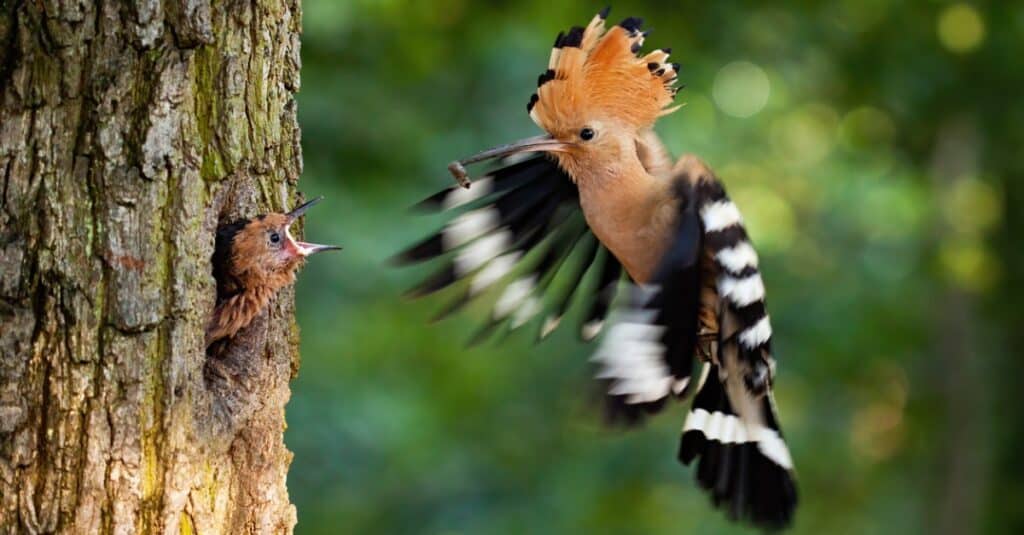
The hoopoe uses its beak to probe for lizards and insects.
©iStock.com/JMrocek
The Eurasian hoopoe (Upupa epops) is the most common member of the hoopoe family, Upupidae. These birds with mohawks range throughout Europe, Asia, and North Africa. They prefer to forage in grasslands with clear visibility and build cavity nests in trees, cliffs, or buildings. Their name comes from their distinctive “whooping” call, although their French name, huppée, also translates to “crested.” Eurasian hoopoes mostly feed on insects, although they also eat small reptiles and amphibians. On average, they measure 9.8 to 12.6 inches long with a wingspan of 17 to 19 inches. Their broad wings are striped black and white, while their breasts and faces appear fawn. Meanwhile, they sport tall, reddish mohawks with black edges, which they display while courting and fighting. Males, in particular, will fight and kill each other with their sharp bills. Currently, the IUCN lists the Eurasian hoopoe as a species of Least Concern.
3. Great Curassow
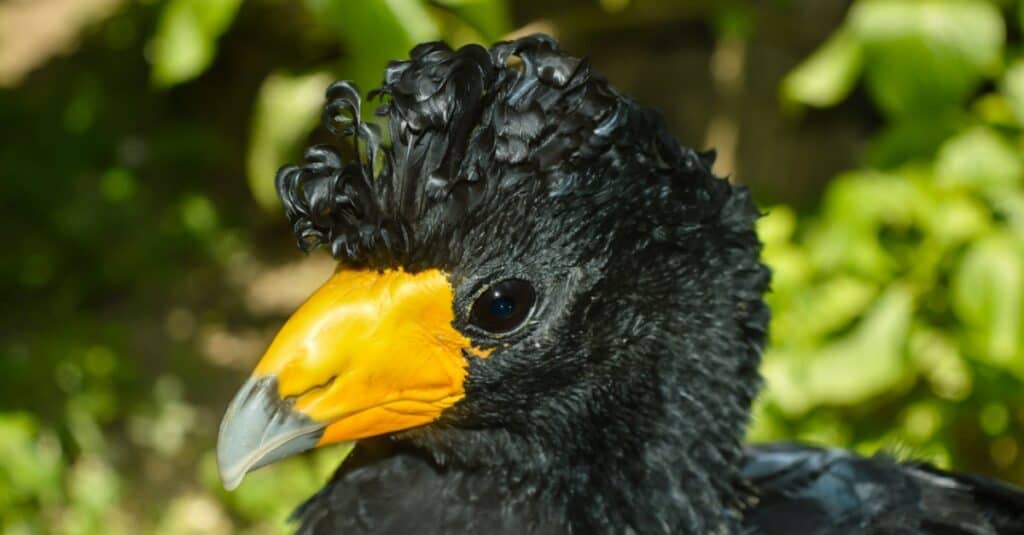
Great curassows sport a curly black crest.
©iStock.com/Eduardo Cabrera Abizaid
The great curassow (Crax rubra) is a member of the ground-feeding bird family Galliformes, which includes turkeys, chickens, and quails. These pheasant-looking birds range from Mexico in the North to Northern Colombia and Ecuador in the South. They live in groups in rainforests, although they are also found in drier areas. Their diet consists of fruits as well as arthropods and rodents. Measuring 31 to 39 inches long and weighing between 6.8 and 10.6 pounds, males feature mostly black feathers with a white belly, while females vary in their plumage. The males sport a curly black crest, making them one of the more dapper examples on this list. Unfortunately, because of habitat loss and hunting, the IUCN lists the great curassow as a Vulnerable species.
2. Victoria Crowned Pigeon
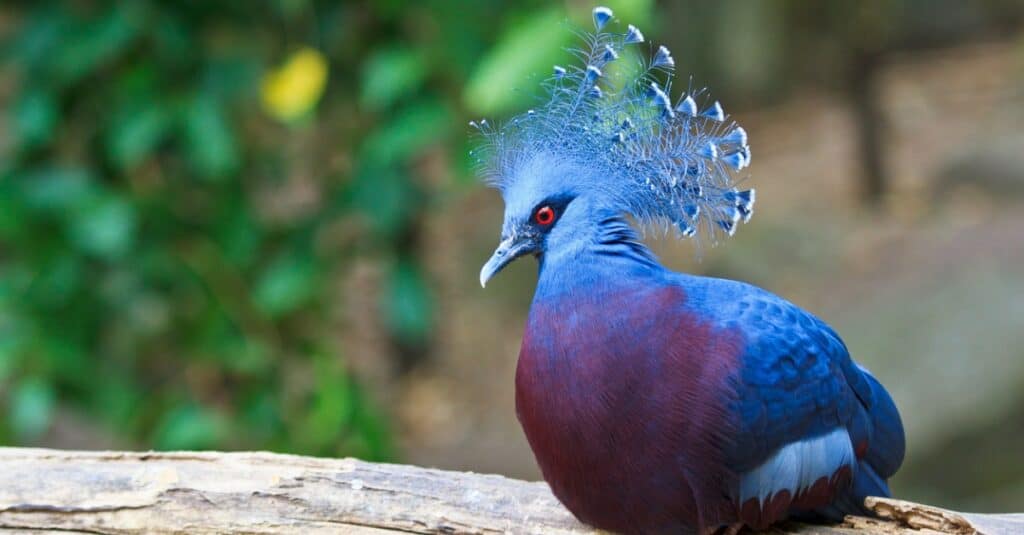
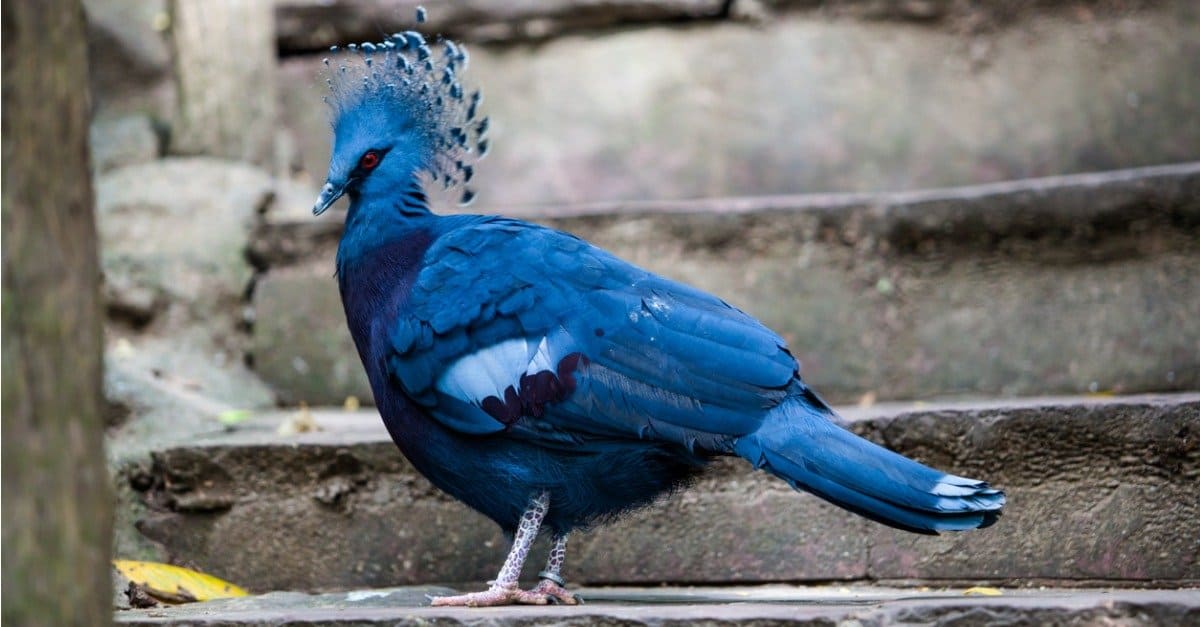
The Victoria crowned pigeon is named after Queen Victoria of England.
©iStock.com/pigphoto
When most people think of birds with mohawks, they don’t think of pigeons, but that would be a gross oversight. Case in point, the Victoria crowned pigeon (Goura victoria), a member of the pigeon and dove family, Columbidae. Named after Queen Victoria of England, these striking birds live only in the swampy forests of New Guinea. Known for their gregariousness, they forage in packs for foods including fruits, seeds, worms, and insects. Typically, they measure 29 to 30 inches long and can weigh up to 7.7 pounds. The plumage on their back is a rich blue-gray color, while their chests appear maroon. Meanwhile, they sport a beautiful blue-feathered crest that looks akin to the feathers on a peacock’s tail. Continued habitat loss and hunting have led the IUCN to list the Victoria crowned pigeon as a Near Threatened species.
1. Golden Pheasant
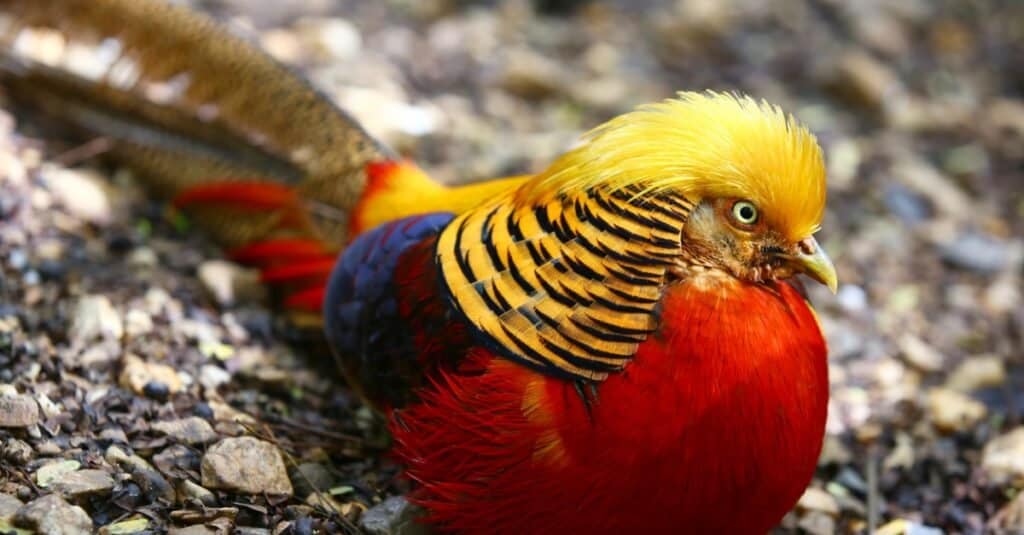
While native to China, the golden pheasant is now common throughout Europe, North and South America, and Australasia.
©iStock.com/luamduan
Also known as the Chinese or rainbow pheasant, the golden pheasant is another showy example of birds with mohawks. While native to China, wild populations now live throughout Europe, North and South America, and Australasia. Although they can fly, they primarily forage on the ground for grains, leaves, and insects. In general, they measure 35 to 41 inches long. Their plumage features yellow on the lower back and rump, red on the chest, green on the upper back, and tan on the face, throat, and chin. In addition to their bright orange mohawk, they also sport a spreadable cape made of alternating black and orange stripes. Its scientific name, Chrysolophus pictus, translates to “painted with a golden crest” in Ancient Greek and Latin, respectively. Due to its abundance, the IUCN lists it as a species of Least Concern.