
Quick Take
- Japan's crested ibis was declared gone, but a single discovery in another country rewrote the entire story. Read about China's discovery →
- The Noto region's connection to these eight birds goes far deeper than conservation, and that deeper connection changes what their release actually means. See the Noto connection →
- One foreign donation in 1999 is the reason Japan has crested ibises at all. Discover the 1999 donation story →
The crested ibis, once known for its beautiful plumage, looks like a creature out of a storybook. And it would have been, if not for the incredible conservation efforts of those who cared enough to protect its legacy. At one point, this rare bird was extinct in much of its native habitat. Today, it joins the small number of species that have recovered from the brink of extinction.
The recent release of eight crested ibises in Japan was a tribute to their endurance and all the people who helped on their journey. But for Japan, their maiden flights represent something more: Hope for the future.
The Legend of the Sacred Toki Birds
The Asian crested ibis, also known as toki in Japan, is steeped in ancient lore. Its presence signified good fortune, harmony, and the special relationship between humans and the natural world. The history of this species dates back to the Nara Period, when toki were treated with royal reverence. Their brilliant colors, including deep indigo-blue wing feathers and bright orange wingtips, inspired the colors of the Imperial Palace.
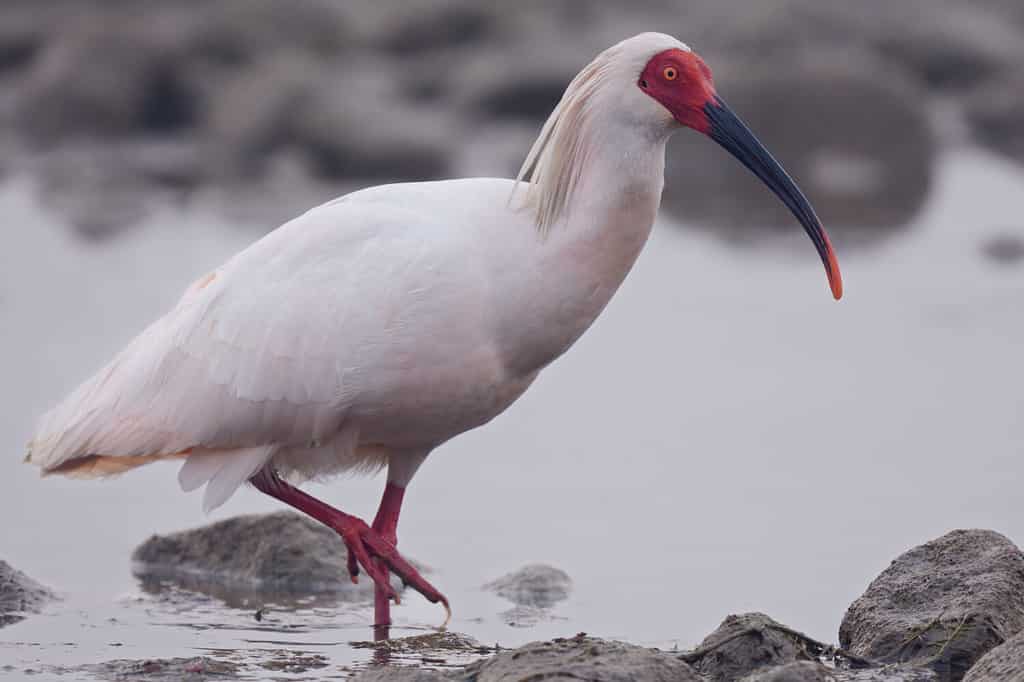
The crested ibis was driven to extinction by a triple threat: pollution, habitat loss, and hunting.
©Hugh Lansdown/Shutterstock.com
Toki were so revered that hunting them was strictly prohibited. Instead, the nobility took on their own colors in their kimonos as a tribute. These customs are so deeply rooted in Japanese folklore that the colors and patterns of the toki can still be seen throughout Tokyo today.
Sadly, the crested ibis faced an untimely end in Japan by 2003. Excessive pesticide use and overhunting drove the species to the brink of extinction in their native habitats. As toxicity in their food sources increased, they also faced significant habitat loss due to land expansion. By the late 1980s, there were simply too many threats for these birds to overcome. The last wild crested ibis died on Sado Island.
A Promise and a Future
While crested ibises were extinct in Japan, the species itself was not. Although it was previously thought there were no birds left in China, a discovery made in 1981 changed all of that. A wild population of crested ibises was discovered in Shaanxi Province, giving hope to conservationists working to save the species. This hope would soon grow as Japan and China worked together to reestablish the species in one of its native habitats.

Few birds have the same beauty as Japan’s native crested ibises when they’re in flight.
©Wang LiQiang/Shutterstock.com
In 2002, magic happened at an incubation center in Shaanxi Province. Crested ibises were bred, and five out of seven eggs hatched. After careful selection of mates, this was proof that the species could return and survive. Slowly but surely, the crested ibises were released in various habitable locations around Japan. By 2012, three more chicks hatched on Sado Island—a poetic new beginning for the same location that saw the last of its kind. This would mark the first crested ibis hatchling in Japan’s wild in nearly 40 years.
Eight More Crested Ibises Find Freedom
In late May 2026, eight more crested ibises were released into the wild in Japan. At a ceremony held in Hakui City in the Noto region, Crown Prince Akishino and his wife, Kiko, released the birds from ceremonial wooden boxes. The moment they first flew outside captivity was a beautiful triumph. It was a testament to the capabilities of modern science, a tribute to the success of conservation, and a hope that this can be done with other species.
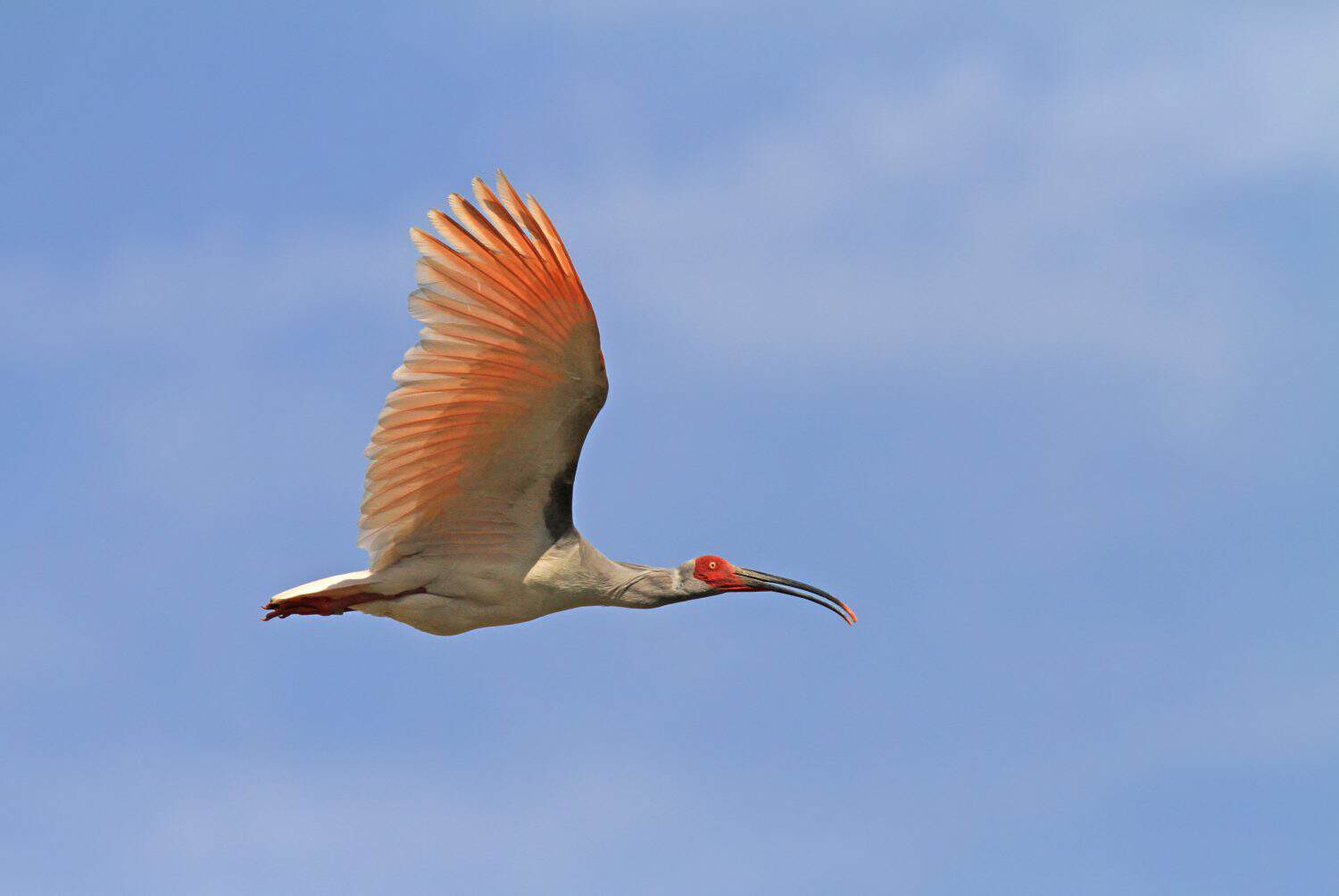
Once a symbol of harmony, the crested ibis now represents so much more to Japan.
©Agami Photo Agency/Shutterstock.com
Sado Island once again housed the birds at a conservation center until they were ready to live on their own. This island has become a crucial location for the survival of the crested ibises. It will continue to be a hub for reintroduction, with additional birds expected to be released into Japan’s woodlands.
The crested ibis now serves as a historic conservation win for Japan. In 2008, ten birds marked the start of repopulation. Now, it’s estimated that there are approximately 580 individuals, if not more. As residents cheered after the birds took flight, Japan’s ministry has renewed hope that these birds can continue to live outside of captivity. Were it not for China’s donation of the first breeding pair in 1999, and many conservationists and caretakers along the way, the crested ibis would be nothing more than a colorful myth. The release of these eight also symbolizes a good omen for the Noto region following the devastation of the 2024 earthquake.