
Quick Take
- Although New Jersey is the most densely populated U.S. state, it supports a surprising array of avian species.
- Cape May, New Jersey, is a splendid location for viewing raptors, including numerous hawk species.
- An abundance of salt marshes at Edwin B. Forsythe National Wildlife Refuge supports a variety of wading birds and waterfowl.
Although New Jersey is the most densely populated state in the U.S., it maintains significant biodiversity, with approximately one-third of the state’s land mass preserved through conservation programs. Located along the Atlantic Flyway, New Jersey’s diverse habitats are stopovers and breeding grounds for millions of birds year-round. The Delaware Bay region is well-known for its extensive coastal wetlands and marshes, which are vital for migratory shorebirds, while the state’s southern pine barrens are essential nesting and foraging grounds for a wide array of forest-dwelling birds, including specialized species like pine warblers and various raptors that thrive within the vast, pitch-pine-dominated ecosystem. Continue reading to discover the best locations for viewing New Jersey’s amazing array of avian wildlife.
Cape May
It’s impossible to talk about birding in New Jersey without mentioning Cape May. Avid birders know this is the birding capital of New Jersey. Cape May is one of the most important habitats for migratory birds traveling both north and south along the Atlantic Flyway.
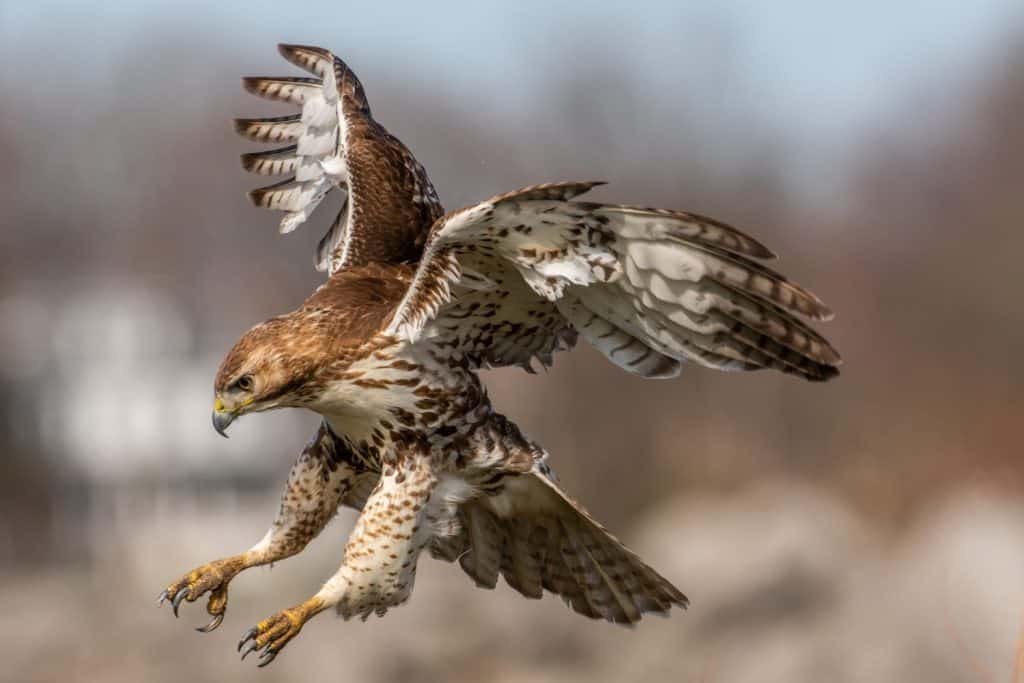
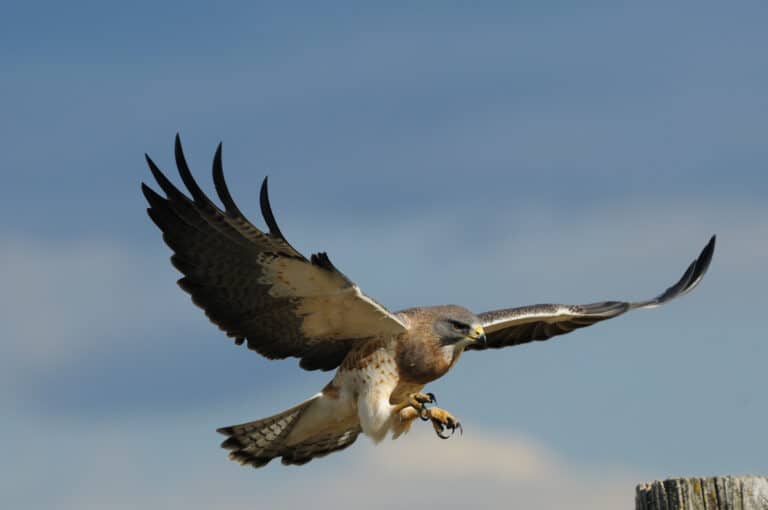
A wide variety of hawk and raptor species migrate through Cape May.
©David Brace/Shutterstock.com
Cape May is a critical stopover on the Atlantic Flyway, acting as a natural funnel that concentrates massive numbers of migratory birds and raptors. Because it is a peninsula bordered by the Delaware Bay and the Atlantic Ocean, migrating species often pause here to rest and refuel before crossing open water.
The Cape May Bird Refuge, Cape May State Park, and the Higbee Beach Wildlife Management Area are three protected areas that are ideal for bird-watching. Cape May plays host to thousands of raptors, and hawk watching is a particularly popular pastime.
Birders can expect to see the following species in Cape May:
- Purple Martins
- Kingbirds
- Orioles
- Herons
- Warblers
- Scoters
- Swans
- Egrets
- Terns
- Ospreys
- Swallows
- Wrens
- Hummingbirds
- Woodpeckers
- Blue Grosbeak
- Indigo Bunting
- Hawks and other raptors
Gateway National Recreation Area: Sandy Hook
Sandy Hook is another of New Jersey’s coastal birding hotspots. Located within the Gateway National Recreation Area, Sandy Hook has hundreds of recorded bird species, with new sightings added regularly. It is vital for migratory raptors, waterfowl, and songbirds, and serves as a critical nesting habitat for Piping Plovers and Least Terns.
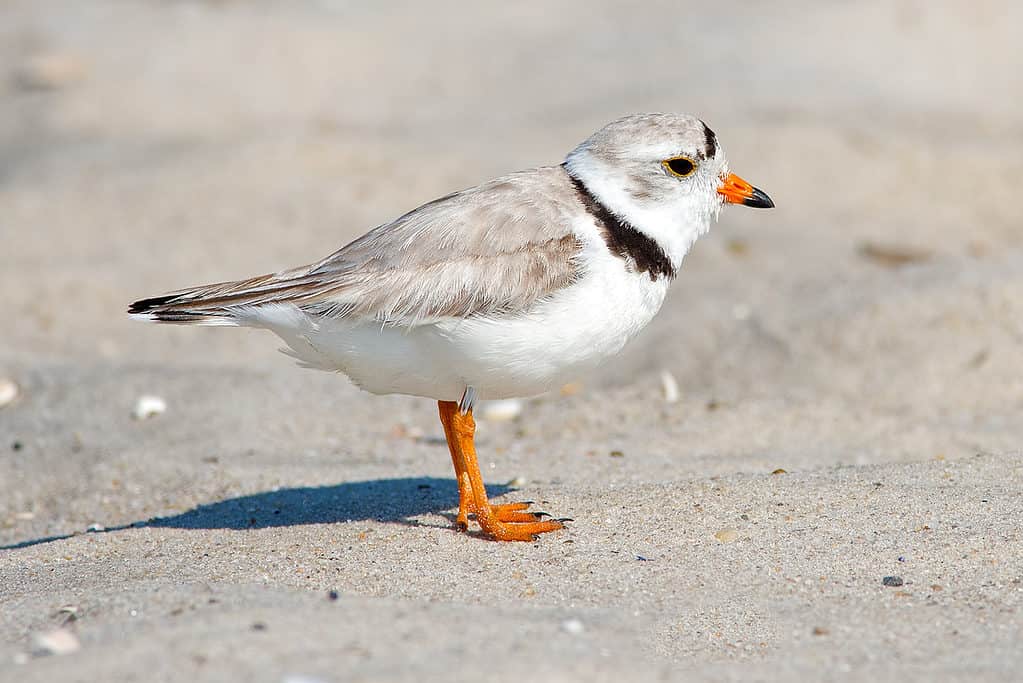
Piping Plover populations along the Atlantic Coast are classified as threatened.
©iStock.com/BrianEKushner
Key birding areas include the tip of the peninsula, Horseshoe Cove, and Spermaceti Cove. Peak bird migration activity typically occurs during both spring (April–May) and fall (September–October) migrations. The area features a mix of dunes, beaches, salt marshes, and upland thickets, supporting species such as American Black Ducks, Clapper Rails, Ospreys, and Seaside Sparrows.
Common birds to look for at Sandy Hook include:
- Osprey
- Northern Harrier
- Cooper’s Hawk
- Sharp-shinned Hawk
- American Kestrel
- Peregrine Falcon
- Northern Goshawk
- Brant
- Scoters
- Loons
- Northern Gannet
- Great Cormorant
- Gull
- Razorbill.
Island Beach State Park
Island Beach State Park, located along the Atlantic Flyway, is a crucial stopover for migratory birds and a vital nesting site for shorebirds. As an undeveloped barrier island, it provides critical resting and refueling habitat for raptors and songbirds during spring and fall migrations.
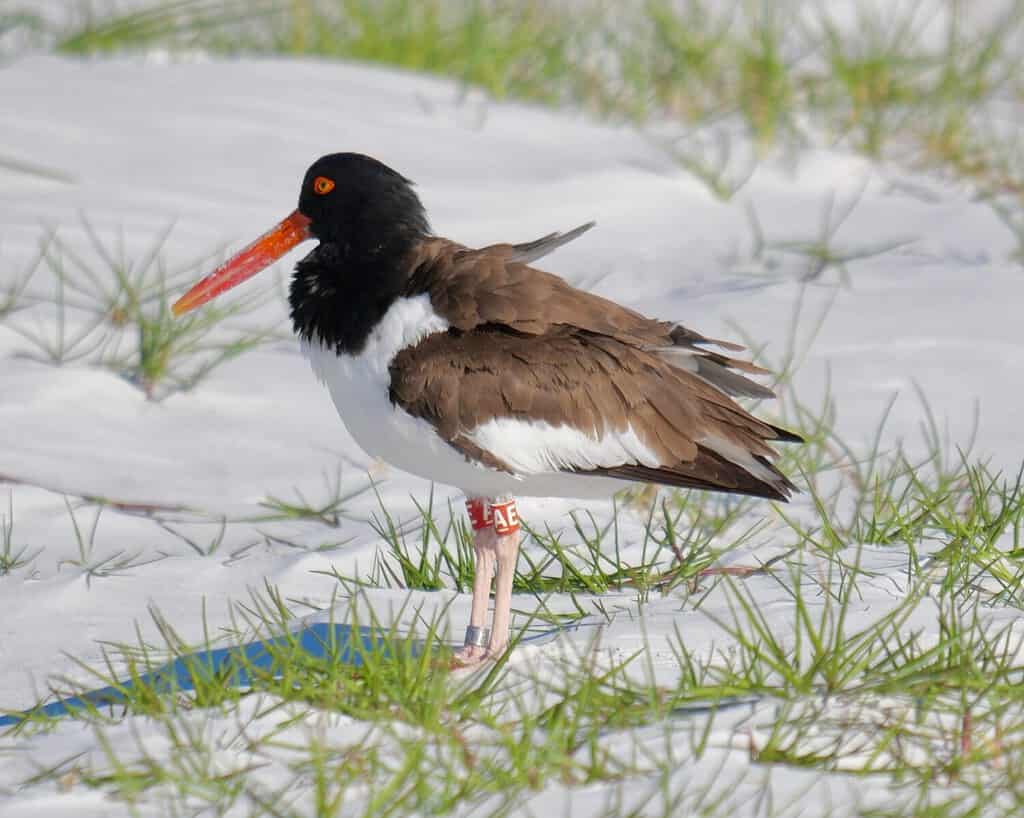
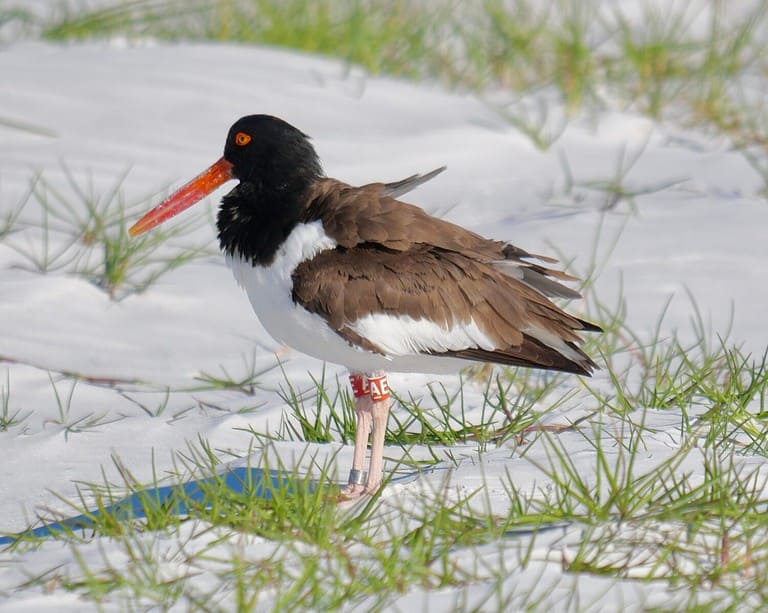
American oystercatchers are present year-round in New Jersey.
©Archaeopteryx Tours/Shutterstock.com
The park encompasses salt marshes, tidal pools, maritime forests, and expansive dunes, supporting a wide range of species. The Spizzle Creek Trail is noted for its bird observation blind, which is excellent for viewing ospreys and wading birds in the marshland from late March through August.
Birders visit the park year-round to spot ospreys, piping plovers, American oystercatchers, black skimmers, migrating songbirds, and wintering waterfowl.
Common birds to view at the Island Beach State Park include:
- Scoters
- Loons
- Great Cormorant
- Northern Garnet
- Tricolored Heron
- Brown Pelican
- Osprey
- American Oystercatcher
- Least Tern
- Piping Plover
- Saltmarsh Sparrow
- Yellow-crowned Night Heron
- Clapper Rail
Edwin B. Forsythe National Wildlife Refuge
Edwin B. Forsythe National Wildlife Refuge is one of the largest protected areas in New Jersey, covering approximately 47,437 acres of land in the Southern New Jersey area. The refuge consists of marshland, along with a few bays and shallow coves. The refuge lies along one of the most active sections of the Atlantic Flyway, making it one of the best birding destinations in New Jersey and along the Atlantic coast.
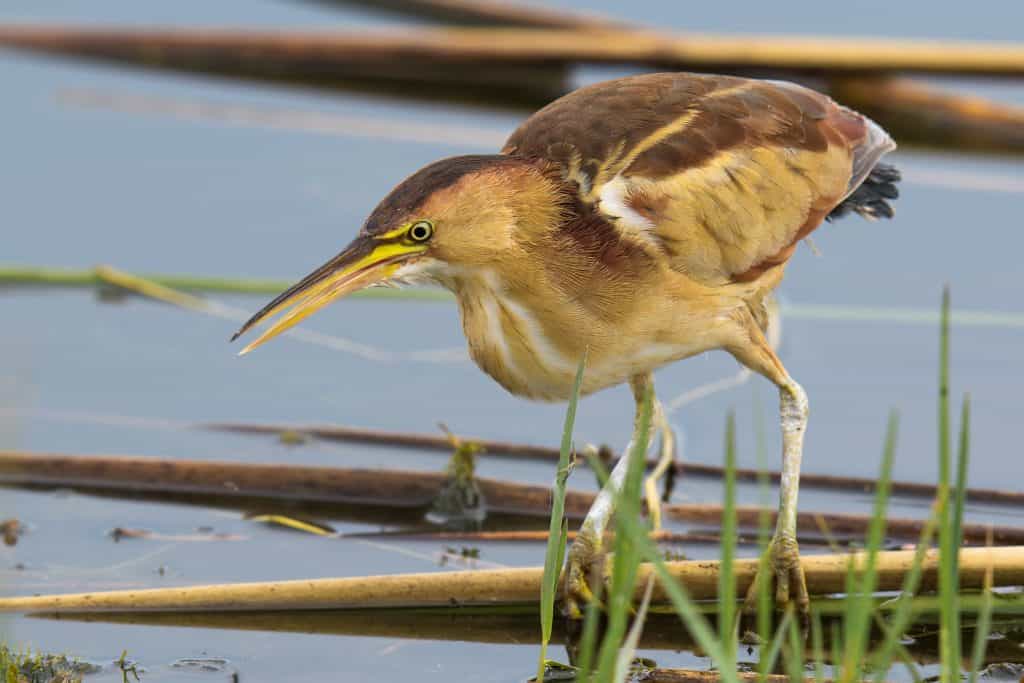
Least bitterns are on display at the Edwin B. Forsythe National Wildlife Refuge.
©John L. Absher/Shutterstock.com
The abundance of salt marshes makes this location a great habitat for waterfowl, shorebirds, and wading birds. More than 30 species of ducks, geese, and swans have been recorded, and more than 360 species of birds frequent the refuge. In addition to numerous hiking trails, birders can also explore the refuge by car.
Common birds to watch out for at the Edwin B. Forsythe National Wildlife Refuge include:
- Least Bittern
- Bald Eagle
- Osprey
- Chuck-will’s-widow
- Saltmarsh Sparrow
- Herons
- Egrets
- Roseate Spoonbill
- Terns
- Black Skimmer
- Spotted Redshank
- Ruff
- Curlew Sandpiper.