
Quick Take
- Coastal migration of shorebirds occurs every year, beginning in March for certain species
- The rising tides create many issues for seabirds, as water levels often eliminate their feeding areas and constrict their overall habitat.
- Empty beaches in March serve as critical habitats for migratory survival; however, beaches are rarely empty these days.
- Maintaining a respectful distance from migrating shorebirds ensures their safety and overall survival.
The coastal birding season has already started once March rolls around, with the first real signs of their spring migration cropping up on mudflats, estuaries, wrack lines, and high-tide roosting spots all along the coast. Multiple species of birds migrate during this time along the West Coast of North America, and this month is crucial for all of these species, especially given certain increasing threats to their safety.
The Pacific Americas Shorebird Conservation Strategy makes clear that habitat degradation, disturbance, direct mortality, and climate-related change are all adding pressure to birds that depend on a narrow chain of functioning stopovers during their migration. Where are some of these stopovers located, and what can you do to keep these birds safe, especially if you’re interested in viewing them firsthand?
Today, we’ll go over why the month of March is so important to migrating, coastal birds, even if the month doesn’t exactly seem ideal for humans to head to the beach. We’ll discuss the types of birds making this migration, where they’re most visible, when you should head to the coast to see them, and how you can keep them safe during this long, arduous process.
The Birds That Begin Coastal Migration Season
March is an interesting month for coastal birds because it involves a mix of holdovers and starters in terms of migration timing. Some birds winter on or near the coast and remain visible as the season turns, while others are early northbound migrants that begin appearing before larger waves follow behind them. No matter which birds you’re viewing, there’s enough movement to sense the arrival of spring, but not the kind of spectacle that usually overtakes major estuaries in late April and May.
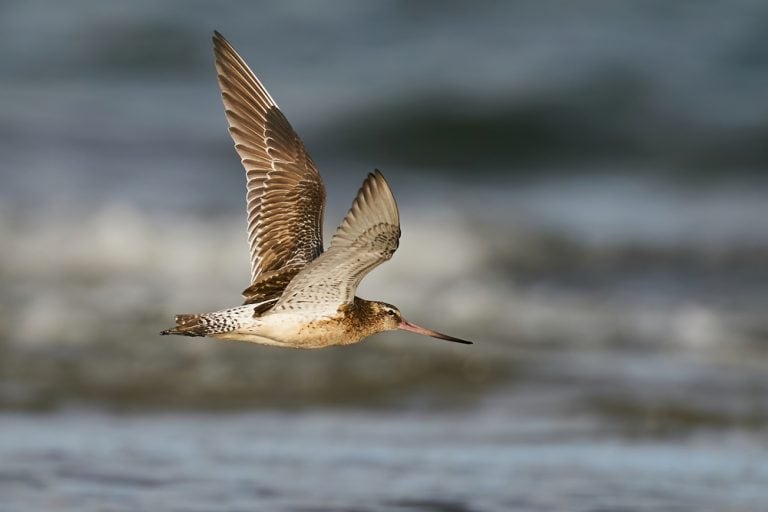
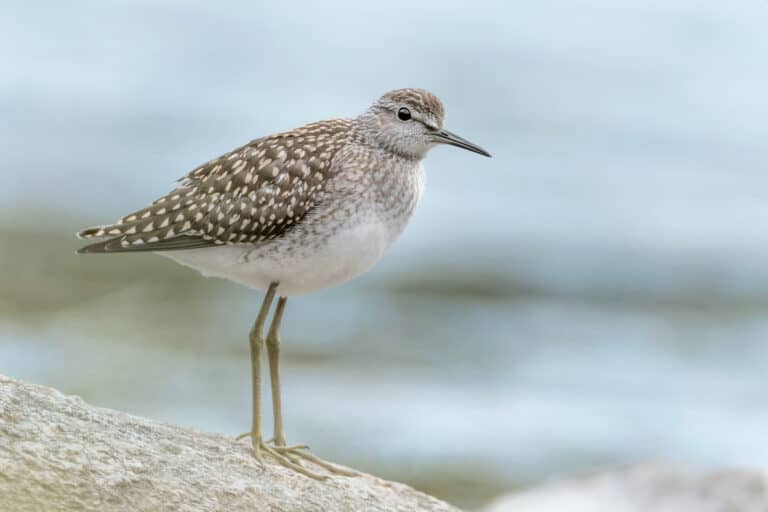
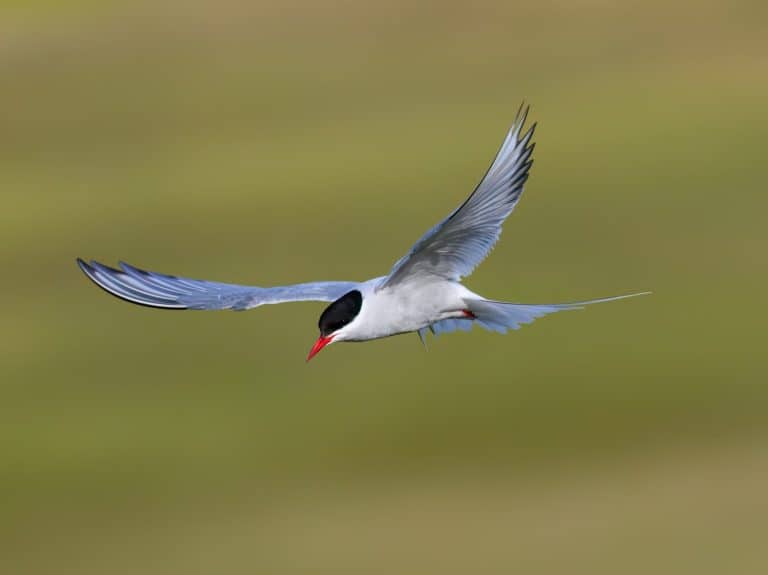
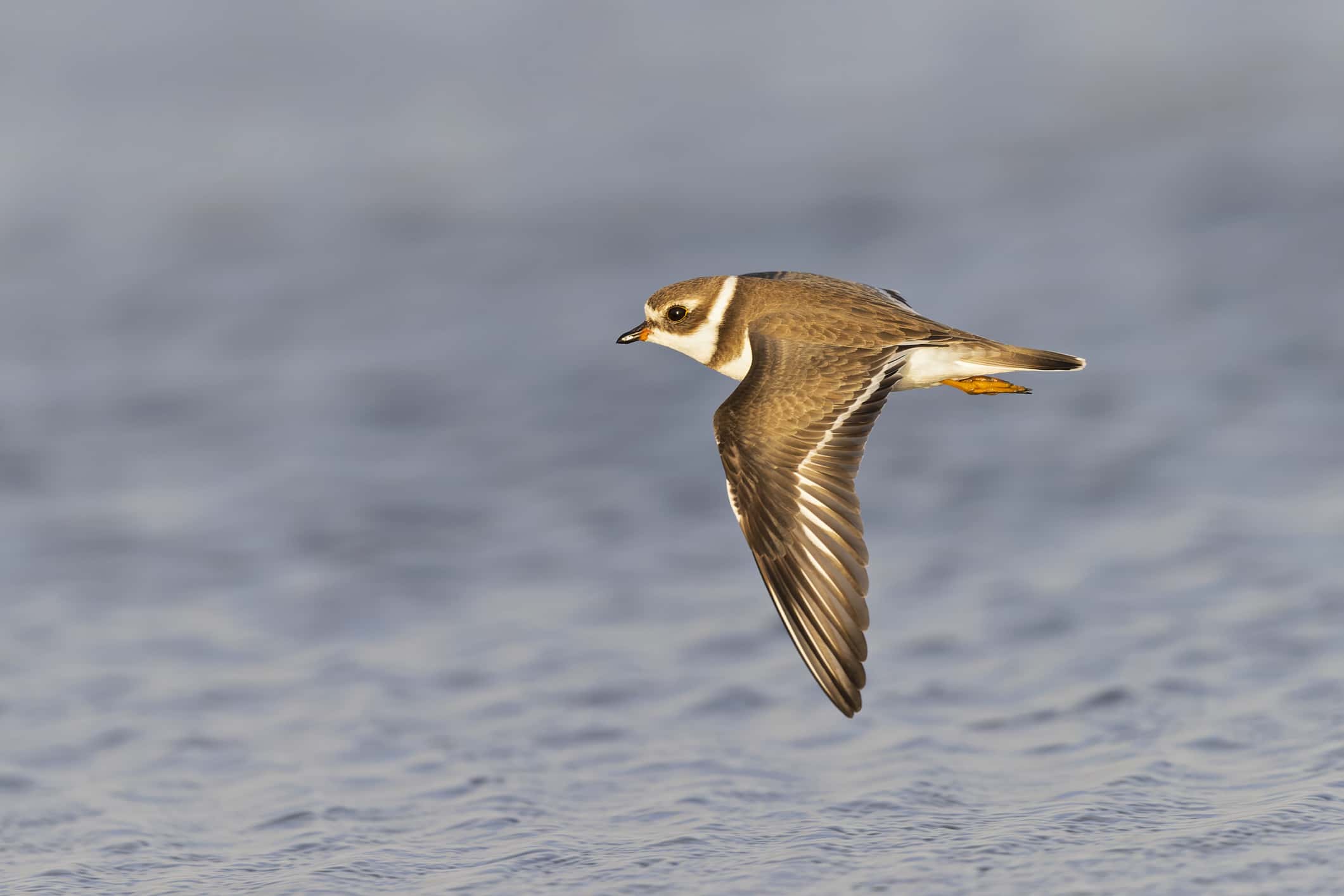
There are many coastal migrating bird species that travel during March.
©Susana Miranda/Shutterstock.com
On the Pacific Coast, early spring showcases a number of stunning species, with late spring bringing in a massive influx beginning in late April and continuing through mid-May. Hundreds of thousands of shorebirds stop to rest and feed during these months; if you’re hoping to spot some during the month of March, these are the species you’re most likely to see.
Western Sandpiper
If one bird best represents the Pacific Coast’s spring migration, it is probably the Western sandpiper. This small shorebird gathers in flocks numbering in the hundreds of thousands during its annual spring migration; while you may only see a manageable number of them in March, they are one of the clearest signs that the coast is starting to wake up after a long winter.
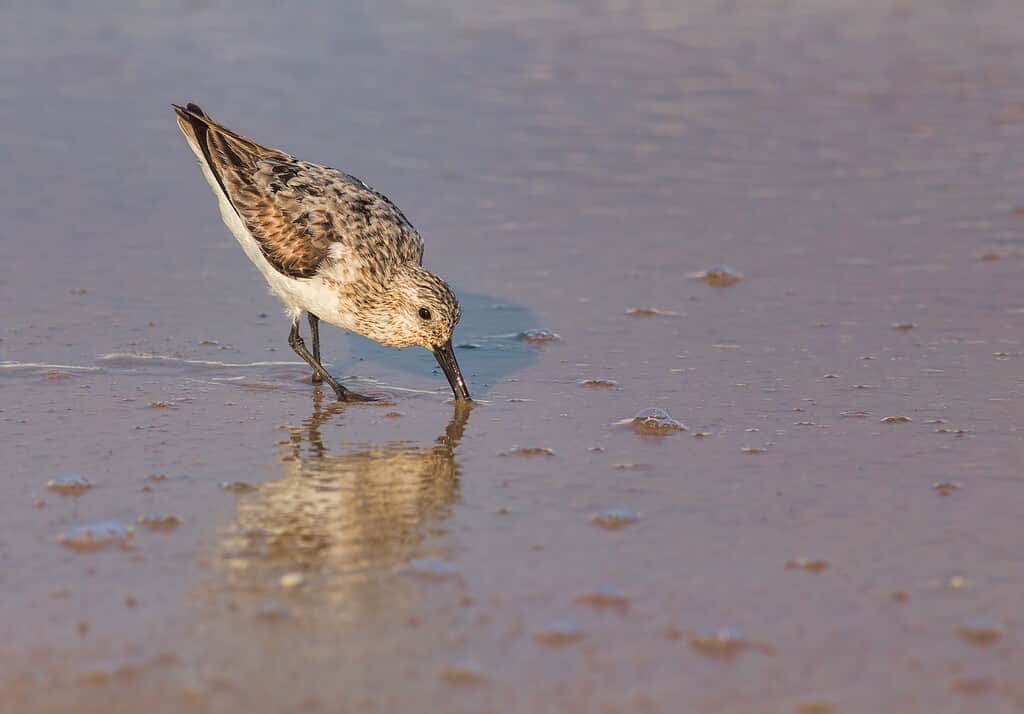
The activity level of Western sandpipers makes them obvious during a birdwatching session.
©Stephen Bonk/iStock via Getty Images
Western sandpipers are active, compact birds with slightly drooping bills, rarely staying still. They shuffle through shallow water and run at a rapid, distinctive pace, making them fairly easy to identify. Along the Oregon coast, the Oregon Department of Fish and Wildlife’s Western sandpiper information says this is the most abundant shorebird in the state’s estuaries and along beaches during migration, with the largest concentrations usually found at Tillamook Bay, Bandon Marsh, and the Columbia estuary.
Dunlin
The Dunlin typically winters in large flocks along bays and coastlines, and they are often among the first shorebirds that birdwatchers really notice. Like sandpipers, their groups can be dense and animated, making them easy to pick out against wet mud or sandy flats. They are chunkier than sandpipers as well, complete with a long bill curved toward the tip. They also move in tight flocks to feed, which helps them stay in synchronized protection.
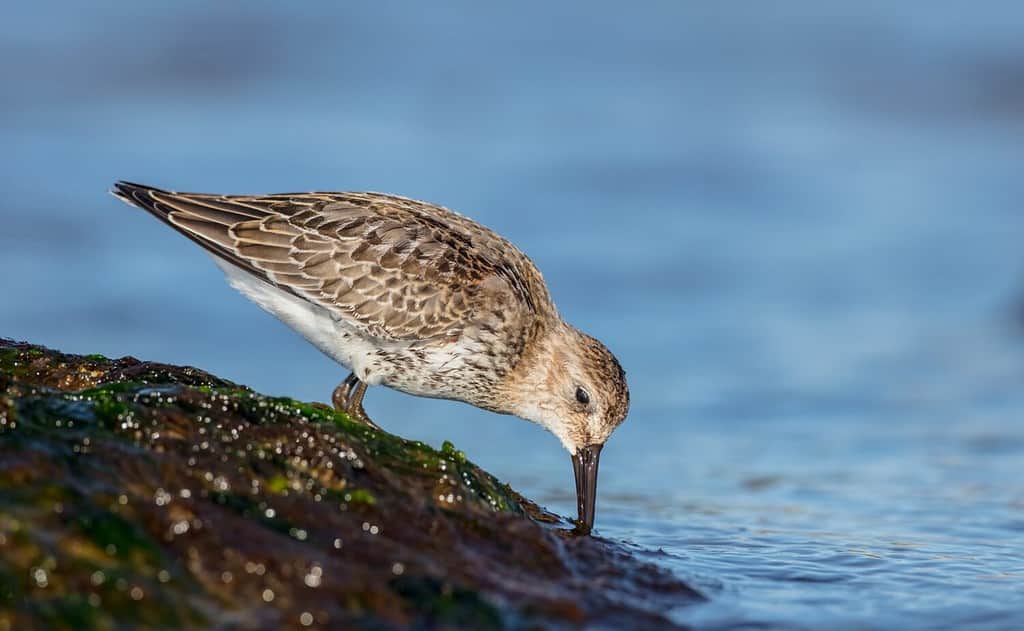
Dunlins are easy to identify based on their larger bodies and curved beaks.
©Simonas Minkevicius/Shutterstock.com
Dunlin rely on the tides of the West Coast; in winter, they roost and forage in large flocks in estuaries and lagoons, but when the tide is high, they gather on beaches or elevated marshes. It’s important to keep in mind that a rising tide does two things at once: it can make birds easier for people to see, but it also compresses the habitat the birds can use. This means Dunlin tend to burn more energy than they should, avoiding people, energy they could be using to feed.
Black-bellied Plover
A bigger bird compared to sandpipers, black-bellied plovers are actually the largest and heaviest of North American plovers, which is why they often stand out first. They also work a wider range of migration habitats than many people expect, feeding on beaches, tidal flats, estuaries, and other coastal wetlands. In March, they are useful teaching birds for new birdwatchers in particular.
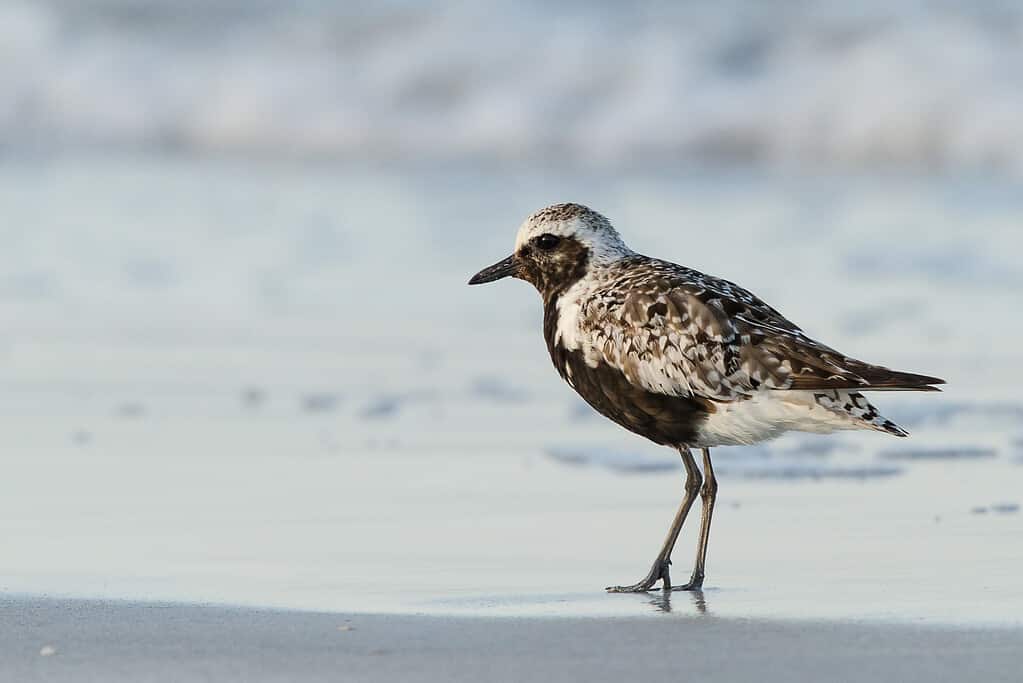
Black-bellied plovers venture across a larger range compared to other seabird species.
©Elliotte Rusty Harold/Shutterstock.com
This species makes it easier to interpret a scene full of migrating birds; once you notice one bird feeding or standing apart from a denser flock, you start to observe which parts of the flat it prefers and how other birds nearby use the same area differently. It’s important to note that, because they are more conspicuous, they tend to tempt people to move in too close; don’t fall for it if you see these larger birds in action.
Least Sandpiper
Most people notice this species of sandpiper during its migration or wintertime rather than on its breeding grounds, keeping the coastline active before other types of birds arrive. Their migration pattern is also broad, moving through interior North America or down the Pacific Coast. While they are tiny birds, they’re still extremely noticeable, so long as you know where to look.
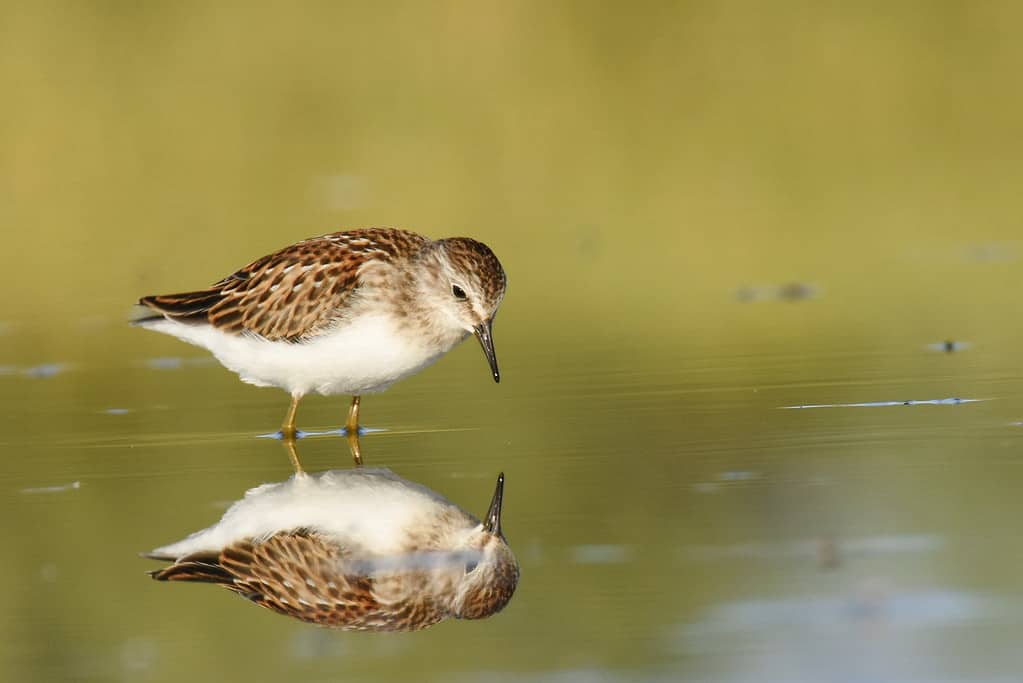
Least sandpipers feed in muddy areas near the coast.
©Carrie Olson/Shutterstock.com
During migration months, they stop on coastal mudflats, shorelines, meadows, fields, and the muddy edges of lakes, ponds, and even ditches. Anywhere that has enough invertebrate life to make it worth using is good enough for the least sandpiper. Given their demure size, they add a visual interest to larger groups of seabirds, especially ones that aren’t as willing to venture into the muddier parts of the coast.
Willet
The willet leaves its coastal wintering grounds from March through May, making it a likely sight during this migration time frame. While they are larger, plainer, and less active compared to various sandpiper species, they are often easier for non-birders to notice at a glance because of this stillness.
These larger waders spend their time shifting north through beaches, marsh edges, tidal flats, and estuaries, keeping beaches occupied as they work open shoreline and marsh margins. They are also one of the birds most likely to overlap with ordinary foot traffic, which is something to keep in mind if you’re planning on viewing them.
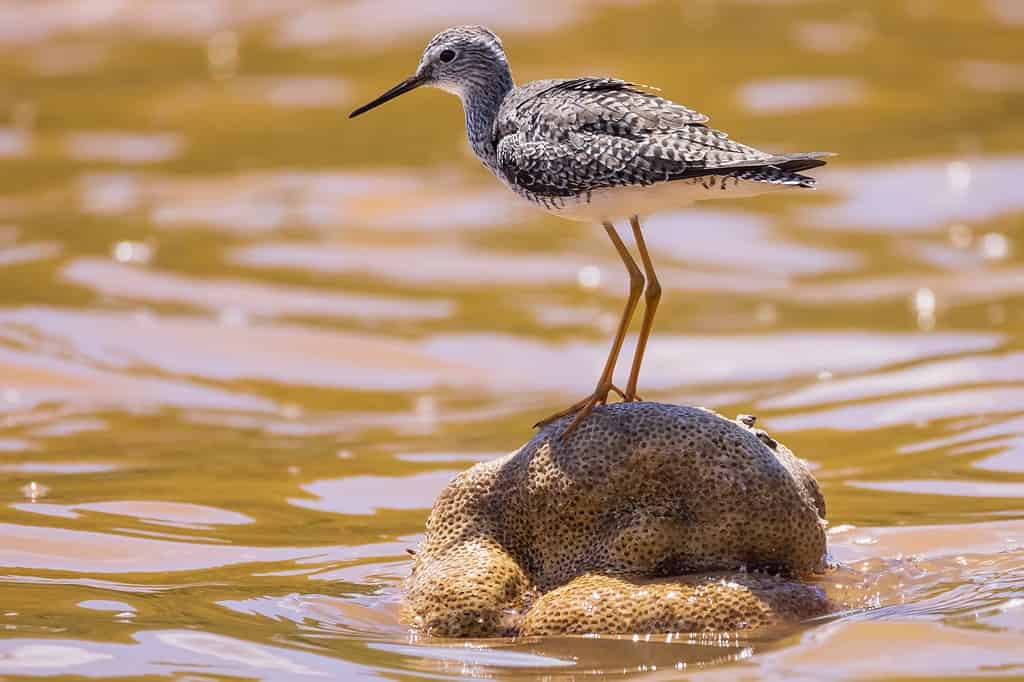
Willets are long-legged and striking in terms of their feather patterns.
©BlueBarronPhoto/Shutterstock.com
A larger bird still needs quiet space to feed and rest, but uninformed beachgoers often assume an open stretch of beach belongs to them if no nesting birds are immediately visible. However, in March in particular, willets begin their northward migration from wintering grounds, so it’s important to remember their presence if you opt to visit during this time. Their nesting season typically begins later in the spring.
Where Early Migrating Flocks Feed and Rest
Early migrants seek specific combinations of food and safe resting spaces, typically preferring areas with access as tides rise and fall. Intertidal mudflats and estuaries provide the worms, crustaceans, mollusks, and other small prey that shorebirds need to keep moving, so these spots often see the most flocks.
An Audubon guide to sharing the beach with shorebirds stresses this point, stating that coastal areas serve as rich food sources for migratory stopovers. On the Pacific Coast, some sites have even become famous because they offer this to birds consistently. The Grays Harbor refuge witnesses hundreds of thousands of shorebirds stop there during spring migration to rest and feed on the vast mudflats, with that general pattern present in other spots on the coast.
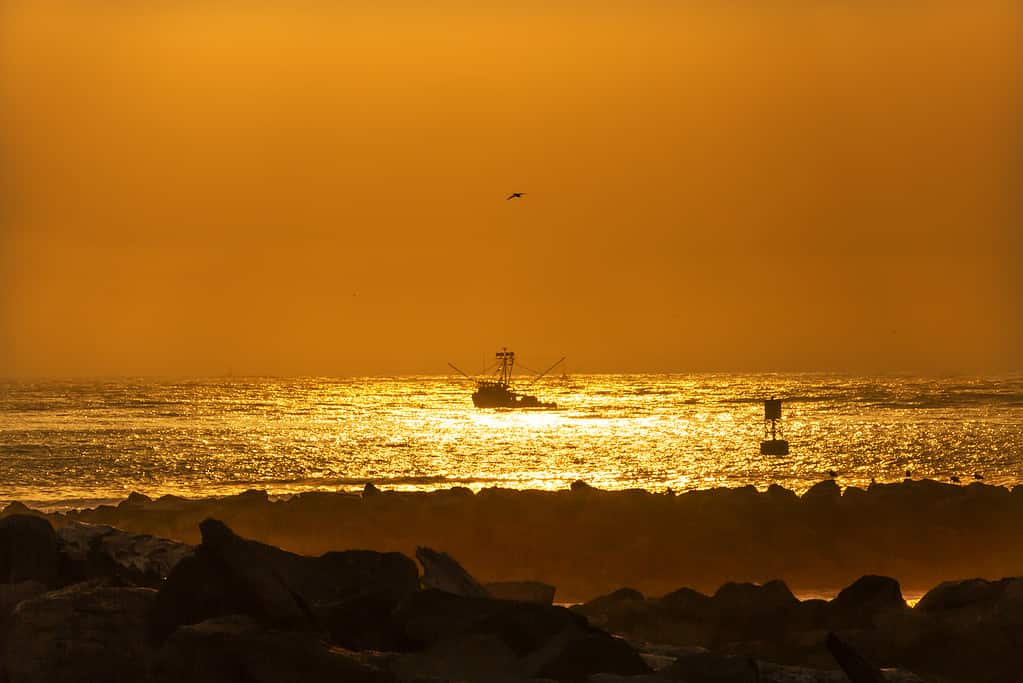
Grays Harbor in Washington can be an ideal spot to see migrating shorebirds.
©iStock.com/bpperry
Upper beach locations are also extremely important to migrating species, especially during high tide. Roost areas are best set up above the waterline, along quiet, sandy margins that are often the only places birds have left once feeding habitat disappears under incoming water. That is one reason beachgoers accidentally cause so much damage.
All this to say: a stretch of beach that looks empty to us may be a necessary resting zone to birds waiting for mud and sustenance to reappear. And this is only one of the challenges faced by migrating coastal species.
The Challenges Faced By Coastal Migrating Birds
Migration already demands a great deal from coastal bird species. They have to find food quickly, avoid predators, navigate inclement weather, and arrive at their next stopover location with enough reserves to feed before continuing north. With repeated flushing, the presence of dogs and drones, and shrinking habitat, this delicate balance becomes even more precarious.
Many of the sources we’ve already cited note that habitat conversion, habitat degradation, disturbance, direct mortality, and climate-related change are major stresses across the entire coastal flyway. In addition, booming coastal development and recreational use are reducing the areas where birds can feed and rest. This is the real problem facing migrating flocks in March, especially as Spring Break travel ramps up: these birds lose time and energy during one of the most important refueling windows of the entire year.
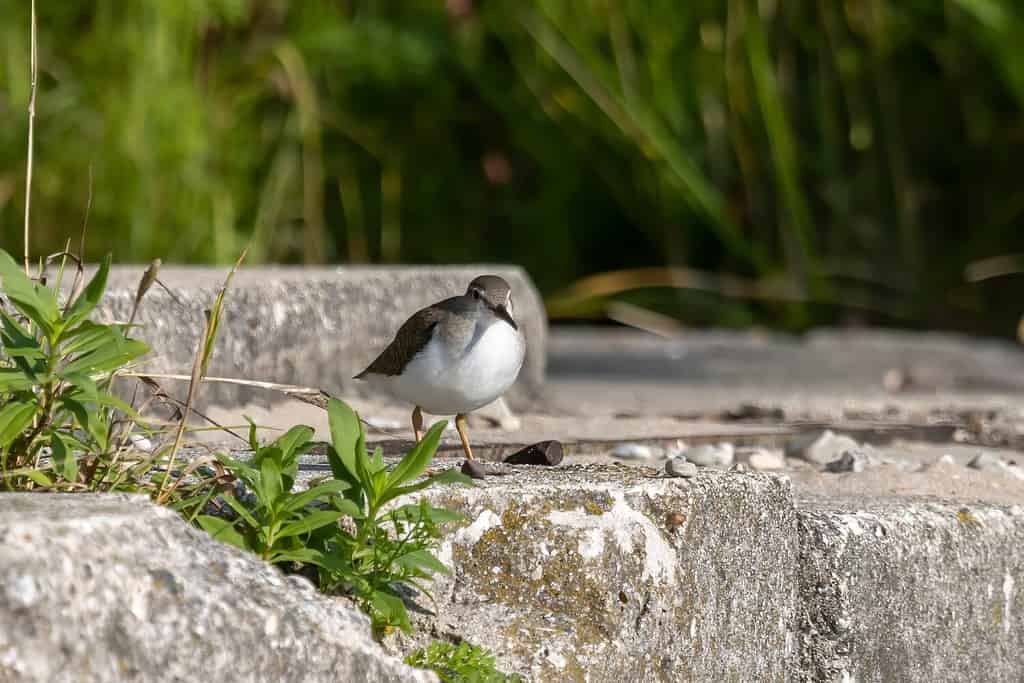
Coastal development is steadily eliminating the habitats of migrating shorebirds.
©Karel Bock/Shutterstock.com
The early part of the shorebird migration season can be especially misleading because the numbers of birds are much smaller compared to later in the spring. A person on the beach may assume they aren’t interrupting a modest flock, but, in reality, those birds may be using one of the few good feeding windows available that day, or one of the only undisturbed roost spaces left at that tide level. With this in mind, how can you keep migrating birds safe along the coast this time of year?
Keep Migrating Birds Safe: Easy Steps to Take
The easiest rule to remember during coastal migration season is to keep your distance. If birds stop feeding, begin bunching tightly, raise their heads together, walk away, or fly off, you are far too close to them for comfort. Always keep enough distance that birds can continue doing what they were doing before you arrived.
High tide deserves extra care and attention, as it is often when birds have the fewest options. Be sure to walk around roosting groups instead of through them, especially during this time of day. Keep both dogs and drones far away from feeding and resting birds; capturing footage should never come at the expense of disturbing these delicate bird species.
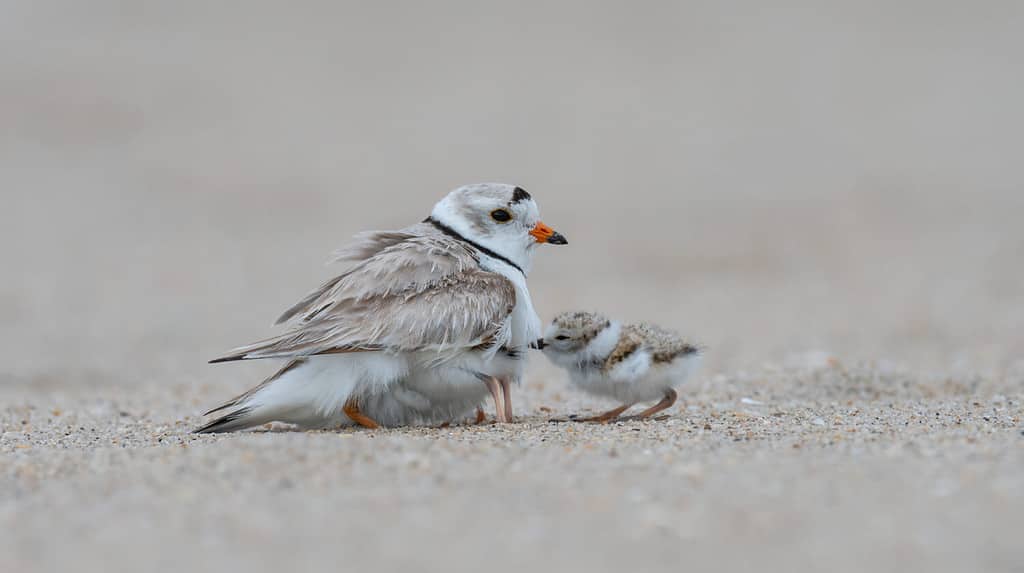
Protecting these delicate, migrating species is a must if you visit the seaside during the month of March.
©Randy G. Lubischer/Shutterstock.com
While March shorebirding is a quieter chapter of the overall migration season, it is still a vital time. Learn to notice where these early birds feed and where they retreat when the tide rises. By the time the bigger April and May rush of birds arrives, you’ll know how to keep each of these unique species safe for the duration of their migration.